Tech
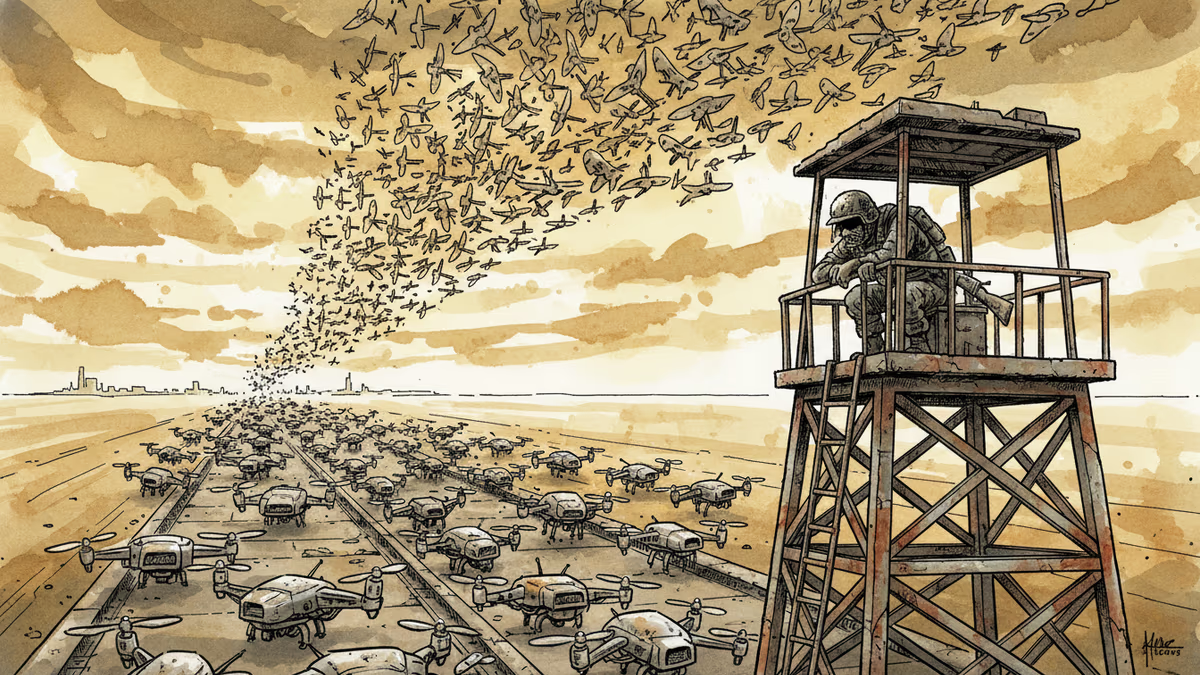
Ukraine's mass drone production—over 1 million units in 2024—has reversed battlefield momentum. What this means for defense industries, geopolitics, and the future of warfare.

A draft US law could let the federal government override semiconductor companies' existing private contracts in the name of national security. Here's what's at stake for the industry.
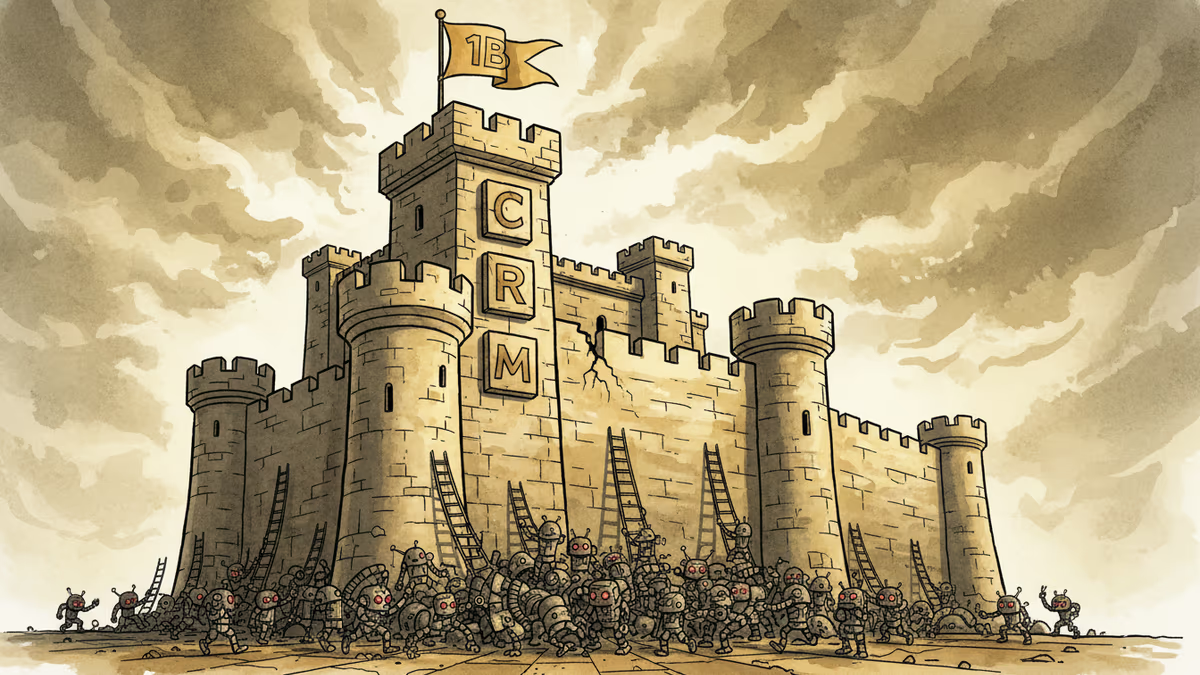
Salesforce beat Q1 estimates and Agentforce hit $1.2B annualized revenue. But a soft RPO and slightly missed guidance tell a more complicated story about AI's threat to enterprise software.

PRISM by Liabooks
Place your ad in this space
[email protected]
Iran has vowed to 'not leave any mischief unanswered' after recent attacks. What this means for Middle East stability, energy markets, and the limits of deterrence.

Explore the looming leadership shift at Apple. Can John Ternus fill Tim Cook's $3 trillion shoes? Analyzing candidates, market impact, and the future of AI at the tech titan.

Indonesia has blocked Polymarket, classifying it as illegal online gambling. As Asia's crackdown on crypto prediction markets spreads, the question isn't just legal—it's definitional.
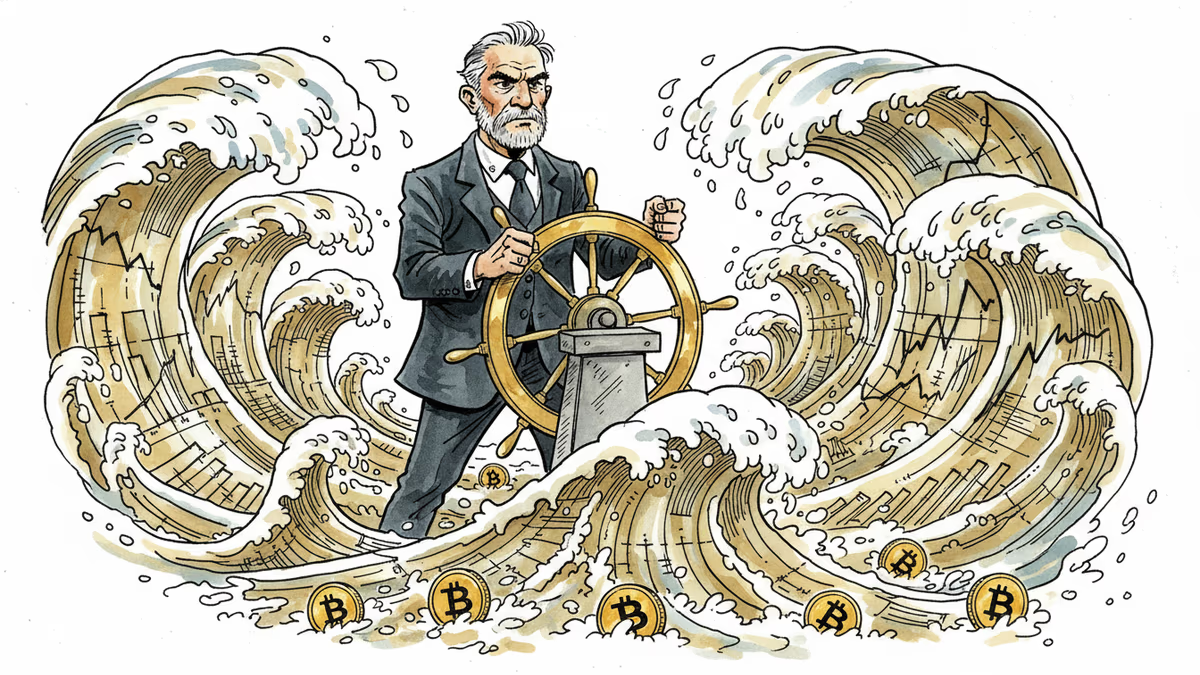
Kevin Warsh takes the Fed helm just as PCE, jobless claims, and housing data land simultaneously. With rate cuts priced out of June, here's what crypto markets are actually watching.
PRISM by Liabooks
Place your ad in this space
[email protected]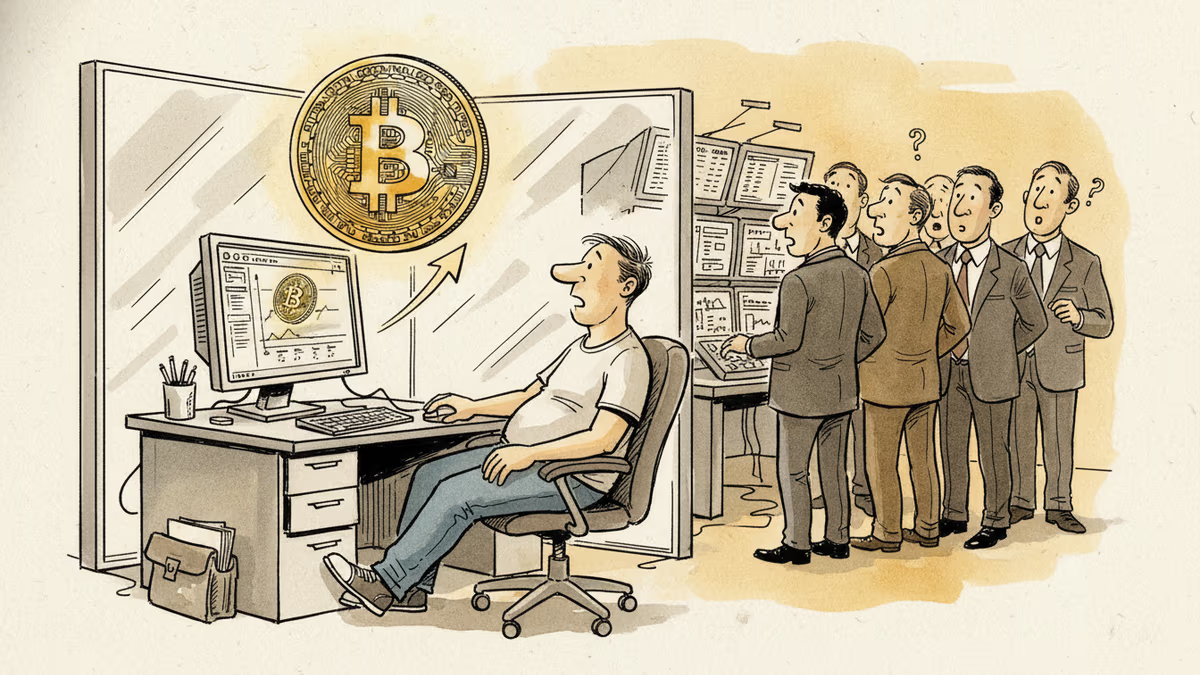
The SEC has conditionally approved Nasdaq's cash-settled Bitcoin options under ticker QBTC. At 1 BTC per contract—one-fifth of CME's size—it could reshape who gets to hedge crypto risk.

The Mandalorian and Grogu opened to $82M domestically — Disney's lowest Star Wars debut ever. But the real money was never just about tickets.
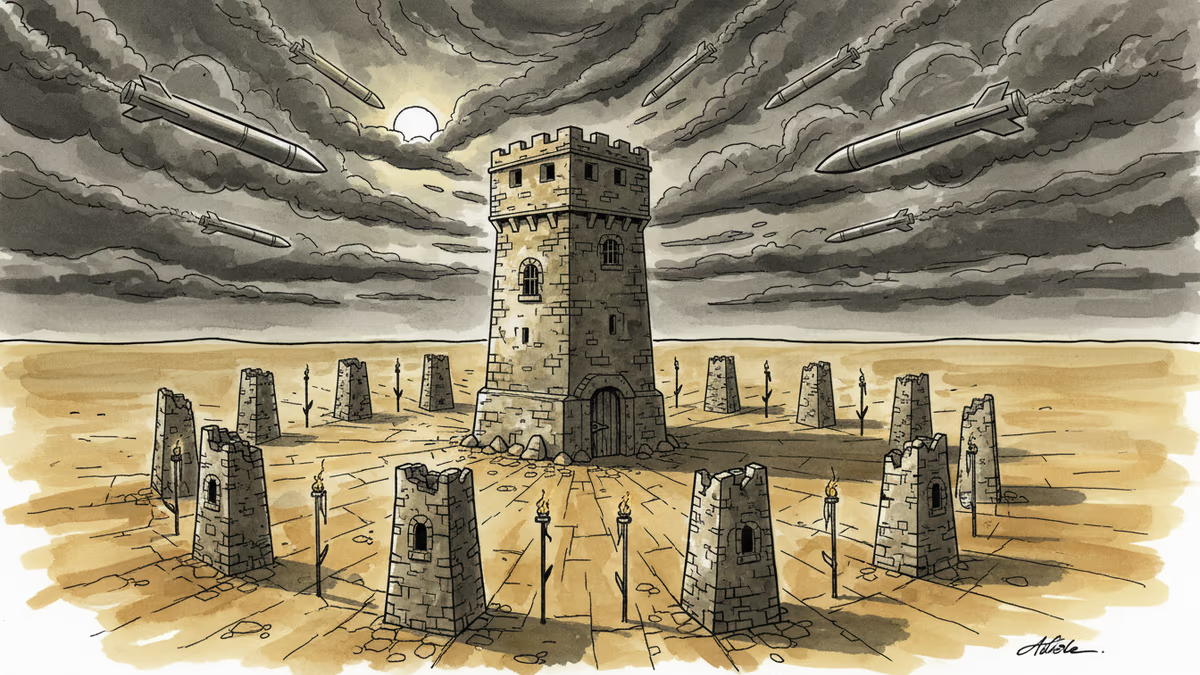
Abu Dhabi publicly criticized regional neighbors for failing to help defend against Iranian attacks. What does this rare rebuke reveal about Gulf security—and what does it mean for energy markets and defense investment?
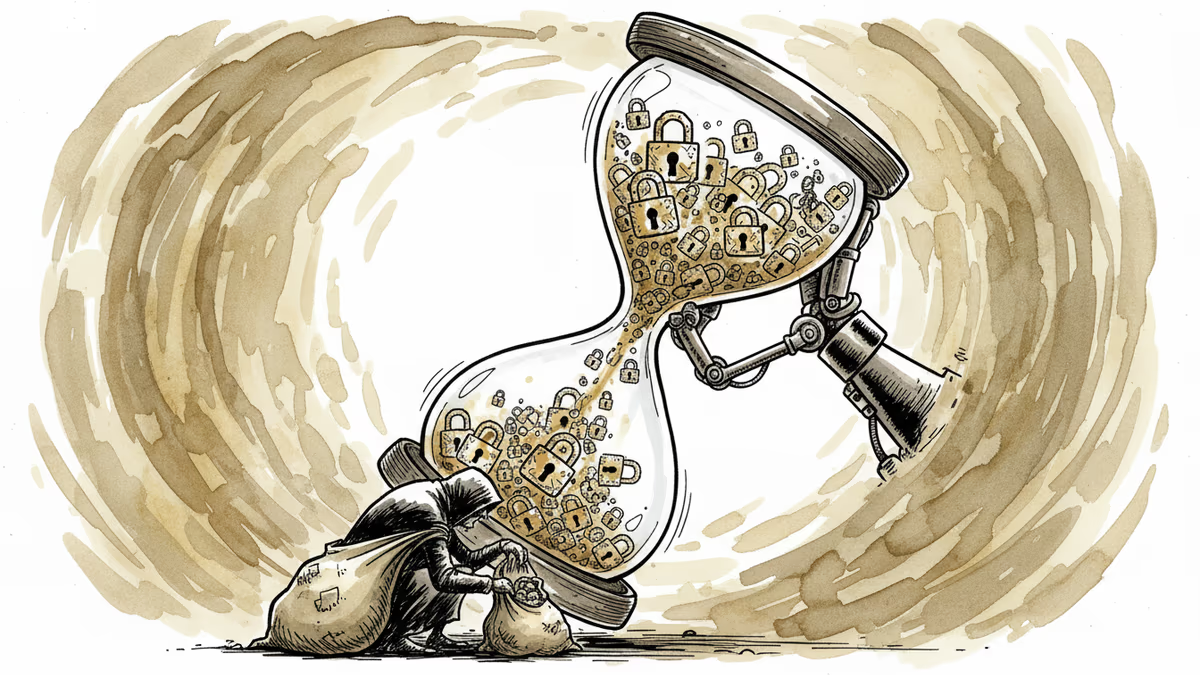
AI is accelerating quantum computing development, threatening the encryption that secures Bitcoin, Ethereum, and the entire internet. Security experts warn the arms race has already begun.
PRISM by Liabooks
Place your ad in this space
[email protected]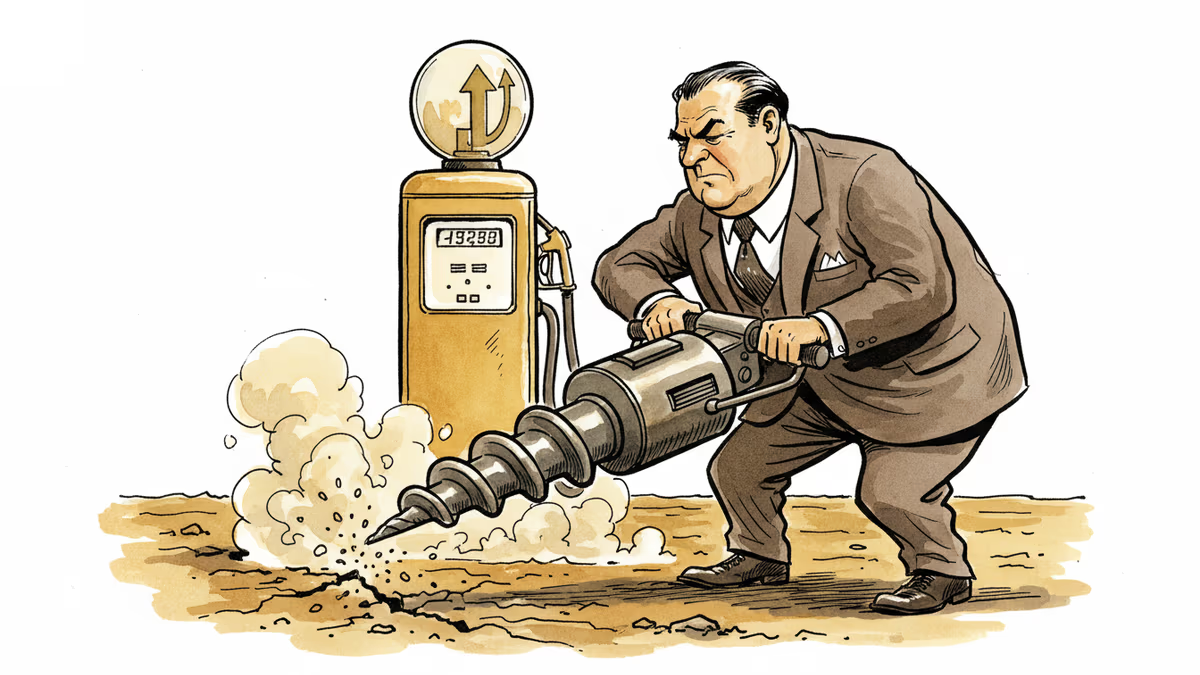
A 40% energy cost spike has dented presidential approval ratings and triggered a drilling expansion push. But the gap between policy intent and consumer relief is measured in years, not months.










![[GET LUCKY] 2026 Fortune Guide](https://prism.r2.liabooks.com/thumbnails/series-get-lucky-2026-1767396405615.avif)