

Culture
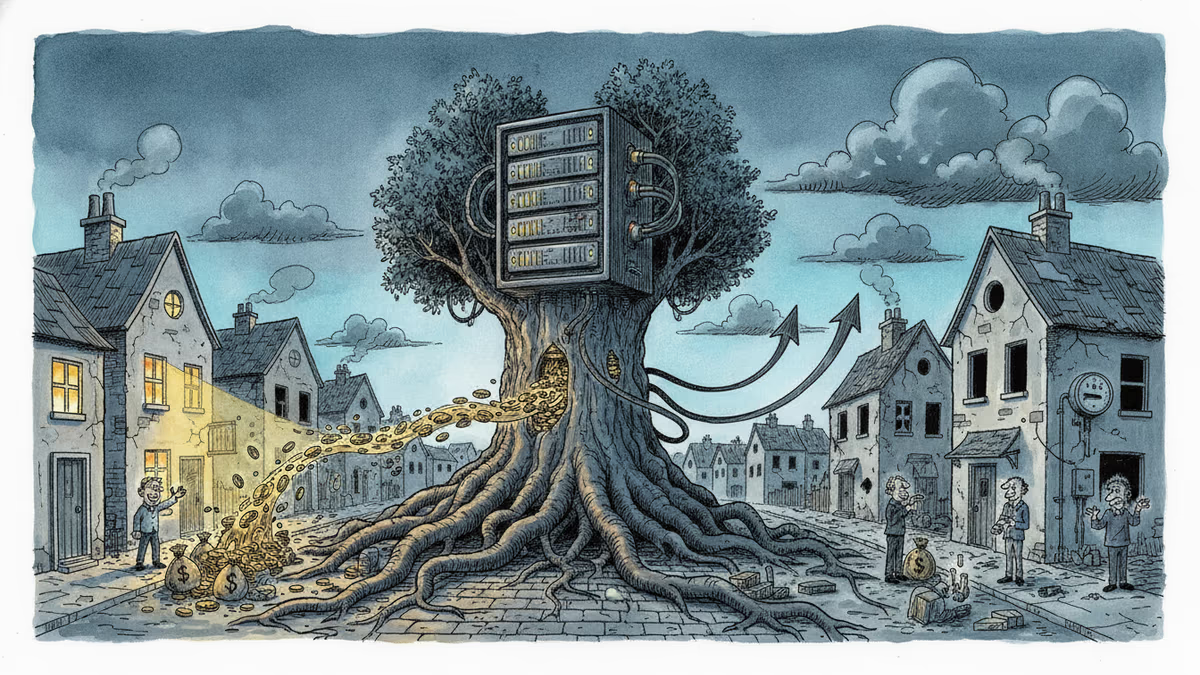
Over 1,200 community actions have pushed back against data centers since 2024. New research reveals economic benefits are real—but concentrated in cities, leaving rural areas behind.
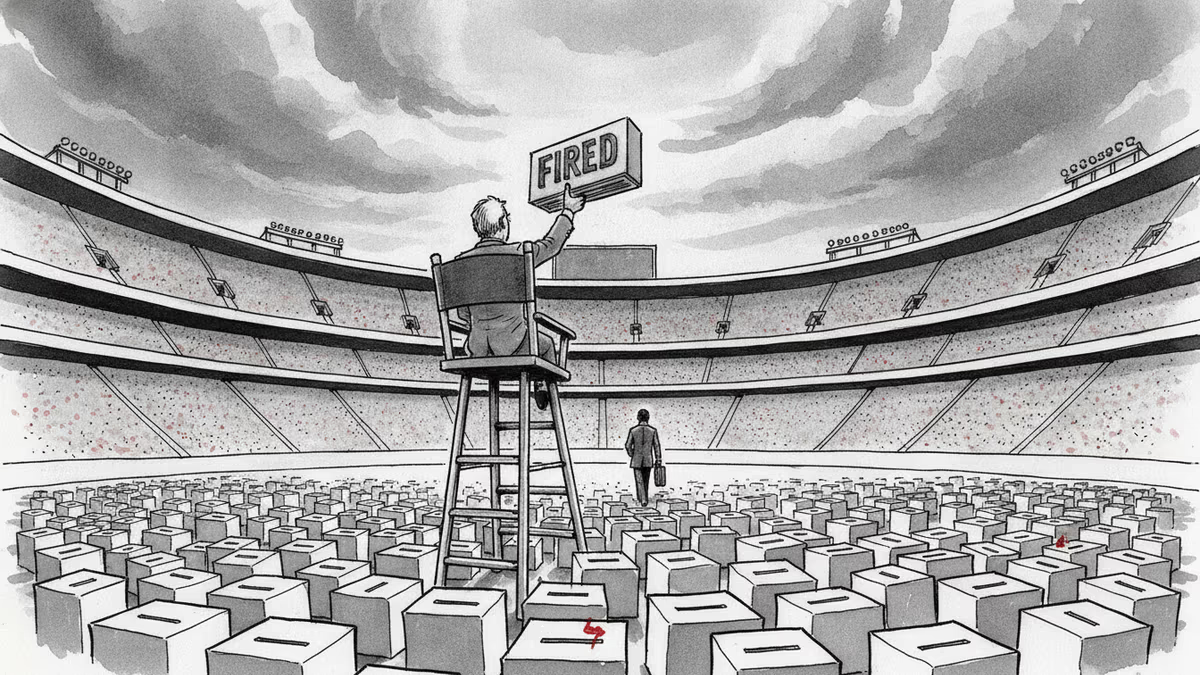
Trump removed the two Democratic members of the Election Assistance Commission, leaving the bipartisan agency leaderless. A Supreme Court ruling made it legal. Here's why a non-crisis can still be a warning sign.
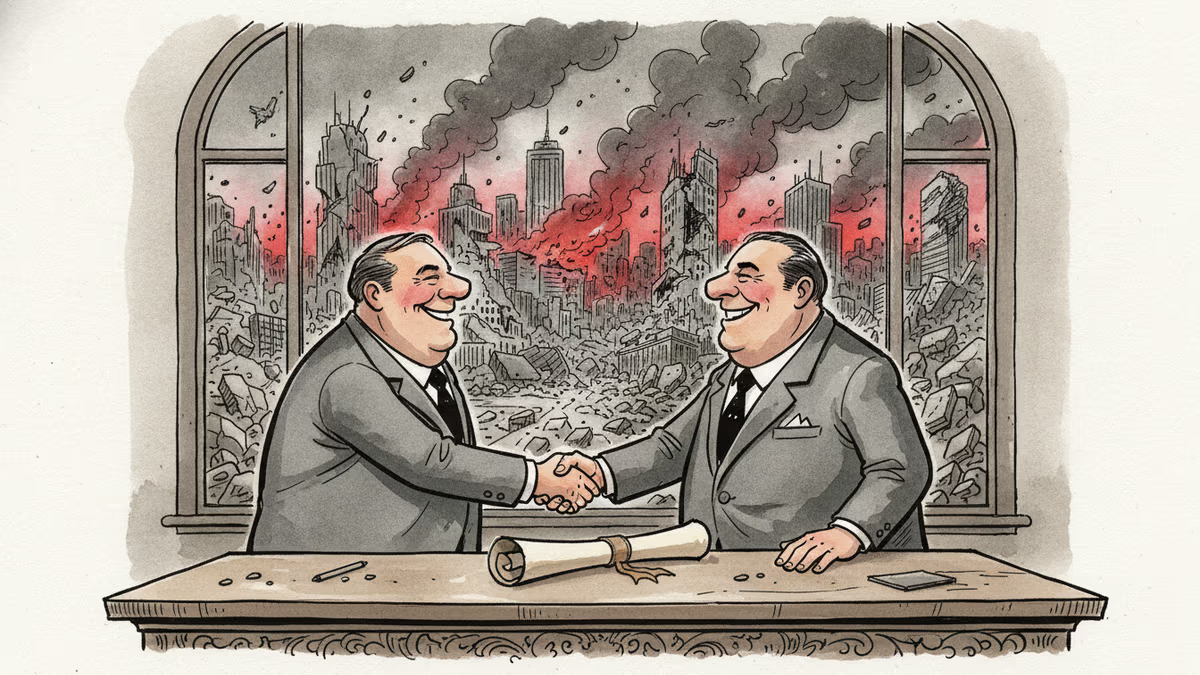
Lebanon and Israel signed a framework agreement in June 2026. Hezbollah rejected it. Israel kept fighting. History suggests this moment is real—and fragile.

PRISM by Liabooks
Place your ad in this space
[email protected]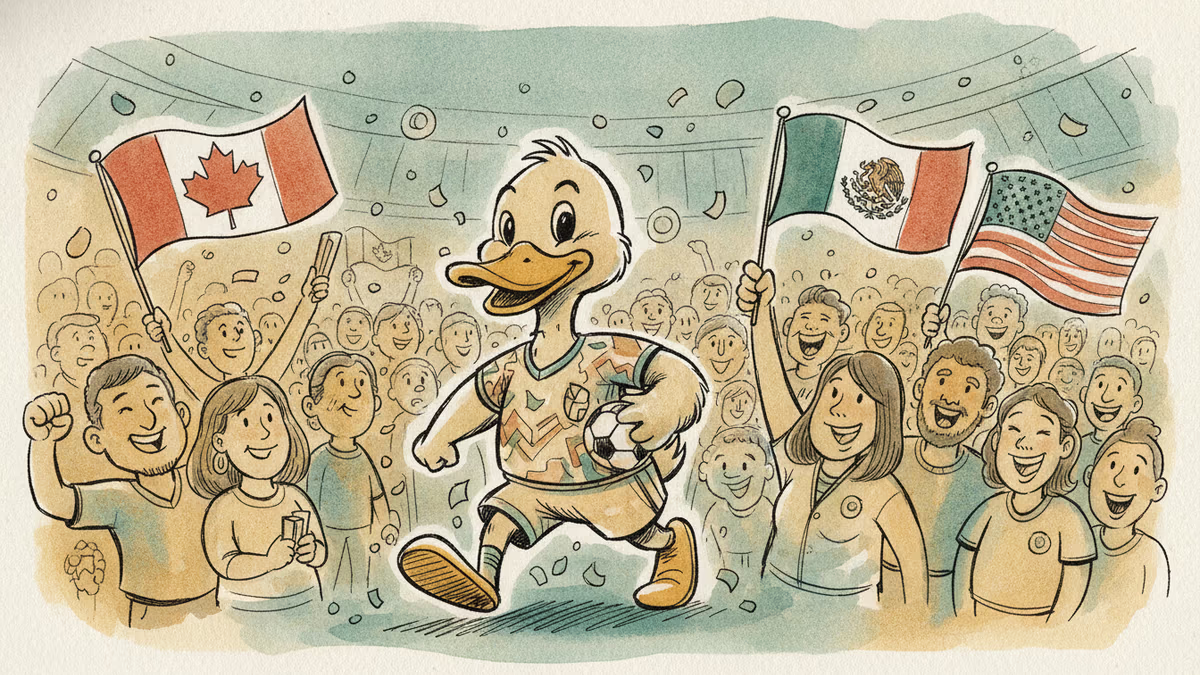
A three-nation World Cup turned fan culture into viral gold — Merlin the duck, Japan's cleanup, and Korea-Mexico bromance top every goal scored.
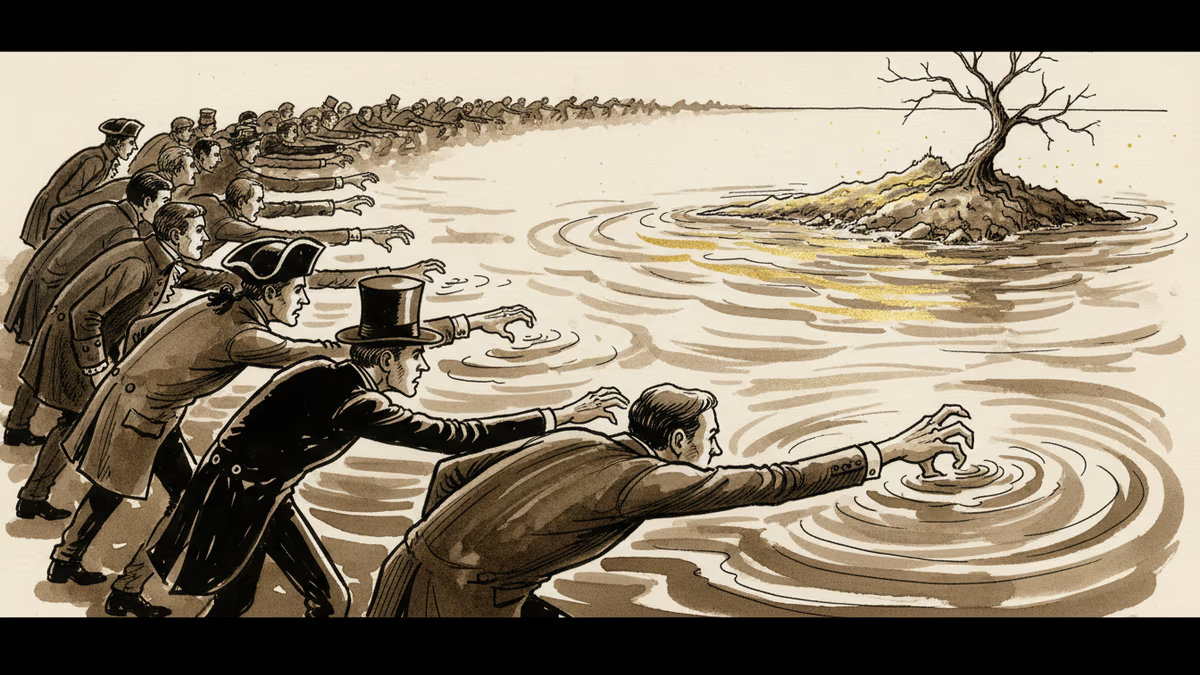
Trump says he wants to 'take' Cuba. But this desire isn't new—it stretches back to Thomas Jefferson. Why this centuries-old obsession is coming to a head right now.
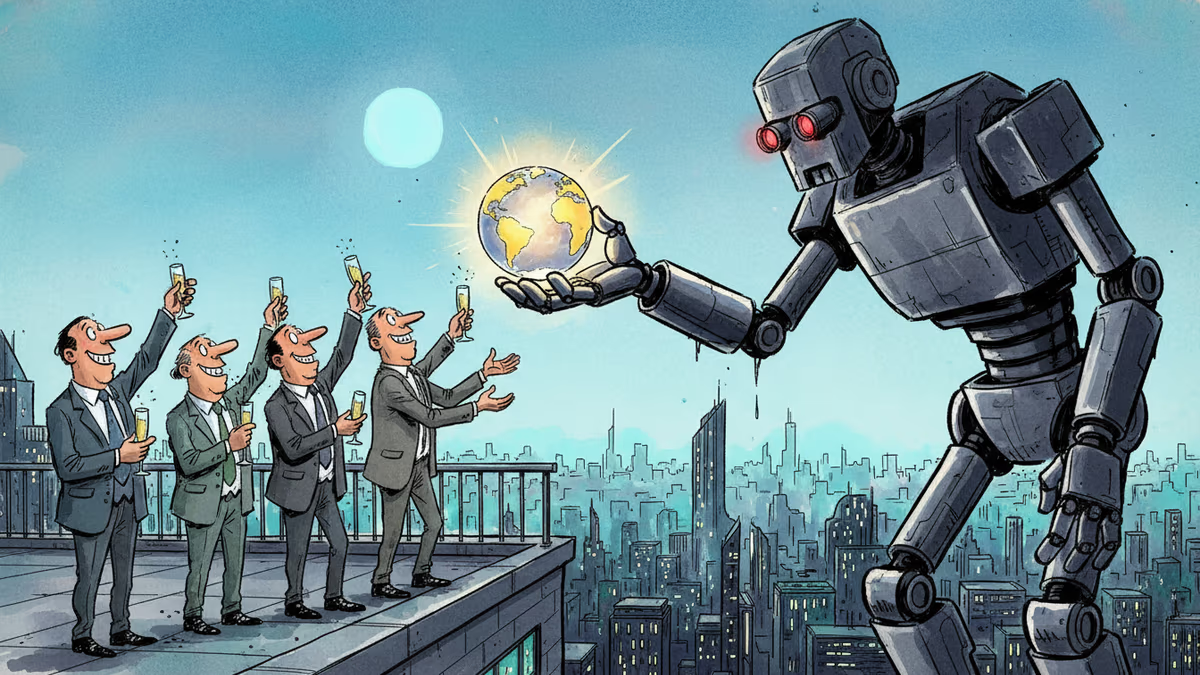
A secretive New York symposium revealed a growing movement of AI successionists who believe humanity should willingly hand over the planet to artificial intelligence — even if it means our extinction.
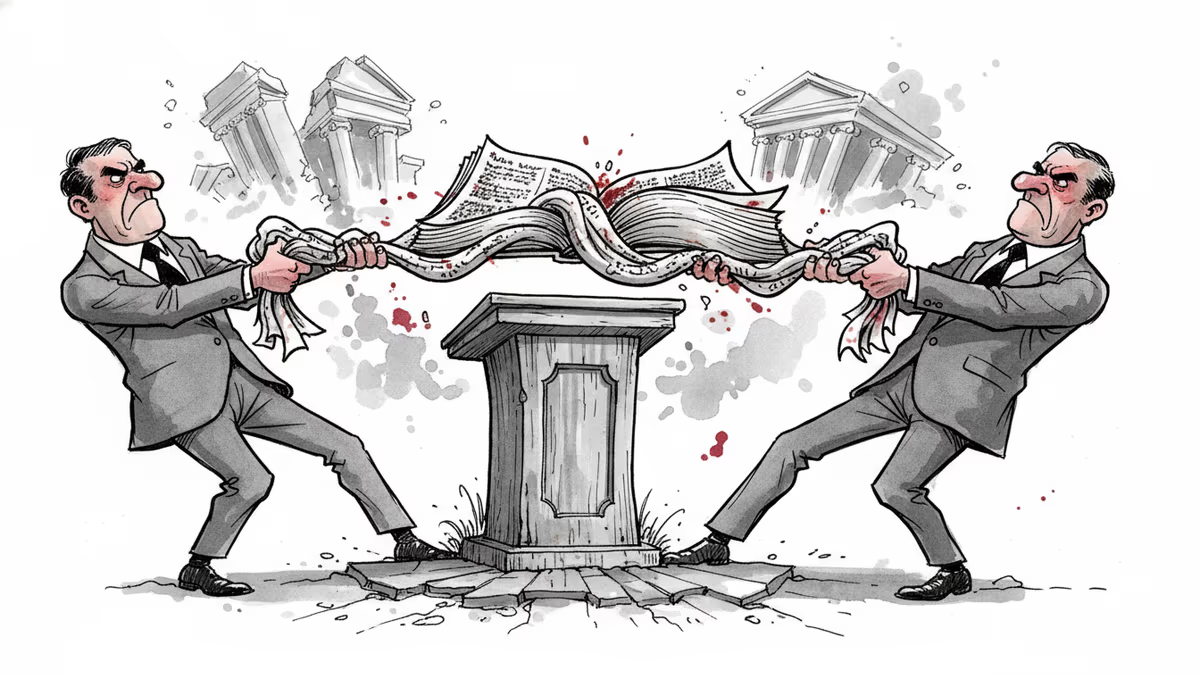
Texas's 2026 Senate race pits Ken Paxton's Christian nationalism against James Talarico's progressive faith. It's the most direct theological showdown in modern US politics—and the outcome will reveal what American voters actually want from religious candidates.
PRISM by Liabooks
Place your ad in this space
[email protected]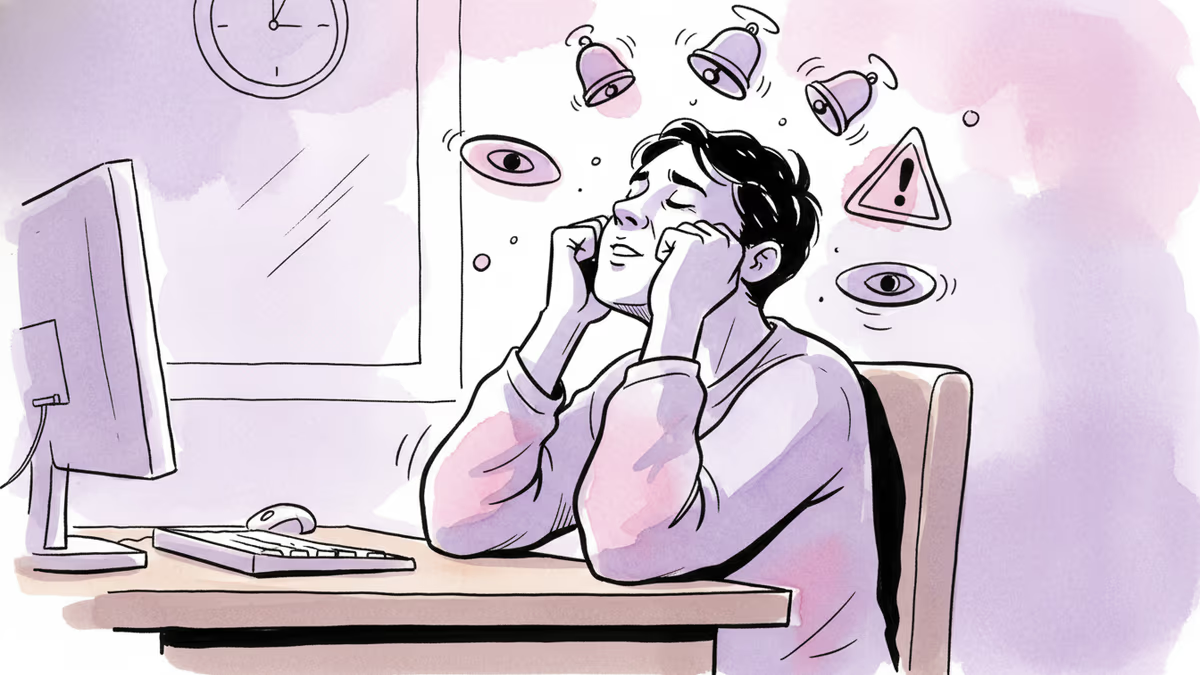
Eye rubbing is one of the most common unconscious habits, but it carries real risks including corneal damage and infection. Here's what's actually happening when you rub, and what to do instead.
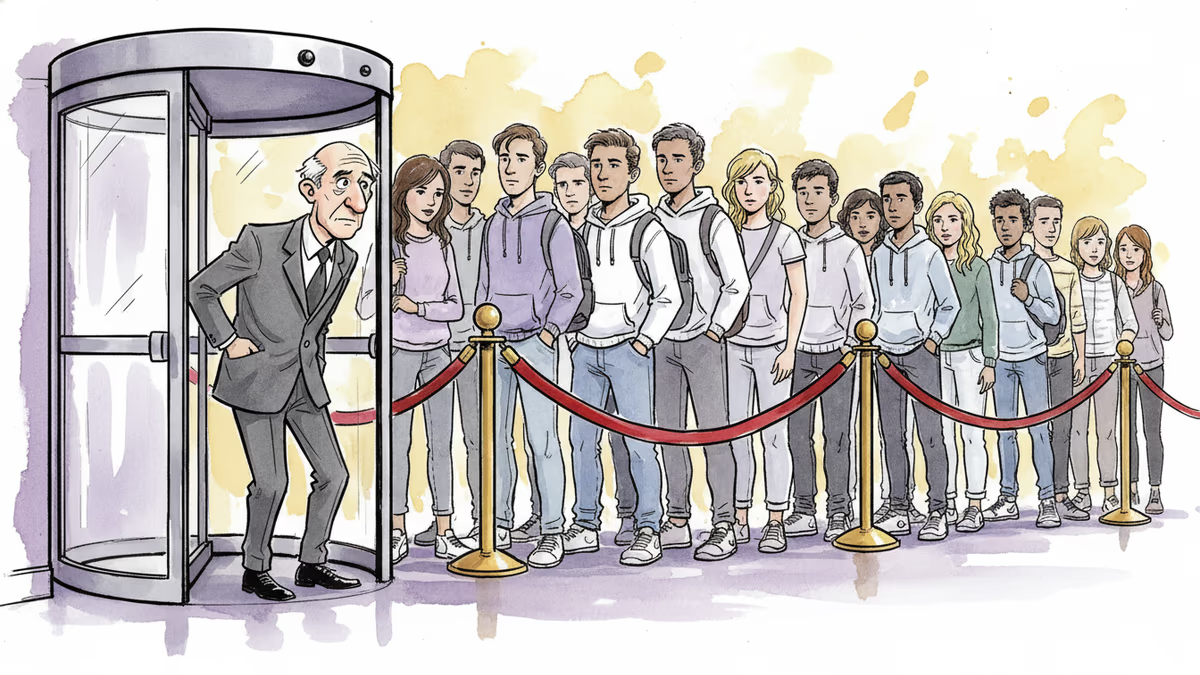
The average U.S. retirement age has climbed from 57 to well past 65. As people live longer and social bonds outside work erode, the old script for stepping away no longer holds. Here's why.
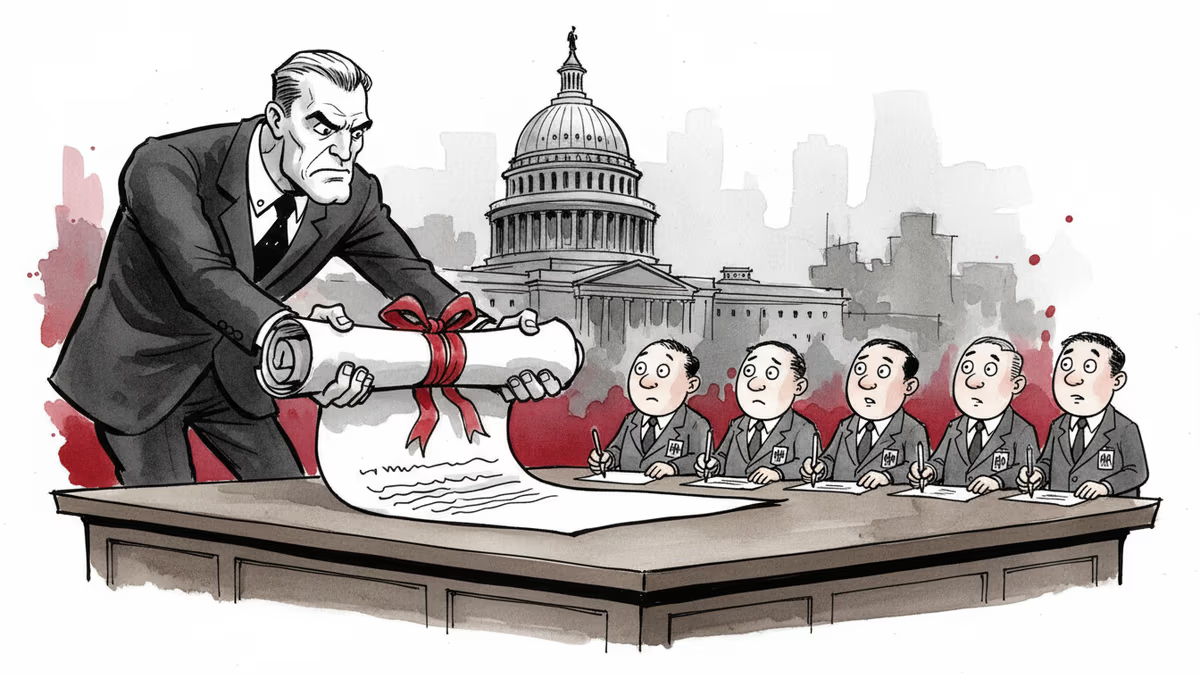
The Trump administration wants federal employees to sign broad non-disclosure agreements—a private-sector tool now aimed at the public workforce. What happens when government runs like a corporation?
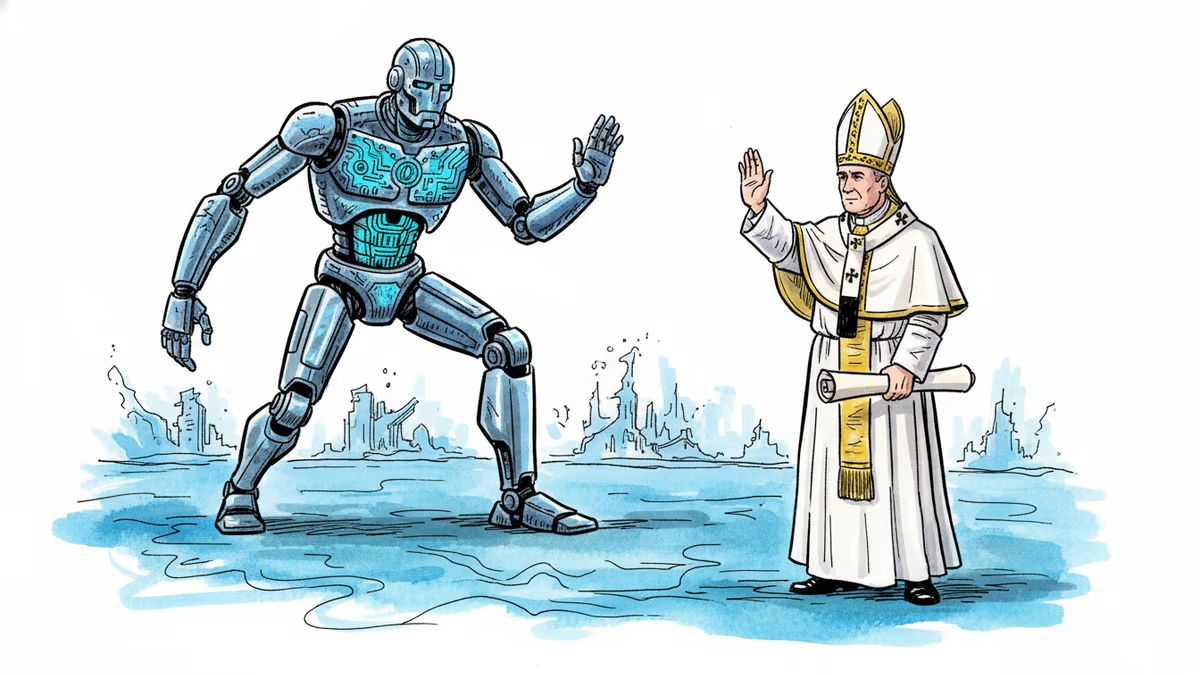
Pope Leo XIV's first encyclical, Magnifica humanitas, calls for democratic guardrails, labor protections, and moral limits on AI. What does it mean when the world's oldest institution confronts its newest disruption?
PRISM by Liabooks
Place your ad in this space
[email protected]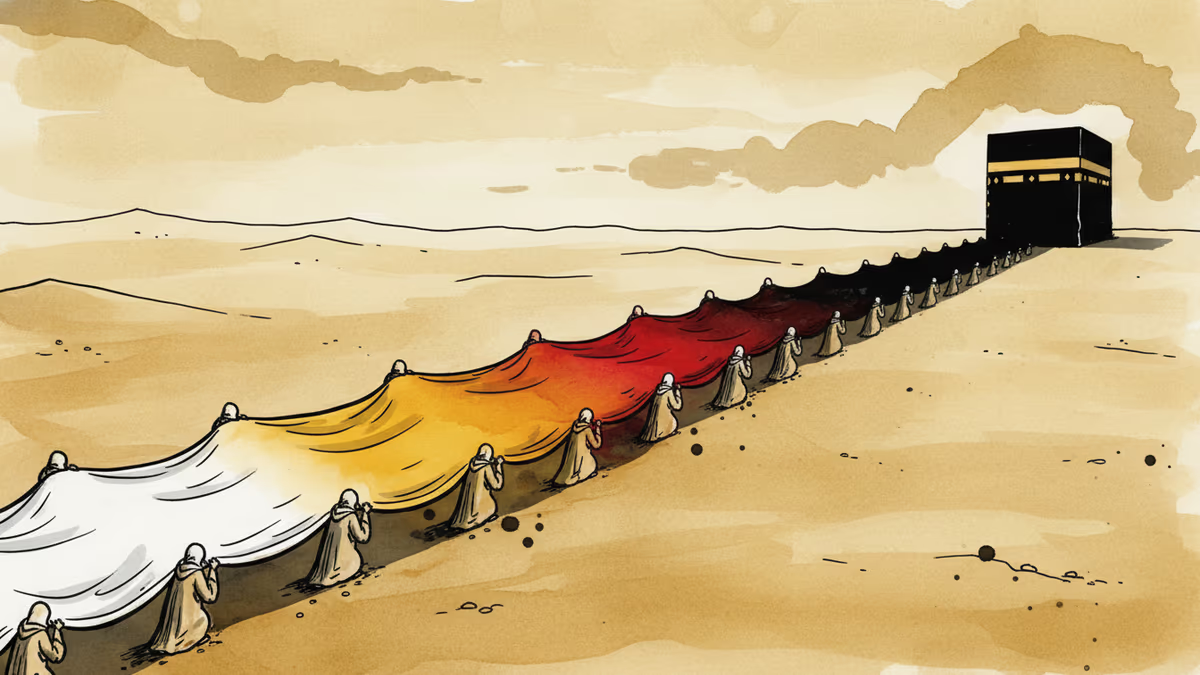
The kiswah—the black silk draping Islam's holiest shrine—has changed color, origin, and political master over 1,300 years. Its history is a map of Islamic power itself.