Politics

The DOJ released 3 million pages of Epstein documents revealing communications with royalty and politicians, but the identities of alleged abusers remain hidden behind redactions and missing evidence.

Canadian PM Mark Carney and UK's Keir Starmer signal willingness to reset China relations, challenging traditional Western intelligence alliance unity amid Trump uncertainty.

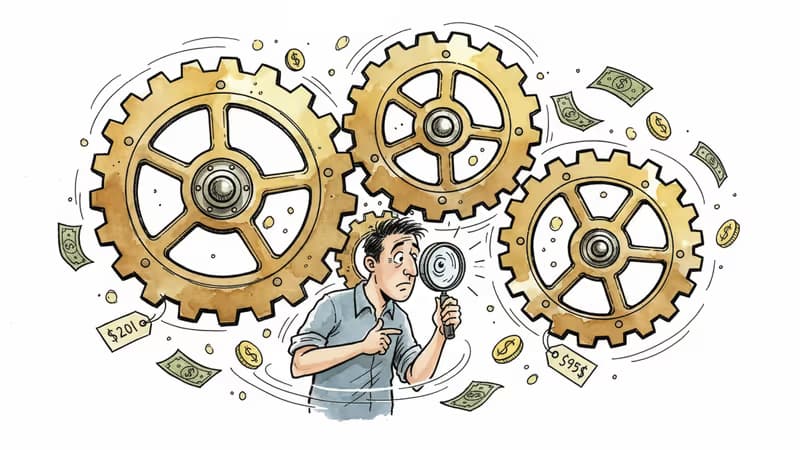
US credit card rates reached a record 20.97% as Americans owe $1.23 trillion in debt. Trump's 10% rate cap proposal divides experts on consumer impact.

America's share of European LNG imports surged to 60% in January, marking a dramatic shift from Russian dependence. This energy realignment carries profound implications for global markets and geopolitical power dynamics.

Kim Jong Un's daughter's public appearances may signal less about succession and more about North Korea's strategy to manage power transitions through bloodline legitimacy.

Amazon requests FCC extension to deploy 1,600 satellites by 2028 instead of 2026, citing rocket shortages. Can it catch up to SpaceX's Starlink dominance?

Microsoft permanently suspended Jeffrey Epstein from Xbox Live in 2013 due to sex offender status, revealing broader tech platform policies on criminal records and user safety.

Despite record-high tariffs, $8 billion in Chinese goods reached the US through Vietnam in 2025. This reveals the complex reality of trade wars and supply chain adaptation.

NeoVolta's joint venture with China's PotisEdge shows how Chinese companies are adapting to US tech restrictions while tapping into America's growing grid storage market.

Kofi Ampadu leaves a16z as TxO program winds down, signaling broader shift in Silicon Valley's approach to diversity investing

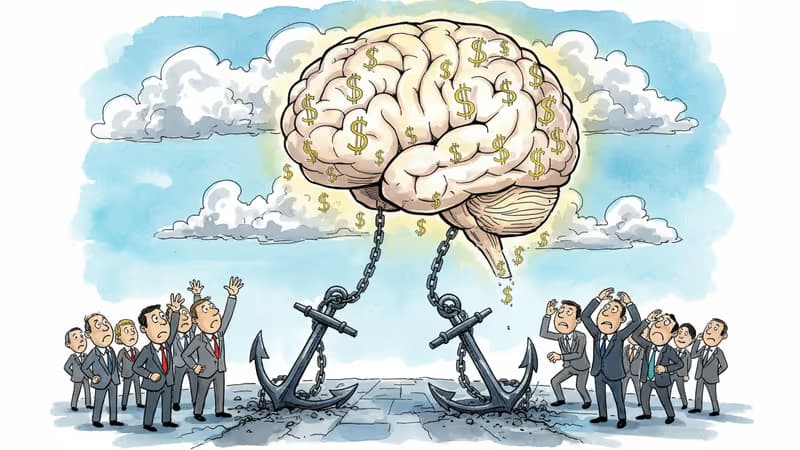
From Venezuela invasion to Fed chair investigation to European tariffs, investors are responding with surprising calm to events that would have triggered market chaos in the past. What does this Trump fatigue reveal?

Dallas Fed's Musalem declares policy neutral, suggesting pause in rate cuts. But markets price in more cuts ahead. Who's reading the economy right?






![[GET LUCKY] 2026 Fortune Guide](/_next/image?url=https%3A%2F%2Fprism.r2.liabooks.com%2Fthumbnails%2Fseries-get-lucky-2026-1767396405615.avif&w=1200&q=75)