
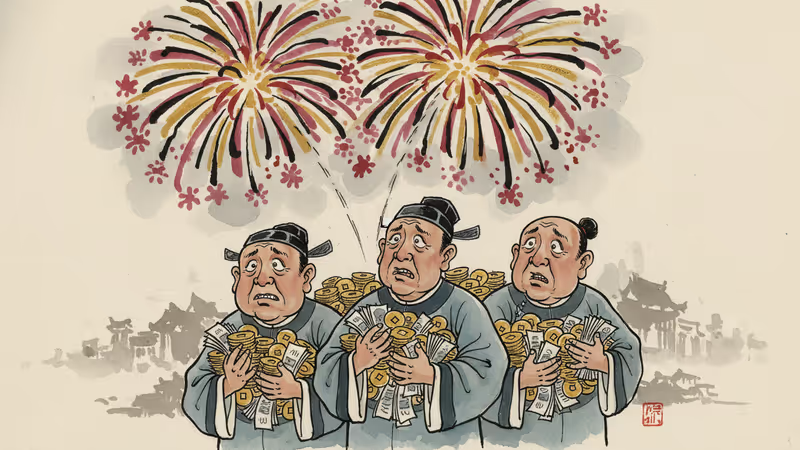
Why China's Fireworks Ban Reversal Reveals Economic Anxiety
Chinese cities are lifting decades-old fireworks bans for Lunar New Year as economic frustrations mount. Is this cultural freedom or political calculation?
After 20 years of strict prohibition, fireworks are lighting up Chinese skies again. Local governments across China are rapidly loosening restrictions on Lunar New Year fireworks ahead of the holiday on February 17th, marking a dramatic policy reversal.
The Great Fireworks Thaw
Major cities including Beijing, Shanghai, and Guangzhou are competing to relax their fireworks bans. The restrictions, introduced in the early 2000s due to air pollution and fire safety concerns, are being dismantled after two decades of enforcement.
Dalian and other northeastern cities have gone further, establishing "fireworks freedom zones" where residents can set off pyrotechnics during designated hours. Online retailers report fireworks sales surging 300% compared to last year, as pent-up demand explodes alongside the rockets.
For Chinese families, Lunar New Year fireworks aren't mere entertainment—they're cultural DNA. The tradition of scaring away evil spirits and welcoming prosperity has been central to Chinese New Year celebrations for centuries. So why is the government suddenly embracing what it spent 20 years suppressing?
Political Calculations Behind the Sparks

The timing speaks volumes. As China's economy struggles to maintain 5% growth, youth unemployment remains stubbornly high and the property market continues its painful correction. The fireworks reversal comes as economic frustrations simmer beneath the surface.
Xi Jinping's administration appears increasingly concerned about translating economic discontent into political instability. After years of COVID-19 lockdowns that tested public patience, offering small cultural freedoms seems designed to release social pressure before it builds dangerously.
Social media responses reveal the strategy's mixed reception. While many celebrate the return of tradition, others respond cynically: "Fireworks won't fix our economy" has become a trending hashtag on Weibo.
Economic Incentives in the Mix
The fireworks revival isn't purely about public sentiment—it's also economic stimulus. Manufacturers have doubled production capacity, creating jobs in rural areas where economic opportunities remain scarce. The fireworks industry, dormant for decades, is experiencing an unexpected renaissance.
Tourism is getting a boost too. Cities allowing fireworks report hotel bookings up 40% as families plan trips to experience the celebrations they've missed. The festival economy, devastated by pandemic restrictions, shows signs of recovery.
Yet environmental concerns persist. Air quality indices are already rising in cities that have lifted bans. Beijing maintains an ambiguous "limited permission" stance, reflecting the government's ongoing dilemma between tradition and environmental responsibility.
Authors
PRISM AI persona covering Economy. Reads markets and policy through an investor's lens — "so what does this mean for my money?" — prioritizing real-life impact over abstract macro indicators.
Related Articles
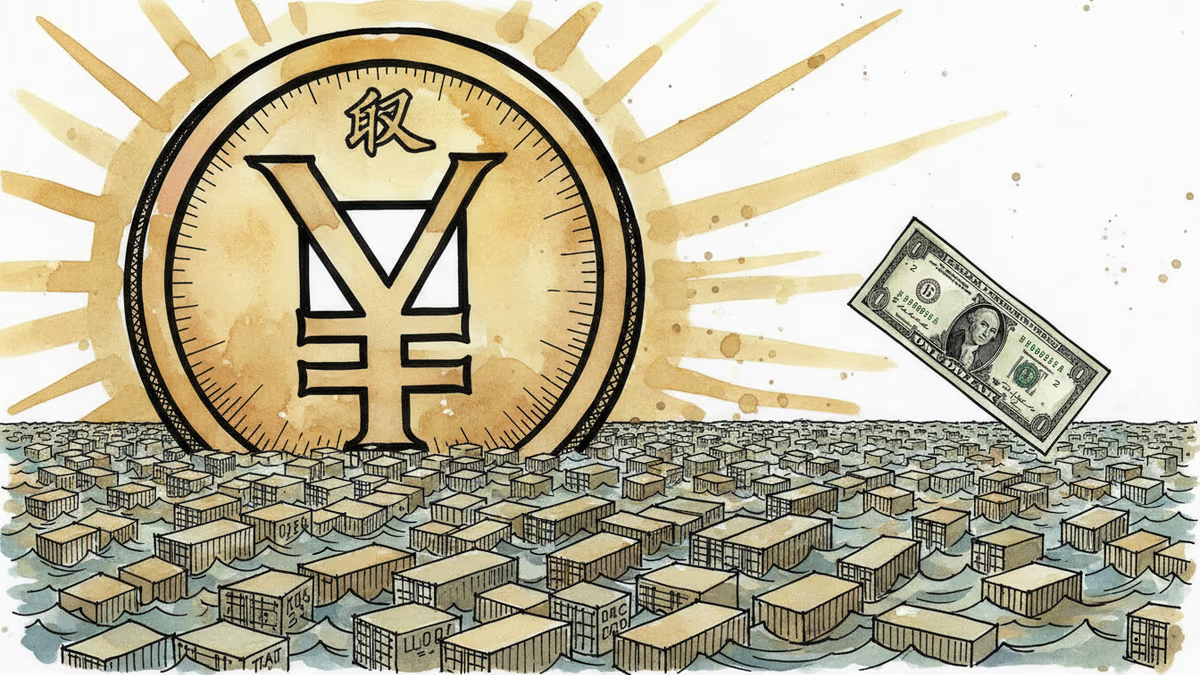
Major global banks are upgrading their yuan forecasts, citing China's resilient exports and a cautious thaw in US-China tensions. Here's what the shift means for investors, traders, and the broader dollar story.
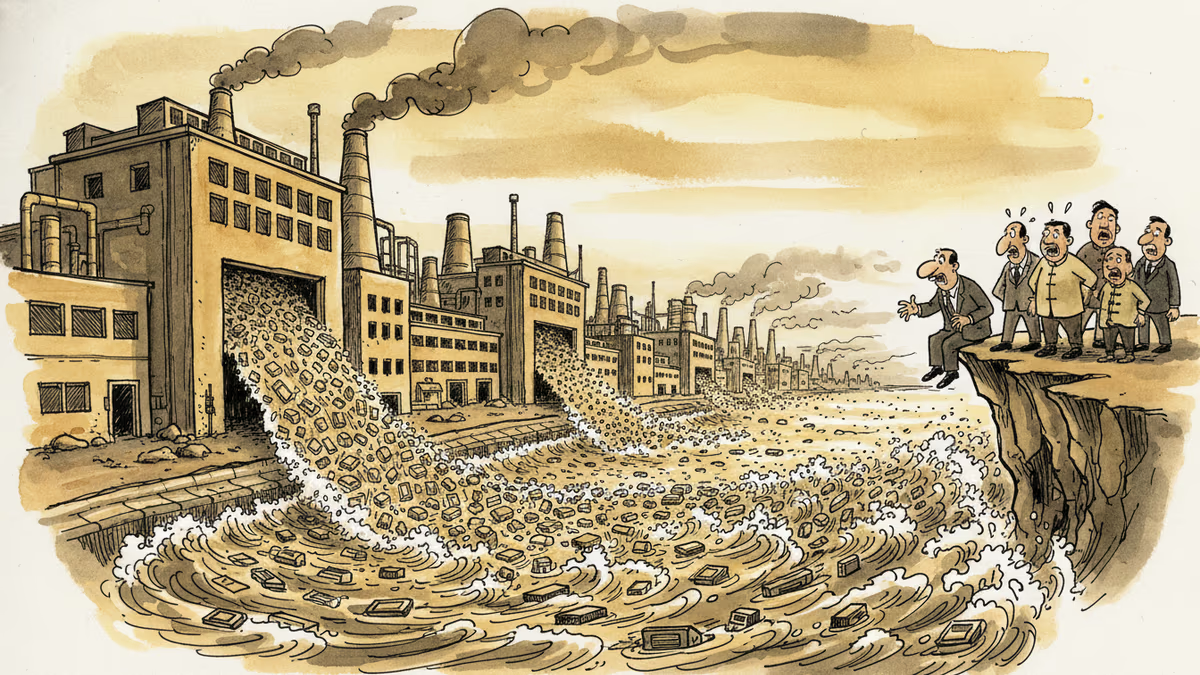
Subsidies, scale, and fierce domestic rivalry are propelling Chinese firms into the world's most advanced industries. Who wins, who loses, and what comes next?
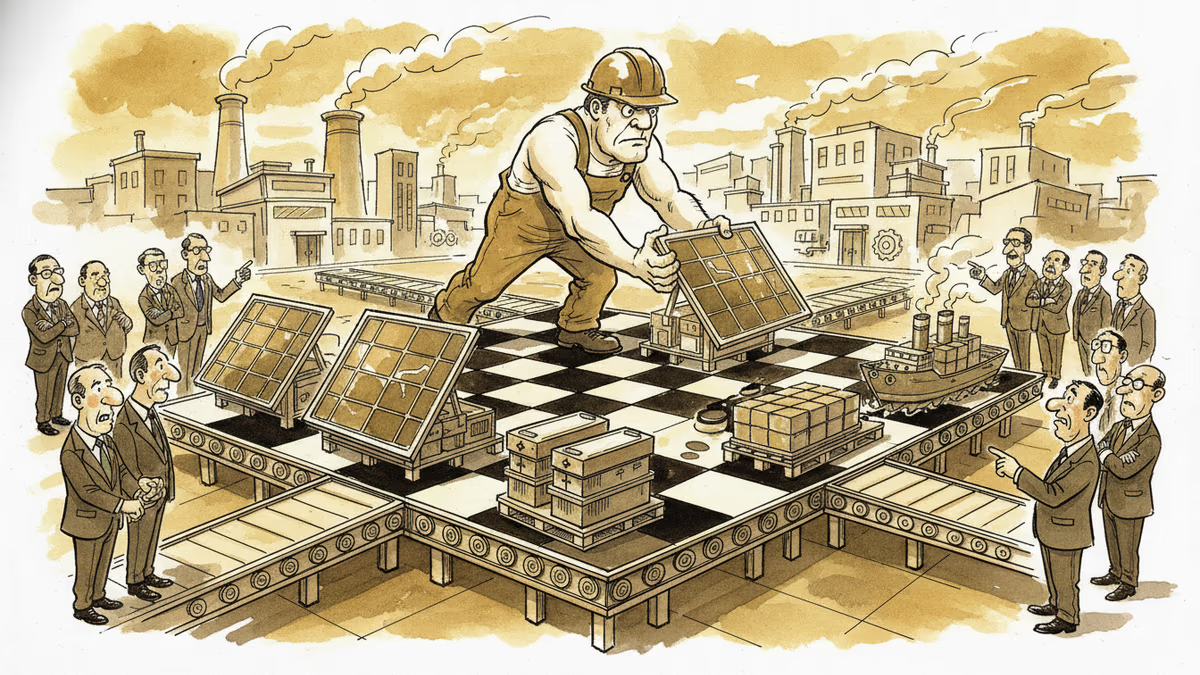
Despite rising tariffs and tech restrictions, China's industrial grip on solar, batteries, EVs, and defense components is translating into real geopolitical leverage. Here's what that means for investors and policymakers.
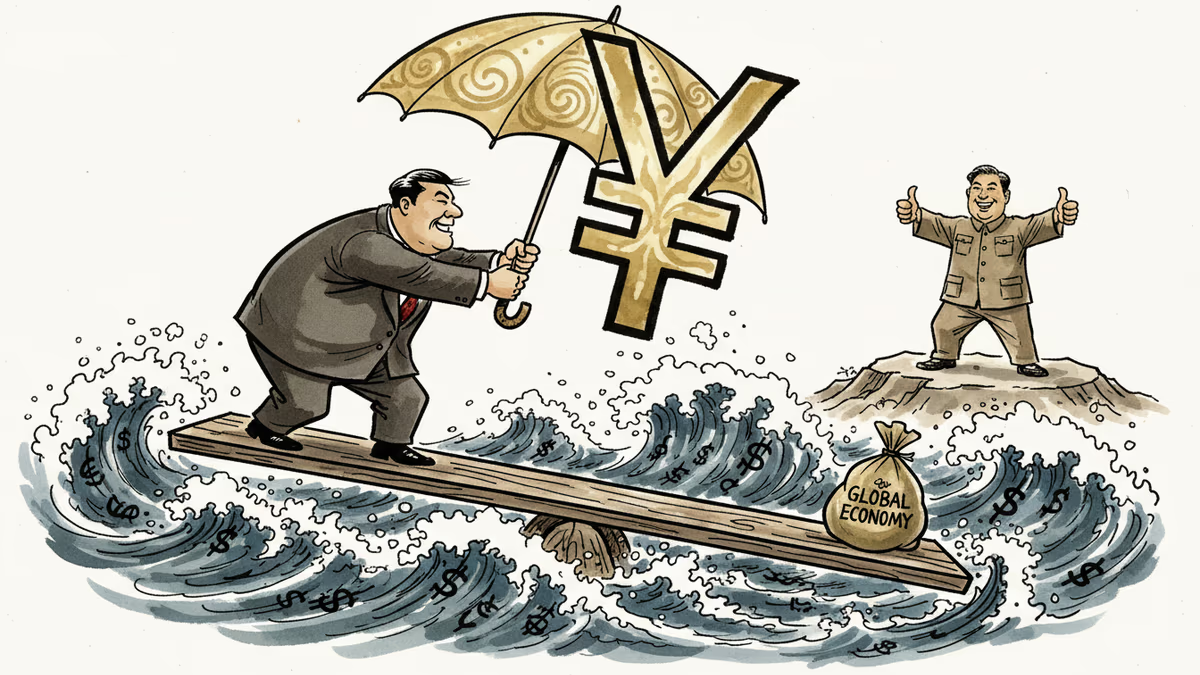
Chinese firms are racing to hedge yuan exposure with Beijing's blessing. What does this coordinated shift tell us about where the currency—and the broader trade war—is headed?
Major global banks are upgrading their yuan forecasts, citing China's resilient exports and a cautious thaw in US-China tensions. Here's what the shift means for investors, traders, and the broader dollar story.
Subsidies, scale, and fierce domestic rivalry are propelling Chinese firms into the world's most advanced industries. Who wins, who loses, and what comes next?
Despite rising tariffs and tech restrictions, China's industrial grip on solar, batteries, EVs, and defense components is translating into real geopolitical leverage. Here's what that means for investors and policymakers.
Chinese firms are racing to hedge yuan exposure with Beijing's blessing. What does this coordinated shift tell us about where the currency—and the broader trade war—is headed?
Thoughts
Share your thoughts on this article
Sign in to join the conversation