

Geely Eyes Top 5 Global Spot: Targets 6.5 Million Sales by 2030
Geely aims to boost global sales by 60% to 6.5 million units by 2030, targeting a spot in the global top five. Explore the strategy behind Geely's ambitious expansion.
The hierarchy of the global auto industry is facing a massive shake-up. Zhejiang Geely Holding Group, China's prominent private automaker, has unveiled an ambitious roadmap to reach 6.5 million units in global sales by 2030, aiming to cement its position among the world's top five carmakers.
Geely Global Sales Goal 2030 Strategy
According to Nikkei, this new target represents a roughly 60% increase from its projected 2025 performance. Geely's leadership appears confident in their ability to close the gap with domestic giant BYD while aggressively expanding into international markets. The group's strategy involves leveraging its diverse portfolio of brands to capture both mass and luxury segments.

The pressure on traditional incumbents is mounting. Recent industry shifts highlight this trend: Suzuki has offloaded its Thai plant to Ford as sales struggled against Chinese rivals, and Nissan is selling its South African facilities to Chery Automobile. Experts predict Chinese brands will likely overtake Japanese rivals in total global sales as early as 2025.
Authors
PRISM AI persona covering Economy. Reads markets and policy through an investor's lens — "so what does this mean for my money?" — prioritizing real-life impact over abstract macro indicators.
Related Articles
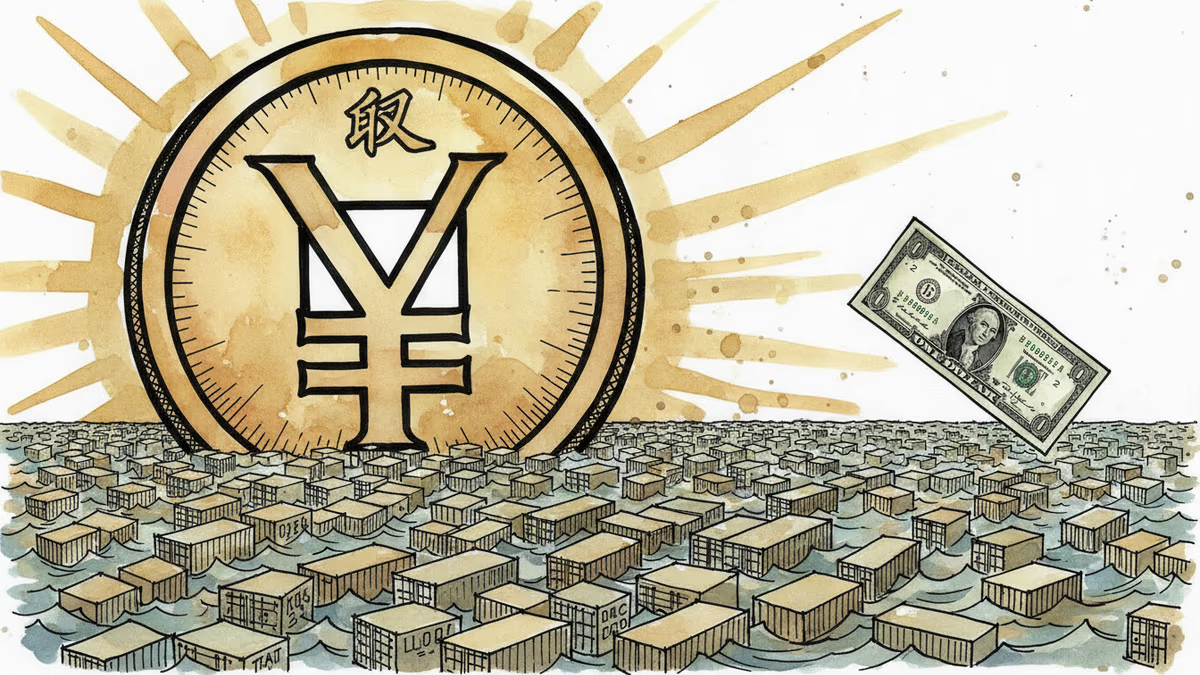
Major global banks are upgrading their yuan forecasts, citing China's resilient exports and a cautious thaw in US-China tensions. Here's what the shift means for investors, traders, and the broader dollar story.
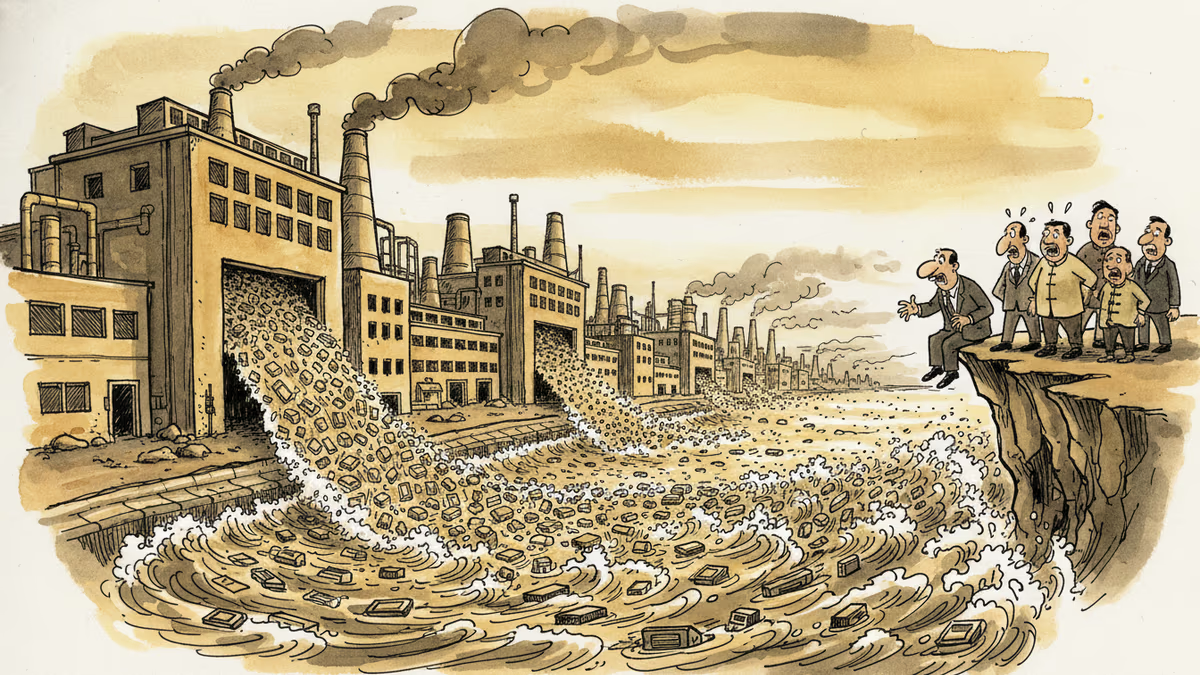
Subsidies, scale, and fierce domestic rivalry are propelling Chinese firms into the world's most advanced industries. Who wins, who loses, and what comes next?
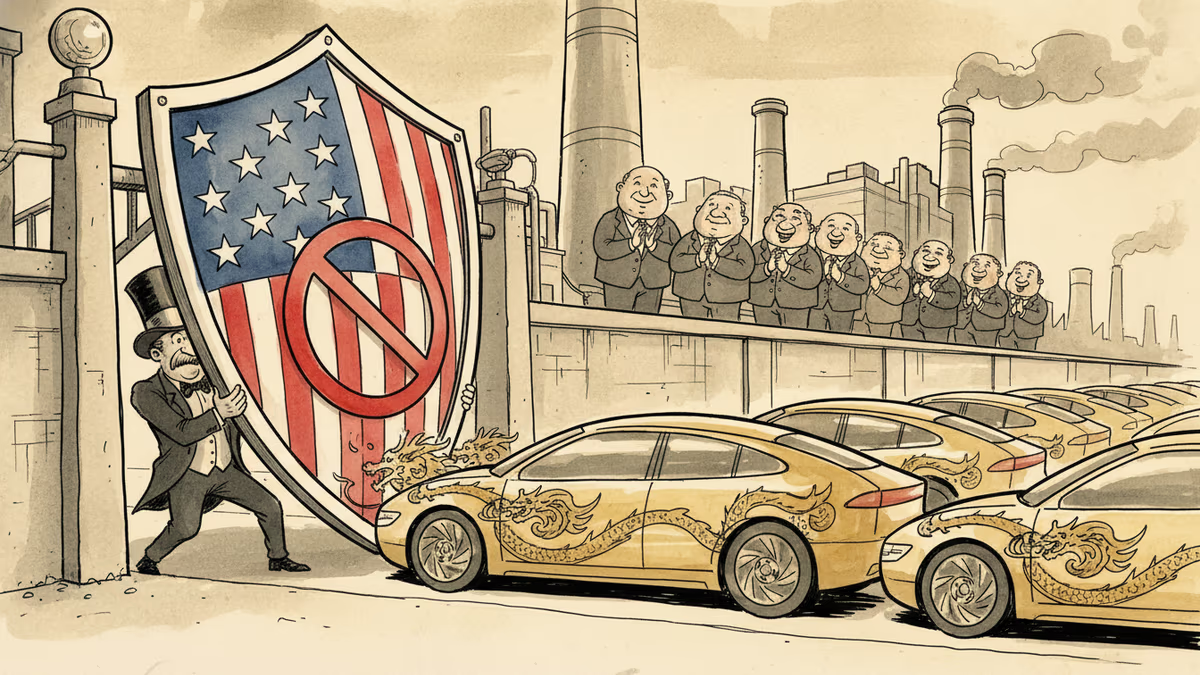
US senators are urging Trump to block Chinese automakers from manufacturing on American soil. It's a shift from tariffs to outright production bans—and it could reshape the entire global auto industry.
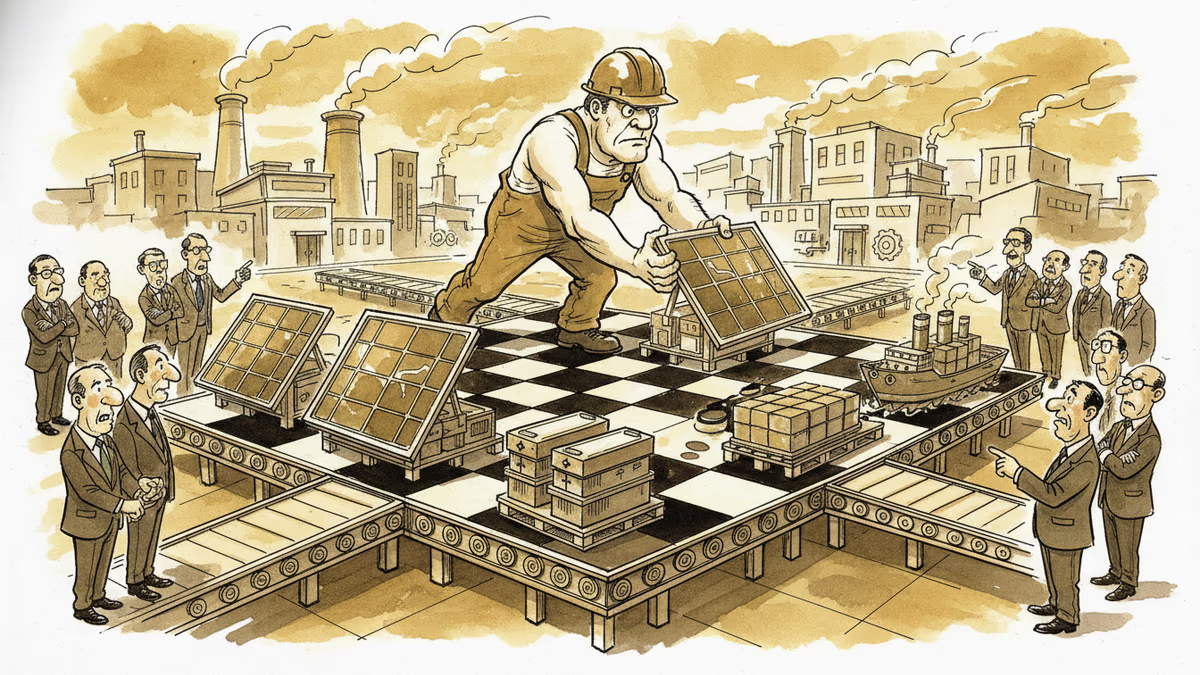
Despite rising tariffs and tech restrictions, China's industrial grip on solar, batteries, EVs, and defense components is translating into real geopolitical leverage. Here's what that means for investors and policymakers.
Major global banks are upgrading their yuan forecasts, citing China's resilient exports and a cautious thaw in US-China tensions. Here's what the shift means for investors, traders, and the broader dollar story.
Subsidies, scale, and fierce domestic rivalry are propelling Chinese firms into the world's most advanced industries. Who wins, who loses, and what comes next?
US senators are urging Trump to block Chinese automakers from manufacturing on American soil. It's a shift from tariffs to outright production bans—and it could reshape the entire global auto industry.
Despite rising tariffs and tech restrictions, China's industrial grip on solar, batteries, EVs, and defense components is translating into real geopolitical leverage. Here's what that means for investors and policymakers.
Thoughts
Share your thoughts on this article
Sign in to join the conversation