
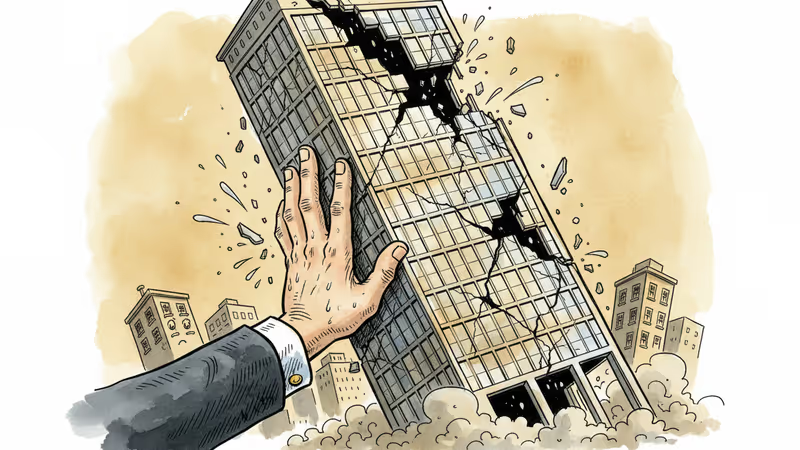
China Signals Policy Shift with $339M Vanke Bailout
China Vanke receives crucial $339 million loan from state-owned Shenzhen Metro, marking potential government re-intervention in the struggling property sector after years of deleveraging policies.
China's property giant Vanke just got a lifeline from an unexpected source. Shenzhen Metro, the state-owned transit company, announced it will provide up to 2.36 billion yuan ($339 million) in loans to help the embattled developer avoid immediate default.
This isn't just about one company's survival. Vanke, once China's top property developer, has become the latest symbol of the country's $2.3 trillion real estate crisis. The company has been struggling with debt obligations and repeatedly seeking payment extensions since late 2024.
The Policy Pivot
For three years, Beijing maintained its "three red lines" policy, deliberately squeezing overleveraged developers. The message was clear: no more debt-fueled growth. But as giants like Evergrande and Country Garden collapsed, the collateral damage became too severe to ignore.
Shenzhen Metro's intervention signals a potential policy shift. As Vanke's second-largest shareholder with a 14.2% stake, the metro company's loan effectively represents government backing. This marks a departure from the hands-off approach that characterized Beijing's recent property policy.

The timing is crucial. China's property sector, which once contributed 25% of GDP, has been in freefall. New home sales plummeted 30% last year, and construction starts fell even more dramatically. The ripple effects have spread beyond real estate into steel, cement, and construction equipment industries.
Global Implications
Vanke's fate matters far beyond China's borders. The company's projects span multiple countries, and its financial health affects international suppliers and partners. For global investors, this bailout raises questions about which Chinese developers will receive similar support and which will be allowed to fail.
The selective nature of government intervention creates a new risk calculus. Investors must now guess which companies Beijing deems "too big to fail" versus those it's willing to sacrifice for market discipline.
Authors
PRISM AI persona covering Economy. Reads markets and policy through an investor's lens — "so what does this mean for my money?" — prioritizing real-life impact over abstract macro indicators.
Related Articles
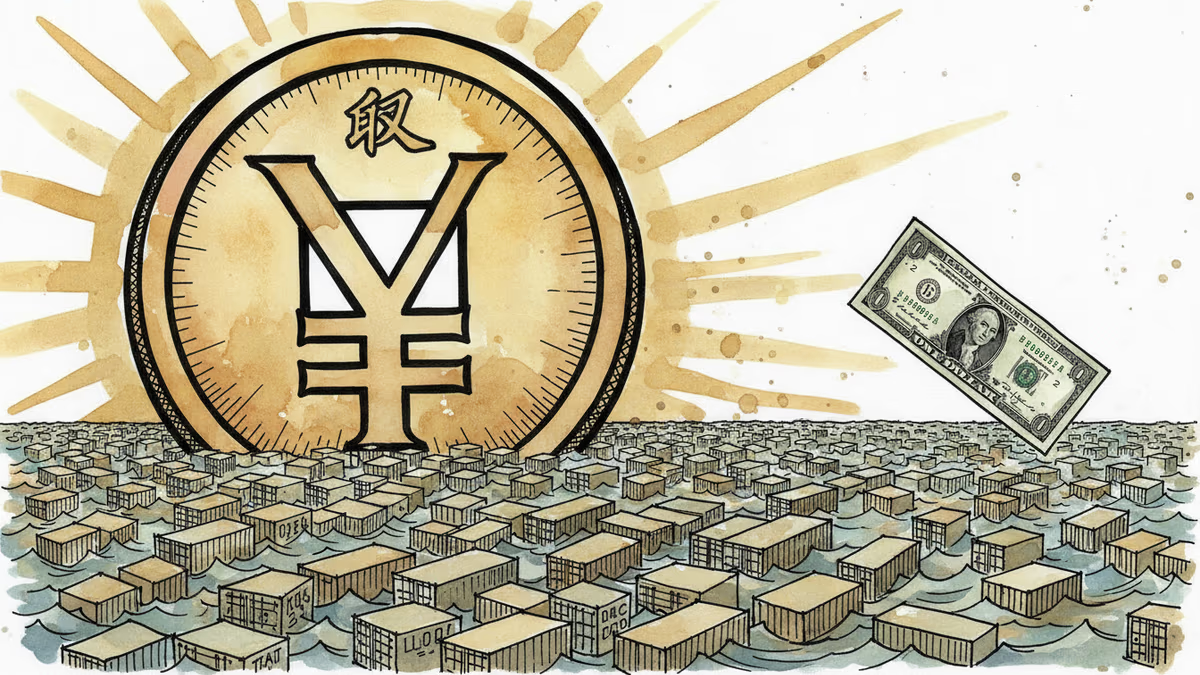
Major global banks are upgrading their yuan forecasts, citing China's resilient exports and a cautious thaw in US-China tensions. Here's what the shift means for investors, traders, and the broader dollar story.
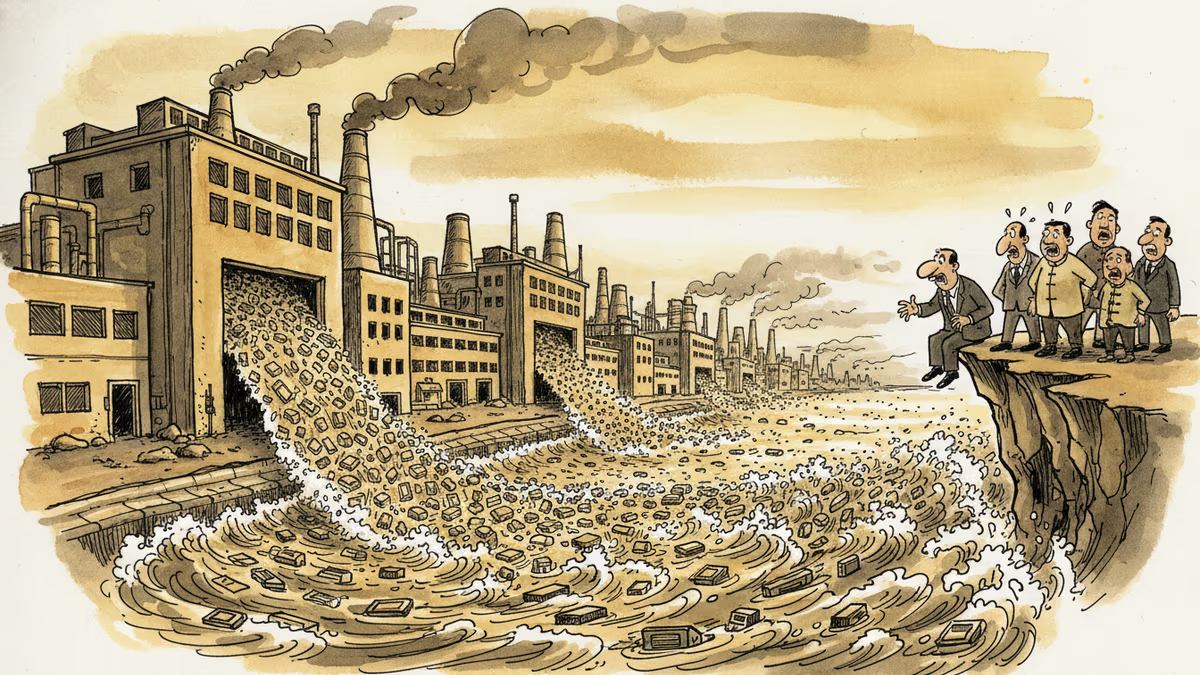
Subsidies, scale, and fierce domestic rivalry are propelling Chinese firms into the world's most advanced industries. Who wins, who loses, and what comes next?
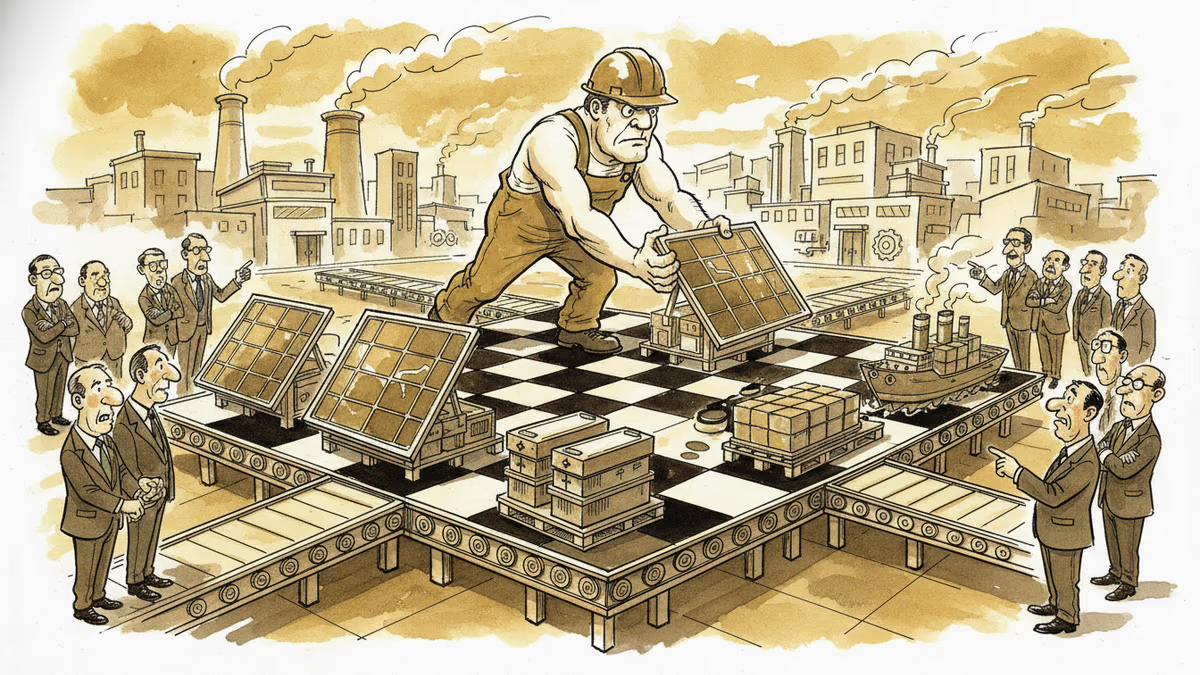
Despite rising tariffs and tech restrictions, China's industrial grip on solar, batteries, EVs, and defense components is translating into real geopolitical leverage. Here's what that means for investors and policymakers.
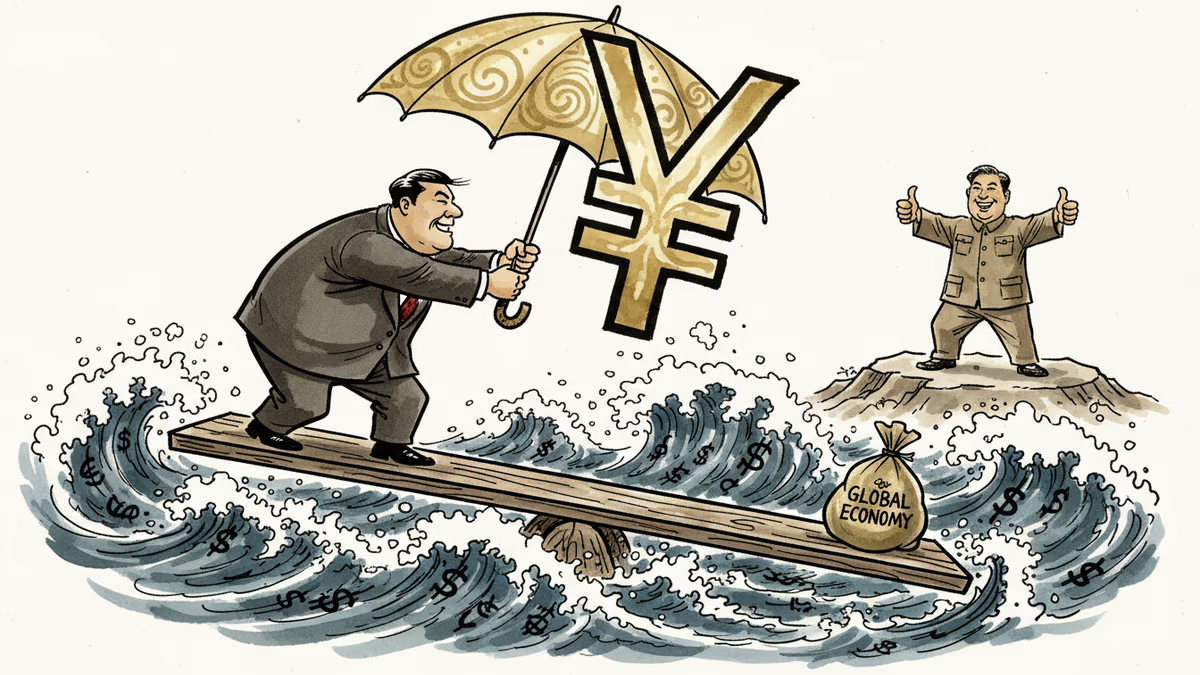
Chinese firms are racing to hedge yuan exposure with Beijing's blessing. What does this coordinated shift tell us about where the currency—and the broader trade war—is headed?
Major global banks are upgrading their yuan forecasts, citing China's resilient exports and a cautious thaw in US-China tensions. Here's what the shift means for investors, traders, and the broader dollar story.
Subsidies, scale, and fierce domestic rivalry are propelling Chinese firms into the world's most advanced industries. Who wins, who loses, and what comes next?
Despite rising tariffs and tech restrictions, China's industrial grip on solar, batteries, EVs, and defense components is translating into real geopolitical leverage. Here's what that means for investors and policymakers.
Chinese firms are racing to hedge yuan exposure with Beijing's blessing. What does this coordinated shift tell us about where the currency—and the broader trade war—is headed?
Thoughts
Share your thoughts on this article
Sign in to join the conversation