
#iPhone
Total 27 articles
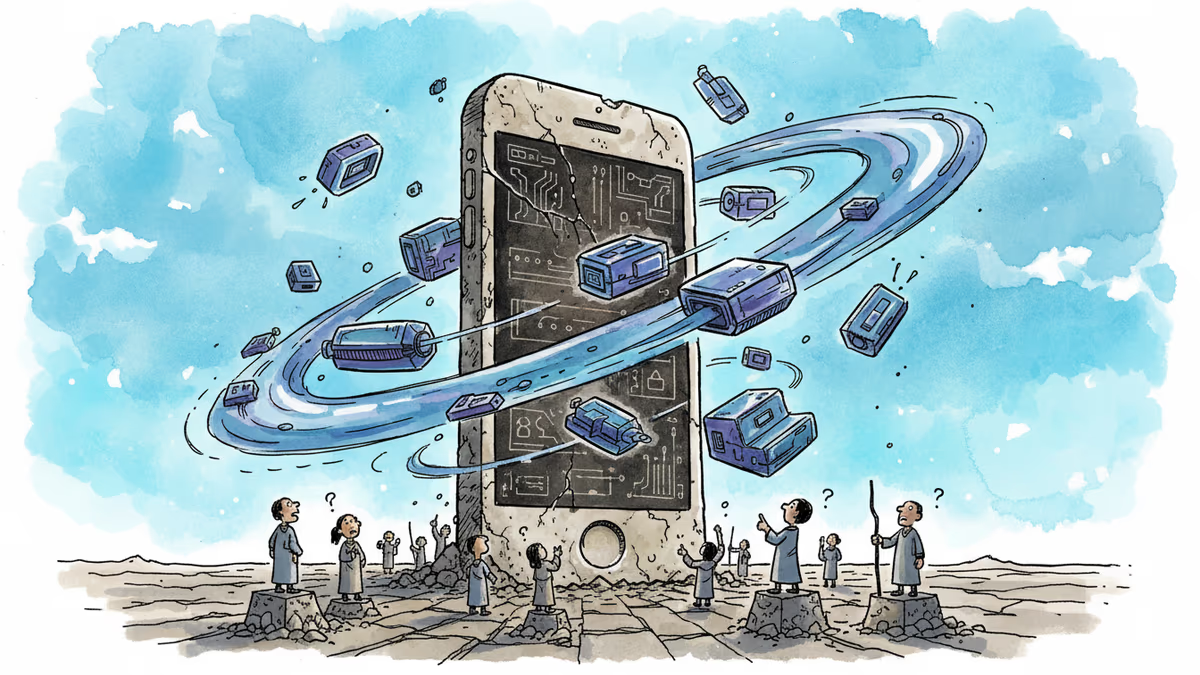
At Apple's 50th anniversary, top executives insisted the iPhone will anchor the AI era—and beyond. But is that confidence visionary or a warning sign?
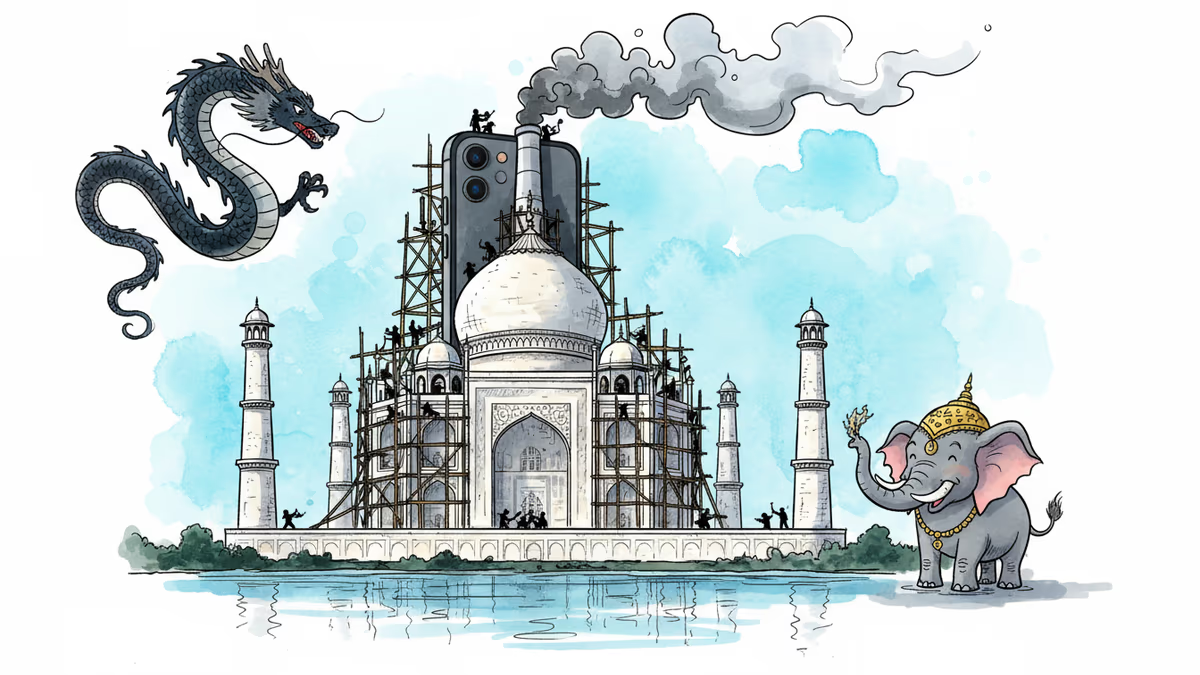
Apple has hit 25% iPhone production in India, a milestone years in the making. What it means for supply chains, consumers, and the geopolitics of where things get made.
Apple's iPhone 17E improves on its predecessor, but with the iPhone 17 sitting just $200 away, the real question is who this phone is actually for.

PRISM by Liabooks
Place your ad in this space
[email protected]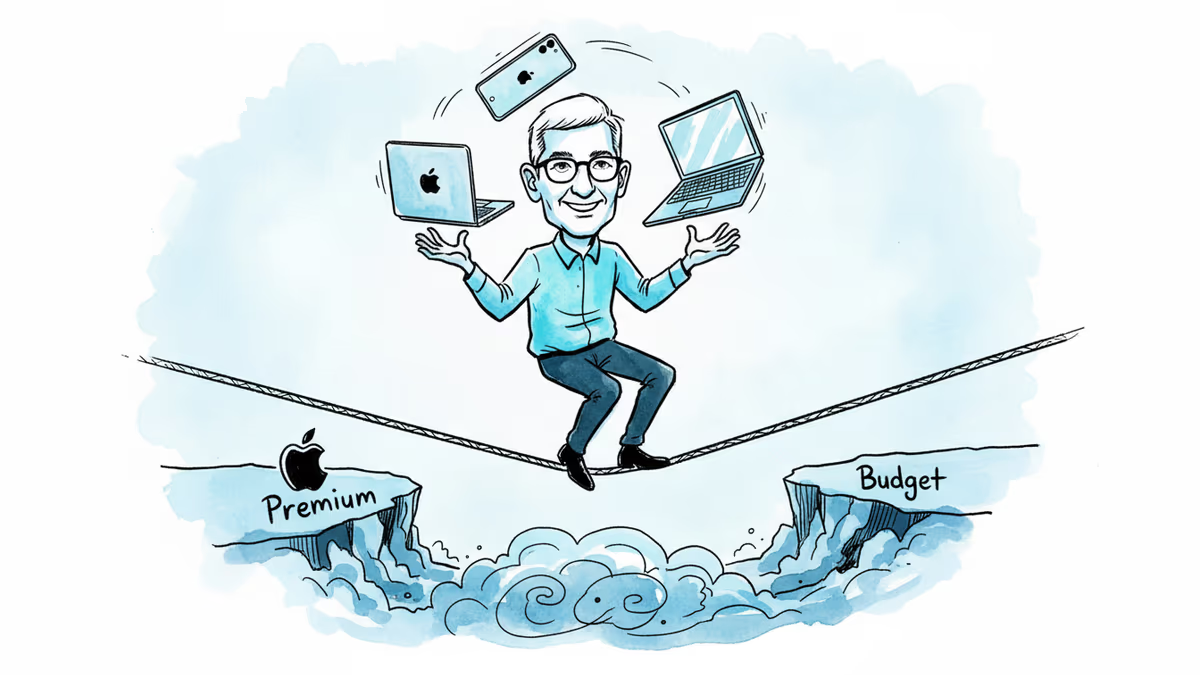
Apple's unprecedented 3-day product blitz reveals a strategic shift. From $599 MacBooks to M5 chips, we analyze what this means for the tech giant's future.
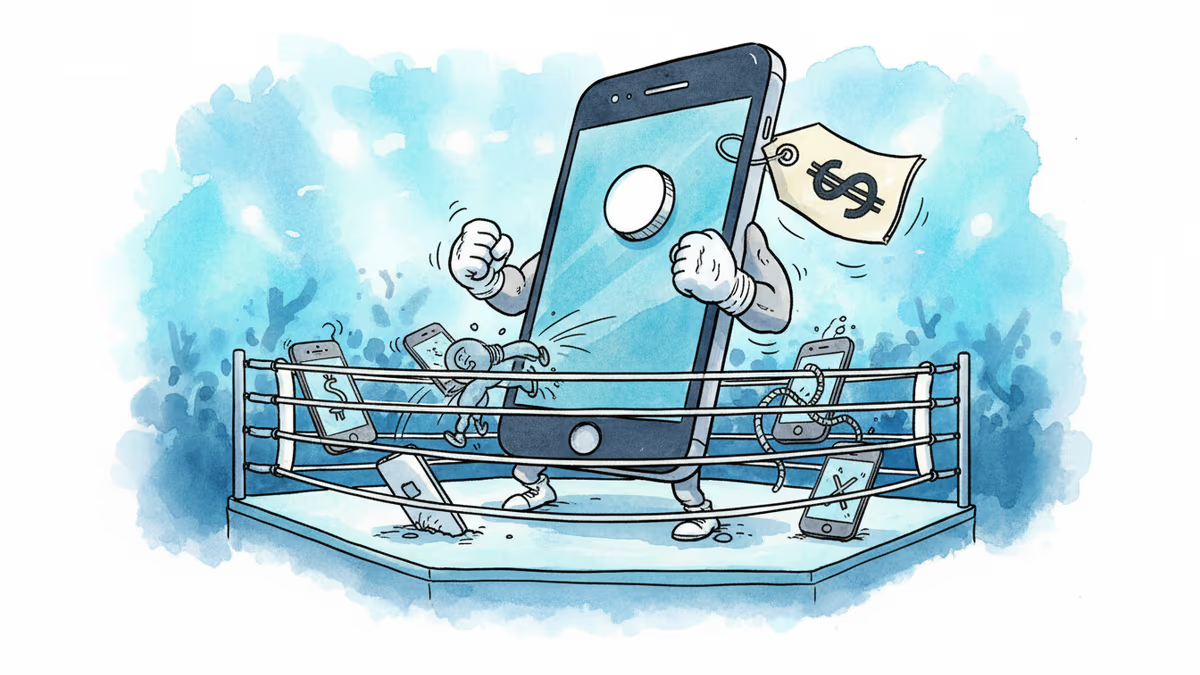
iPhone 17E starts at $599 with 256GB storage and MagSafe compatibility. How Apple's budget push threatens Samsung and Chinese brands in the competitive mid-range market.
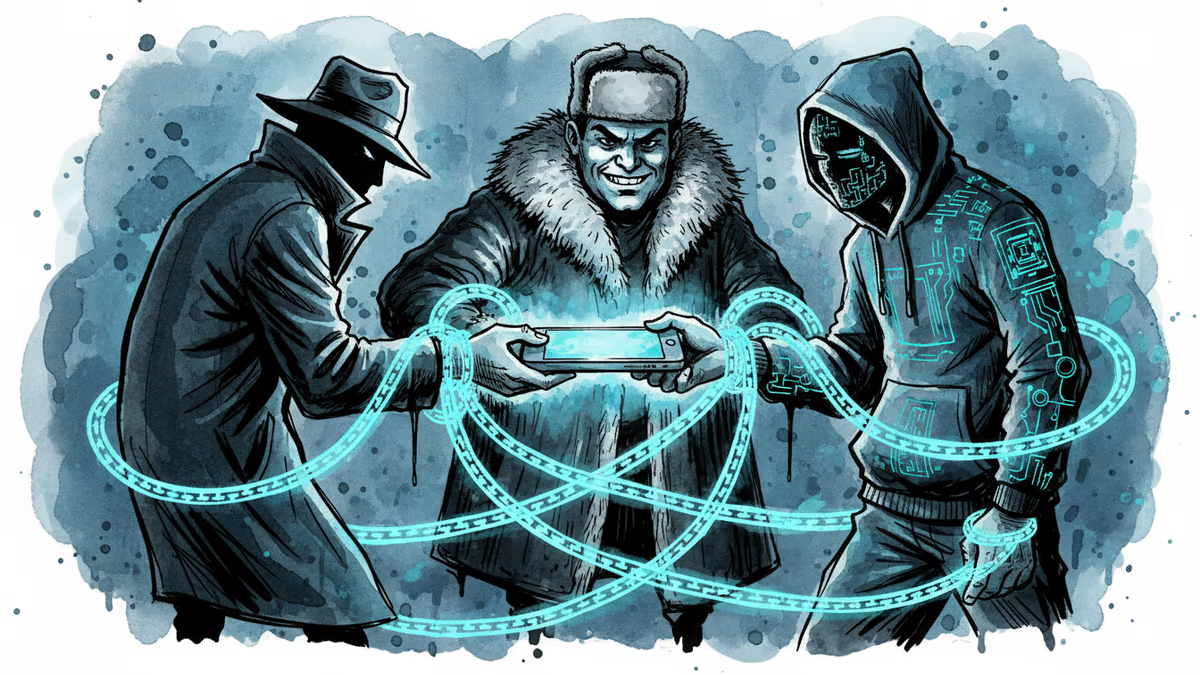
A sophisticated iPhone hacking toolkit possibly created for the US government has traveled from Russian spies targeting Ukrainians to Chinese cybercriminals stealing cryptocurrency, infecting 42,000 devices.
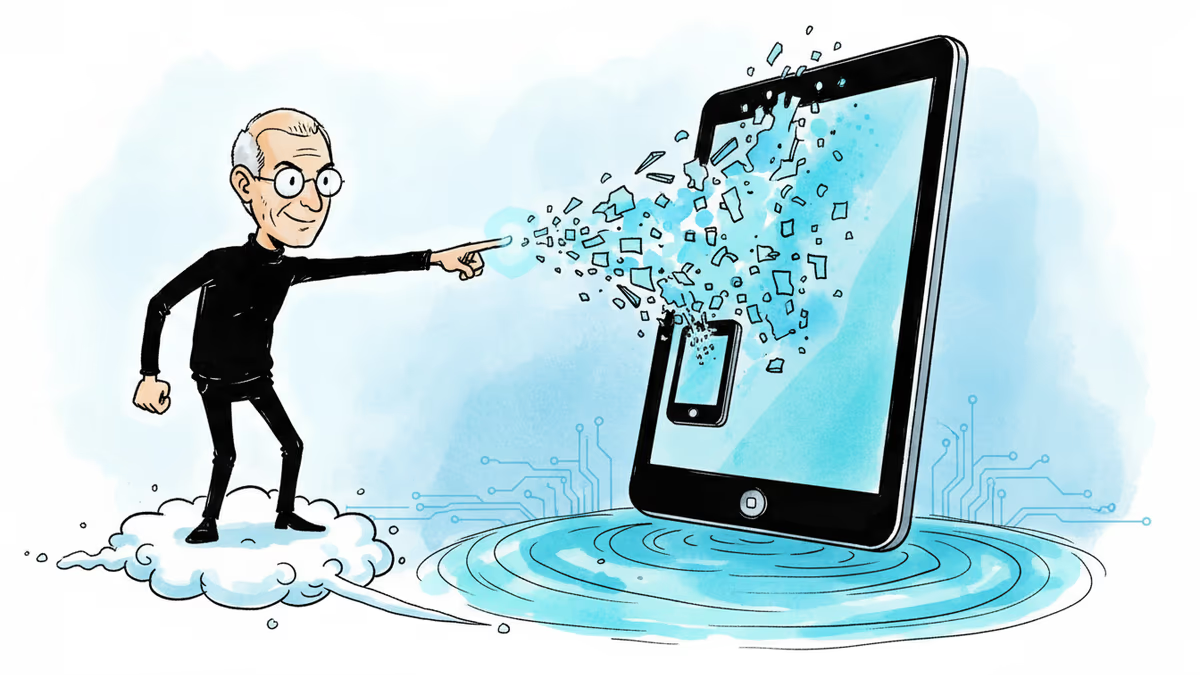
The untold story behind the iPhone's creation reveals false starts, lucky breaks, and a surprising origin as a tablet project. Innovation isn't always what it seems.
PRISM by Liabooks
Place your ad in this space
[email protected]
Apple launches the $599 iPhone 17E with MagSafe and A19 chip, testing whether premium experiences can truly be affordable. The strategy reveals deeper questions about brand positioning.
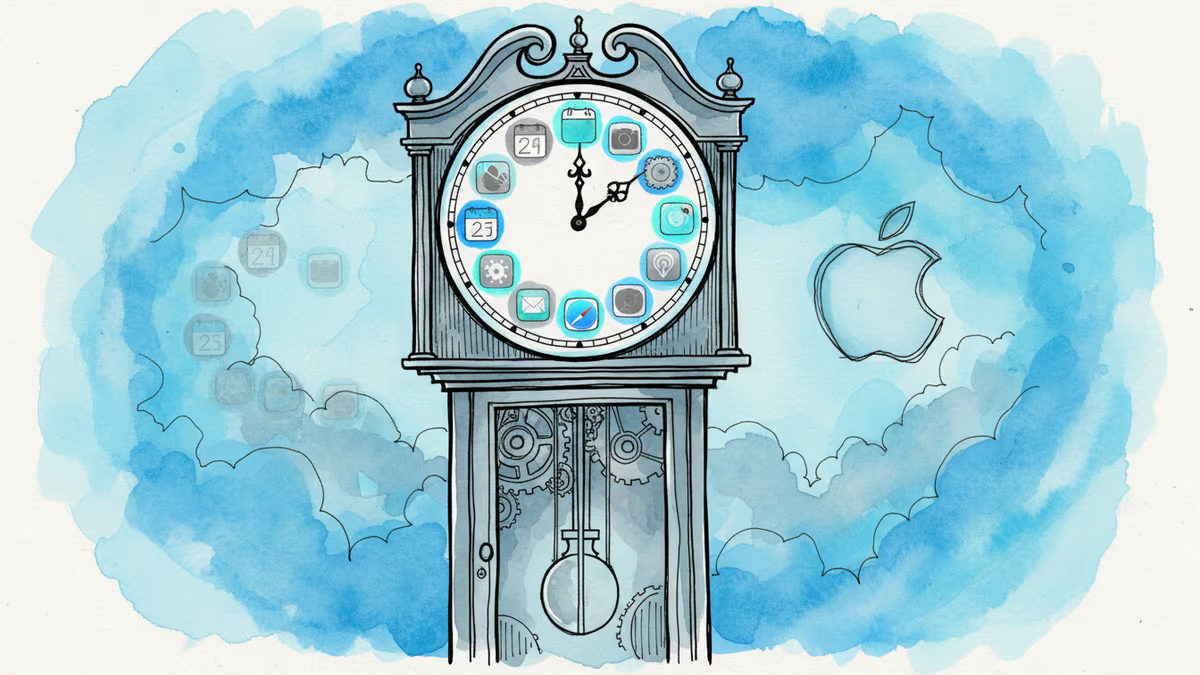
Apple launches iPhone 17e in March for second consecutive year at $599 with MagSafe and 256GB base storage. Breaking traditional September pattern signals strategic shift.
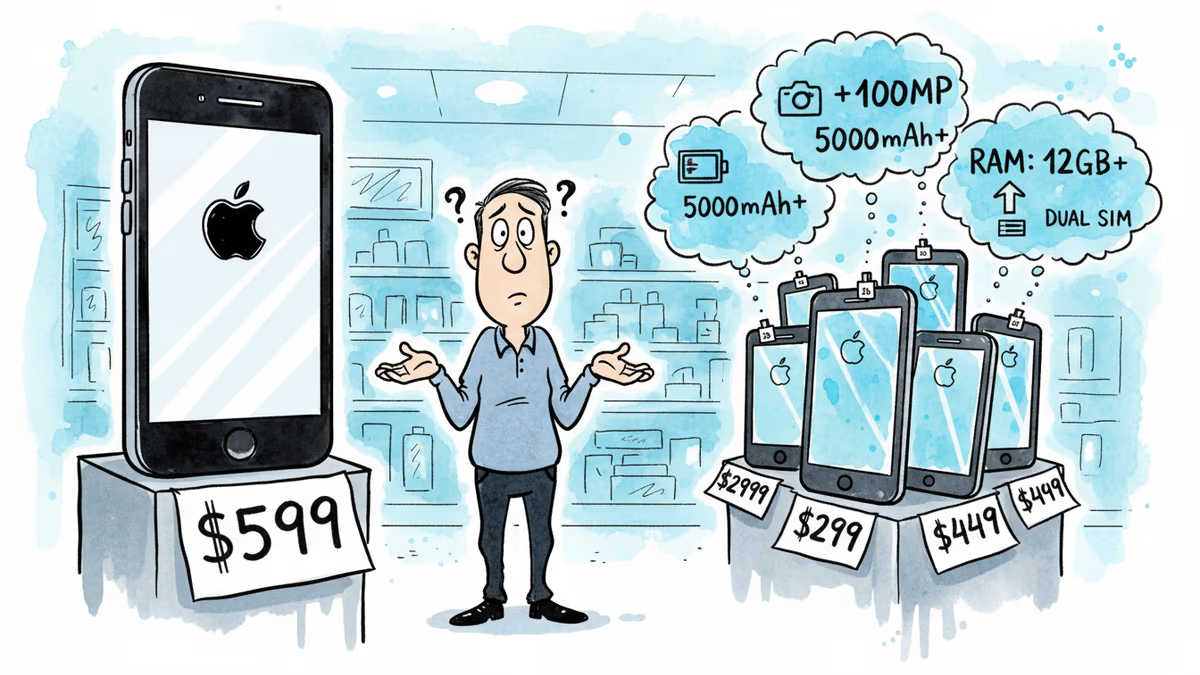
Apple launches iPhone 17e at $599 with MagSafe but keeps 60Hz display. Budget Android phones offer better specs for less. Who's this phone really for?
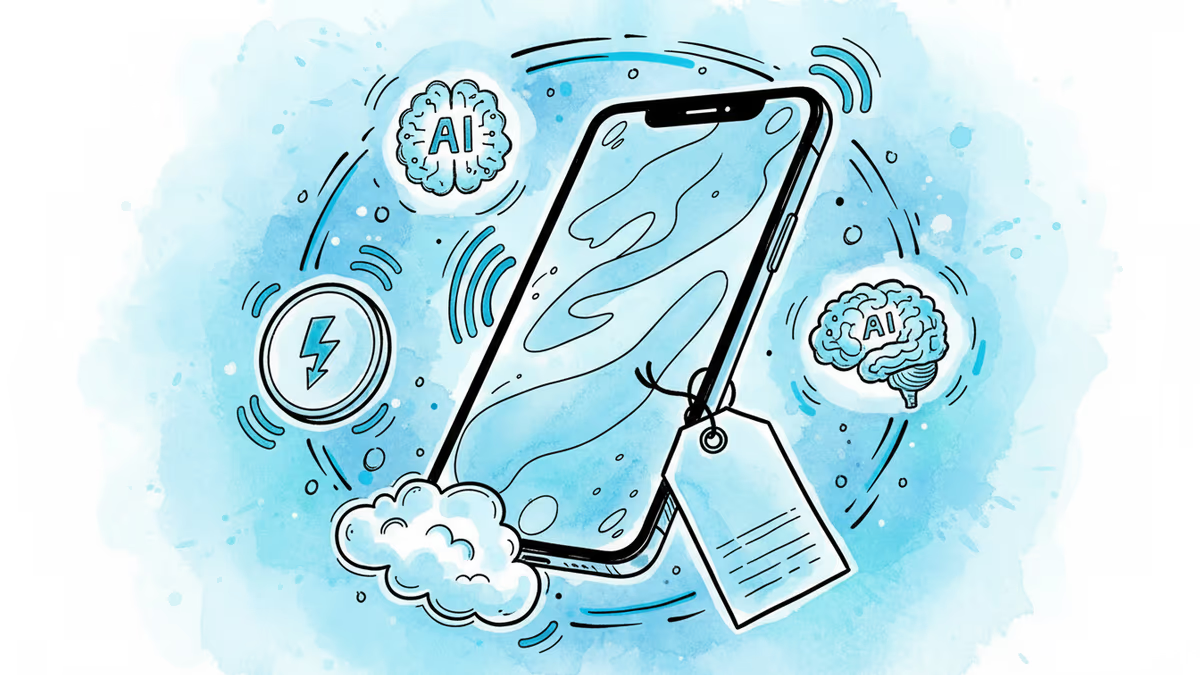
Apple's iPhone 17e brings MagSafe, AI, and premium features to the $599 price point. A calculated move or risky gamble in the competitive mid-range market?
PRISM by Liabooks
Place your ad in this space
[email protected]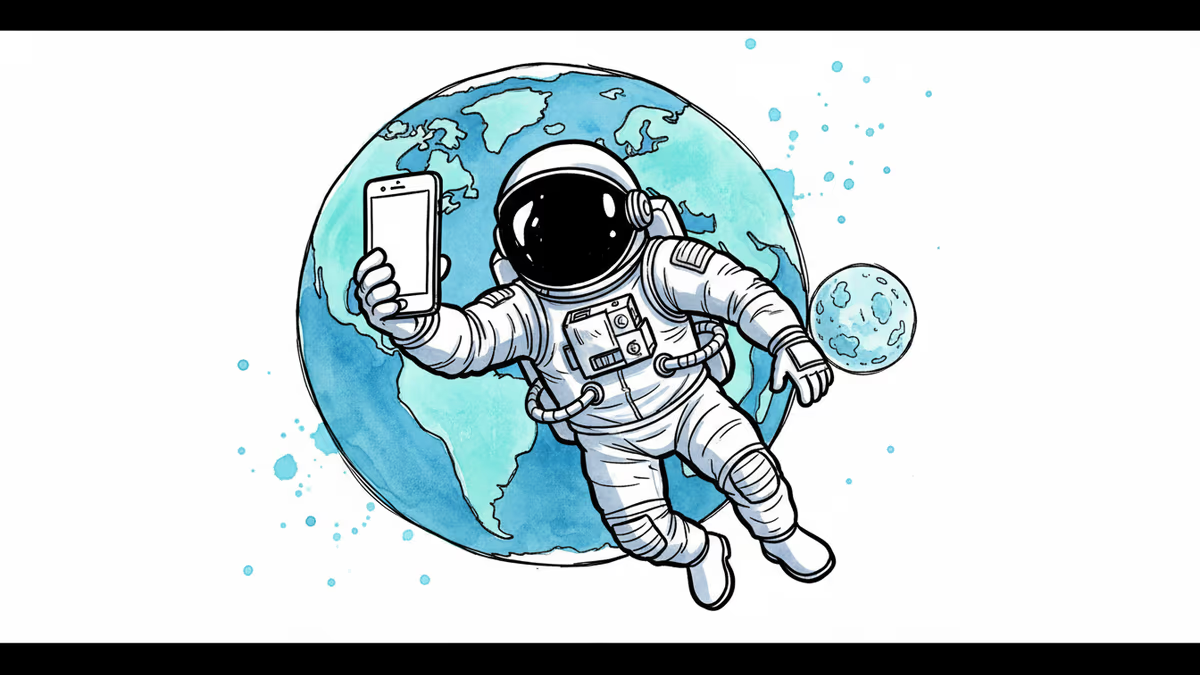
NASA's decision to allow astronauts to bring iPhones to space reveals a deeper shift from bureaucratic caution to competitive urgency in the new space race.
