
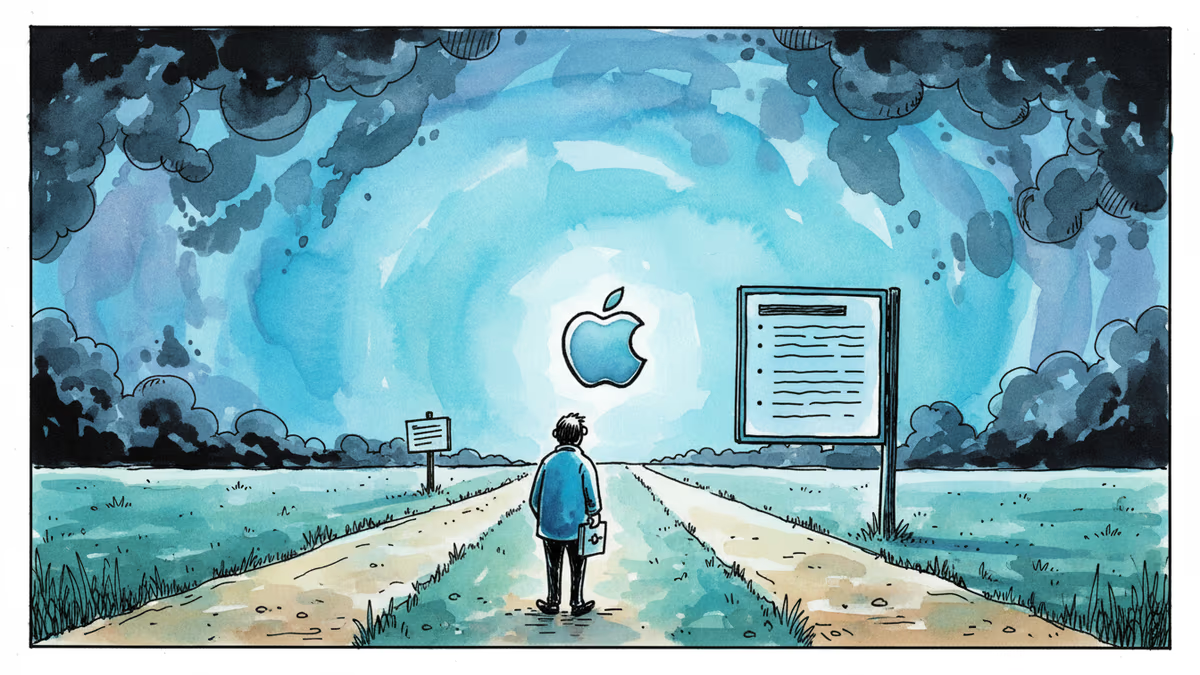
iPhone 17E Is Better. That's Almost Beside the Point.
Apple's iPhone 17E improves on its predecessor, but with the iPhone 17 sitting just $200 away, the real question is who this phone is actually for.
Nine dollars a month. That's the gap standing between a good phone and a better one.
Apple has refreshed its budget line with the iPhone 17E, and by most measures it's a genuine step up from the 16E. Better value, improved specs, a cleaner proposition than the old SE series ever managed. But here's the uncomfortable truth the company won't say out loud: the iPhone 17 exists, it costs $200 more, and for most people who can stretch their budget at all, it's the smarter buy.
What the 17E Actually Is
The 16E was already a departure from Apple's old playbook. The SE series used to mean one thing: an aging body, a current chip, a steep discount. The 16E changed that formula, and the 17E continues in that direction — a genuinely modern device at the lower end of the lineup, not a repackaged hand-me-down.
That's a real improvement worth acknowledging. For buyers who couldn't previously afford any current-generation iPhone, the 17E is a legitimate entry point. It runs the latest software, it'll receive updates for years, and it doesn't feel like a consolation prize in the way older SE models sometimes did.
But the moment you put it next to the iPhone 17, the comparison gets uncomfortable. Camera system, display quality, feature set — the $200 gap buys a meaningful list of upgrades. And Apple knows exactly what it's doing by pricing them this close together.
The Anchoring Game

Two hundred dollars sounds like a lot. Split across a 24-month carrier payment plan, it becomes $9 a month — less than a streaming subscription, less than two cups of coffee. This isn't accidental math. The subscription economy has rewired how consumers perceive cost, and Apple has learned to speak that language fluently.
When the premium option feels like a rounding error in your monthly budget, the budget option loses its clearest argument. The 17E isn't being undercut by competitors — it's being quietly overshadowed by its own family member.
For carriers, this dynamic is a gift. Upselling a customer from the 17E to the 17 becomes a trivially easy conversation. "For just nine more dollars a month..." practically sells itself.
Who's Actually Buying This
Three groups realistically reach for a phone like the 17E. First, buyers for whom $799 is genuinely the ceiling — no flexibility, full stop. Second, parents buying a first smartphone for a teenager where the exact model matters less than the Apple ecosystem. Third, enterprise buyers equipping large teams where per-unit cost compounds across hundreds of devices.
For everyone else — the person casually browsing upgrade options, the reviewer, the enthusiast — the 17E is a harder sell this cycle than it might have been if the 17 were priced further away.
Samsung is watching this closely. The Galaxy A series has long competed in this price band on raw specs, often winning on paper. But the 17E's arrival reinforces a stubborn reality: brand perception in the mid-range isn't fought on spec sheets. It's fought on the feeling of holding an iPhone.
Authors
Related Articles
After 15 years of fragmented mobile messaging, Apple and Google are rolling out end-to-end encrypted RCS messaging between iPhones and Android devices. Here's what changed, why it took so long, and what it means for your privacy.
Apple agreed to pay $250 million to settle claims it misled iPhone 16 buyers about Apple Intelligence features. What this means for consumers, Big Tech marketing, and the AI industry.
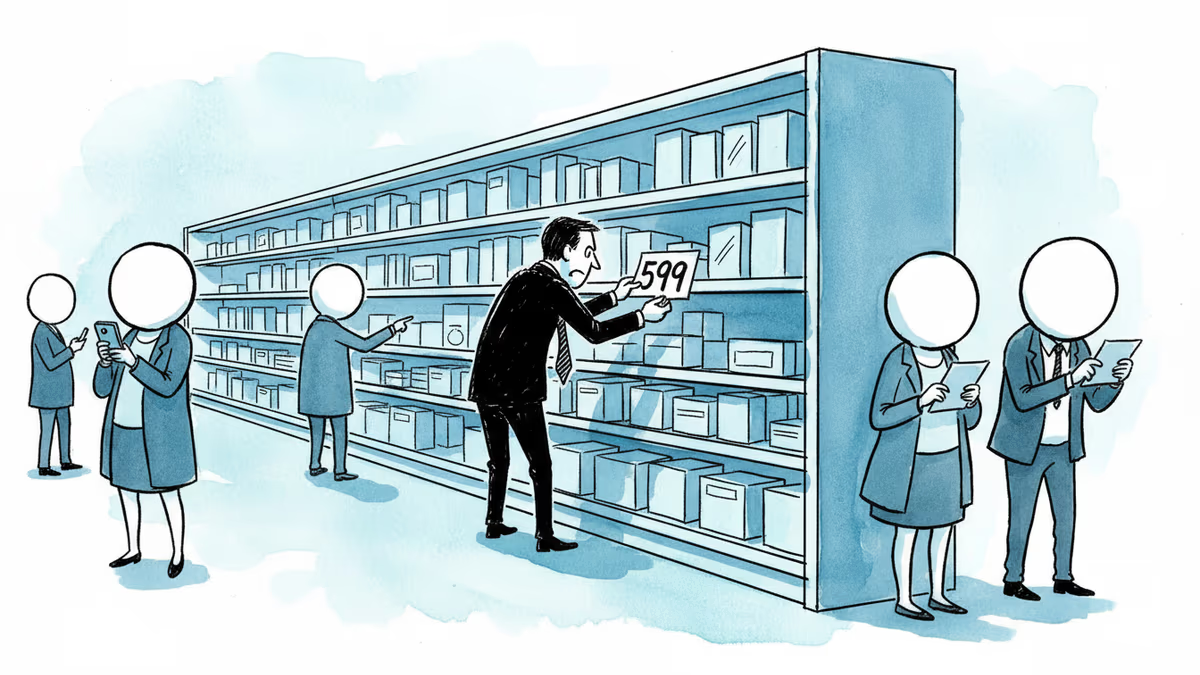
Apple quietly removed the entry-level $599 Mac Mini, raising the starting price to $799 — just one day after Tim Cook warned of chip supply constraints on the earnings call.
Apple names John Ternus, its hardware engineering chief, as the next CEO. The shift from operator to product person signals where Apple thinks its next decade of growth will come from — and raises real questions about what comes next.
After 15 years of fragmented mobile messaging, Apple and Google are rolling out end-to-end encrypted RCS messaging between iPhones and Android devices. Here's what changed, why it took so long, and what it means for your privacy.
Apple agreed to pay $250 million to settle claims it misled iPhone 16 buyers about Apple Intelligence features. What this means for consumers, Big Tech marketing, and the AI industry.
Apple quietly removed the entry-level $599 Mac Mini, raising the starting price to $799 — just one day after Tim Cook warned of chip supply constraints on the earnings call.
Apple names John Ternus, its hardware engineering chief, as the next CEO. The shift from operator to product person signals where Apple thinks its next decade of growth will come from — and raises real questions about what comes next.
Thoughts
Share your thoughts on this article
Sign in to join the conversation