
#Semiconductors
Total 117 articles

From the Hormuz blockade to K-pop's 12th Billboard week — seven days that rewrote the rules. Rare earth leverage, Anthropic's thaw, and a 46-minute DeFi heist point to the same shift.
 Jeong Jin Lee
Memory makers can't build fabs fast enough. By end of 2027, supply will cover just 60% of demand. Here's why the shortage could last until 2030—and what it means for AI, your devices, and the chip industry.
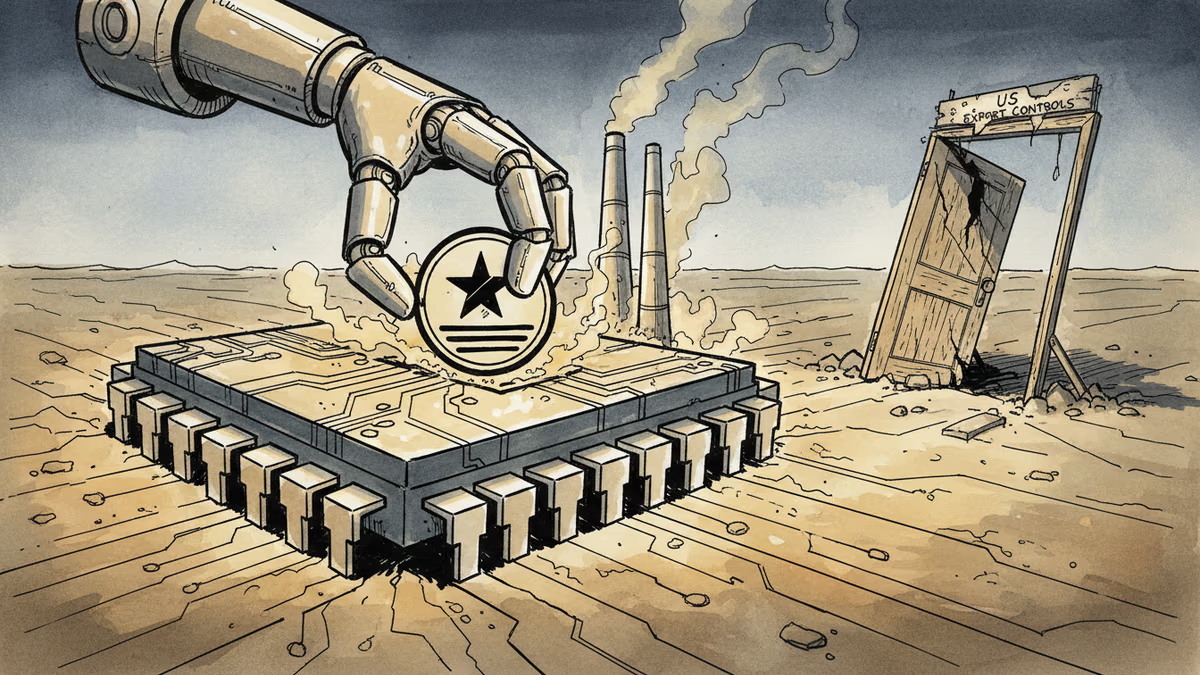
Alibaba and China Telecom launched a 10,000-chip AI data center in Guangdong powered by Alibaba's homegrown Zhenwu semiconductors. What does China's accelerating chip self-sufficiency mean for Nvidia, global AI competition, and your portfolio?

PRISM by Liabooks
Place your ad in this space
[email protected]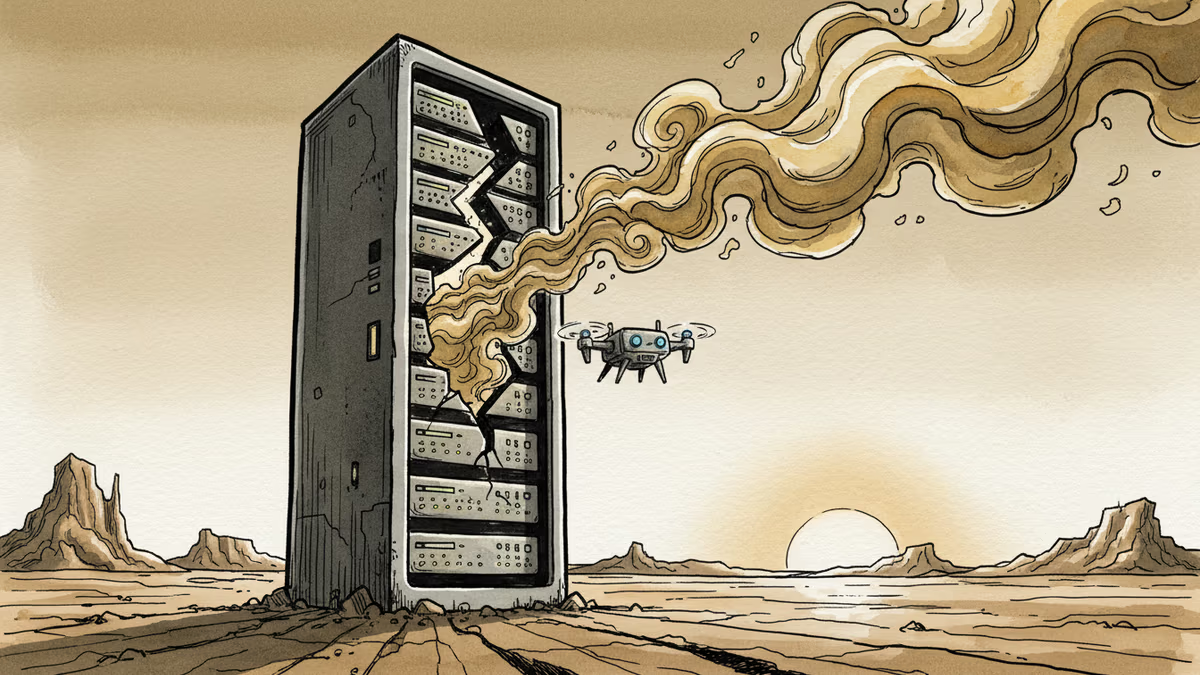
AWS data centers in Bahrain and UAE were hit by drone strikes. With helium supplies squeezed and energy costs spiking, the Iran conflict is quietly rewiring global tech infrastructure—and your cloud bill.
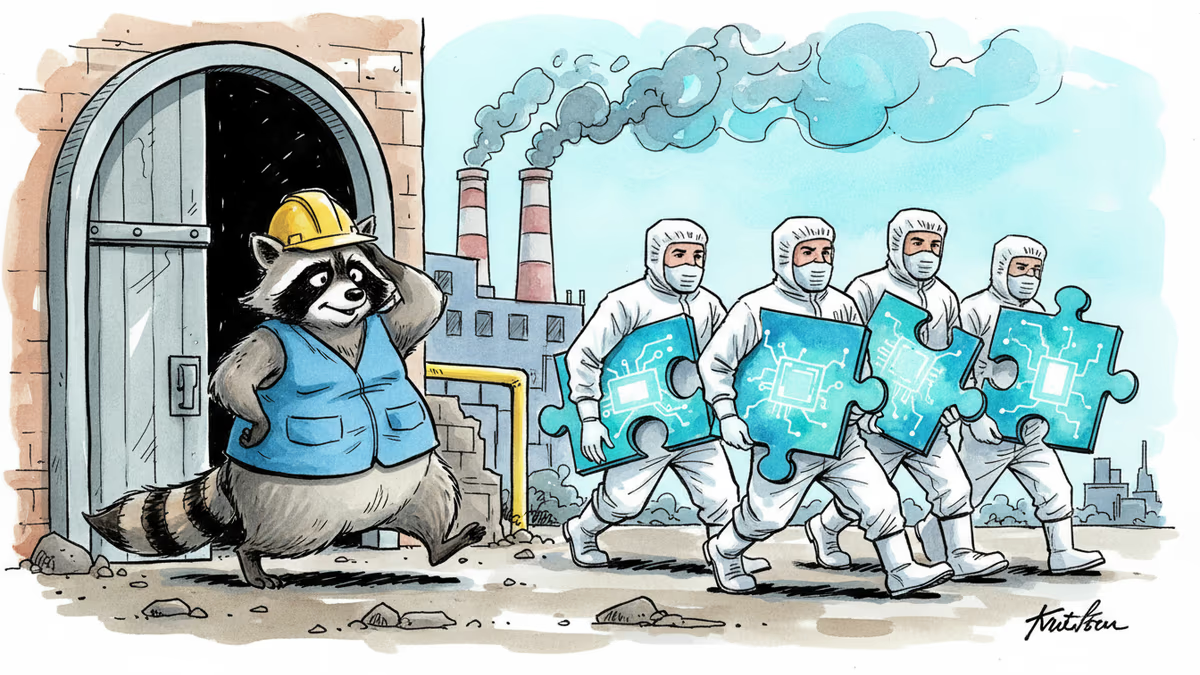
Intel's revived New Mexico fab is betting on advanced chip packaging to challenge TSMC and capture AI market share. Here's why this quiet technology could matter more than the chips themselves.
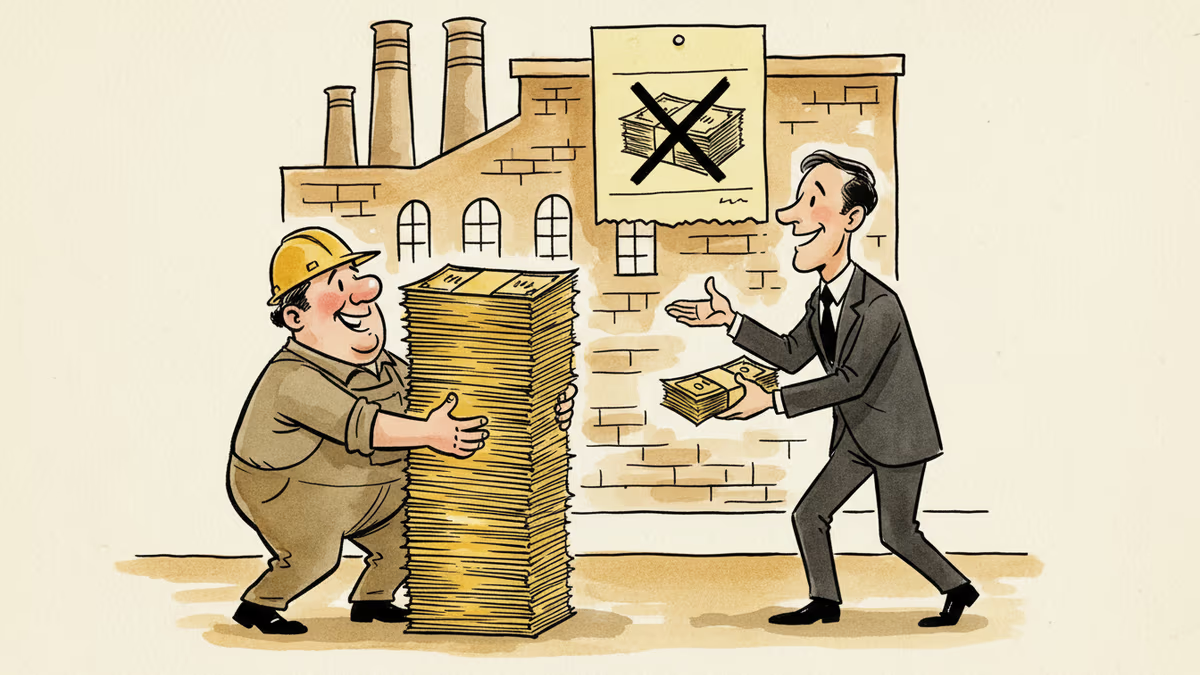
Intel repurchases its 49% stake in Ireland's Fab 34 for $14.2B — $3B more than it sold for in 2024. The CPU renaissance driving AI agentic workloads is the real story behind the deal.
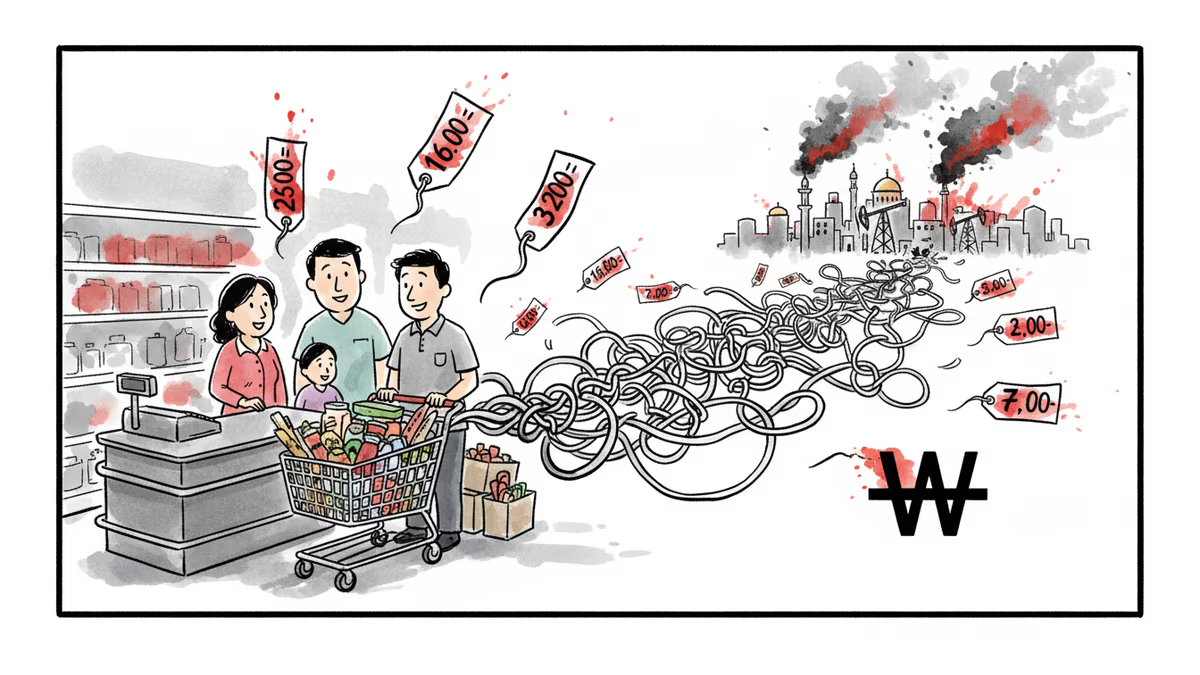
Iran's prolonged conflict is squeezing South Korea's supply chains—from naphtha shortages hitting plastics to helium fears rattling chipmakers. Here's what it means beyond the fuel pump.
PRISM by Liabooks
Place your ad in this space
[email protected]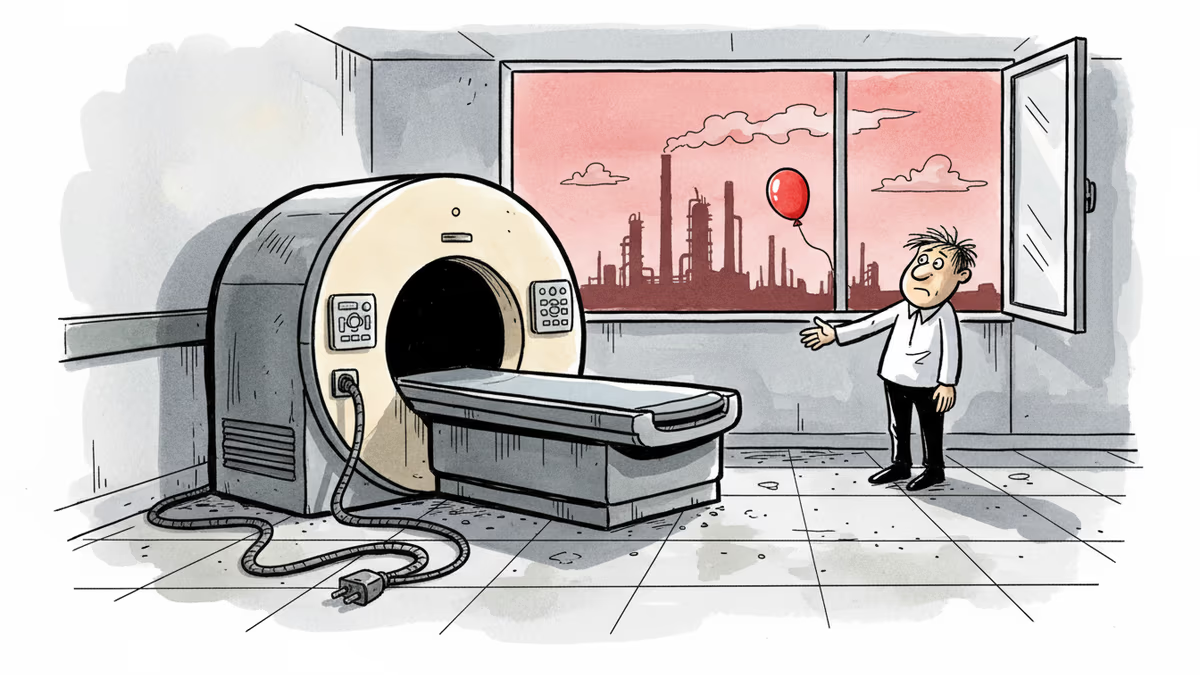
As the US-Israel conflict with Iran disrupts Qatar's helium supply, prices have doubled and hospitals fear MRI shortages. Here's why helium is uniquely hard to replace.
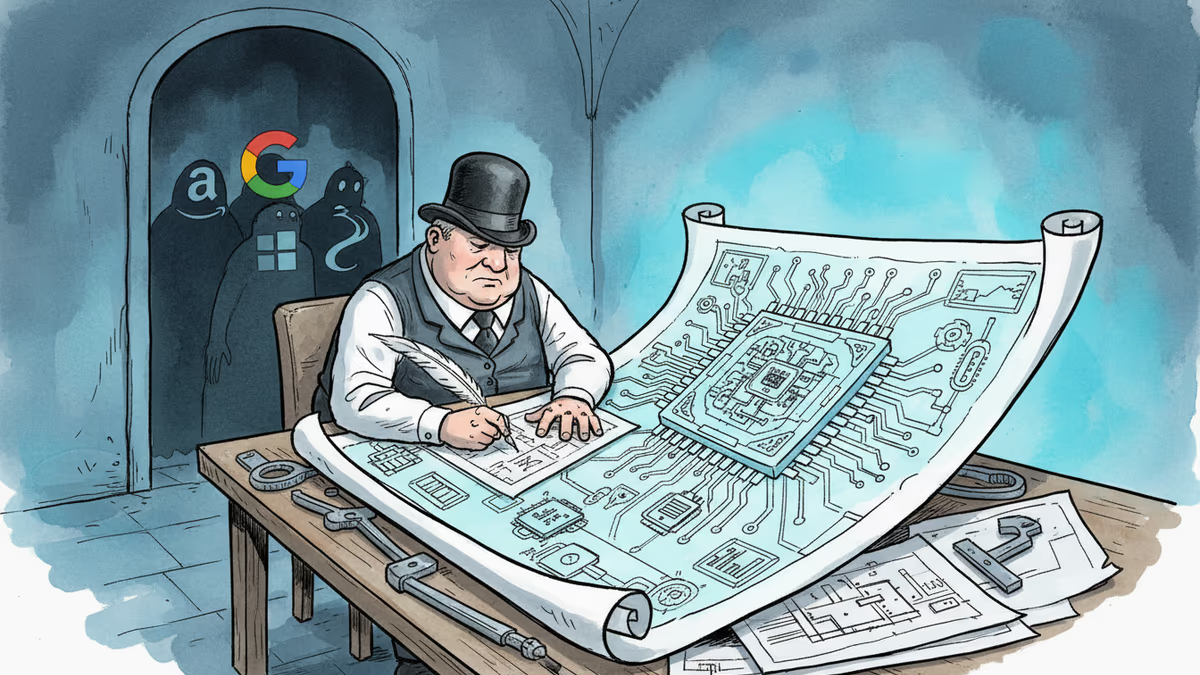
Arm unveiled its first-ever in-house chip targeting AI data centers, projecting $15B in revenue by 2031. But can it grow without burning the ecosystem that made it?
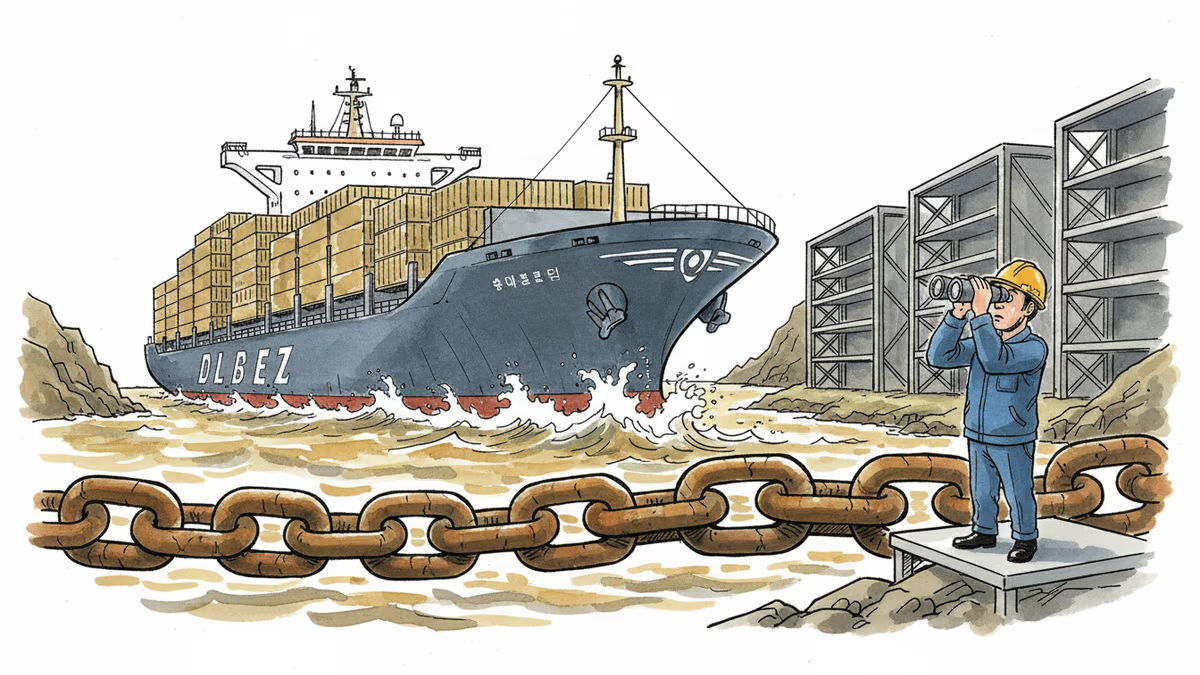
The Israeli-U.S. attack on Iran is sending shockwaves through South Korea's stock market, currency, semiconductors, and supply chains. Here's why geography no longer insulates any economy.
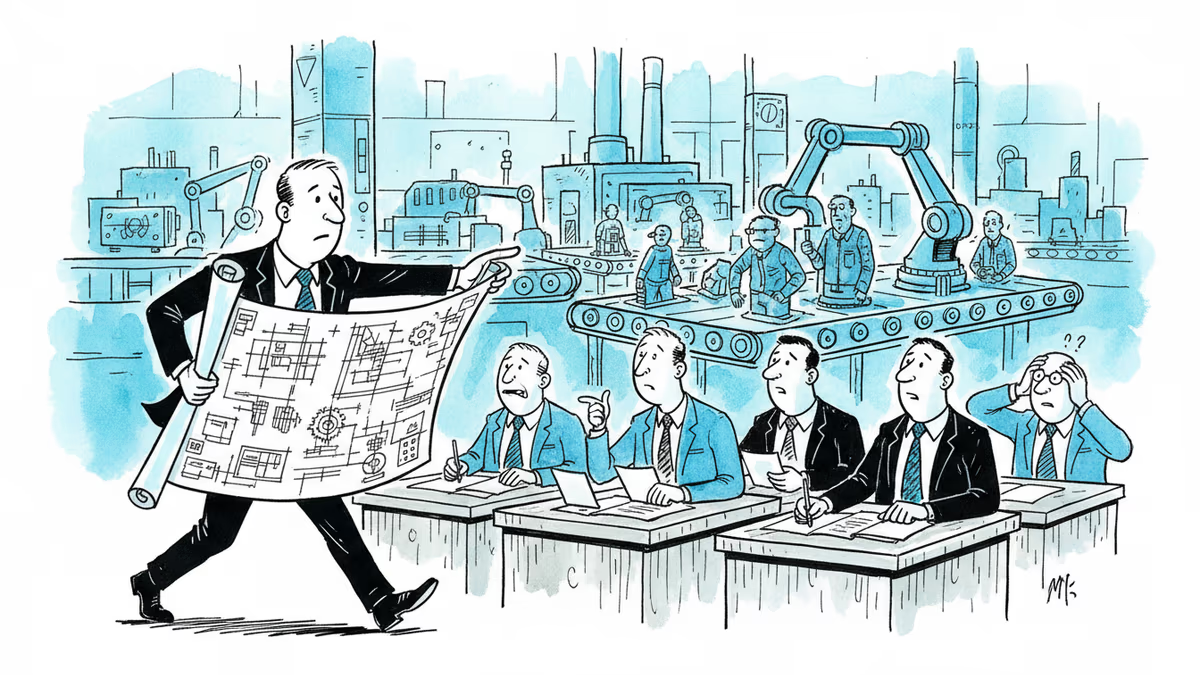
Arm's first in-house chip, the AGI CPU, breaks a 30-year licensing model. What happens when the company that powers your chip decides to sell one of its own?
PRISM by Liabooks
Place your ad in this space
[email protected]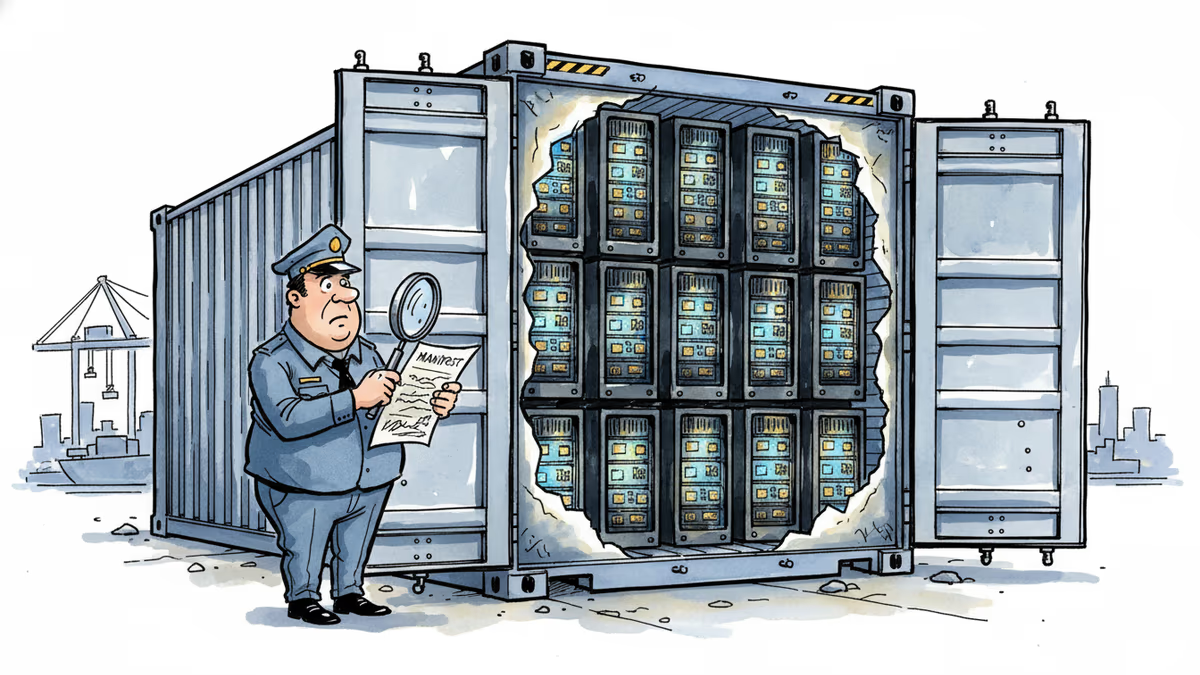
A Super Micro co-founder is accused of smuggling $2.5 billion in Nvidia AI chips to China using fake servers and forged documents. SMCI stock fell 25%. Here's what it means for export controls and the AI supply chain.
