
#Privacy
Total 104 articles
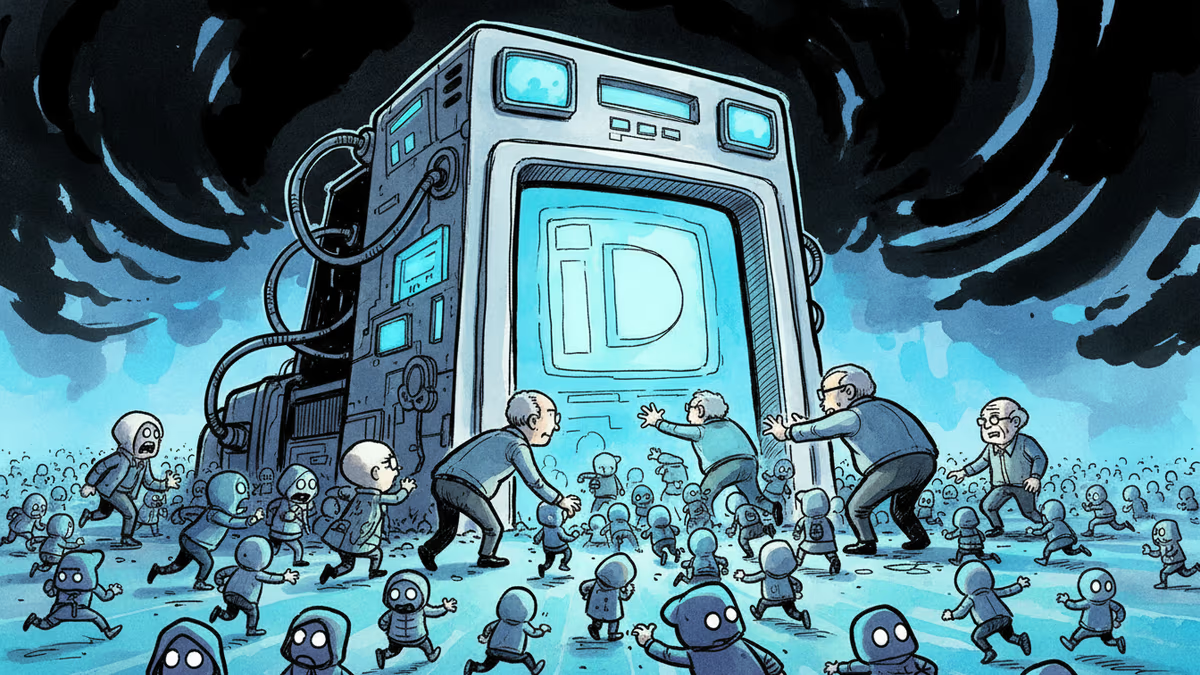
Discord faces fierce criticism after announcing all users will default to teen mode until age verification. Privacy advocates clash with child safety concerns as 70,000 government IDs were recently breached.
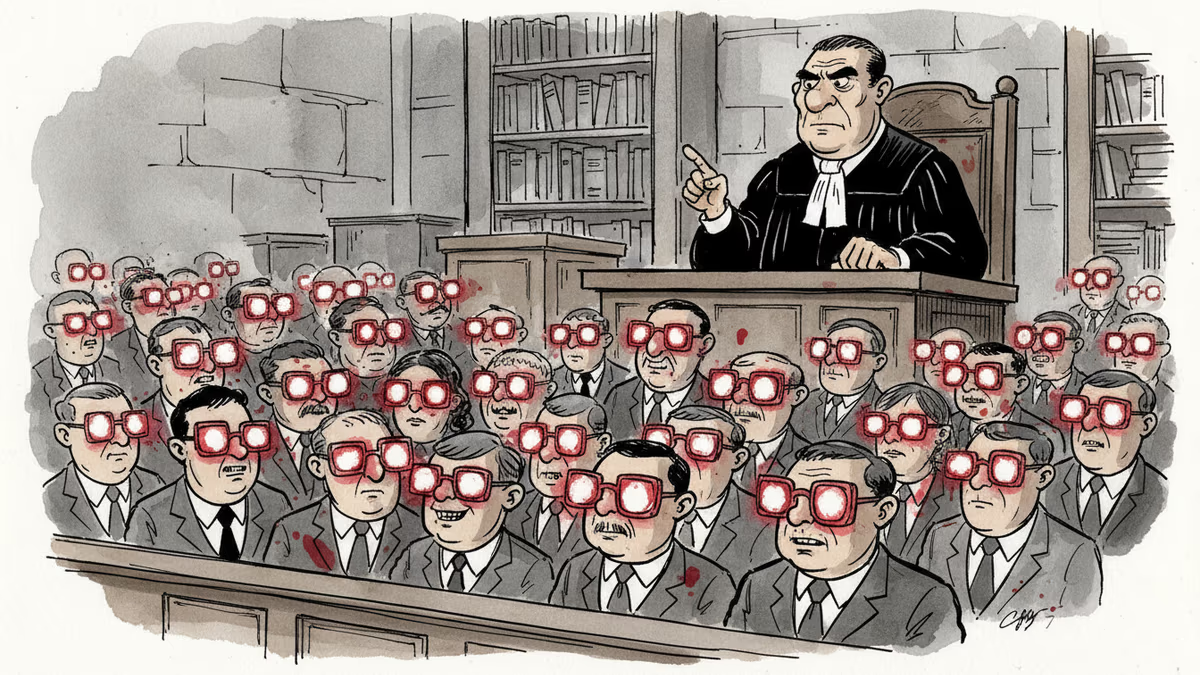
Meta CEO's trial sees smart glasses ban as wearable recording devices blur boundaries between convenience and privacy invasion in public spaces.
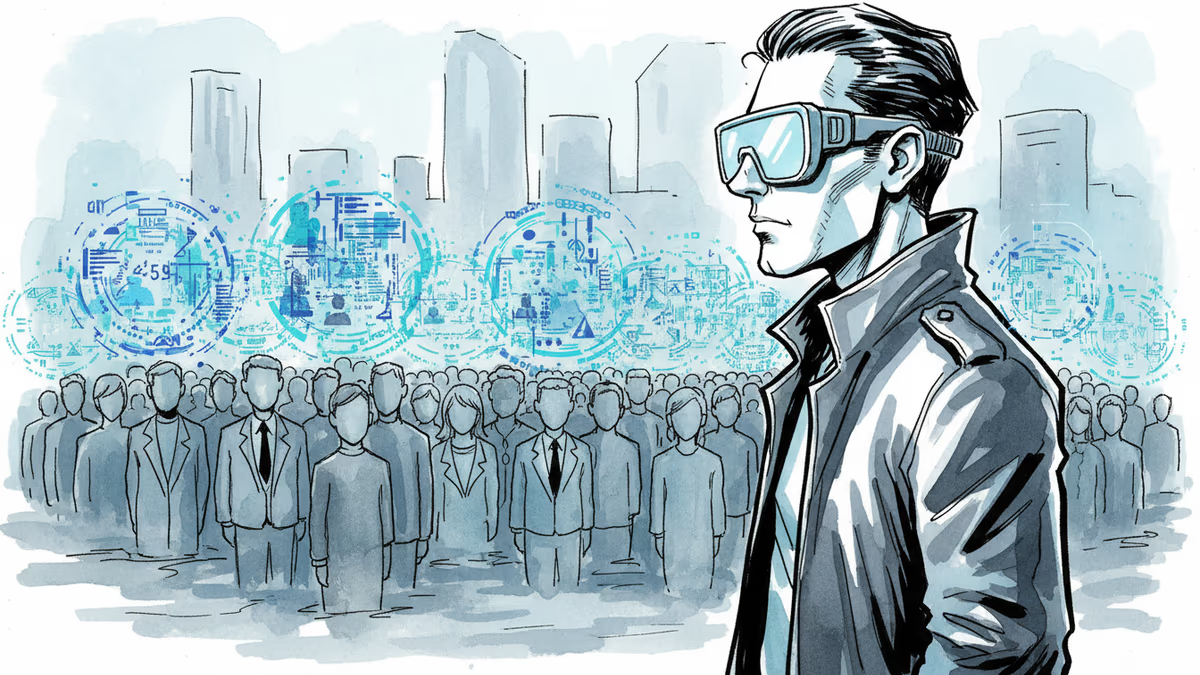
Meta considered launching facial recognition for Ray-Ban smart glasses during political chaos to avoid privacy backlash, revealing big tech's calculated approach to controversial features

PRISM by Liabooks
Place your ad in this space
[email protected]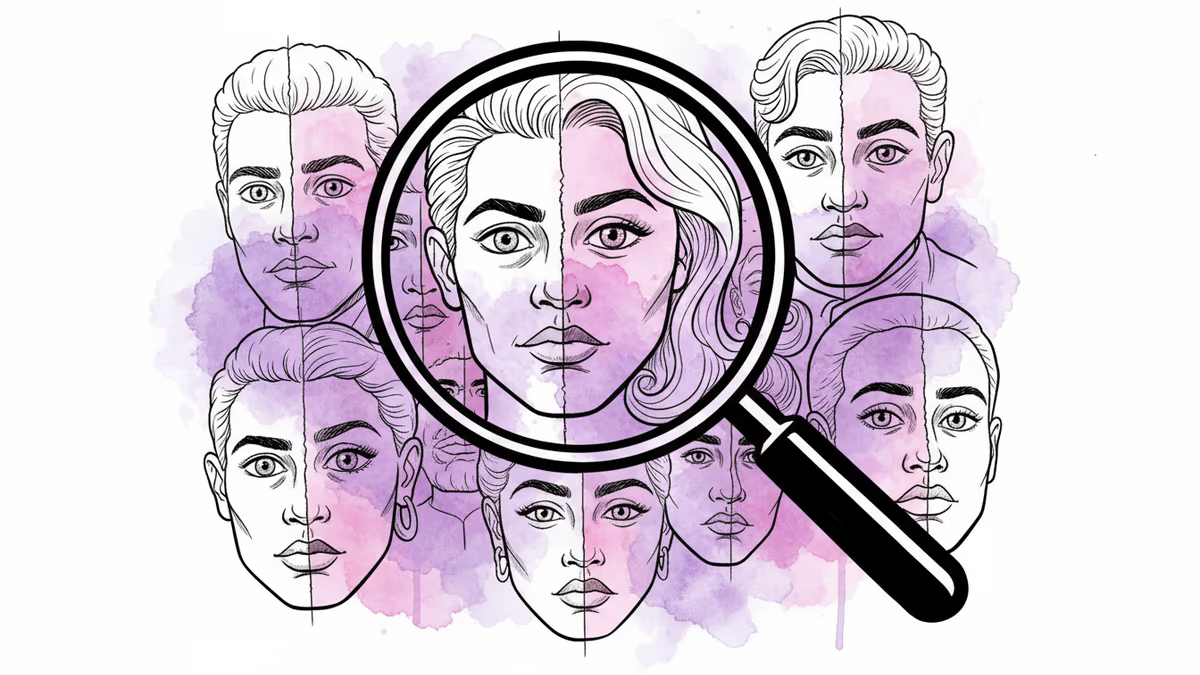
Doppelgänger uses facial recognition to match users with similar-looking OnlyFans creators. Innovation for adult content discovery or ethical concern?
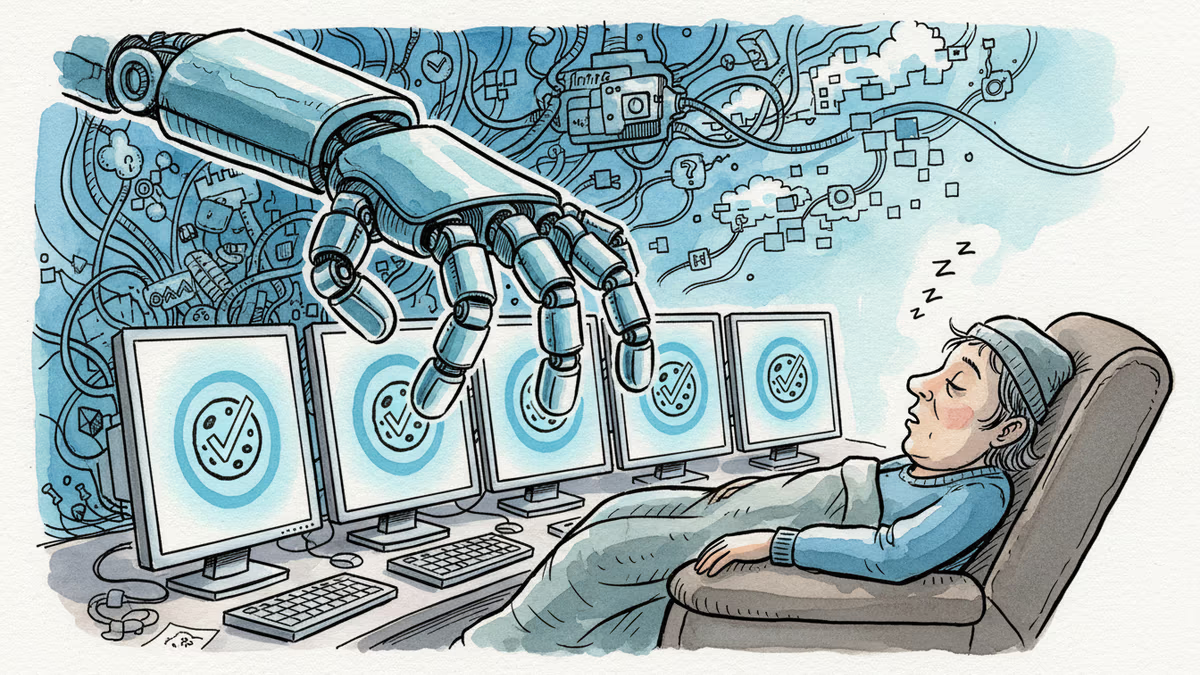
OpenClaw reveals a critical privacy flaw in AI agents - they automatically consent to data collection on your behalf. What happens when convenience meets privacy?
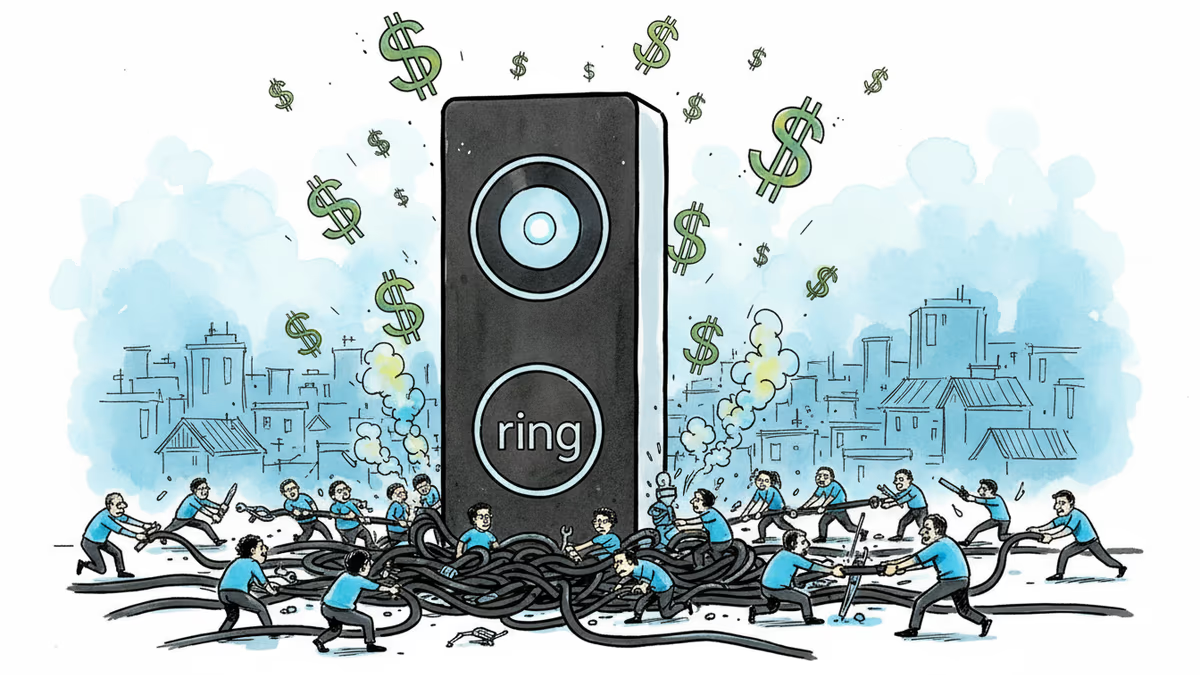
Citizens group offers $10,000 reward to hack Ring cameras after controversial Super Bowl ad sparks privacy backlash. Smart home convenience vs surveillance concerns.
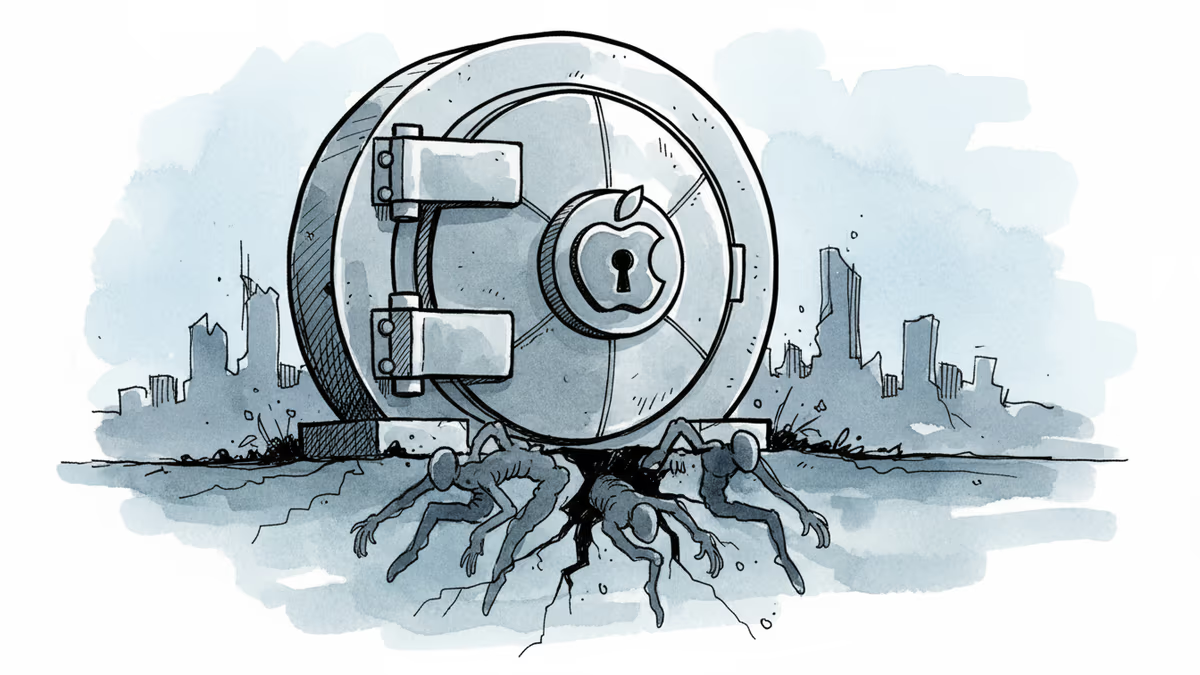
West Virginia sues Apple, claiming iCloud became a 'secure avenue' for child abuse material after the company ditched CSAM detection for end-to-end encryption.
PRISM by Liabooks
Place your ad in this space
[email protected]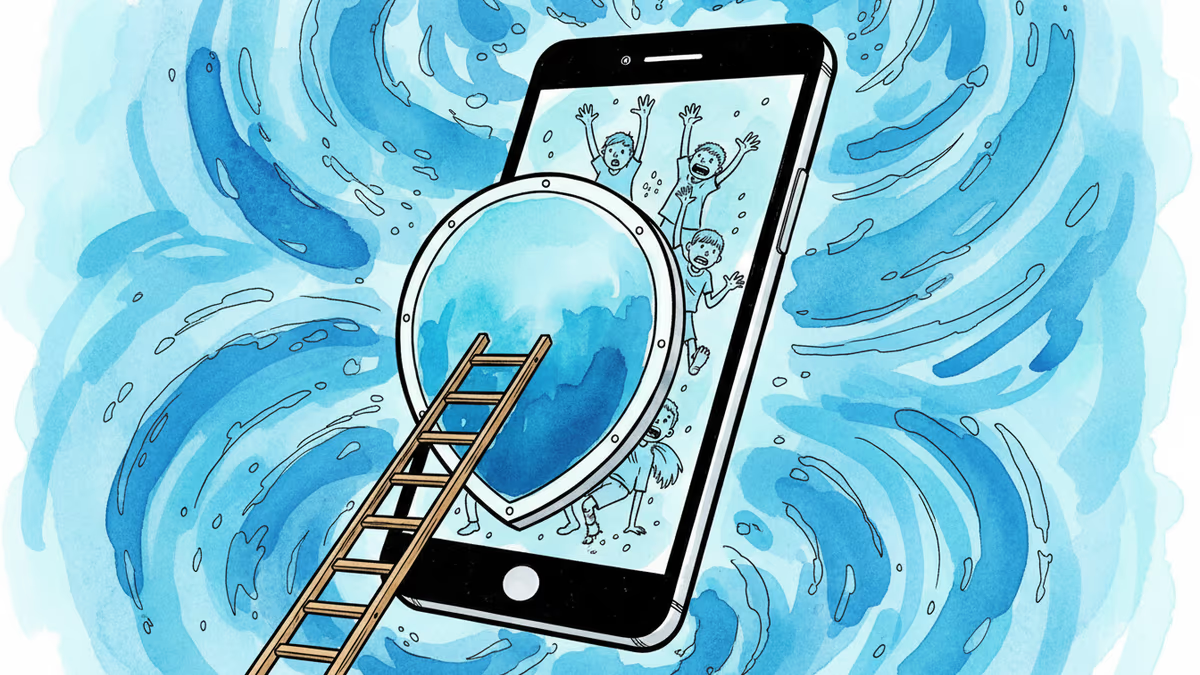
West Virginia sues Apple over child safety failures, forcing the tech giant to confront its privacy-first stance vs child protection demands
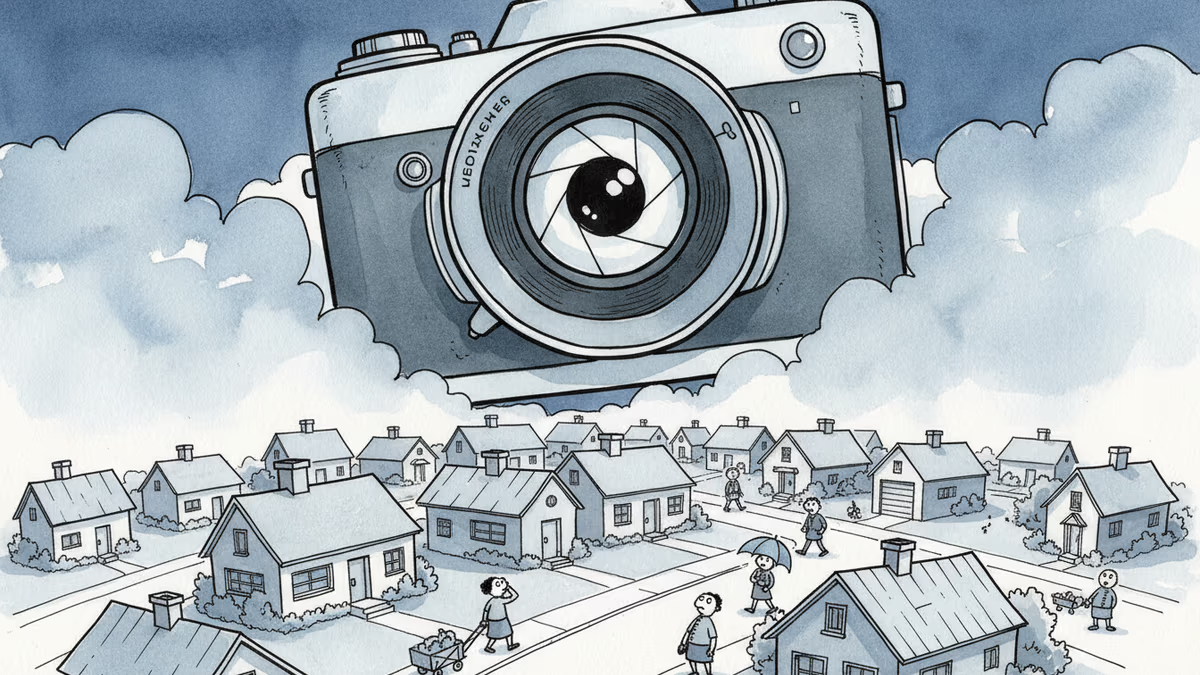
Amazon's Ring expands AI surveillance beyond lost pets, raising questions about privacy trade-offs and the future of neighborhood security
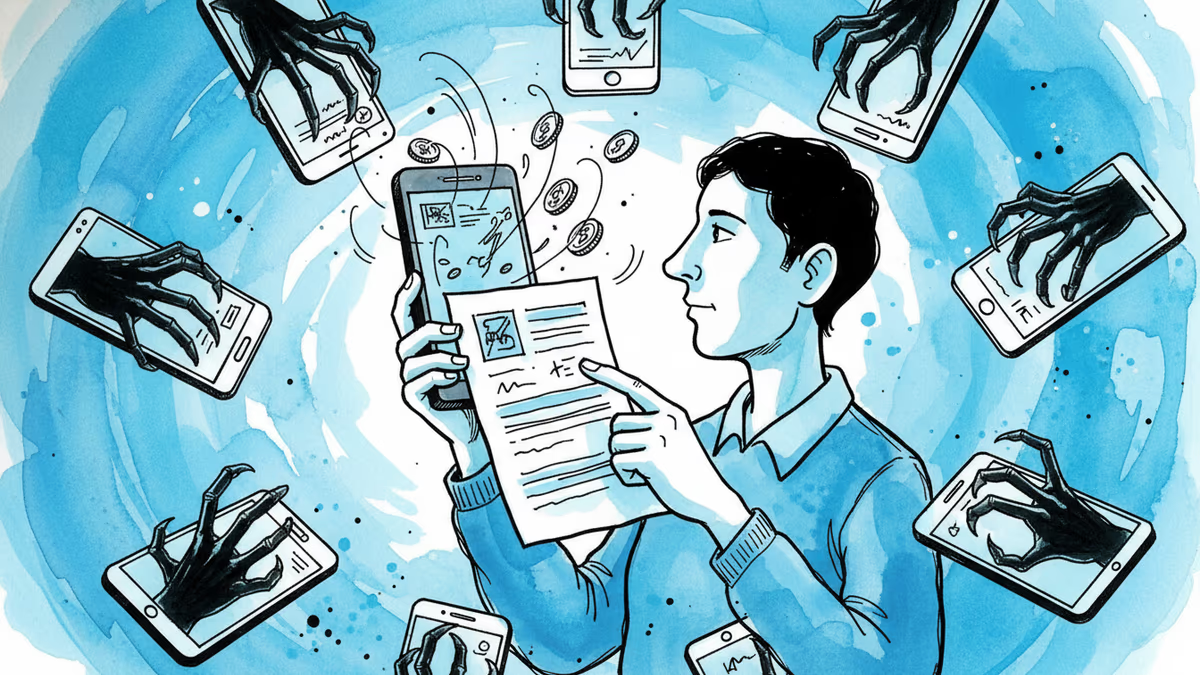
FairScan does one thing: scan documents. No ads, no subscriptions, no data harvesting. In today's app ecosystem, that's apparently revolutionary.
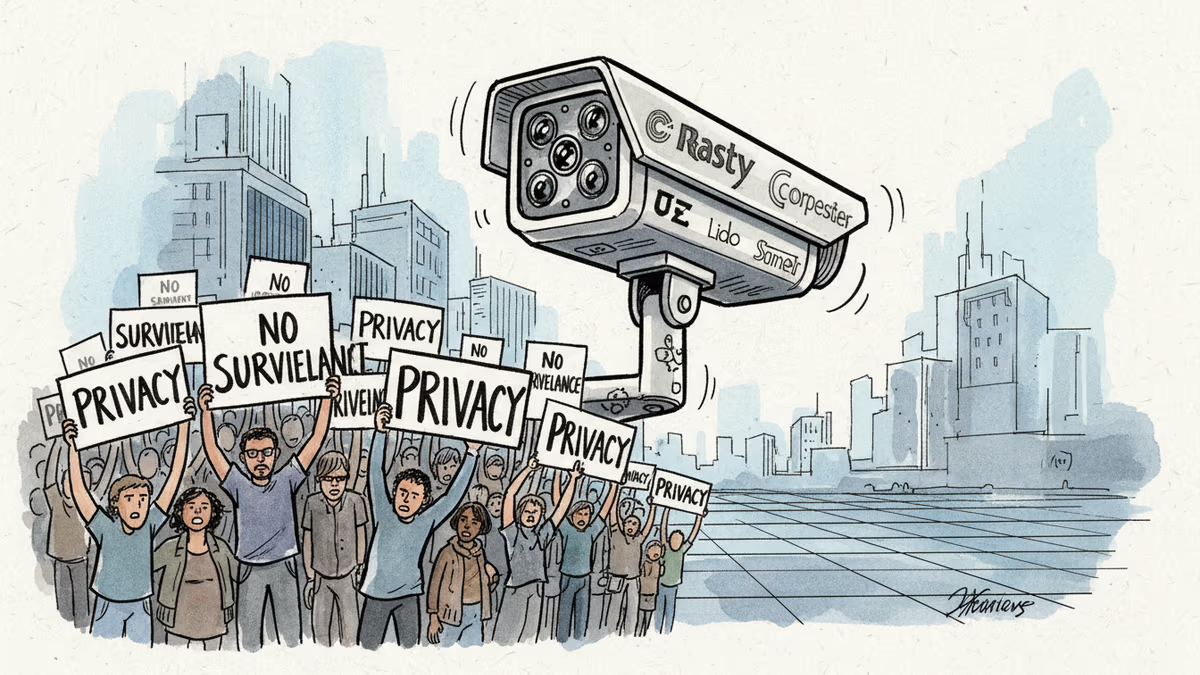
Ring ended its partnership with AI camera company Flock Safety, but avoided addressing public concerns about mass surveillance and ICE connections. What does this silence reveal?
PRISM by Liabooks
Place your ad in this space
[email protected]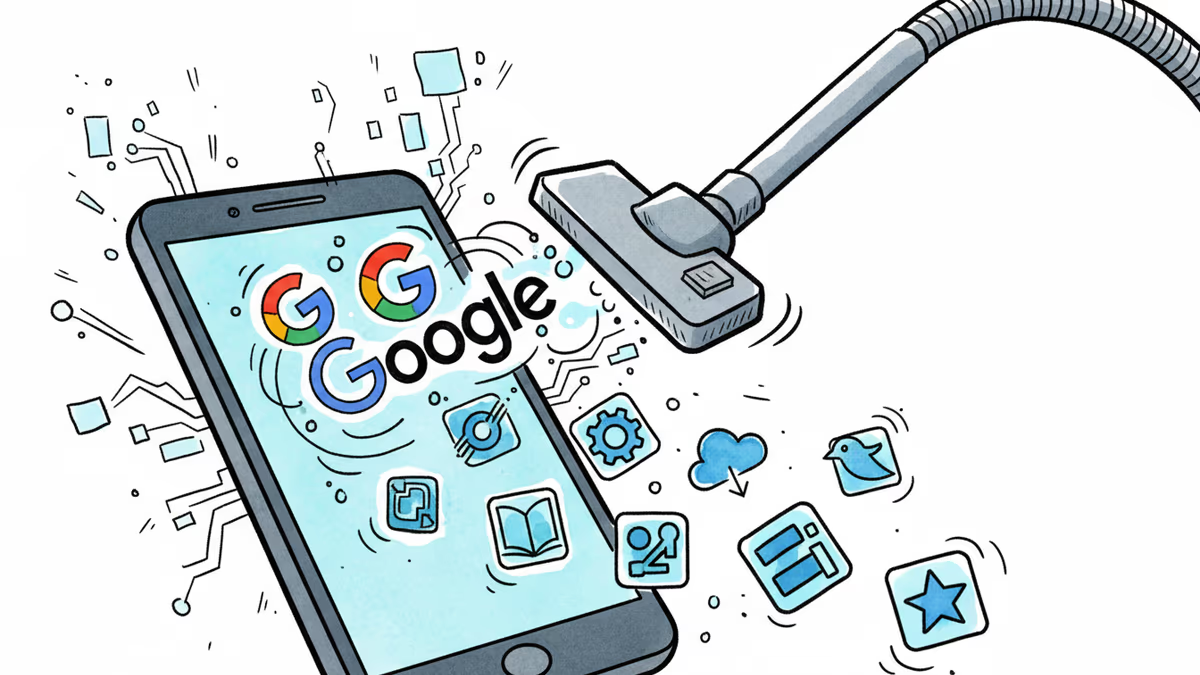
Privacy-focused Android alternatives are gaining traction, but are they ready for everyday use? We tested the reality of de-Googled smartphones.
