
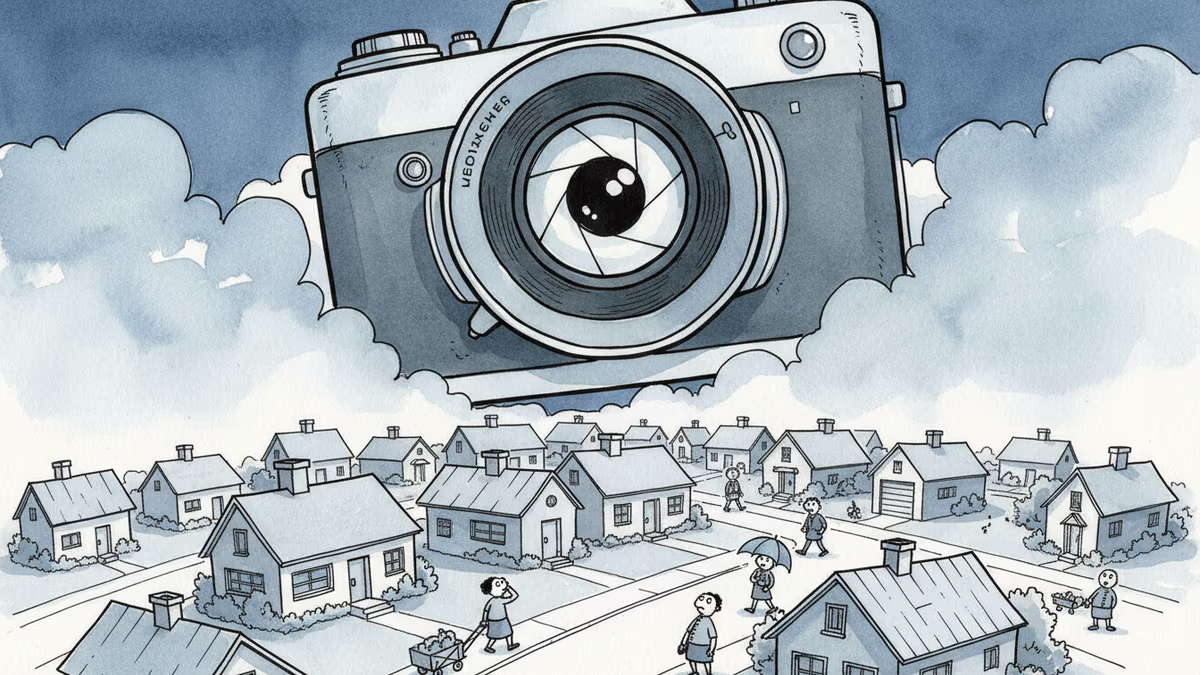
Ring CEO's Leaked Email Reveals Plan to "Zero Out Crime" with AI
Amazon's Ring expands AI surveillance beyond lost pets, raising questions about privacy trade-offs and the future of neighborhood security
The Real Vision Behind Ring's Cute Dog Commercial
A leaked internal email reveals Amazon Ring's true ambitions go far beyond finding lost pets. In an October message to employees obtained by 404 Media, founder Jamie Siminoff wrote that with Search Party, "You can now see a future where we are able to zero out crime in neighborhoods."
That's a dramatically different message than Ring's recent Super Bowl ad, which showed AI cameras helping reunite families with missing dogs. The warm, fuzzy marketing masked a much more ambitious—and controversial—surveillance vision.
The timing isn't coincidental. Ring has faced mounting criticism over its cozy relationships with police departments and its role in expanding residential surveillance. Now we know the company's ultimate goal: total neighborhood monitoring in the name of crime prevention.
Privacy Advocates vs. Safety-First Homeowners
The reaction has been swift and divided. Privacy advocates see this as validation of their worst fears about Ring's surveillance creep. They've long warned that doorbell cameras were just the beginning of a broader monitoring network.
"This confirms what we've been saying," says one digital rights activist. "Ring isn't selling home security—they're selling neighborhood surveillance as a service."

But many homeowners disagree. In online forums, Ring users express excitement about the crime-fighting potential. "If it keeps my kids safe walking to school, I'm all for it," writes one suburban parent. The divide reflects a fundamental tension: How much privacy are we willing to trade for safety?
The Technical Reality Check
Ring's vision isn't science fiction. The company already operates millions of connected cameras that could theoretically create comprehensive neighborhood monitoring. AI can identify suspicious behavior, track individuals across multiple camera feeds, and alert authorities in real-time.
But "zeroing out crime" would require near-total surveillance. Every person walking down the street, every car passing by, every interaction would need to be recorded and analyzed. That's a 24/7 panopticon disguised as a security service.
The technical capabilities exist. The question is whether society wants to use them.
Regulatory Reckoning Ahead?
Policymakers are taking notice. Several cities have already banned police partnerships with Ring, citing civil liberties concerns. The leaked email could accelerate regulatory scrutiny.
European regulators are particularly likely to push back, given their strict privacy laws. But in the US, the response will likely vary by jurisdiction—and by recent crime rates.
Authors
Related Articles

Samsung and SK unveiled a chip and AI investment package worth thousands of trillions of won on June 29. The headline number swings wildly by outlet, but the real contest isn't capital — it's water and power.
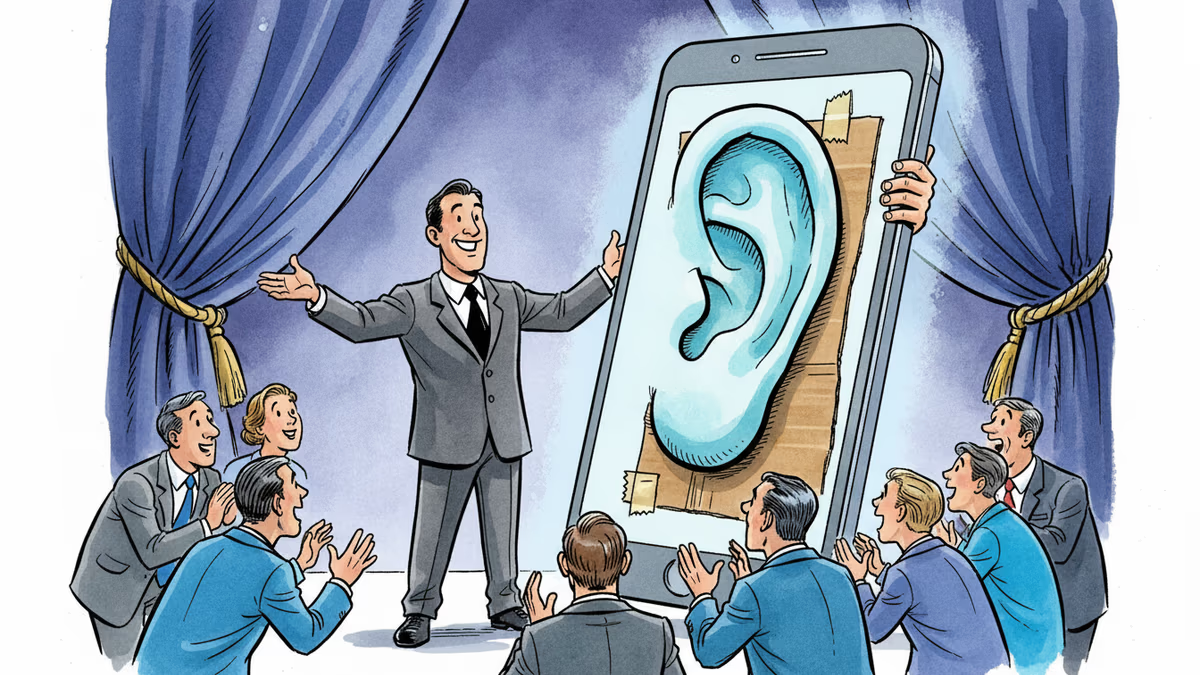
The FTC fined Cox Media and two ad firms $930,000 — not for actually eavesdropping on users, but for falsely claiming they could. The case raises uncomfortable questions about surveillance capitalism.
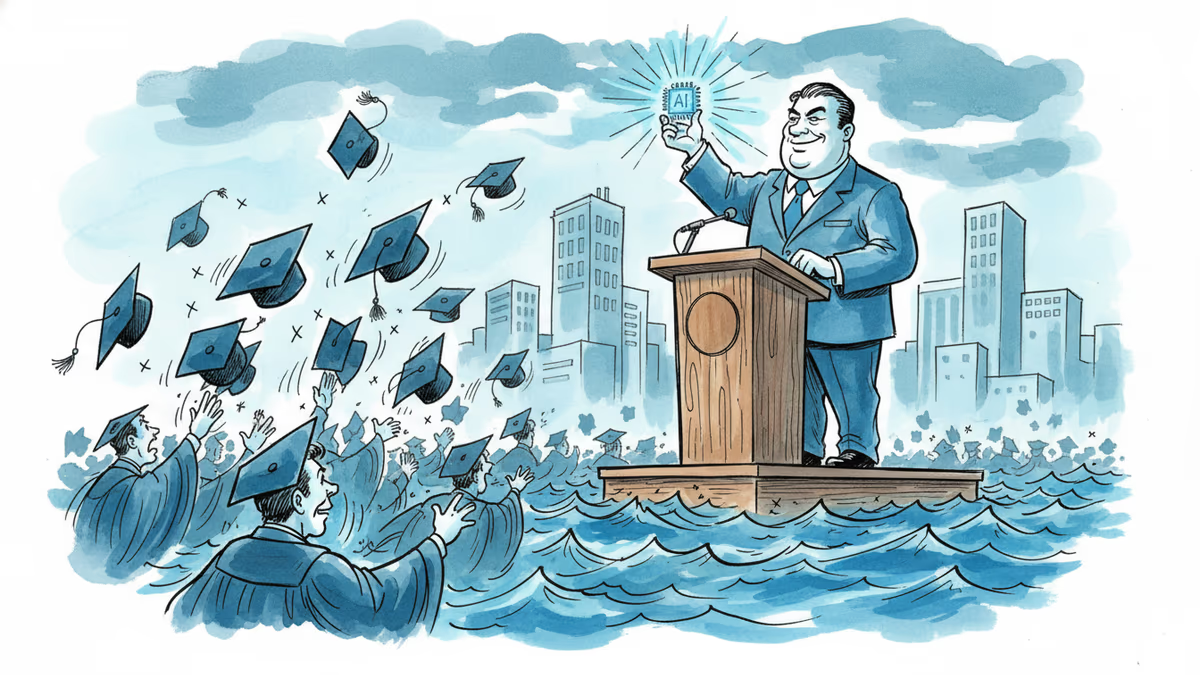
Viral videos show 2026 graduates jeering executives who praise AI at commencement ceremonies. It's not just rudeness — it's a signal about who pays for technological optimism.

Filipino virtual assistants using AI to ghost-manage LinkedIn profiles for executives is now a structured industry. 30 comments a day, fake engagement rings, and a platform struggling to tell real from fabricated.
Samsung and SK unveiled a chip and AI investment package worth thousands of trillions of won on June 29. The headline number swings wildly by outlet, but the real contest isn't capital — it's water and power.
The FTC fined Cox Media and two ad firms $930,000 — not for actually eavesdropping on users, but for falsely claiming they could. The case raises uncomfortable questions about surveillance capitalism.
Viral videos show 2026 graduates jeering executives who praise AI at commencement ceremonies. It's not just rudeness — it's a signal about who pays for technological optimism.
Filipino virtual assistants using AI to ghost-manage LinkedIn profiles for executives is now a structured industry. 30 comments a day, fake engagement rings, and a platform struggling to tell real from fabricated.
Thoughts
Share your thoughts on this article
Sign in to join the conversation