
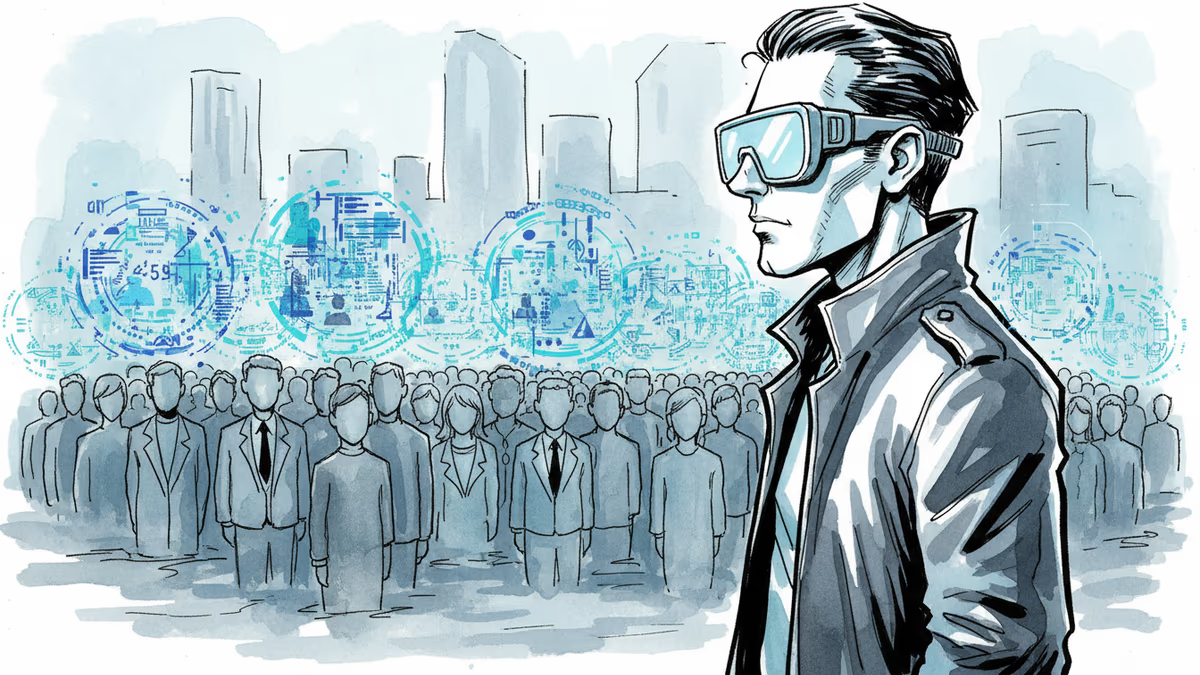
Meta's Smart Glasses Facial Recognition: The Real Reason They Backed Down
Meta considered launching facial recognition for Ray-Ban smart glasses during political chaos to avoid privacy backlash, revealing big tech's calculated approach to controversial features
"Launch It When Everyone's Distracted"
Meta's internal strategy for rolling out facial recognition on Ray-Ban smart glasses has been exposed, and it's more cynical than you might expect. According to The New York Times, the company planned to launch the controversial feature "during a dynamic political environment" when privacy advocates would be too busy with other issues to notice.
The plan was ultimately scrapped, but the leaked documents reveal how big tech companies think about timing controversial product launches. It wasn't about user needs or safety—it was about finding the perfect moment to slip past public scrutiny.
Why Smart Glasses Are Different
The "your phone has a camera too" argument misses the fundamental difference. When you pull out your phone to take a photo, it's a deliberate, visible action. Smart glasses are always on, always worn, always ready to capture without anyone knowing.
The data implications are staggering. Meta already has profiles on 3 billion users. Add real-time facial recognition from smart glasses, and you've got a system that can track who you meet, where you go, and when you're there—all automatically, all the time.
Unlike CCTV systems that are fixed in location, smart glasses create a mobile surveillance network. Every wearer becomes a walking data collection point.
The Trust Deficit Problem

Meta's hesitation wasn't about technical limitations—they've had facial recognition technology since the Facebook days. The issue is trust, or rather, the complete lack of it.
Consumers are already wary of Meta's data practices. Adding facial recognition to an always-worn device would push that skepticism into outright rejection. The company learned this lesson the hard way with previous privacy scandals.
Apple has taken the opposite approach, building privacy into the core of their wearable strategy. The Apple Watch and AirPods emphasize on-device processing and user control. It's not just marketing—it's a fundamental business strategy.
The Regulatory Reckoning
Meta's timing concerns weren't unfounded. Facial recognition is facing increasing scrutiny worldwide. The EU's AI Act specifically targets biometric identification systems. Several US cities have banned facial recognition entirely.
The company likely calculated that launching during political chaos would mean less regulatory attention. But that strategy backfired when the internal documents leaked, creating exactly the kind of privacy backlash they were trying to avoid.
What Comes Next?
The facial recognition feature may be shelved, but the underlying tension remains. Consumers want smarter, more helpful devices. But they also want privacy and control over their data.
Other companies are watching Meta's stumble closely. Google, Apple, and emerging players in the smart glasses space now have a roadmap of what not to do—and when not to do it.
The question isn't whether facial recognition will come to wearables, but how companies will convince users to accept it.
Authors
Related Articles
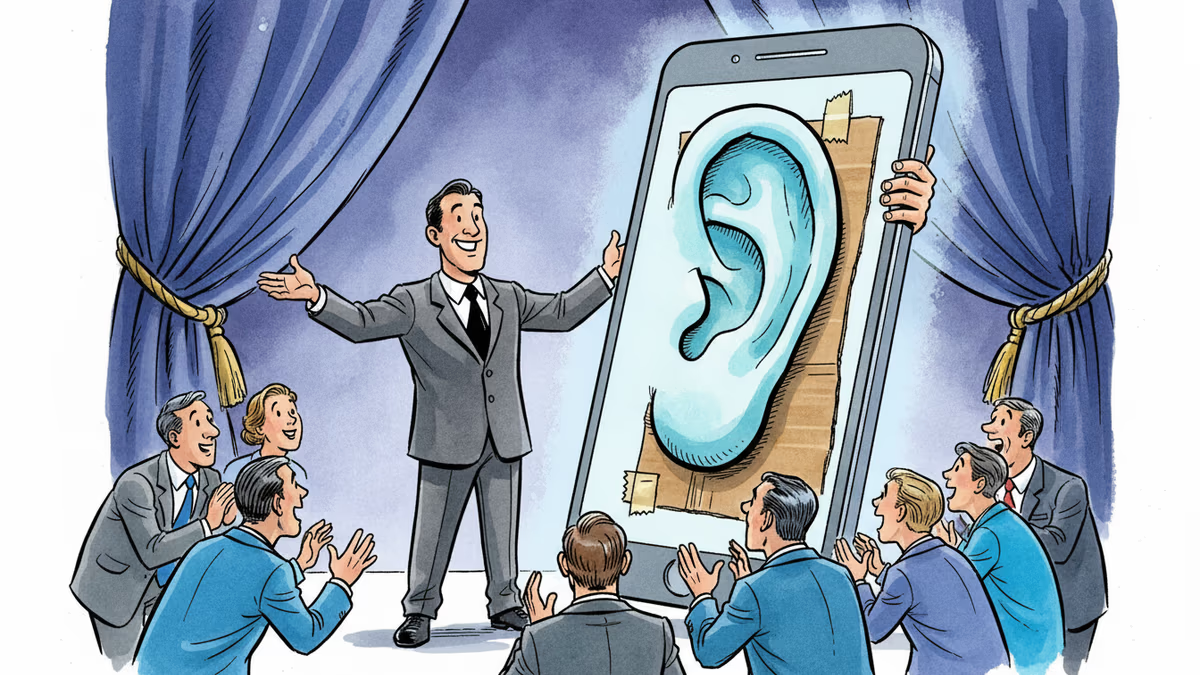
The FTC fined Cox Media and two ad firms $930,000 — not for actually eavesdropping on users, but for falsely claiming they could. The case raises uncomfortable questions about surveillance capitalism.
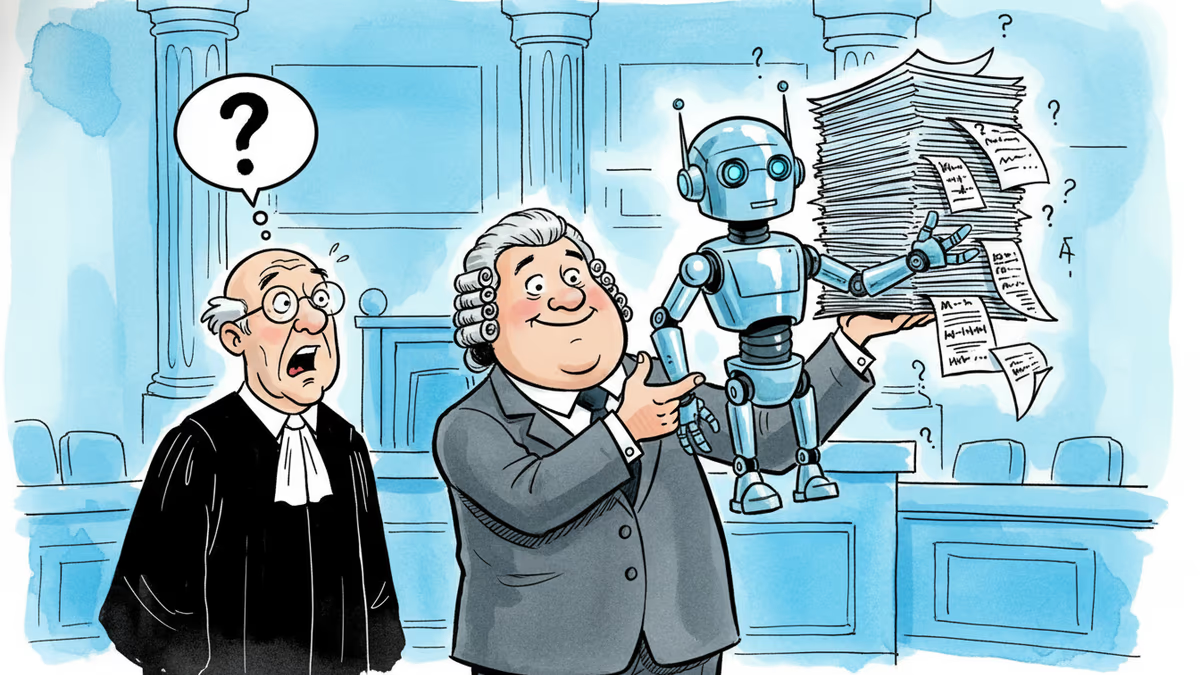
A law firm marketing itself on AI-powered legal success submitted fake citations in a federal appeal. Now its lawyers face sanctions — and the broader AI legal industry faces a credibility crisis.
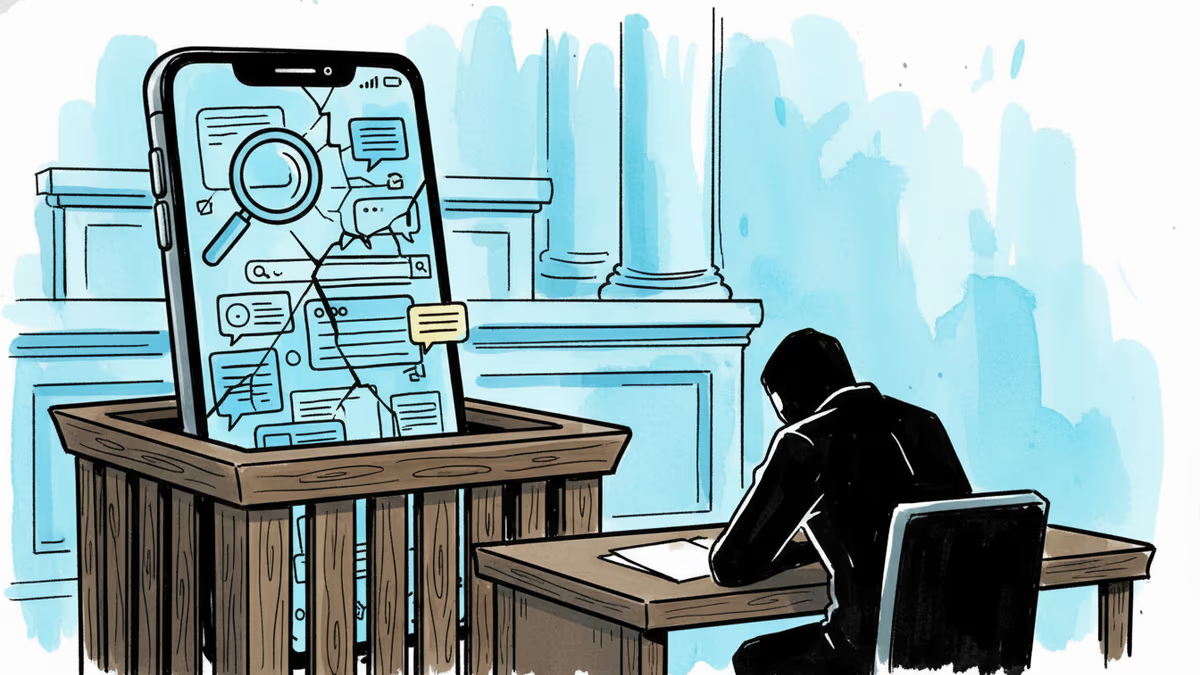
A Utah woman was sentenced to life in prison partly because of her Google searches and deleted texts. The Kouri Richins case reveals how digital footprints have become the courtroom's most reliable witness.
After 15 years of fragmented mobile messaging, Apple and Google are rolling out end-to-end encrypted RCS messaging between iPhones and Android devices. Here's what changed, why it took so long, and what it means for your privacy.
The FTC fined Cox Media and two ad firms $930,000 — not for actually eavesdropping on users, but for falsely claiming they could. The case raises uncomfortable questions about surveillance capitalism.
A law firm marketing itself on AI-powered legal success submitted fake citations in a federal appeal. Now its lawyers face sanctions — and the broader AI legal industry faces a credibility crisis.
A Utah woman was sentenced to life in prison partly because of her Google searches and deleted texts. The Kouri Richins case reveals how digital footprints have become the courtroom's most reliable witness.
After 15 years of fragmented mobile messaging, Apple and Google are rolling out end-to-end encrypted RCS messaging between iPhones and Android devices. Here's what changed, why it took so long, and what it means for your privacy.
Thoughts
Share your thoughts on this article
Sign in to join the conversation