
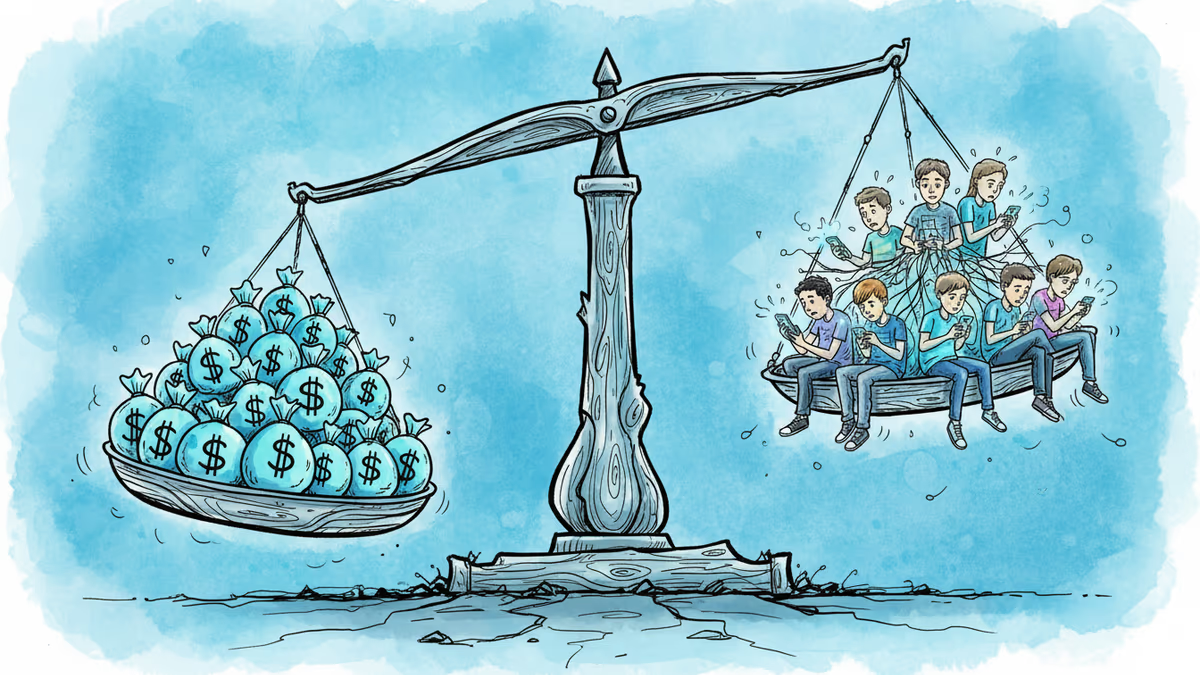
Meta's Former Revenue Chief Exposes the 'Profit vs Safety' Dilemma
Former Meta executive Brian Boland testified about Meta's revenue system prioritizing user engagement over teen safety. A deep dive into social media's fundamental conflict.
The Man Who Built Meta's Money Machine Just Blew the Whistle
Brian Boland spent over a decade architecting Meta's revenue engine. On Thursday, his courtroom testimony shattered the company's carefully crafted narrative. "The system we built was designed to pull in more users—including teens—despite knowing the risks," he told a California jury.
This bombshell came just 24 hours after Mark Zuckerberg took the same stand, framing Meta's mission as "balancing safety with free expression." But Boland's role was clear: counter the CEO's idealistic spin with cold, hard revenue reality. In a lawsuit alleging Meta and YouTube harmed a young woman's mental health, his testimony revealed how money—not safety—drives platform design.
The Engagement Trap: "Longer, More Often, More Intensely"
Boland didn't mince words about Meta's core business model. The algorithms, he explained, optimize for three things: keeping users on the platform longer, bringing them back more frequently, and encouraging deeper interaction with content.
"We measured everything through 'engagement,'" Boland testified. "Comments, likes, shares, scroll time. Every metric tied directly to ad revenue. The longer someone stared at their screen, the more ads we could serve."
Here's the problem: the content that drives highest engagement isn't necessarily the healthiest. Controversial, emotionally charged posts generate more reactions. And teenagers? They're particularly vulnerable to this type of content, responding more intensely than adults to social triggers.
Boland's testimony revealed an uncomfortable truth many parents suspected: their kids aren't just users—they're products being optimized for maximum value extraction.
The Teen Goldmine: Lifetime Value vs Lifetime Damage

Perhaps the most damning part of Boland's testimony concerned teenage users specifically. "13-17 year olds held special significance for us," he said. "They spend more time on platform than adults, engage more actively, and represent potential lifetime customers."
Translation: teenagers are worth more money. They're more active, more impressionable, and if you hook them young, you've got them for decades.
But this "valuable" demographic is also the most psychologically vulnerable. Body image anxiety, social comparison, cyberbullying—all peak during these formative years. What's good for Meta's bottom line often directly conflicts with what's good for developing minds.
The irony is stark: the users who generate the most value are the ones who can least afford the psychological cost.
Beyond Meta: A Systemic Problem
This isn't just about one company. Boland's testimony exposes the fundamental tension in advertising-driven social media: when human attention is the product being sold, platforms have every incentive to capture as much as possible, regardless of consequences.
TikTok, Snapchat, YouTube—they all operate on similar models. Even as they roll out safety features and parental controls, the underlying revenue structure remains unchanged: more engagement equals more money.
Regulators are taking notice. The EU's Digital Services Act now holds platforms accountable for harmful content. In the US, proposed legislation like the Kids Online Safety Act aims to force platforms to prioritize child welfare over profits. But can regulation keep pace with technological innovation?
The Self-Regulation Myth
Zuckerberg's testimony painted Meta as a responsible platform balancing competing interests. Boland's counter-narrative suggests something different: a company that knew the risks but prioritized growth anyway.
This raises a fundamental question about corporate responsibility in the digital age. Can companies whose business models depend on capturing human attention ever truly self-regulate? Or do we need external constraints to protect vulnerable users?
The answer may determine the mental health of an entire generation growing up online.
Authors
Related Articles
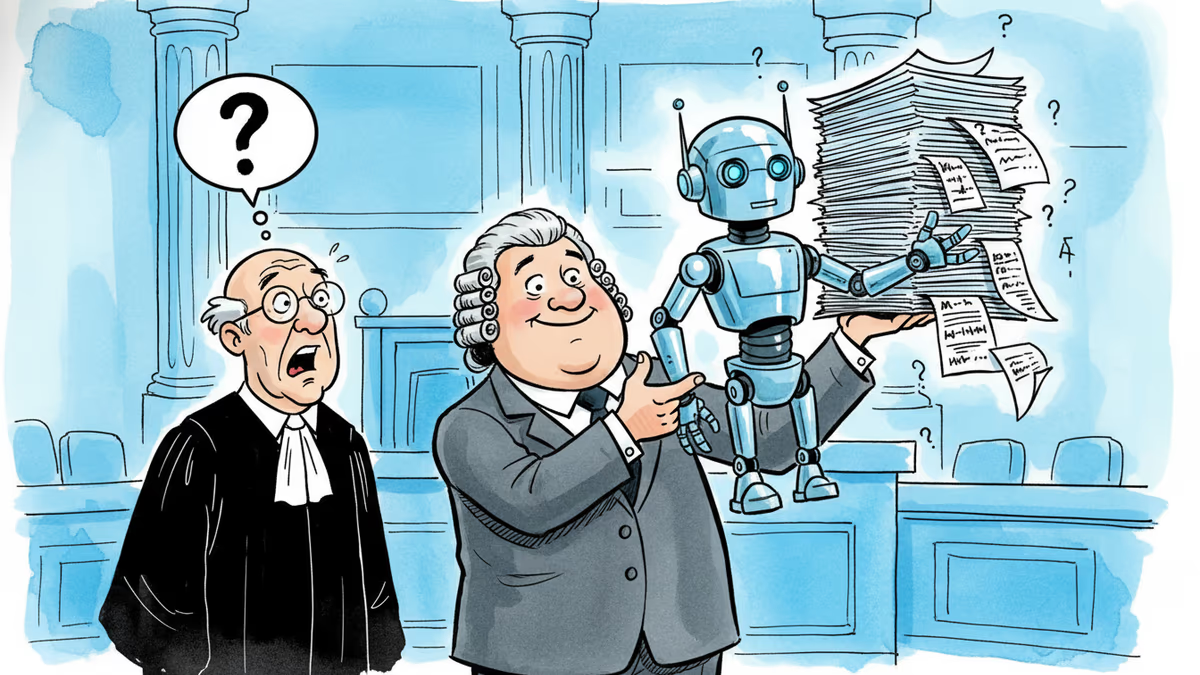
A law firm marketing itself on AI-powered legal success submitted fake citations in a federal appeal. Now its lawyers face sanctions — and the broader AI legal industry faces a credibility crisis.
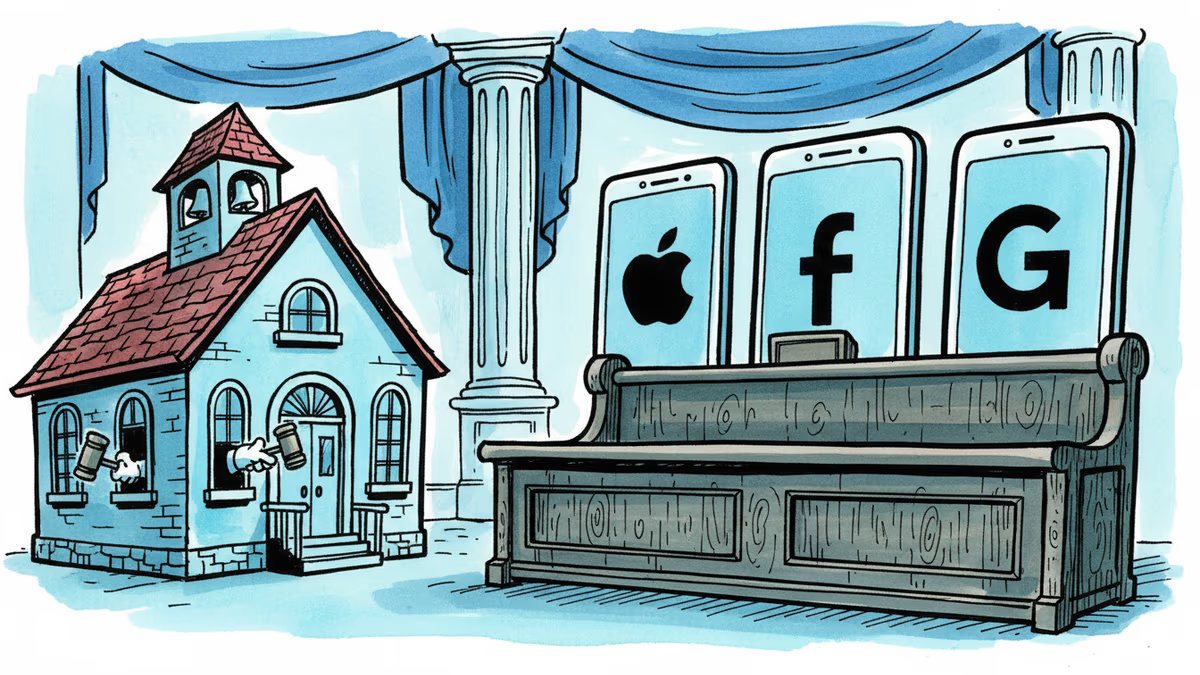
Snap, YouTube, and TikTok settled a landmark school district lawsuit over social media addiction. With 1,000+ similar cases pending, this could reshape Big Tech's liability landscape.
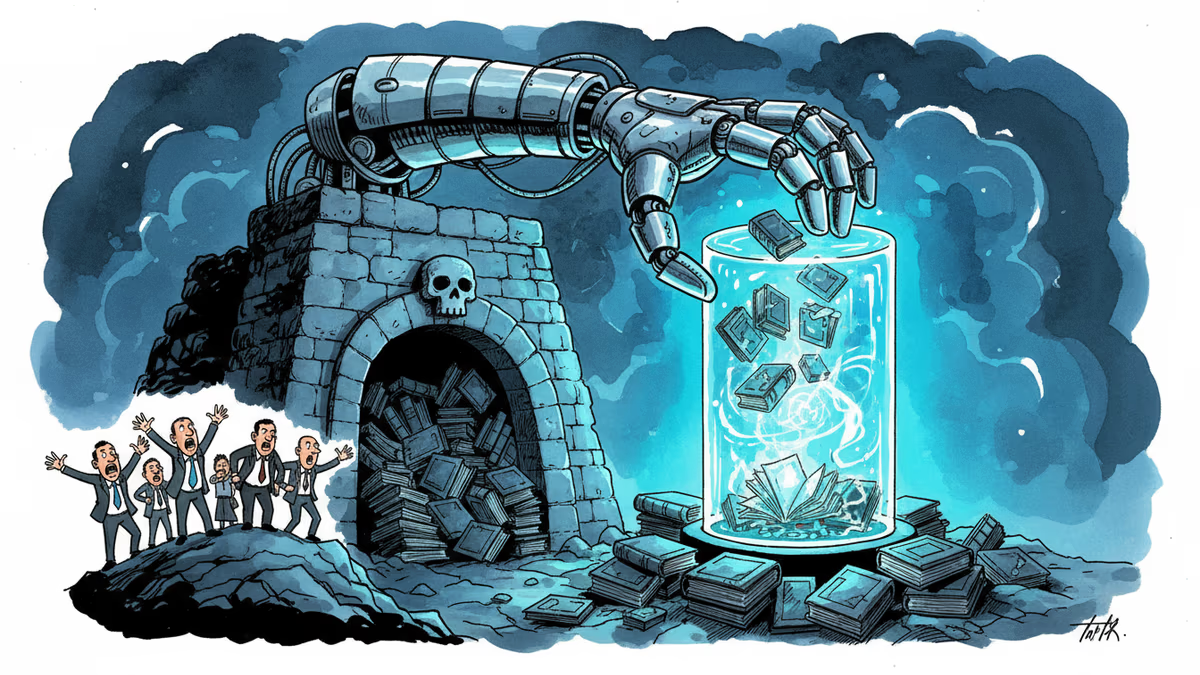
Five major publishers and author Scott Turow have filed a class action lawsuit against Meta, alleging the company used illegal pirate sites like LibGen to train its Llama AI models without permission.
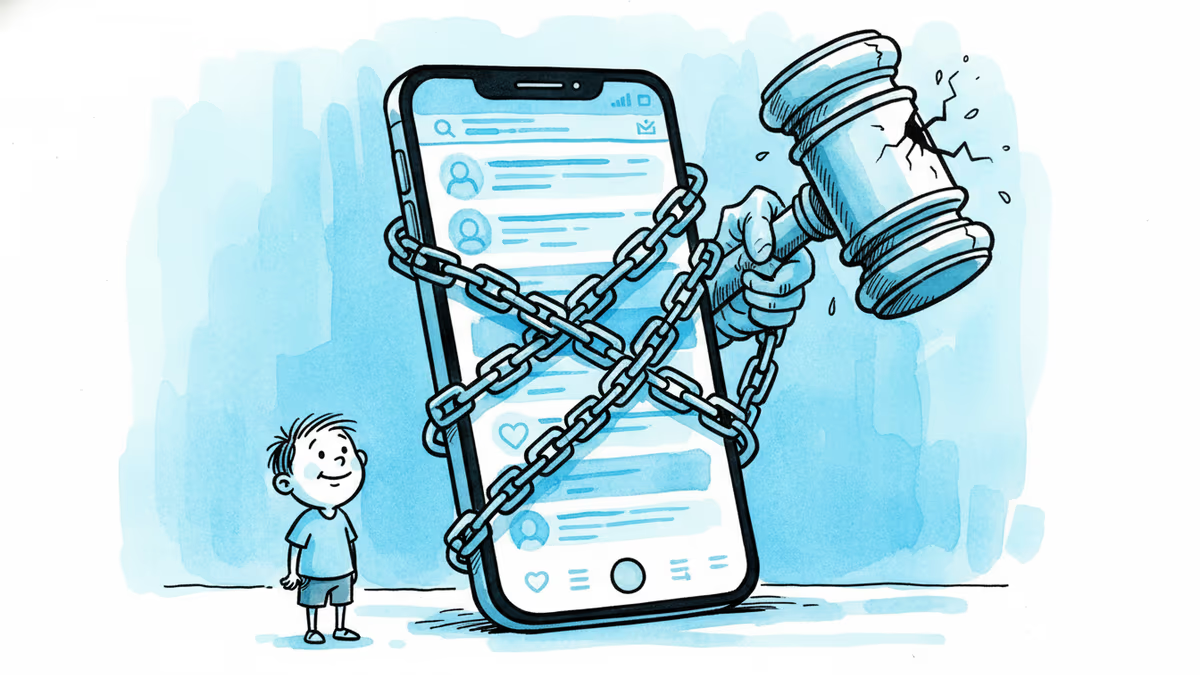
New Mexico already won $375 million from Meta. Now it wants something harder to give: a court order forcing Facebook, Instagram, and WhatsApp to redesign themselves. A three-week trial starts Monday.
A law firm marketing itself on AI-powered legal success submitted fake citations in a federal appeal. Now its lawyers face sanctions — and the broader AI legal industry faces a credibility crisis.
Snap, YouTube, and TikTok settled a landmark school district lawsuit over social media addiction. With 1,000+ similar cases pending, this could reshape Big Tech's liability landscape.
Five major publishers and author Scott Turow have filed a class action lawsuit against Meta, alleging the company used illegal pirate sites like LibGen to train its Llama AI models without permission.
New Mexico already won $375 million from Meta. Now it wants something harder to give: a court order forcing Facebook, Instagram, and WhatsApp to redesign themselves. A three-week trial starts Monday.
Thoughts
Share your thoughts on this article
Sign in to join the conversation