
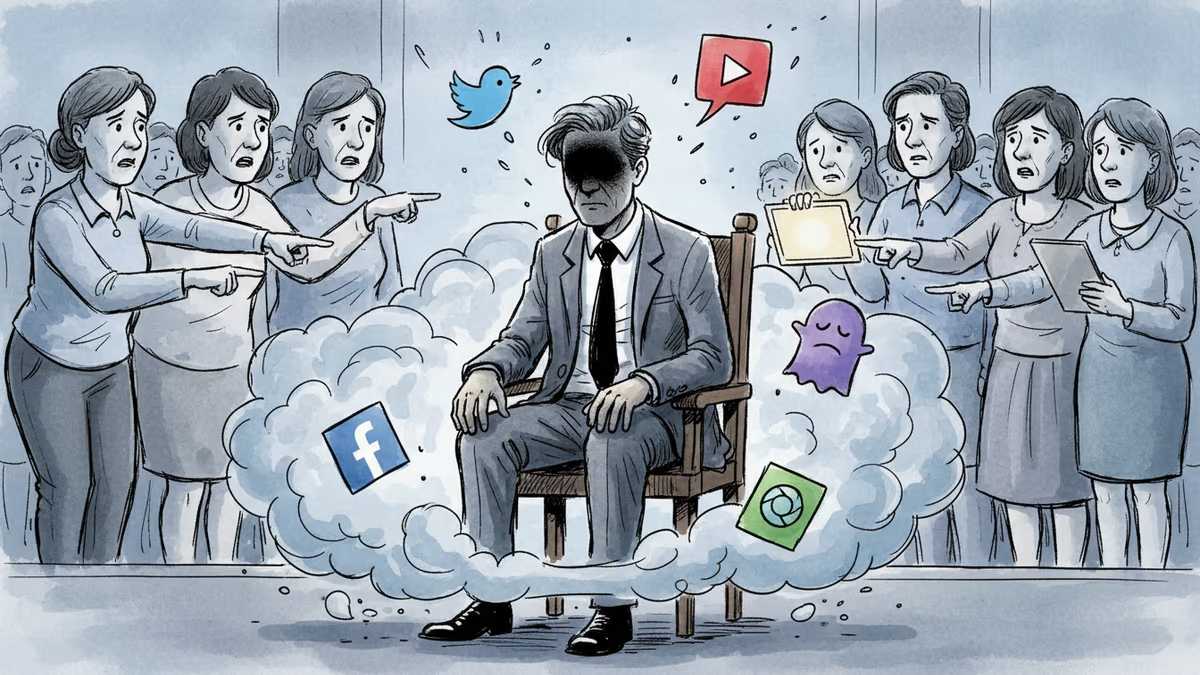
Zuckerberg's 8-Hour Testimony Changed Nothing—And That's the Point
Meta's CEO spent eight hours in court denying social media's role in teen harm, but his monotone responses revealed a calculated strategy of minimal accountability in the face of mounting pressure.
Mark Zuckerberg arrived at the Los Angeles courthouse flanked by an entourage wearing Meta's Ray-Ban smart glasses. Outside, parents whose children died from issues they attribute to social media platforms waited for answers. The contrast between Silicon Valley swagger and human grief would define the next eight hours of testimony.
The Predictable Playbook
Zuckerberg delivered exactly what legal experts expected: measured denials, technical deflections, and his signature monotone delivery. No shocking admissions. No policy pivots. No acknowledgment of systemic harm.
This isn't incompetence—it's strategy. Big Tech CEOs have perfected the art of congressional and courtroom theater. Admit nothing that could become evidence. Deflect responsibility to users, parents, or "bad actors." Emphasize existing safety measures while avoiding commitments to new ones.
Google's Sundar Pichai mastered this during antitrust hearings. Apple's Tim Cook deployed it during privacy debates. Now Zuckerberg's using the same playbook for social media harm litigation.
Parents vs. Platforms: An Unbridgeable Gap
The parents outside the courthouse represent millions of families grappling with teen mental health crises they link to social media. Their pain is real, their anger justified. But Zuckerberg operates in a different reality—one of algorithms, user engagement metrics, and billion-dollar liability exposure.
This disconnect isn't just about empathy. It reflects fundamentally different views of responsibility. Parents see platforms as actively harmful. Meta sees itself as a neutral conduit that users can choose to engage with—or not.

The Regulatory Reckoning
While Zuckerberg testified, the real action was happening in statehouses and regulatory agencies. 40+ states have passed or are considering teen social media restrictions. The EU's Digital Services Act already forces platforms to assess and mitigate risks to minors.
Meta now faces a patchwork of global regulations, each with different requirements. What's legal in Texas might violate California law. European standards differ from Asian approaches. This fragmentation creates compliance nightmares—and opportunities for forum shopping.
Market Reality Check
Investors barely blinked at the testimony. Meta's stock held steady, suggesting Wall Street has already priced in litigation risks as a cost of doing business. The real threat isn't courtroom drama—it's user defection.
Gen Z is already abandoning Facebook and Instagram for TikTok, Discord, and emerging platforms. Their parents' lawsuits matter less than their children's choices. Market forces might accomplish what regulation cannot: forcing platforms to prioritize user wellbeing over engagement.
The Innovation Defense
Zuckerberg's team will likely argue that heavy-handed regulation stifles innovation. They're not entirely wrong. Overly prescriptive rules could freeze current technology in place, preventing potentially beneficial developments in AI content moderation or mental health support tools.
But this argument rings hollow when platforms profit from engagement regardless of consequences. The question isn't whether to regulate, but how to do it smartly—preserving innovation while protecting vulnerable users.
Authors
Related Articles
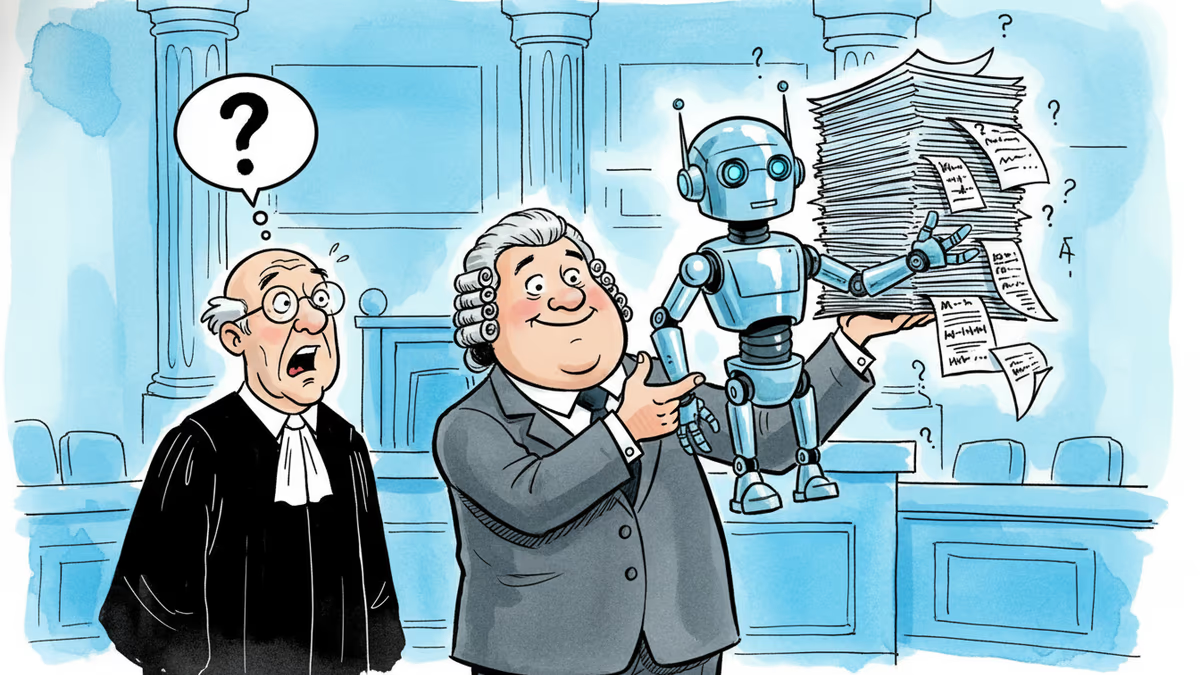
A law firm marketing itself on AI-powered legal success submitted fake citations in a federal appeal. Now its lawyers face sanctions — and the broader AI legal industry faces a credibility crisis.
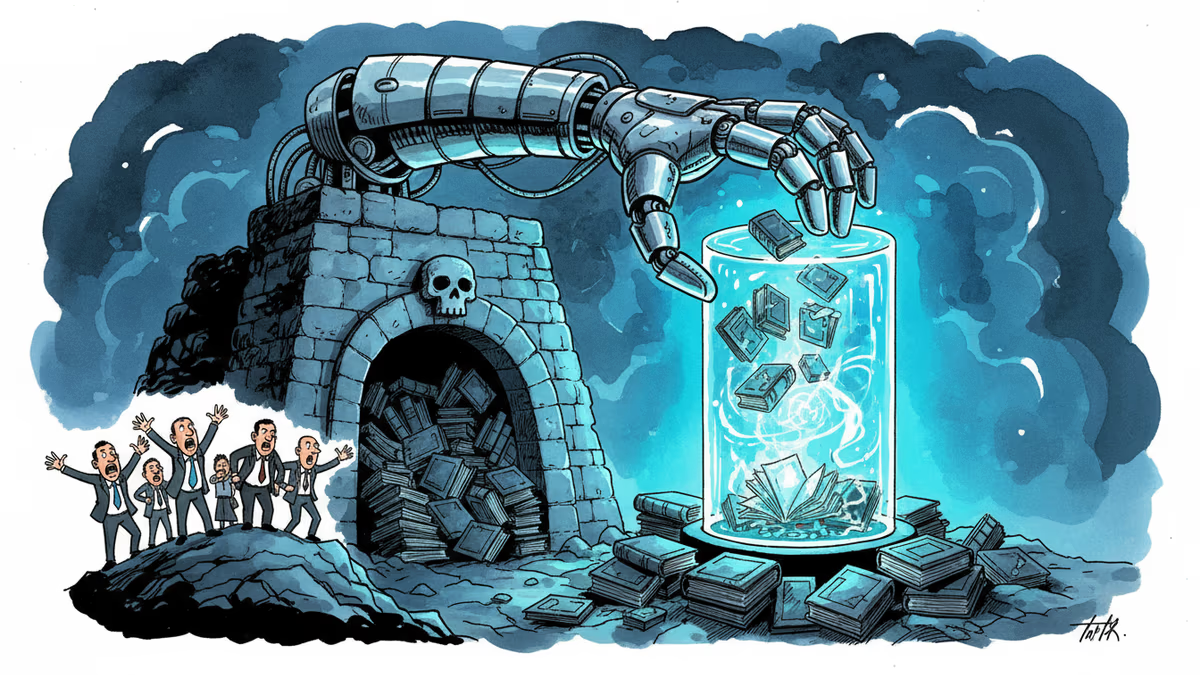
Five major publishers and author Scott Turow have filed a class action lawsuit against Meta, alleging the company used illegal pirate sites like LibGen to train its Llama AI models without permission.
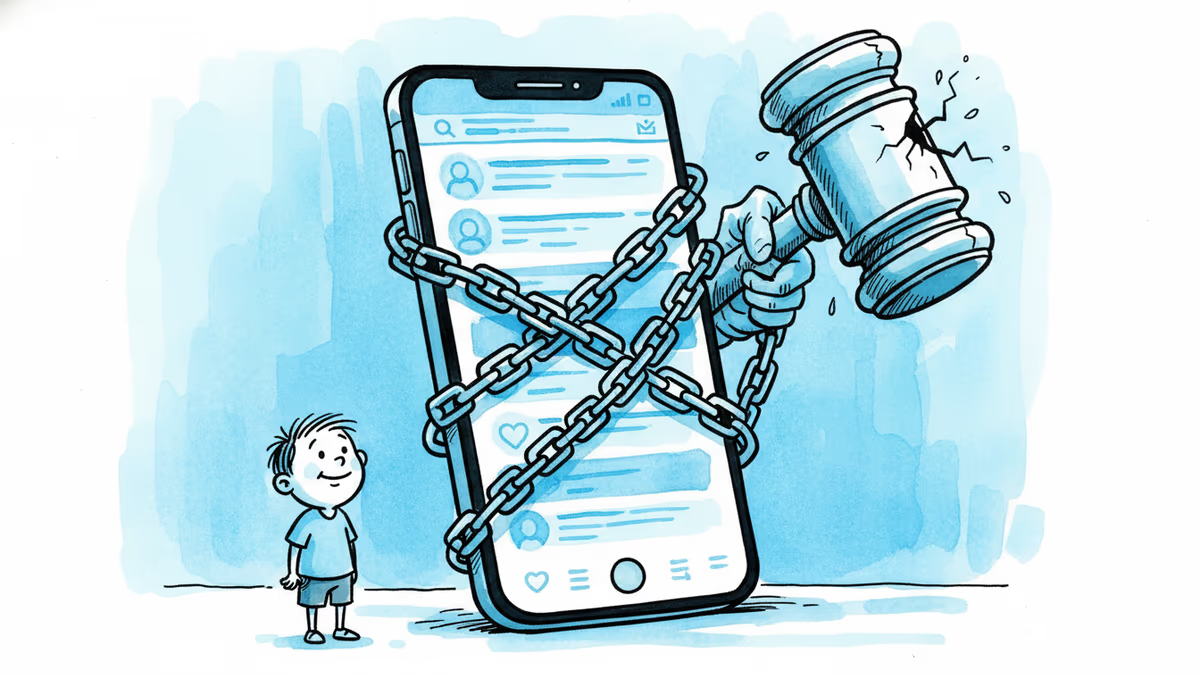
New Mexico already won $375 million from Meta. Now it wants something harder to give: a court order forcing Facebook, Instagram, and WhatsApp to redesign themselves. A three-week trial starts Monday.
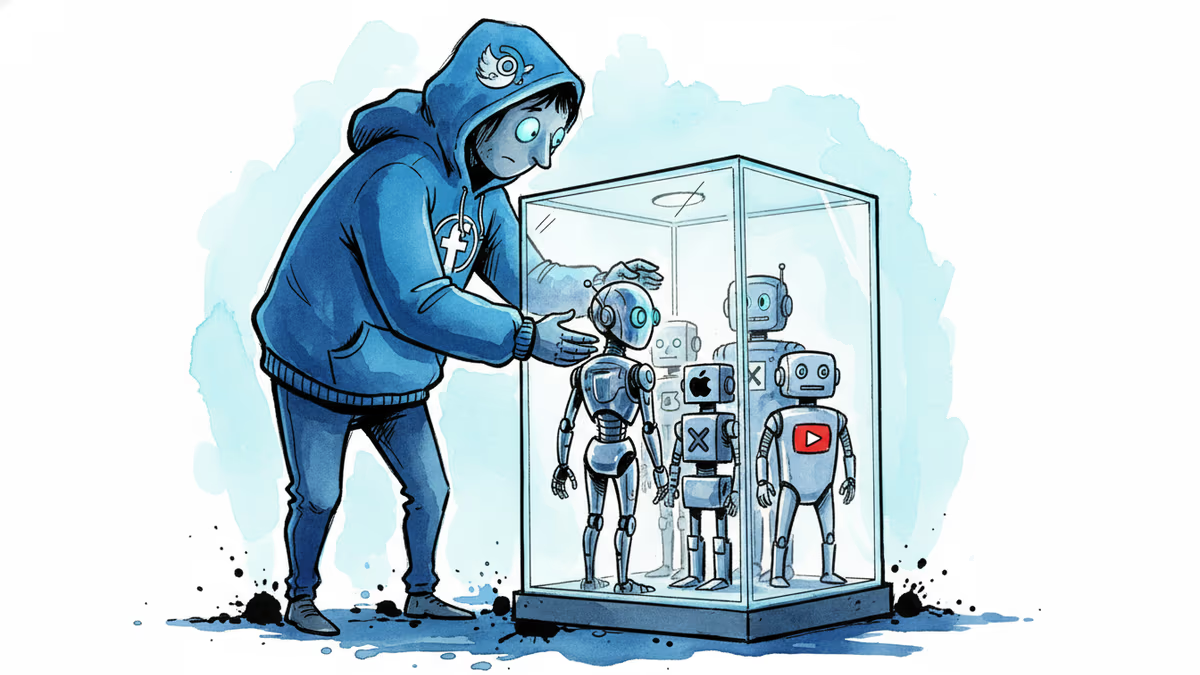
Meta acquired humanoid robotics startup ARI, adding to a Big Tech arms race in physical AI. The real prize isn't a robot product — it's a new way to train intelligence.
A law firm marketing itself on AI-powered legal success submitted fake citations in a federal appeal. Now its lawyers face sanctions — and the broader AI legal industry faces a credibility crisis.
Five major publishers and author Scott Turow have filed a class action lawsuit against Meta, alleging the company used illegal pirate sites like LibGen to train its Llama AI models without permission.
New Mexico already won $375 million from Meta. Now it wants something harder to give: a court order forcing Facebook, Instagram, and WhatsApp to redesign themselves. A three-week trial starts Monday.
Meta acquired humanoid robotics startup ARI, adding to a Big Tech arms race in physical AI. The real prize isn't a robot product — it's a new way to train intelligence.
Thoughts
Share your thoughts on this article
Sign in to join the conversation