
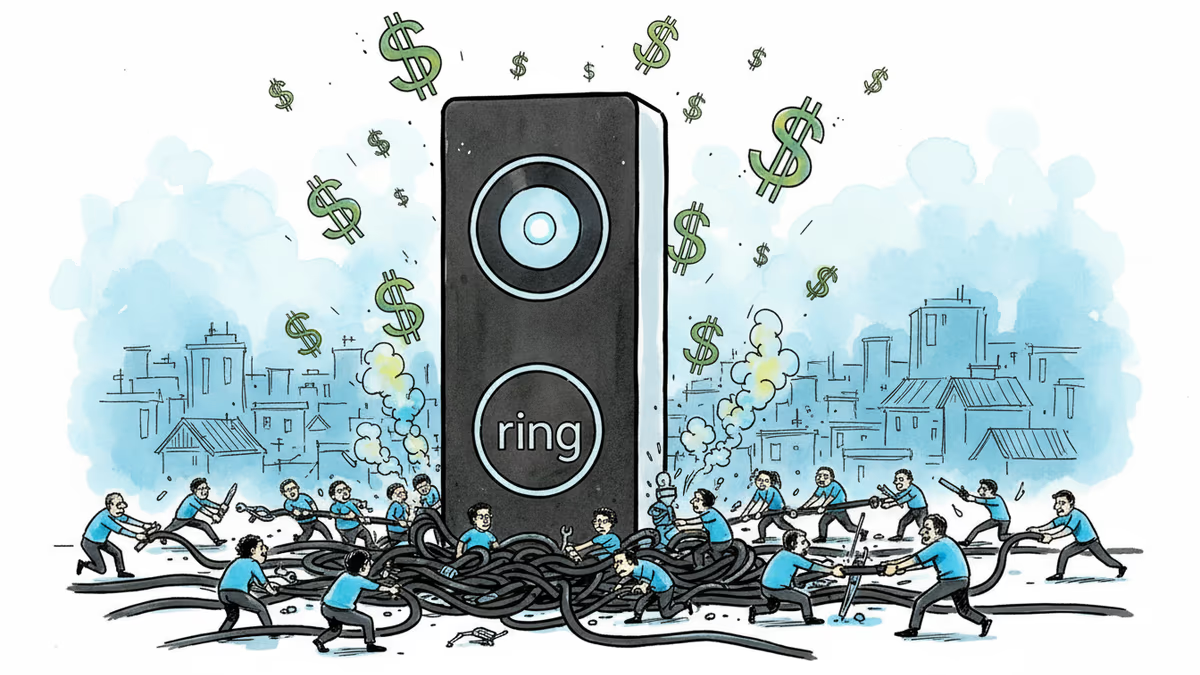
$10,000 Bounty Targets Ring Camera 'Jailbreak
Citizens group offers $10,000 reward to hack Ring cameras after controversial Super Bowl ad sparks privacy backlash. Smart home convenience vs surveillance concerns.
A $10,000 Bounty for Digital Freedom
A Super Bowl commercial about finding lost dogs just triggered a $10,000 hacking bounty. Amazon's Ring unveiled "Search Party"—a feature that networks neighborhood cameras to locate missing pets. But leaked internal emails revealed the real scope: this system could track "animals and people." The backlash was swift and brutal.
Within 48 hours, users were posting videos of themselves destroying Ring cameras. The Fulu Foundation, a digital rights nonprofit, saw an opportunity. They're now offering $10,000+ to anyone who can "jailbreak" Ring cameras—severing their connection to Amazon's servers while keeping the hardware functional.
"People installed security cameras for more security, not less," says Fulu co-founder Kevin O'Reilly. "Control is at the heart of security."
The Great Ring Divide
The reaction split cleanly along predictable lines. Pet owners and safety advocates praised the innovation—finally, technology solving real problems. But privacy advocates and tech critics saw something darker: a neighborhood surveillance network masquerading as a pet-finding service.
Ring CEO Jamie Siminoff went on an immediate apology tour. The company canceled its partnership with controversial AI surveillance firm Flock. But the damage was done. The commercial had crystallized growing unease about smart home devices that promised convenience but delivered surveillance.

Social media filled with variations of the same sentiment: "I wanted a doorbell, not Big Brother."
The Technical Challenge
Fulu's bounty isn't about destruction—it's about liberation. The challenge requires preserving all hardware functions (motion detection, night vision, two-way audio) while cutting ties with Amazon's servers. The solution must work with local PCs or servers and be simple enough for "moderately technical users" to complete in under an hour.
It's a weekend project with a $10,000 prize tag. But there's a catch.
Legal Landmines
Here's where it gets interesting: winners don't have to share their methods publicly. Section 1201 of the Digital Millennium Copyright Act makes circumventing digital locks legally risky. So Fulu protects its bounty winners by letting them keep their solutions private.
"In a perfect world, we'd share this solution with Ring owners nationwide," O'Reilly explains. "But antiquated laws prevent that."
This creates a fascinating paradox: the legal system protects corporate control over devices you own, even when you want to modify them for your own privacy.
Authors
Related Articles
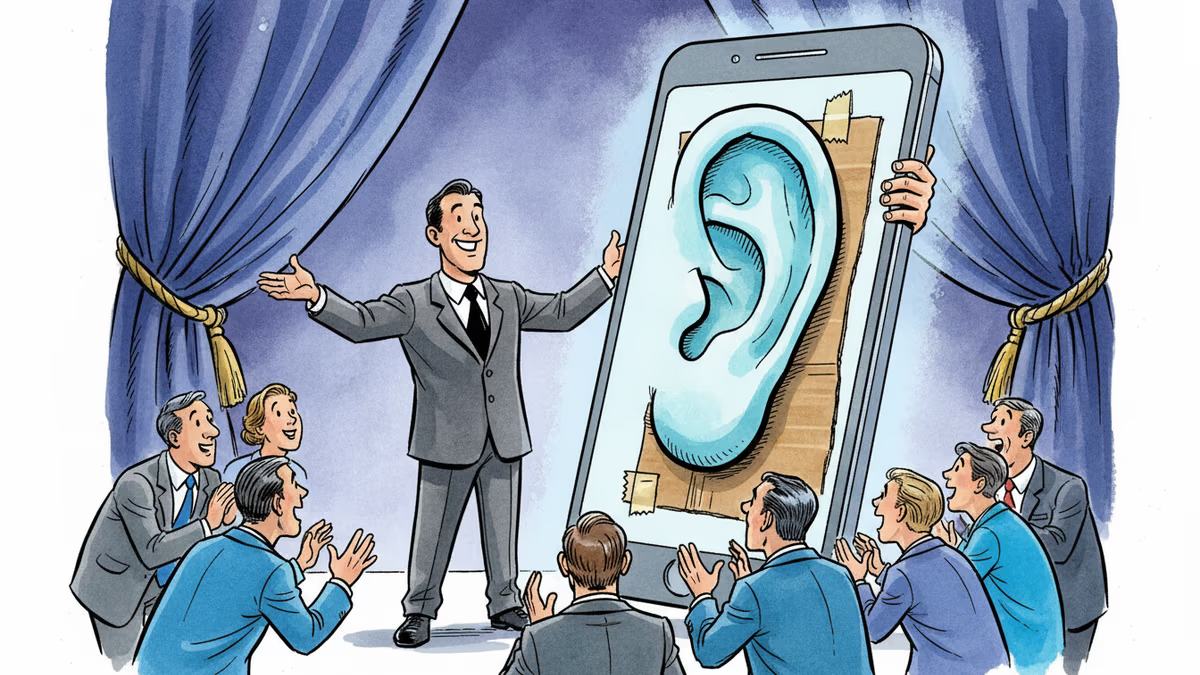
The FTC fined Cox Media and two ad firms $930,000 — not for actually eavesdropping on users, but for falsely claiming they could. The case raises uncomfortable questions about surveillance capitalism.
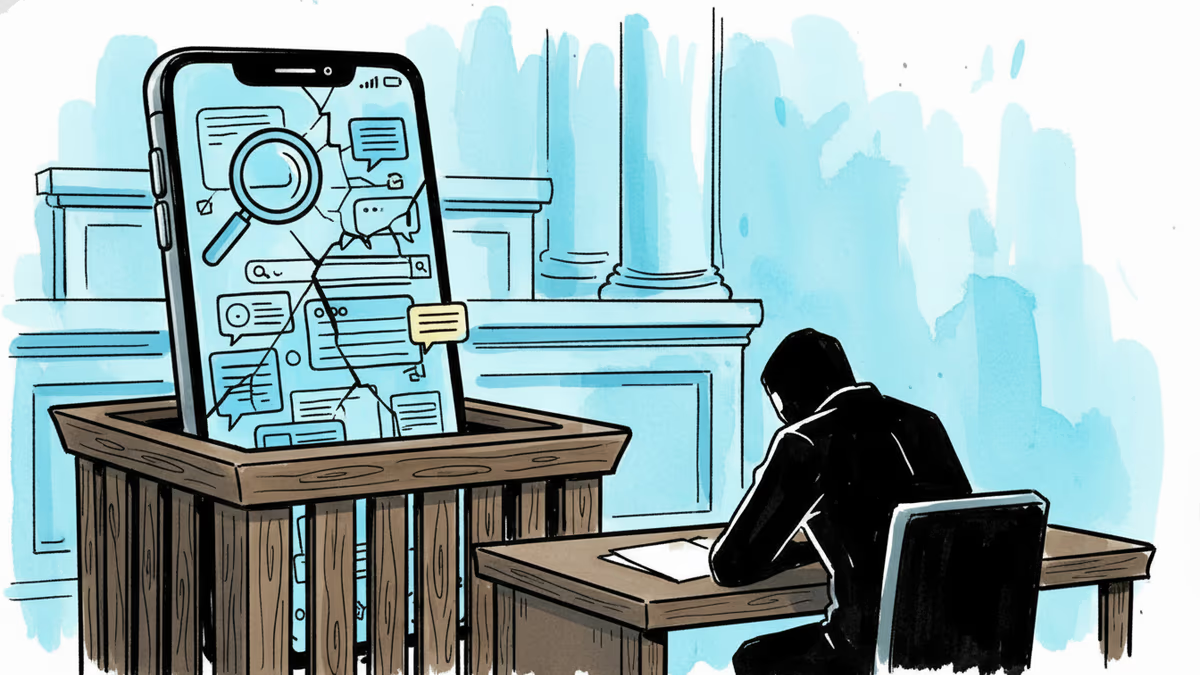
A Utah woman was sentenced to life in prison partly because of her Google searches and deleted texts. The Kouri Richins case reveals how digital footprints have become the courtroom's most reliable witness.
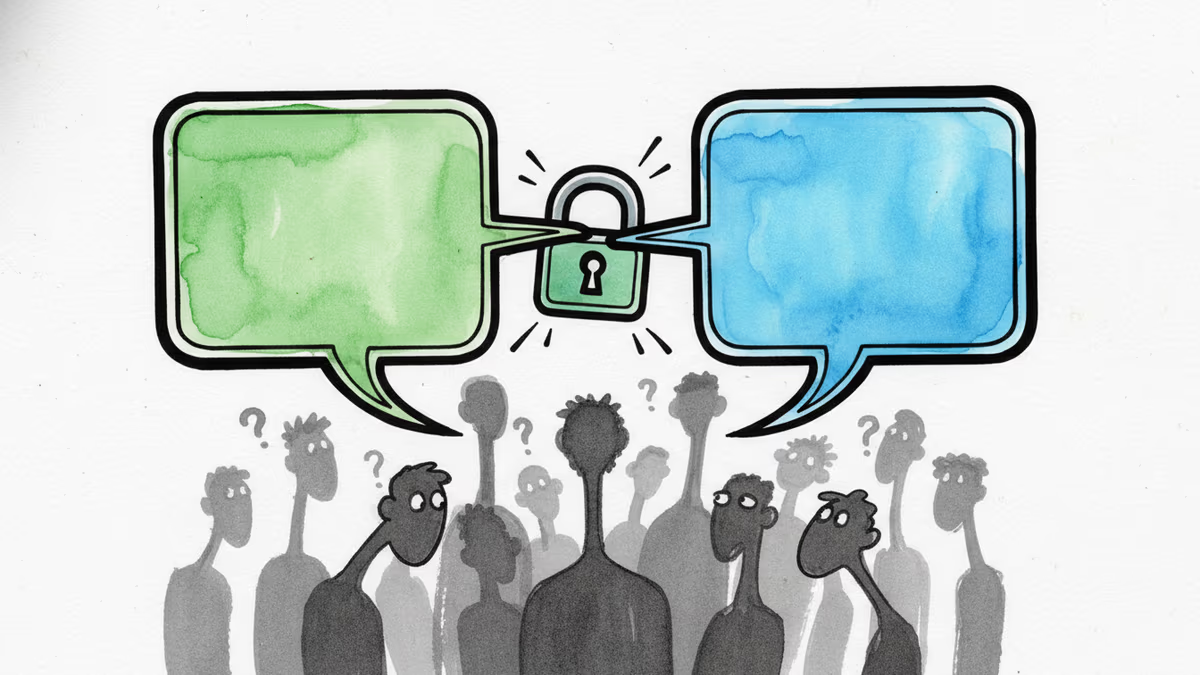
After 15 years of fragmented mobile messaging, Apple and Google are rolling out end-to-end encrypted RCS messaging between iPhones and Android devices. Here's what changed, why it took so long, and what it means for your privacy.
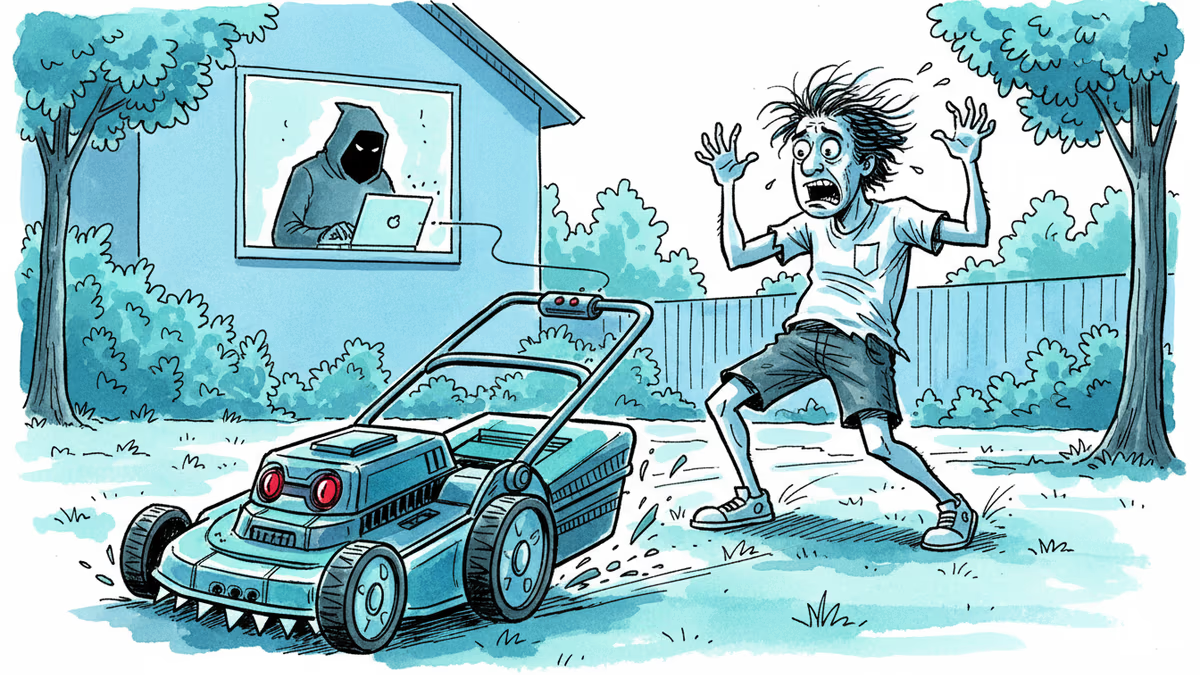
Yarbo's robot lawn mowers had critical security flaws exposing GPS, Wi-Fi passwords, and emails. The company confirmed the findings and cut remote access. But the real issue runs deeper than one brand.
The FTC fined Cox Media and two ad firms $930,000 — not for actually eavesdropping on users, but for falsely claiming they could. The case raises uncomfortable questions about surveillance capitalism.
A Utah woman was sentenced to life in prison partly because of her Google searches and deleted texts. The Kouri Richins case reveals how digital footprints have become the courtroom's most reliable witness.
After 15 years of fragmented mobile messaging, Apple and Google are rolling out end-to-end encrypted RCS messaging between iPhones and Android devices. Here's what changed, why it took so long, and what it means for your privacy.
Yarbo's robot lawn mowers had critical security flaws exposing GPS, Wi-Fi passwords, and emails. The company confirmed the findings and cut remote access. But the real issue runs deeper than one brand.
Thoughts
Share your thoughts on this article
Sign in to join the conversation