
#Indo-Pacific
Total 36 articles
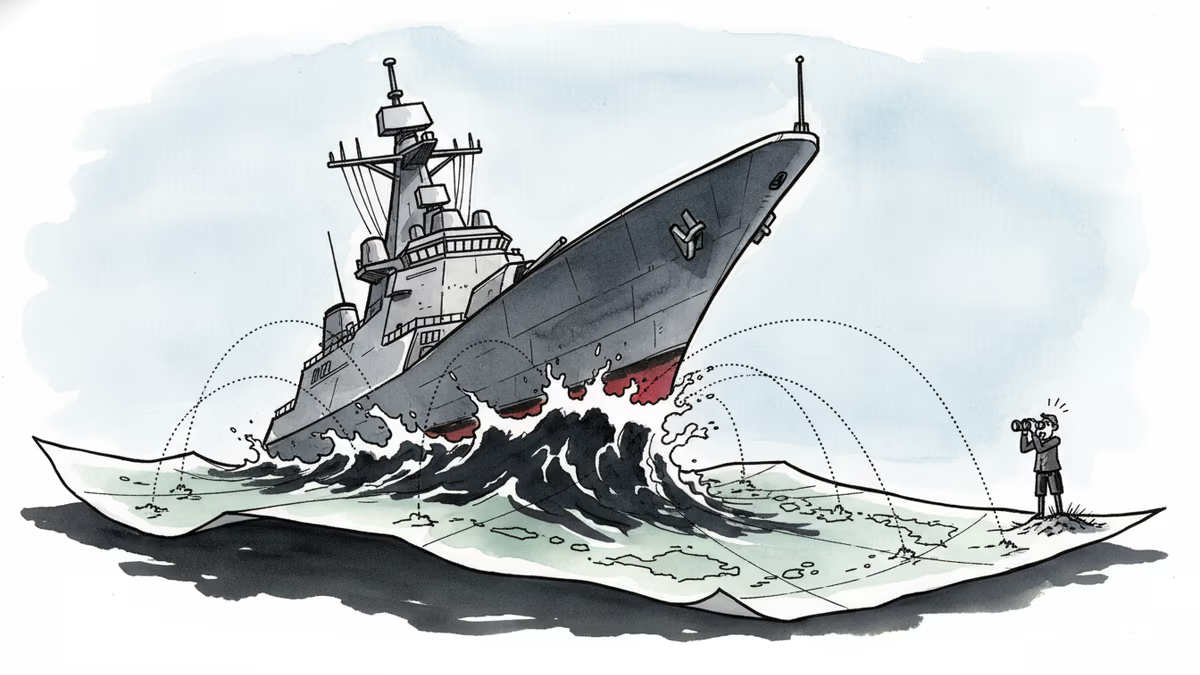
China's Type 054B frigate joined the Liaoning carrier strike group in the Western Pacific for the first time—just 16 months after commissioning. Here's what that pace of integration signals.

Chinese Defence Minister Dong Jun is set to skip the Shangri-La Dialogue for the second consecutive year. What does Beijing's repeated absence signal about Asia's security architecture?
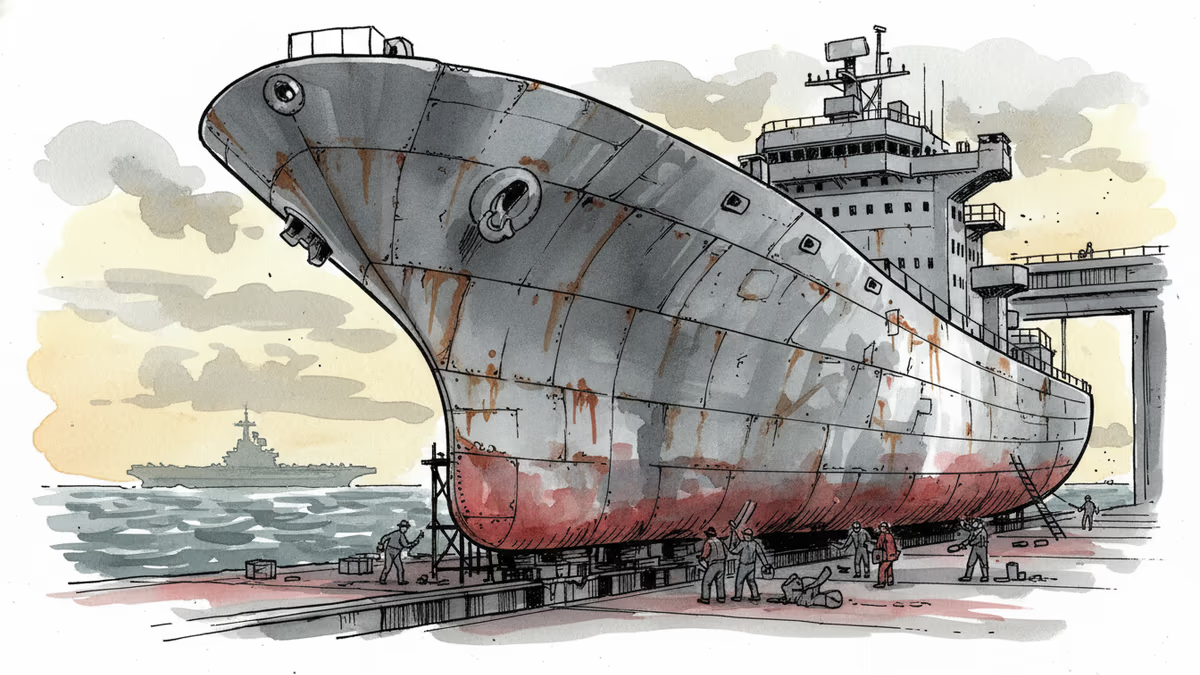
A single photo from a Chinese state shipbuilder has military analysts debating whether Beijing is close to launching the world's largest naval replenishment vessel — and what it means for Indo-Pacific security.

PRISM by Liabooks
Place your ad in this space
[email protected]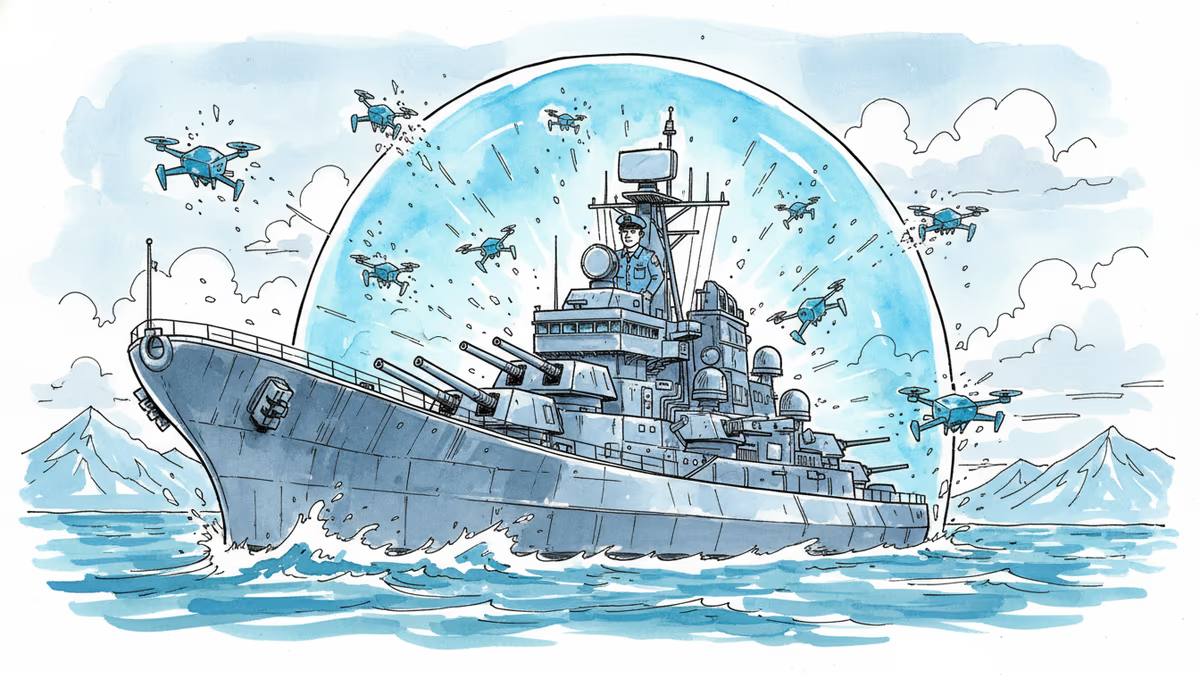
China's navy has successfully tested a new anti-drone air defense system in the Bohai Sea. The announcement reflects a broader arms race reshaping how every major naval power thinks about ship survivability.
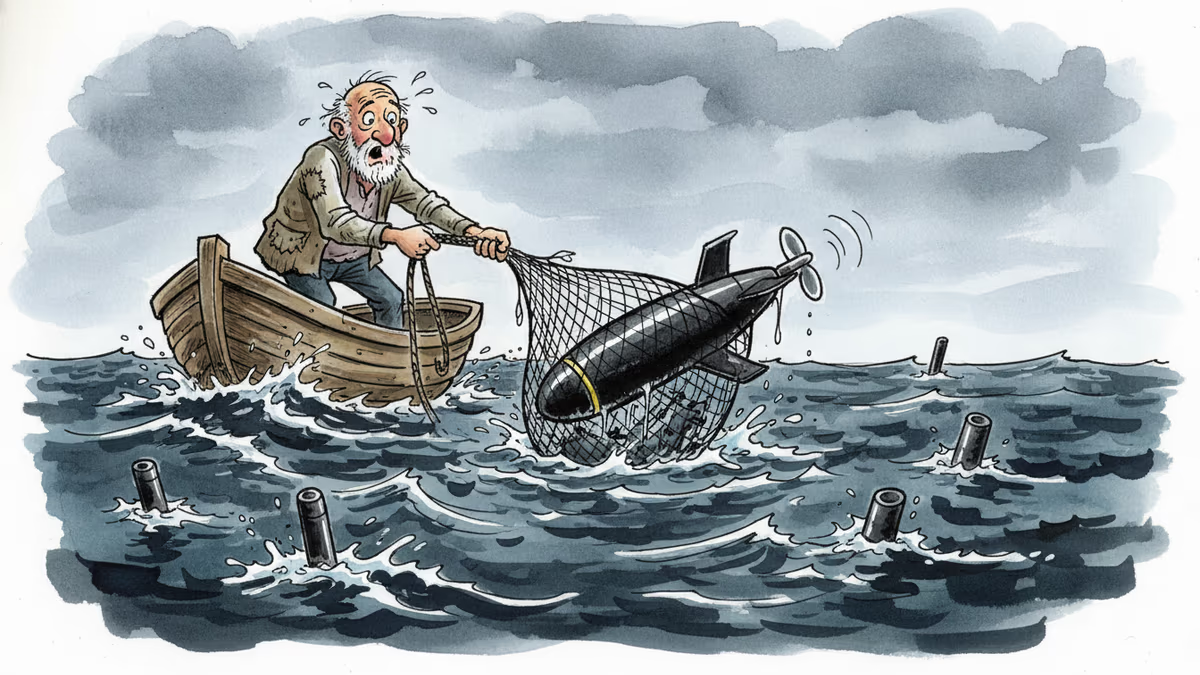
An Indonesian fisherman pulled a Chinese underwater drone from waters near the Lombok Strait—a critical deep-water passage to Australia. The find reveals a quiet but expanding pattern of Chinese subsurface surveillance across the Indo-Pacific.
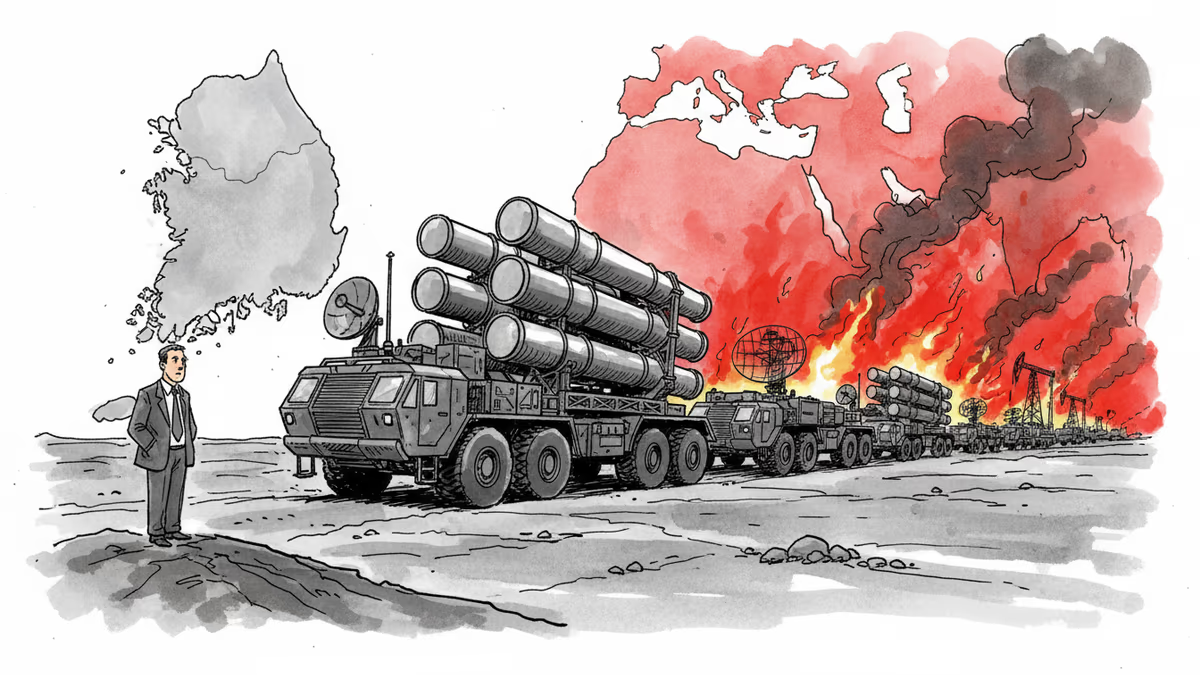
The US has quietly moved parts of its THAAD missile defense system from South Korea to the Middle East. Analysts see both a short-term gap and a strategic signal — but for whom?
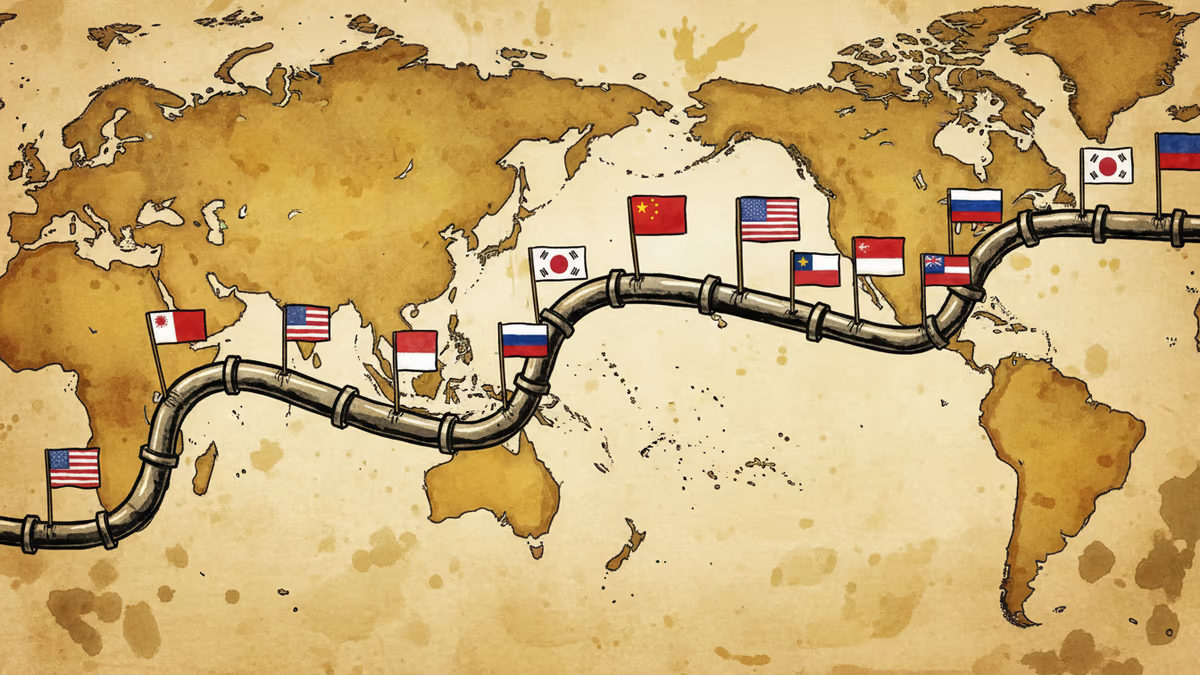
Trump announces March Indo-Pacific energy meeting in Tokyo, signaling major shift in regional energy dynamics and potential supply chain disruptions
PRISM by Liabooks
Place your ad in this space
[email protected]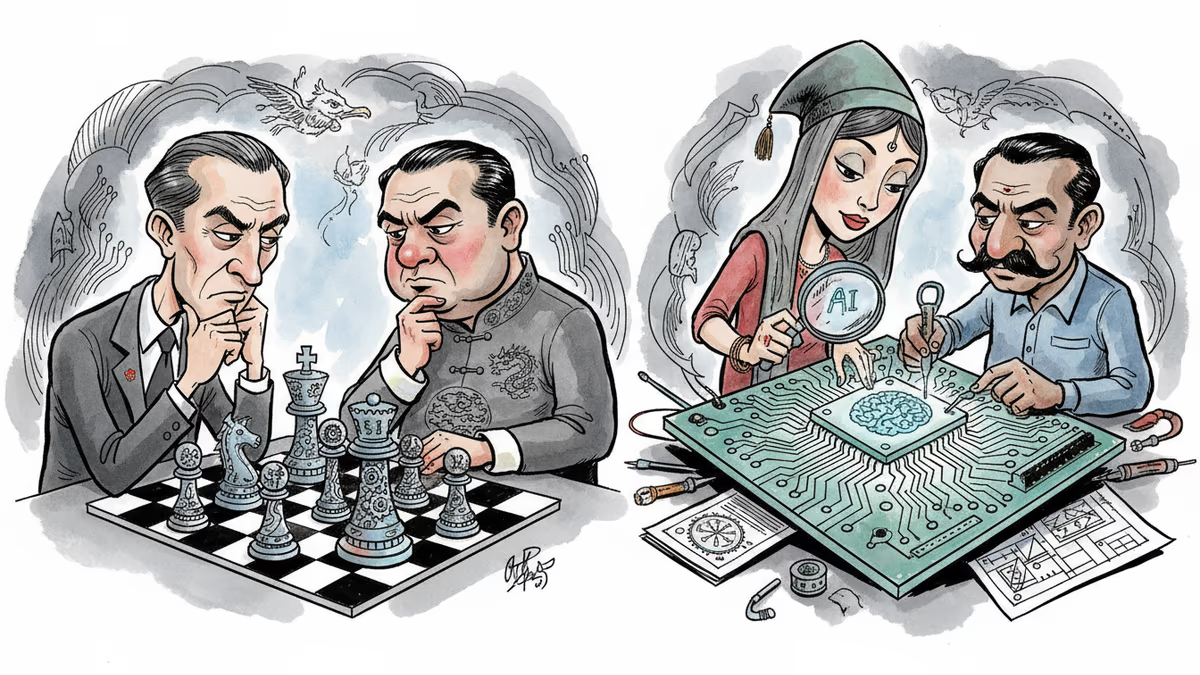
Macron and Modi elevate bilateral ties to 'Special Global Strategic Partnership' with focus on AI cooperation, signaling potential third axis in global tech competition.
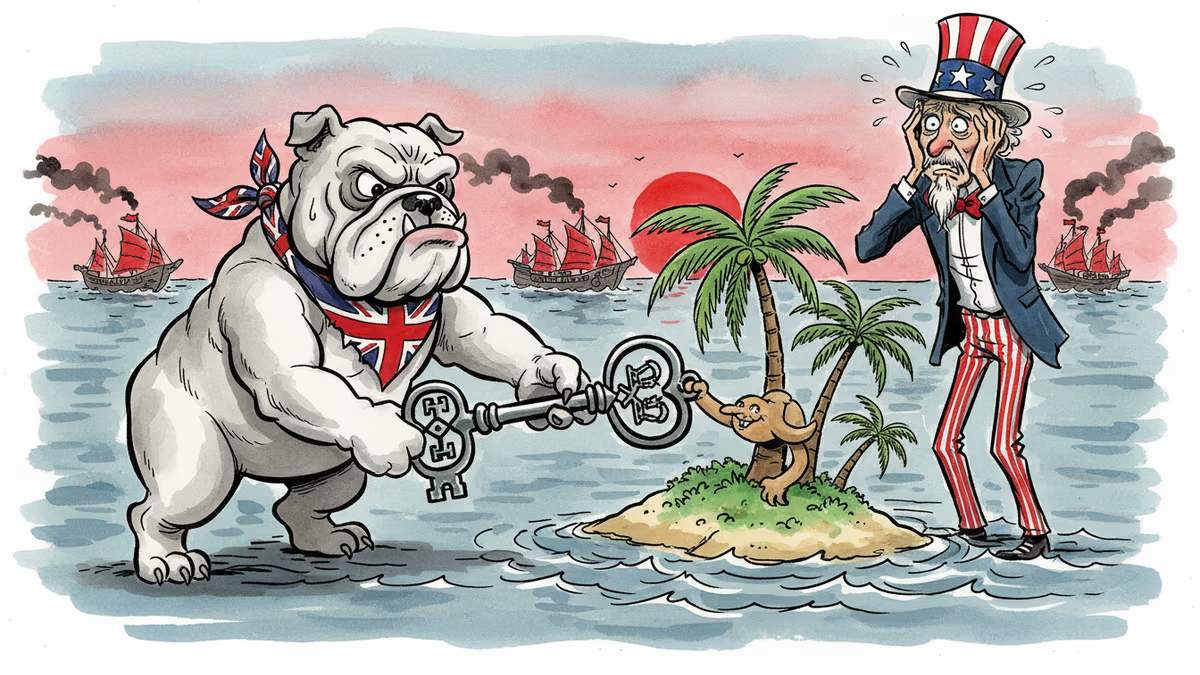
UK's decision to hand Chagos Islands to Mauritius puts America's most strategic military base at risk. Can Trump trust Britain's promises?
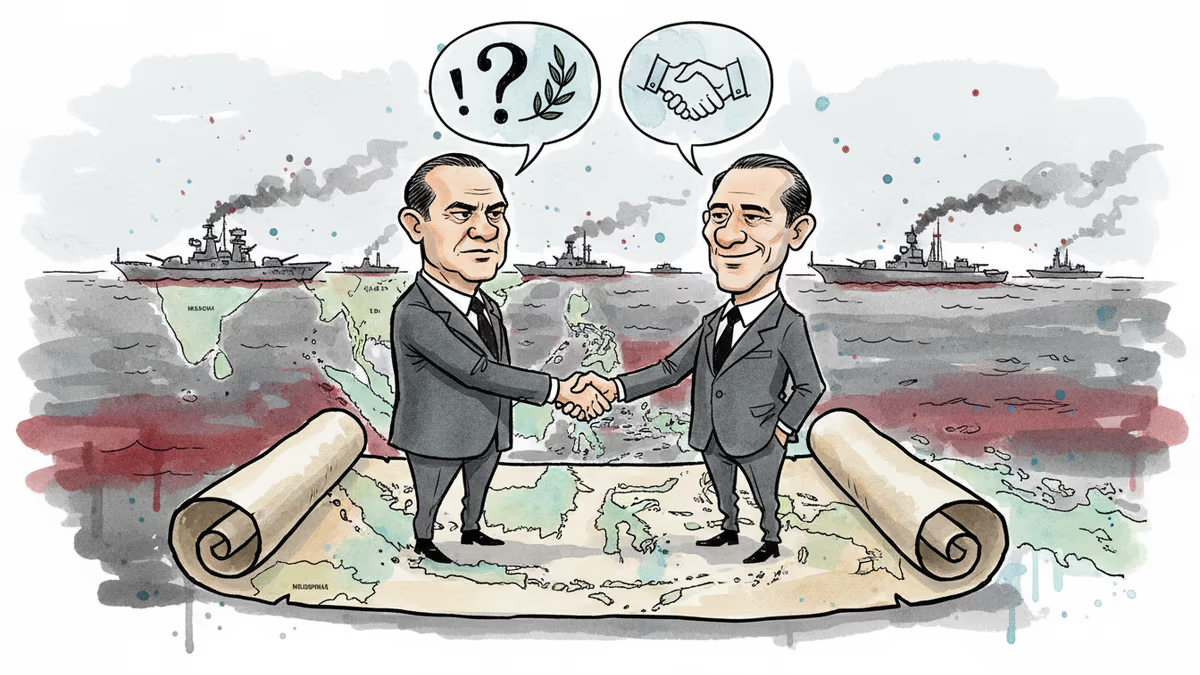
Australia and Indonesia signed a new security treaty after 27 years. While not a mutual defense pact, it signals evolving regional security cooperation amid China's rise.

French President's first Japan trip since 2021 highlights Europe's urgent quest for critical mineral partnerships amid growing geopolitical tensions and supply chain vulnerabilities.
PRISM by Liabooks
Place your ad in this space
[email protected]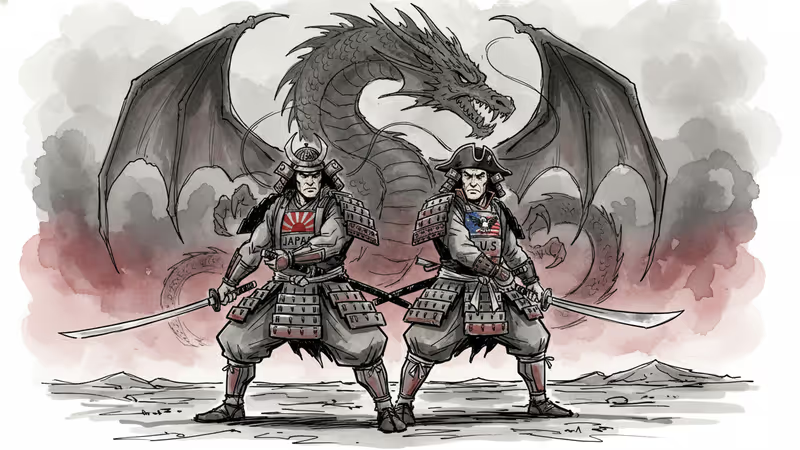
As Japan transforms into a regional military power to counter China, the US faces a critical choice between alliance deepening or strategic retreat in the Indo-Pacific.
