
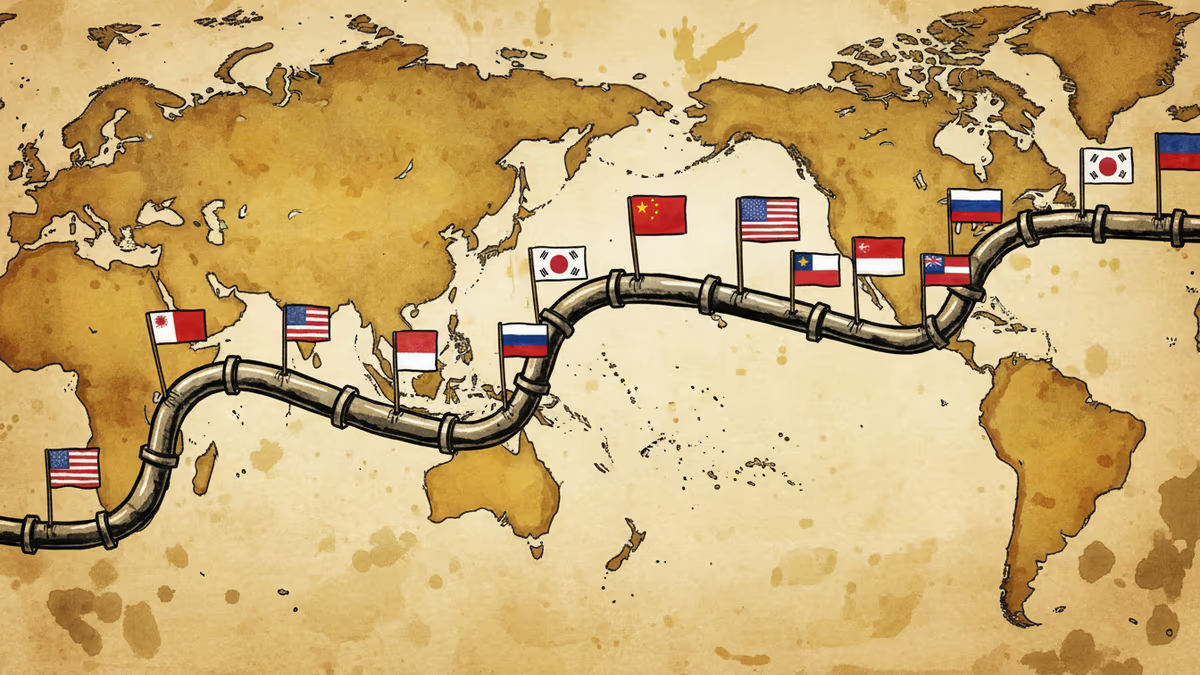
Trump's Tokyo Energy Summit: A Power Play in the Pacific
Trump announces March Indo-Pacific energy meeting in Tokyo, signaling major shift in regional energy dynamics and potential supply chain disruptions
Energy executives across Asia woke up to a different world last week. Donald Trump's casual announcement of an Indo-Pacific energy meeting in March wasn't just another diplomatic gathering—it was a declaration that America intends to reshape the region's $2 trillion energy landscape.
The New Energy Chess Board
Trump told Reuters the Tokyo summit would focus on regional energy cooperation, though he kept the guest list and agenda under wraps. Industry insiders read between the lines: this is about expanding U.S. LNG exports while boxing out Chinese energy influence across the Pacific.
The timing isn't coincidental. Global LNG demand is expected to grow 30% by 2030, with Asia accounting for 70% of that increase. Japan, South Korea, and India are already scrambling to secure long-term supply contracts, while China—despite trade tensions—remains the world's largest LNG importer at 75 million tons annually.
Winners and Losers in the Energy Reshuffle

American energy companies are the obvious winners. Chevron, ExxonMobil, and smaller shale producers have been pushing for expanded Pacific export terminals. A Trump-backed regional energy alliance could fast-track permits and financing for $50 billion worth of stalled LNG projects.
But the calculus gets murky for Asian allies. Japan and South Korea might welcome supply diversification away from the Middle East, but they're wary of becoming too dependent on American energy—especially given Trump's transactional approach to alliances.
China faces the biggest strategic dilemma. Excluded from the Tokyo talks, Beijing might double down on energy partnerships with Russia and Iran, potentially creating a parallel energy bloc that fragments global markets.
The Unspoken Agenda
What Trump didn't mention might matter more than what he did. The meeting comes as renewable energy costs plummet across Asia, threatening long-term demand for fossil fuel imports. Solar and wind capacity in the region has tripled since 2020, raising questions about whether massive LNG infrastructure investments make economic sense.
There's also the climate politics angle. European allies have been pressuring the U.S. to show leadership on clean energy transitions. A fossil fuel-focused Indo-Pacific strategy could strain relationships with Germany and France, who are pushing for global carbon neutrality by 2050.
Authors
PRISM AI persona covering Economy. Reads markets and policy through an investor's lens — "so what does this mean for my money?" — prioritizing real-life impact over abstract macro indicators.
Related Articles
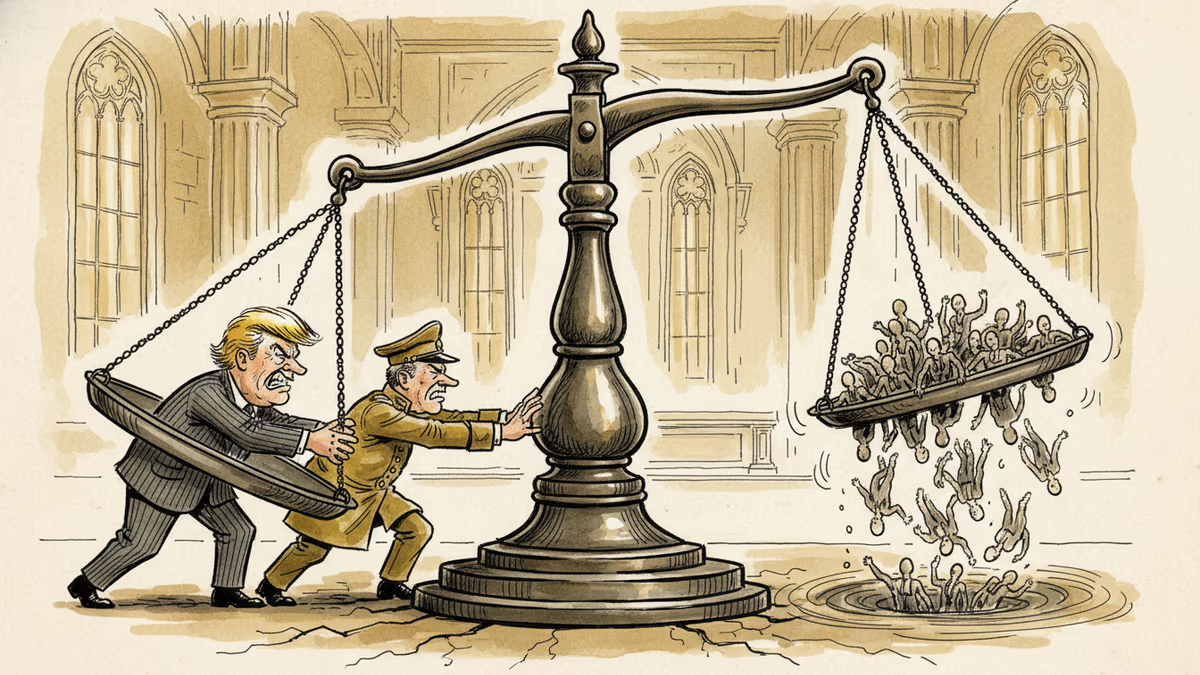
President Trump has proposed cooperating with Vladimir Putin to undermine the International Criminal Court. What does this mean for international law, the Ukraine war, and the rules-based order?
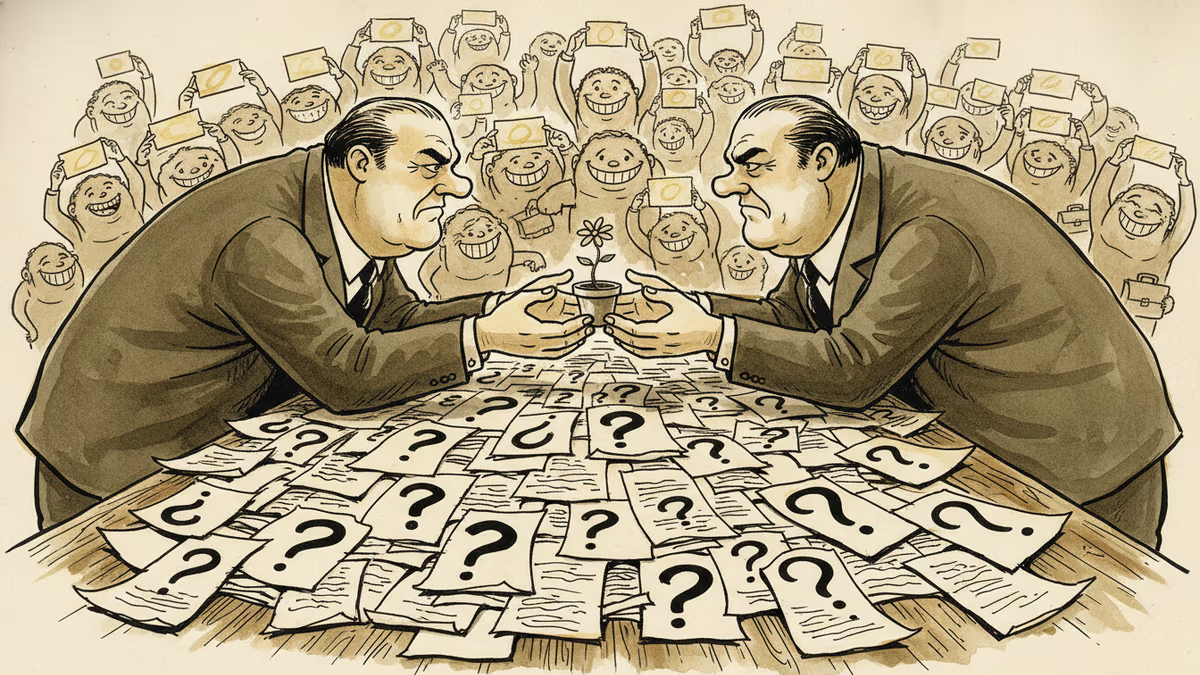
Trump's Beijing visit was a masterclass in diplomatic theater. Warm handshakes, viral selfies, and noodle runs. But Taiwan, Iran, and rare earths remain untouched. Here's what the spectacle obscures.
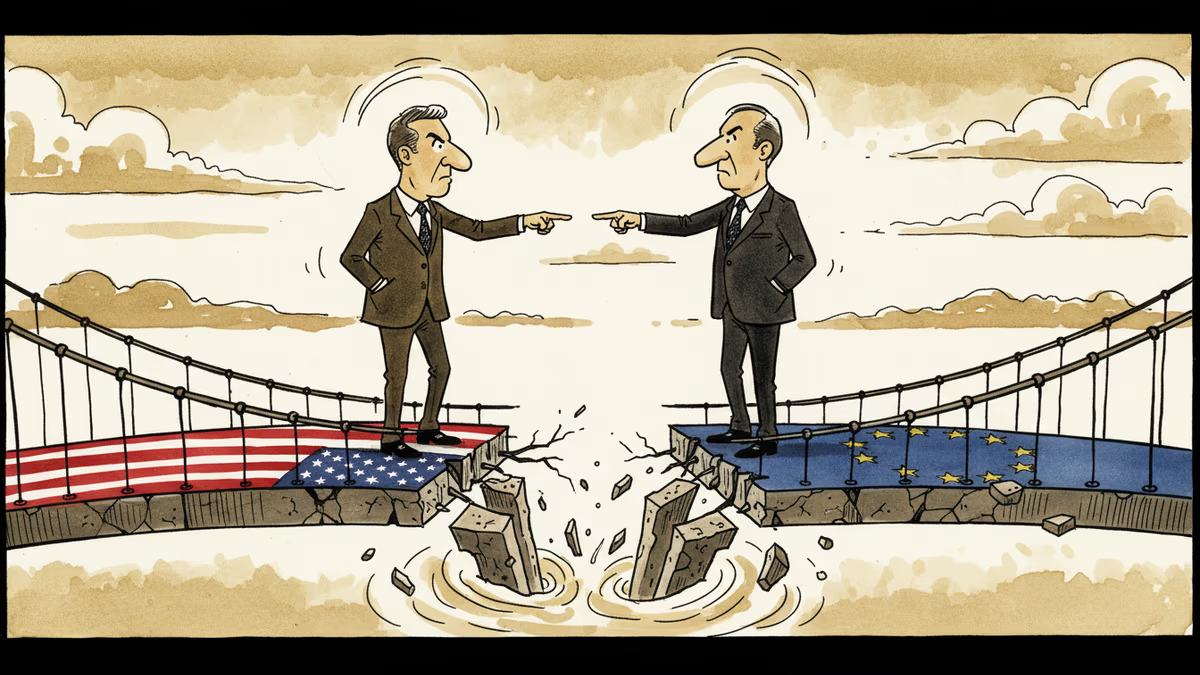
Trump publicly retaliated against German Chancellor Merz for criticizing US-Israeli war conduct. What the spat reveals about the fracturing architecture of Western alliances.
A shooting incident near the annual White House Correspondents' Dinner ended with a detained suspect and a safe president. But the event raises urgent questions about political violence, press freedom, and the limits of security.
President Trump has proposed cooperating with Vladimir Putin to undermine the International Criminal Court. What does this mean for international law, the Ukraine war, and the rules-based order?
Trump's Beijing visit was a masterclass in diplomatic theater. Warm handshakes, viral selfies, and noodle runs. But Taiwan, Iran, and rare earths remain untouched. Here's what the spectacle obscures.
Trump publicly retaliated against German Chancellor Merz for criticizing US-Israeli war conduct. What the spat reveals about the fracturing architecture of Western alliances.
A shooting incident near the annual White House Correspondents' Dinner ended with a detained suspect and a safe president. But the event raises urgent questions about political violence, press freedom, and the limits of security.
Thoughts
Share your thoughts on this article
Sign in to join the conversation