
#Energy Policy
Total 54 articles
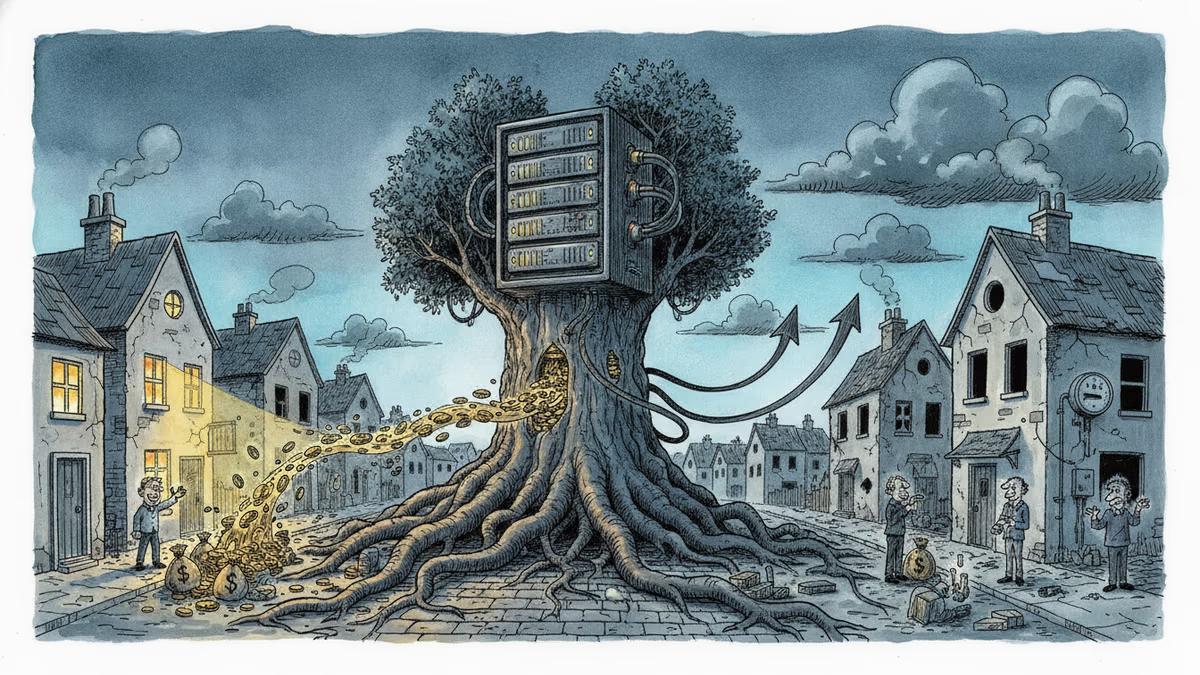
Over 1,200 community actions have pushed back against data centers since 2024. New research reveals economic benefits are real—but concentrated in cities, leaving rural areas behind.
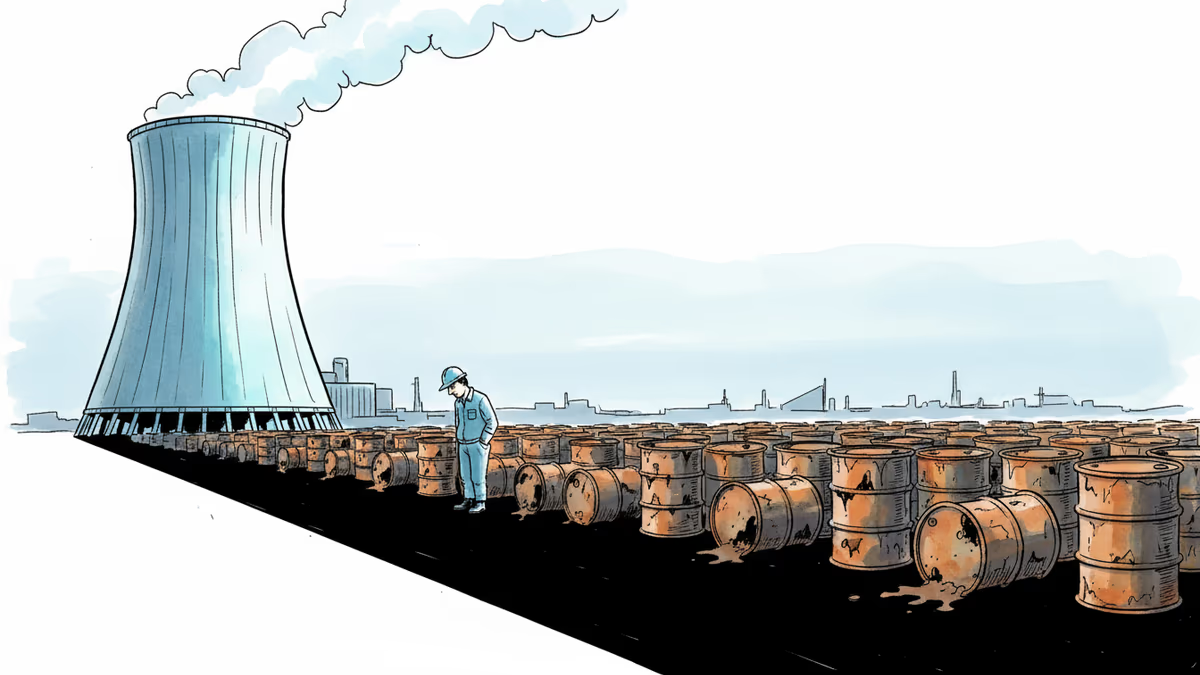
Nuclear power is winning fans across the political spectrum—and Big Tech is pouring billions in. But America still has no permanent home for the 2,000 metric tons of high-level waste its reactors produce every single year.
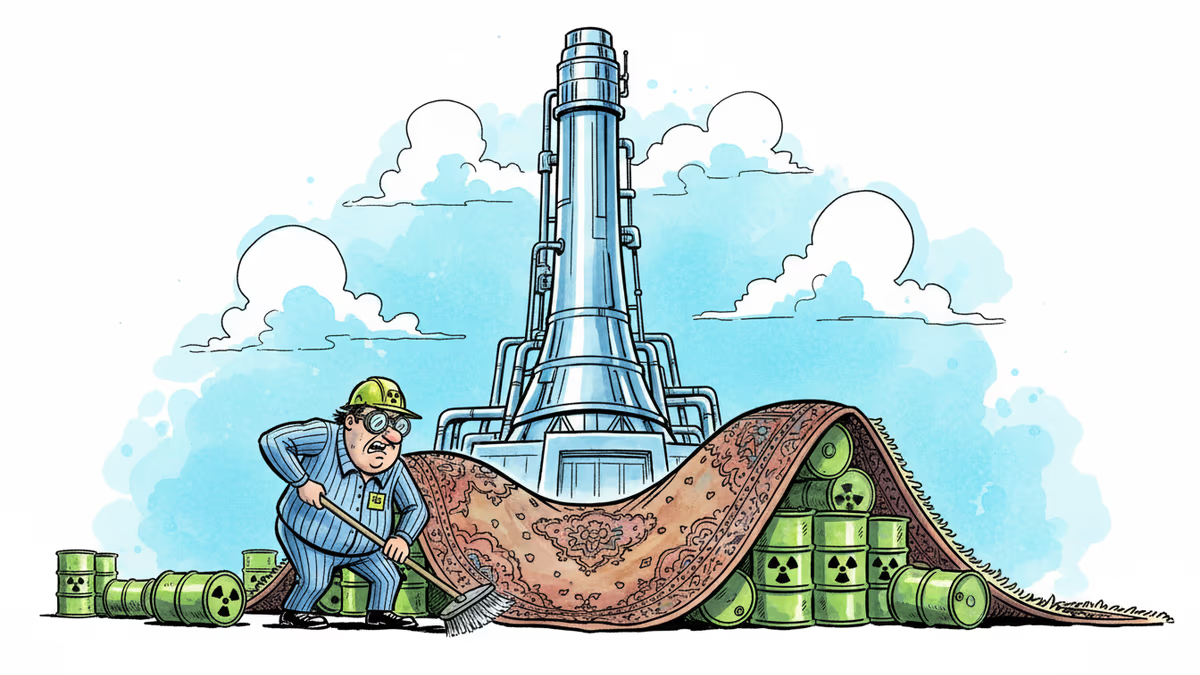
Nuclear energy is booming again, fueled by Big Tech's data center appetite. But 70 years of spent fuel still has nowhere permanent to go. Finland solved it. The US hasn't tried hard enough.

PRISM by Liabooks
Place your ad in this space
[email protected]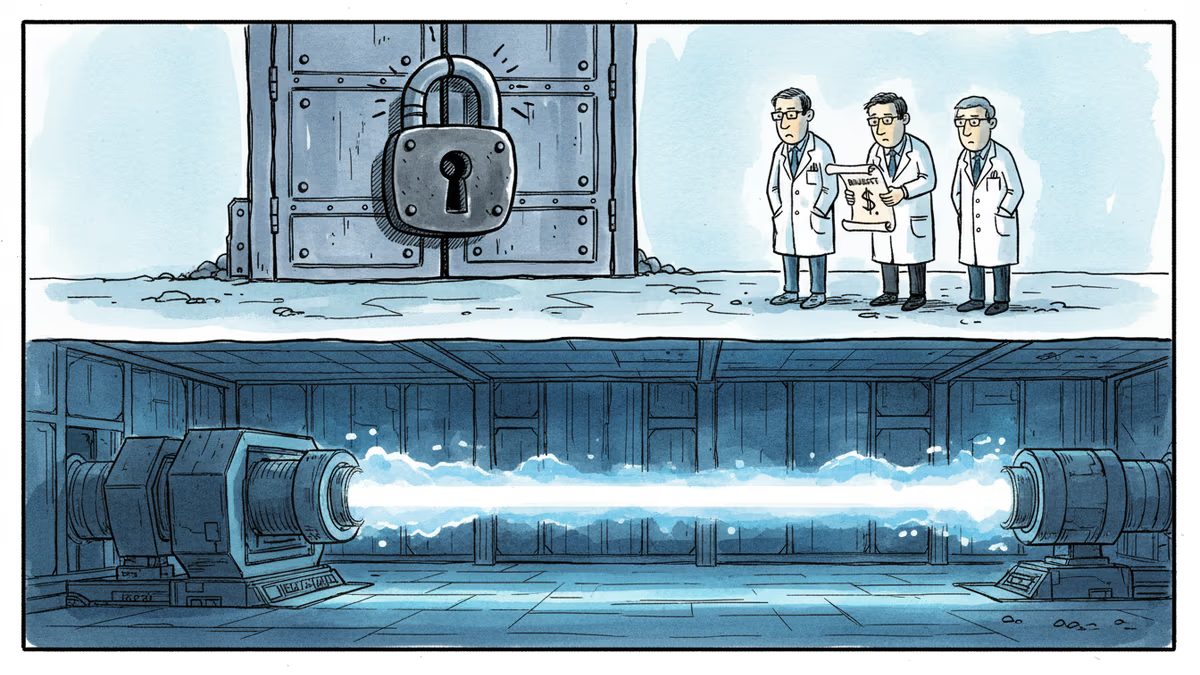
The Texas Petawatt laser—capable of outpowering the entire US electrical grid for a trillionth of a second—has shut down due to funding cuts. What does this mean for fusion energy and America's scientific future?
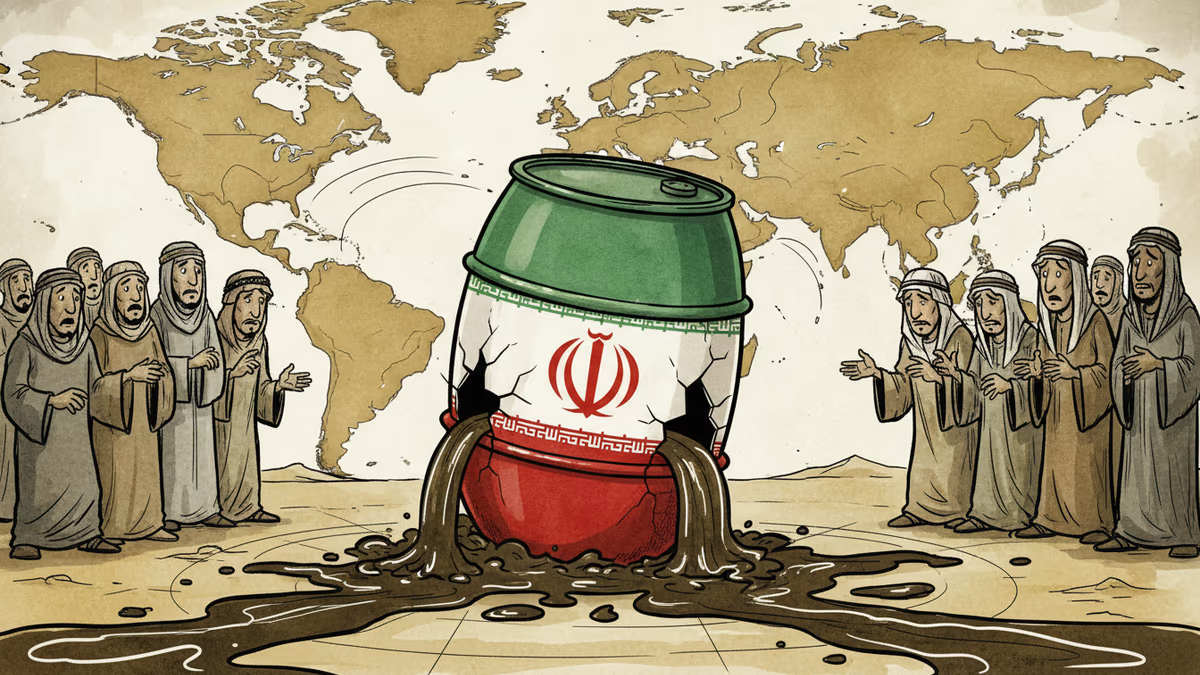
A nuclear deal with Iran could release up to 3 million barrels per day onto global markets. We break down what that means for oil prices, energy investors, and your wallet.
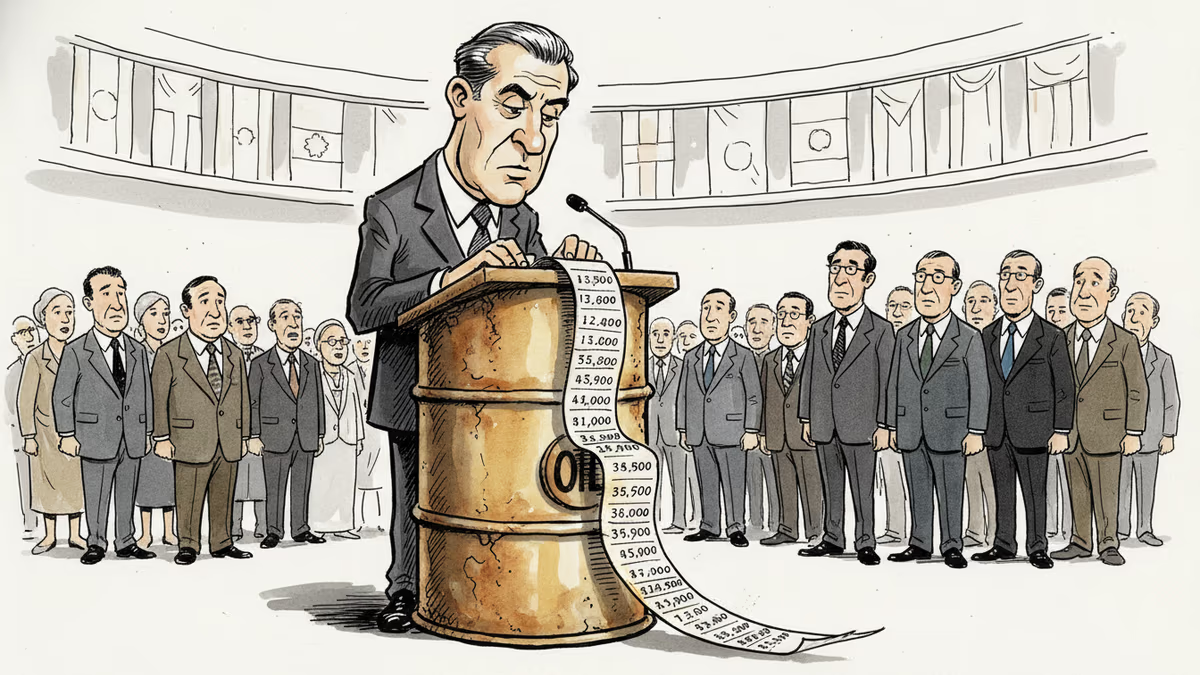
A pattern is emerging: US policy pivots on Iran, tariffs, and energy appear to track crude oil prices with striking consistency. What does it mean when markets may be steering the presidency?
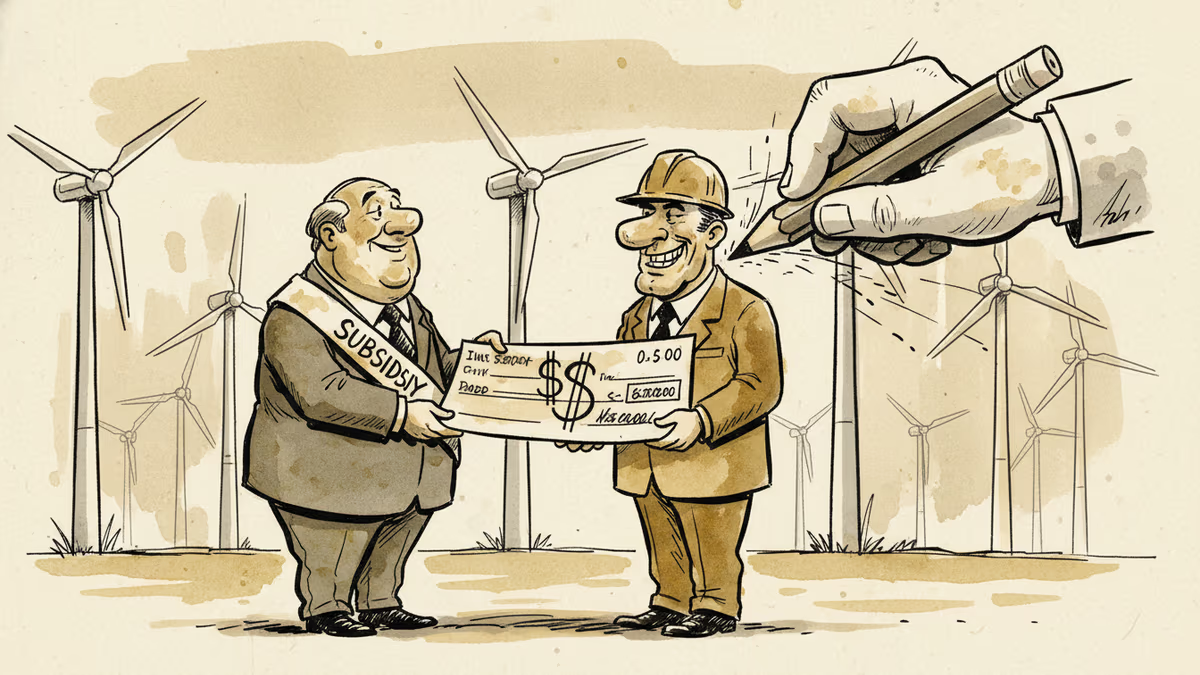
The Trump administration struck a deal to buy back offshore wind leases from TotalEnergies for $1 billion, redirecting that money into fossil fuel projects. What this means for energy markets, grid reliability, and the future of U.S. climate policy.
PRISM by Liabooks
Place your ad in this space
[email protected]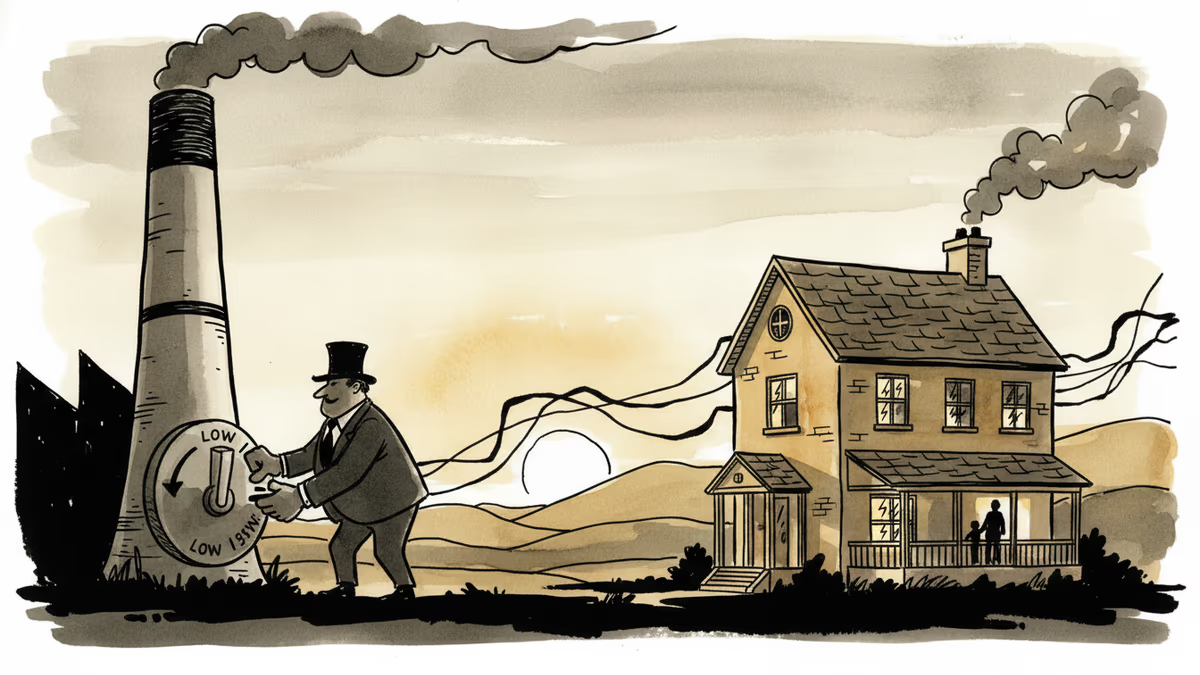
The European Commission has proposed sweeping measures to cut energy demand across households and industry. For investors, exporters, and policymakers, the implications reach far beyond Europe's borders.
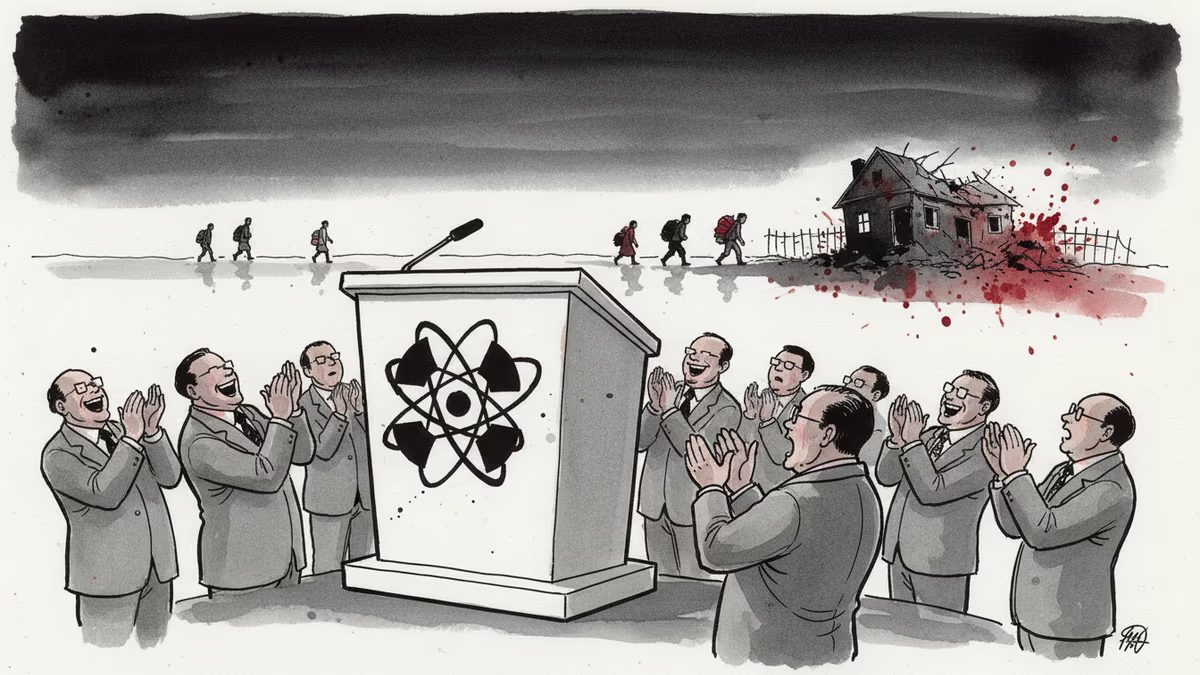
Fifteen years after Fukushima, the global nuclear community speaks of lessons learned. But whose lessons? And at whose expense? A critical look at how disaster narratives erase victims.
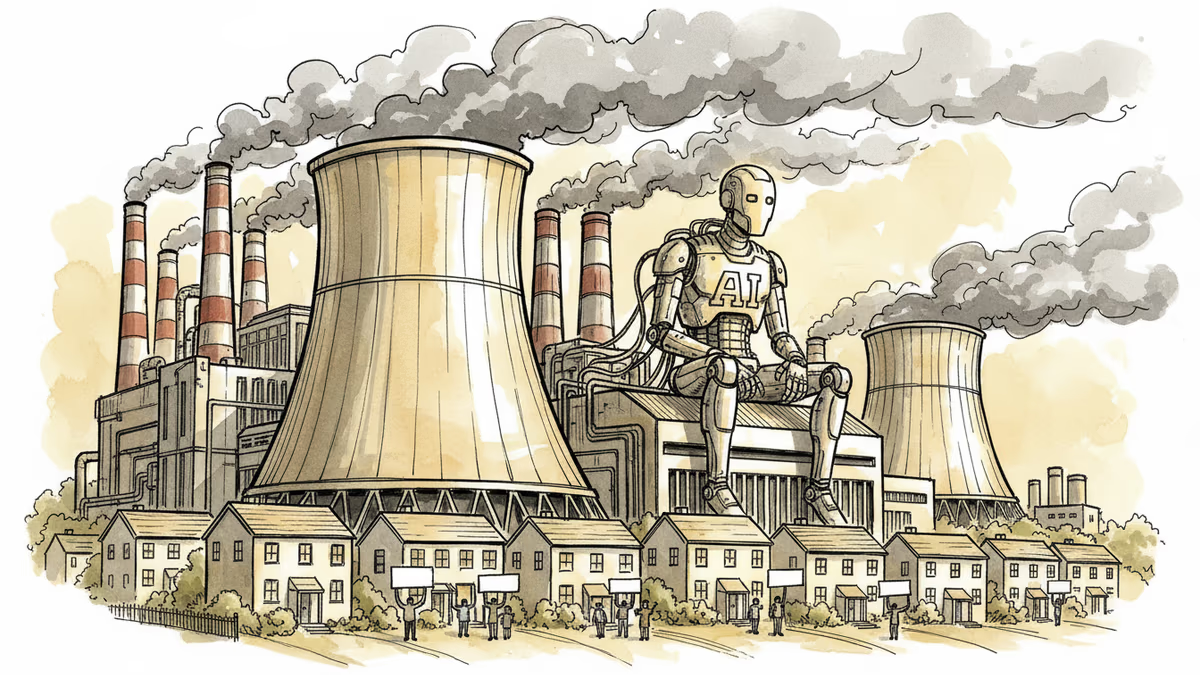
Elon Musk's xAI wants to build a massive gas plant in Mississippi. The NAACP says the permit hearing was timed to silence the community. Here's what's really at stake.
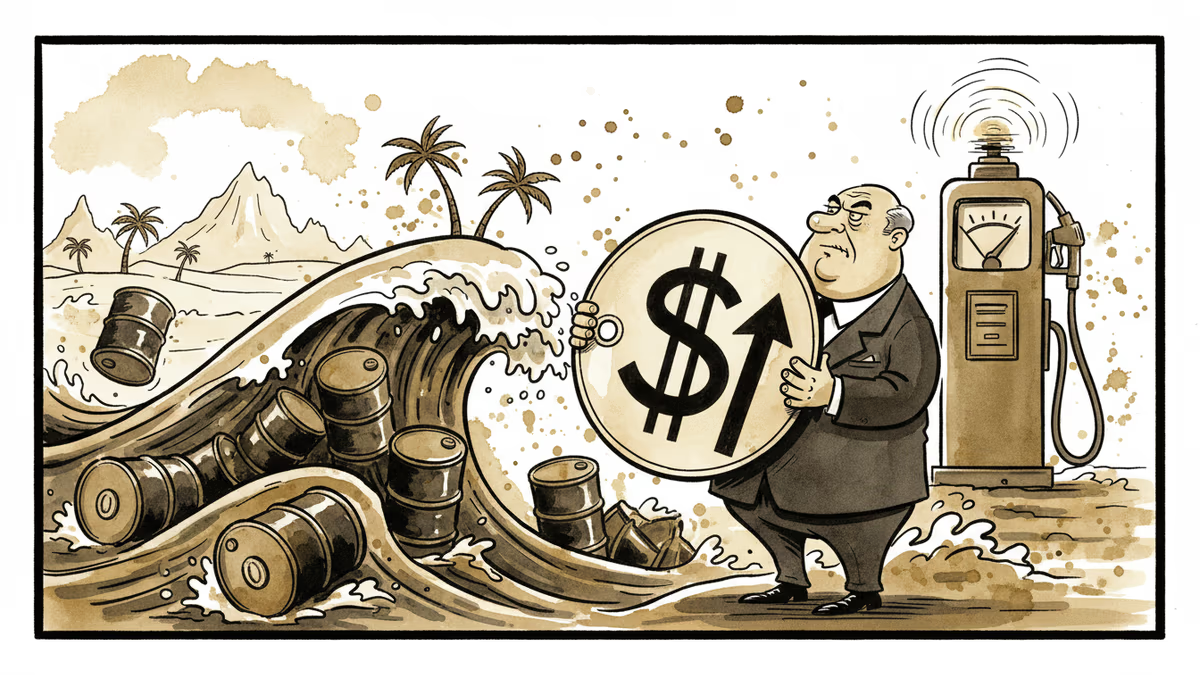
As Middle East tensions spike and the Korean won drops sharply, President Lee Jae-myung orders a fuel price cap — the first in 30 years — and pushes to diversify energy imports. What's really at stake?
PRISM by Liabooks
Place your ad in this space
[email protected]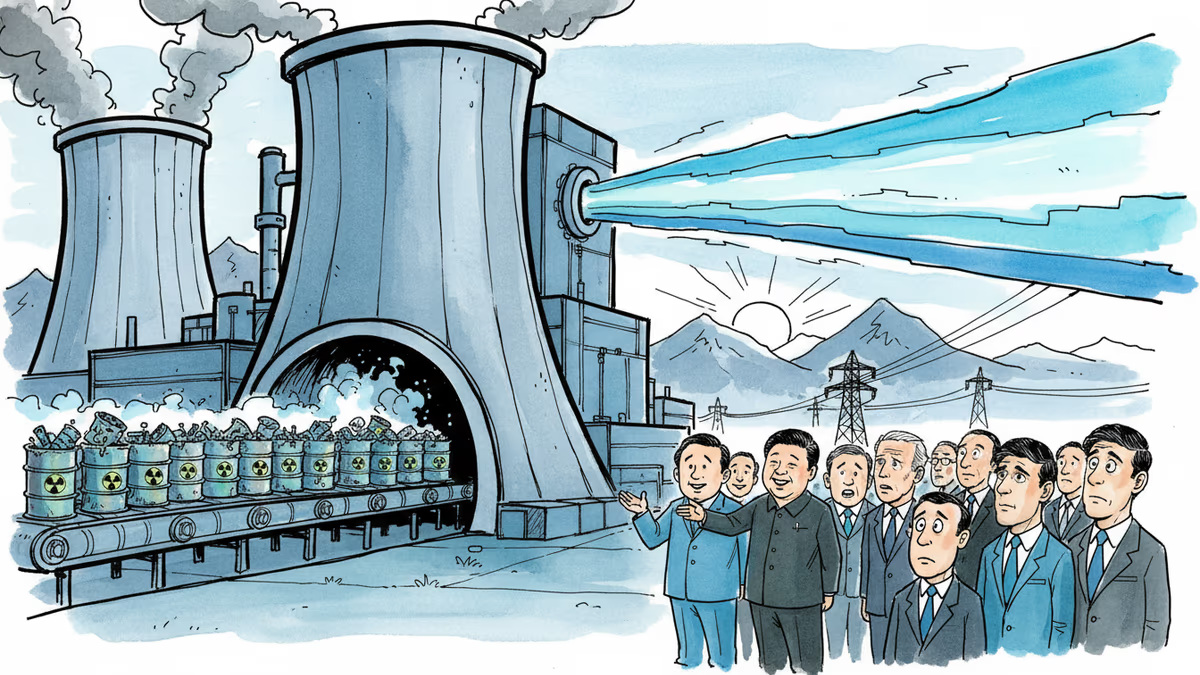
China unveils accelerator-driven subcritical systems (ADS) that burn nuclear waste for energy, claiming to solve humanity's power needs for 1000 years. Global implications and safety concerns analyzed.
