
#Energy
Total 117 articles
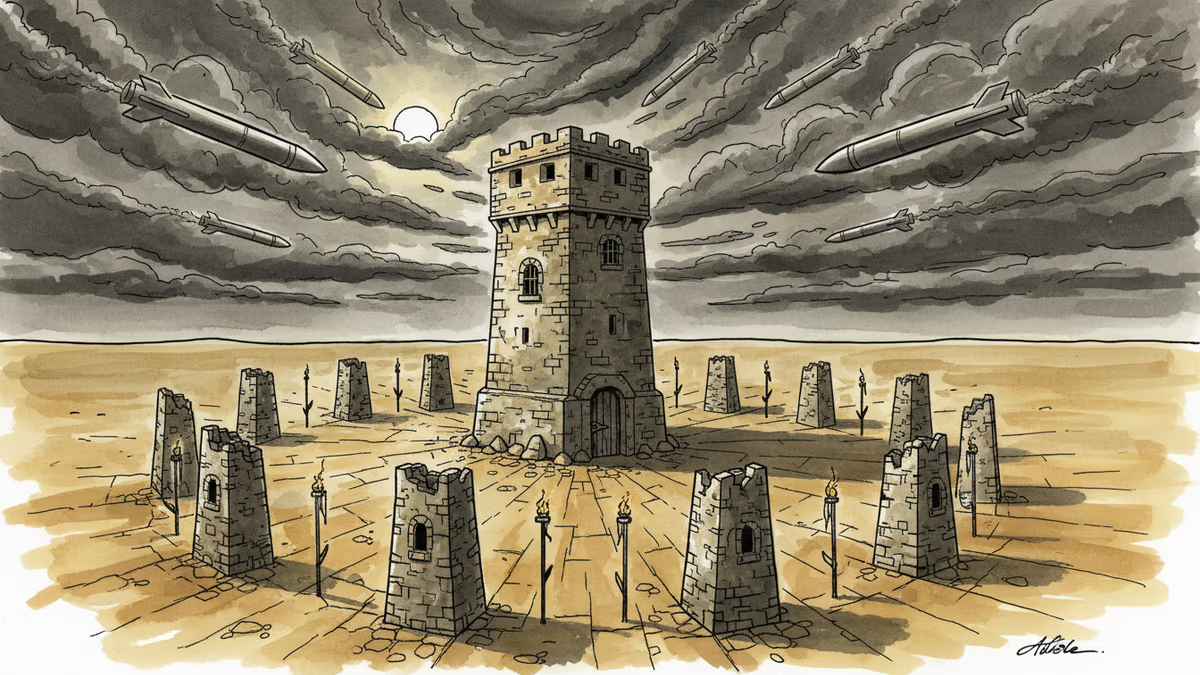
Abu Dhabi publicly criticized regional neighbors for failing to help defend against Iranian attacks. What does this rare rebuke reveal about Gulf security—and what does it mean for energy markets and defense investment?
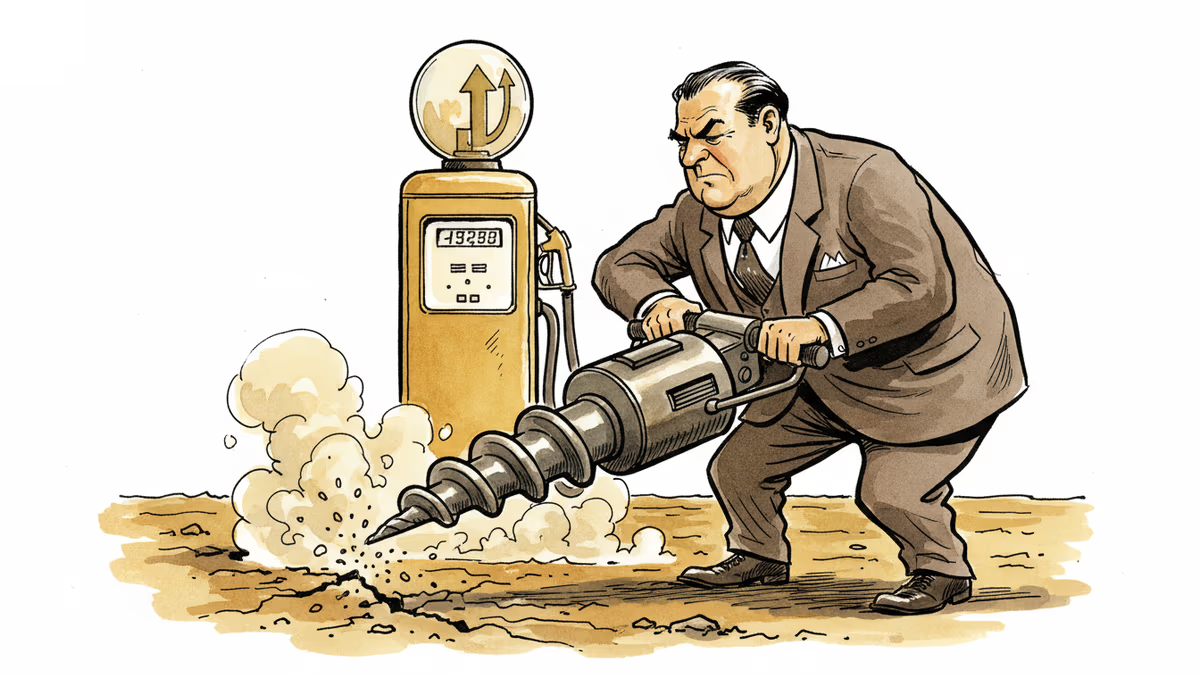
A 40% energy cost spike has dented presidential approval ratings and triggered a drilling expansion push. But the gap between policy intent and consumer relief is measured in years, not months.
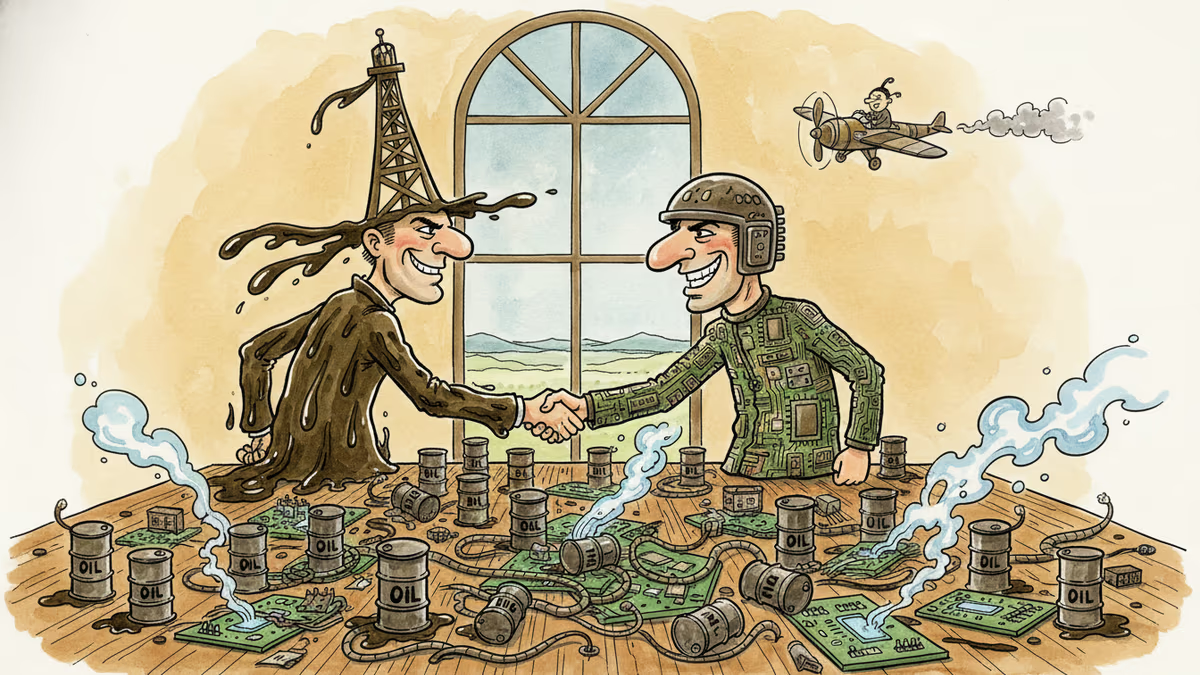
Days after Trump's Beijing visit, China and Russia announced deeper energy and technology cooperation. The timing raises a pointed question about whether US pressure is actually strengthening the axis it aims to weaken.

PRISM by Liabooks
Place your ad in this space
[email protected]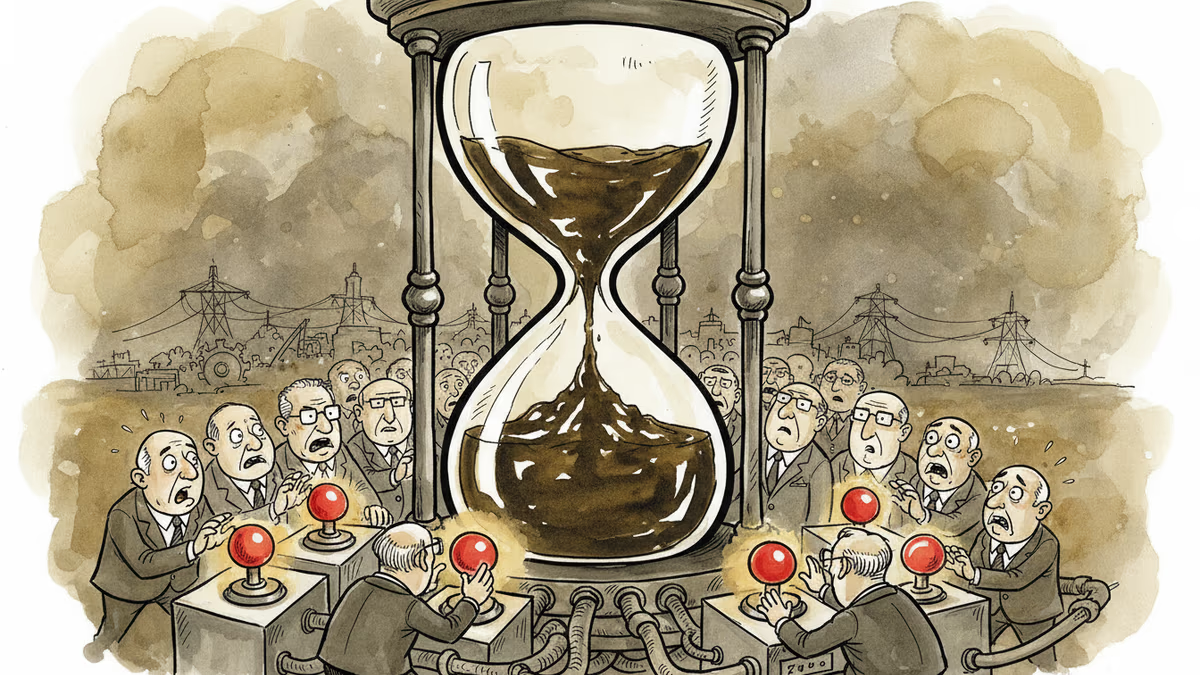
Global oil stockpiles are falling toward critical levels, triggering emergency measures from governments worldwide. What this means for energy prices, inflation, and your bottom line.
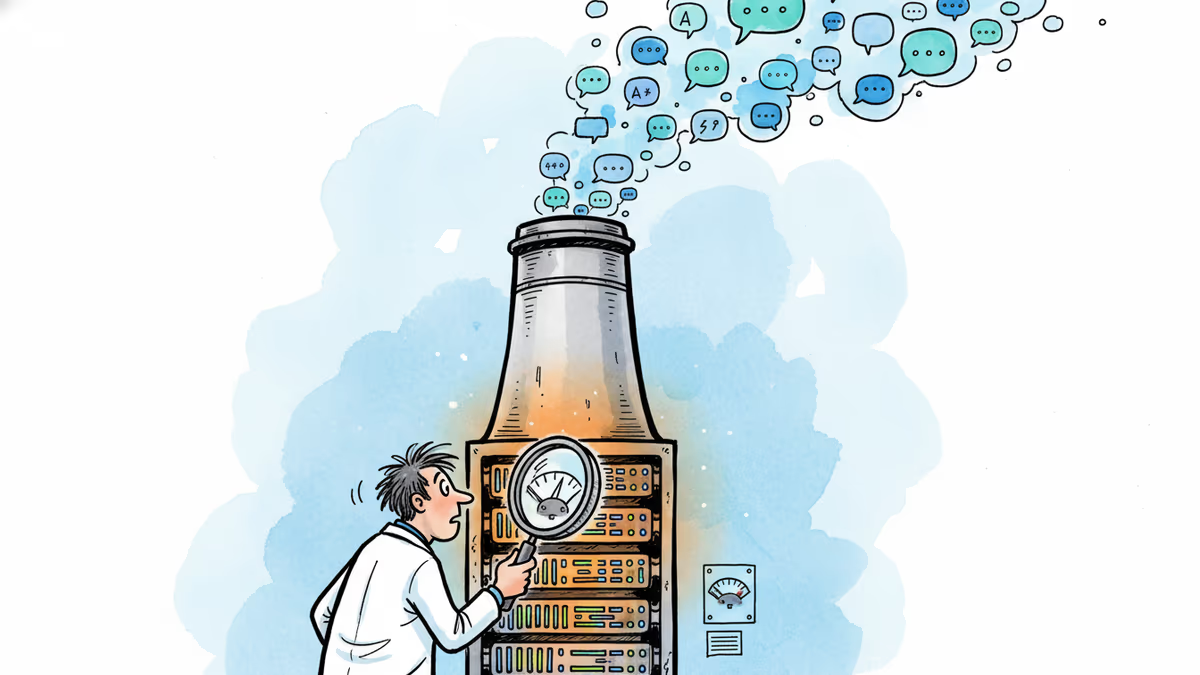
AI sustainability researcher Sasha Luccioni is launching a new venture to push for energy transparency in AI. Here's why Big Tech keeps the numbers hidden—and what's starting to change.
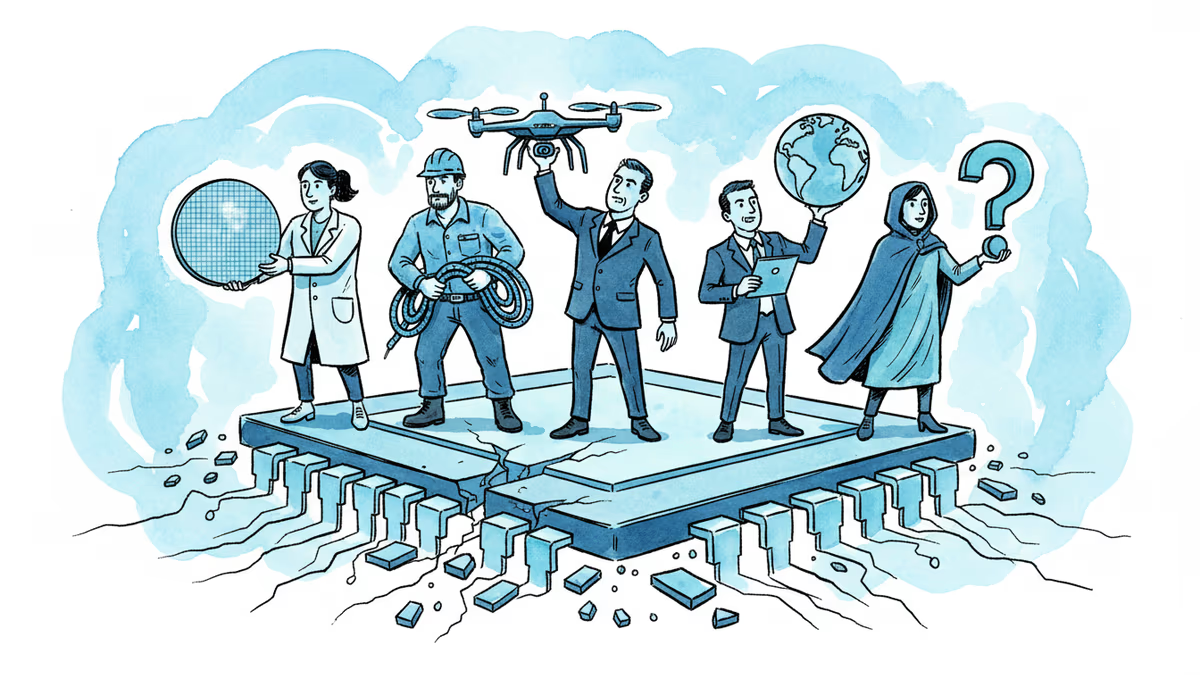
At Milken 2026, five AI insiders—from the CEO of ASML to a quantum physicist challenging LLMs—laid out the physical, energy, and geopolitical limits the AI boom is running into.
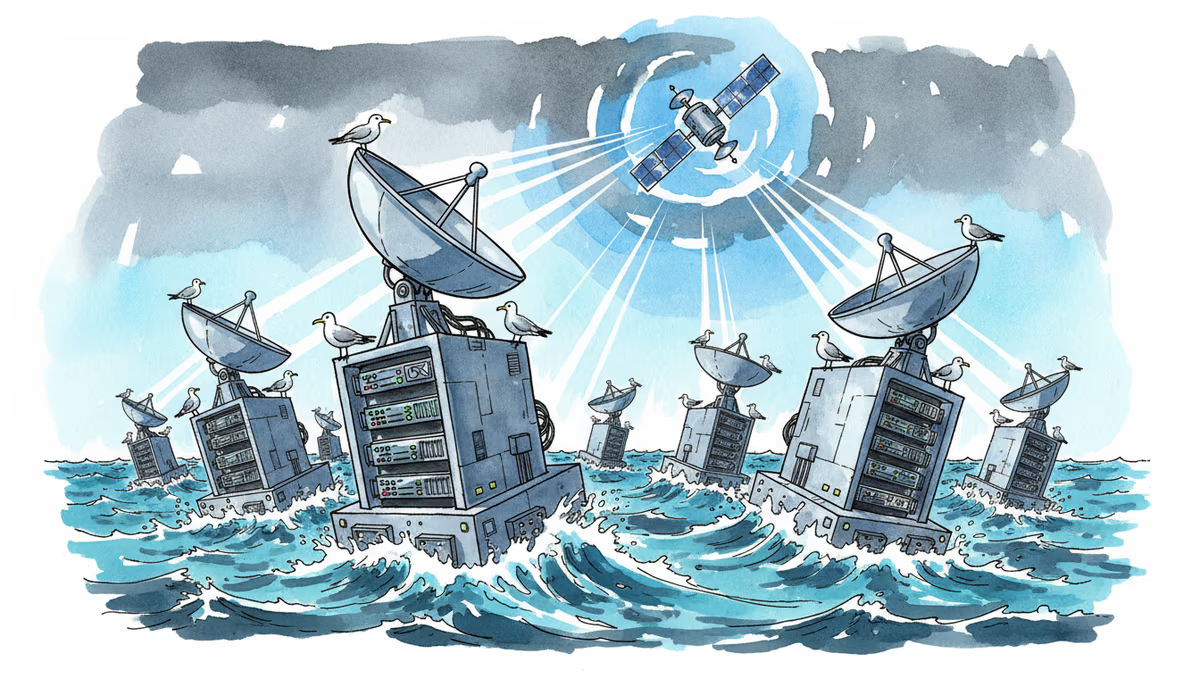
Palantir co-founder Peter Thiel and other Silicon Valley investors have poured $140 million into Panthalassa, a startup building wave-powered floating AI data centers in the open ocean. Here's what that actually means.
PRISM by Liabooks
Place your ad in this space
[email protected]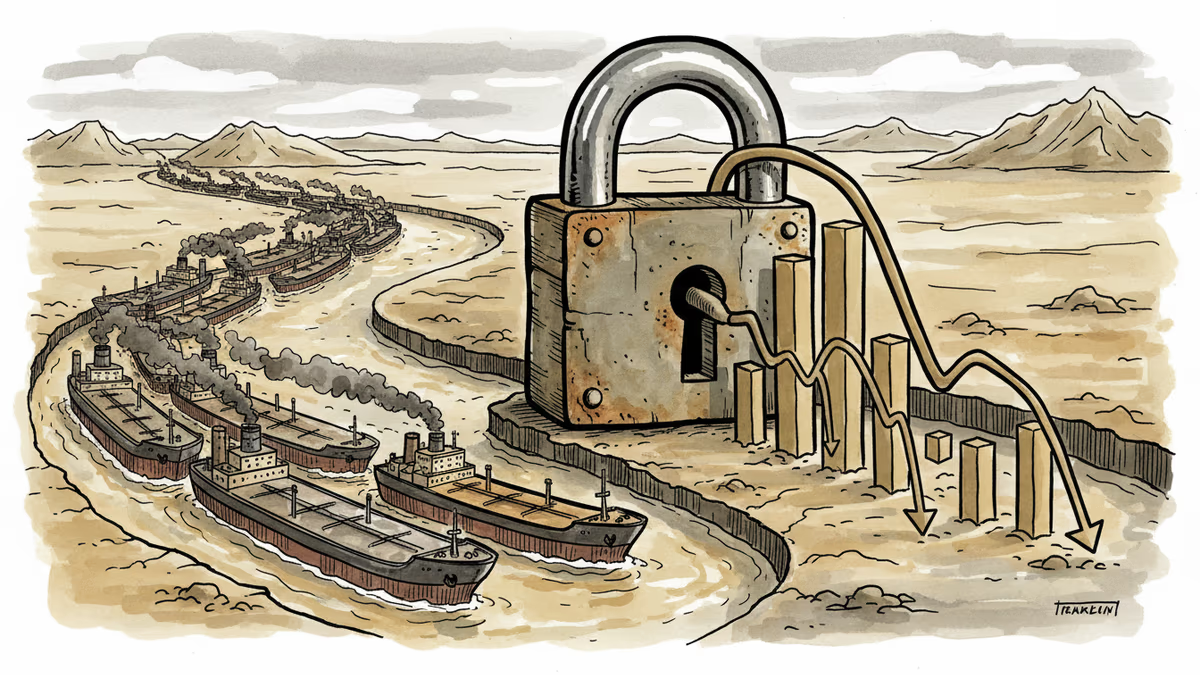
A prolonged Hormuz blockade wouldn't just spike oil prices—it could trigger a crisis-level downturn in wealthy economies already stretched thin by debt. Here's why the rich world is more exposed than it looks.
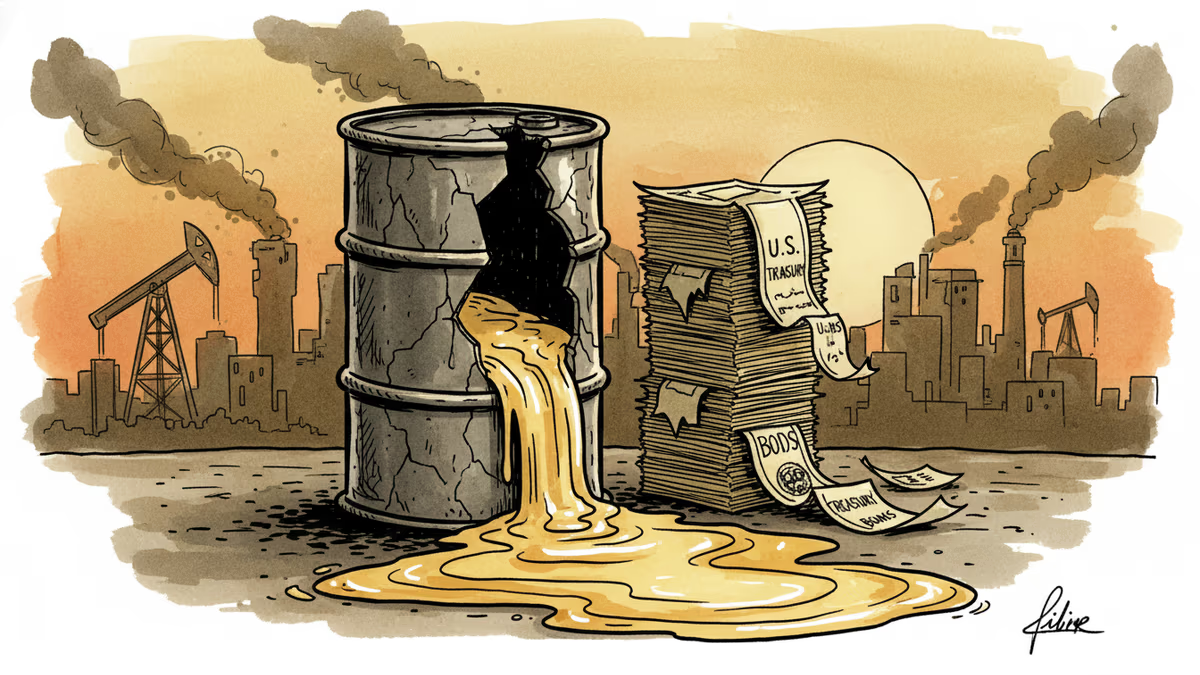
Oil surged to $114 a barrel as Middle East conflict deepened, while U.S. Treasuries sold off simultaneously — a rare combination that markets read as a stagflation warning signal.
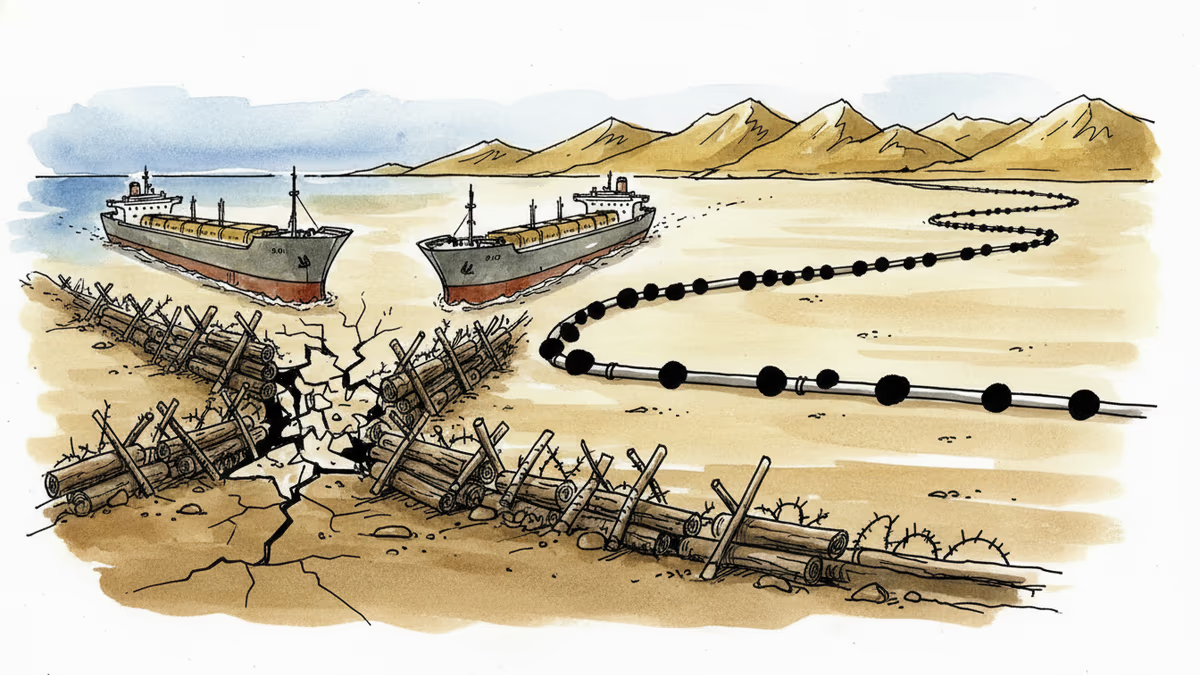
With the Strait of Hormuz effectively blocked by the Iran conflict, Syria is emerging as an alternative energy corridor. What this means for global energy markets and Middle East geopolitics.
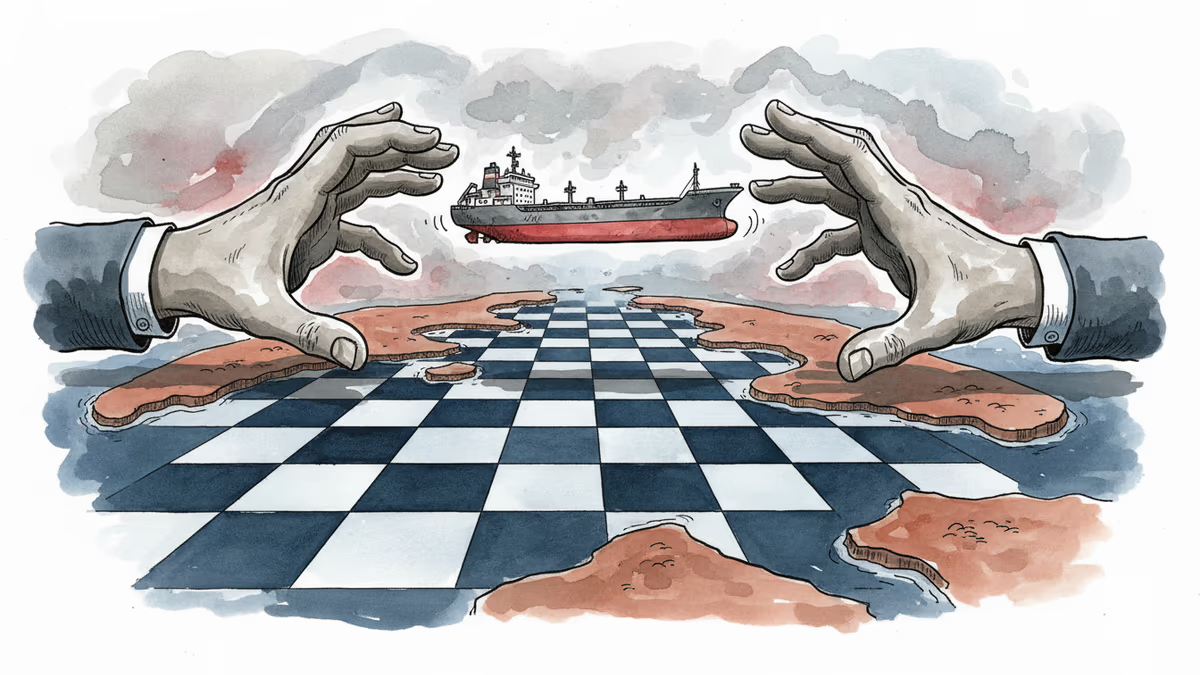
Iran has formally proposed reopening the Strait of Hormuz while deferring nuclear talks. Trump says he's unsatisfied but prefers no military action. Here's what's actually at stake.
PRISM by Liabooks
Place your ad in this space
[email protected]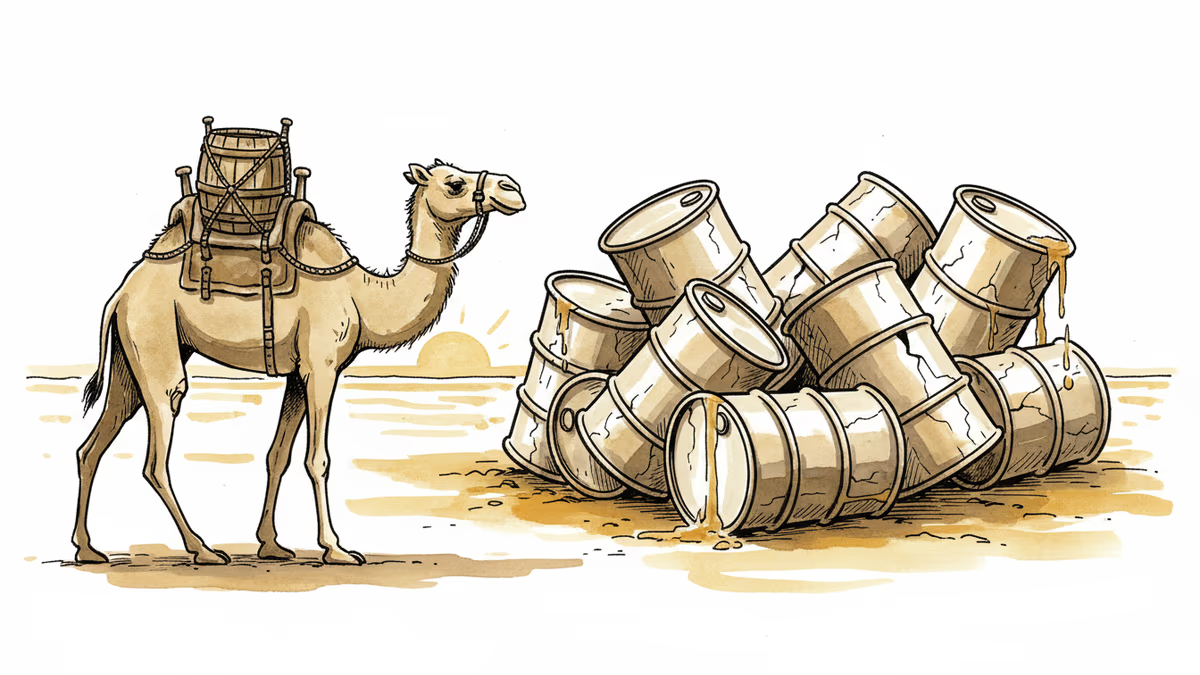
The UAE's sudden exit from OPEC removes 12% of the cartel's output and signals a deepening Saudi-Emirati rift with major implications for global oil markets and Middle East geopolitics.
