
#autonomous vehicles
Total 40 articles
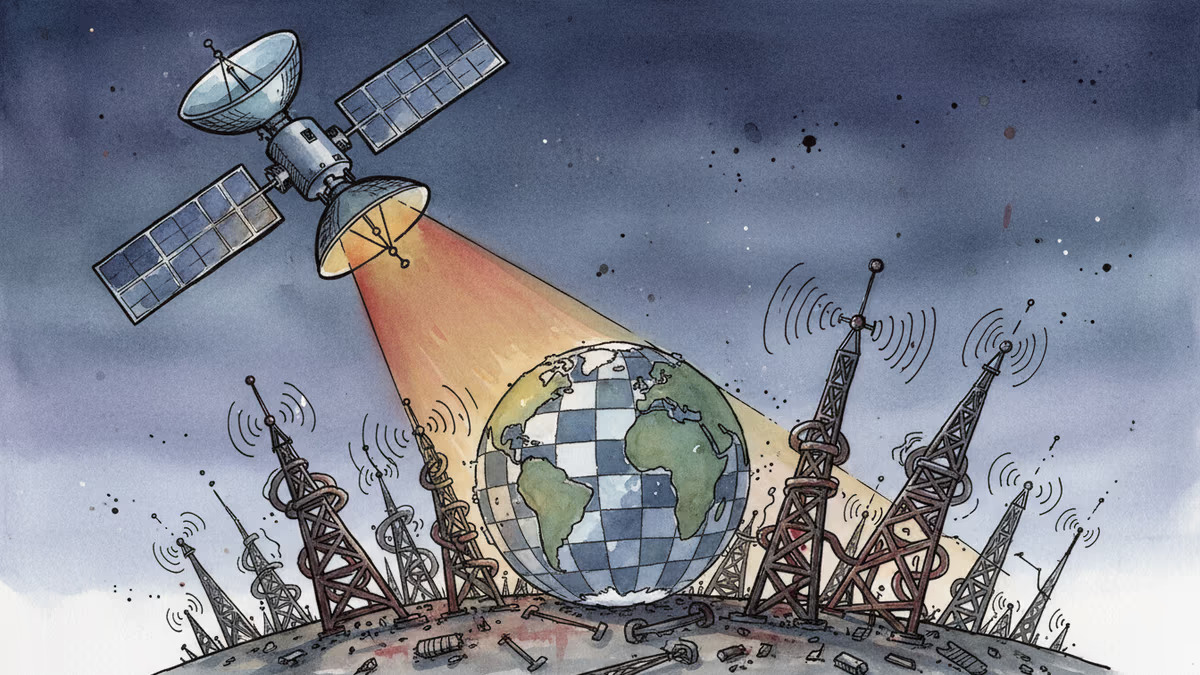
Chinese researchers have built an 11-satellite optical navigation network immune to GPS jamming. Here's what it means for autonomous vehicles, drones, and the growing rivalry over who controls positioning infrastructure.
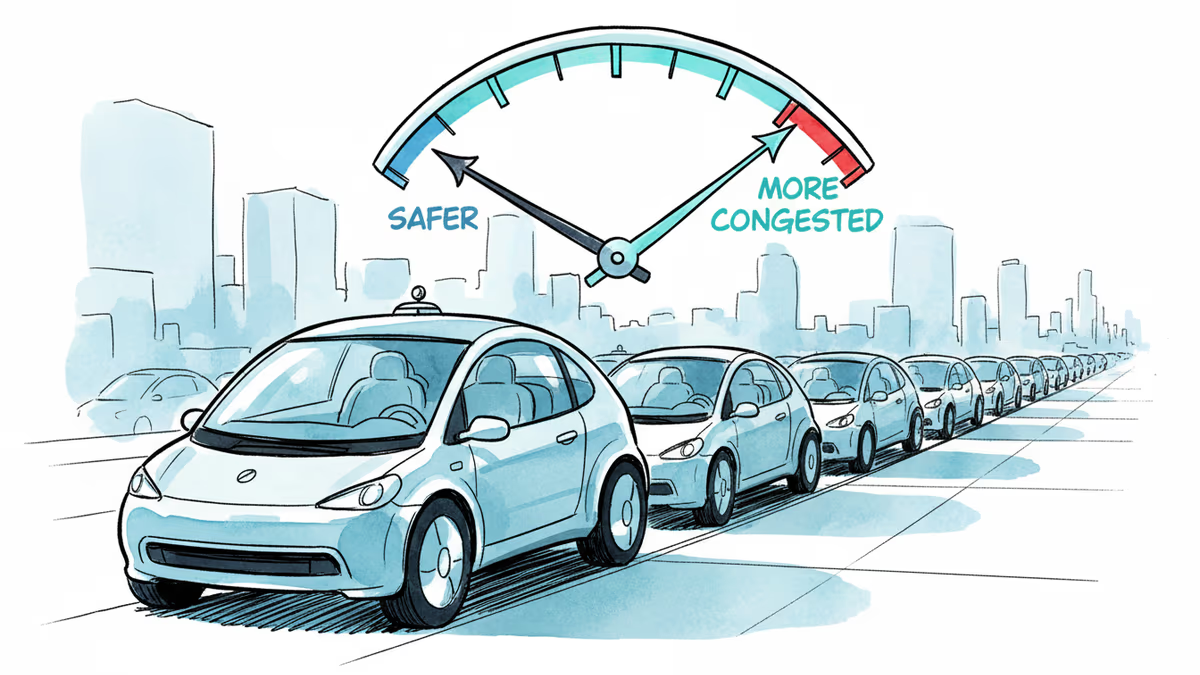
Autonomous vehicles could reduce serious crashes by 85%, but new research shows they may increase total vehicle miles traveled by 6%, potentially worsening traffic congestion across America.
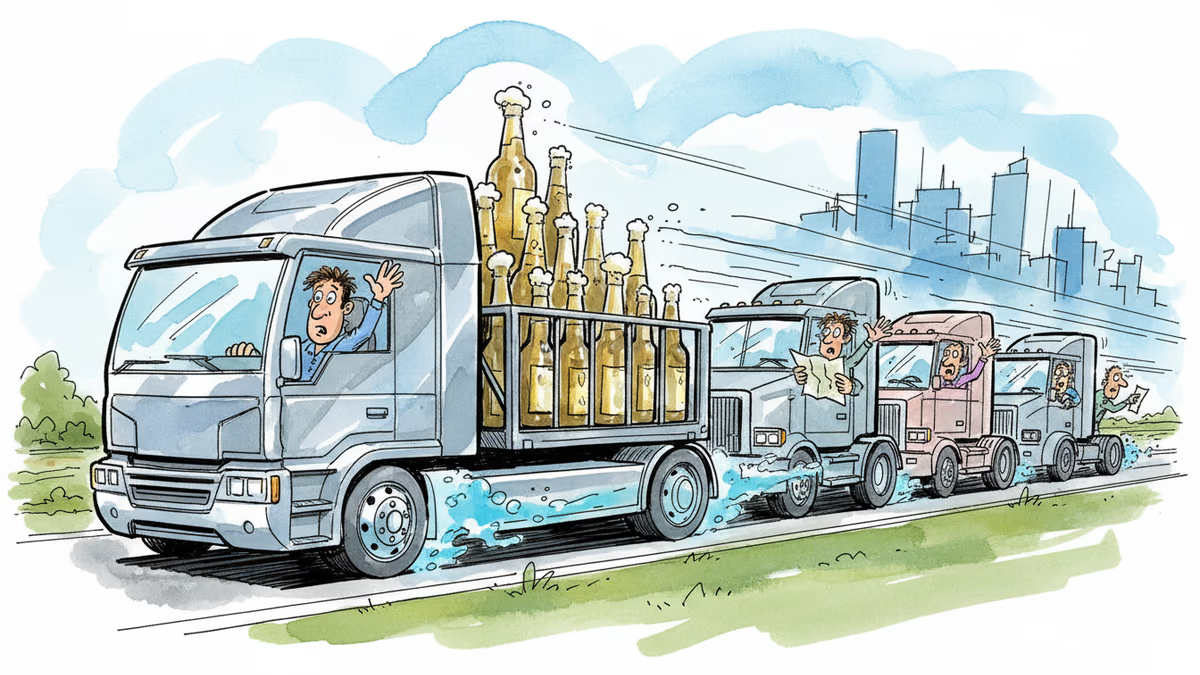
Swedish startup Einride raises $113M ahead of NYSE debut, deploying 200 autonomous trucks for major brands. The logistics revolution accelerates.

PRISM by Liabooks
Place your ad in this space
[email protected]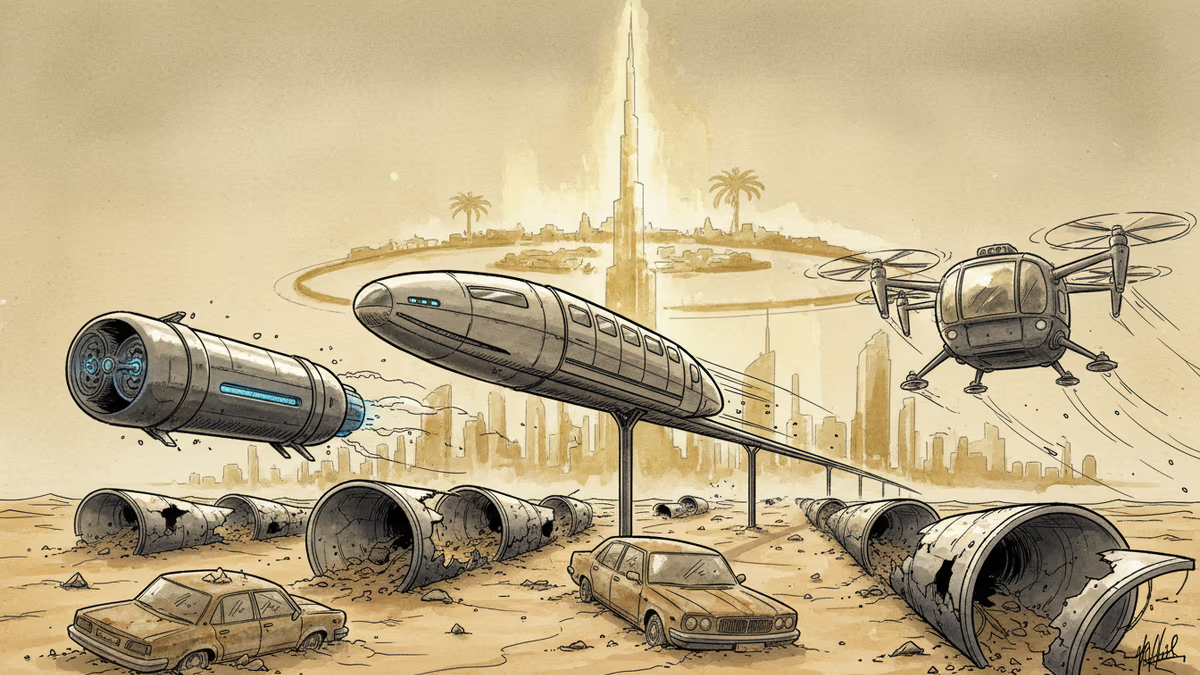
Dubai signs deals with three unproven US transport companies after previous $450M Hyperloop failure and GM Cruise debacle. Will underground tunnels, flying pods, and air taxis work?
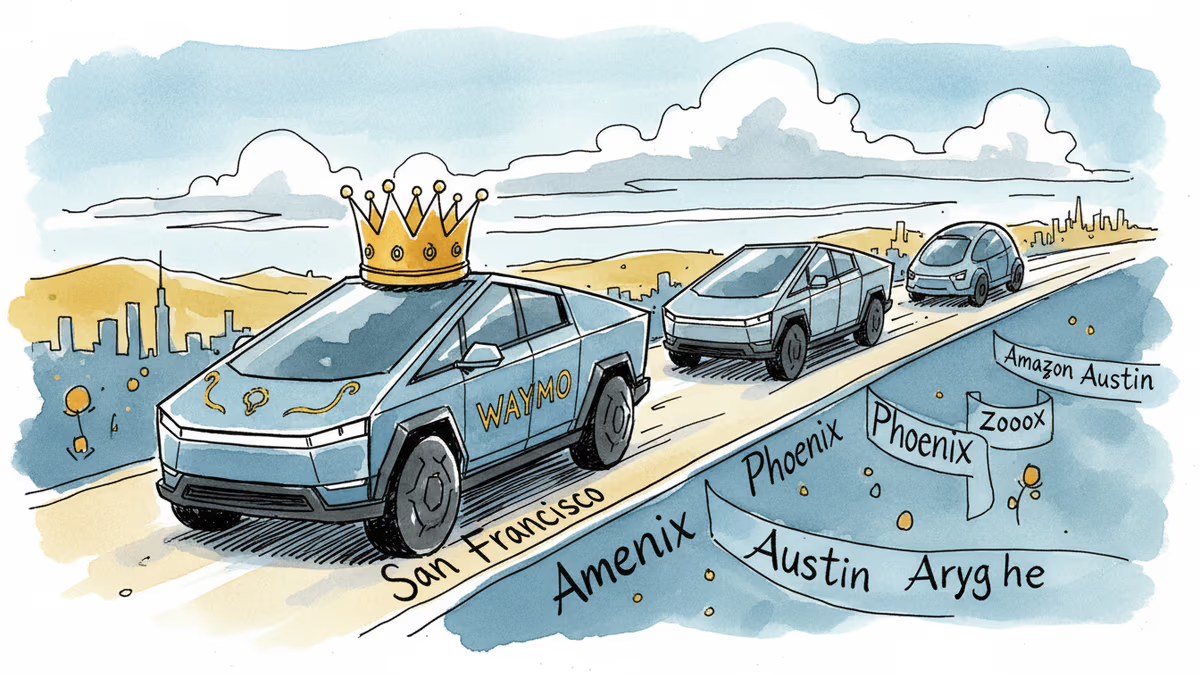
Waymo expands robotaxi service to Dallas, Houston, San Antonio, and Orlando, operating in 10 US cities while competitors struggle to launch commercial services
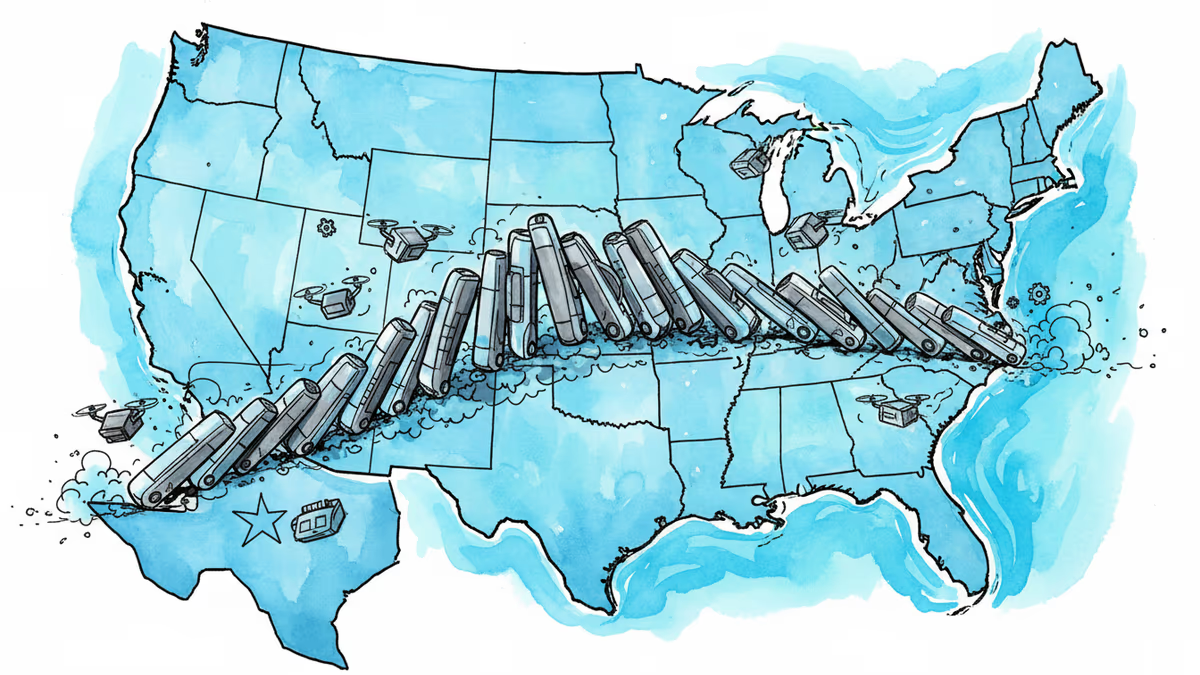
Waymo launches robotaxi services in Dallas, Houston, San Antonio, and Orlando simultaneously, expanding from 3 to 10 cities in just one year. Analyzing the strategy behind this aggressive rollout and what it means for the autonomous vehicle industry.
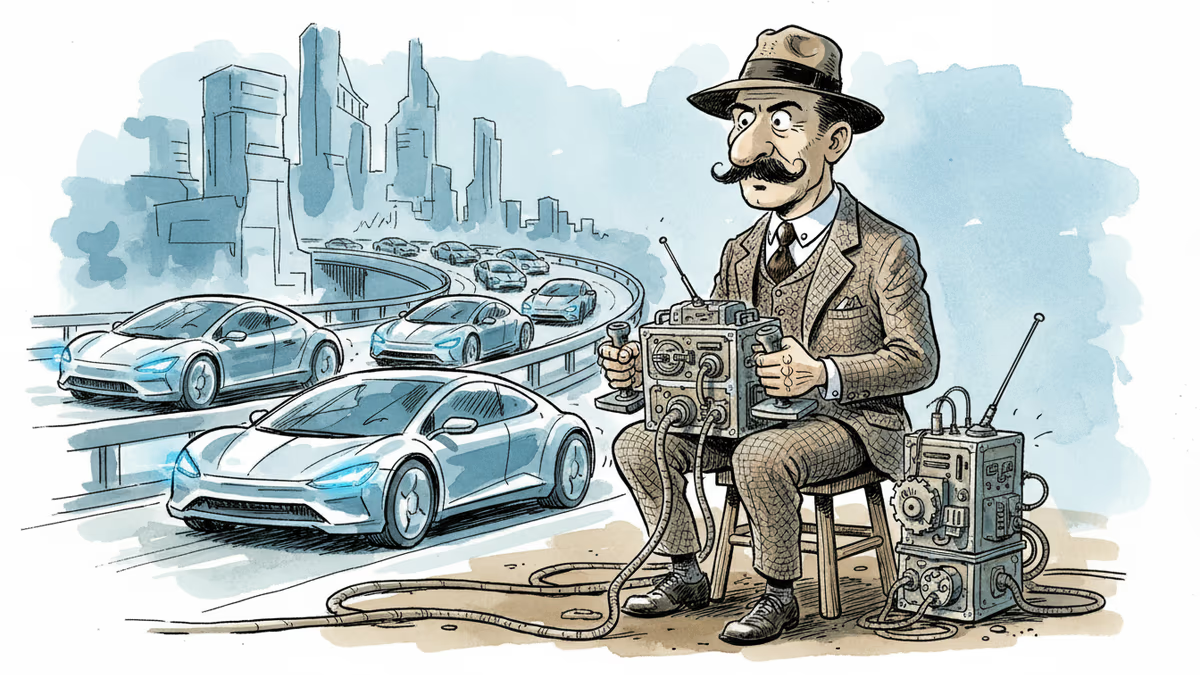
A Spanish engineer's 1903 wireless control invention laid the groundwork for today's autonomous vehicle revolution. Leonardo Torres Quevedo's Telekino changed everything
PRISM by Liabooks
Place your ad in this space
[email protected]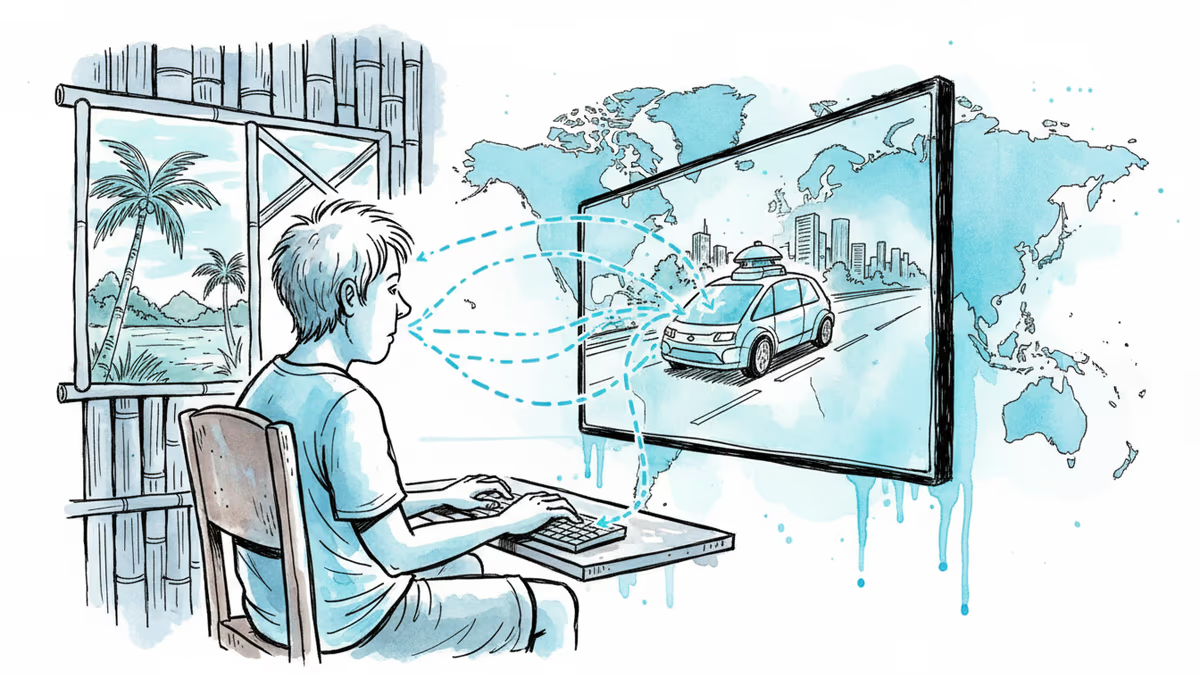
Waymo reveals 70 remote operators worldwide, including Philippines-based staff, sparking debate about true autonomy in self-driving cars.
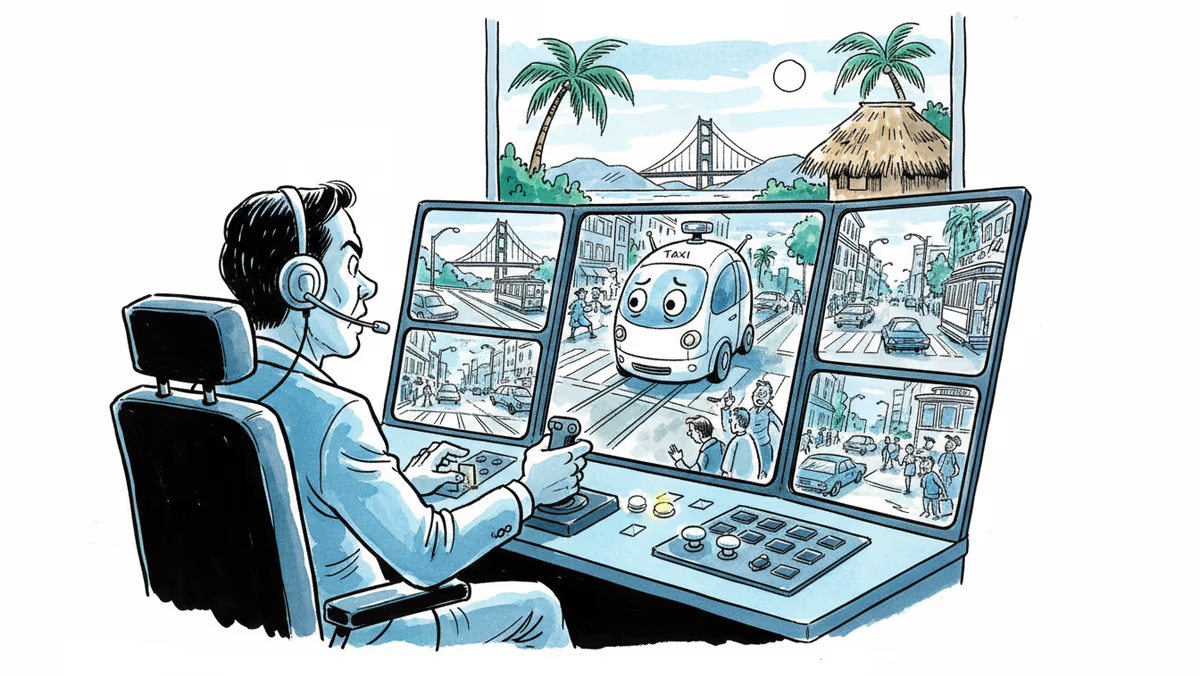
Waymo and Tesla reveal details about remote assistance programs, including Filipino contractors helping San Francisco robotaxis navigate complex situations.
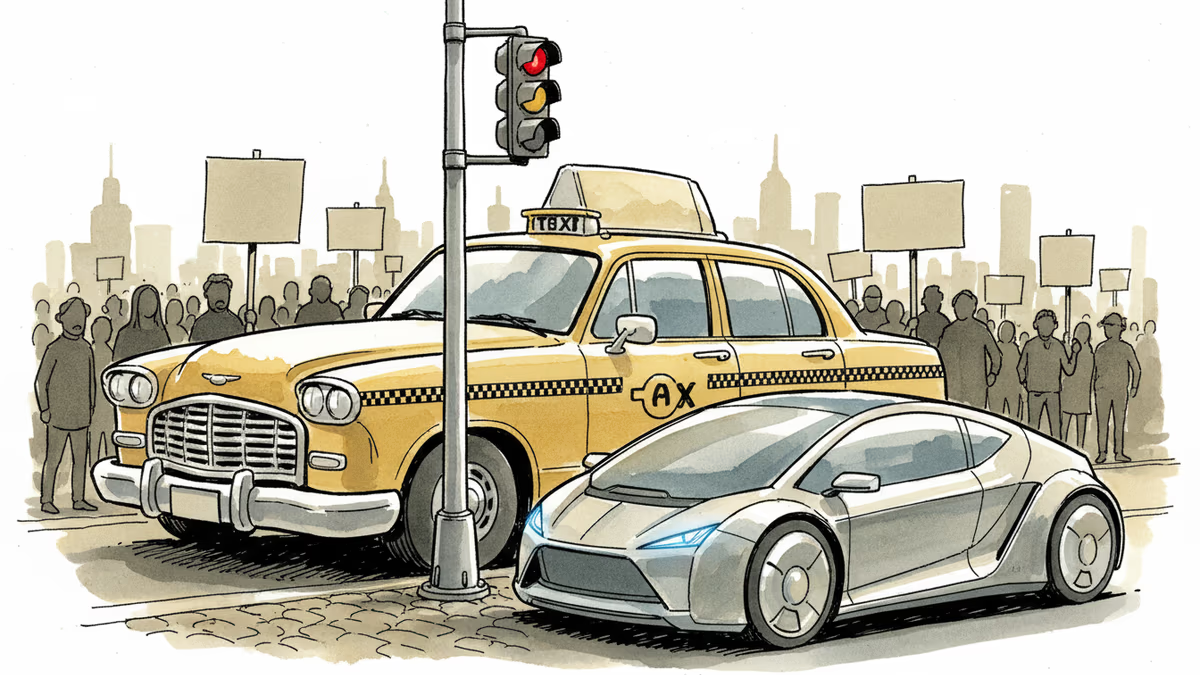
NY Governor Hochul scrapped robotaxi proposals after union pushback. Waymo's setback reveals deeper tensions between automation and labor in America's biggest markets.
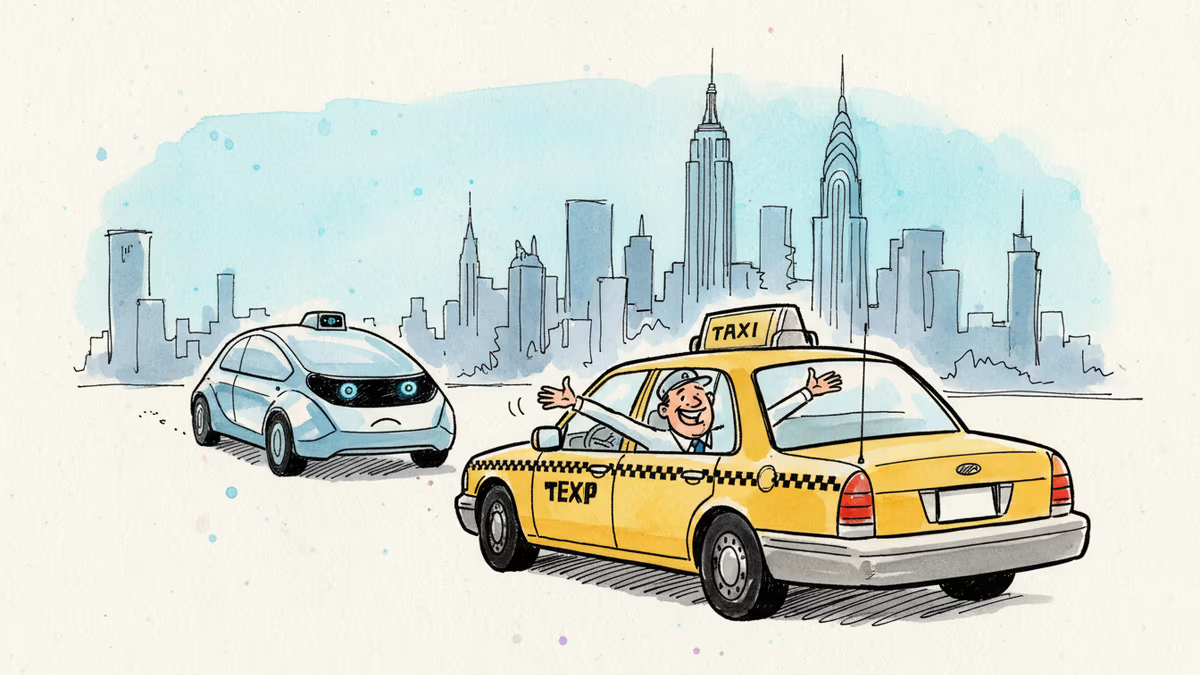
New York Governor drops robotaxi plan due to legislative opposition. A major setback for Waymo and autonomous vehicle companies eyeing the lucrative NYC market.
PRISM by Liabooks
Place your ad in this space
[email protected]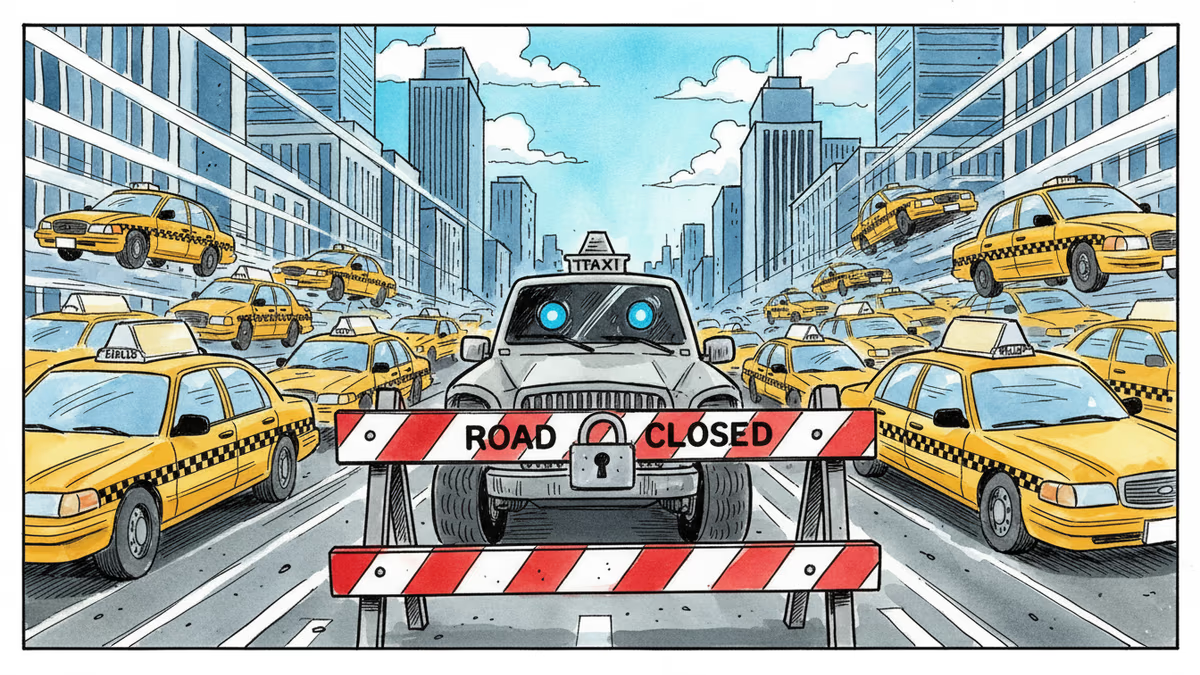
New York Governor Hochul withdrew a robotaxi legalization proposal, blocking Waymo's path to the nation's largest city. What this means for the autonomous vehicle industry's expansion strategy.
