
#Energy
Total 113 articles
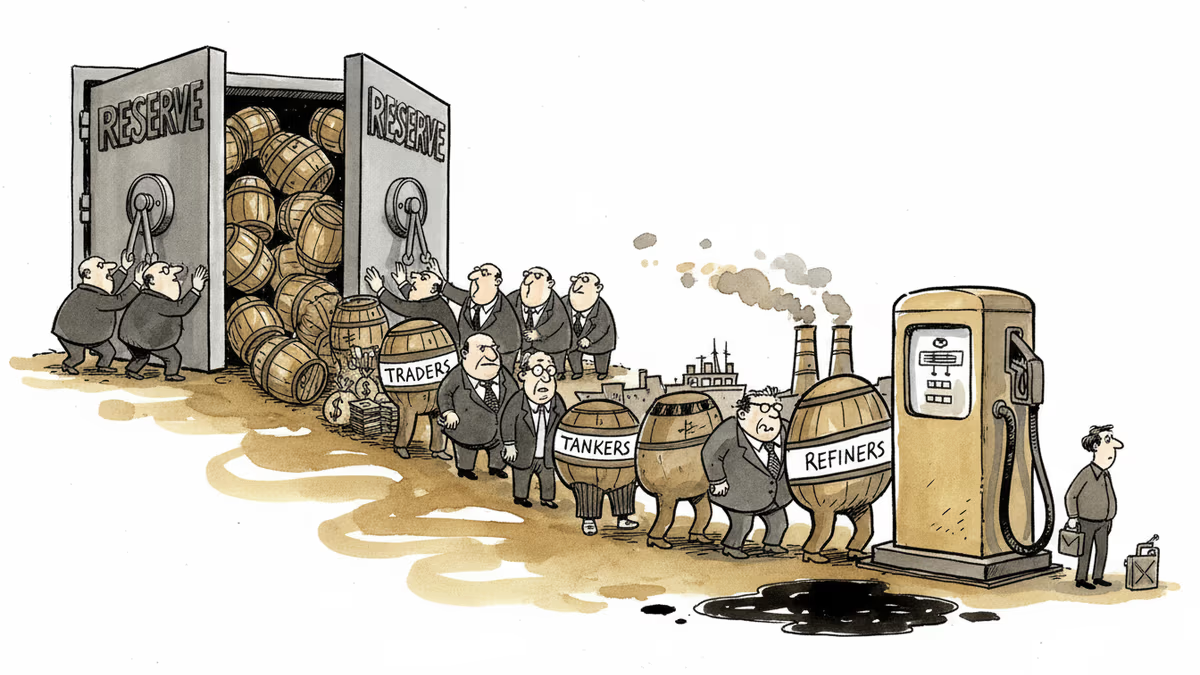
Governments are releasing 400 million barrels of strategic oil reserves to fight an energy shock. But the gap between headline numbers and your actual energy bill is wider than it looks.
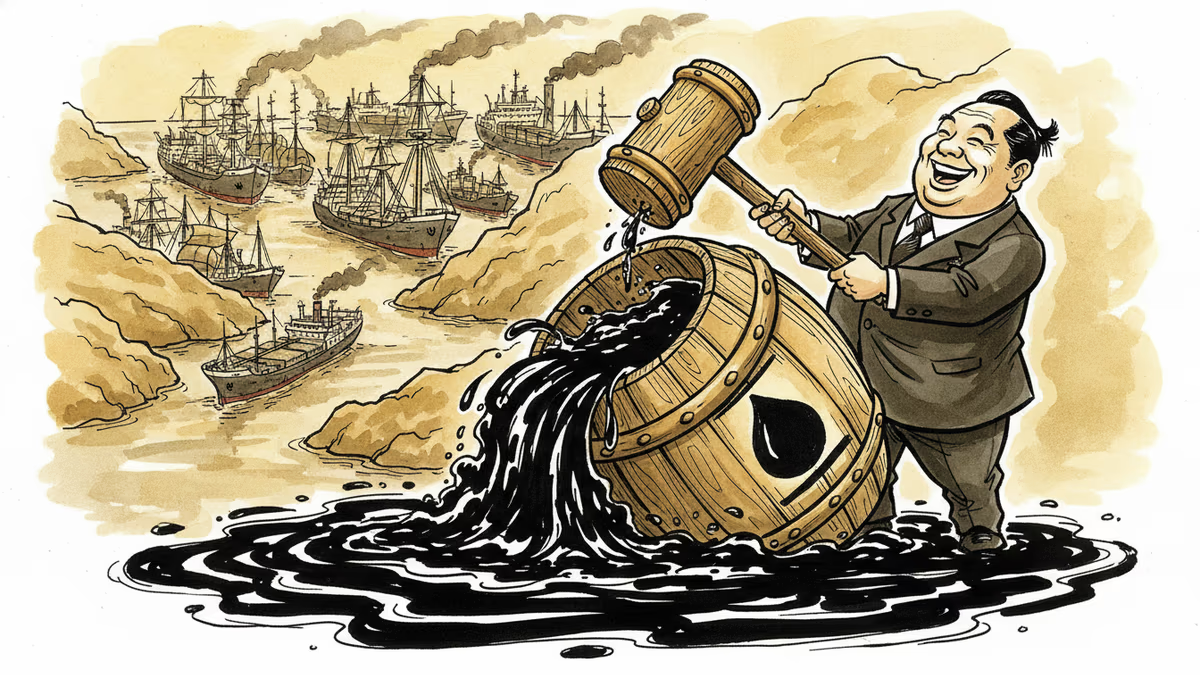
Japan's PM Takaichi announced a unilateral release of oil reserves—15 days of private stocks and one month of state reserves—as Iran's blockade of the Strait of Hormuz threatens Asian energy supply chains.
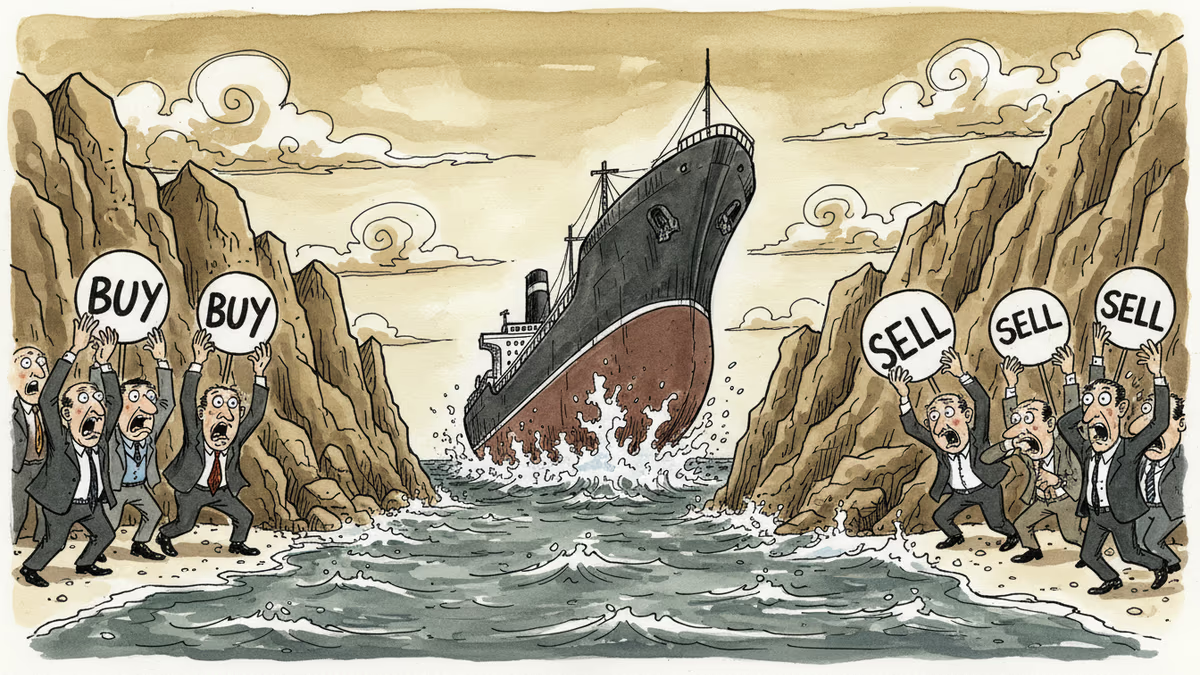
Oil prices are whipsawing on mixed signals about the Strait of Hormuz. With 20% of global seaborne oil flowing through a 39km chokepoint, here's what's actually at stake—and for whom.

PRISM by Liabooks
Place your ad in this space
[email protected]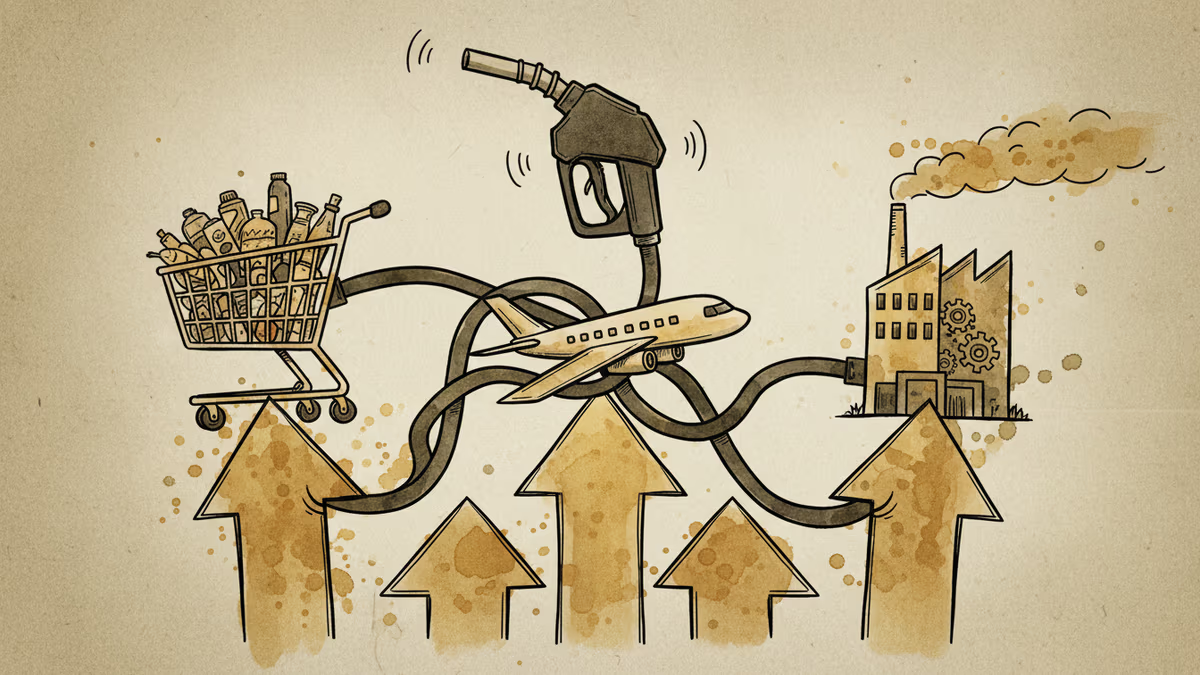
Soaring US fuel prices are rippling through the entire economy — from grocery bills to airline tickets. Here's who pays, who profits, and what the Fed can do about it.
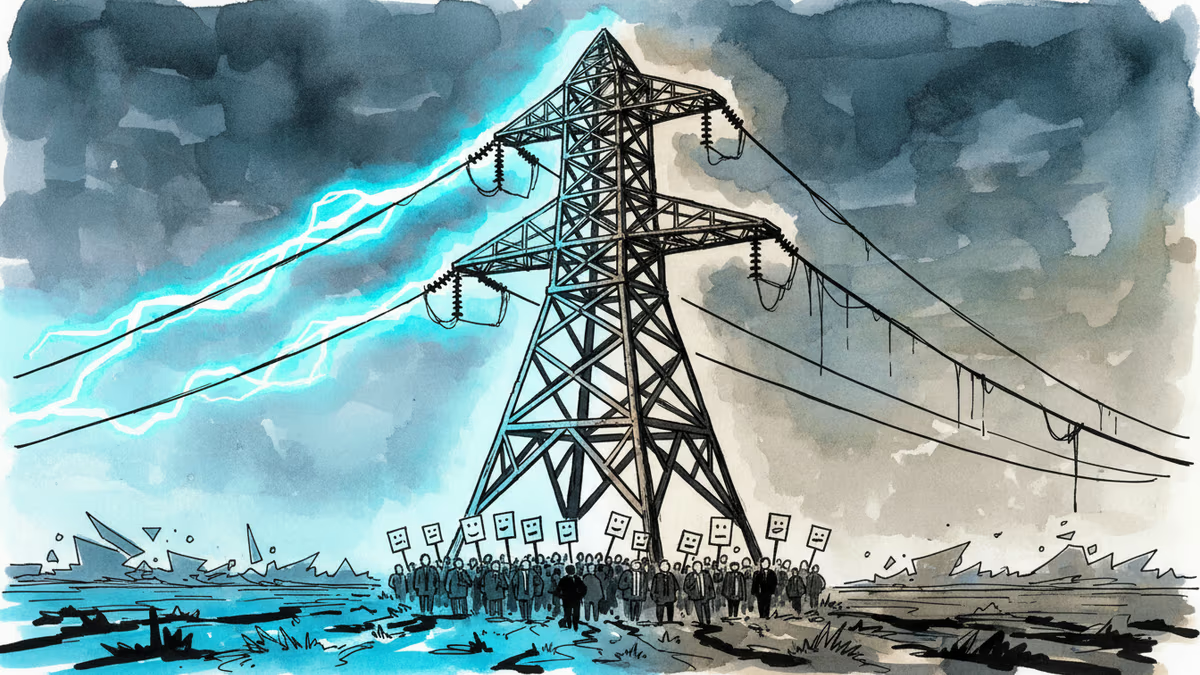
Google, Tesla, and five other companies just formed a coalition called Utilize to push for smarter use of the electrical grid. Is this genuine climate advocacy—or a lobbying play dressed in green?
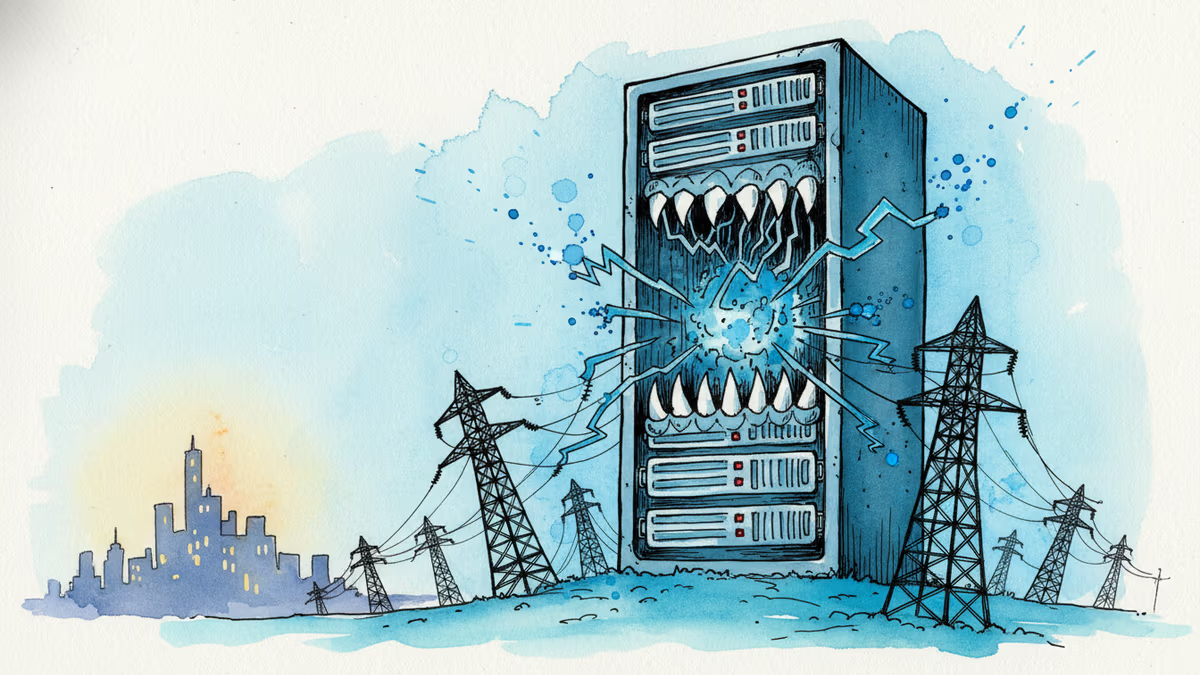
US data centers could consume 12% of national electricity by 2028. A new MIT Tech Review survey of 300 executives reveals energy costs are now the top threat to AI innovation.
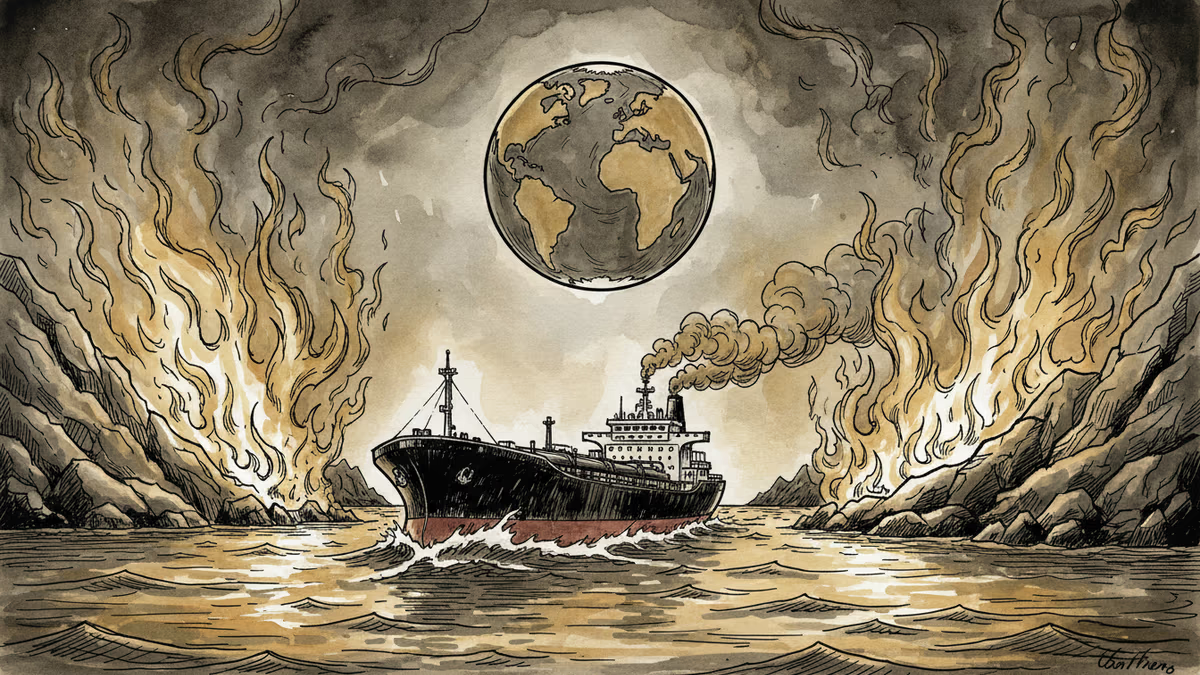
Saudi Aramco has warned of 'catastrophic consequences' if conflict with Iran escalates. Here's what that means for oil markets, global supply chains, and your energy bills.
PRISM by Liabooks
Place your ad in this space
[email protected]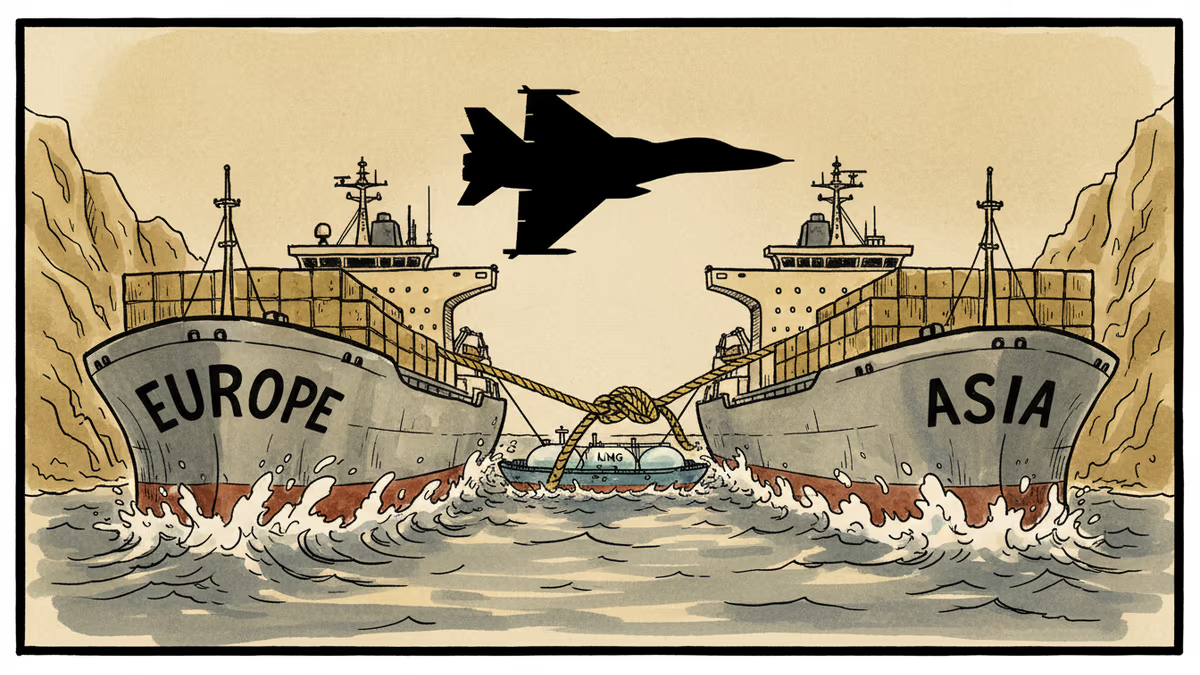
Iran's war is squeezing LNG supply through the Strait of Hormuz, forcing Europe and Asia into a direct bidding war. Here's who wins, who loses, and what it means for energy prices.
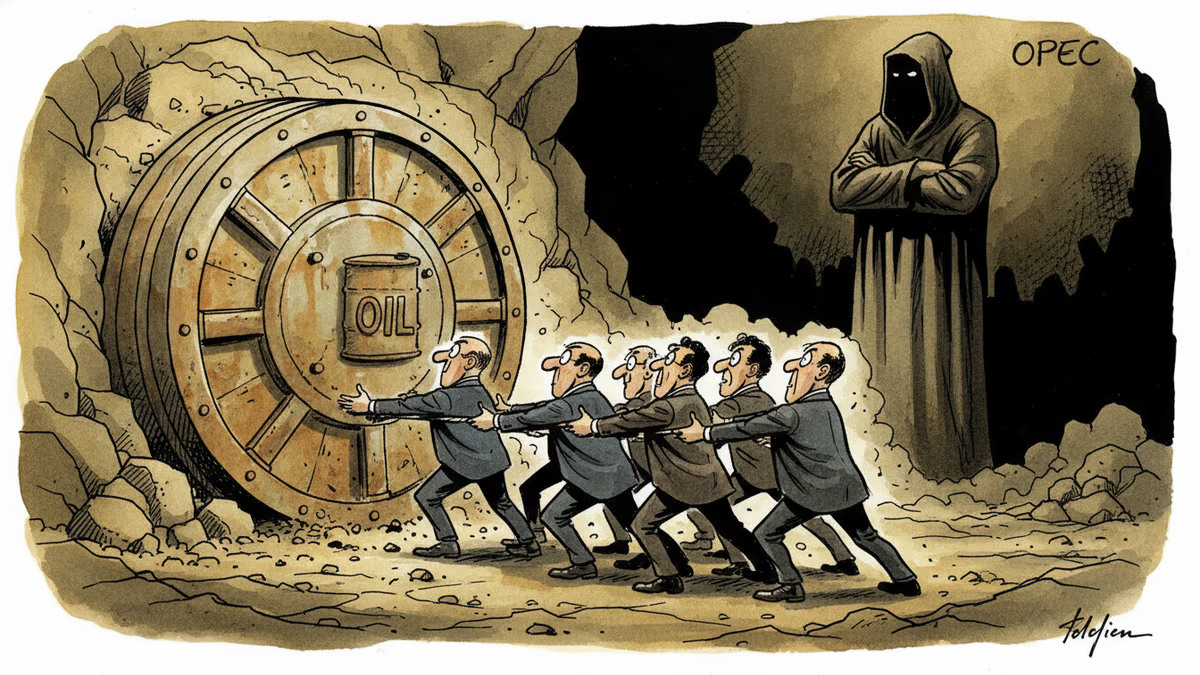
G7 nations are weighing a coordinated release of strategic petroleum reserves. History says the effect is real—but temporary. Here's what it means for energy markets and your wallet.
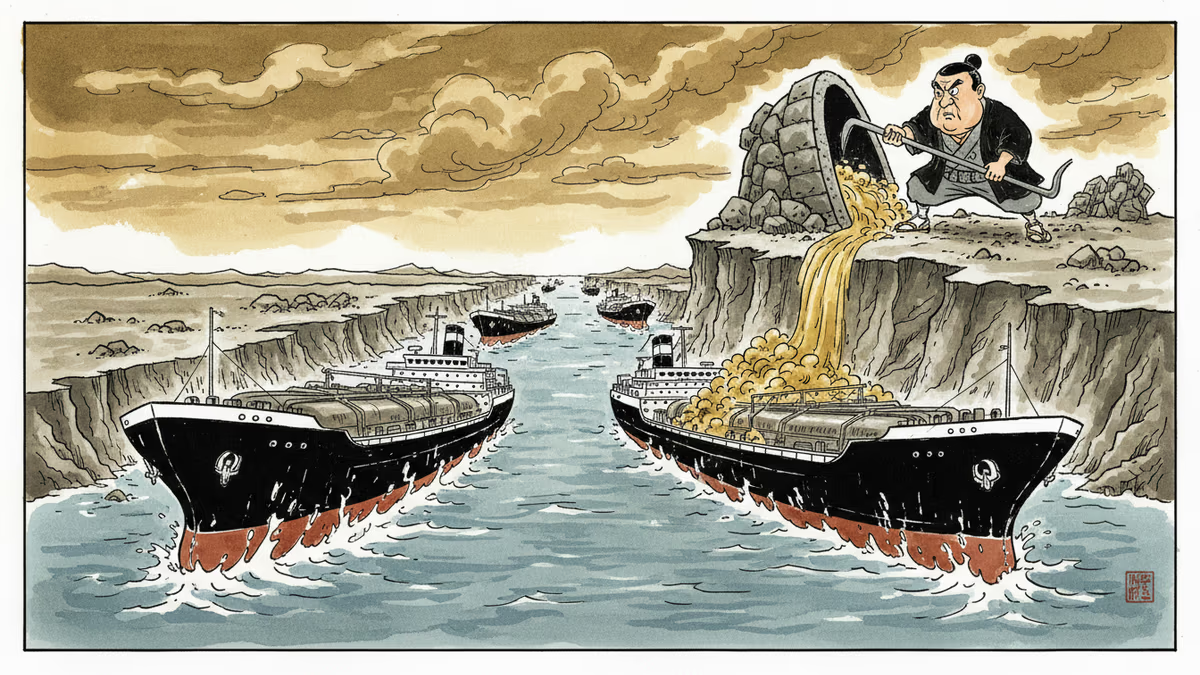
Japan has ordered preparations to release its strategic oil reserves as the Hormuz standoff threatens to cut off the crude supply that powers Asia's third-largest economy. Here's what it means for energy markets and your wallet.
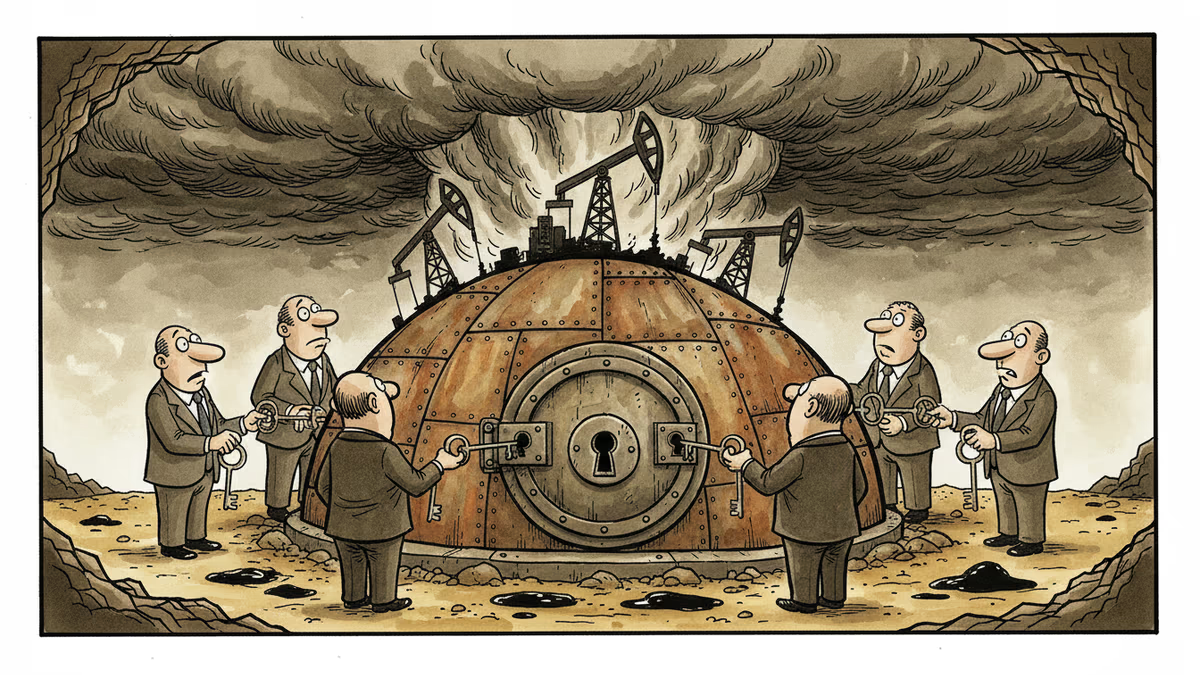
G7 nations signal readiness to release emergency oil reserves. Is this a stabilizing move—or a sign that something bigger is brewing in global energy markets?
PRISM by Liabooks
Place your ad in this space
[email protected]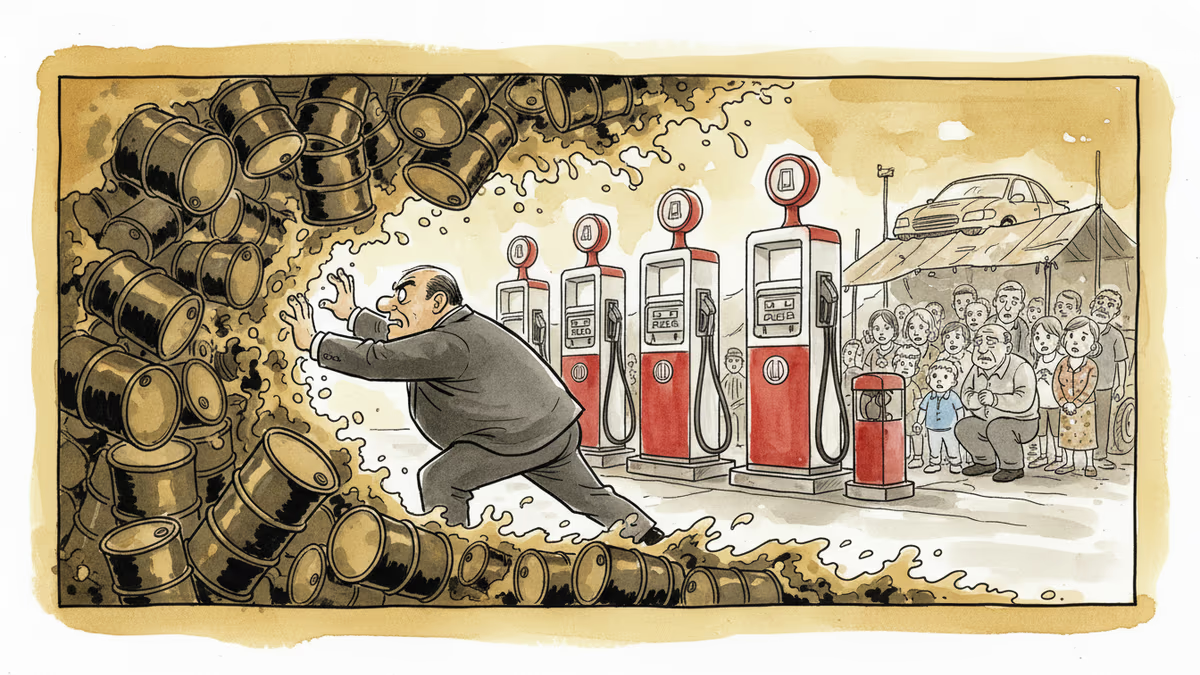
South Korea just capped fuel prices as crude surpasses $100 a barrel amid the Iran crisis. Japan is still deciding whether to release reserves. Who wins, who loses, and what history tells us about price controls.
