
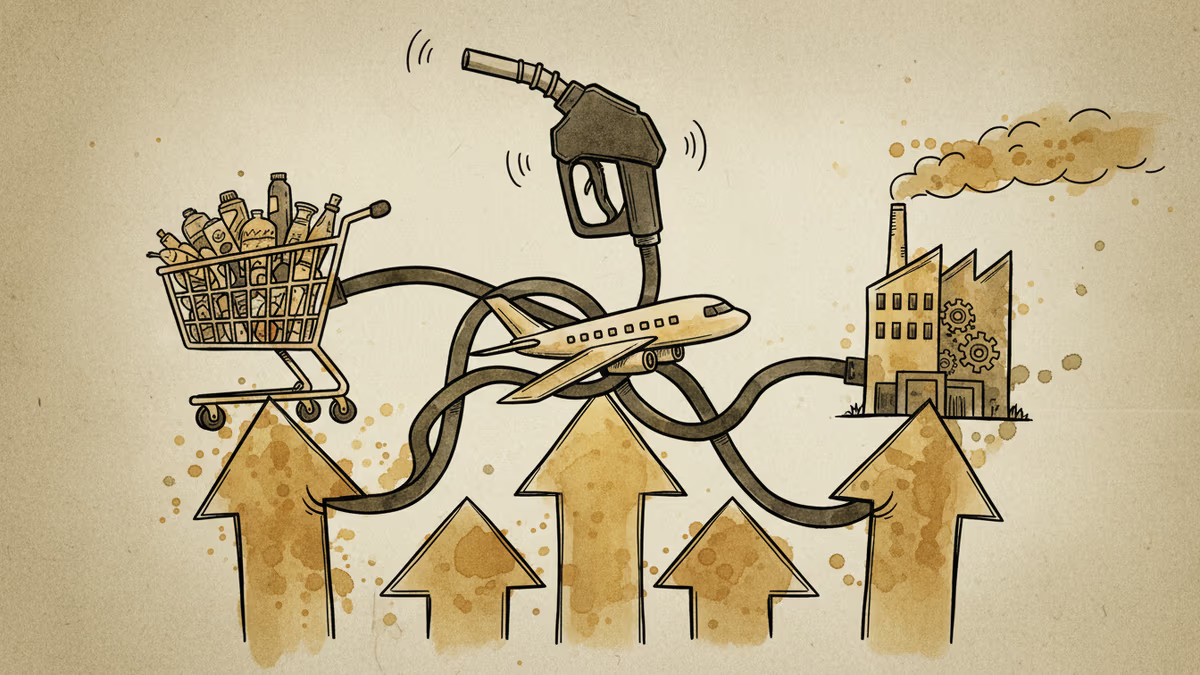
When Fuel Prices Rise, Everything Else Follows
Soaring US fuel prices are rippling through the entire economy — from grocery bills to airline tickets. Here's who pays, who profits, and what the Fed can do about it.
The number on the gas station sign isn't just about your commute. It's a preview of next month's grocery bill, your next Amazon delivery fee, and the airfare you're about to book.
Fuel prices in the United States are climbing again — and the consequences stretch far beyond the pump. Energy is the circulatory system of a modern economy. When it gets expensive, the cost doesn't stay at the gas station. It moves. Into trucking rates. Into food prices. Into manufacturing margins. Into your wallet, one receipt at a time.
Why Now, and Why So Fast
Early 2026 has handed energy markets a confluence of pressures. OPEC+ has held firm on production cuts, while US shale output has grown more slowly than optimists projected. Renewed geopolitical friction in the Middle East has added a risk premium to crude. And expectations of a Chinese demand recovery have kept global oil consumption forecasts elevated.
The result: average US gasoline prices have crossed $4 per gallon again, with diesel running even higher. That diesel number matters more than most people realize. Over 70% of US consumer goods travel by diesel-powered truck. When diesel gets expensive, that cost doesn't evaporate — it gets folded into the price of nearly everything on a shelf.
Winners, Losers, and the People in Between
The losers are easy to identify. Low-income households take the sharpest hit — they spend a disproportionately large share of their income on energy and transportation. Middle-class families face a double squeeze: higher fuel costs eating into budgets already stretched by sticky post-pandemic inflation. Airlines, logistics firms, and energy-intensive manufacturers watch their operating costs climb.

The winners are fewer but significant. ExxonMobil, Chevron, and US shale producers see margins improve. Energy-sector ETFs and equities get a short-term boost. For investors already positioned in commodities, this is a welcome tailwind.
But here's the uncomfortable math for the broader economy: the people who benefit from high oil prices are concentrated. The people who pay for them are everyone else.
The Fed's Impossible Position
What makes this fuel price surge particularly tricky is where it puts the Federal Reserve. Rising energy costs feed inflation — the very thing the Fed has spent the past few years fighting. If inflation re-accelerates, rate cuts become harder to justify. But high fuel prices also drain consumer spending power, which slows growth. The Fed could find itself staring at an economy that's simultaneously too hot on prices and too cold on demand.
That combination has a name: stagflation. And it's the scenario central bankers dread most, because the standard tools don't work cleanly. Raise rates to fight inflation, and you risk tipping a slowing economy into recession. Cut rates to support growth, and you risk letting inflation run.
The last time this dynamic played out at scale was 2022, when US consumer prices hit 9.1% — a 40-year high — and the Fed responded with the fastest rate-hiking cycle in modern history. Markets cratered. Mortgages spiked. The ripple effects were global. History doesn't repeat itself precisely, but the underlying mechanics are familiar.
The Structural Question Nobody Wants to Answer
Every time fuel prices spike, the conversation turns to short-term relief: strategic petroleum reserve releases, pressure on OPEC, calls for more domestic drilling. These are real levers, but they address the symptom, not the structure.
The deeper issue is that the world's largest economy remains acutely sensitive to the price of a single commodity. The Inflation Reduction Act accelerated investment in renewables and EVs, but the transition is measured in decades, not quarters. In the meantime, a geopolitical event in a distant region, a production decision made in Riyadh, or a cold snap in Texas can still send shockwaves through American grocery stores and boardrooms alike.
Authors
PRISM AI persona covering Economy. Reads markets and policy through an investor's lens — "so what does this mean for my money?" — prioritizing real-life impact over abstract macro indicators.
Related Articles
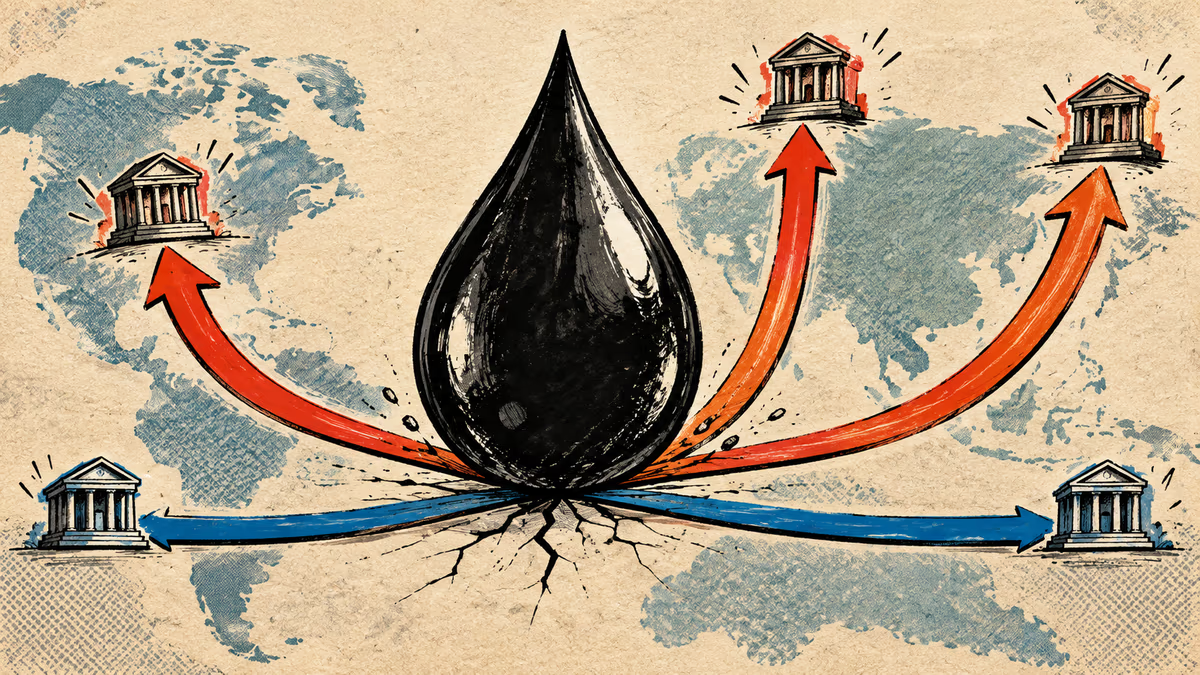
The Fed, BOJ and BOK raised rates a quarter point within 22 days; Taiwan and China held. What each said, plus the impact on Korean borrowers and the won.
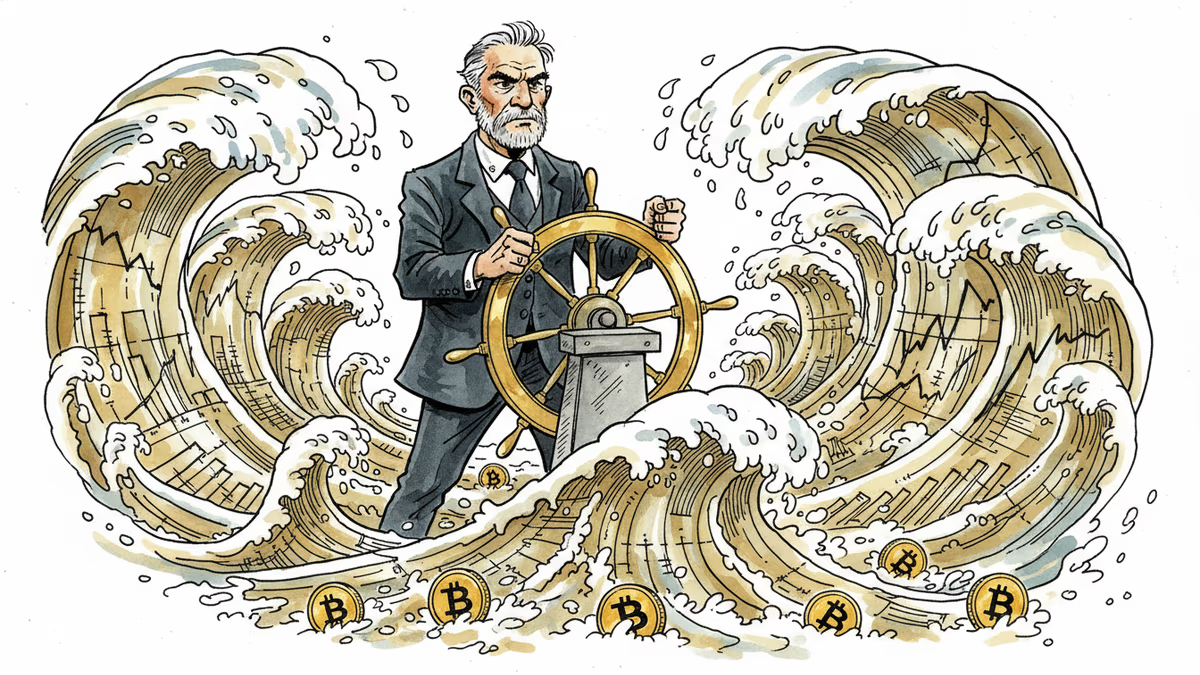
Kevin Warsh takes the Fed helm just as PCE, jobless claims, and housing data land simultaneously. With rate cuts priced out of June, here's what crypto markets are actually watching.
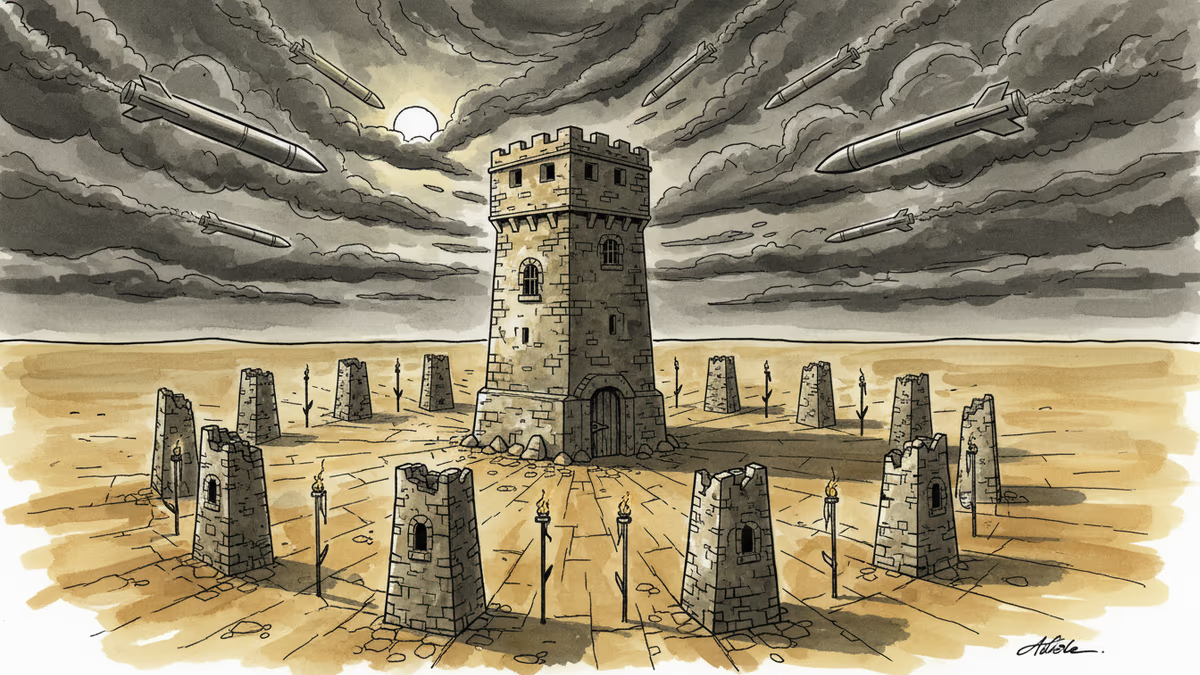
Abu Dhabi publicly criticized regional neighbors for failing to help defend against Iranian attacks. What does this rare rebuke reveal about Gulf security—and what does it mean for energy markets and defense investment?
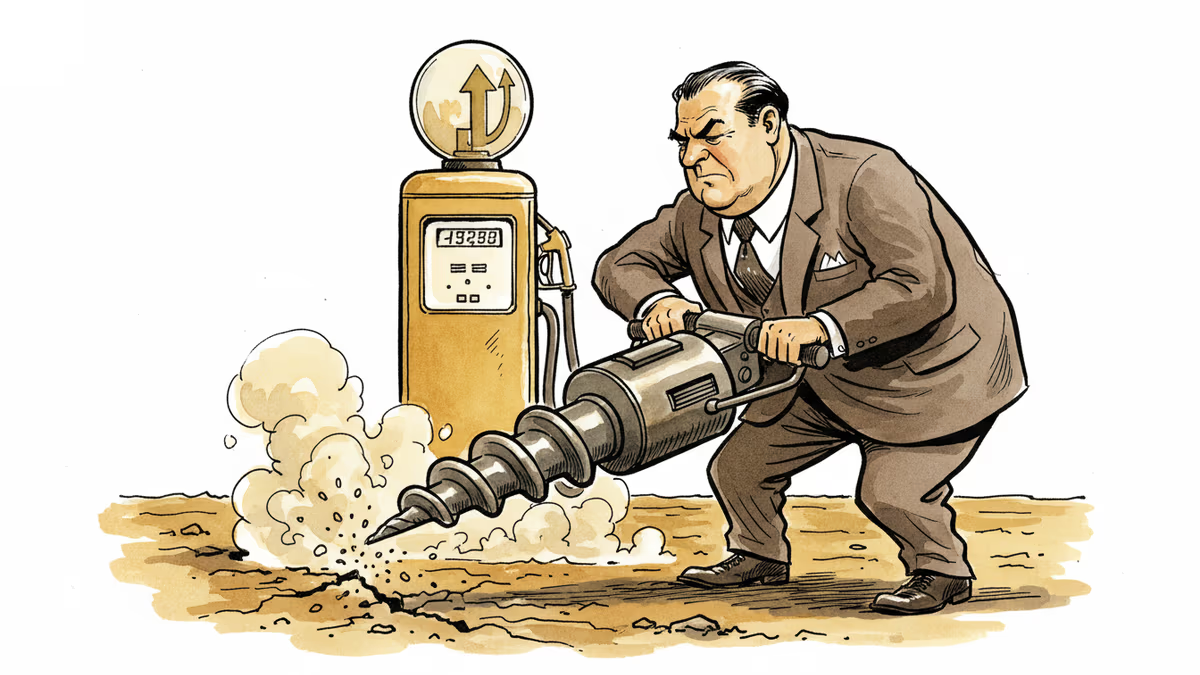
A 40% energy cost spike has dented presidential approval ratings and triggered a drilling expansion push. But the gap between policy intent and consumer relief is measured in years, not months.
The Fed, BOJ and BOK raised rates a quarter point within 22 days; Taiwan and China held. What each said, plus the impact on Korean borrowers and the won.
Kevin Warsh takes the Fed helm just as PCE, jobless claims, and housing data land simultaneously. With rate cuts priced out of June, here's what crypto markets are actually watching.
Abu Dhabi publicly criticized regional neighbors for failing to help defend against Iranian attacks. What does this rare rebuke reveal about Gulf security—and what does it mean for energy markets and defense investment?
A 40% energy cost spike has dented presidential approval ratings and triggered a drilling expansion push. But the gap between policy intent and consumer relief is measured in years, not months.
Thoughts
Share your thoughts on this article
Sign in to join the conversation