
#US Economy
Total 74 articles
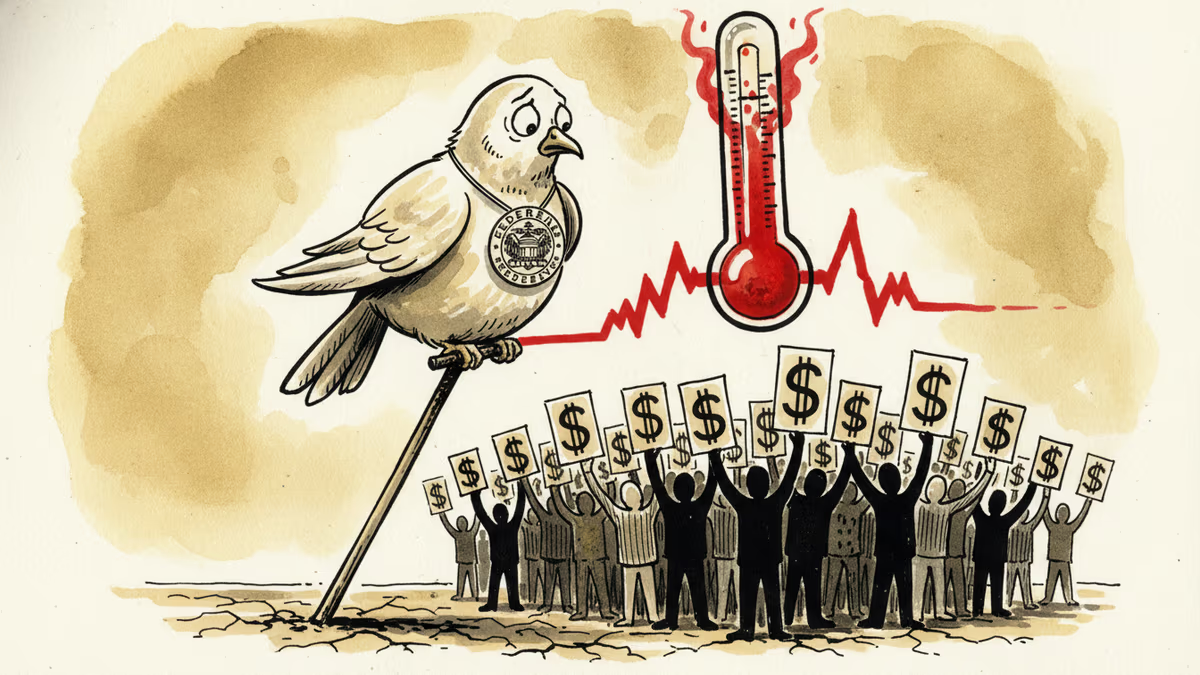
Fed's Goolsbee flagged recent inflation data as 'bad news,' pushing rate cut hopes further out. What that means for mortgages, markets, and your portfolio.
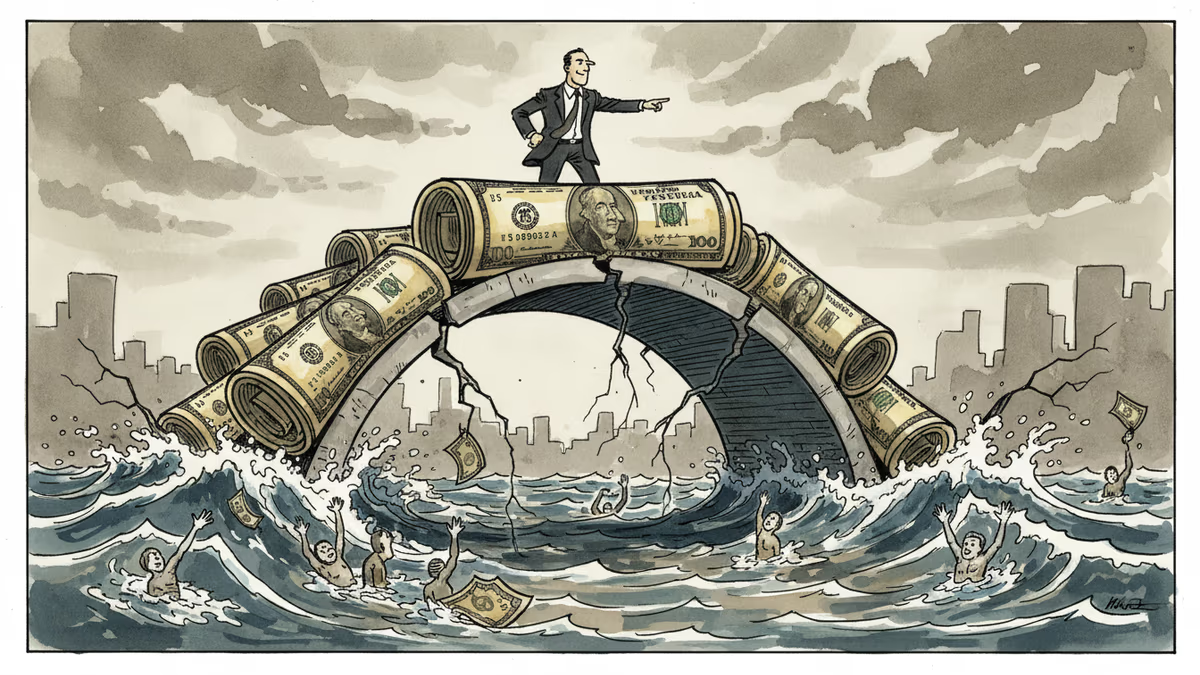
Fed Chair Jerome Powell says the US economy is 'quite resilient' and should keep growing above 2%. But whose resilience? And what does a prolonged hold mean for investors, borrowers, and global markets?
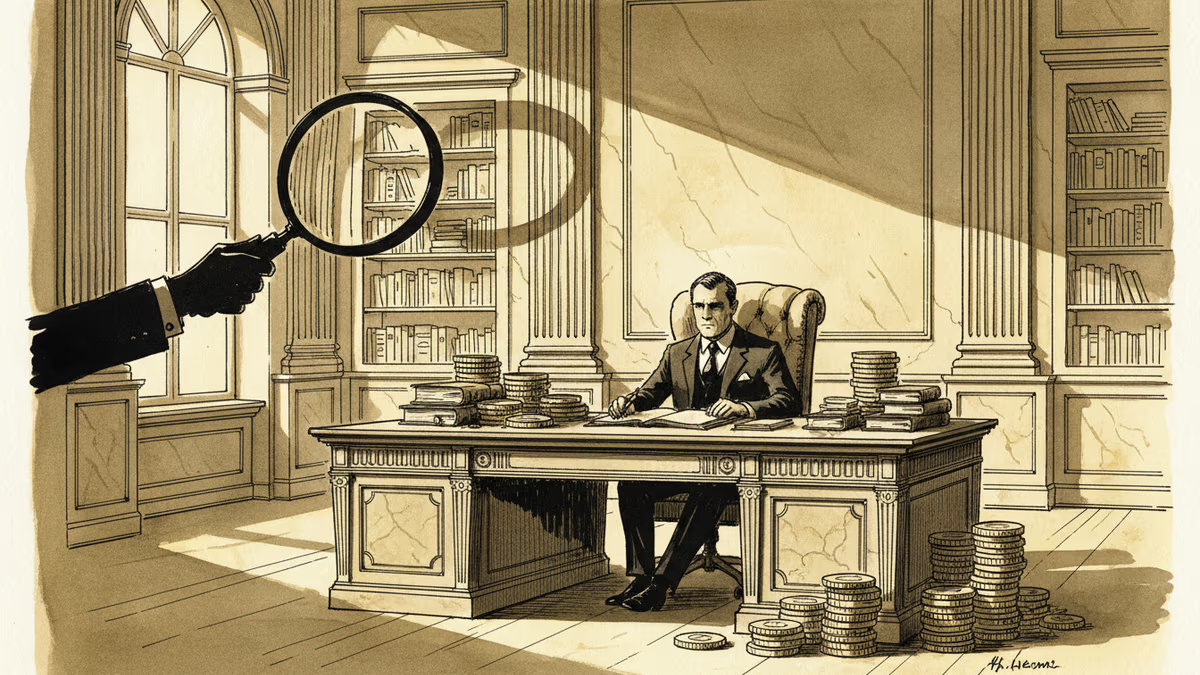
Trump backs off firing Fed Chair Powell but keeps the DOJ investigation alive. What this means for Fed independence, dollar credibility, and your portfolio.

PRISM by Liabooks
Place your ad in this space
[email protected]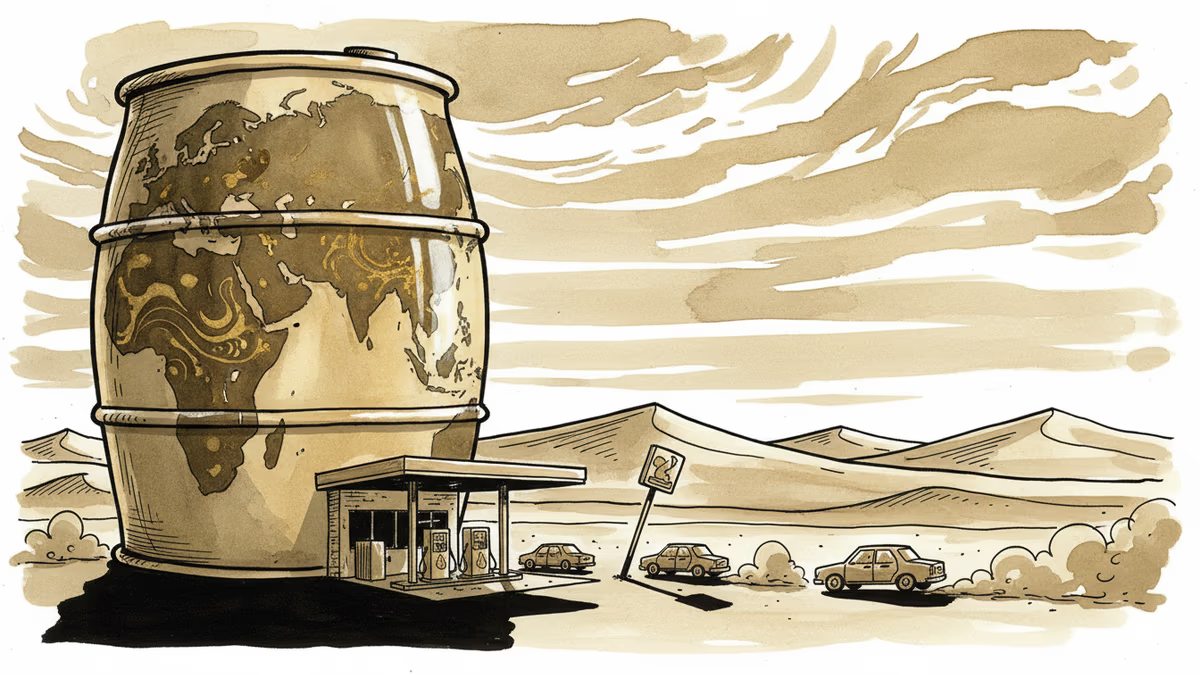
Geopolitical tension over Iran is pushing fuel prices higher across the US, changing driver behavior from Boston to Denver—and the ripple effects go far beyond the pump.
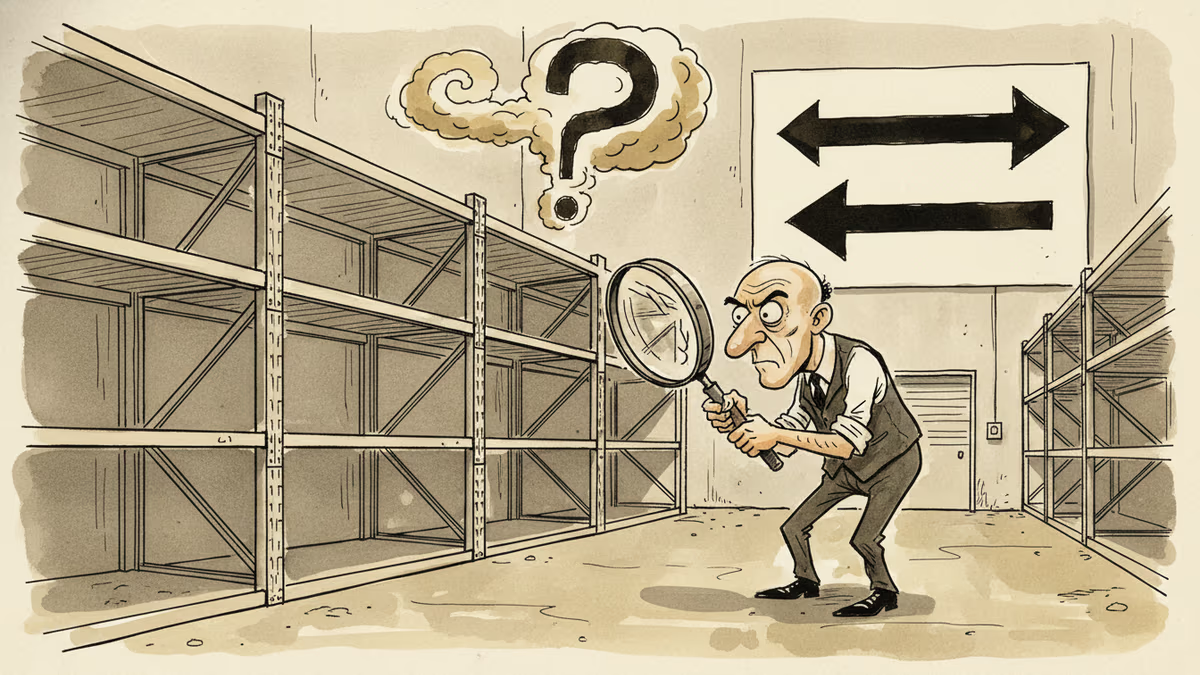
US business inventories fell unexpectedly in January. Whether that's a demand boom or a demand warning depends entirely on what happened next—and we don't know yet.
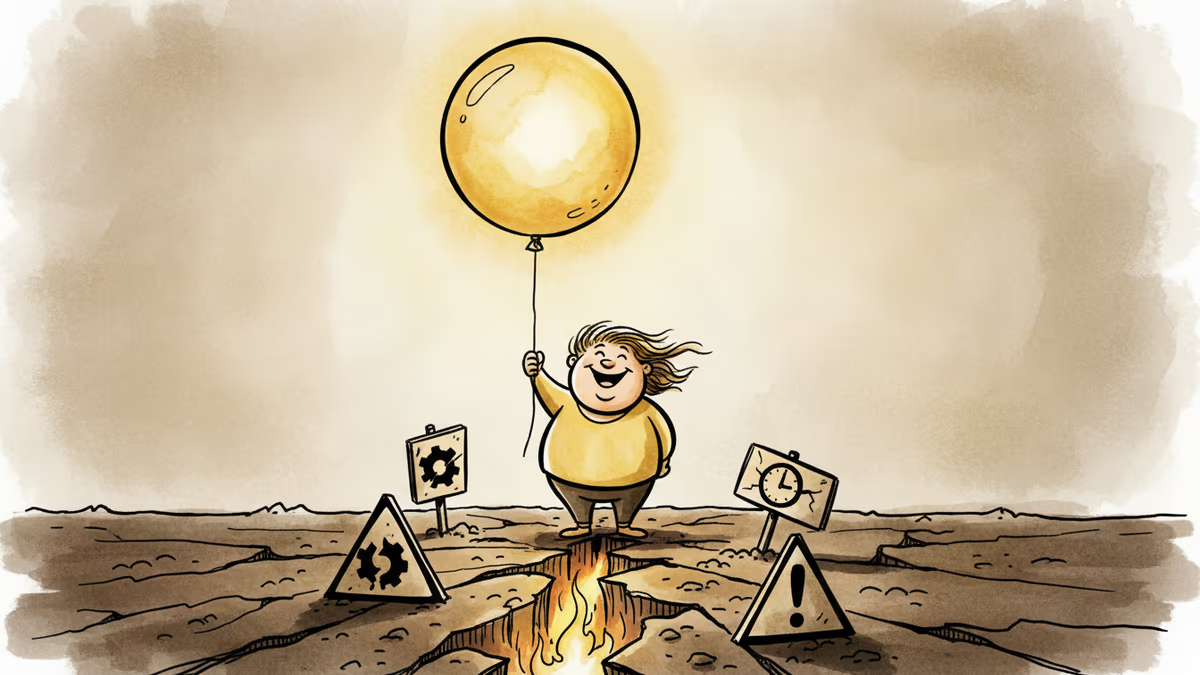
US consumer confidence ticked up in March, but job openings and hiring fell sharply. When sentiment and behavior diverge, which signal should investors trust?
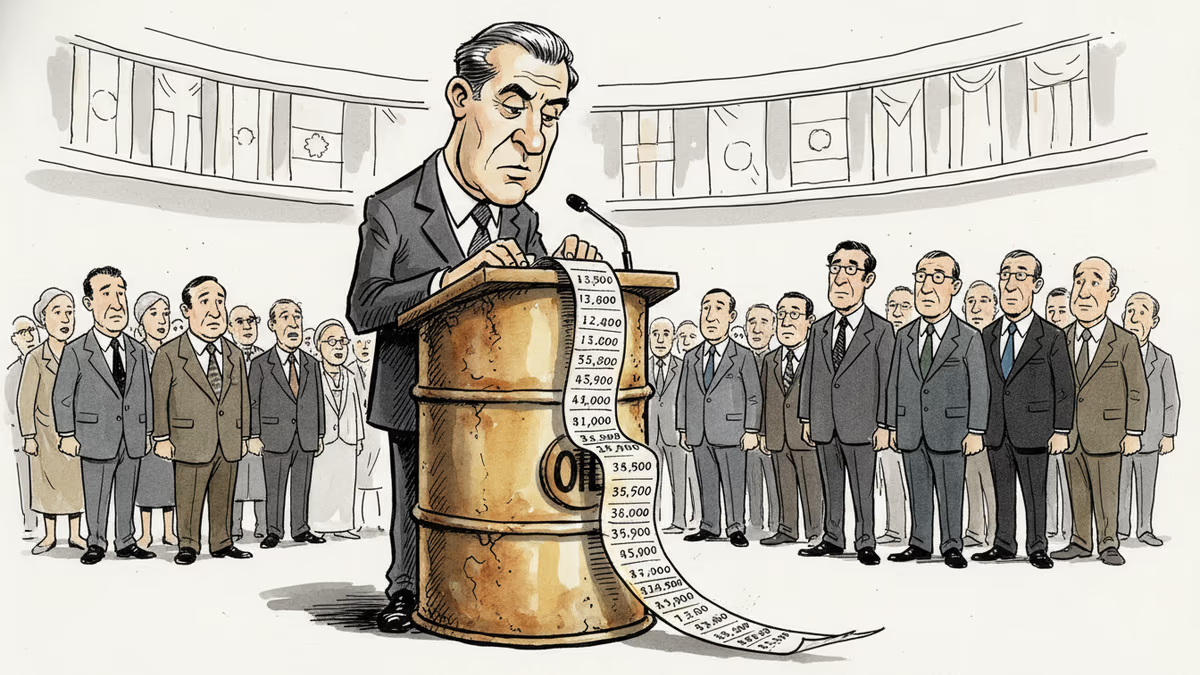
A pattern is emerging: US policy pivots on Iran, tariffs, and energy appear to track crude oil prices with striking consistency. What does it mean when markets may be steering the presidency?
PRISM by Liabooks
Place your ad in this space
[email protected]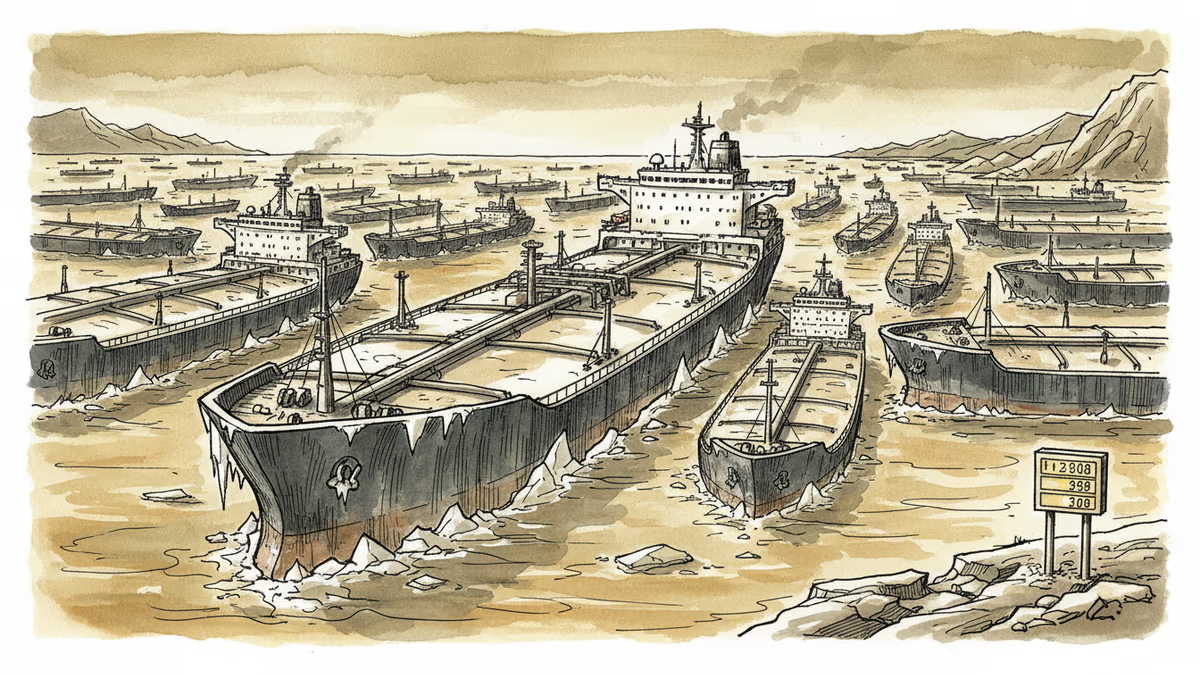
Iran's closure of the Strait of Hormuz has sent oil past $100 a barrel. With the US economy already flashing warning signs, how close are we to a recession—and who wins and loses in a world of $150 oil?
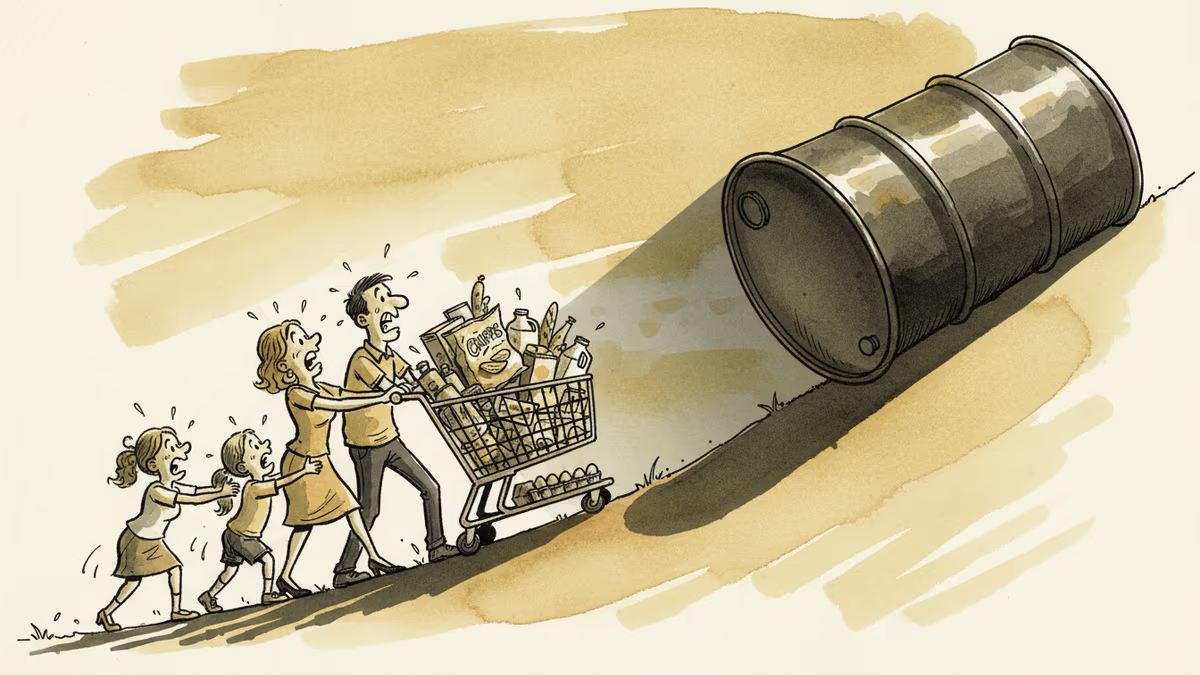
January's PCE data was already running hot before the U.S. struck Iran. Now crude oil has surged roughly 70% in days. Here's what that means for your wallet—and the Fed's impossible choice.
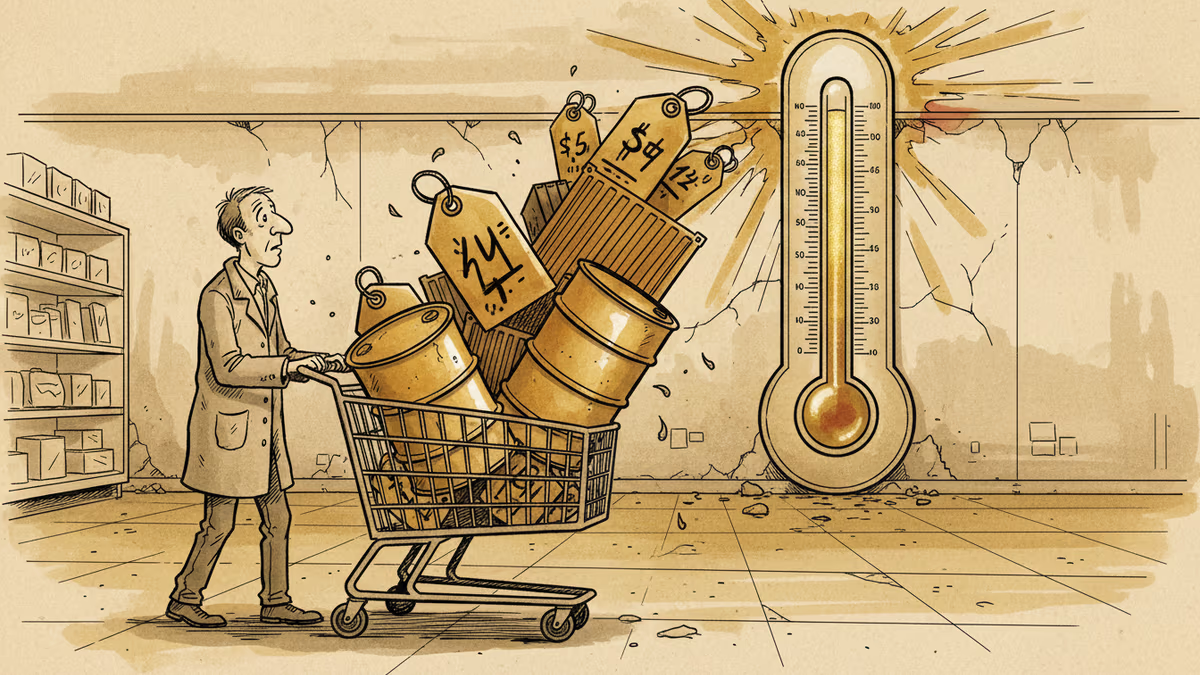
US consumer prices likely climbed again in February as tariff pressures and Iran tensions push inflation back into focus. What it means for your wallet, your rates, and your portfolio.
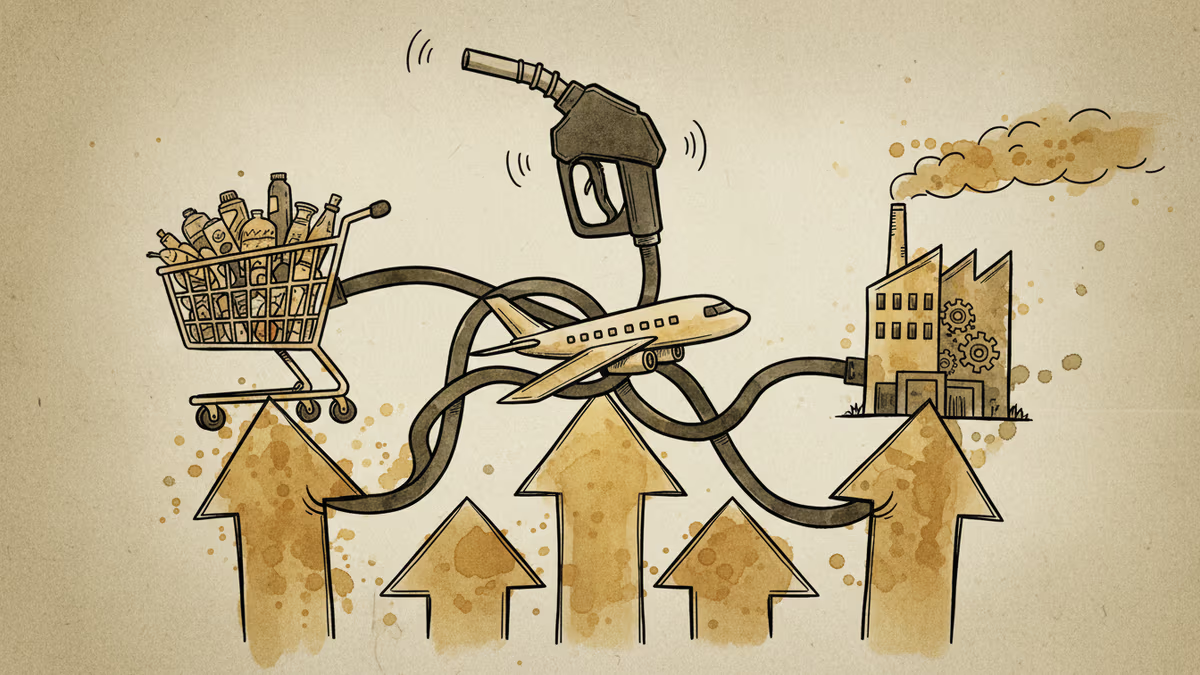
Soaring US fuel prices are rippling through the entire economy — from grocery bills to airline tickets. Here's who pays, who profits, and what the Fed can do about it.
PRISM by Liabooks
Place your ad in this space
[email protected]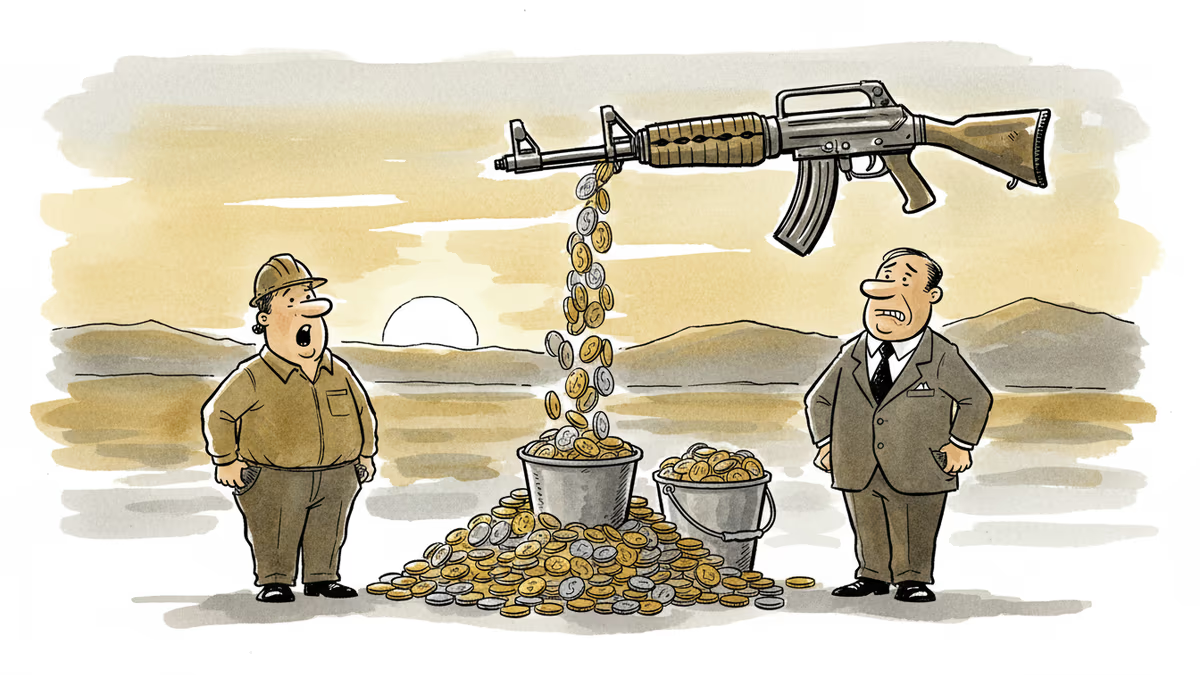
Rising gasoline prices and stock market volatility are squeezing US consumers across the income spectrum as geopolitical conflict drags on. Here's who pays, and how.
