
#Inflation
Total 103 articles
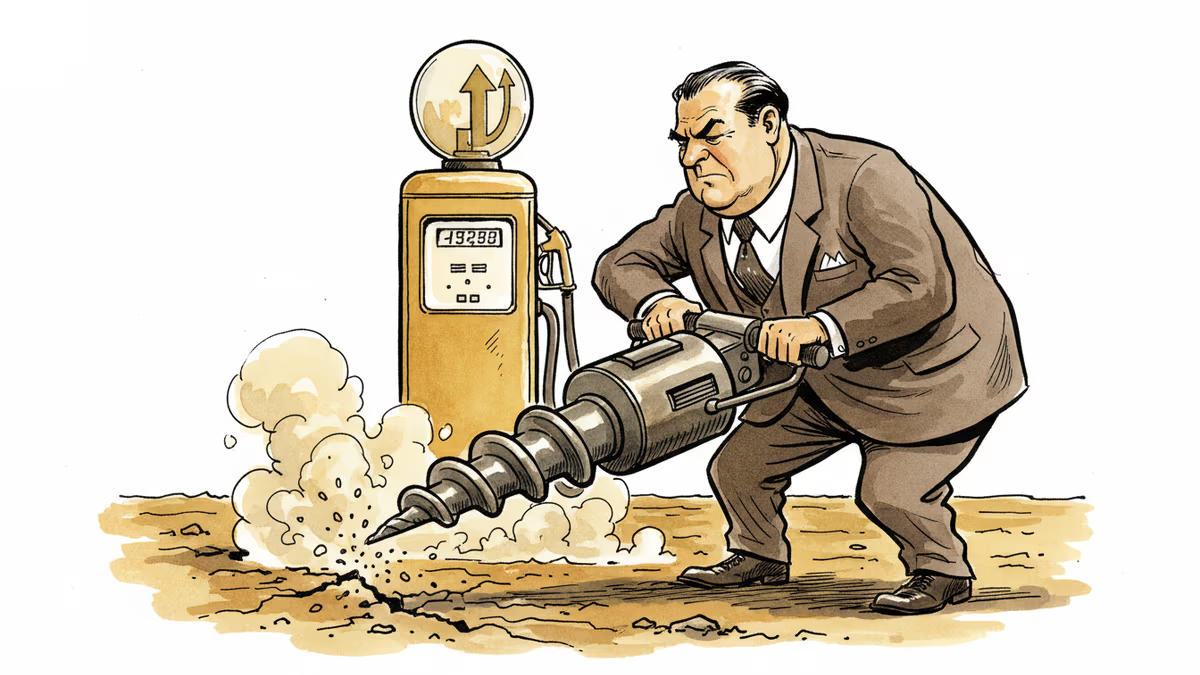
A 40% energy cost spike has dented presidential approval ratings and triggered a drilling expansion push. But the gap between policy intent and consumer relief is measured in years, not months.
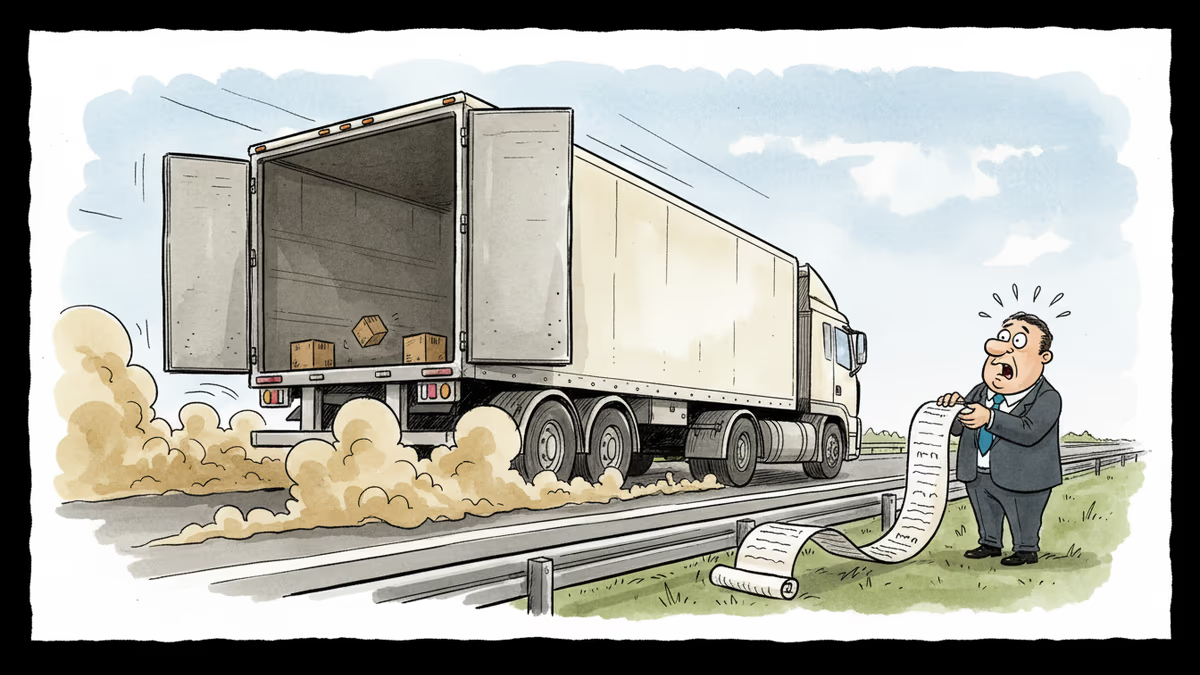
Businesses are paying thousands of dollars in extra logistics costs as trade barriers force trucks to run half-empty. Here's who pays, who profits, and what it means for prices.
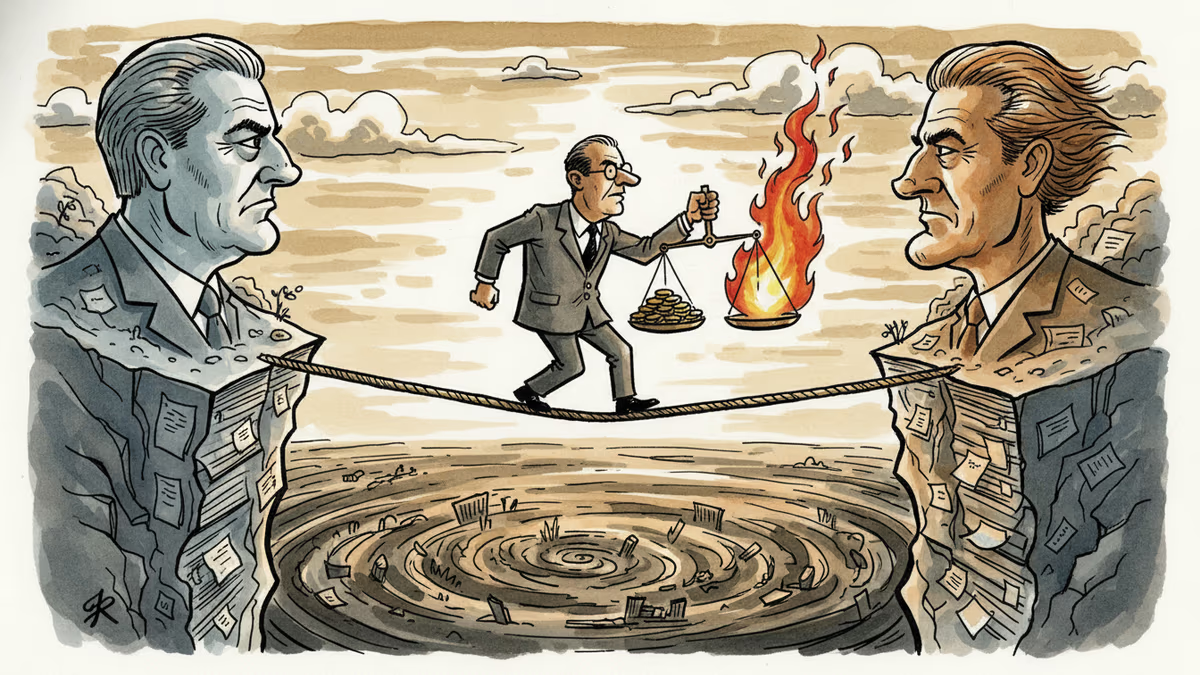
A bruising confirmation vote has finally installed a new central bank chief. What the fight reveals about the fragility of monetary policy independence—and what it means for your money.

PRISM by Liabooks
Place your ad in this space
[email protected]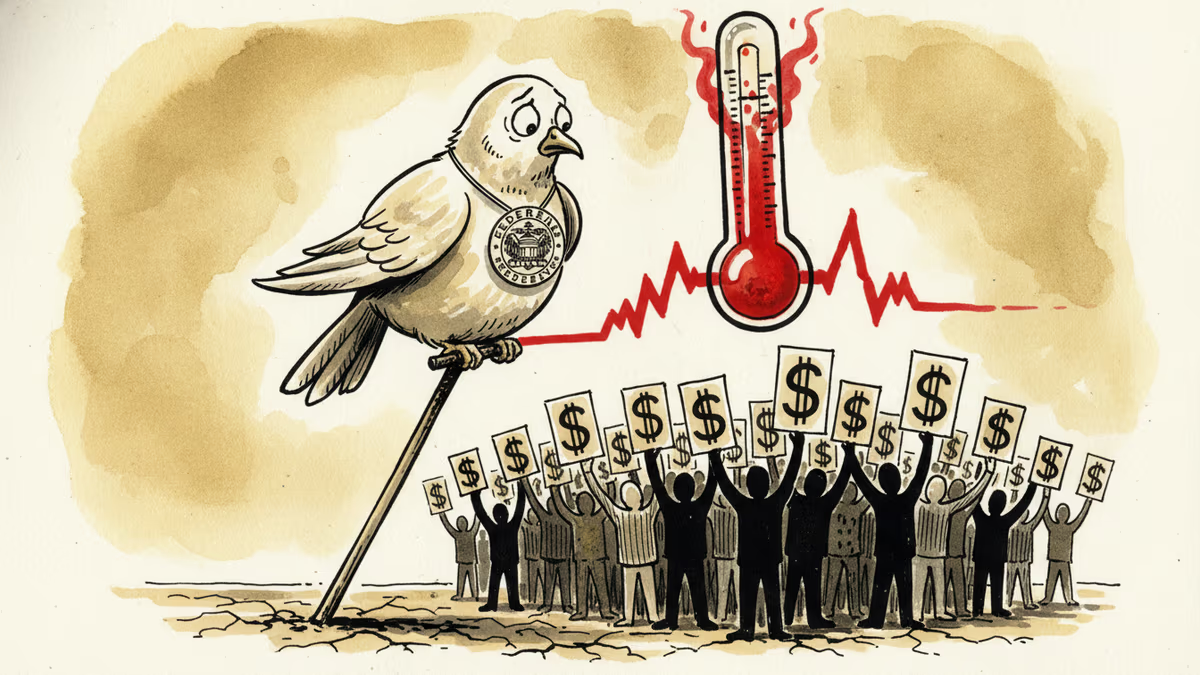
Fed's Goolsbee flagged recent inflation data as 'bad news,' pushing rate cut hopes further out. What that means for mortgages, markets, and your portfolio.
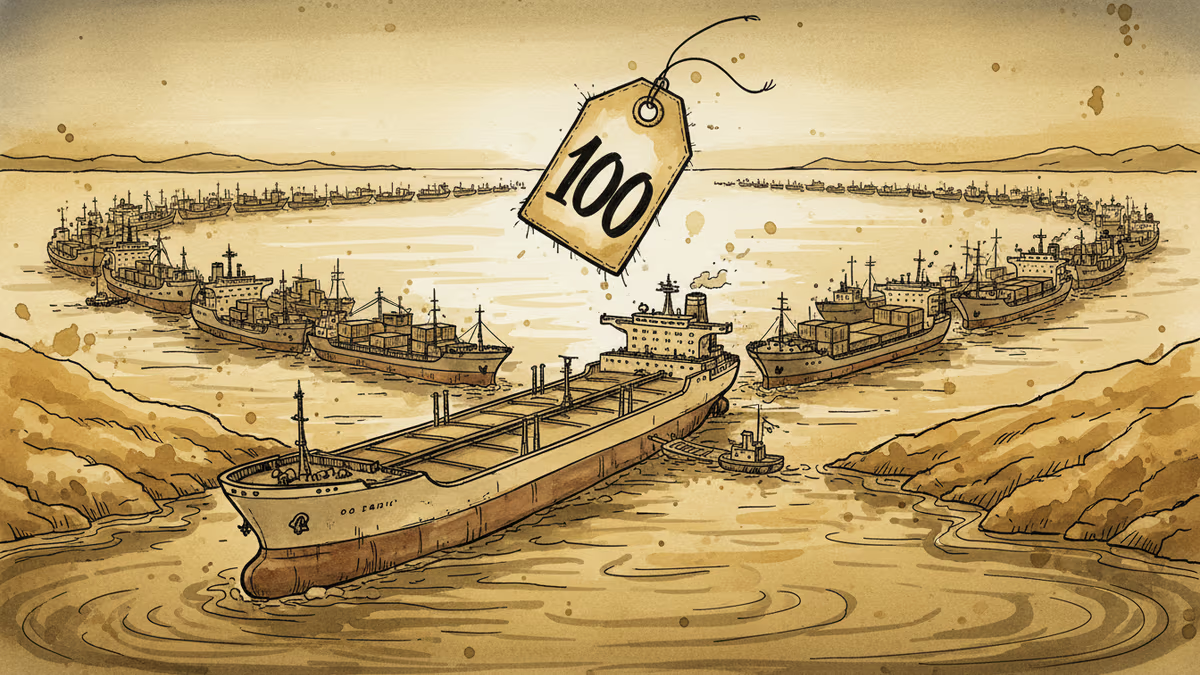
Barclays raised its 2026 Brent crude forecast to $100/barrel, citing prolonged Hormuz disruption. Here's what that means for energy markets, inflation, and your energy bill.
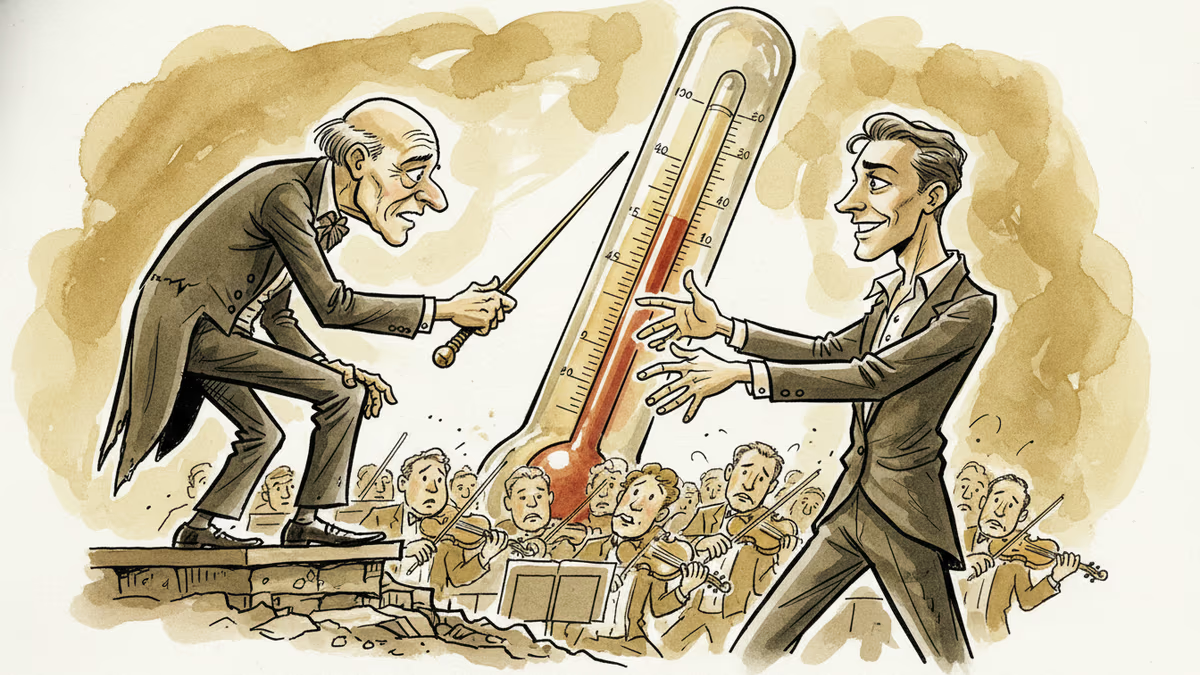
The Fed held rates at 3.50-3.75% for a fourth straight meeting. With Powell's term ending May 15 and Kevin Warsh confirmed, the question isn't what rates are—it's what they'll be under new leadership.
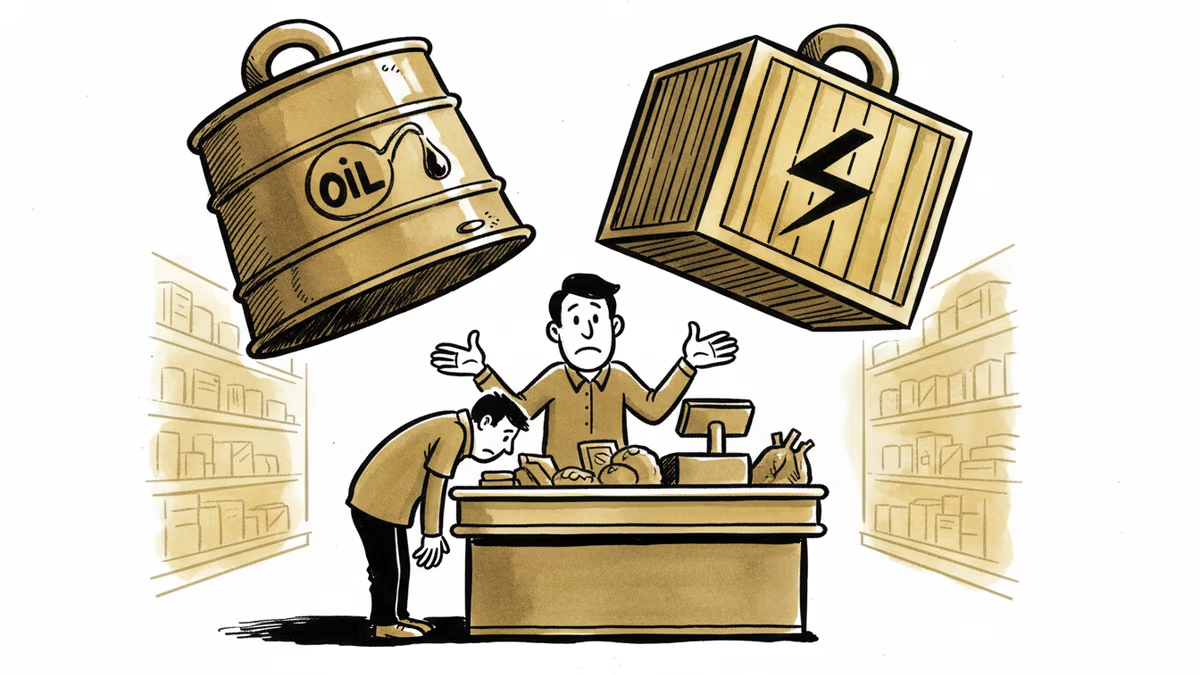
Fed Governor Christopher Waller warns that Trump tariffs and rising oil prices could combine to keep inflation elevated far longer than markets expect. Here's what that means for your wallet.
PRISM by Liabooks
Place your ad in this space
[email protected]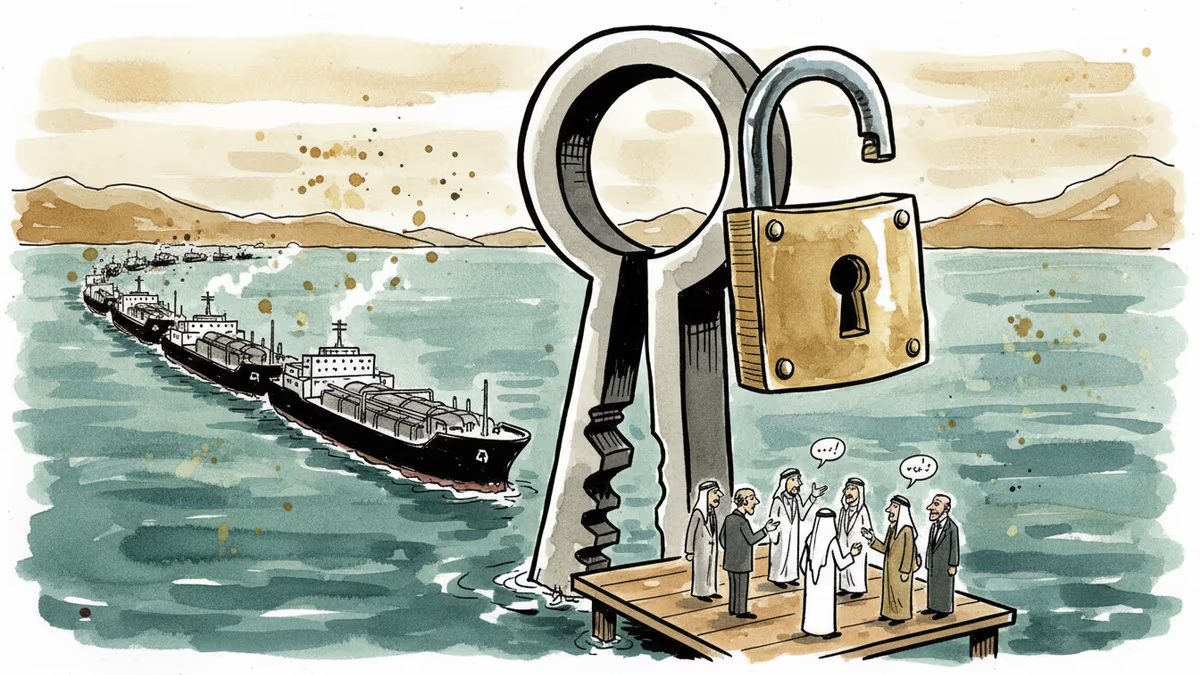
Crude prices stabilized on hopes of a deal to reopen the Strait of Hormuz. Here's what's really at stake, who wins, who loses, and why the calm may not last.
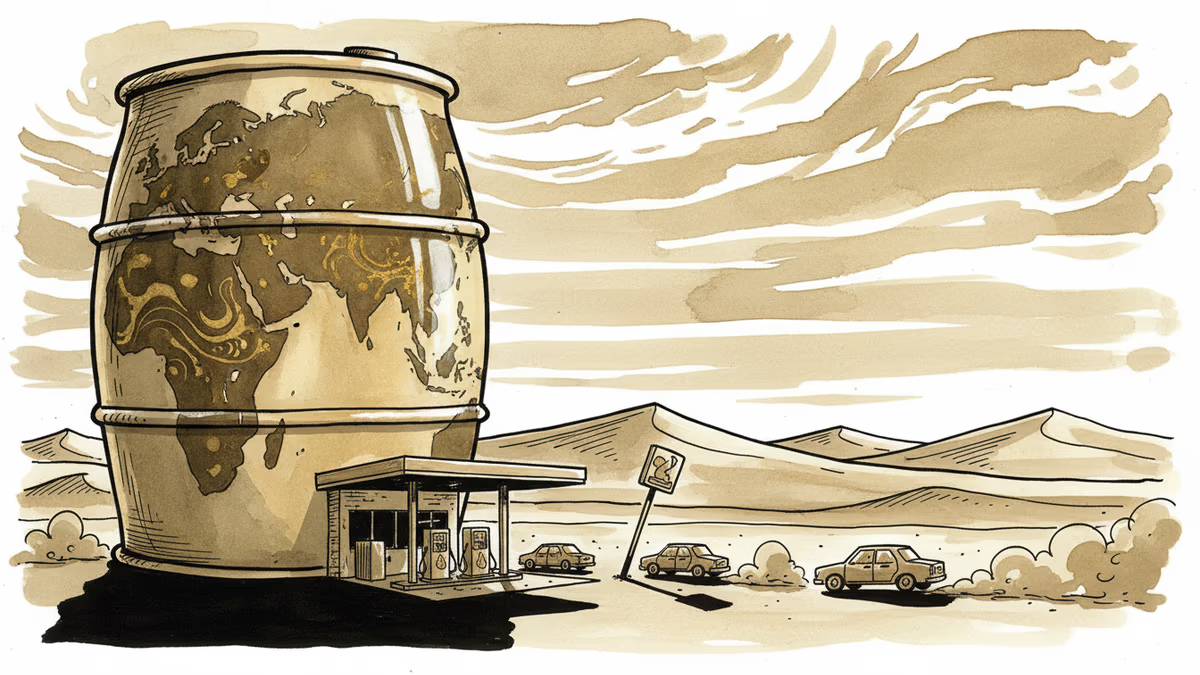
Geopolitical tension over Iran is pushing fuel prices higher across the US, changing driver behavior from Boston to Denver—and the ripple effects go far beyond the pump.
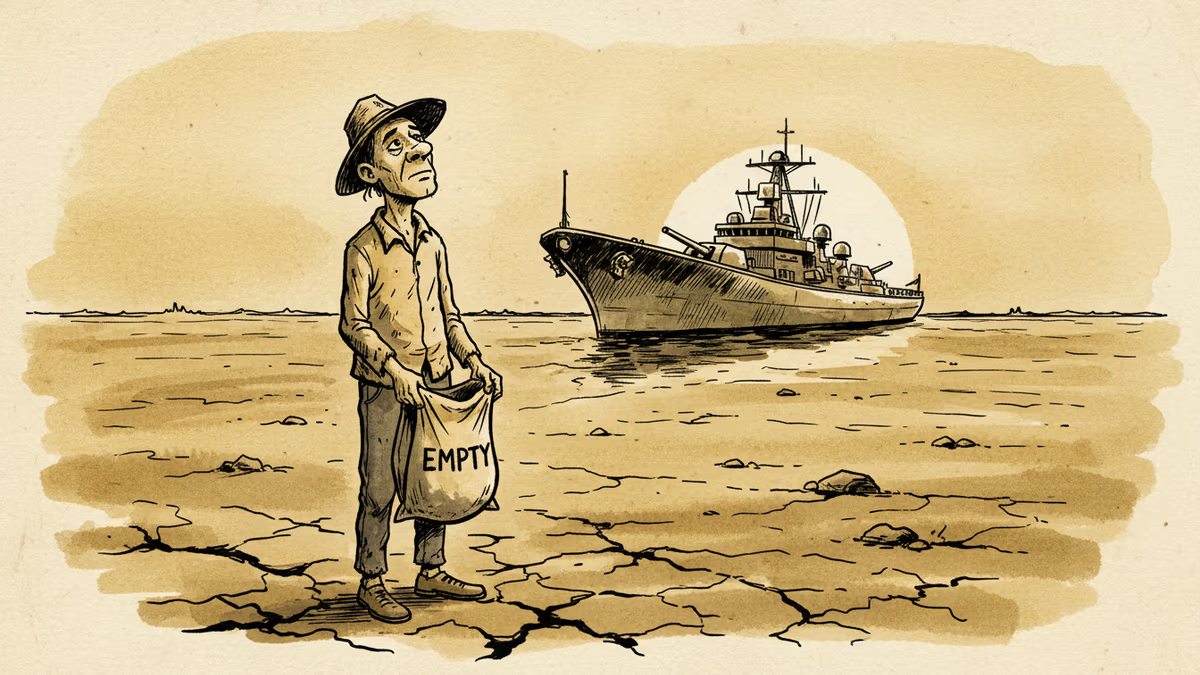
The Strait of Hormuz closure didn't just cut oil. It's strangling the world's fertilizer supply—and that means food prices are coming for everyone, everywhere.
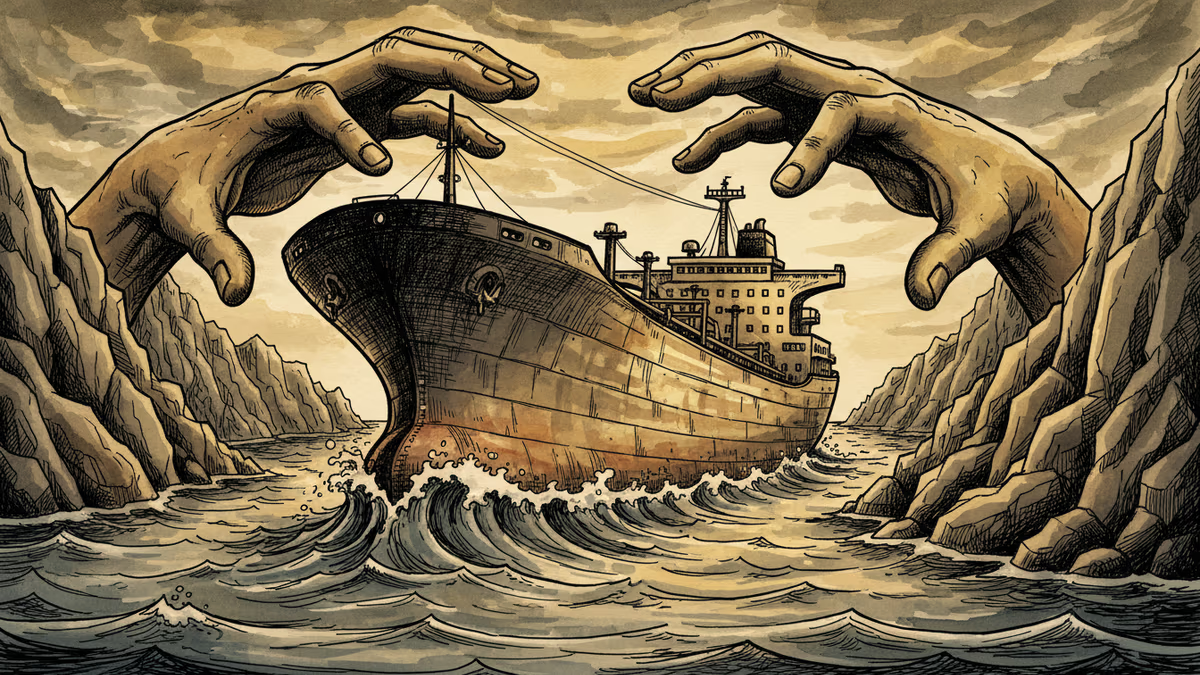
The Strait of Hormuz carries 20% of the world's seaborne oil. With tensions rising, energy markets are pricing in a risk that has no easy workaround.
PRISM by Liabooks
Place your ad in this space
[email protected]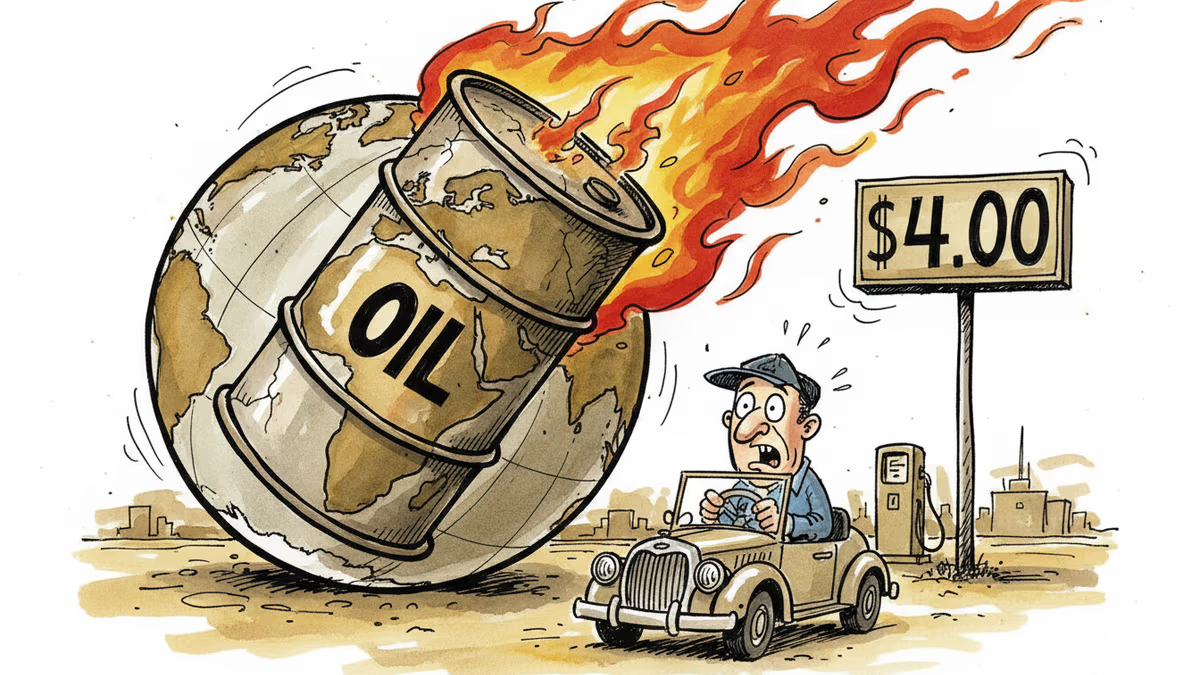
US pump prices have crossed $4 a gallon as Iran's war disrupts global energy supply. Who pays, who profits, and what does this mean for inflation, markets, and everyday consumers?
