
#Climate
Total 13 articles

From wolves changing rivers to light pollution scrambling sea turtles, the unintended consequences of human activity reveal how deeply—and unpredictably—we've altered the natural world.
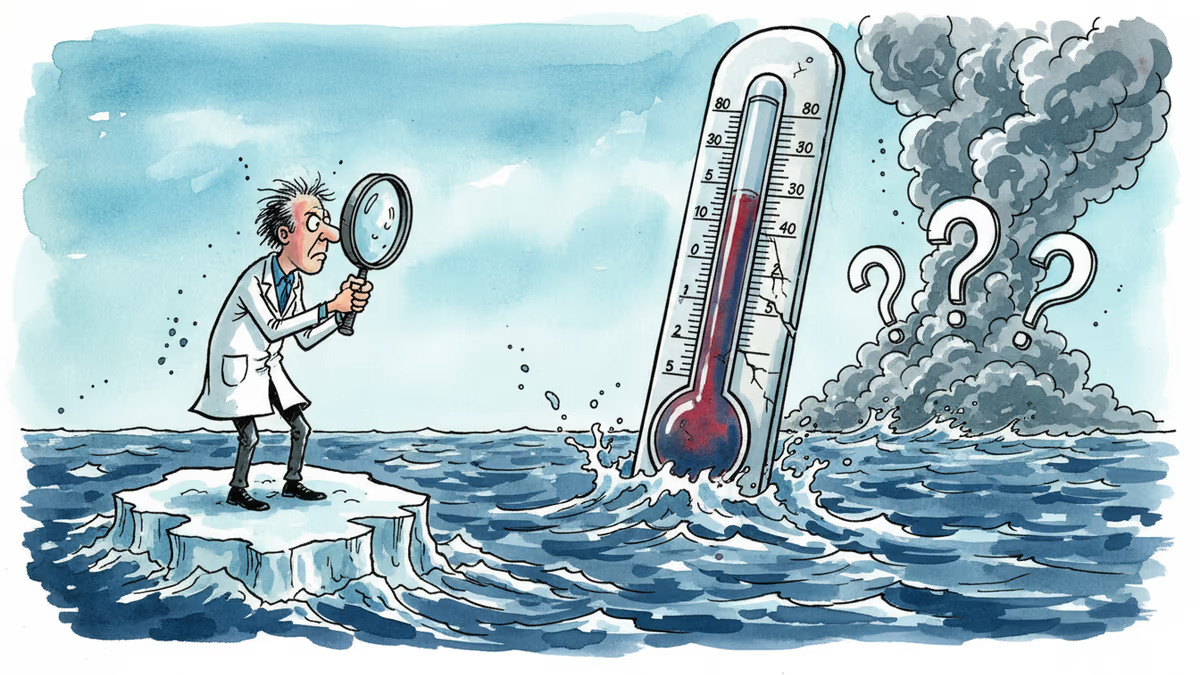
A massive heat reservoir beneath the Pacific has forecasters talking about a 'super El Niño' in 2026. But ocean scientists say the outcome remains genuinely uncertain—and that's exactly why some regions need to act now.
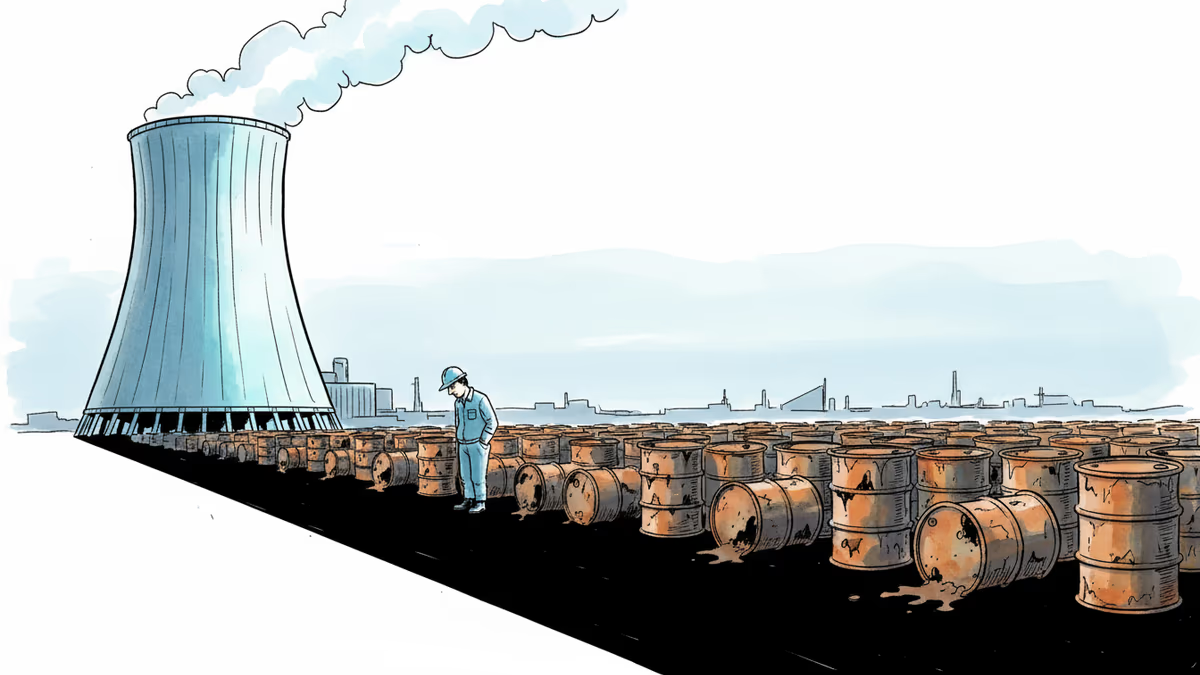
Nuclear power is winning fans across the political spectrum—and Big Tech is pouring billions in. But America still has no permanent home for the 2,000 metric tons of high-level waste its reactors produce every single year.

PRISM by Liabooks
Place your ad in this space
[email protected]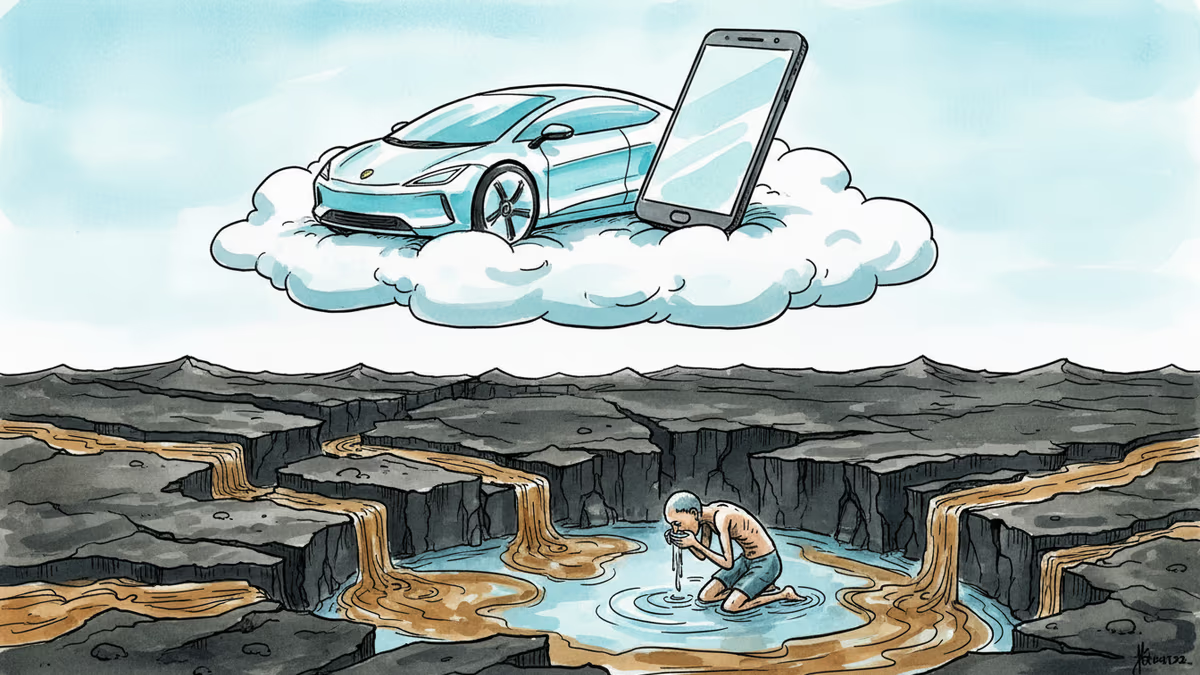
The minerals powering EVs, AI, and wind turbines are contaminating water and devastating communities in Congo, Chile, and Bolivia. A UN University report warns of a new resource curse.
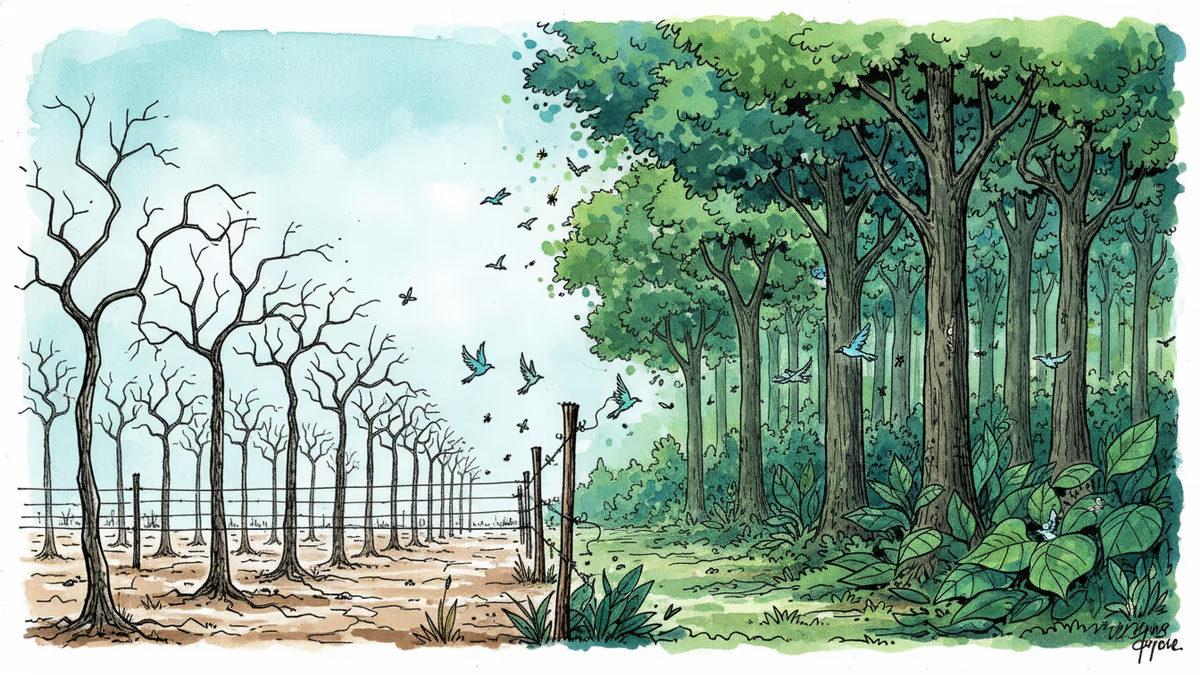
Global campaigns promise to plant a trillion trees this decade. But science shows monoculture plantations—the dominant approach—may be doing more harm than good. A 13-year experiment offers a better path.
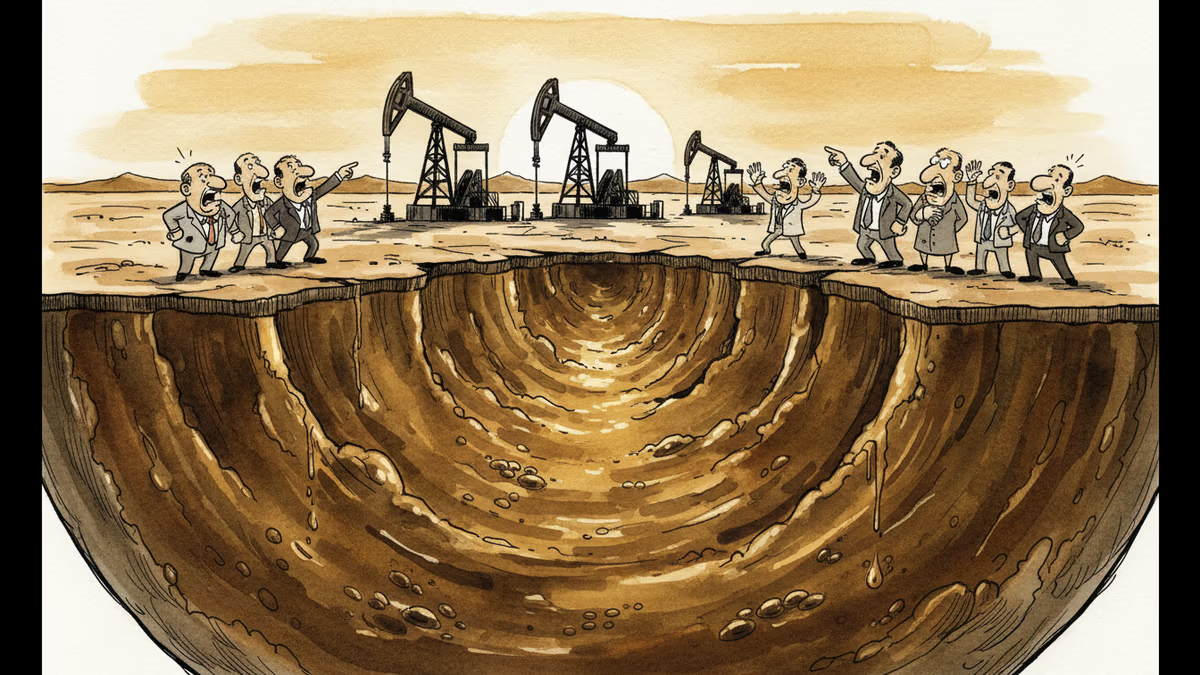
The Persian Gulf's staggering oil wealth isn't luck—it's geology. Understanding the science behind the region's reserves reveals why its politics will shape global energy for decades.
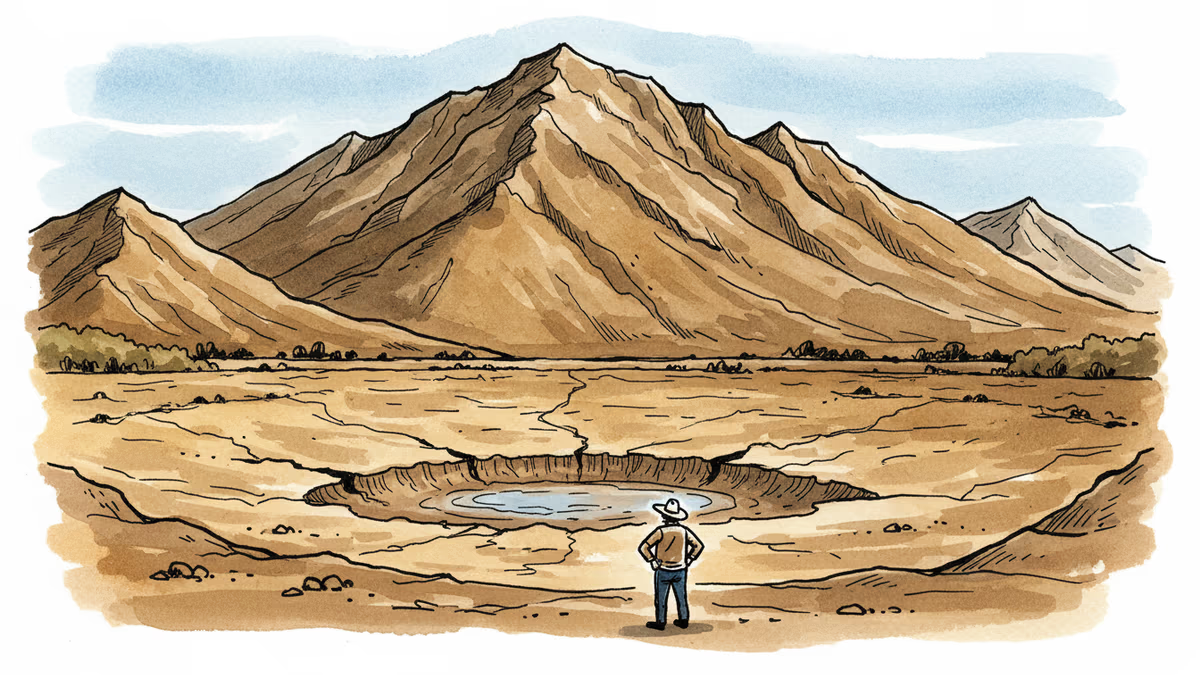
In 2026, snow drought has left 65 of 70 Western U.S. river basins below 50% of normal snowpack. Lake Powell power generation, farm water rights, and wildfire risk all hang in the balance.
PRISM by Liabooks
Place your ad in this space
[email protected]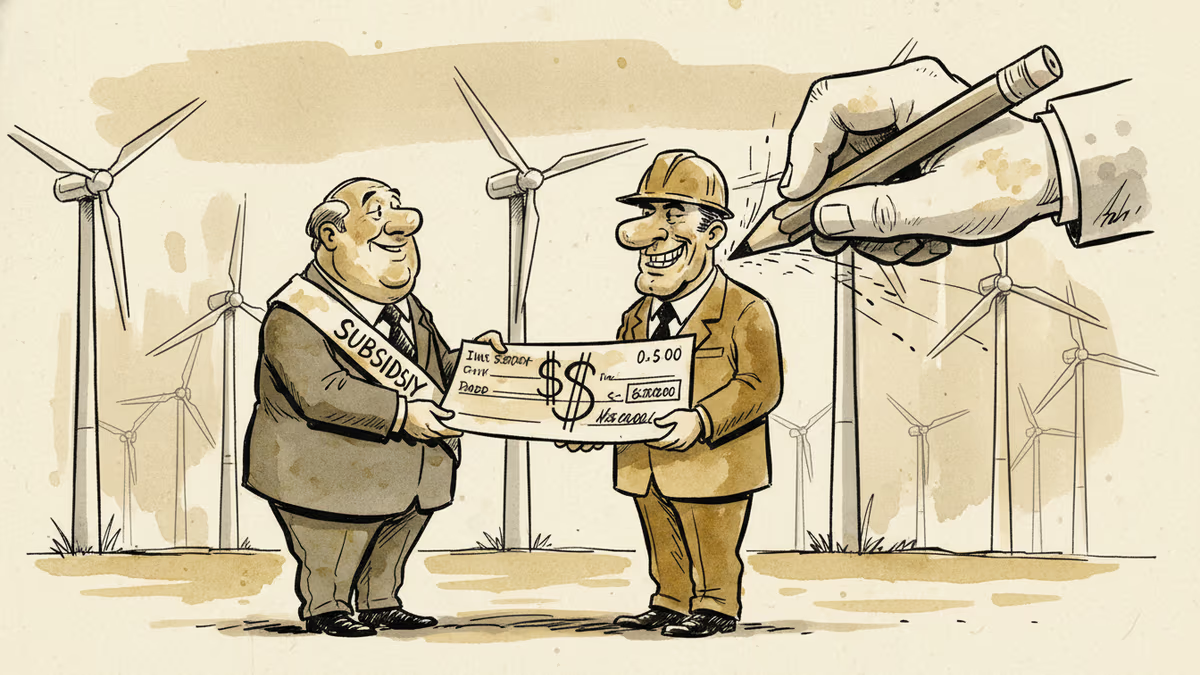
The Trump administration struck a deal to buy back offshore wind leases from TotalEnergies for $1 billion, redirecting that money into fossil fuel projects. What this means for energy markets, grid reliability, and the future of U.S. climate policy.
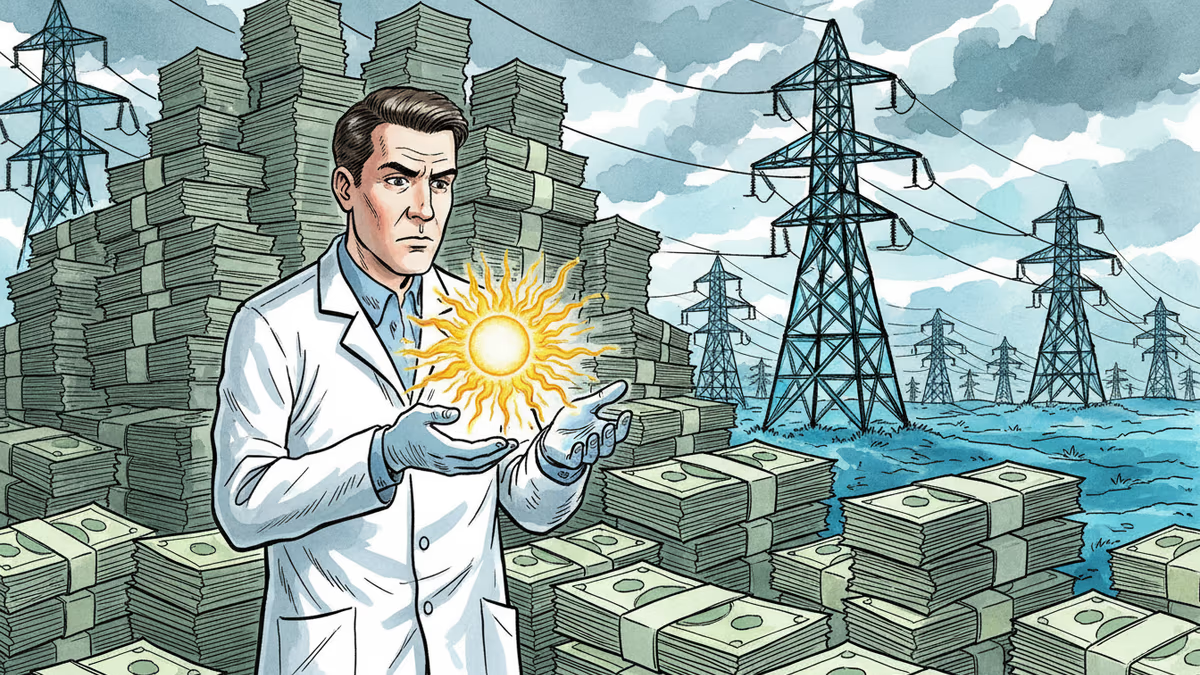
Fusion startups have raised over $10 billion as energy demand from AI data centers surges. Here's what's actually being built, which approaches are closest, and why this time might—just might—be different.
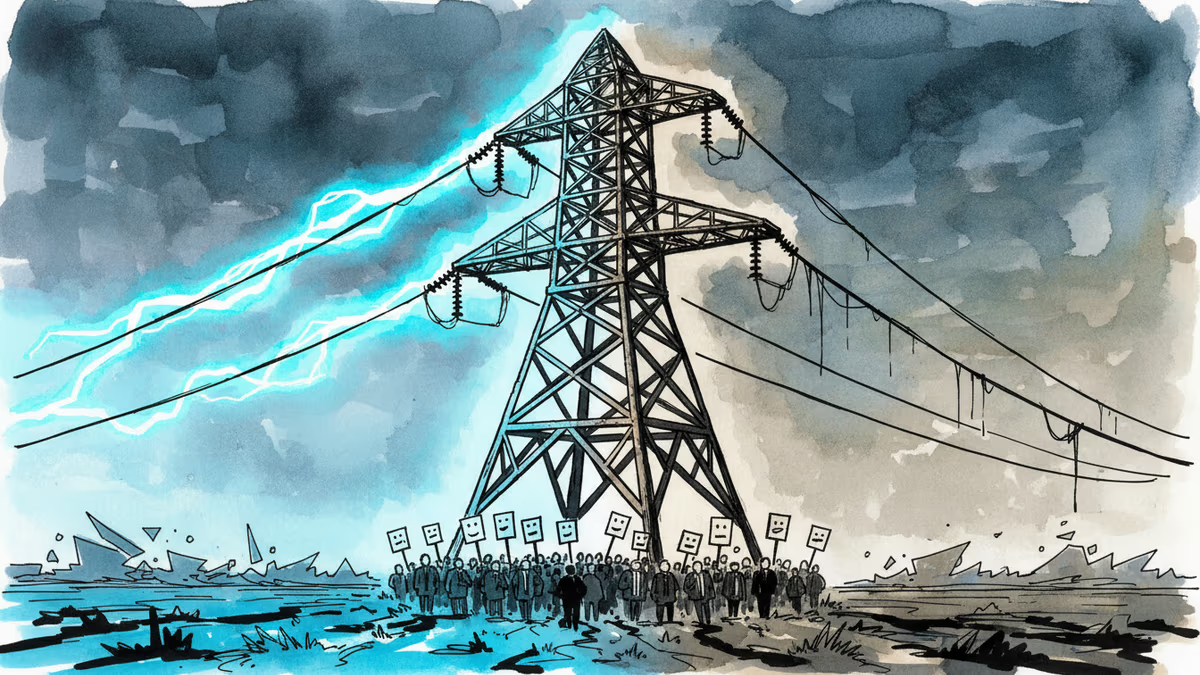
Google, Tesla, and five other companies just formed a coalition called Utilize to push for smarter use of the electrical grid. Is this genuine climate advocacy—or a lobbying play dressed in green?
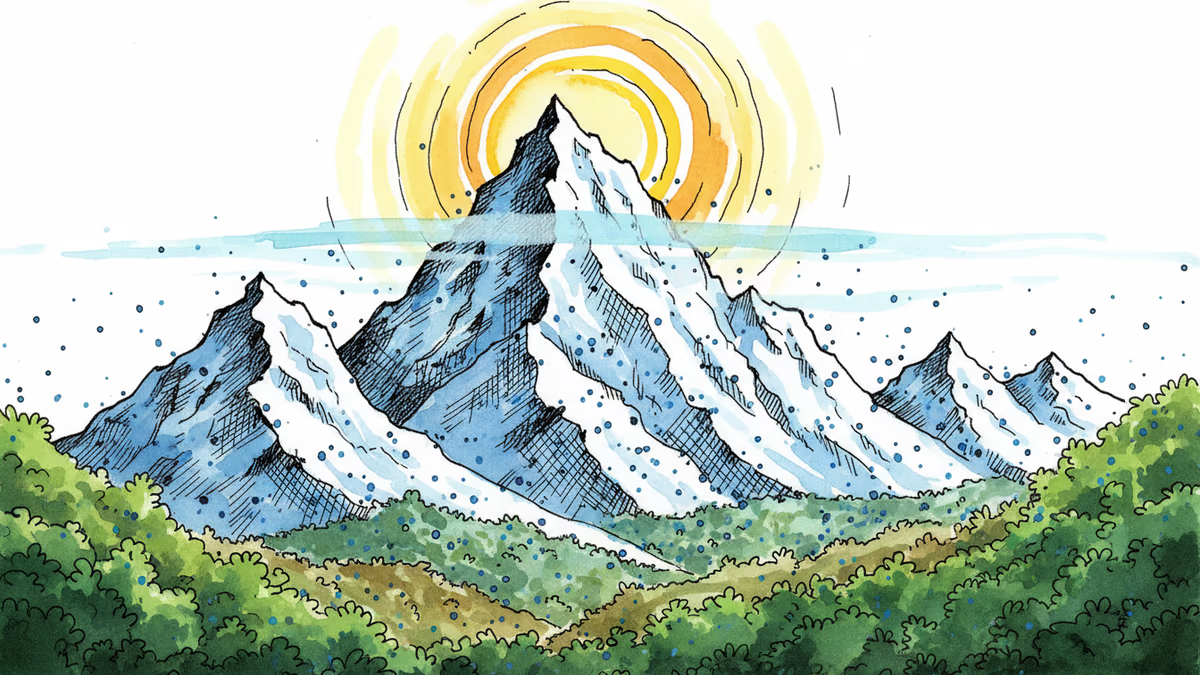
Mountain peaks sit closer to the Sun but stay freezing cold. The answer lies in Earth's atmosphere — and it tells us something urgent about our changing climate.
PRISM by Liabooks
Place your ad in this space
[email protected]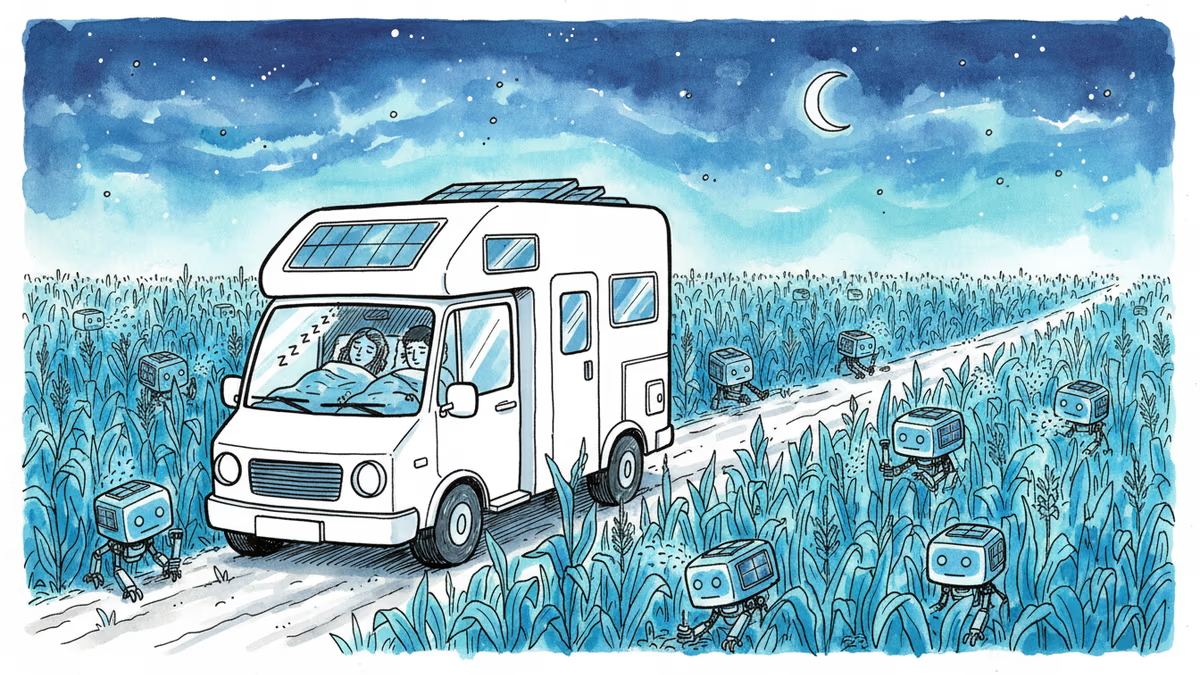
Upside Robotics' solar-powered autonomous robots are revolutionizing agriculture by reducing fertilizer waste by 70% and saving farmers $150 per acre. Here's why farmers are asking for this technology.
