
#AI Regulation
Total 32 articles
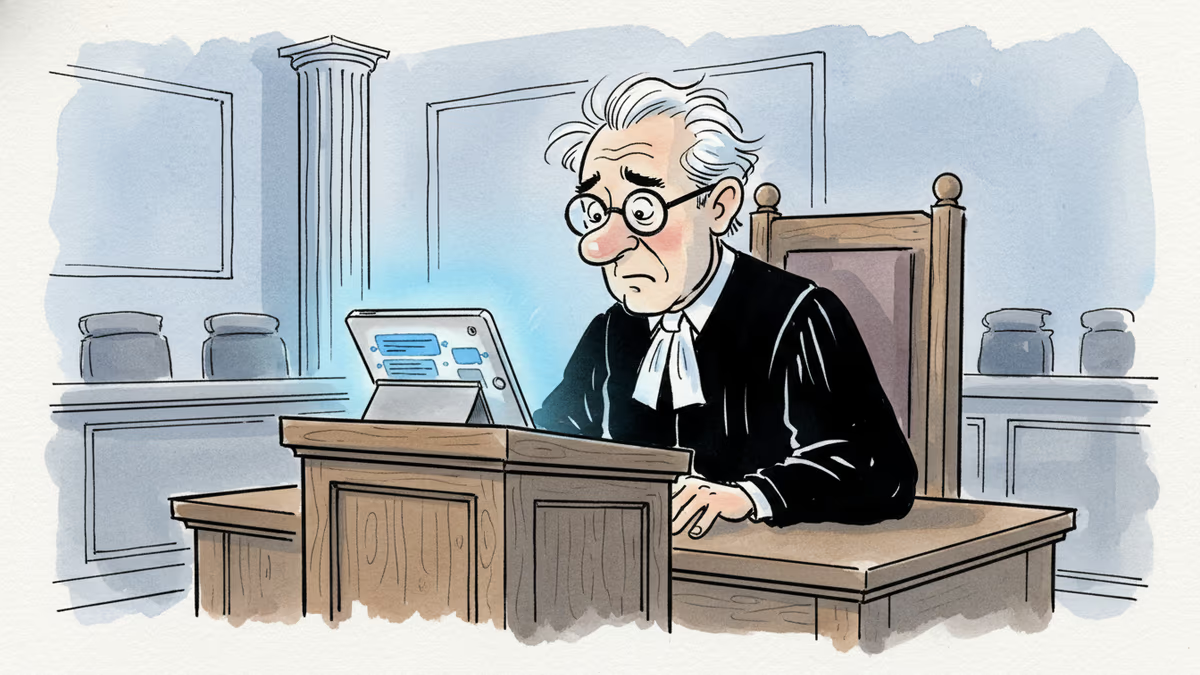
Florida is investigating OpenAI over alleged links to a mass shooting. As AI firms quietly restrict their most powerful tools, a harder question is taking shape: who's legally responsible when AI helps someone plan violence?
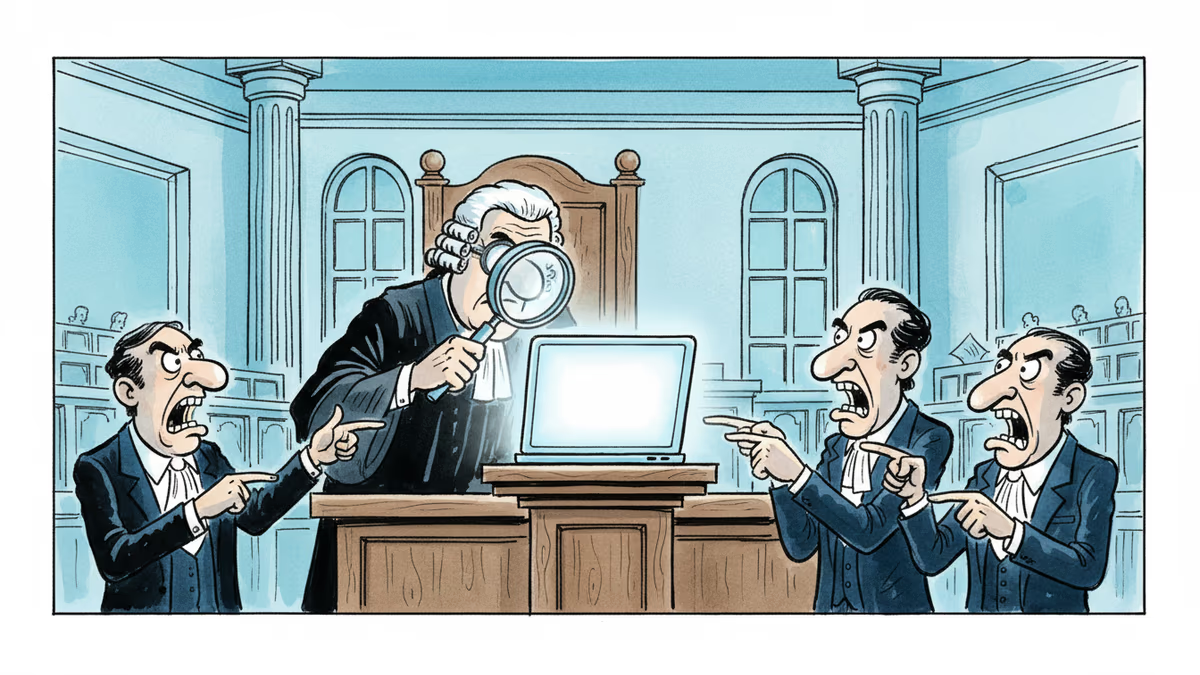
Florida's AG is investigating OpenAI over a campus shooting, child safety risks, and national security concerns. What it means for AI regulation in America.
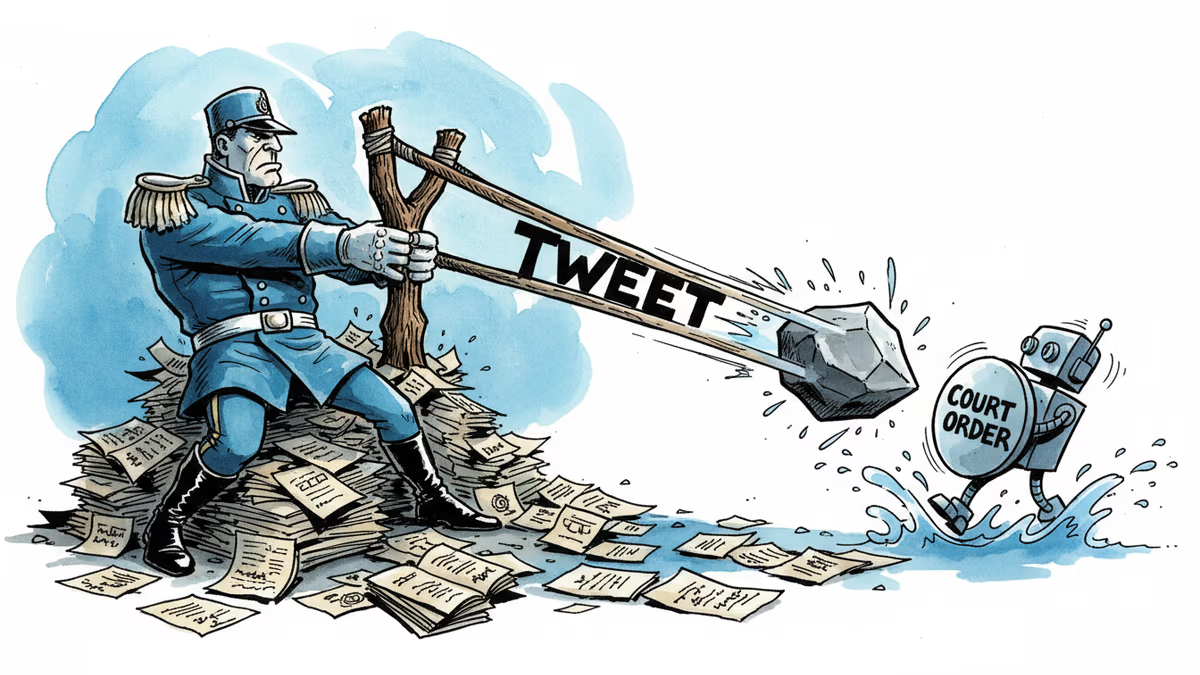
A California judge blocked the Pentagon from labeling Anthropic a supply chain risk. The 43-page ruling exposes a pattern: tweet first, lawyer later. What it means for AI governance and the limits of government leverage.

PRISM by Liabooks
Place your ad in this space
[email protected]
Three anonymous plaintiffs have filed a federal lawsuit against xAI, alleging Grok's image model generated sexual content from real photos of minors — and that the company skipped the safeguards every other major AI lab uses.
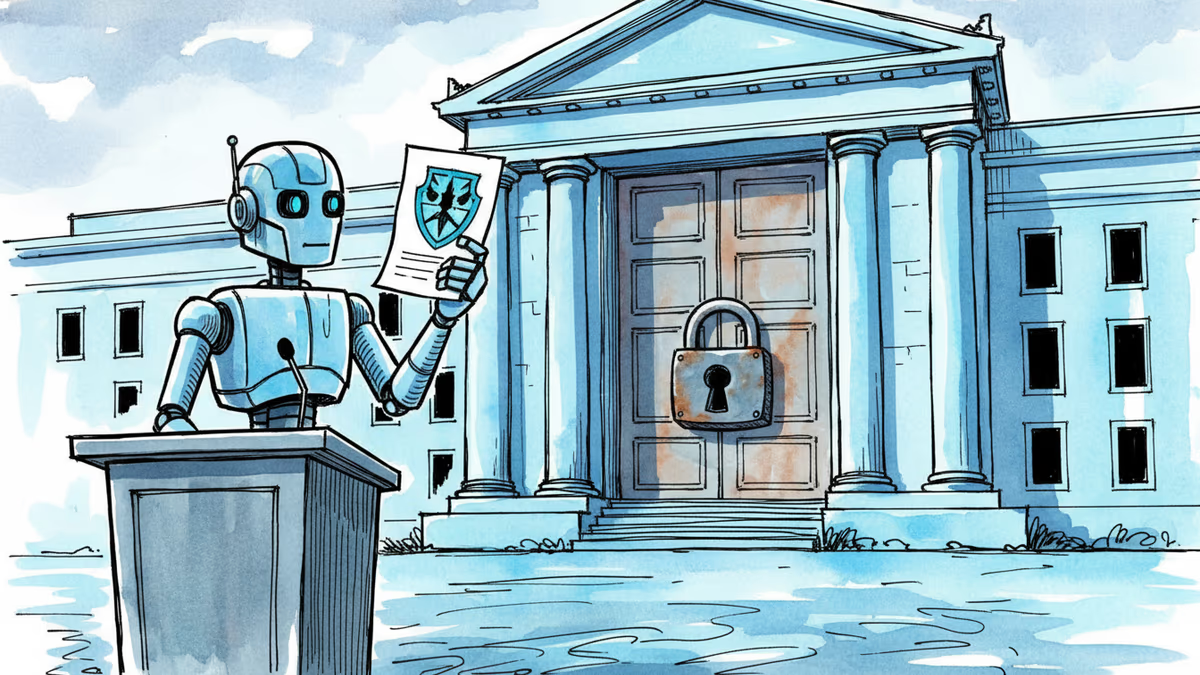
Anthropic filed suit against the Trump administration after being blacklisted for refusing to let Claude be used for autonomous warfare and mass surveillance. The First Amendment is now at the center of AI safety law.
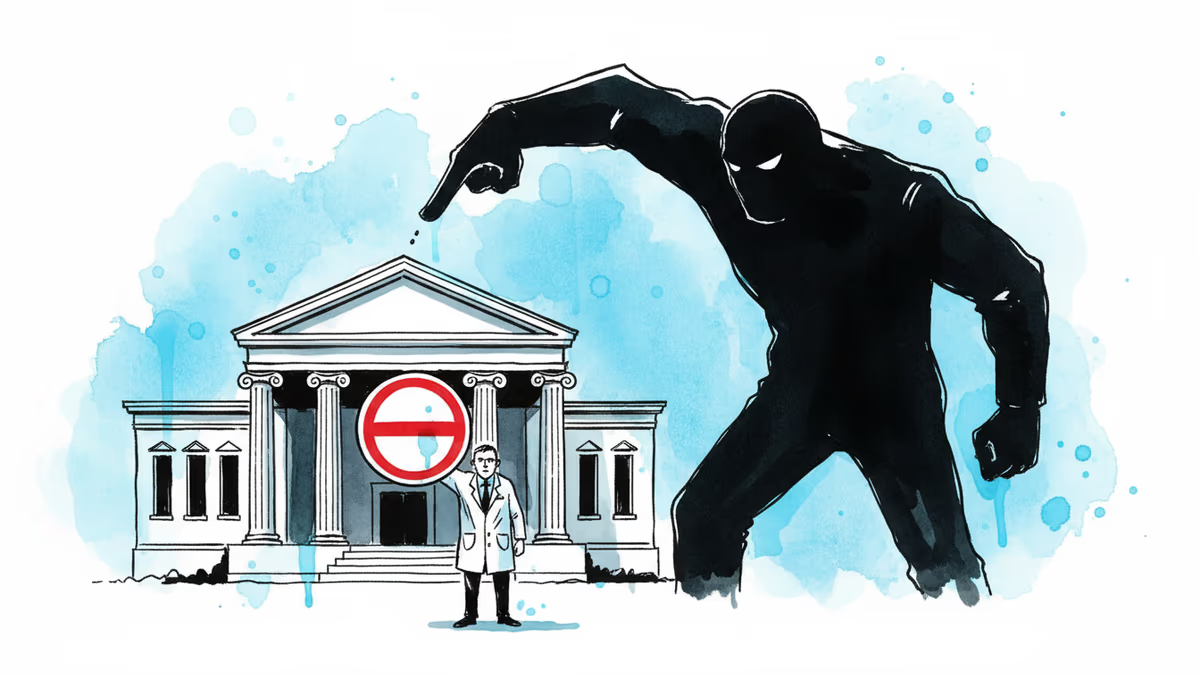
Anthropic filed suit against the Trump administration after being designated a supply-chain risk — allegedly for refusing to let its AI be used for autonomous weapons and mass surveillance.
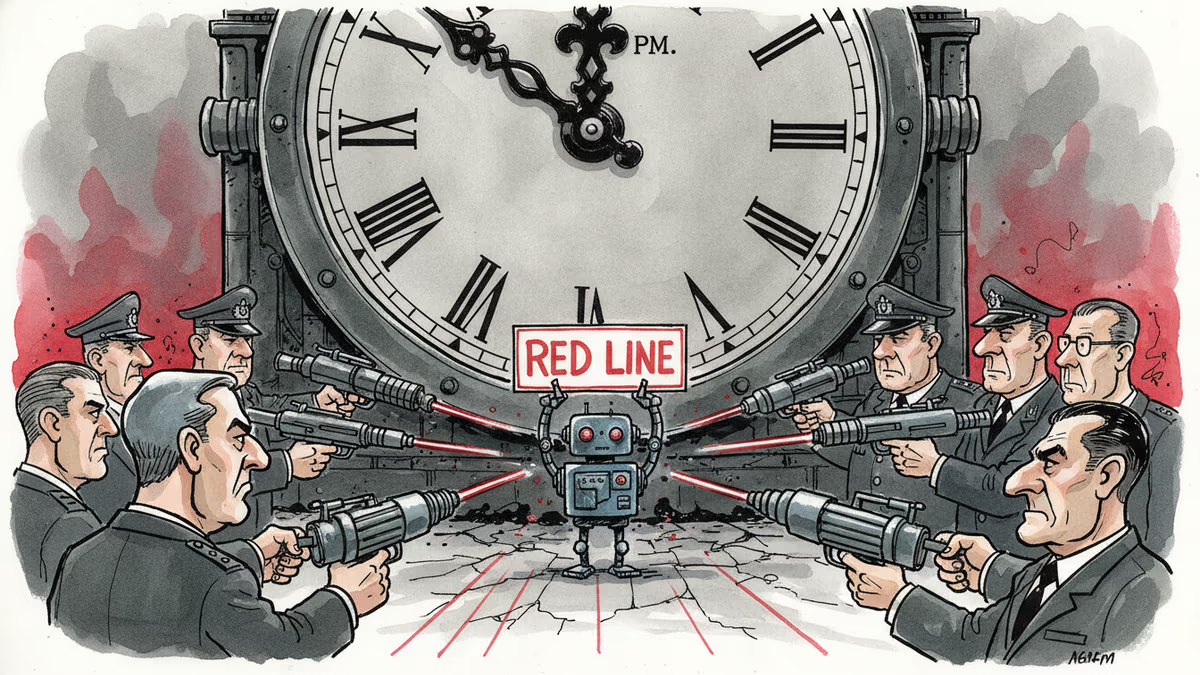
The Pentagon has given Anthropic until Friday evening to allow unrestricted military use of its Claude AI, setting up the biggest AI ethics showdown since 2018. What's really at stake?
PRISM by Liabooks
Place your ad in this space
[email protected]
Anthropic's CEO warns of AI risks in a 38-page essay while simultaneously racing to sell the same technology. What does this paradox reveal about the AI industry's fundamental trap?

230 million people are using AI for health queries as OpenAI officially launches ChatGPT Health. Meanwhile, the US faces a massive battle over AI regulation 2026.

Meta is pausing AI character access for teens globally as it faces lawsuits over child safety and addiction. A new PG-13 version with parental controls is in development.

Salesforce CEO Marc Benioff calls for AI regulation at Davos 2026, warning that AI models have become 'suicide coaches.' He compares the current AI risks to the early days of unregulated social media.
PRISM by Liabooks
Place your ad in this space
[email protected]
The UK's ICO is continuing the UK Grok deepfake probe despite Elon Musk's recent concessions. xAI faces intense scrutiny over data privacy and AI safety protocols.
