

Tech
Latest technology, AI, semiconductors, smartphones and tech industry news
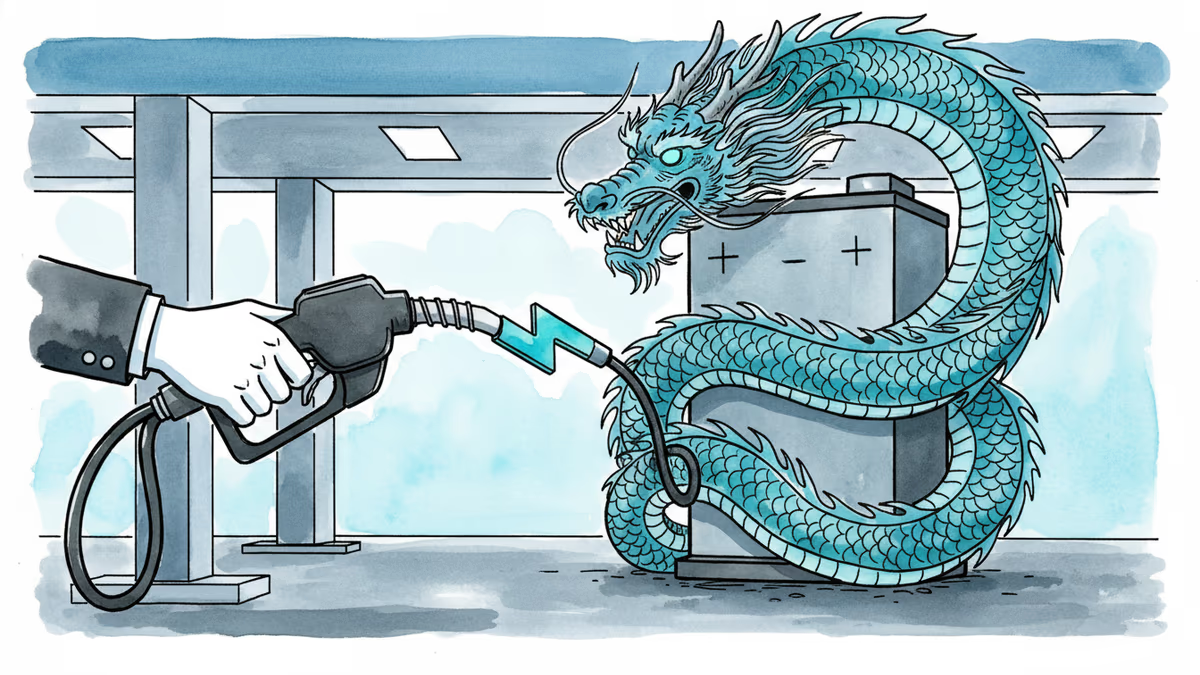
CATL's third-gen Shenxing LFP battery claims charging speeds nearly 5x faster than Hyundai or Porsche's best 800V systems. Here's what that really means.
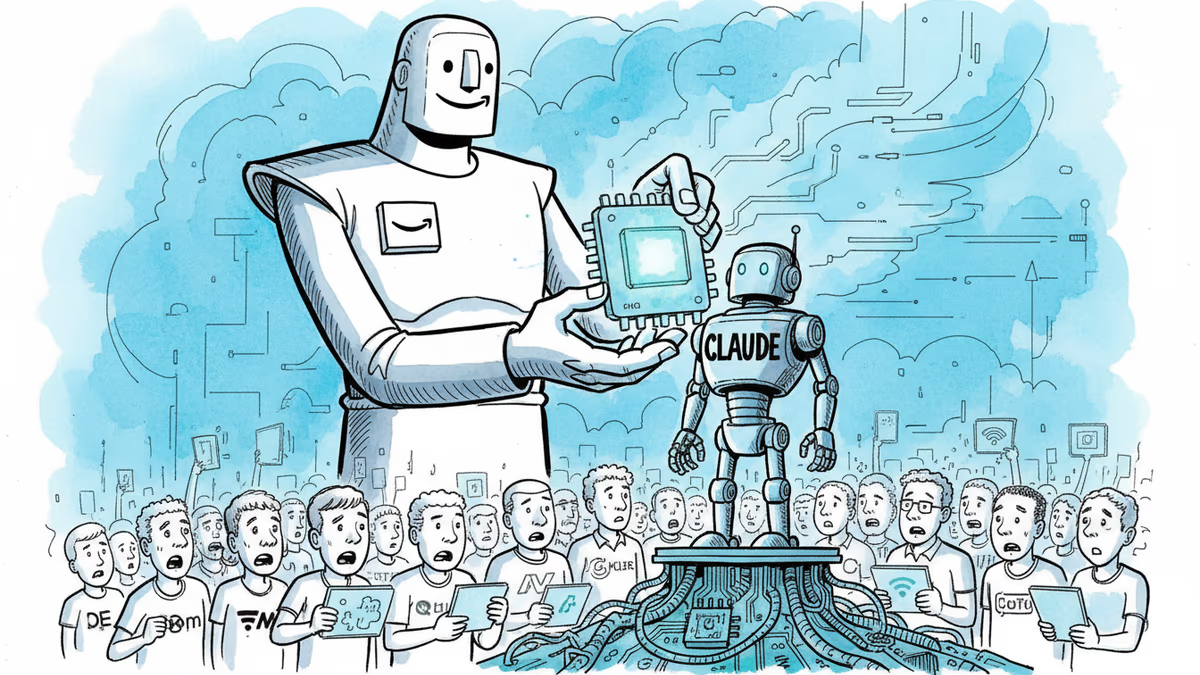
Amazon has poured an additional $5 billion into Anthropic, bringing its total stake to $13 billion—with up to $20 billion more on the table. Here's what the deal really signals about the AI infrastructure race.

Apple names John Ternus, its hardware engineering chief, as the next CEO. The shift from operator to product person signals where Apple thinks its next decade of growth will come from — and raises real questions about what comes next.

PRISM by Liabooks
Place your ad in this space
[email protected]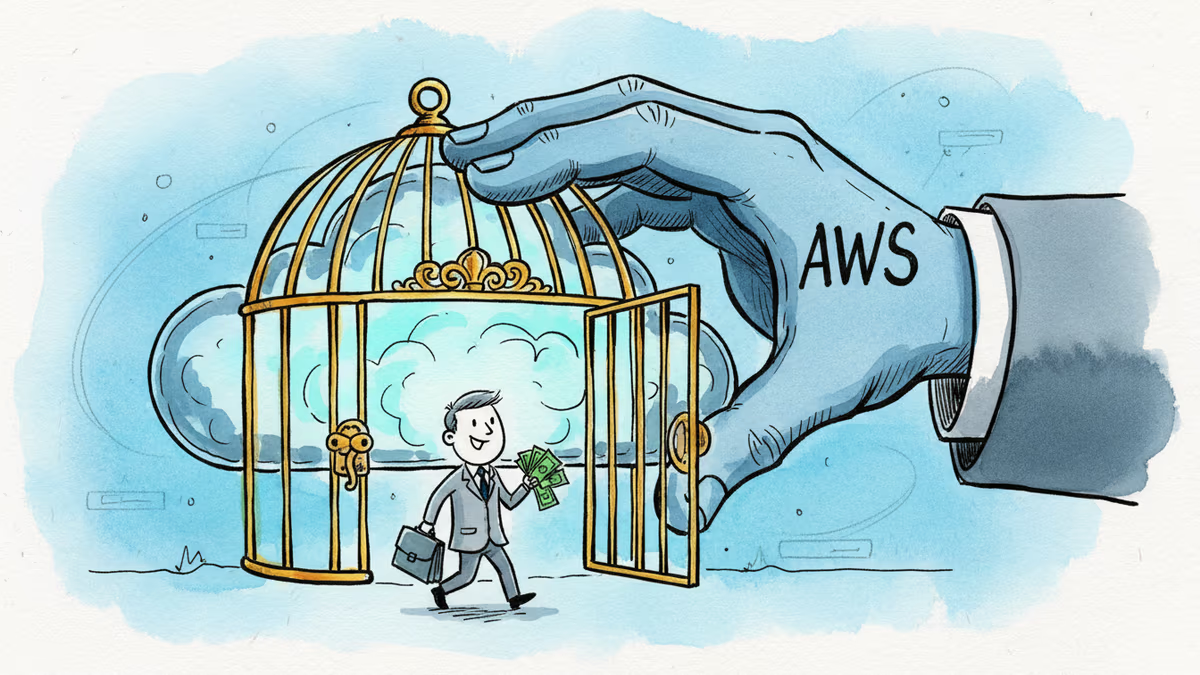
Amazon's fresh $5B investment in Anthropic brings its total to $13B. But the real story is a $100B AWS spending pledge and a bet on Amazon's own AI chips over Nvidia.
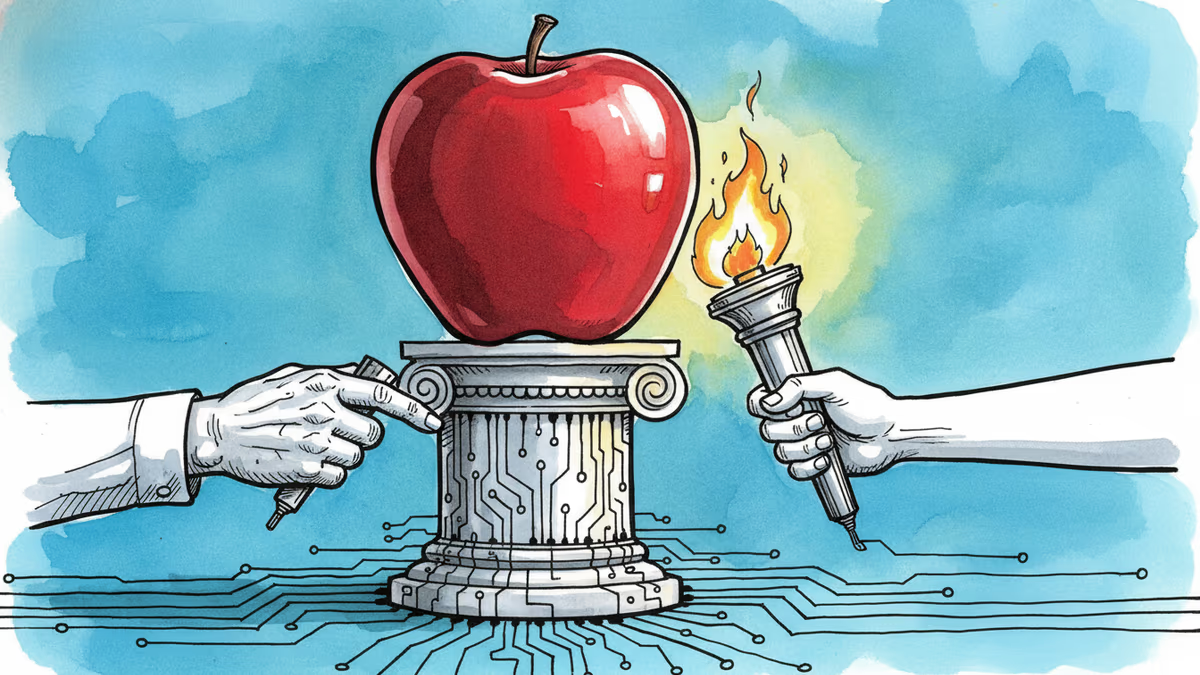
Apple announced Tim Cook will step down as CEO on September 1st, replaced by hardware chief John Ternus. What does a hardware-first leader mean for Apple's future?
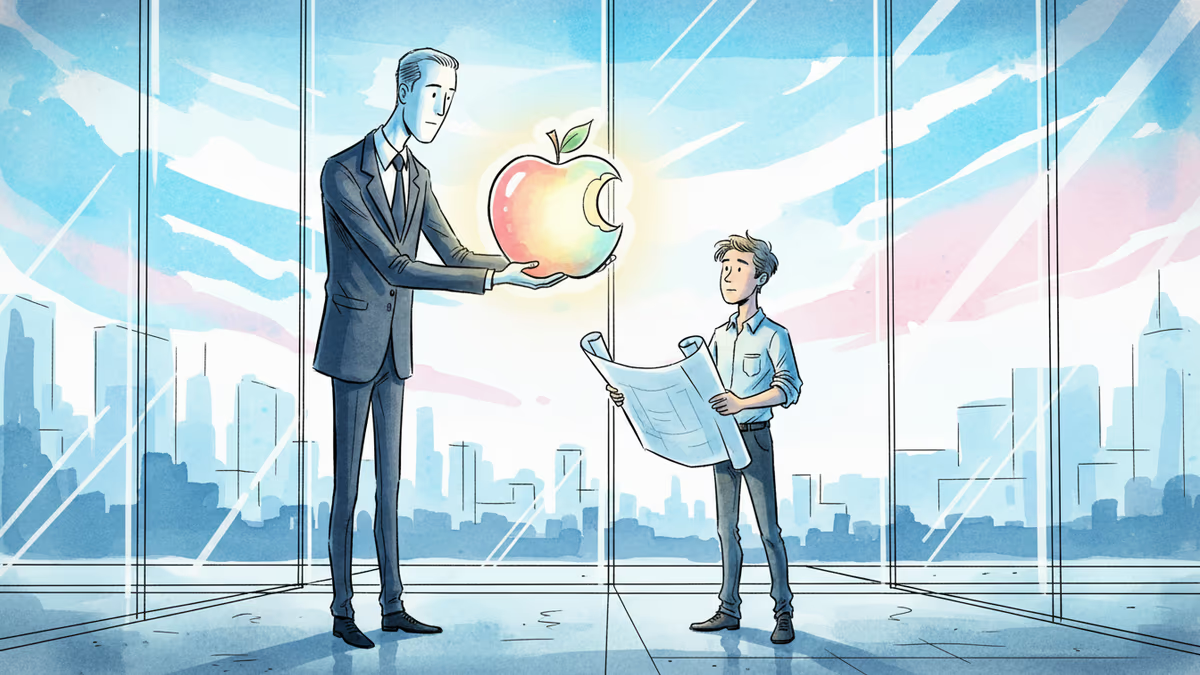
After 14 years and a run that turned Apple into a $4 trillion company, Tim Cook steps down as CEO. Hardware chief John Ternus takes over September 1. Here's what changes—and what doesn't.
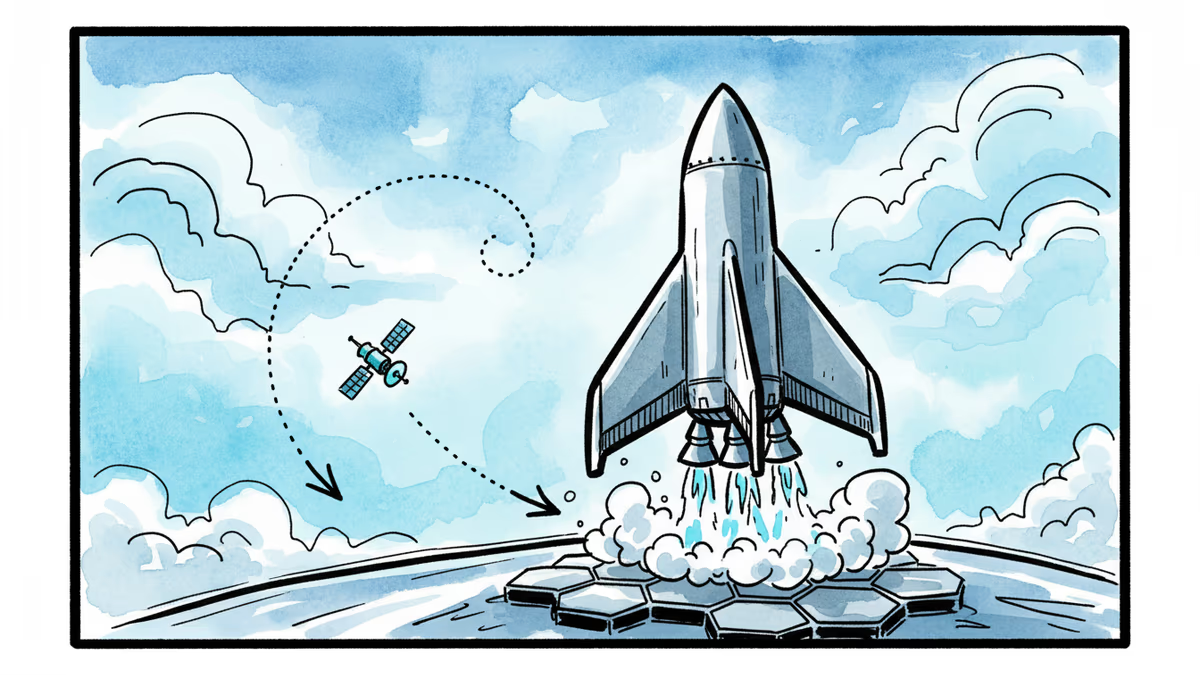
Blue Origin's New Glenn nailed its second booster landing, but AST SpaceMobile's BlueBird 7 satellite ended up in the wrong orbit—effectively useless. What this split outcome reveals about the space race.
PRISM by Liabooks
Place your ad in this space
[email protected]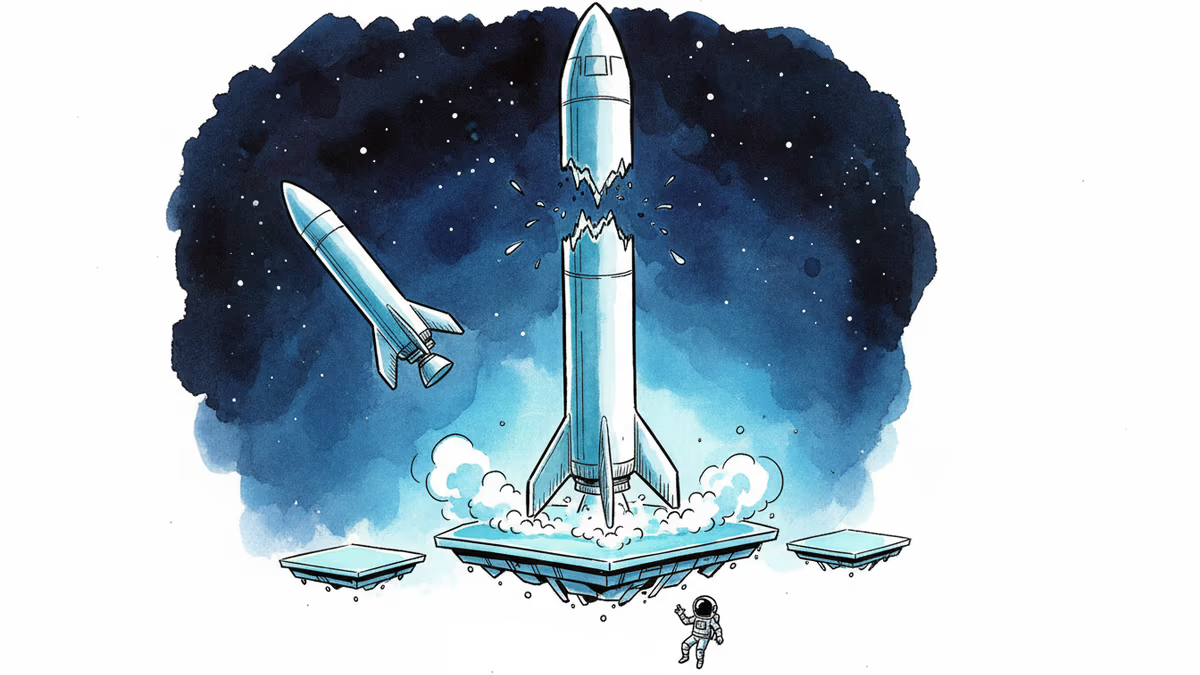
Blue Origin successfully reflew an orbital-class booster for the first time, but New Glenn's upper stage failed on its third mission — raising questions about NASA's Artemis timeline.
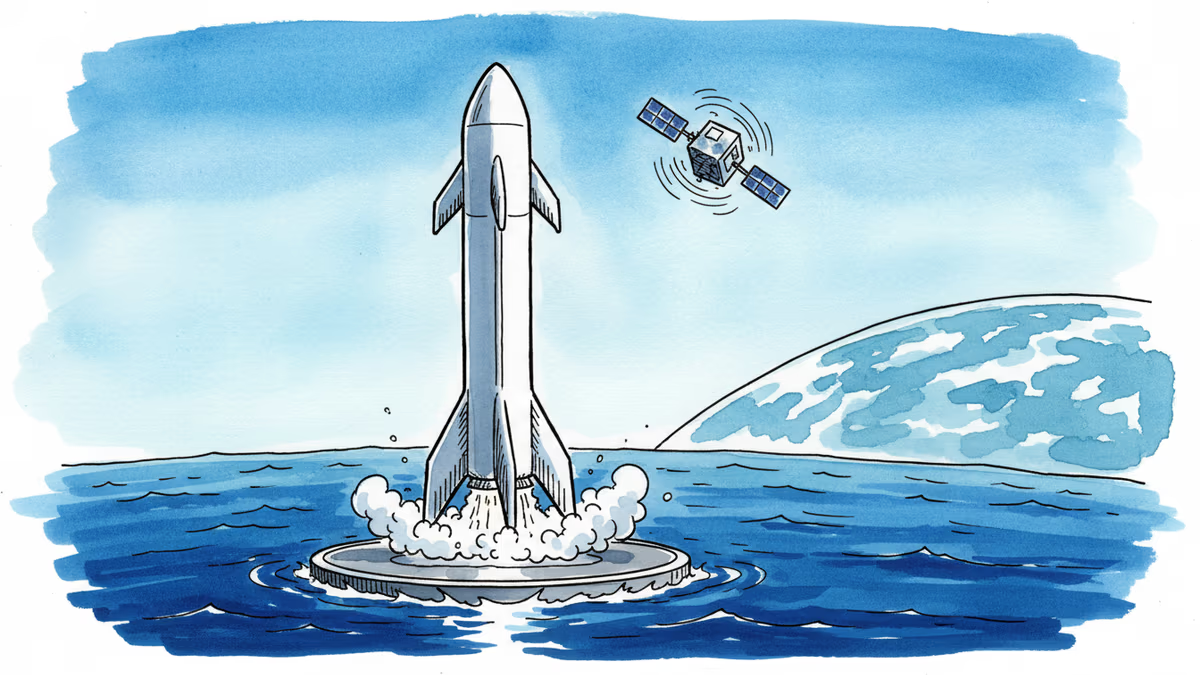
Blue Origin's New Glenn rocket nailed its first booster reuse — but lost a customer satellite to a botched upper stage. What this split verdict means for the space industry, NASA's moon plans, and the race against SpaceX.
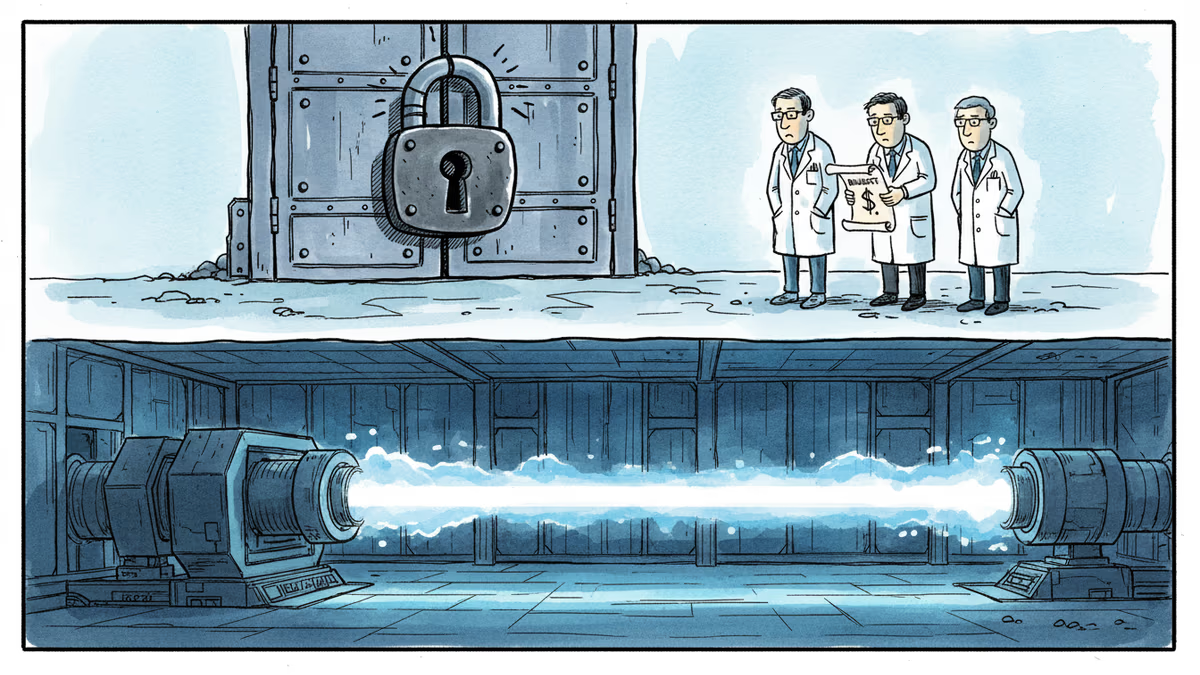
The Texas Petawatt laser—capable of outpowering the entire US electrical grid for a trillionth of a second—has shut down due to funding cuts. What does this mean for fusion energy and America's scientific future?
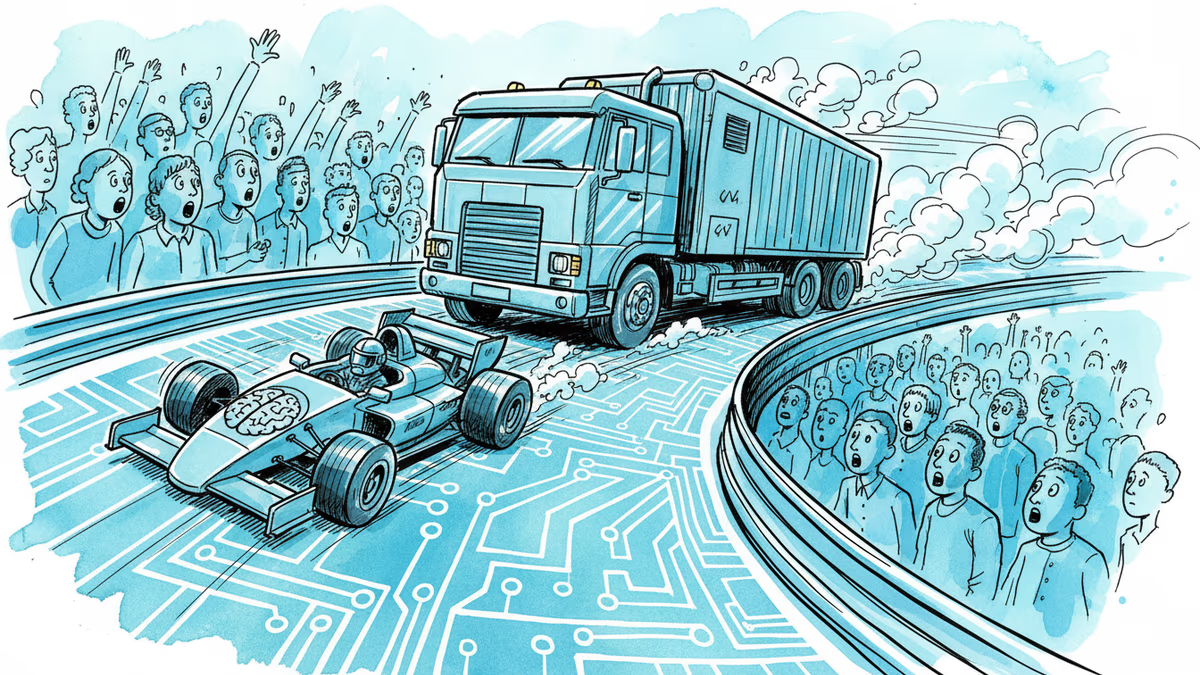
Cerebras Systems has refiled for an IPO targeting mid-May, backed by a $23B valuation, a reported $10B OpenAI deal, and an AWS partnership. What does this mean for Nvidia's dominance and the AI chip landscape?
PRISM by Liabooks
Place your ad in this space
[email protected]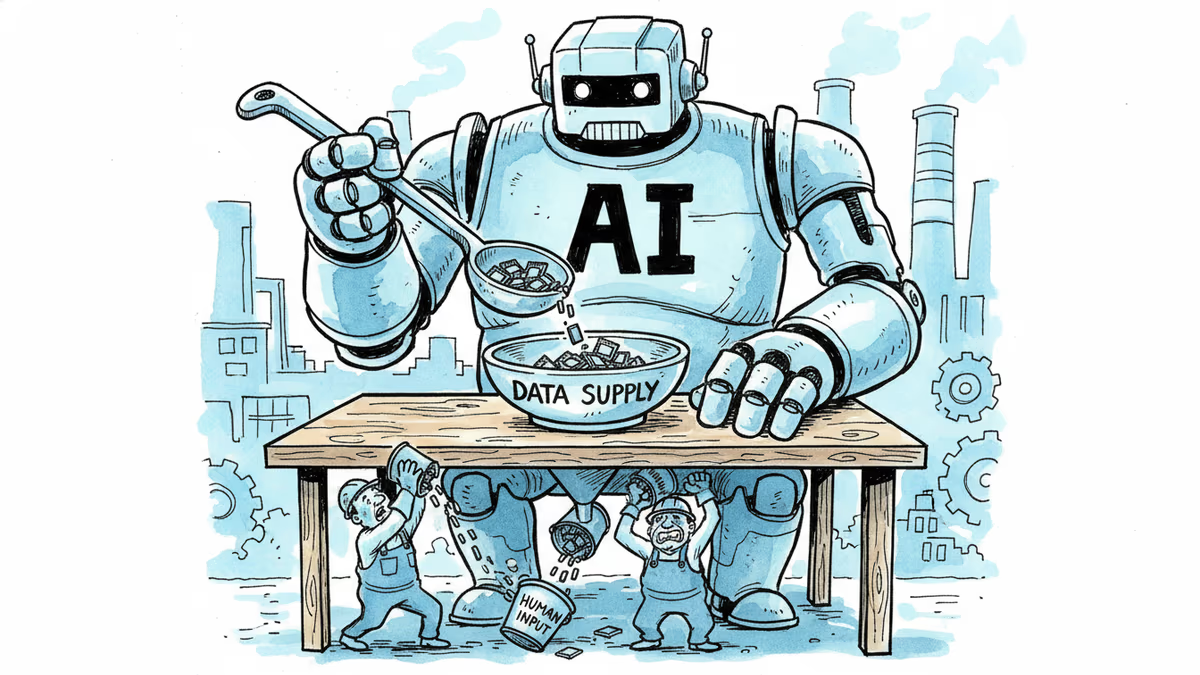
Memory makers can't build fabs fast enough. By end of 2027, supply will cover just 60% of demand. Here's why the shortage could last until 2030—and what it means for AI, your devices, and the chip industry.