
#Supply Chain
Total 156 articles
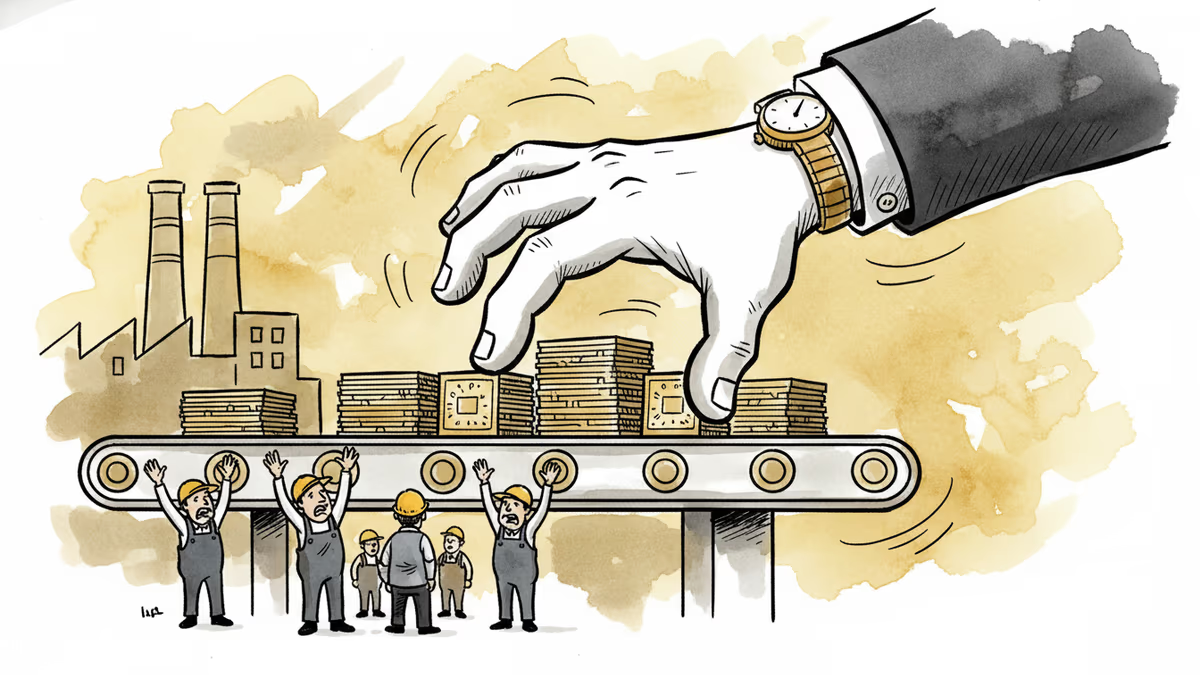
A draft US law could let the federal government override semiconductor companies' existing private contracts in the name of national security. Here's what's at stake for the industry.
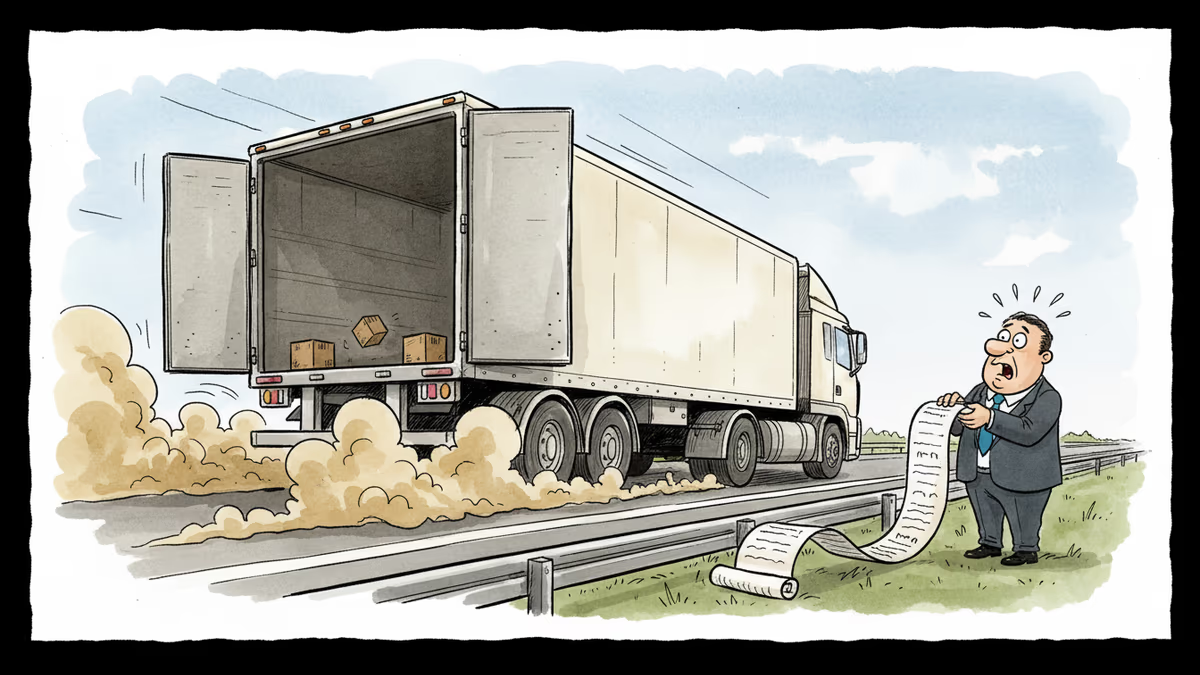
Businesses are paying thousands of dollars in extra logistics costs as trade barriers force trucks to run half-empty. Here's who pays, who profits, and what it means for prices.
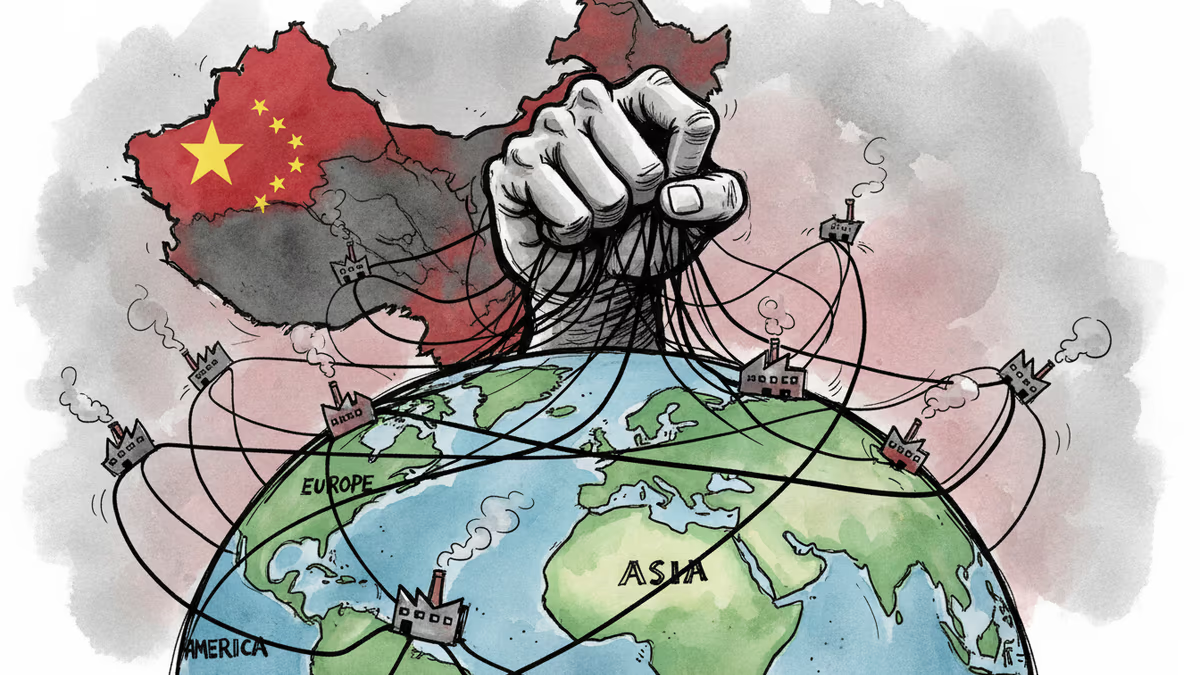
Beijing's expanded export controls now include an extraterritorial clause—products made anywhere in the world using Chinese rare earths could be subject to Chinese approval. The rules of global supply chains just changed.

PRISM by Liabooks
Place your ad in this space
[email protected]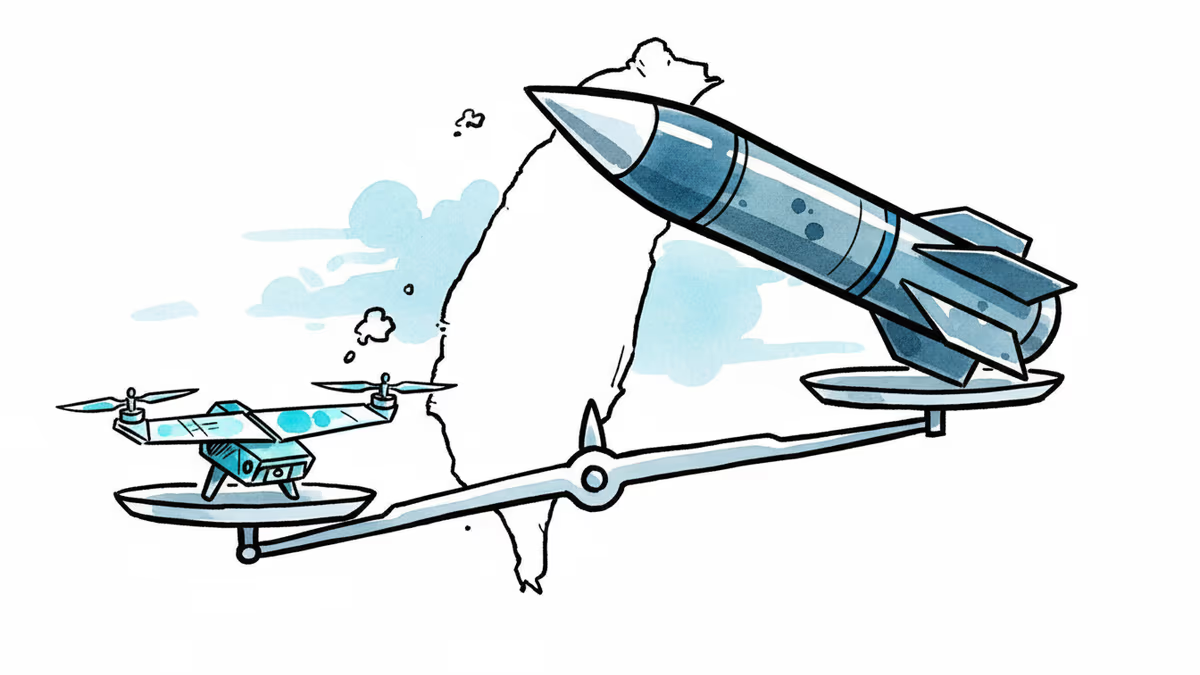
Taiwan's Thunder Tiger became the first Asian firm to win US military drone clearance with a China-free supply chain. As Trump meets Xi, the drone arithmetic reshapes defense strategy.
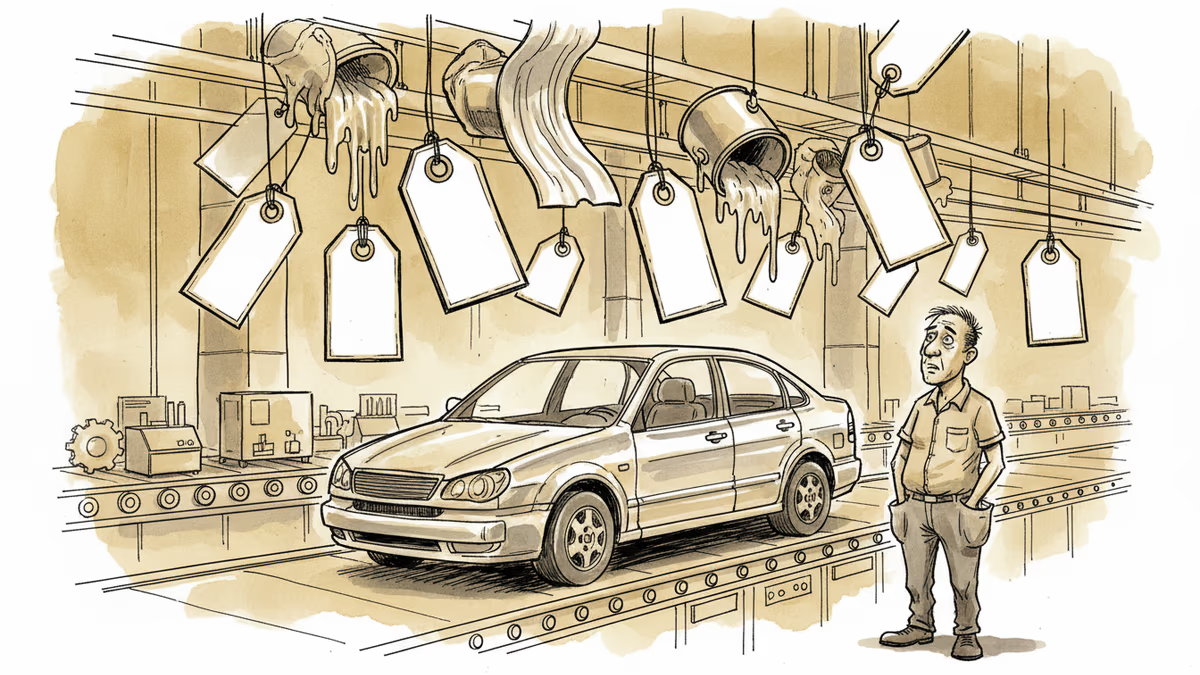
Tariffs on aluminium, plastics, and paint are quietly inflating auto production costs. Here's who pays, who profits, and what it means for the EV transition.
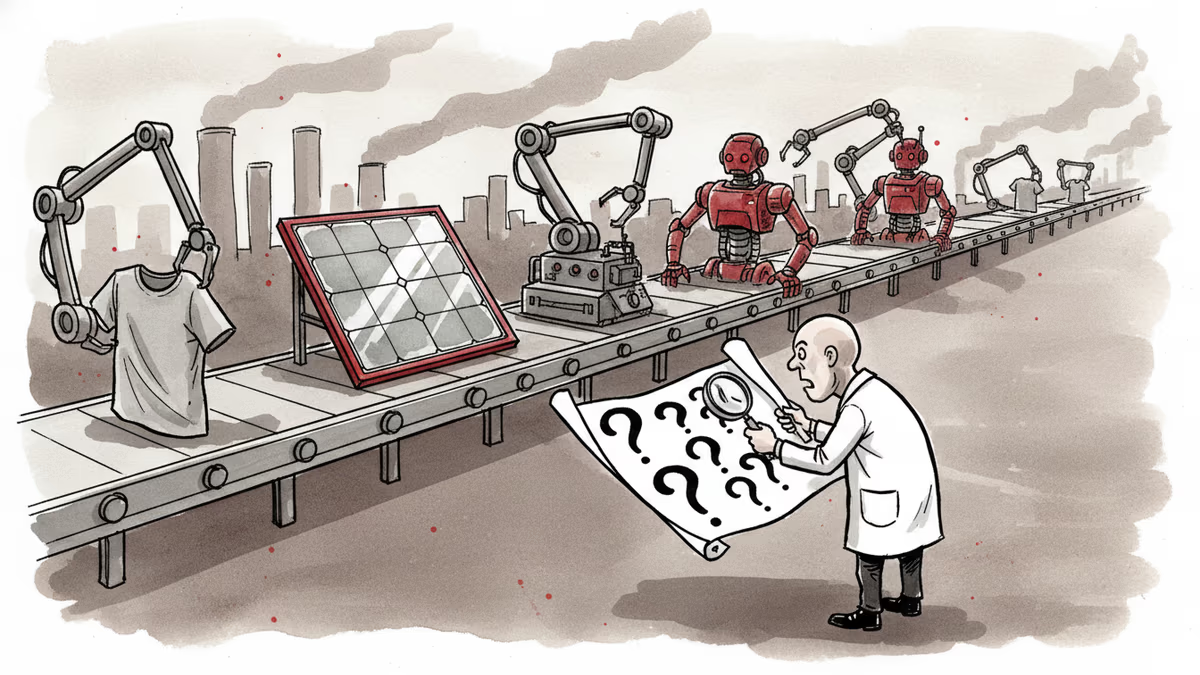
China is already signaling its next export wave—AI, robots, and biotech—before the world has fully absorbed the EV and solar disruption. What's really driving this ascent?
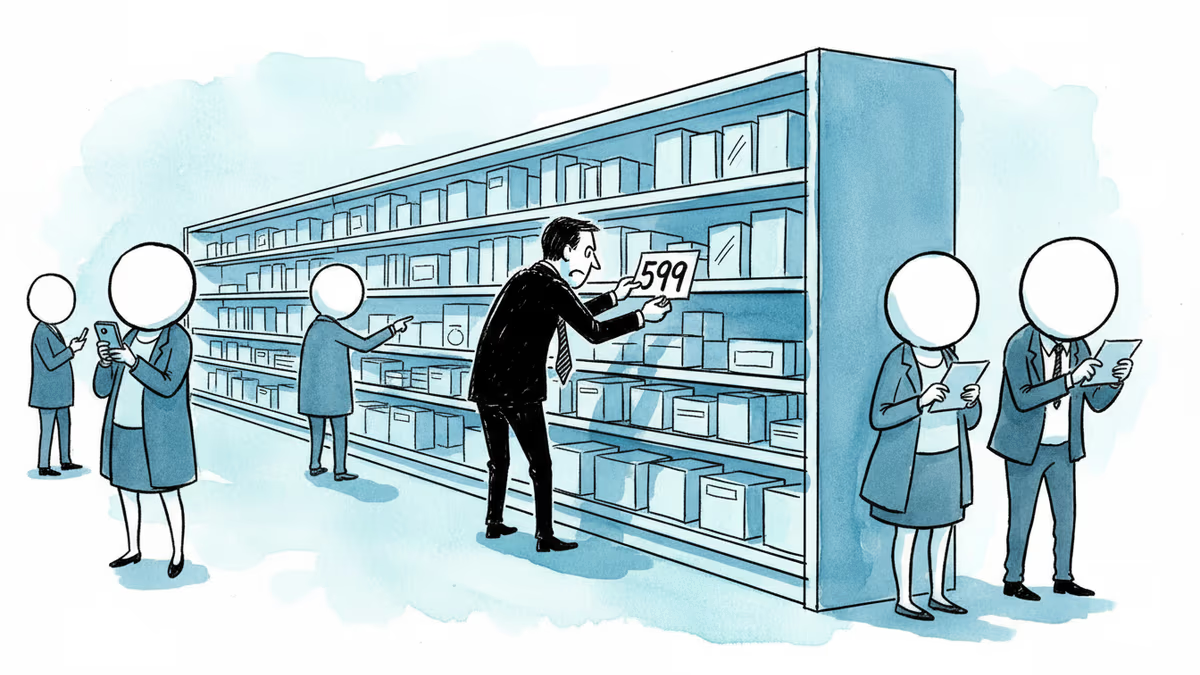
Apple quietly removed the entry-level $599 Mac Mini, raising the starting price to $799 — just one day after Tim Cook warned of chip supply constraints on the earnings call.
PRISM by Liabooks
Place your ad in this space
[email protected]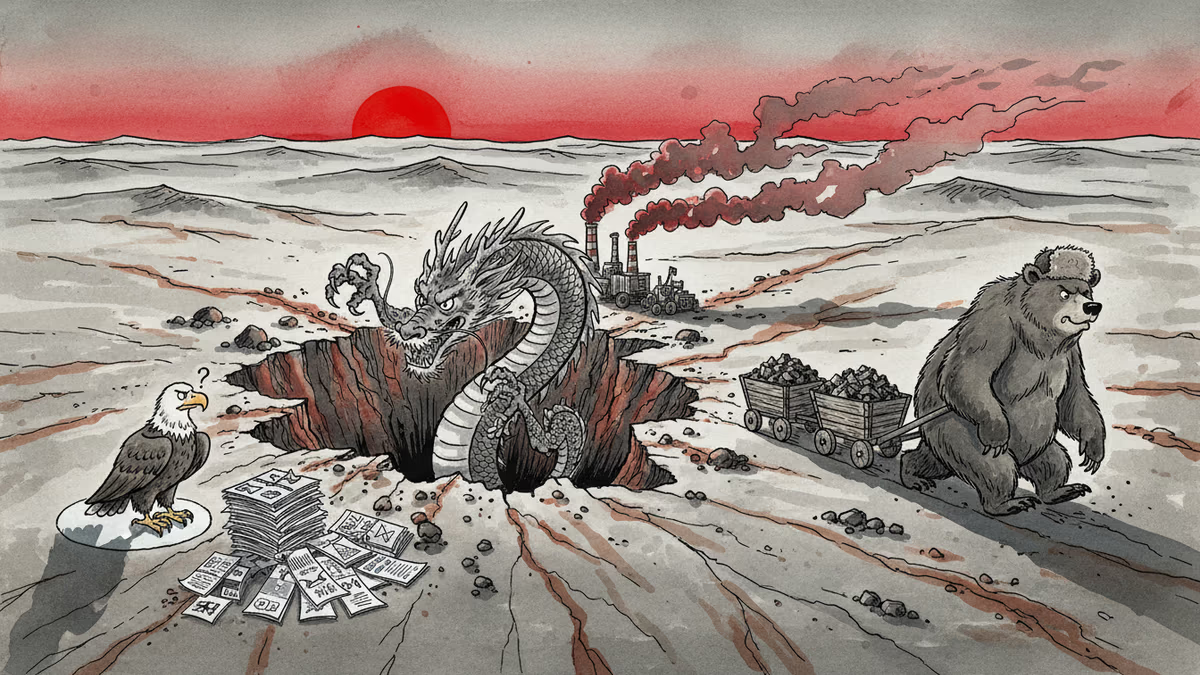
China controls 49% of Central Asia's critical mineral exports. Russia holds 20%. The United States? Just 2.1%. As AI and green energy reshape global power, this gap may prove decisive.
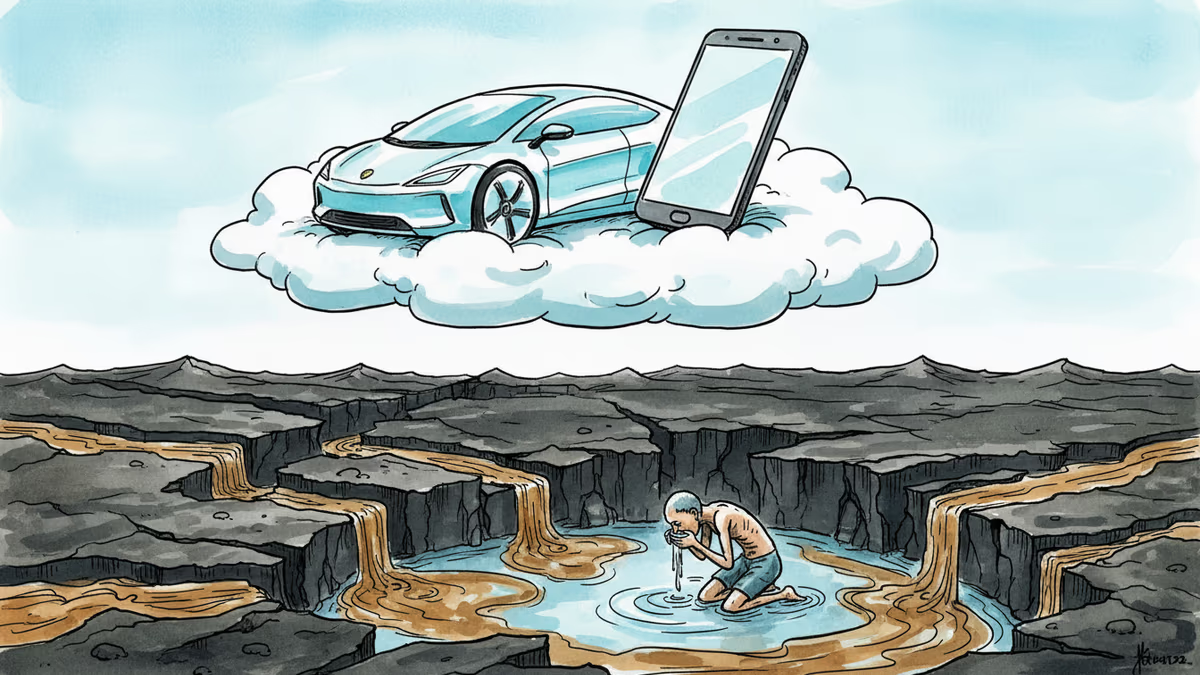
The minerals powering EVs, AI, and wind turbines are contaminating water and devastating communities in Congo, Chile, and Bolivia. A UN University report warns of a new resource curse.
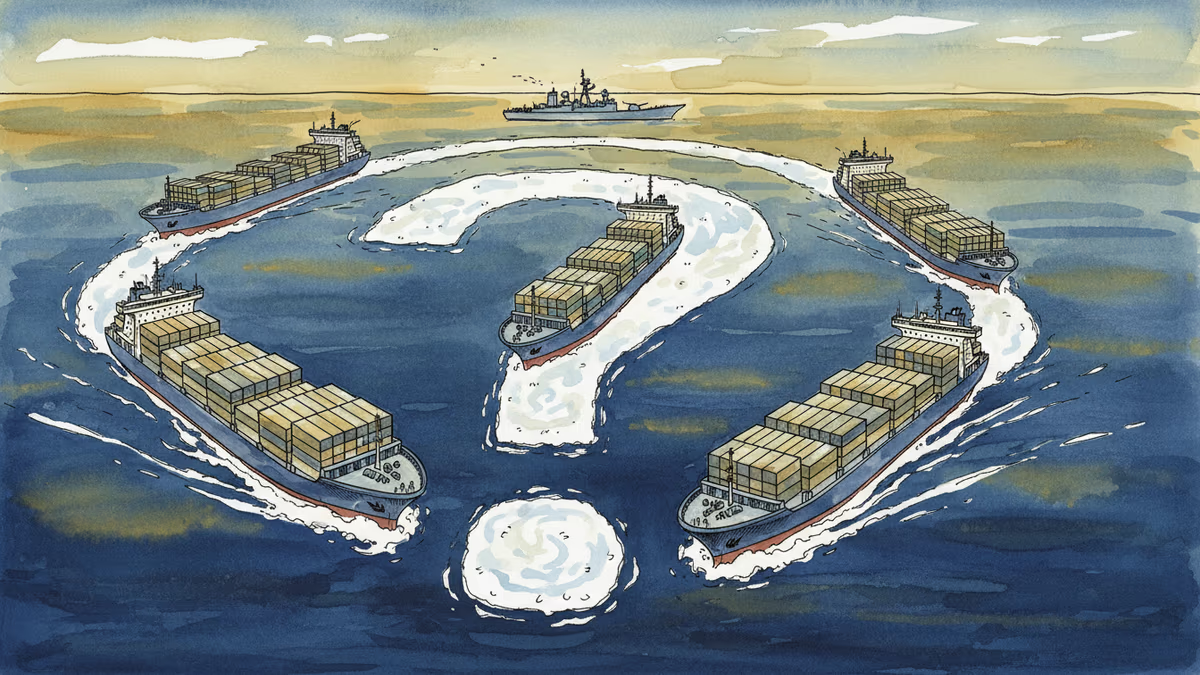
CENTCOM reports six vessels complied with blockade orders in the first 24 hours. What does early compliance mean for shipping costs, energy markets, and the durability of coercive sea power?
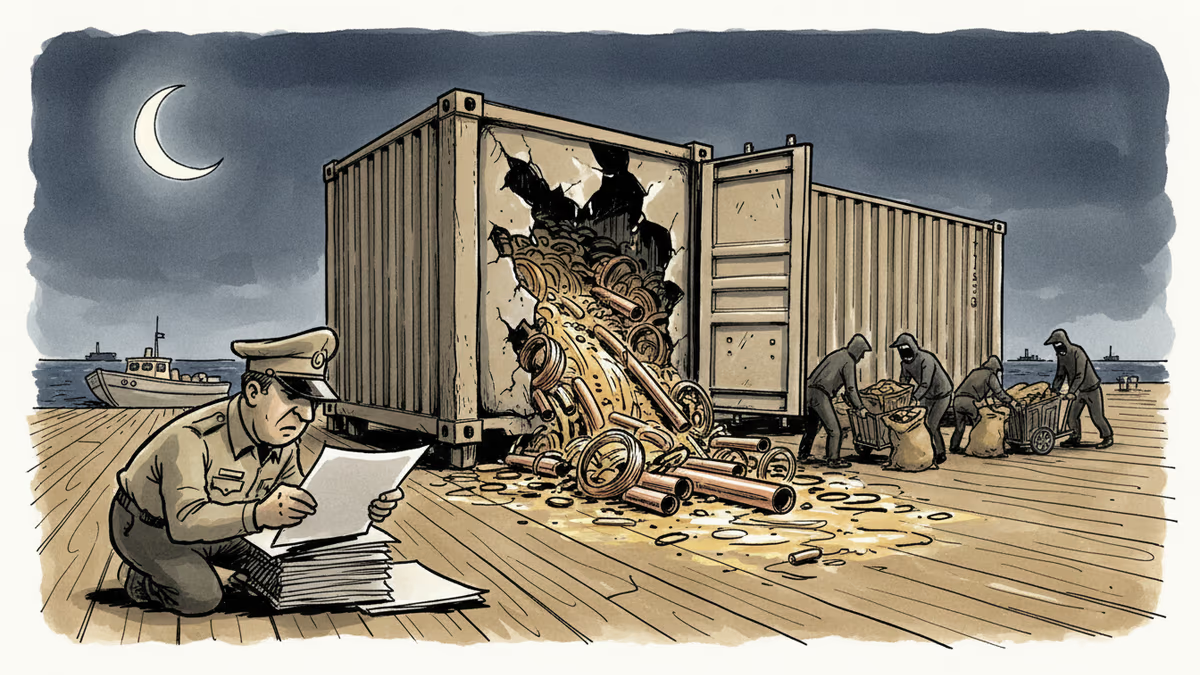
Chilean police dismantled a five-year smuggling network that drained $917 million in stolen copper, shipping it to China disguised as scrap. What it reveals about commodity supply chain vulnerabilities.
PRISM by Liabooks
Place your ad in this space
[email protected]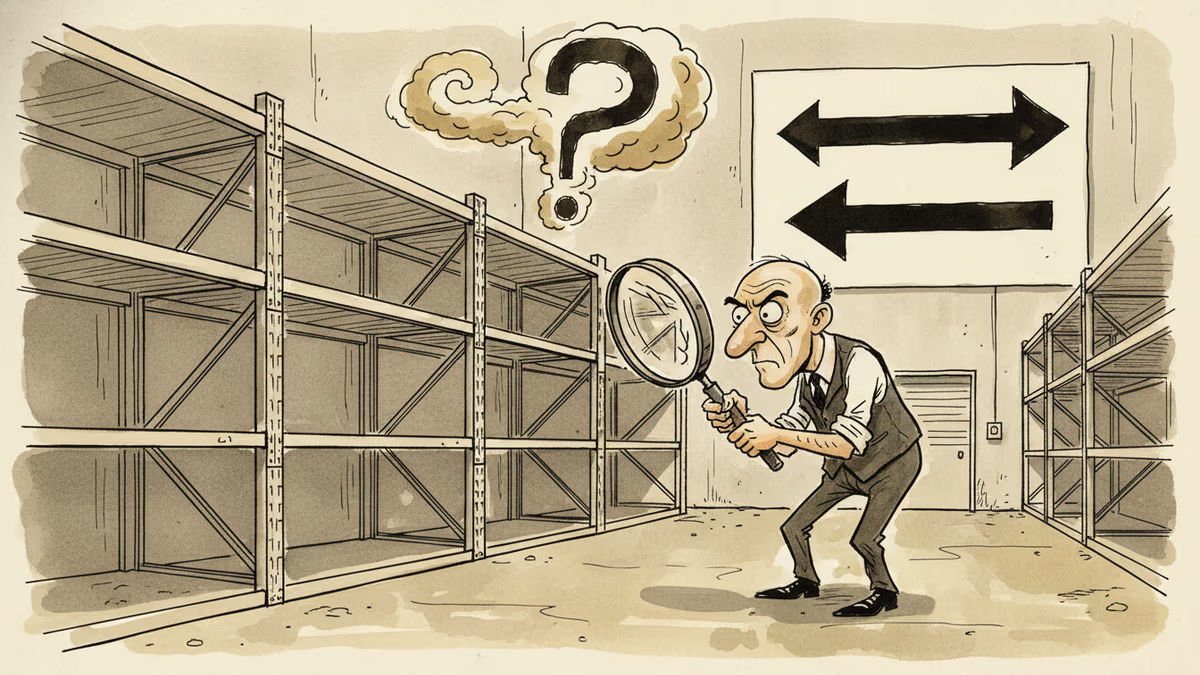
US business inventories fell unexpectedly in January. Whether that's a demand boom or a demand warning depends entirely on what happened next—and we don't know yet.
