
#Geopolitics
Total 1654 articles
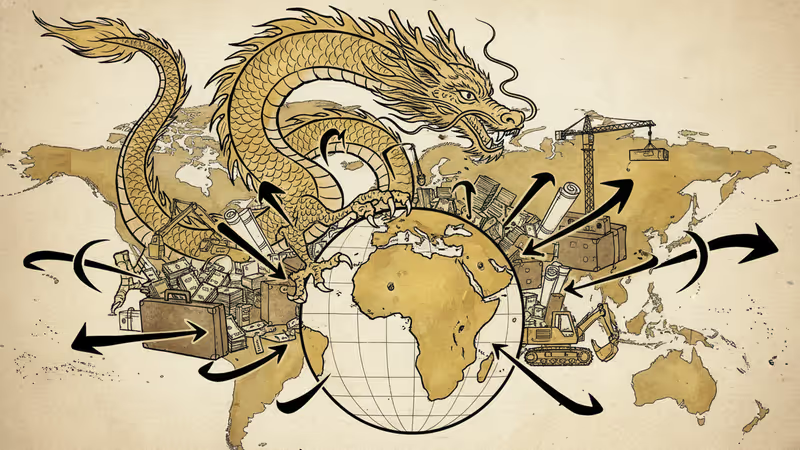
Chinese overseas investment surged 18% in 2025, hitting highest levels since 2018 as Beijing pivots toward Africa and Middle East amid Western tensions.
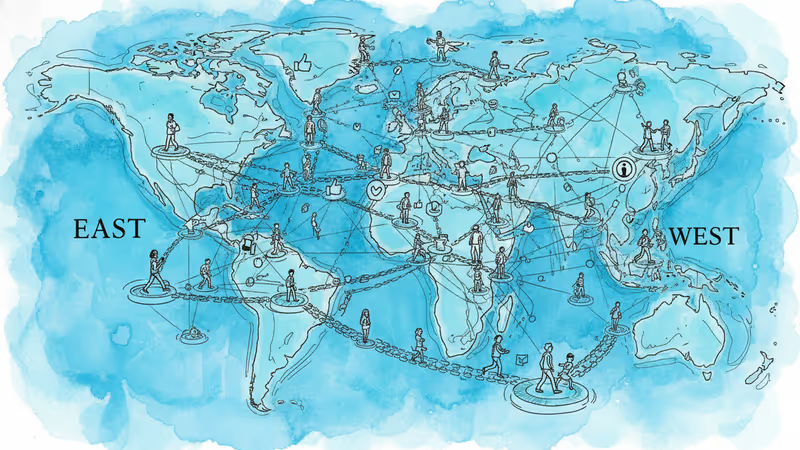
As American TikTok refugees flood Xiaohongshu, the boundaries between Chinese and Western internet blur. Why reading China's web is essential for global understanding.
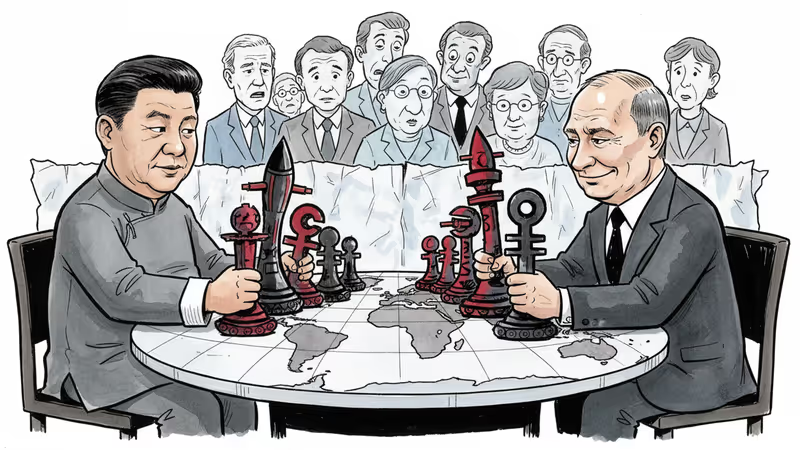
Chinese and Russian leaders held their first meeting of 2025, emphasizing the need for a 'grand plan' to develop bilateral relations amid rising global tensions.

PRISM by Liabooks
Place your ad in this space
[email protected]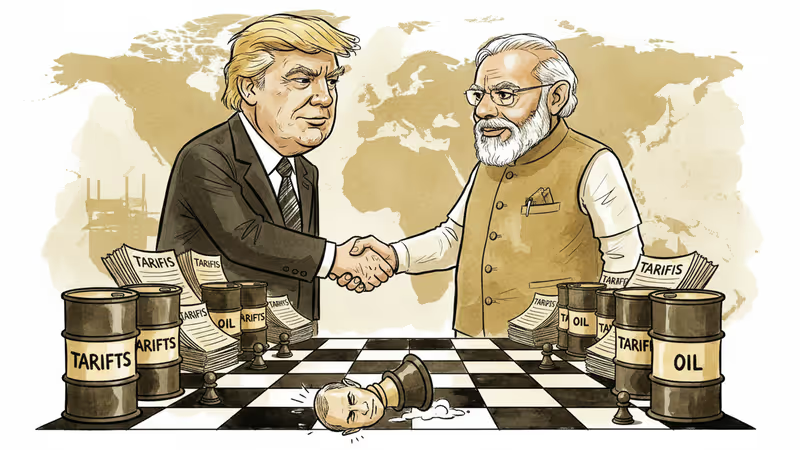
Trump cuts tariffs on India from 25% to 18% in exchange for ending Russian oil imports. Analyzing the geopolitical chess moves reshaping global energy markets.
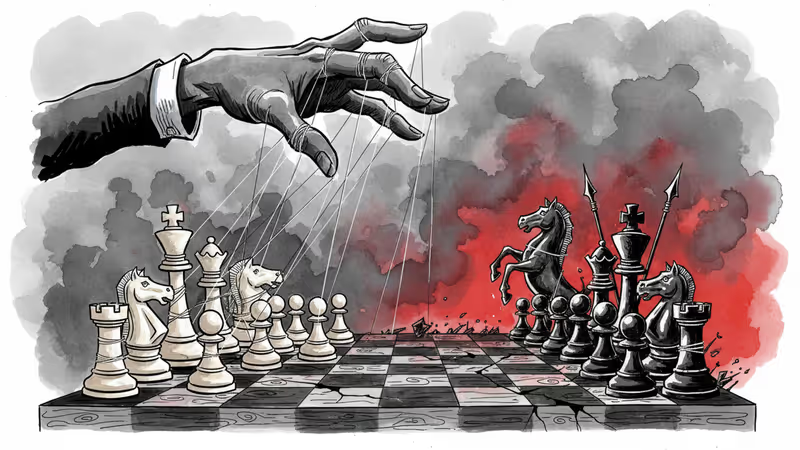
Iran's 'Axis of Resistance' proxy forces are preparing for broader conflict with Israel, marking a fundamental shift from 2025's limited engagement to potential regional warfare.
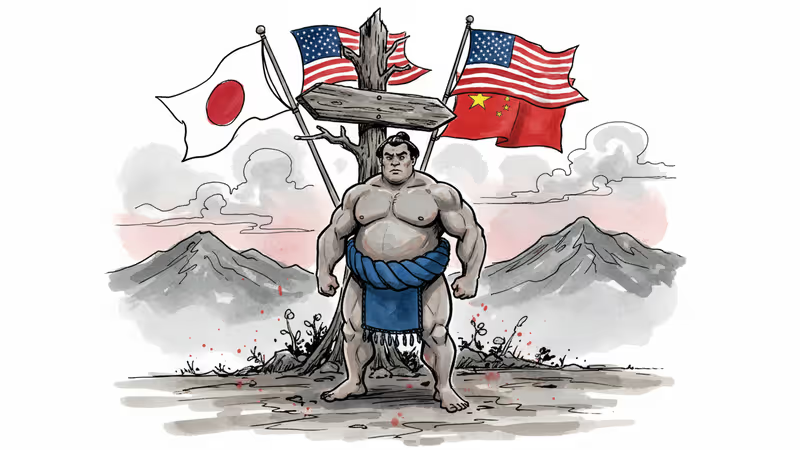
Prime Minister Takaichi's February 8 snap election will determine Japan's role in an increasingly fragmented world amid US-China tensions.
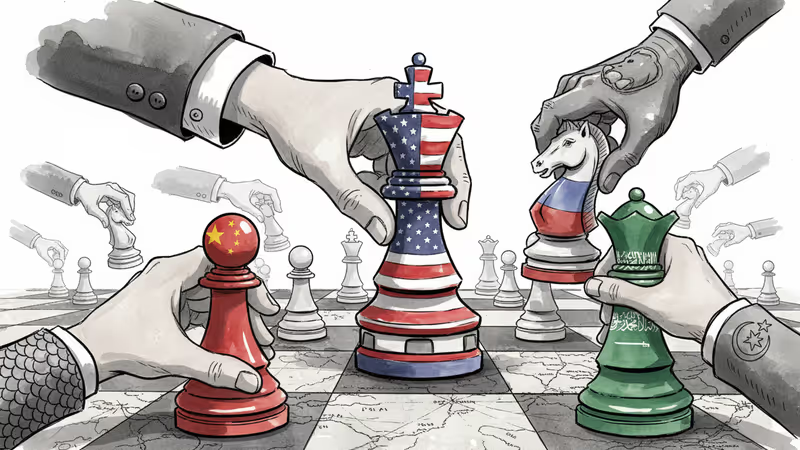
As Trump creates new international bodies and flexes military muscle, experts warn we're witnessing the end of post-WWII order and return to great power competition.
PRISM by Liabooks
Place your ad in this space
[email protected]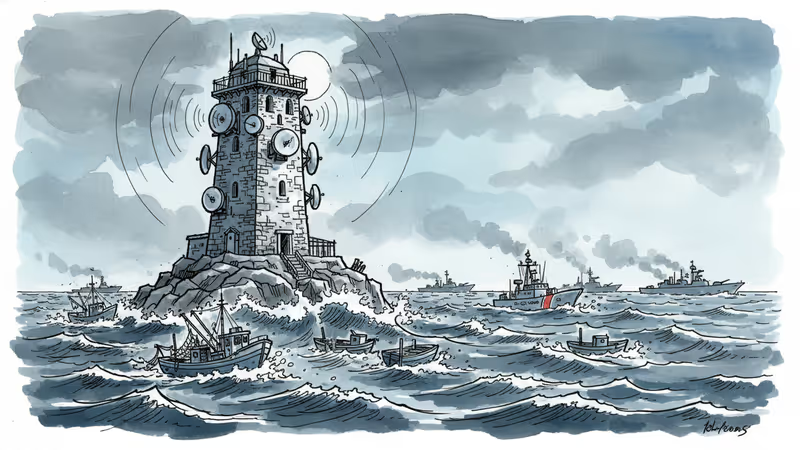
Taiwan accelerates radar and surveillance upgrades to counter China's gray zone tactics in Taiwan Strait, signaling broader shift in regional maritime security dynamics.
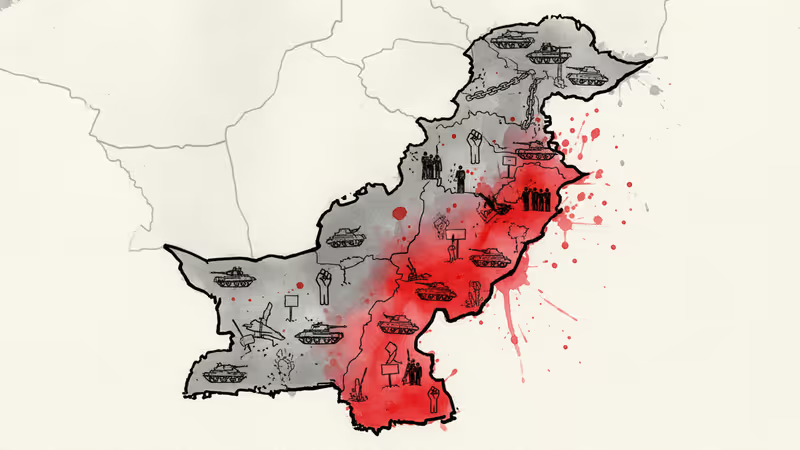
Pakistan military reports killing 92 militants in Balochistan after coordinated attacks killed 33 security personnel and civilians, marking one of deadliest days in decades-long insurgency.
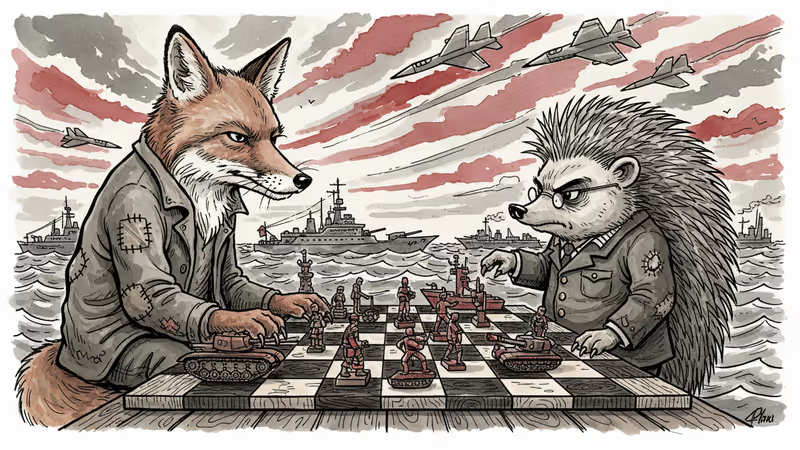
As US military assets surround Iran, two aging leaders with opposing worldviews face off in a confrontation that could reshape the Middle East forever.
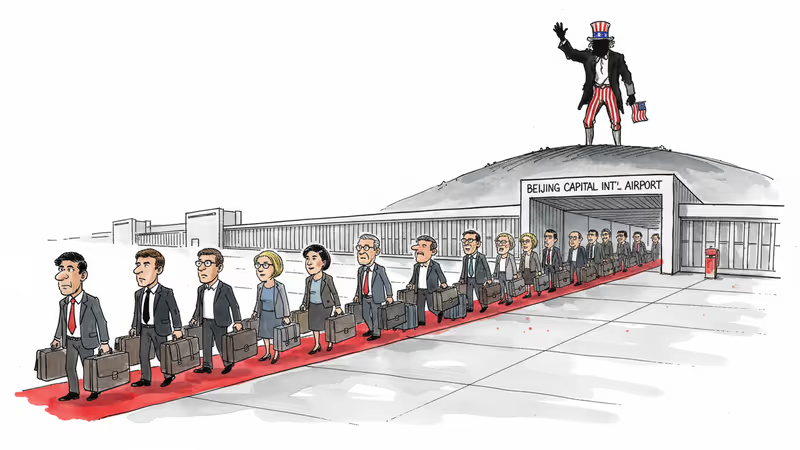
As Trump threatens NATO, European leaders flock to Beijing. Is this strategic pivoting or anxious hedging? Inside Europe's scramble for leverage in a multipolar world.
PRISM by Liabooks
Place your ad in this space
[email protected]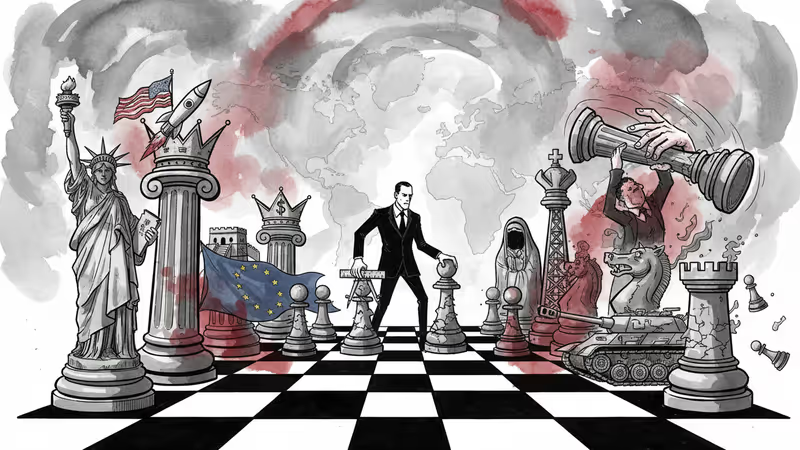
Trump's second-term foreign policy blends realist power politics with departures from classical restraint. What does this mean for global stability?
