
#Geopolitics
Total 1654 articles
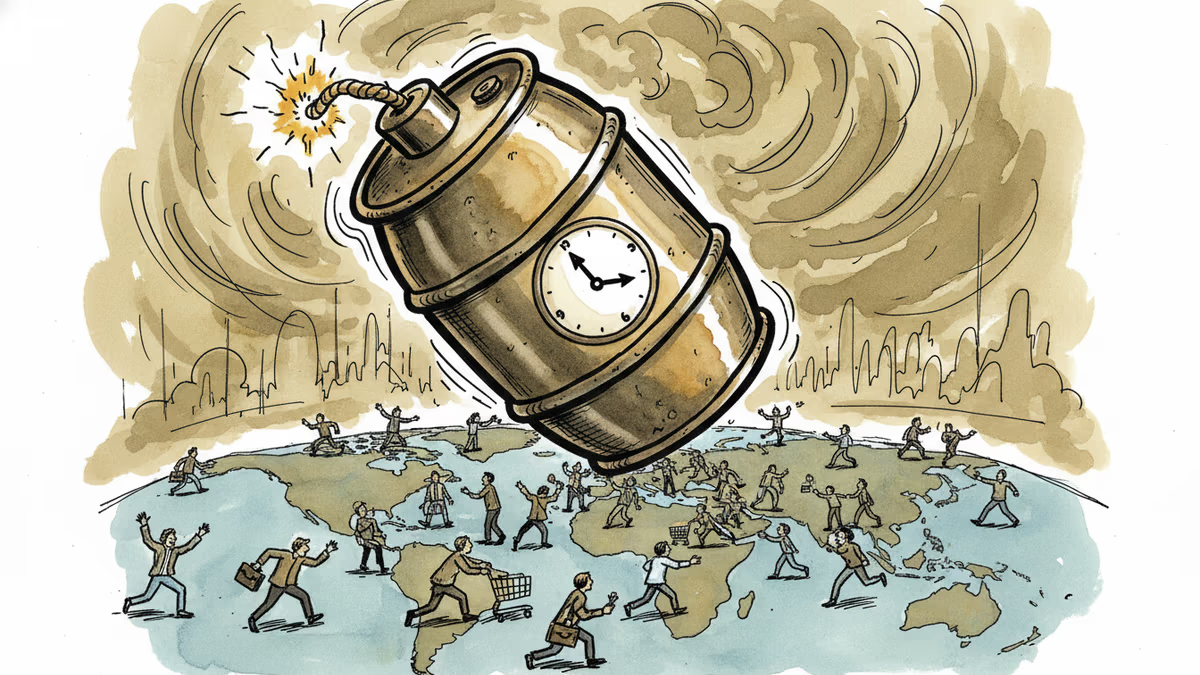
Brent crude is heading for a record monthly gain as Iran tensions escalate. Here's what the oil price spike means for your wallet, your portfolio, and the global economy.
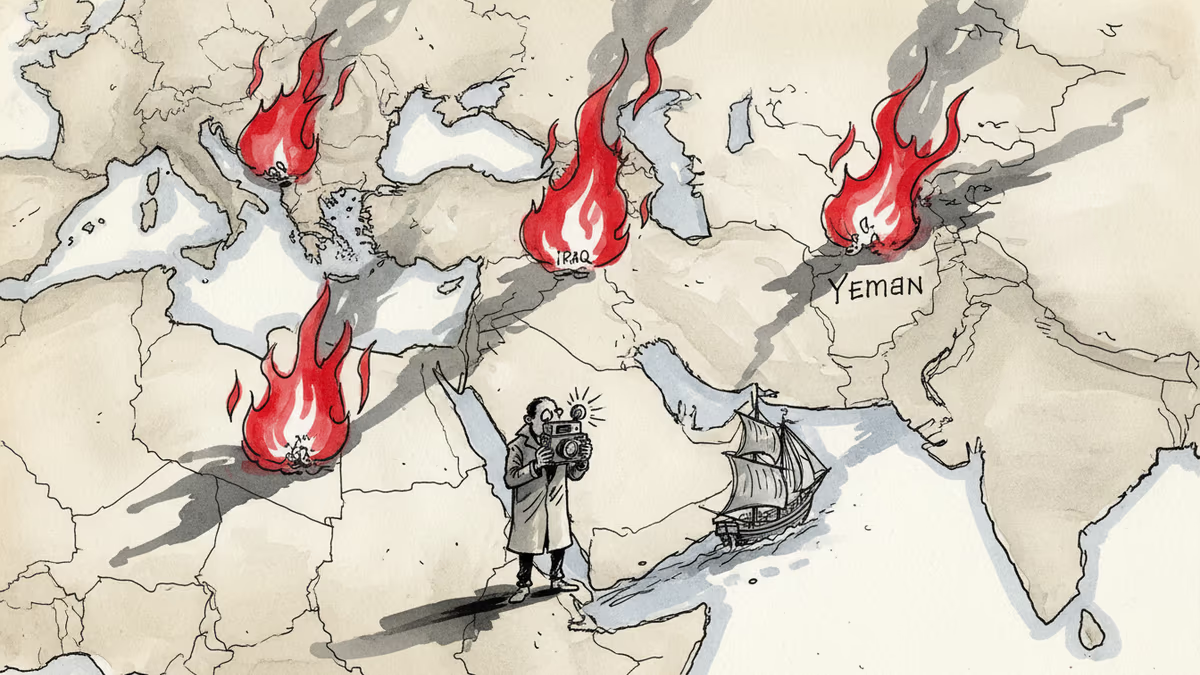
Iran strikes southern Israel, Lebanese journalists are buried, and Washington signals regime change in Tehran, Havana, and Caracas. The Middle East's overlapping crises are entering a dangerous new phase.
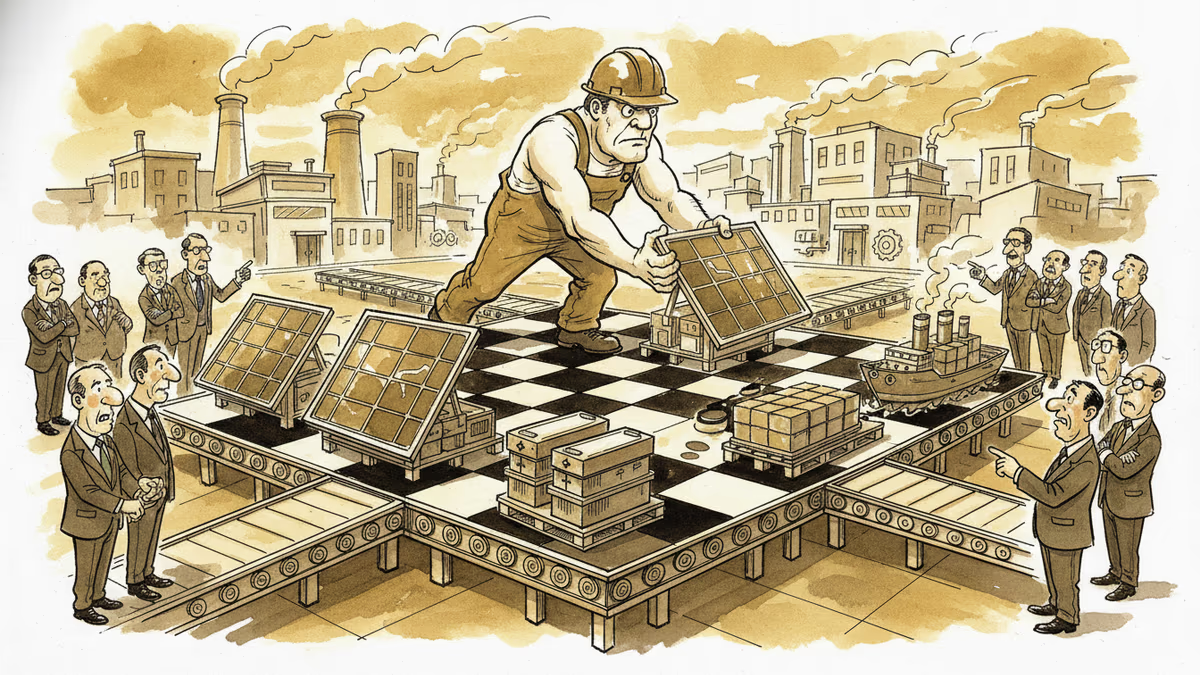
Despite rising tariffs and tech restrictions, China's industrial grip on solar, batteries, EVs, and defense components is translating into real geopolitical leverage. Here's what that means for investors and policymakers.

PRISM by Liabooks
Place your ad in this space
[email protected]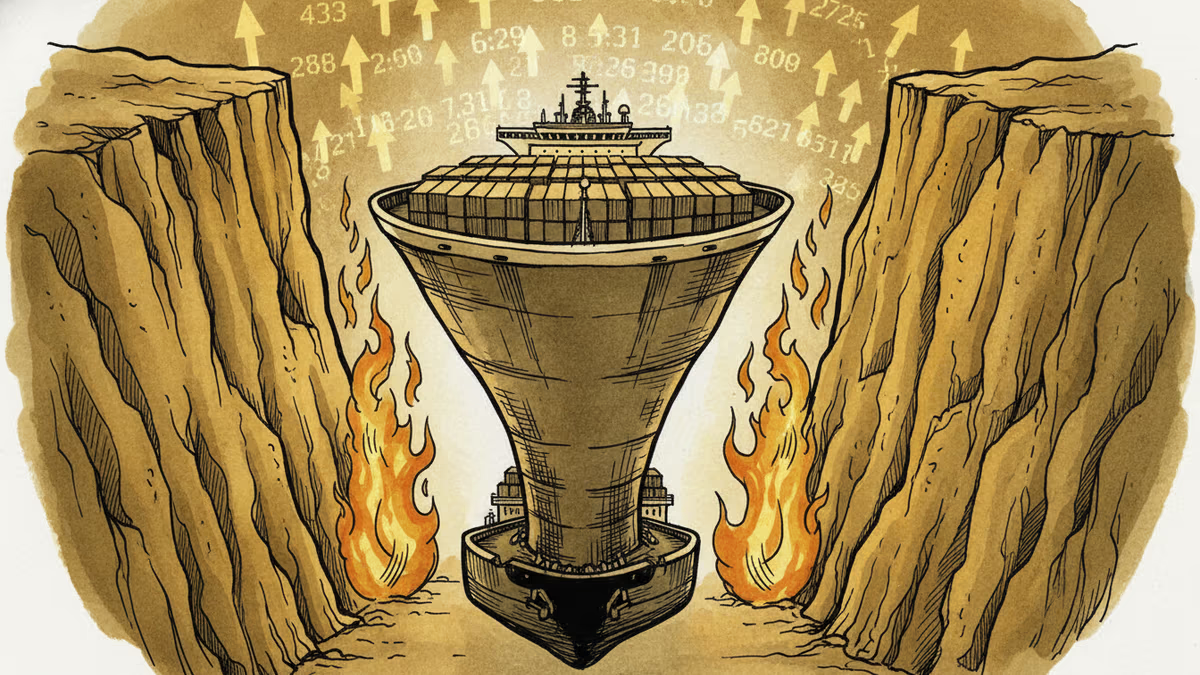
As the US-Israeli campaign against Iran enters its second month, Houthi missiles have opened a second front. With oil above $100, the Bab el-Mandeb could be the next chokepoint to watch.
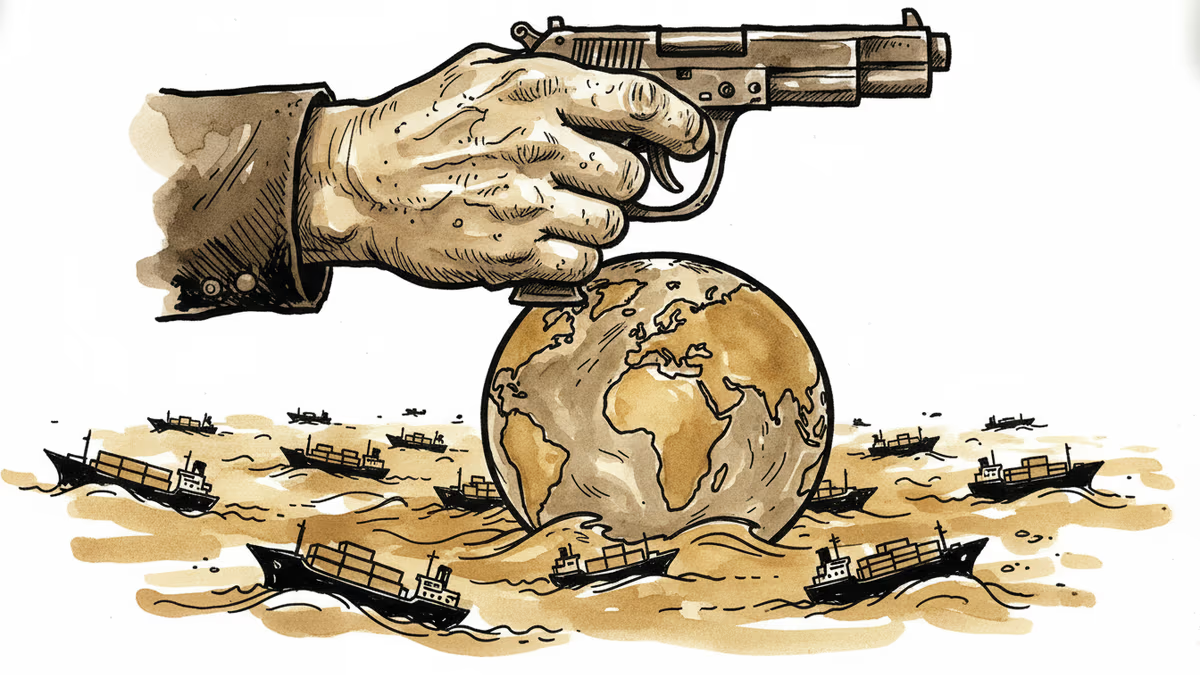
Yemen's Houthis fired another missile at Israel and warned other nations they're next. What this means for global shipping, energy markets, and the cost of everything.
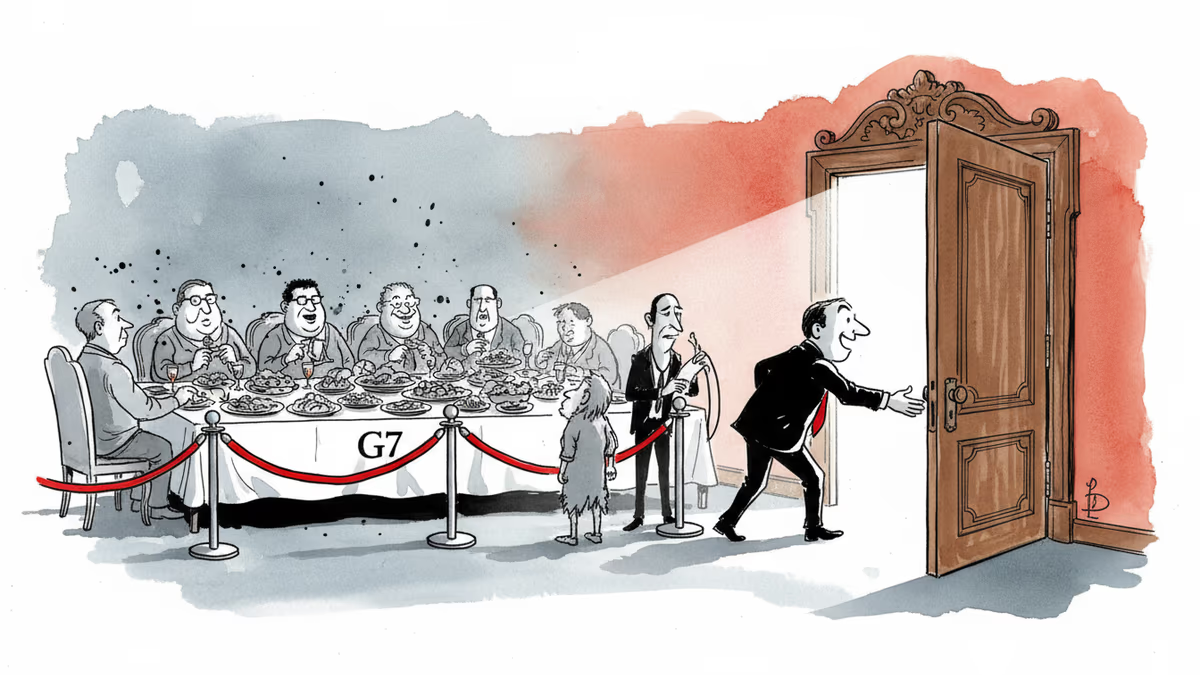
On the same day South Africa was disinvited from the G7 summit under US pressure, China pledged tariff-free trade. What does this moment reveal about the battle for the Global South?
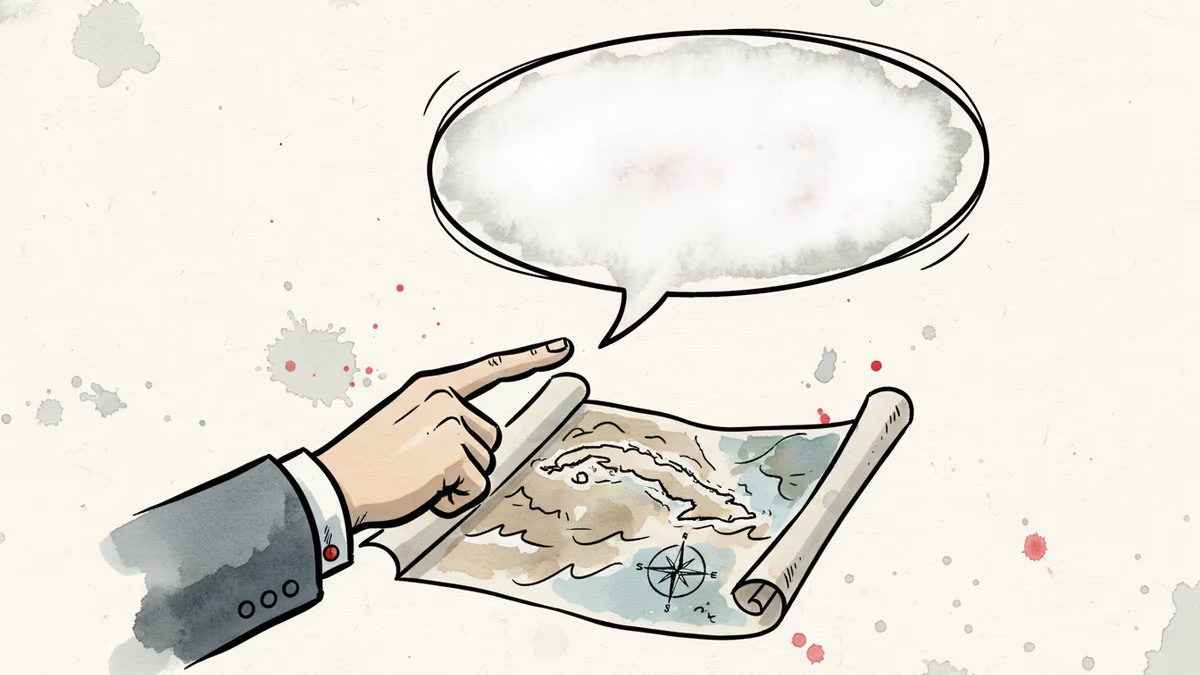
Trump's "Cuba is next" remark at a Miami investment forum signals a pattern of pressure — economic strangulation, regime change, and military hints — that's reshaping hemispheric order.
PRISM by Liabooks
Place your ad in this space
[email protected]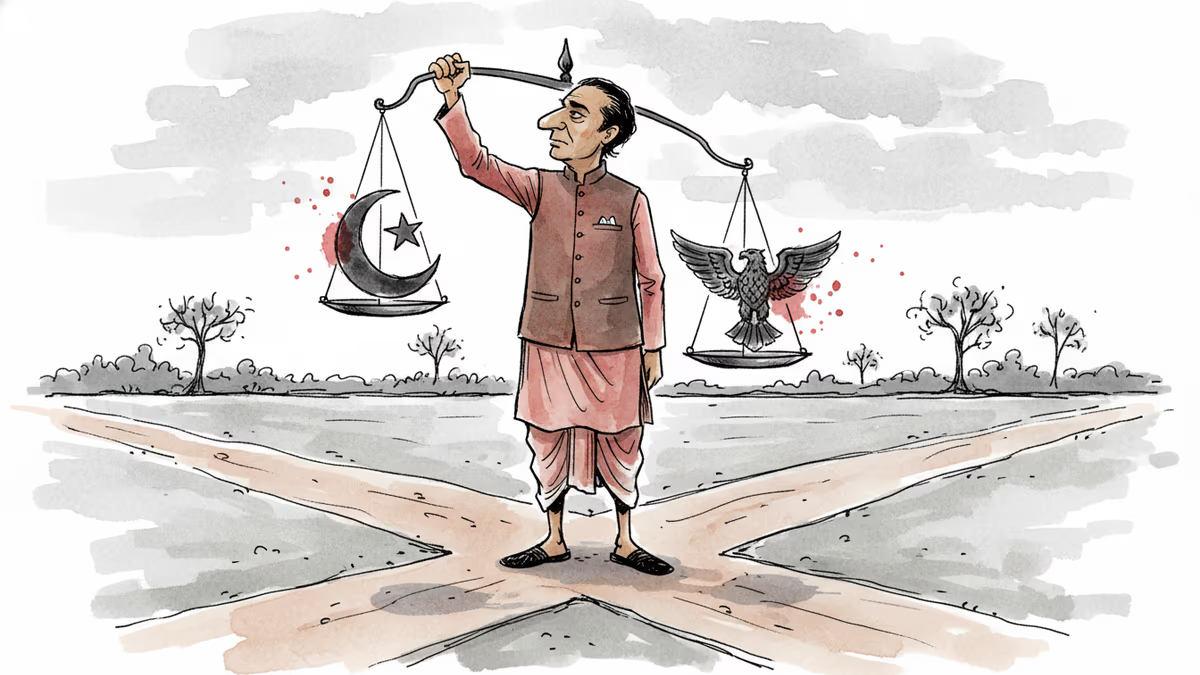
India officially declared neutrality in the Middle East conflict, but its behavior tells a different story — and may signal a quiet but profound shift in Indian grand strategy.
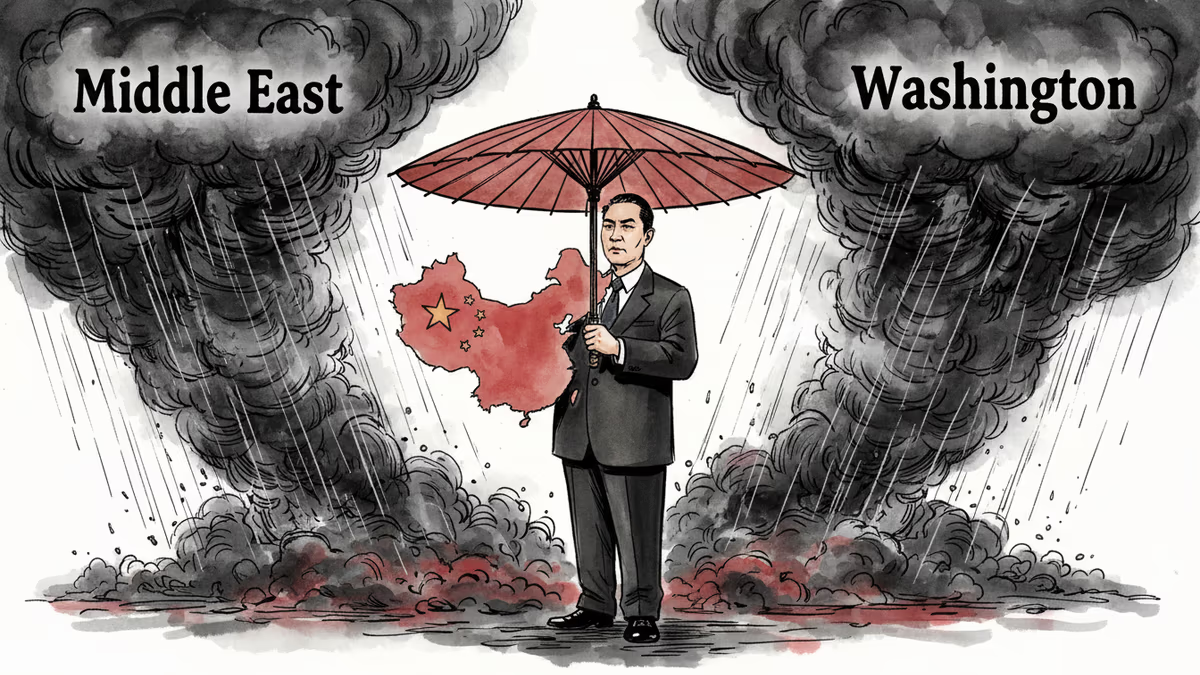
A top Chinese economist claims Beijing can absorb shocks from the Middle East conflict and hit its growth target — while quietly preparing for Washington to walk back trade deals.
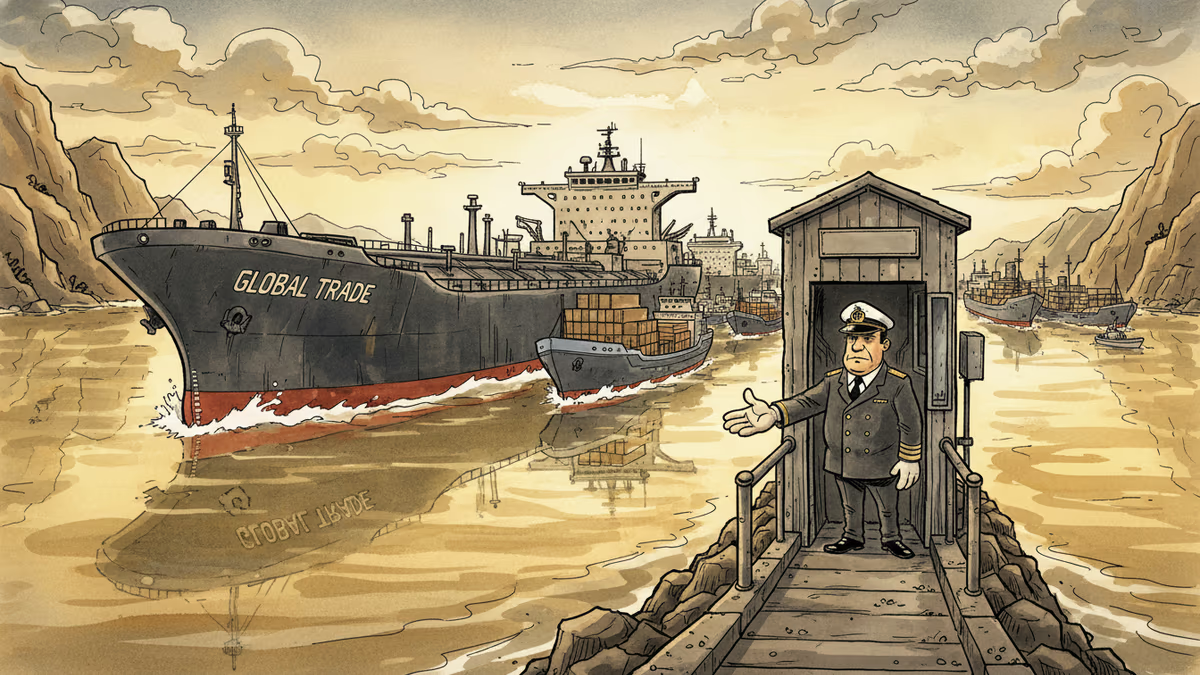
Tehran has signaled that a system of fees and passage restrictions in the Strait of Hormuz could outlast the current conflict. With 20% of global oil supply at stake, the implications stretch far beyond the Middle East.
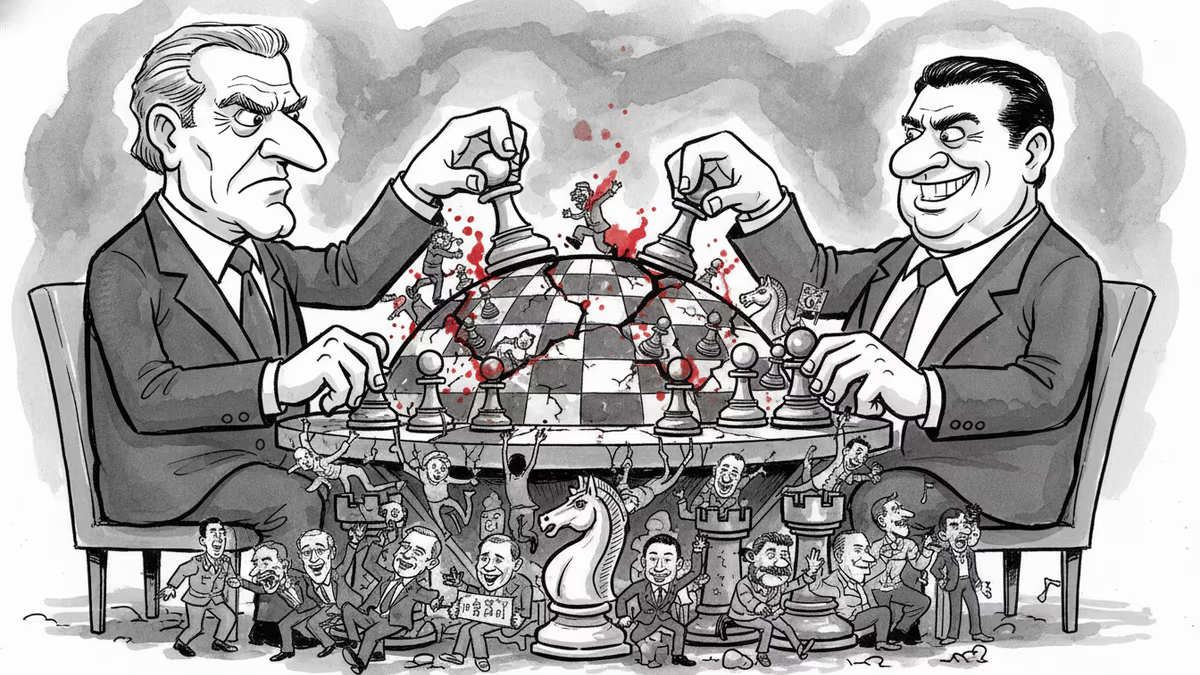
The world is watching for a Xi-Trump summit date. But the deeper question isn't when they'll meet — it's what kind of world they're building together, and apart.
PRISM by Liabooks
Place your ad in this space
[email protected]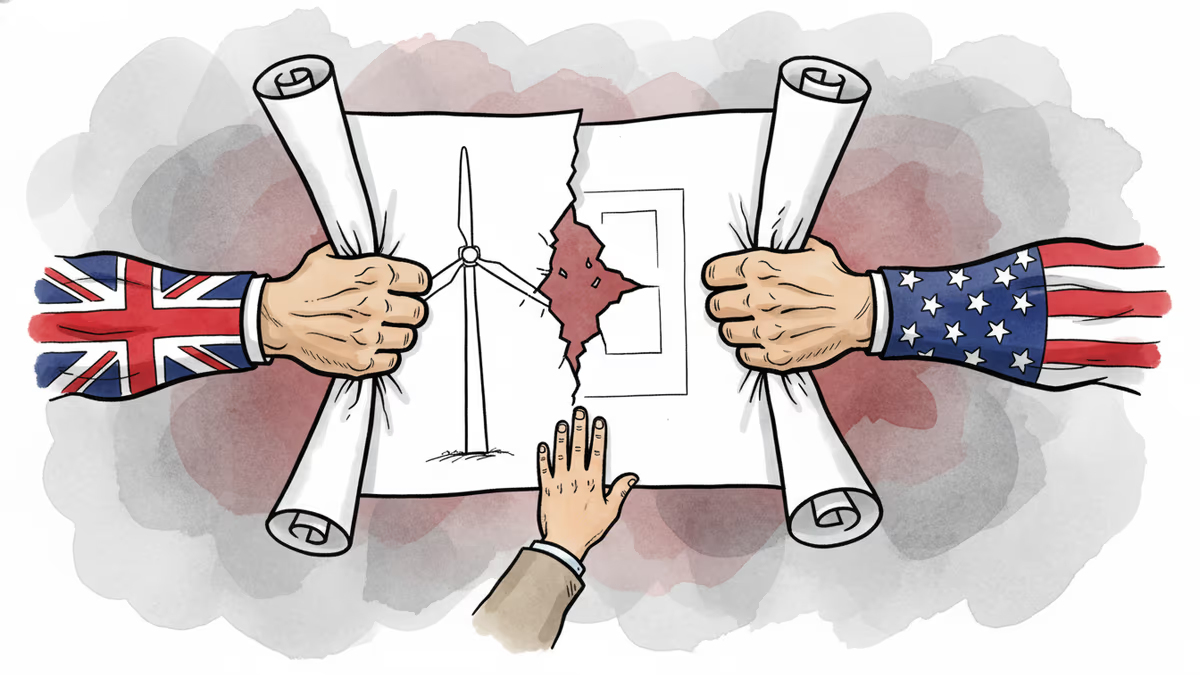
Britain rejected a £1.5 billion Chinese wind turbine plant in Scotland. The reason given was national security—but the real pressure may have come from Washington.
