
#Shipping
Total 14 articles
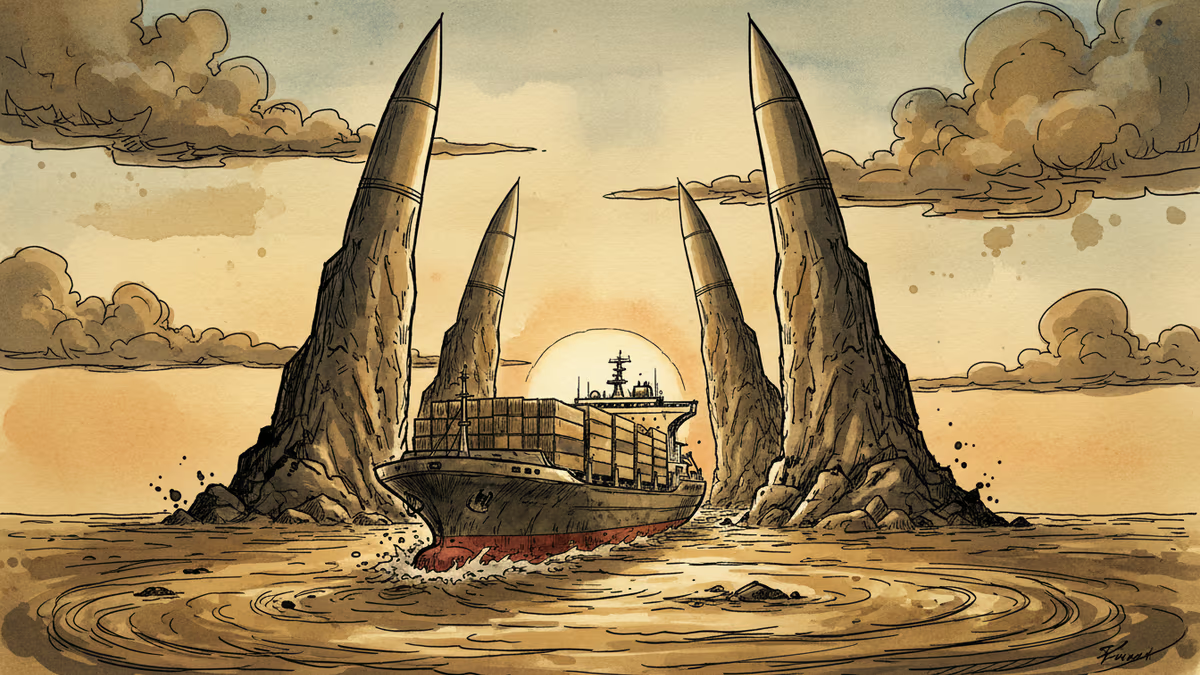
A CMA CGM vessel became the first owned by a major western shipping line to transit the Red Sea safely since the Iran-Israel war began. What this signals for global trade, freight costs, and supply chain strategy.
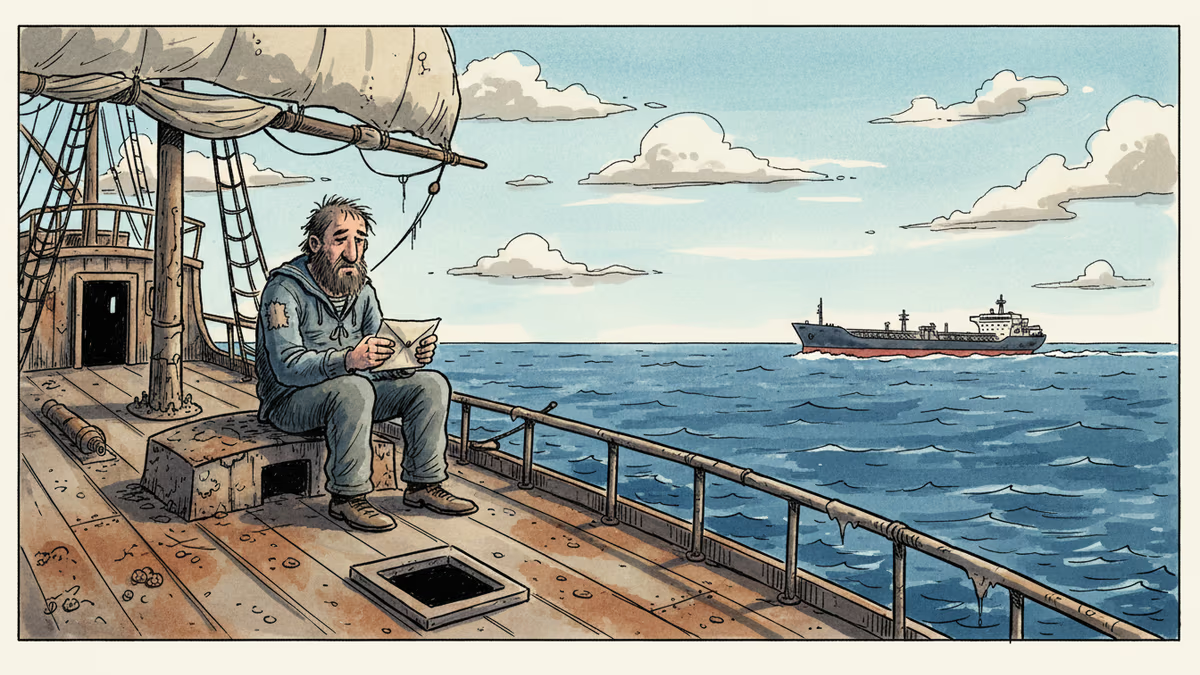
As the Strait of Hormuz closure traps 1,900 vessels, abandoned seafarers reveal a structural flaw at the heart of global trade—no single authority is responsible when things go wrong.
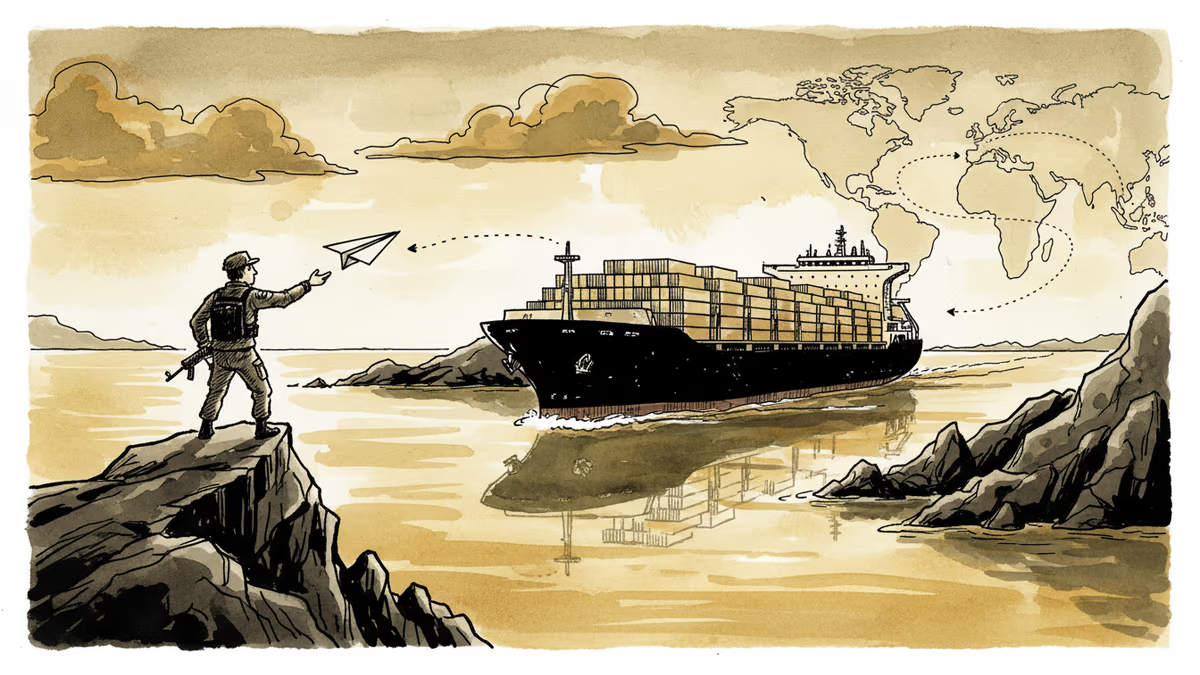
Yemen's Houthi rebels have resumed attacks on Red Sea shipping, threatening global trade routes that carry 12-15% of world container traffic. Here's what it means for prices, supply chains, and geopolitics.

PRISM by Liabooks
Place your ad in this space
[email protected]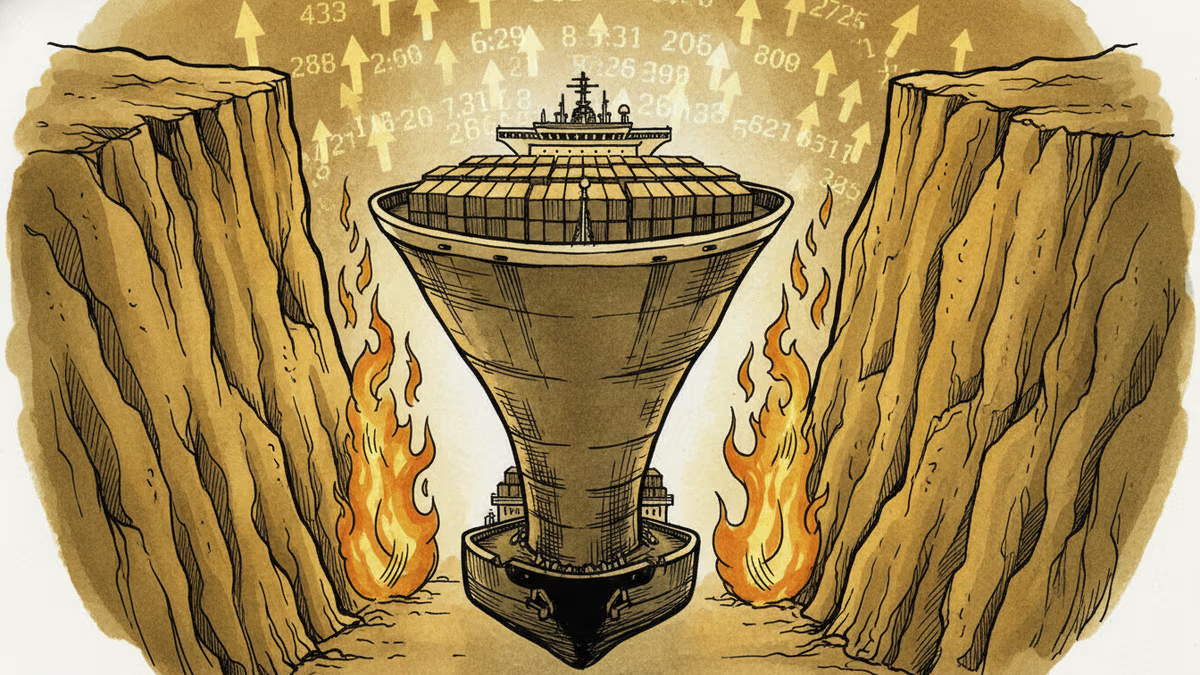
As the US-Israeli campaign against Iran enters its second month, Houthi missiles have opened a second front. With oil above $100, the Bab el-Mandeb could be the next chokepoint to watch.
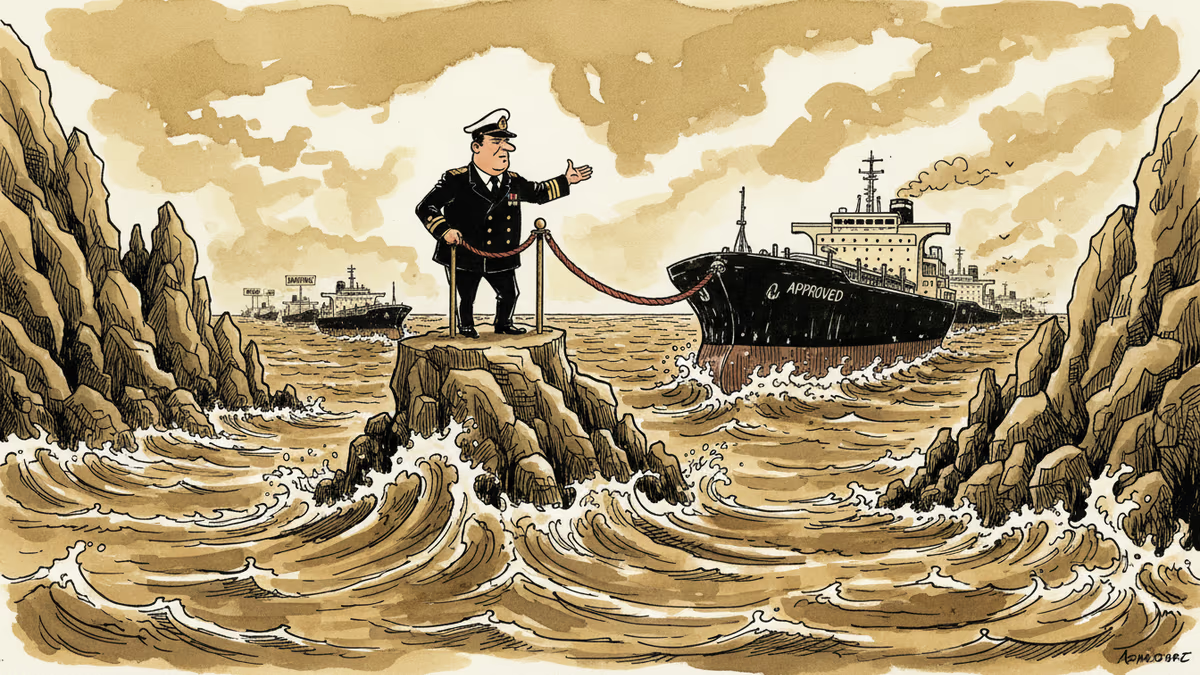
Iran is selectively allowing favored vessels through the Strait of Hormuz, raising alarms for energy traders, shipping firms, and anyone who pays attention to oil prices.
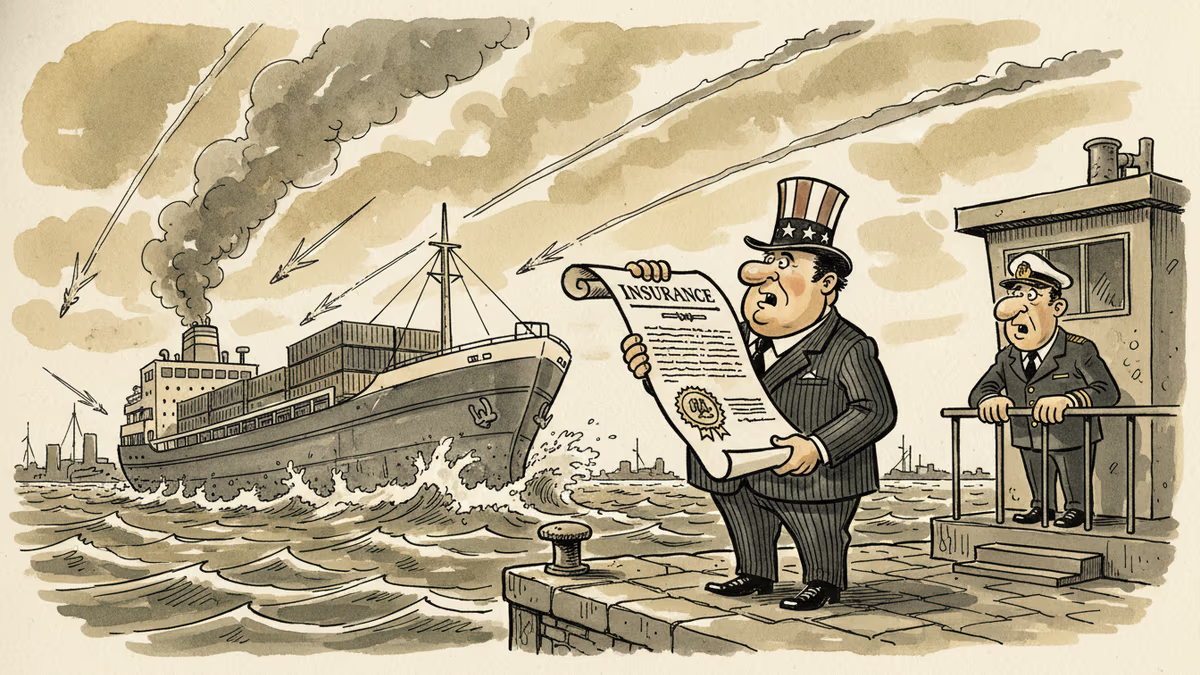
The US Development Finance Corporation is exploring war-risk insurance for vessels in contested waters. It sounds technical—but it's really about trade costs, inflation, and geopolitical leverage.
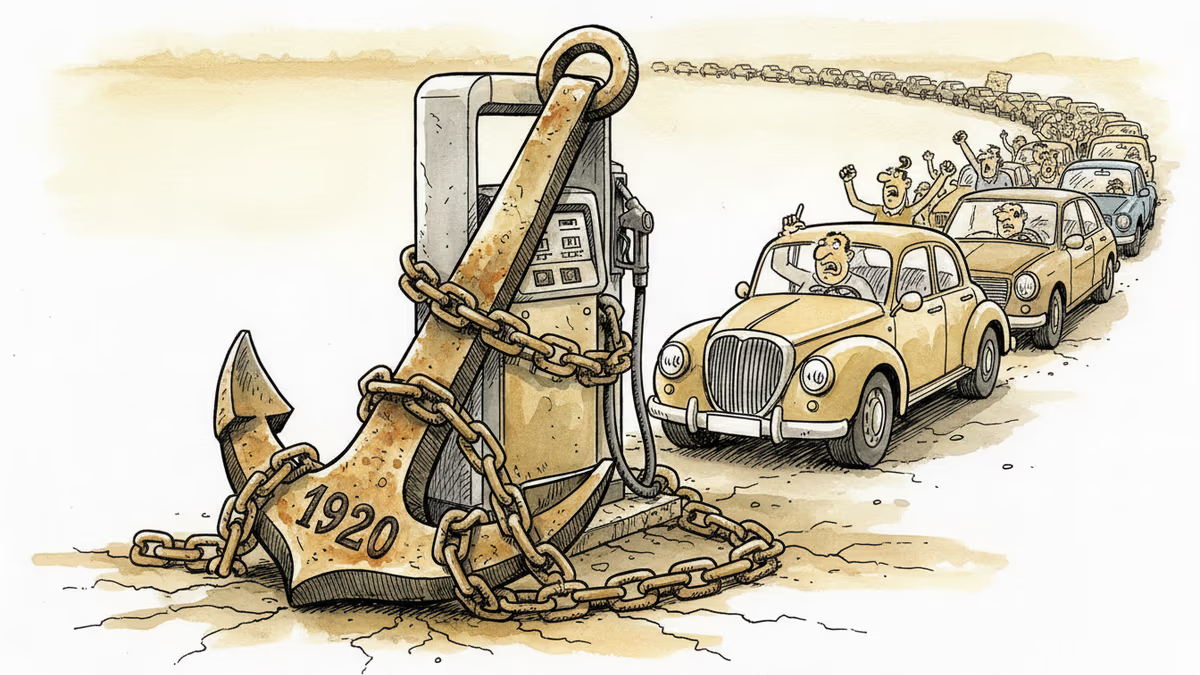
The Trump administration suspended the Jones Act for 60 days to fight soaring gas prices. But can a century-old shipping law really fix a geopolitical fuel crisis—and at what cost?
PRISM by Liabooks
Place your ad in this space
[email protected]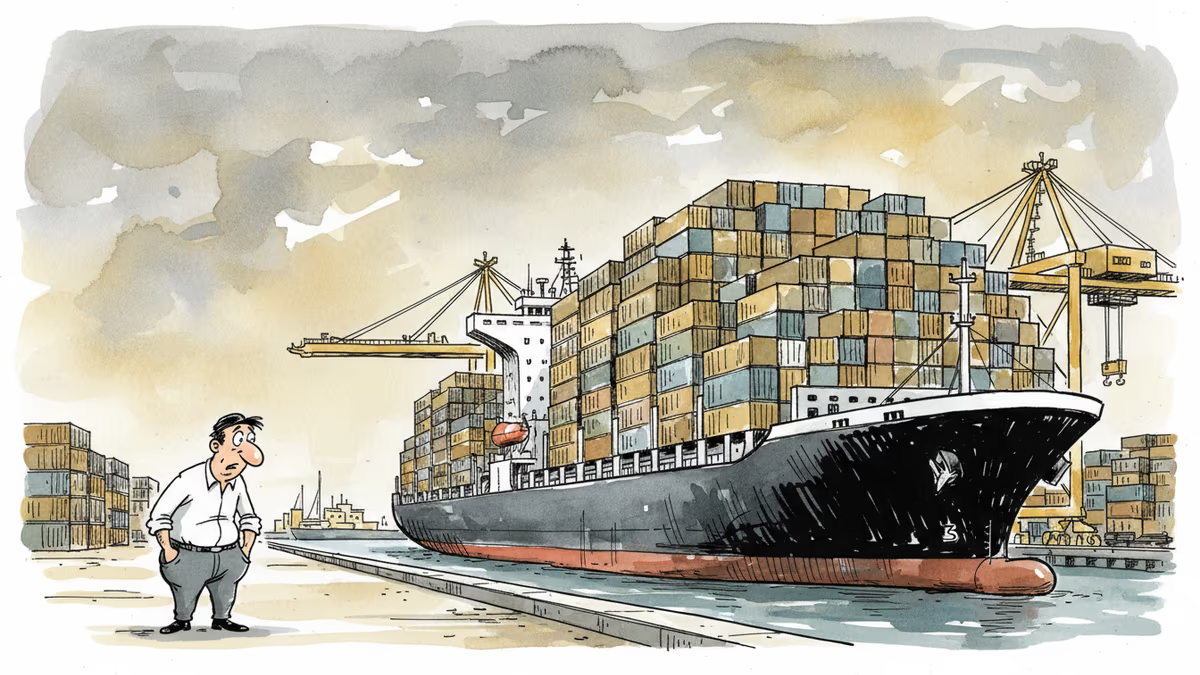
Containers are piling up at the wrong ports while freight rates surge. Here's what's driving the imbalance, who's winning, who's losing, and what it means for inflation and global trade.
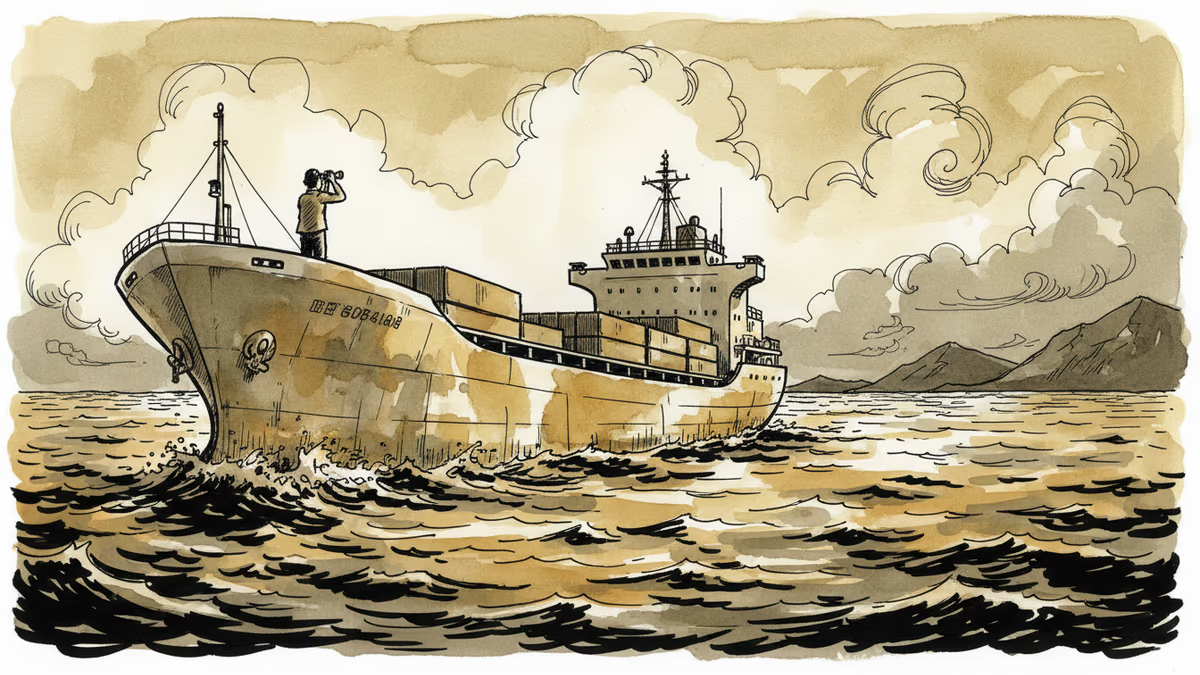
After months of disrupting global shipping lanes, the Houthis have gone unusually silent. What does that mean for Red Sea trade, oil markets, and the next phase of Middle East tension?
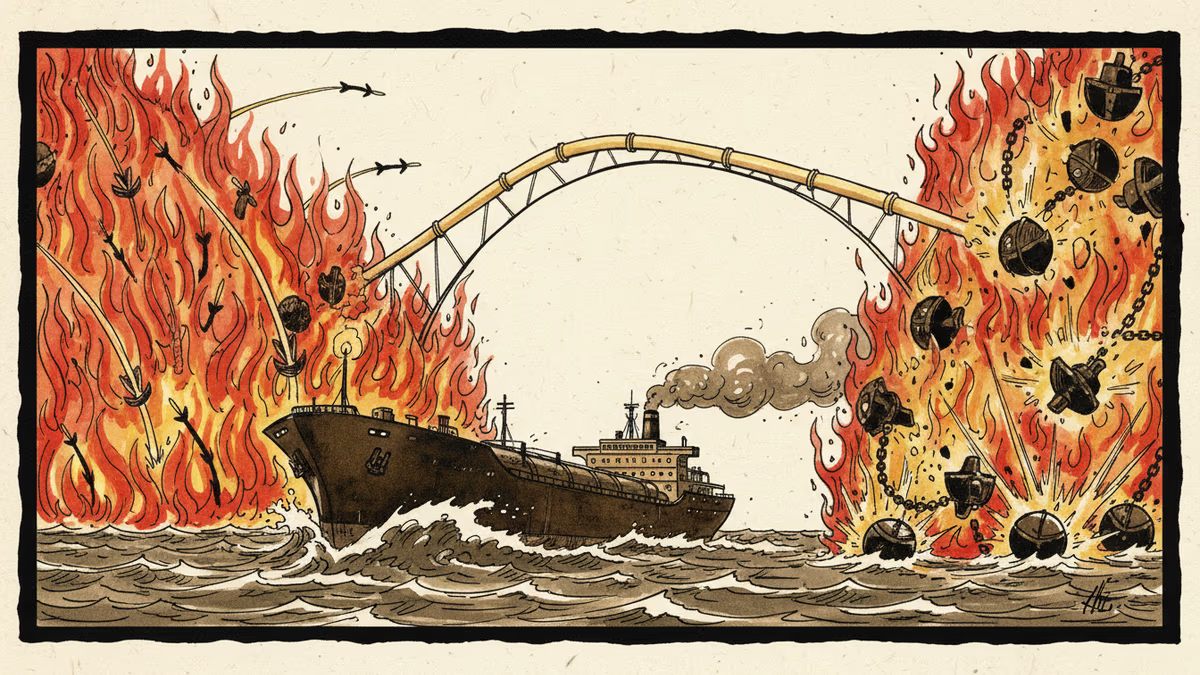
Saudi Arabia's East-West pipeline offers a way around the Strait of Hormuz—but ships emerge into Houthi-controlled Red Sea waters. A look at the geography of risk reshaping global energy markets.
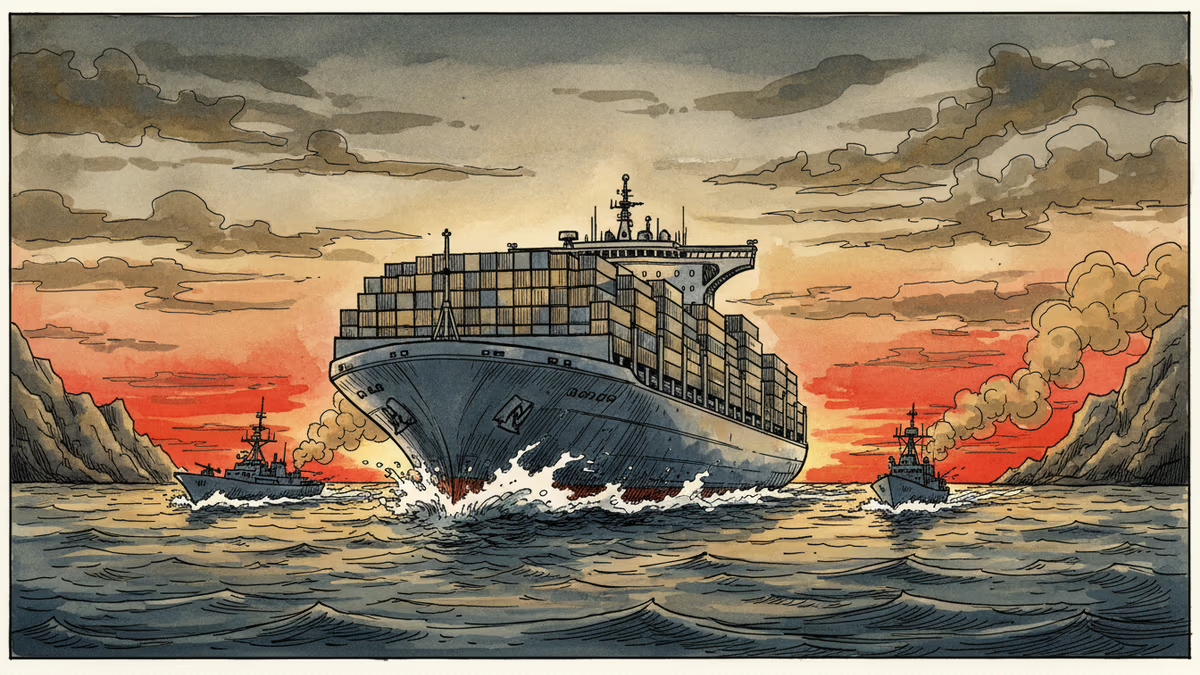
A container ship operated by Ocean Network Express, backed by Japan's three major shipping lines, was damaged in the Persian Gulf amid escalating US-Iran-Israel tensions. Here's what it means for global energy and trade.
PRISM by Liabooks
Place your ad in this space
[email protected]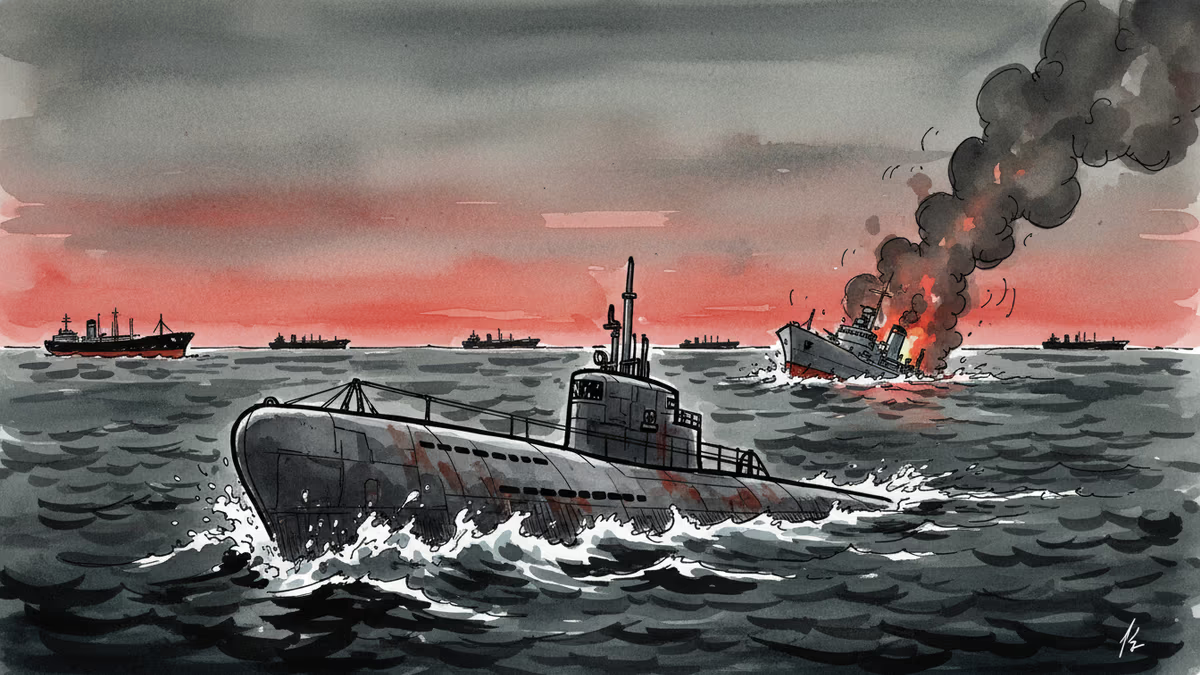
A US submarine reportedly sank an Iranian naval vessel in the Indian Ocean, escalating Middle East tensions and threatening global shipping routes critical to world trade.
