
#Oil Markets
Total 64 articles
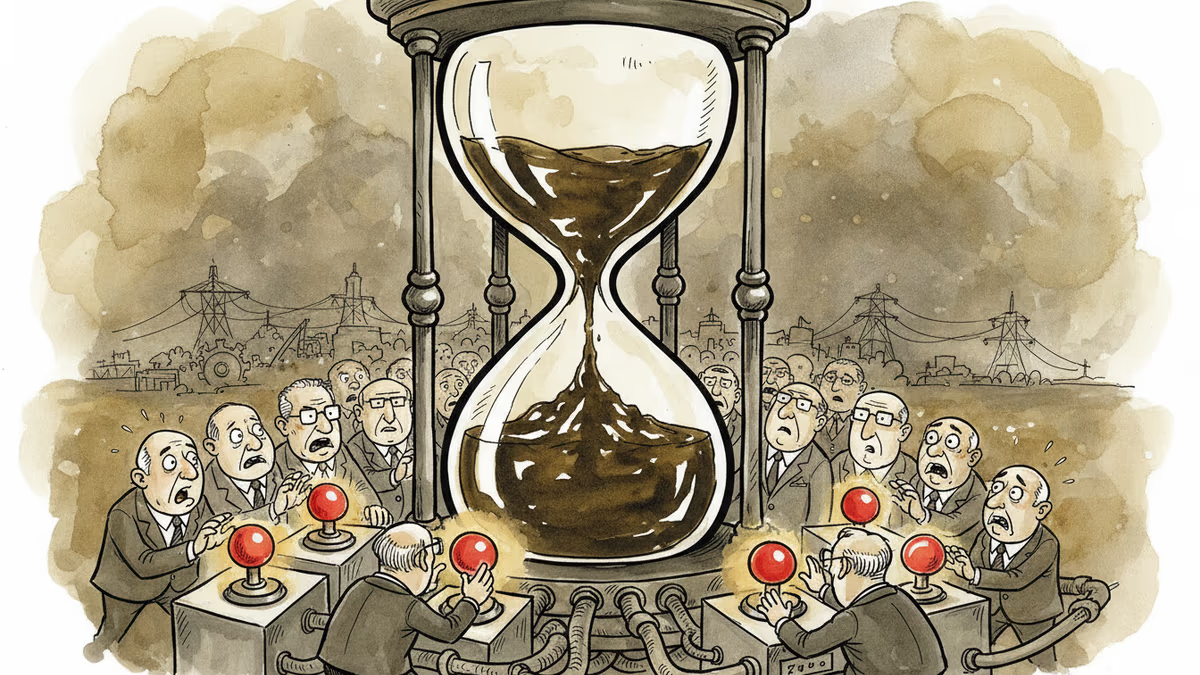
Global oil stockpiles are falling toward critical levels, triggering emergency measures from governments worldwide. What this means for energy prices, inflation, and your bottom line.
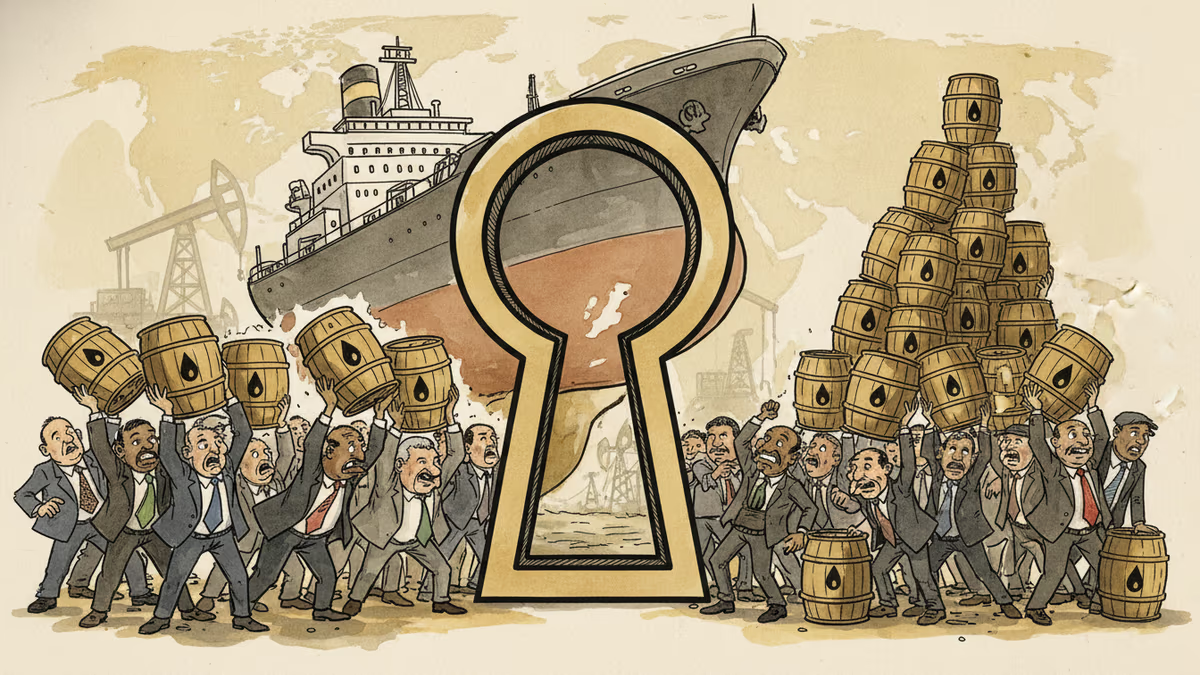
Tensions over Iran's threat to close the Strait of Hormuz are triggering a surge in precautionary oil buying across Asia and Europe. Here's what's really at stake—and who wins and loses.
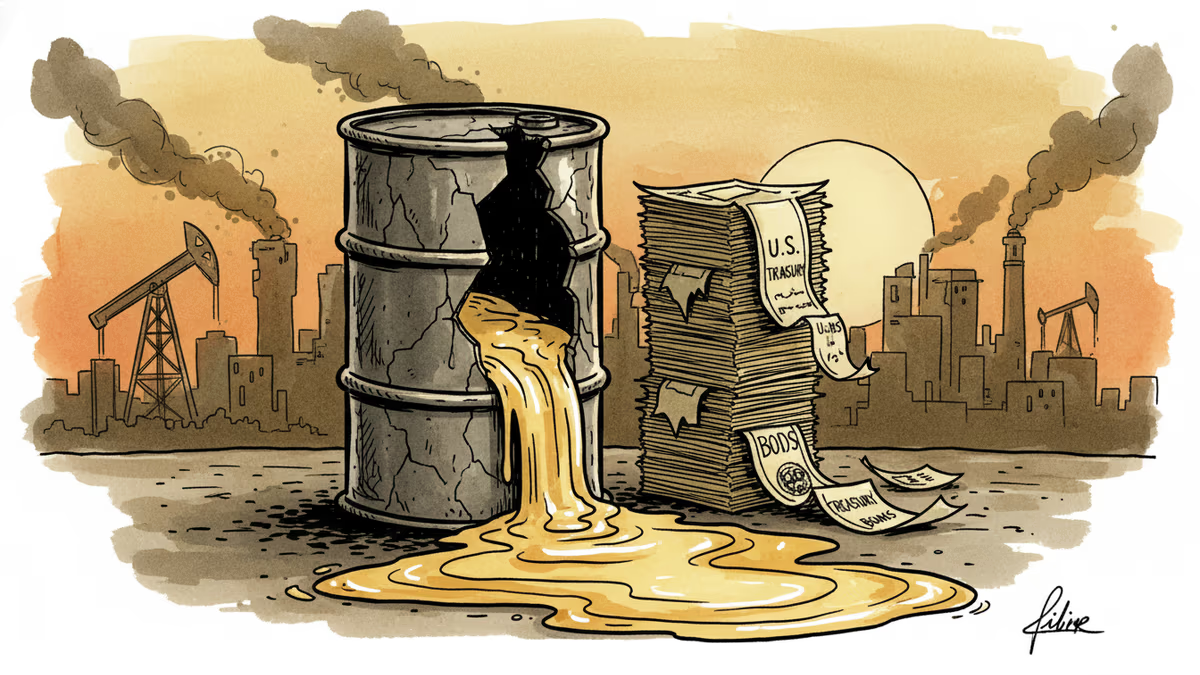
Oil surged to $114 a barrel as Middle East conflict deepened, while U.S. Treasuries sold off simultaneously — a rare combination that markets read as a stagflation warning signal.

PRISM by Liabooks
Place your ad in this space
[email protected]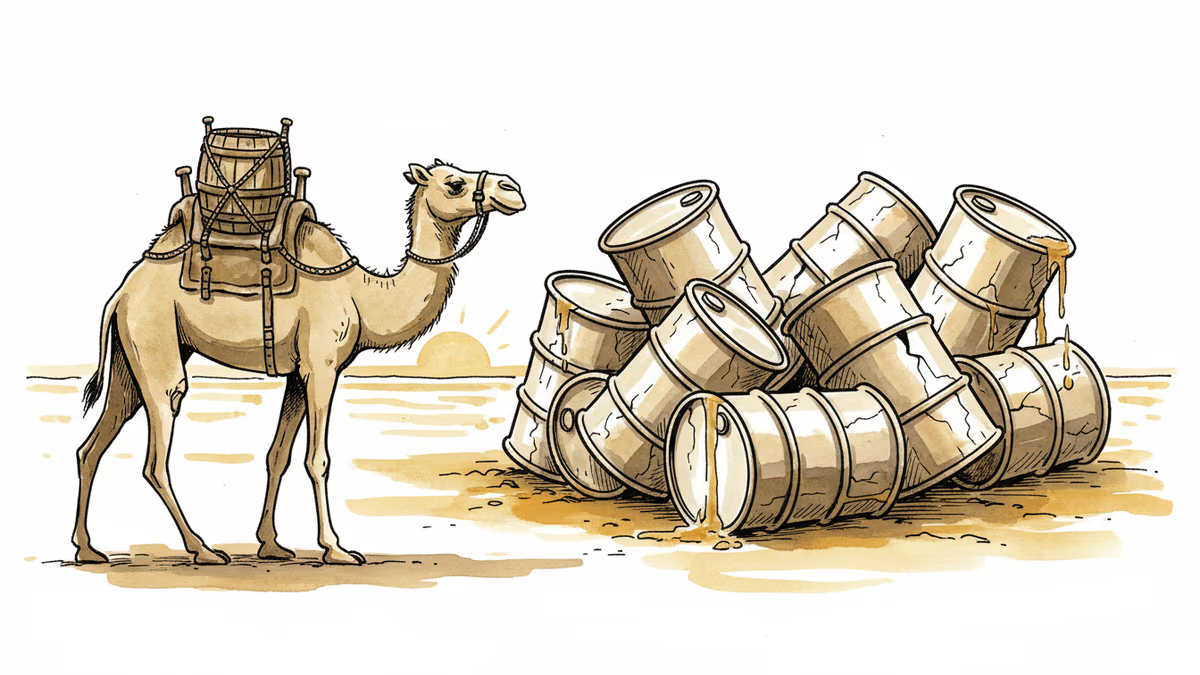
The UAE's sudden exit from OPEC removes 12% of the cartel's output and signals a deepening Saudi-Emirati rift with major implications for global oil markets and Middle East geopolitics.
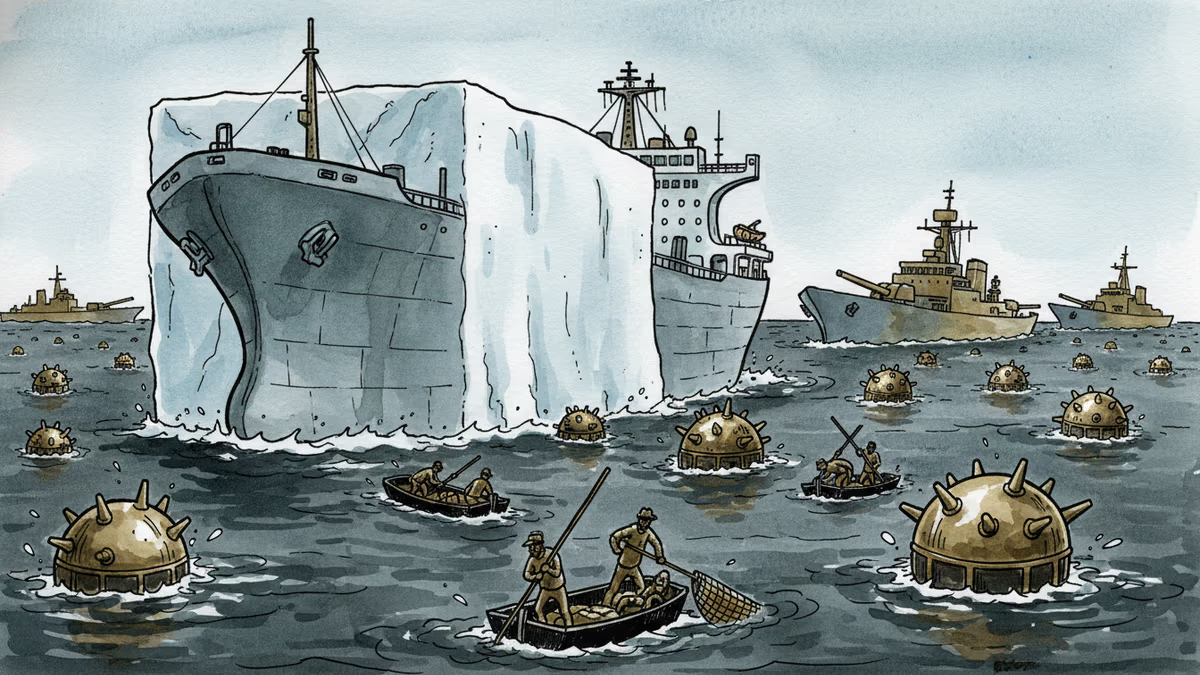
The US Navy says clearing mines from the Gulf waterway will take weeks, with European allies reluctant to help. Here's what that timeline means for oil markets, your wallet, and the future of allied naval cooperation.
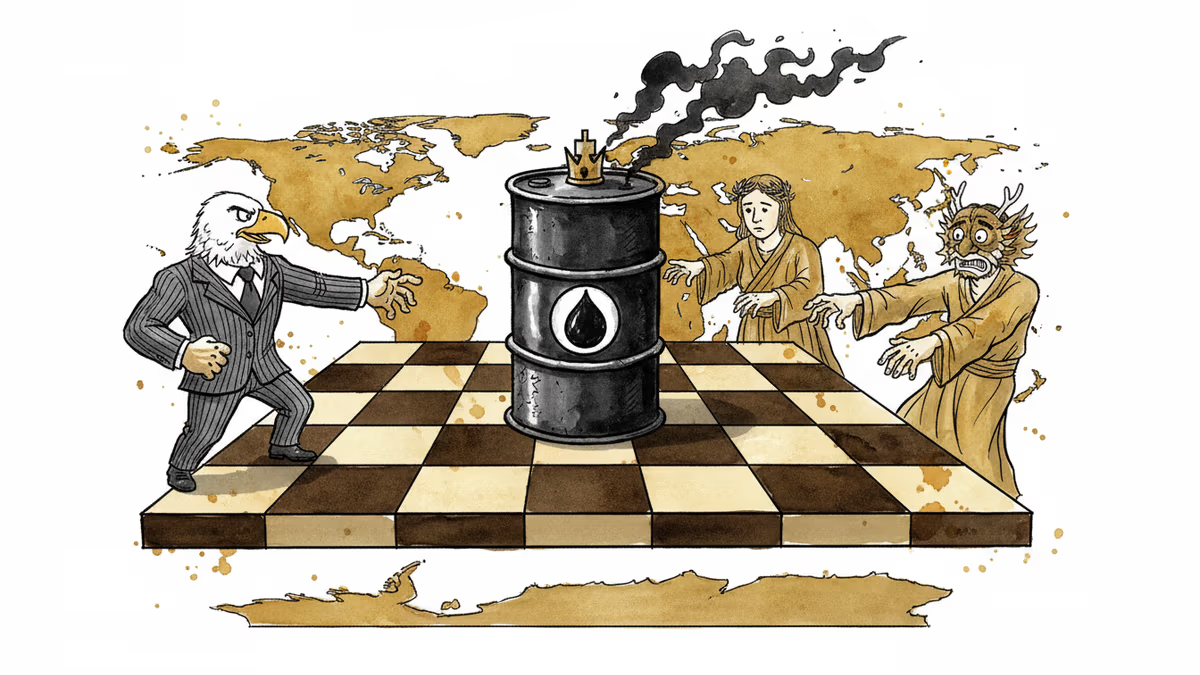
As conflict reshapes Middle East oil flows, the US emerges as a key beneficiary. But Europe and Asia are asking a harder question: is American energy independence just a new form of dependency?
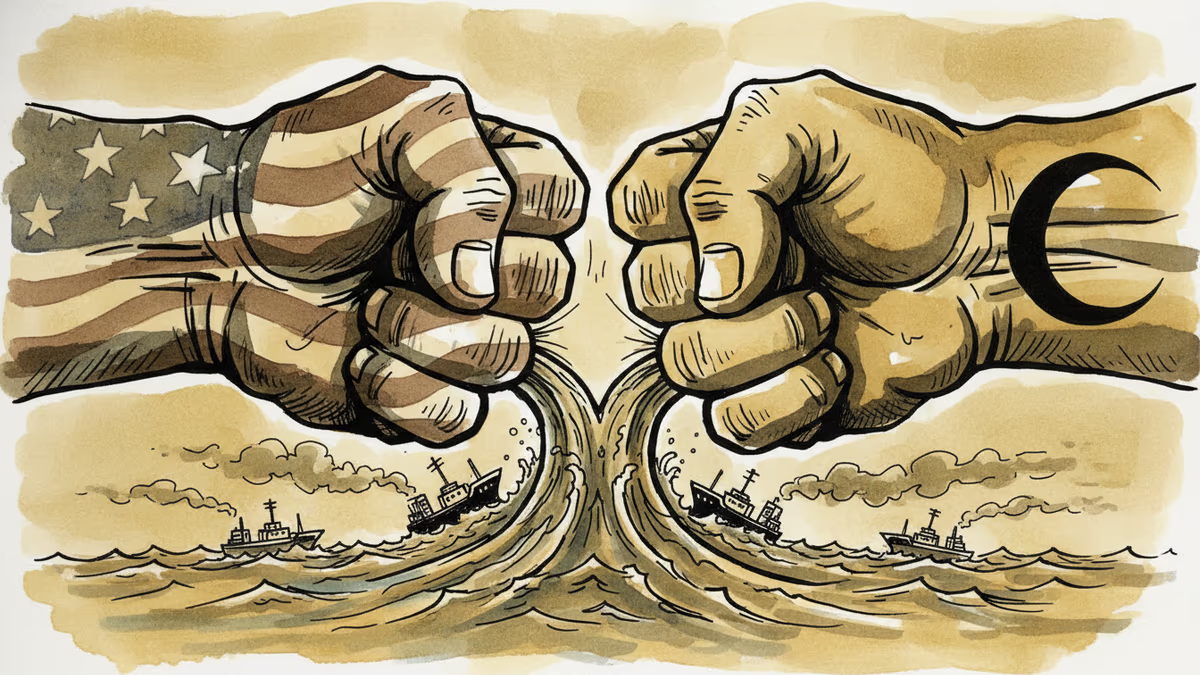
As Tehran and Washington escalate tensions over the Strait of Hormuz, oil markets are responding. Here's what's really at stake — and for whom.
PRISM by Liabooks
Place your ad in this space
[email protected]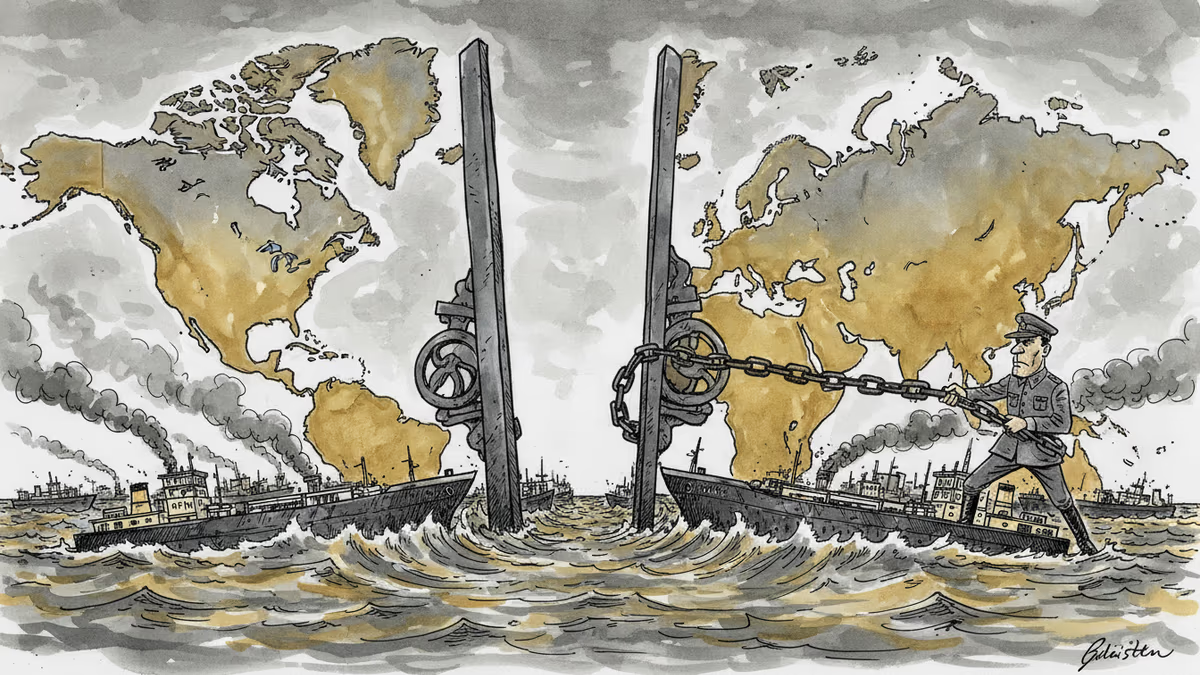
Iran has warned it will close the Strait of Hormuz unless the US lifts its siege on Iranian ports. With 20% of global oil passing through, the stakes couldn't be higher.
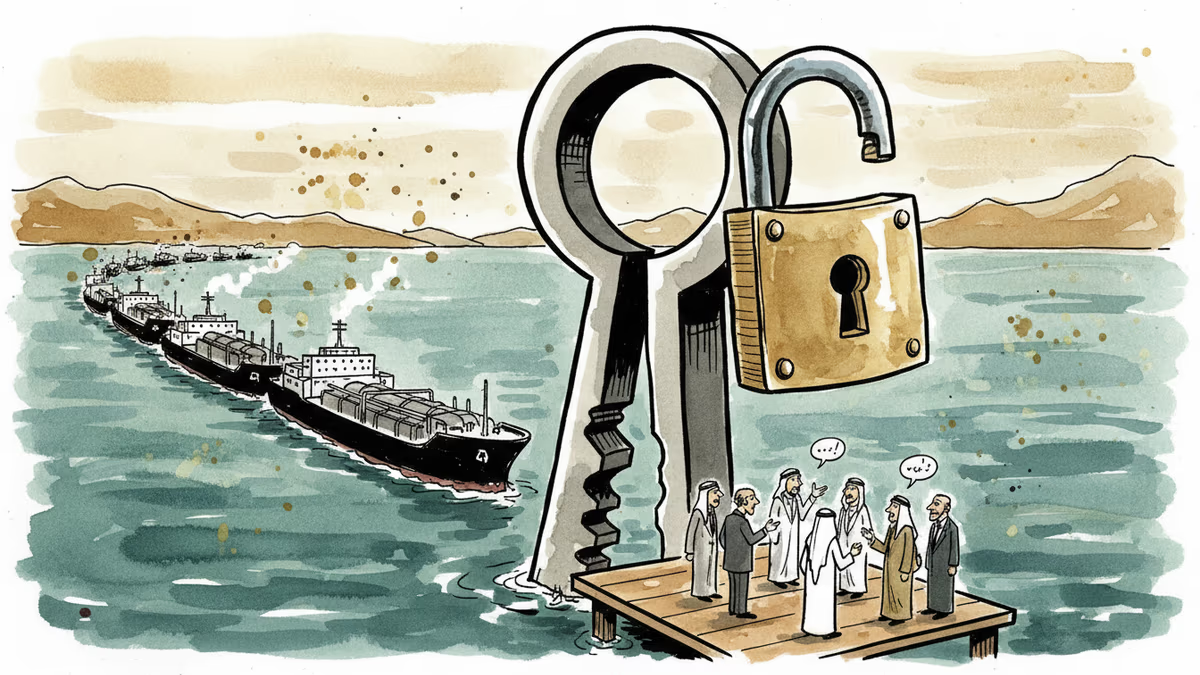
Crude prices stabilized on hopes of a deal to reopen the Strait of Hormuz. Here's what's really at stake, who wins, who loses, and why the calm may not last.
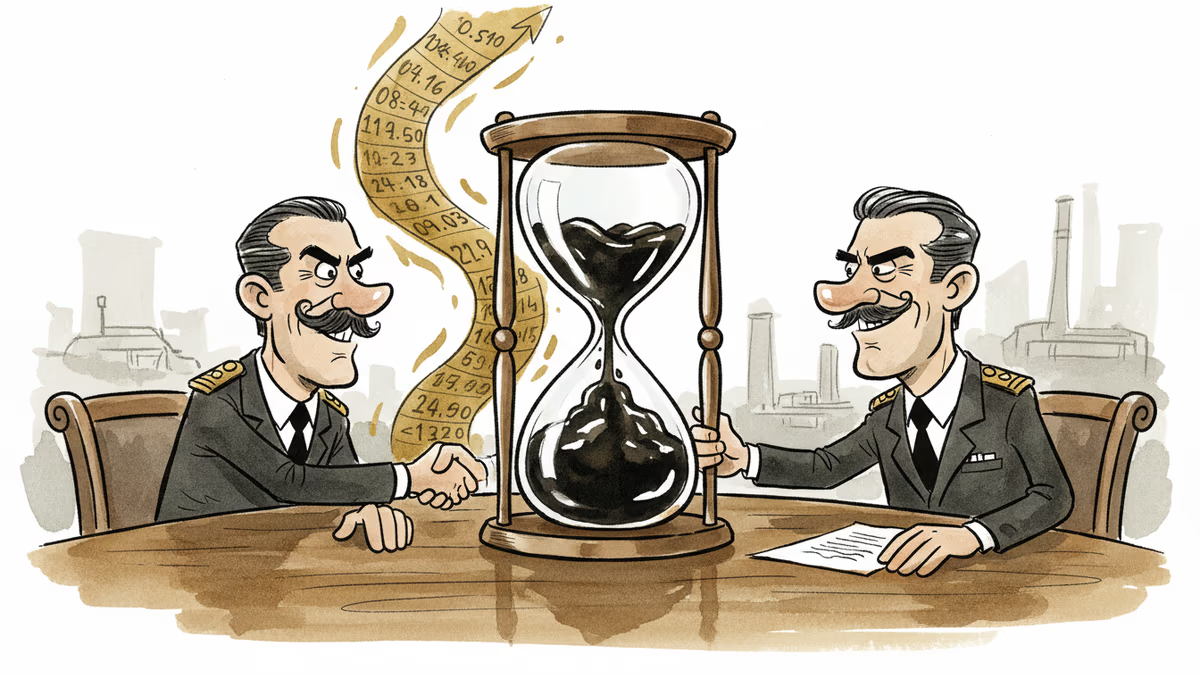
The US-Iran ceasefire sent oil prices lower and stocks surging. But with a two-week clock ticking, investors should ask what happens when the alarm goes off.
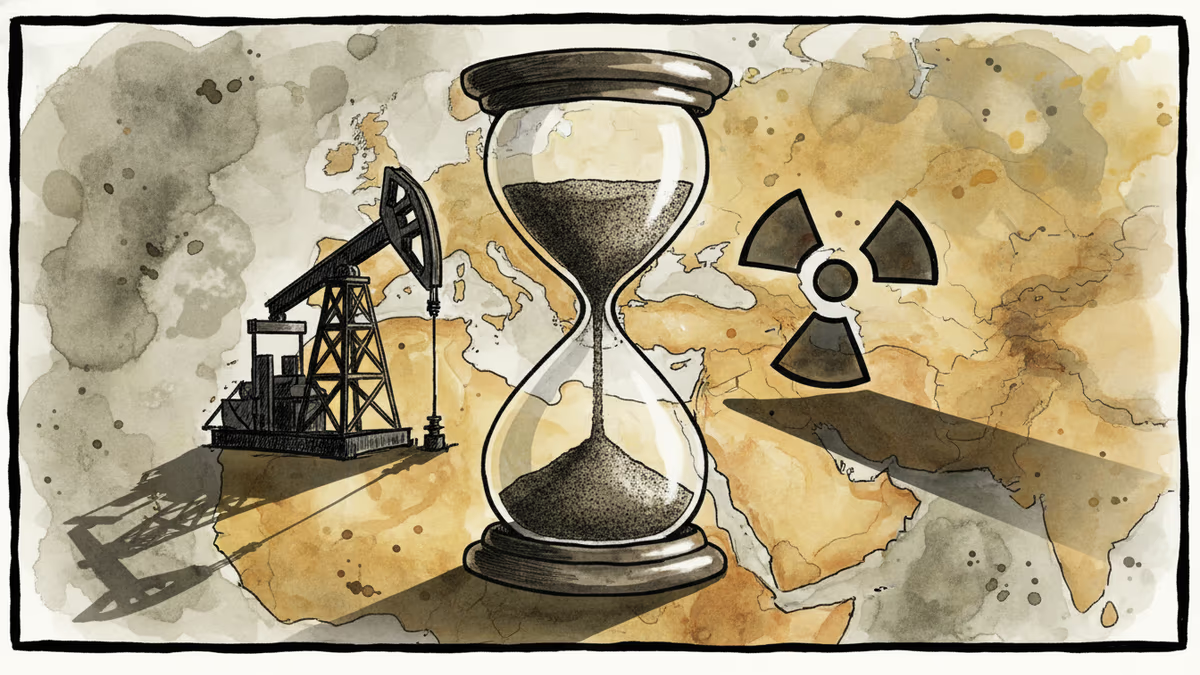
Trump has threatened to strike Iran's civilian infrastructure if Tehran refuses a nuclear deal by Tuesday night. What's at stake for oil markets, regional security, and the global economy?
PRISM by Liabooks
Place your ad in this space
[email protected]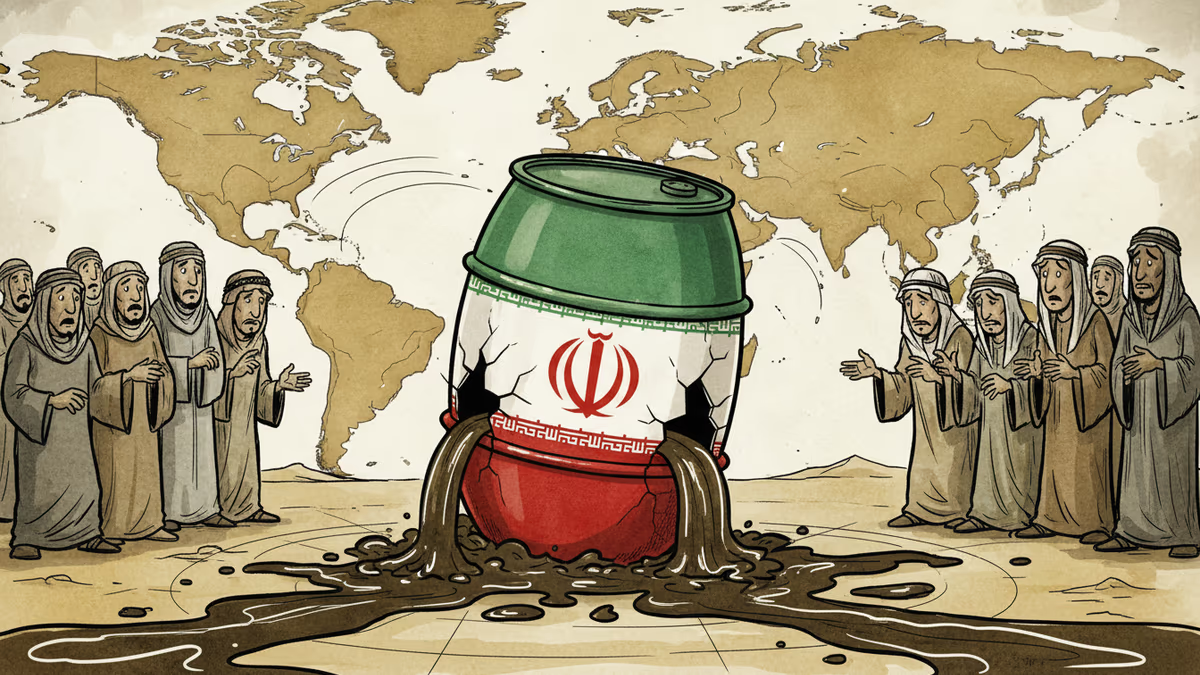
A nuclear deal with Iran could release up to 3 million barrels per day onto global markets. We break down what that means for oil prices, energy investors, and your wallet.
