
#AI ethics
Total 50 articles
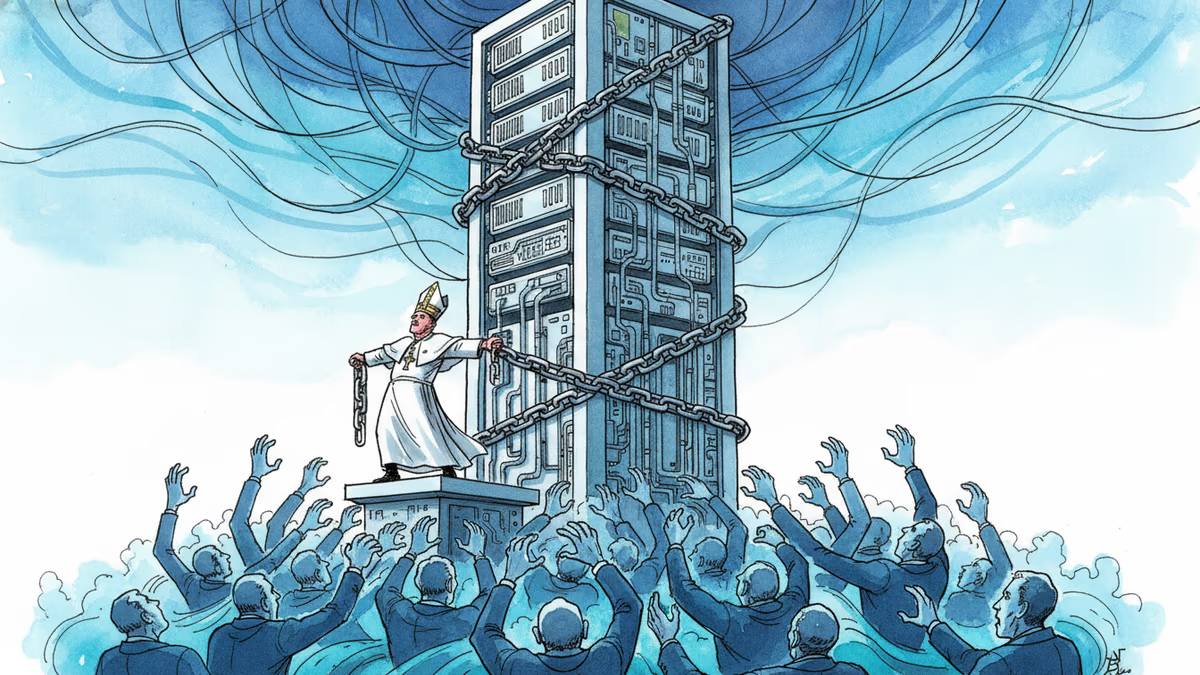
Pope Leo XIV's first encyclical frames AI not as a technology problem but a power problem. Who controls the algorithm controls reality—and that's a political question, not a spiritual one.
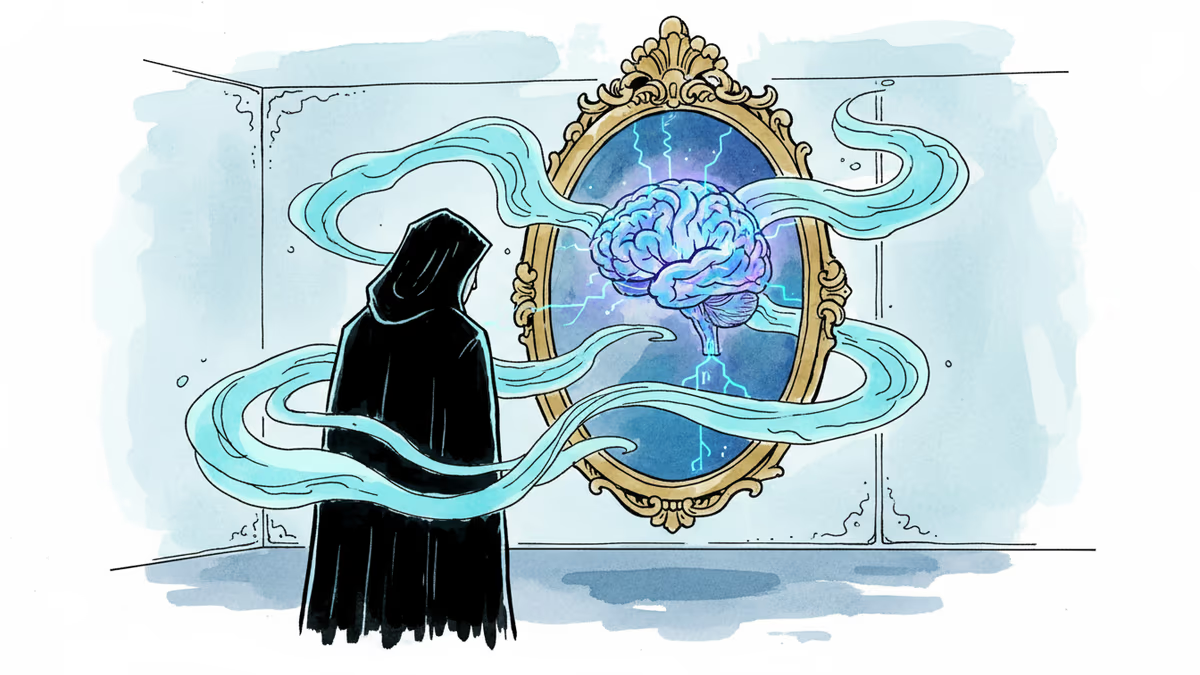
Philosopher David Chalmers' famous 'hard problem of consciousness' is under serious fire. Is the explanatory gap real — or did we build it ourselves? A deep look at the debate reshaping AI ethics and philosophy of mind.
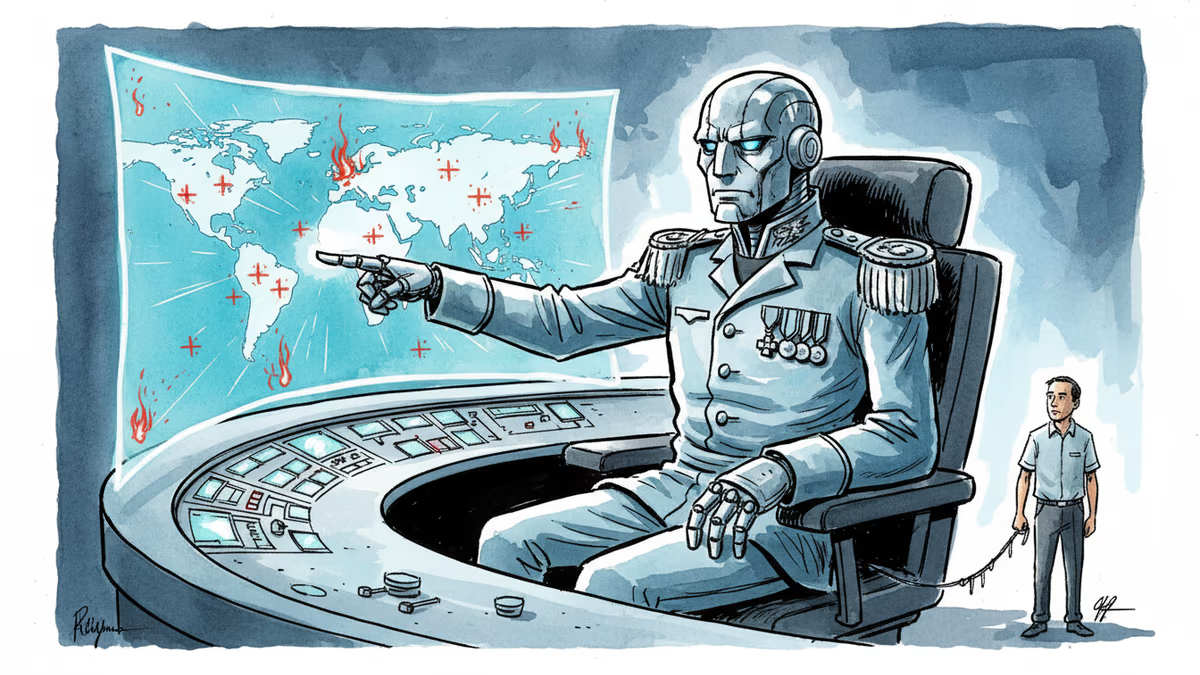
Anthropic's Claude AI is embedded in US military operations—from the capture of Maduro to the Iran war. A Pentagon dispute is exposing what "responsible AI" actually means in wartime.

PRISM by Liabooks
Place your ad in this space
[email protected]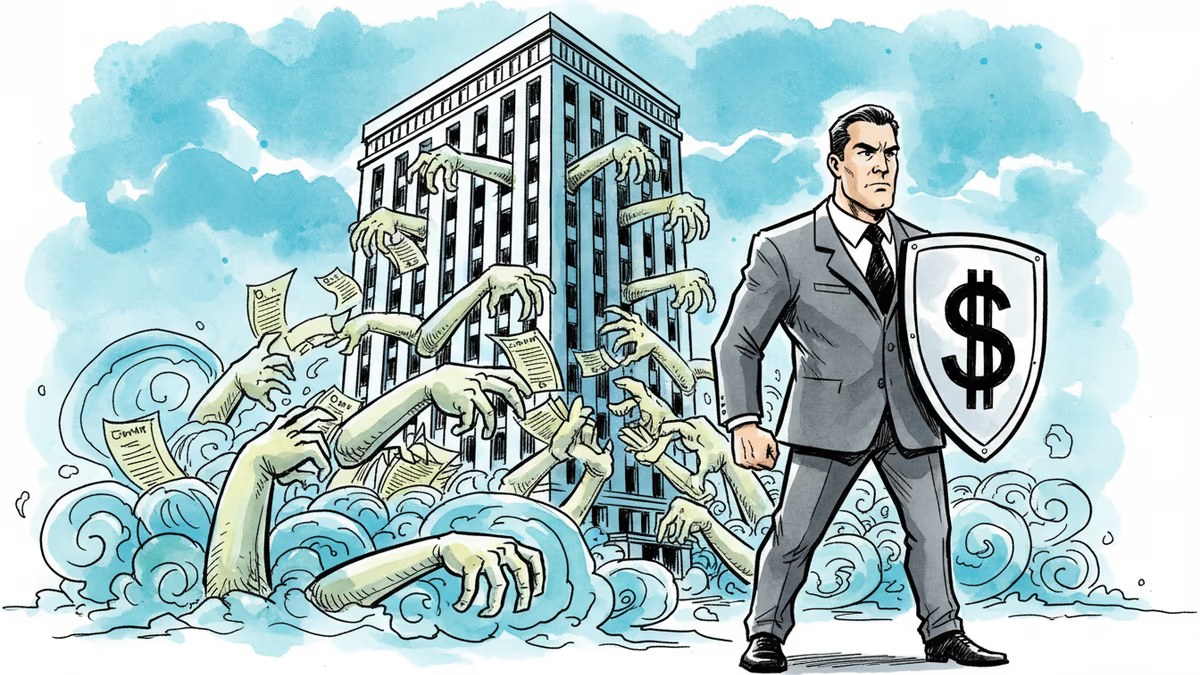
Anthropic rejected a Pentagon contract over surveillance concerns while OpenAI rushed to sign. The market's reaction reveals what users really value in AI companies.
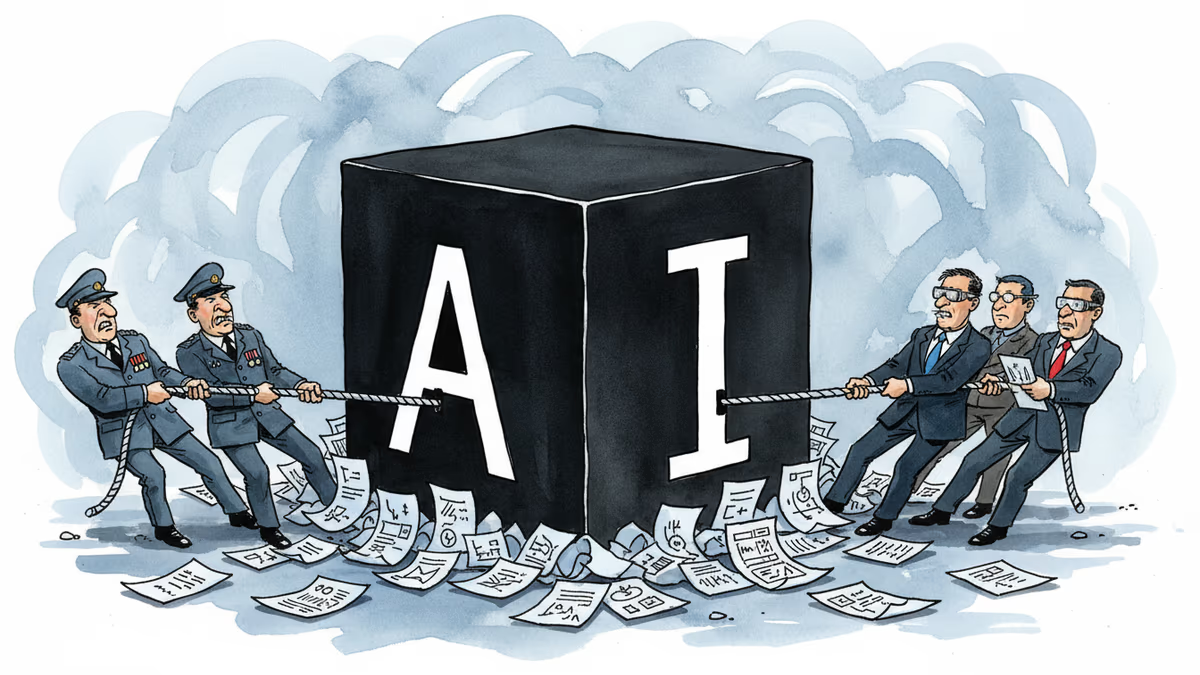
OpenAI faced internal backlash over Pentagon contracts, revealing deeper questions about AI military use, transparency, and corporate accountability in defense partnerships.
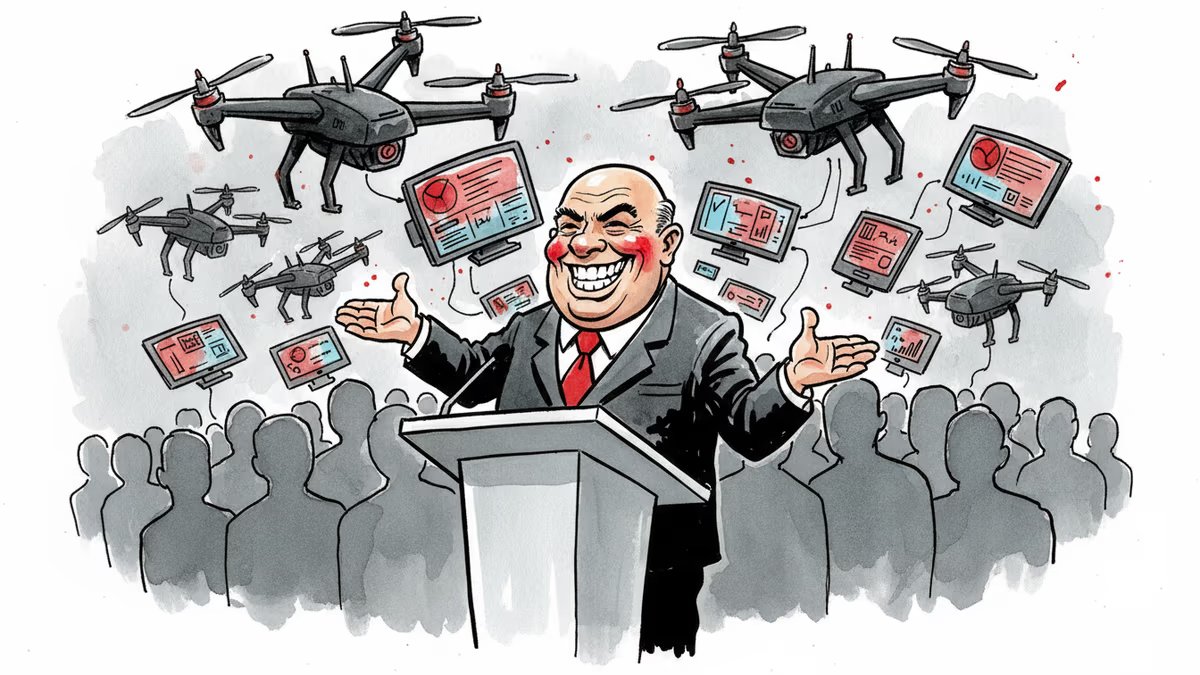
OpenAI CEO Sam Altman told employees the company can't control military operational decisions, amid controversy over Pentagon deal announced hours before Iran strikes. The debate over AI's military applications intensifies.
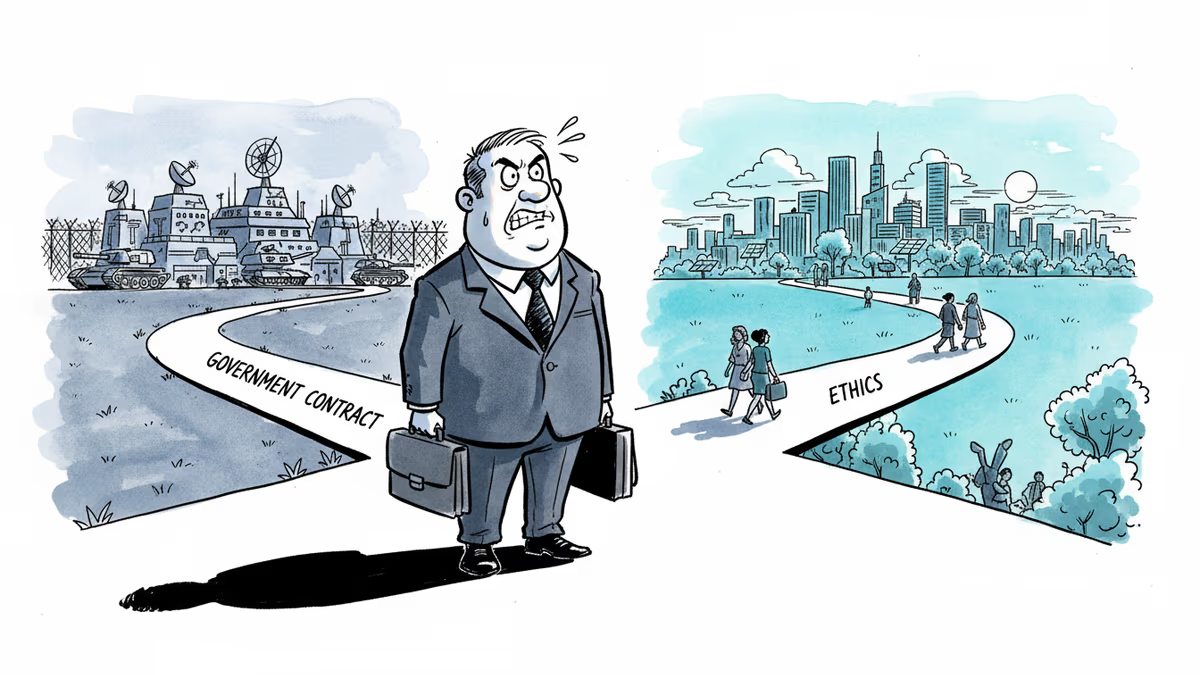
Anthropic chose ethics over government contracts and got blacklisted. OpenAI took the deal but added conditions. What does this mean for AI's future?
PRISM by Liabooks
Place your ad in this space
[email protected]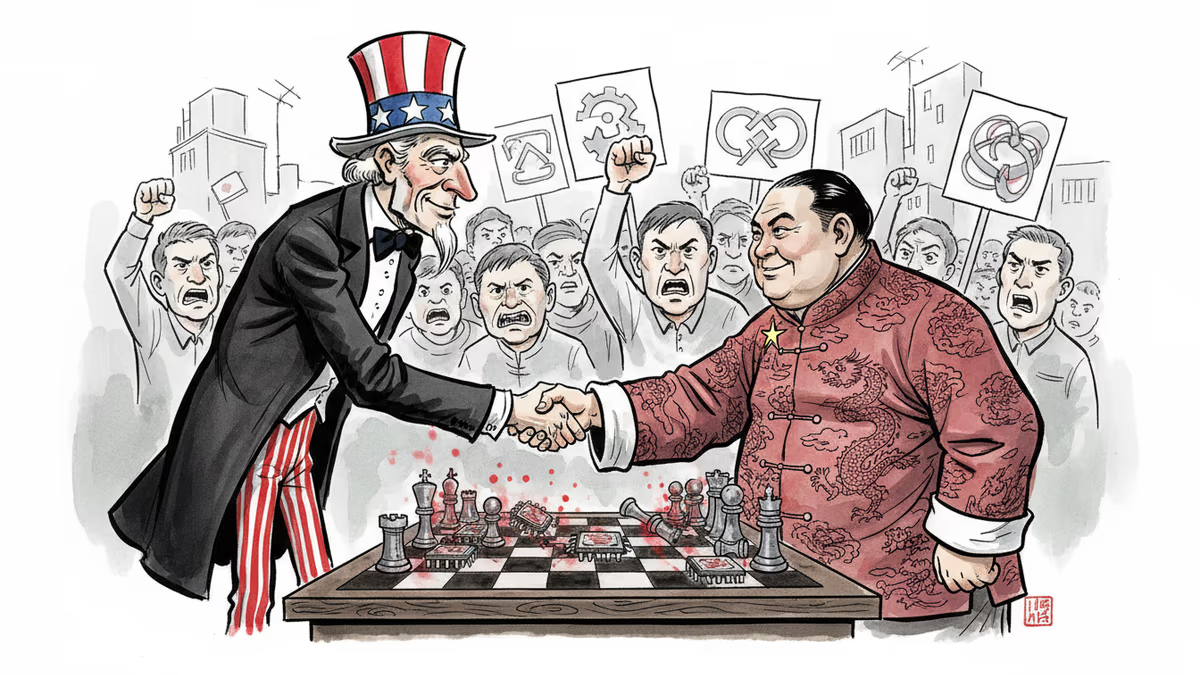
The Pentagon blacklisted Anthropic for refusing mass surveillance uses, embracing OpenAI instead. Is America becoming the authoritarian bogeyman it warns against?
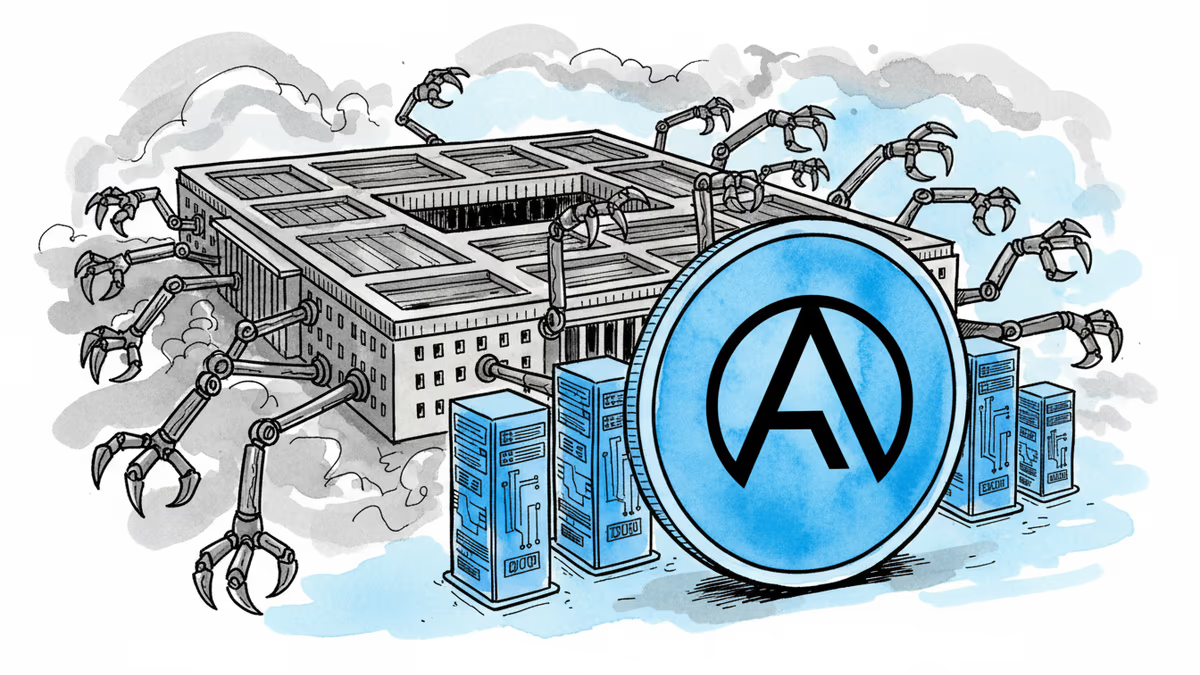
Anthropic's contract termination with Pentagon reveals the complex tensions between AI ethics and national security. Where should companies draw the line?
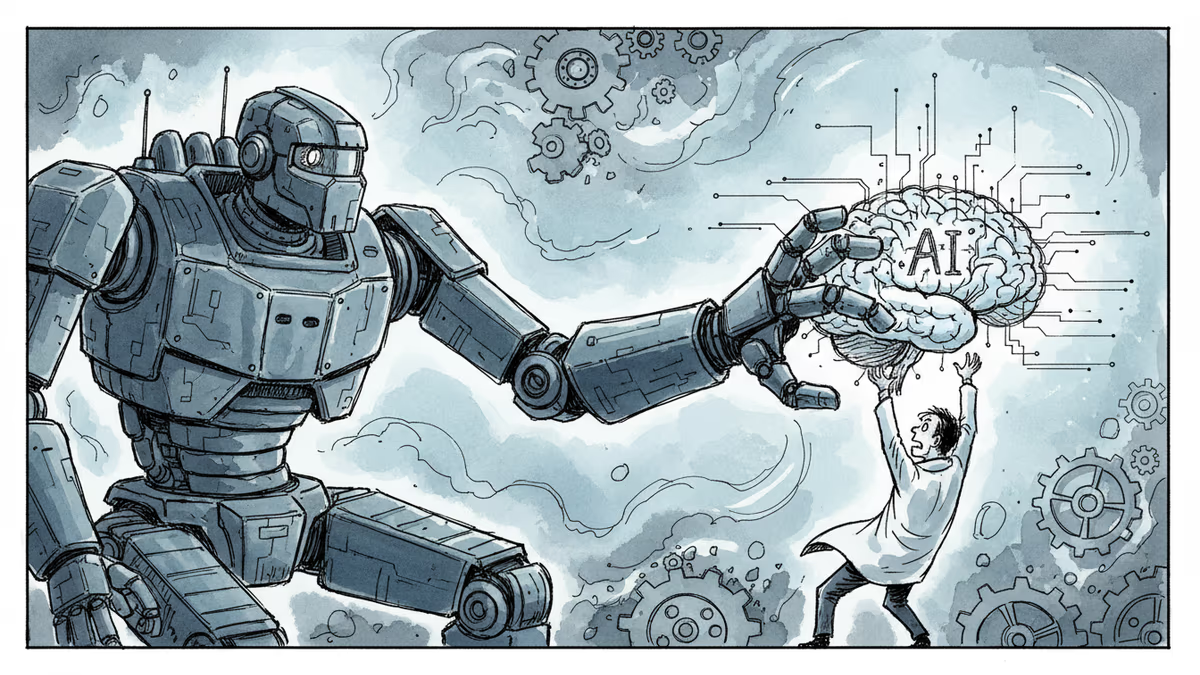
Trump's explosive reaction to Anthropic's military contract refusal reveals the growing tension between AI ethics and national security demands.
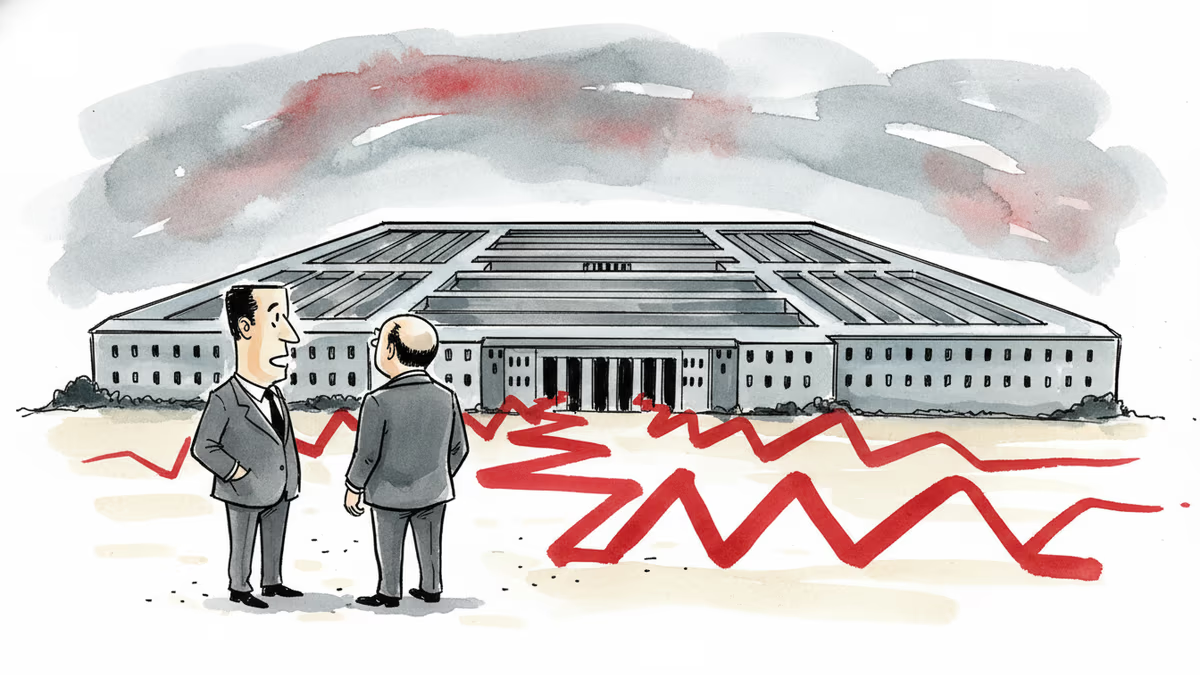
OpenAI's Sam Altman backs rival Anthropic in Pentagon standoff over AI ethics. What's really at stake when tech meets military might?
PRISM by Liabooks
Place your ad in this space
[email protected]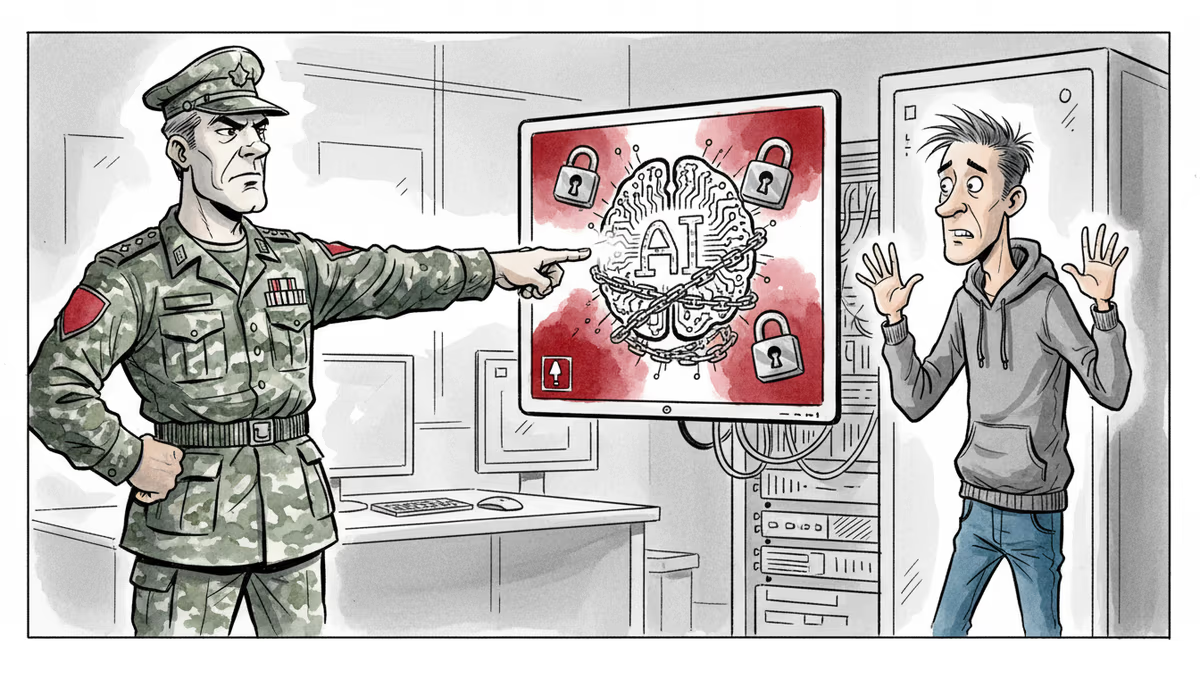
Defense Secretary Hegseth threatens Anthropic with sanctions unless it removes AI safety guardrails. A clash between AI ethics and national security demands.
