

Economy
Finance, markets, investments, cryptocurrency and economic news

Nissan is finalizing a deal with Uber and UK-based Wayve to launch autonomous ride-hailing globally. But in this three-way alliance, who captures the most value — and who gets left behind?
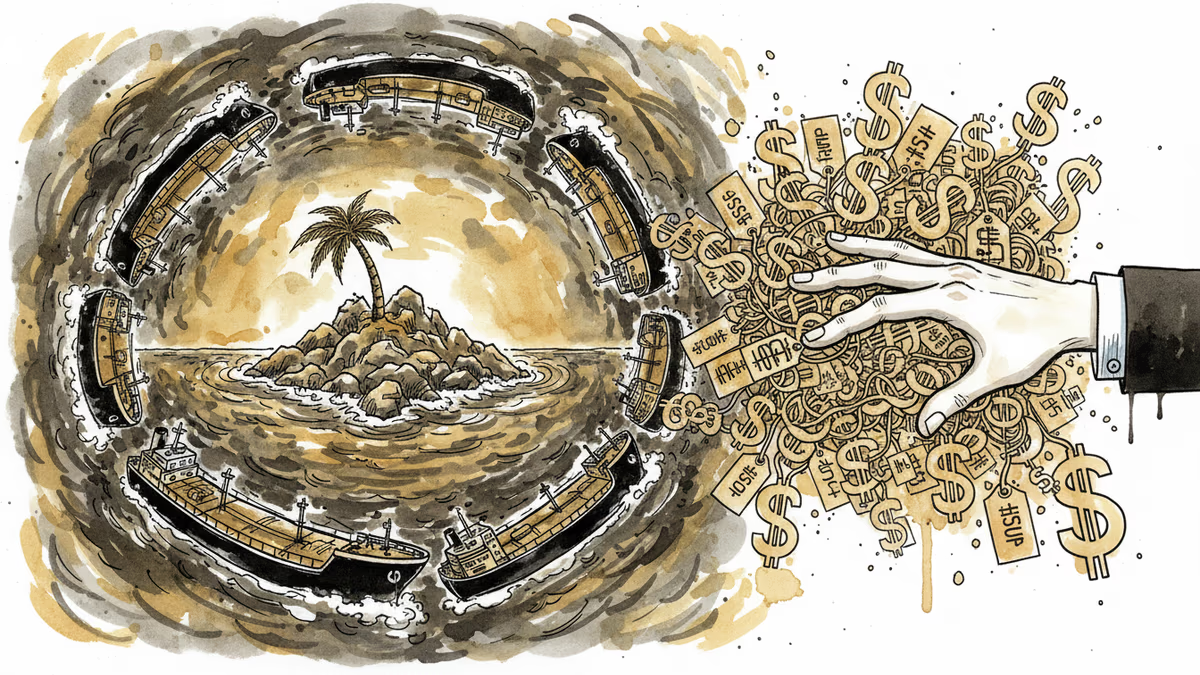
Kharg Island handles over 90% of Iran's oil exports, yet Trump's 'maximum pressure' campaign has left it untouched. Here's the uncomfortable logic behind that choice.
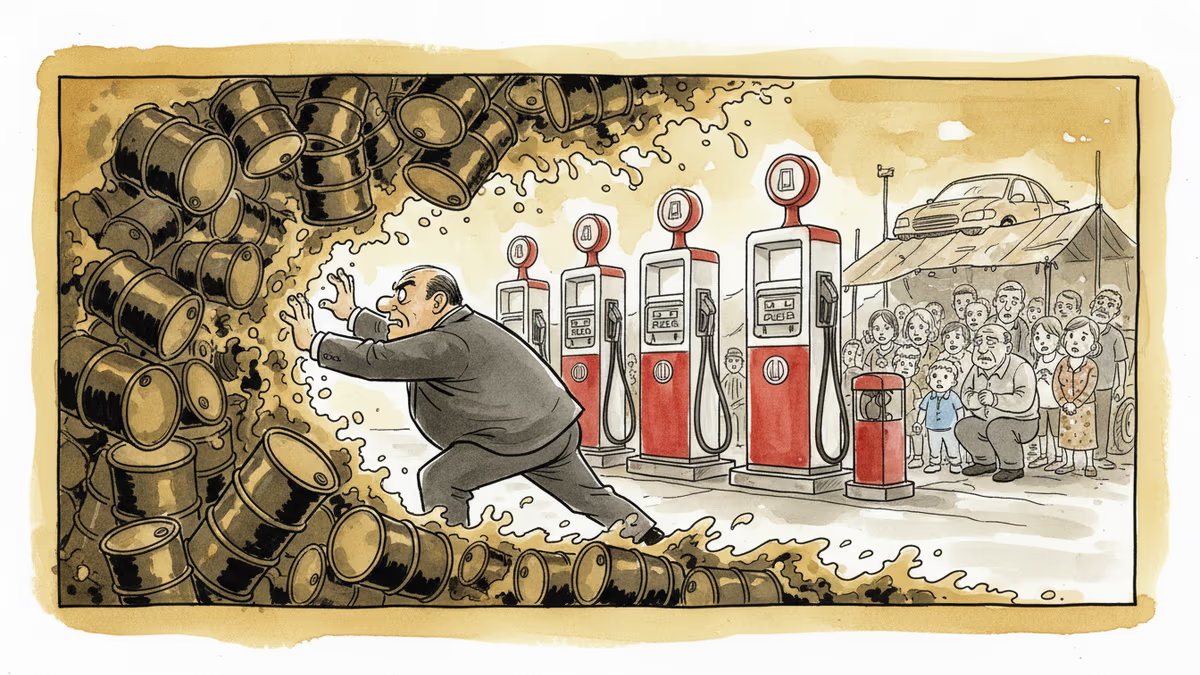
South Korea just capped fuel prices as crude surpasses $100 a barrel amid the Iran crisis. Japan is still deciding whether to release reserves. Who wins, who loses, and what history tells us about price controls.

PRISM by Liabooks
Place your ad in this space
[email protected]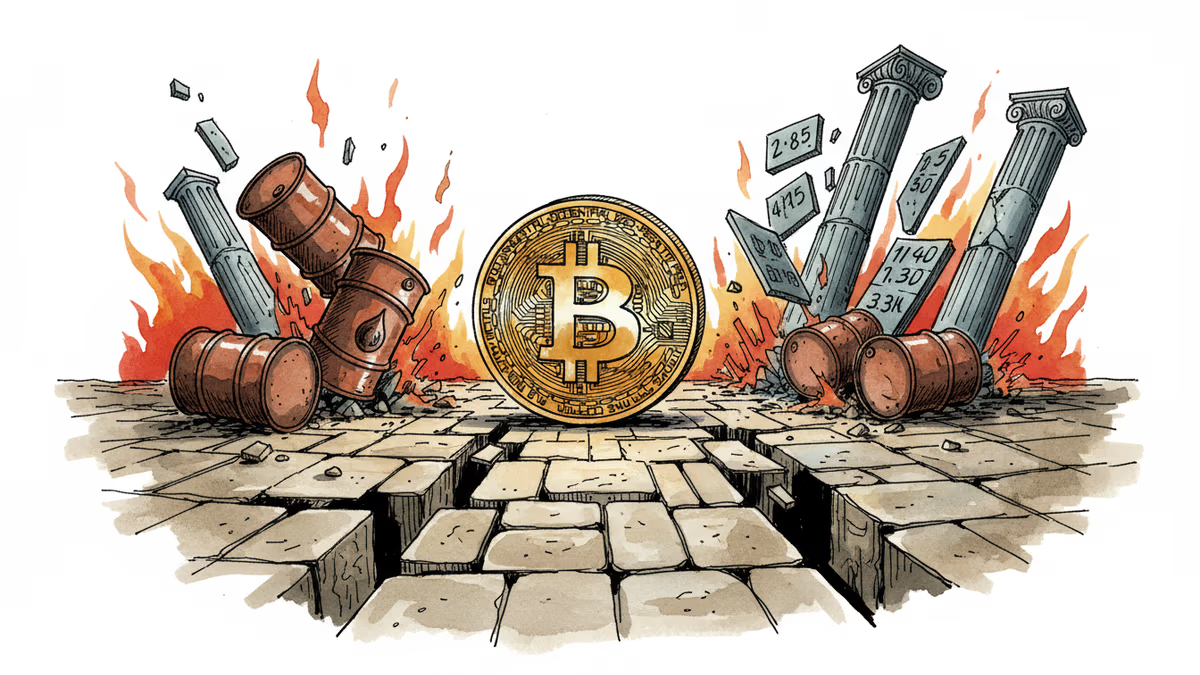
Oil above $100, S&P futures down 2%, and a 35% crash probability from Ed Yardeni. Bitcoin is holding steady — but history says that never lasts forever.
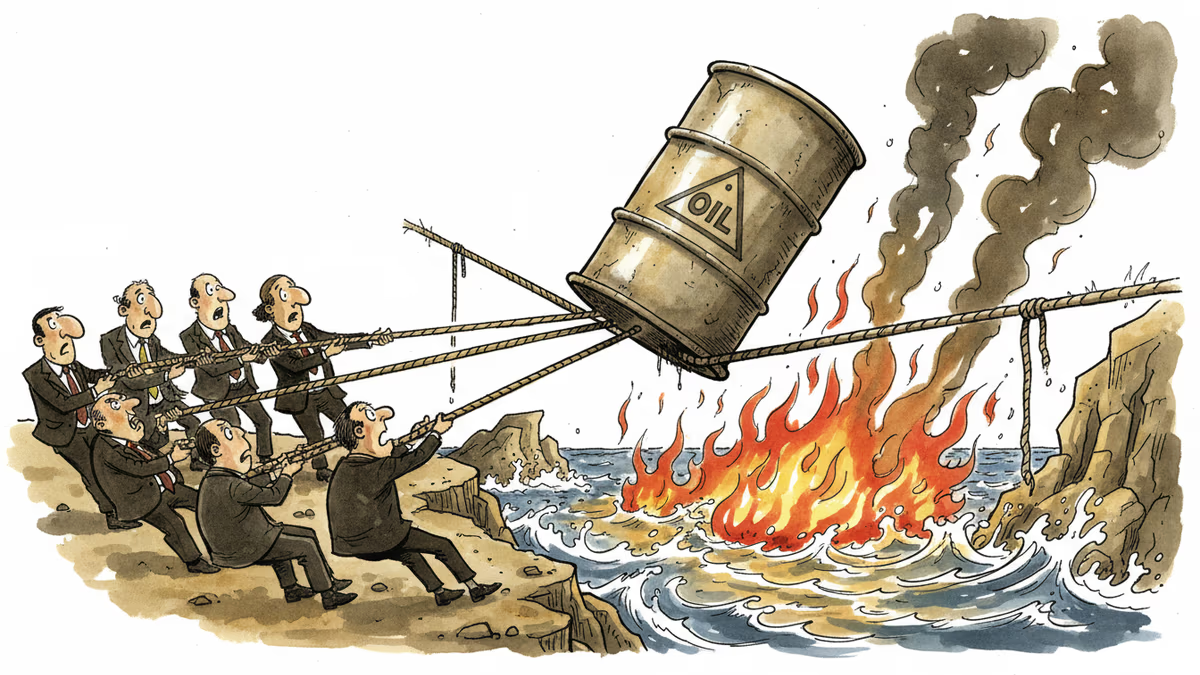
Crude surged to $118 a barrel as the Iran war disrupted Iraqi output and closed the Strait of Hormuz. A G7 reserve-release signal pulled it back to $103. Here's what's actually at stake.
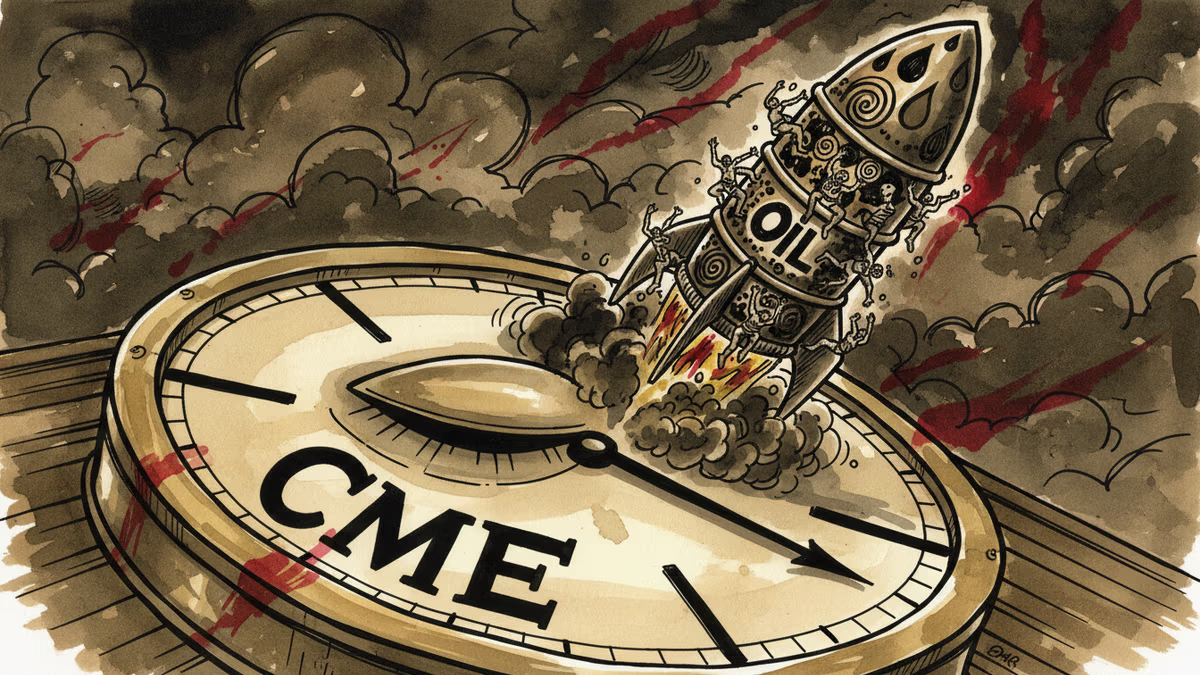
Iran-Israel conflict escalation sent crude oil surging 30% in a single day — the largest daily gain in oil market history. On Hyperliquid, $36.9M in short positions were wiped out while traditional markets were closed.
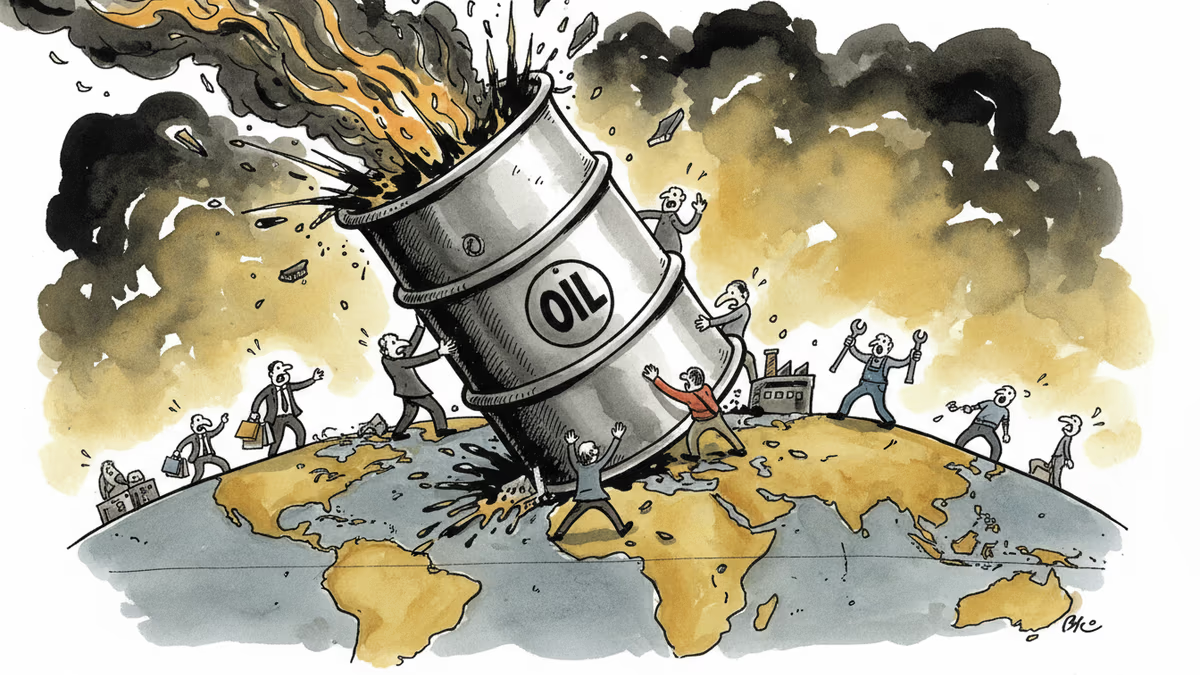
Iran war fears have sent oil prices surging 20%. We break down who wins, who loses, and what this means for inflation, markets, and your wallet.
PRISM by Liabooks
Place your ad in this space
[email protected]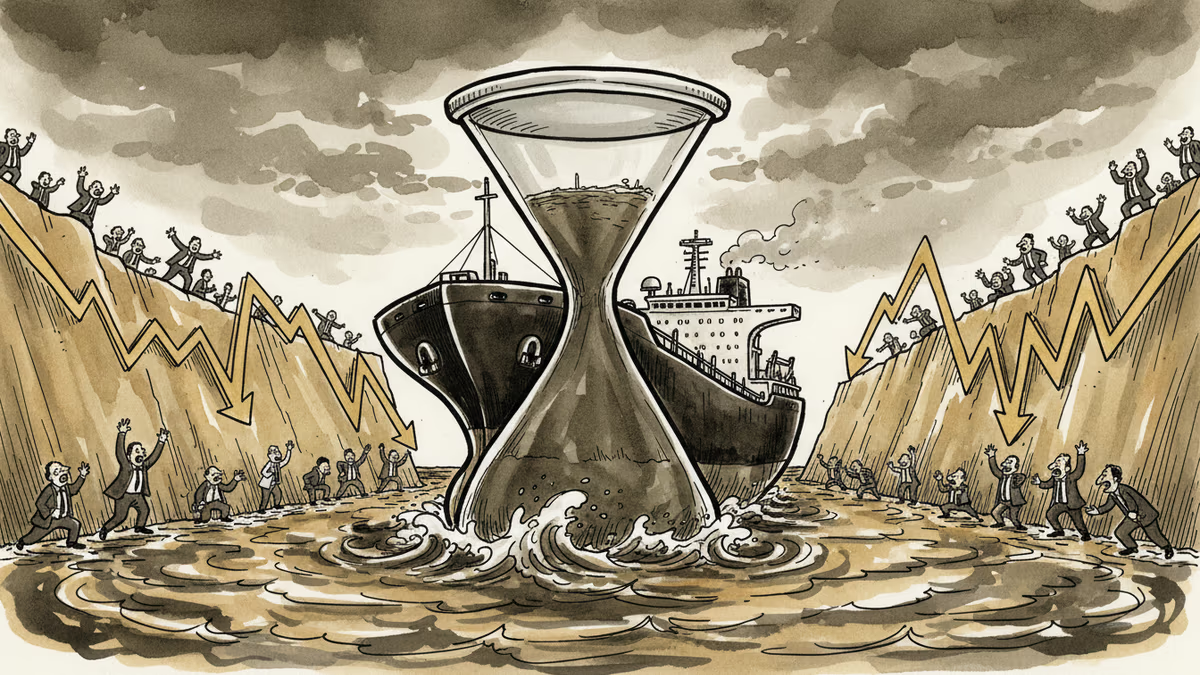
US-Israel strikes on Iran sent oil prices surging 12% and Asian stocks tumbling over 7%. Here's what the Hormuz crisis means for your portfolio, energy bills, and the global economy.
Mojtaba Khamenei's quiet rise signals continuity of Iran's hardline policies—with major implications for nuclear talks, oil markets, and regional stability.
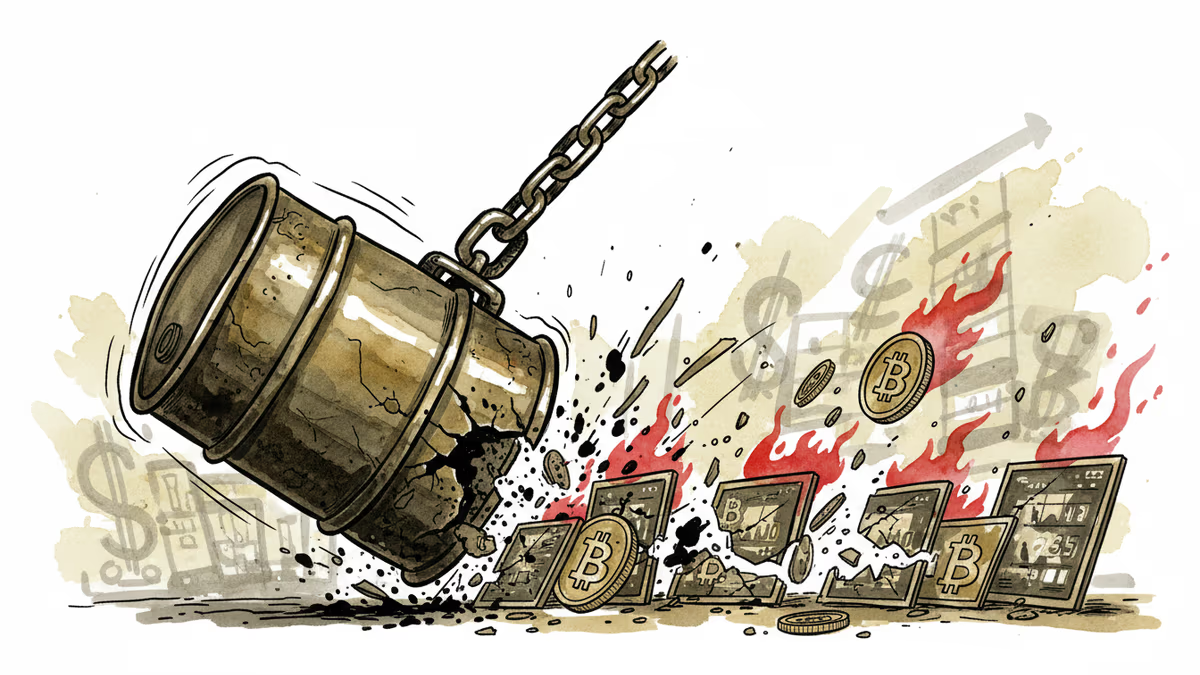
WTI crude surged nearly 20% to $108 a barrel as the U.S.-Iran war shows no signs of cooling. Bitcoin fell below $66,000, and stock futures dropped 2%. Here's what it means for your portfolio.
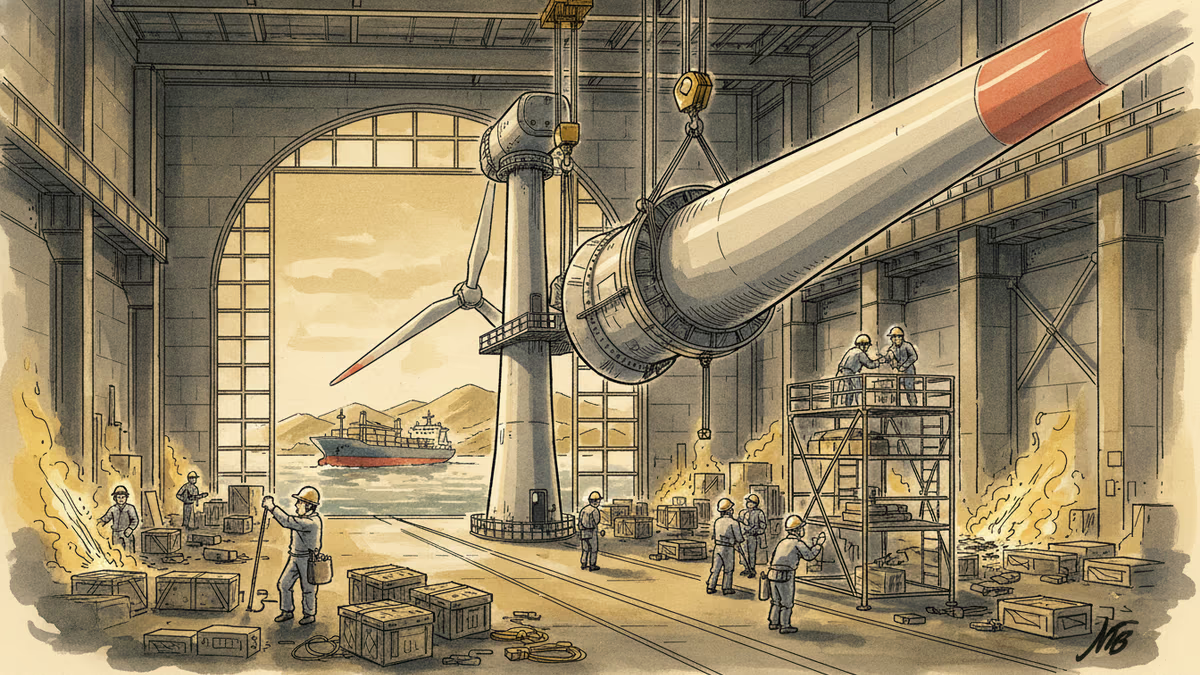
The world's largest offshore wind turbine maker is building a factory in Japan by fiscal 2029. The move signals a broader shift in Asia's renewable energy supply chain—and raises questions about who wins and who gets left behind.
PRISM by Liabooks
Place your ad in this space
[email protected]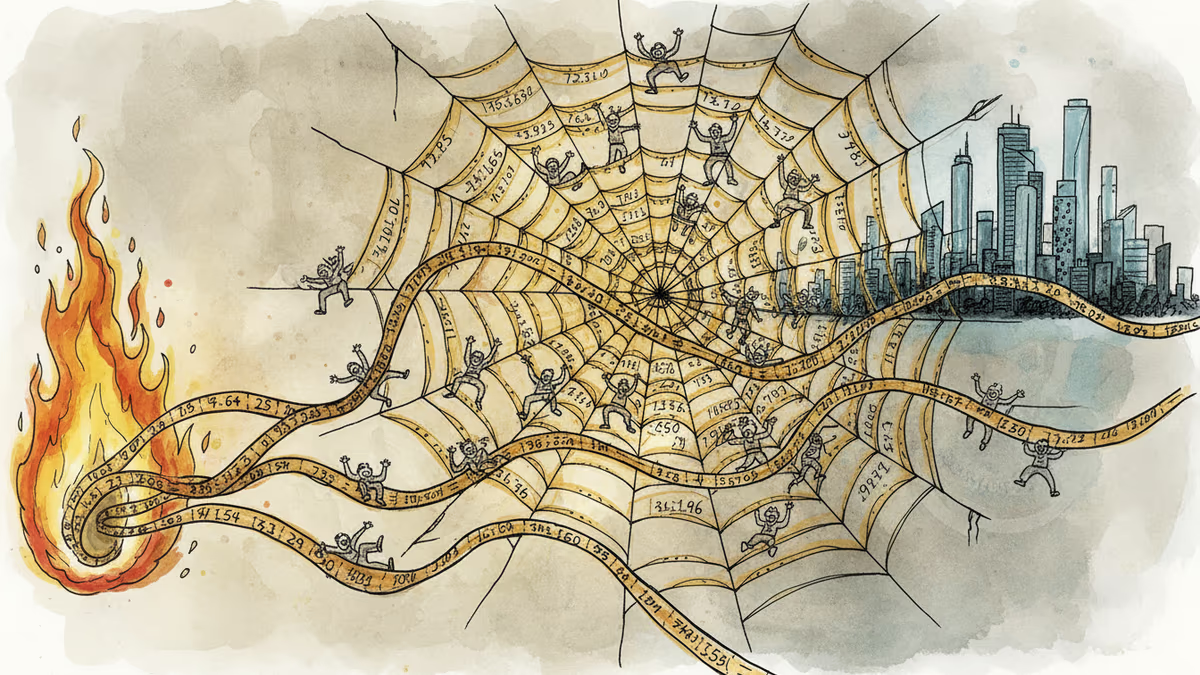
Iran's conflict is rippling through Southeast Asian markets, exposing a structural vulnerability that predates the crisis: ASEAN's deep dependence on US-led foreign capital flows.