

Economy
Finance, markets, investments, cryptocurrency and economic news
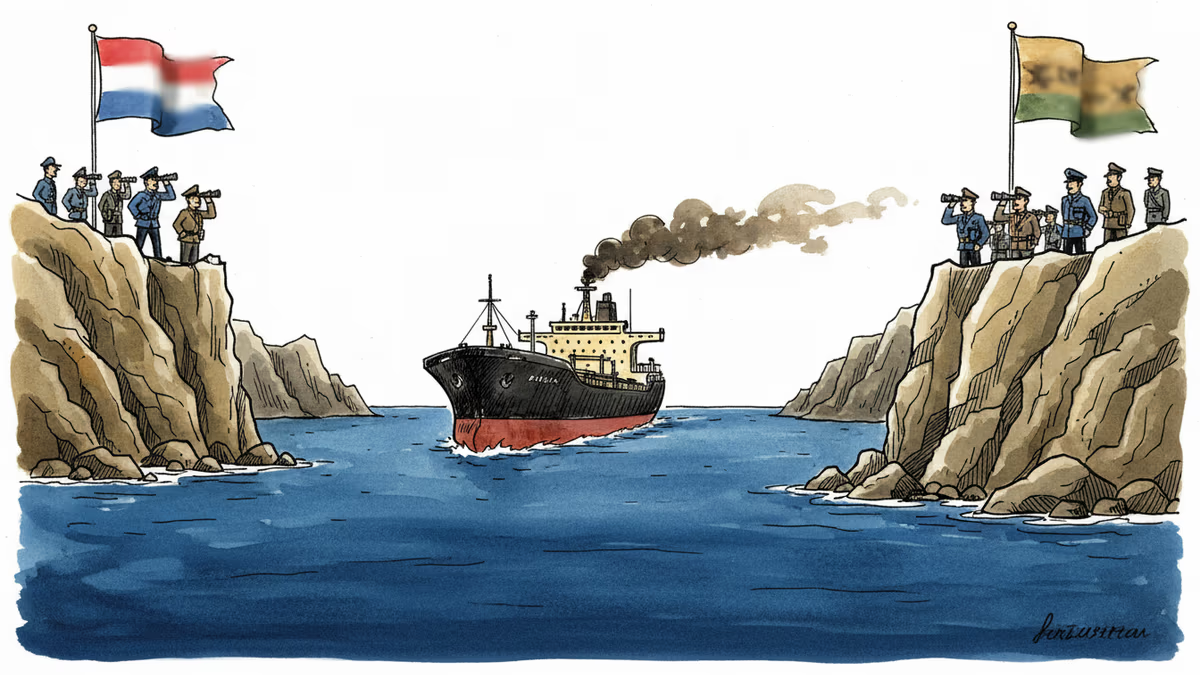
The EU is weighing an expanded naval mission in the Middle East as Iran tensions rise. With 20% of global seaborne oil passing through the Strait of Hormuz, the stakes reach far beyond European foreign policy.
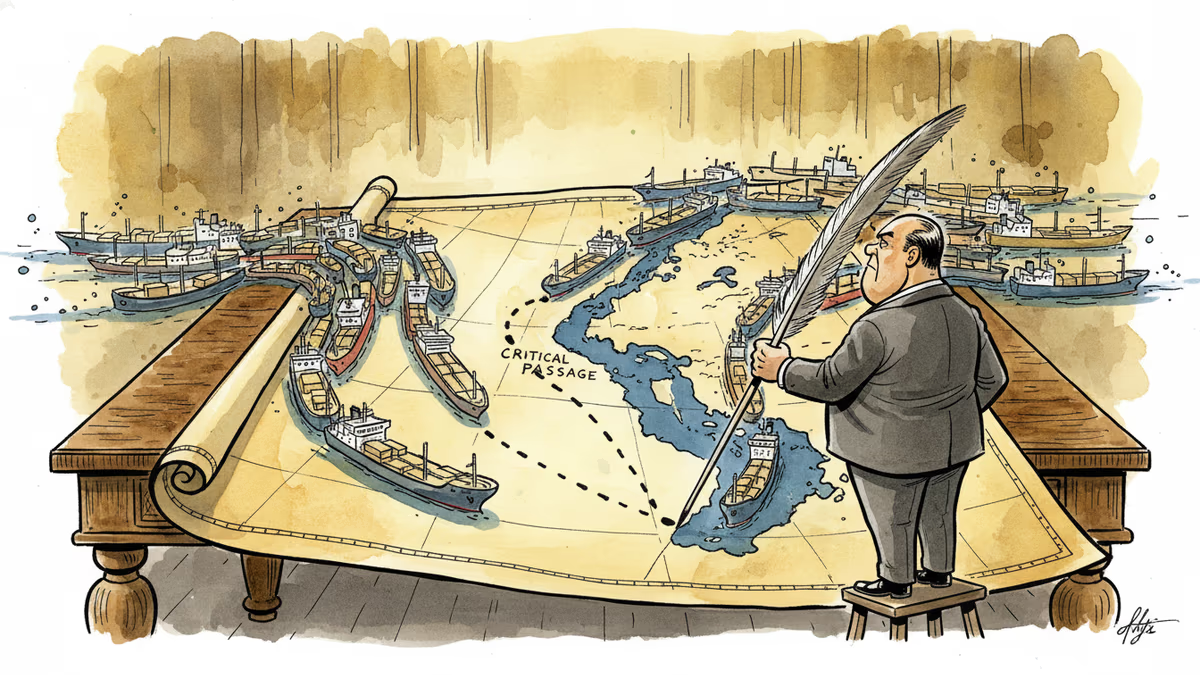
Trump is building a coalition to reopen a critical global waterway. The stakes go beyond shipping lanes — they touch inflation, energy prices, and the limits of American leverage.
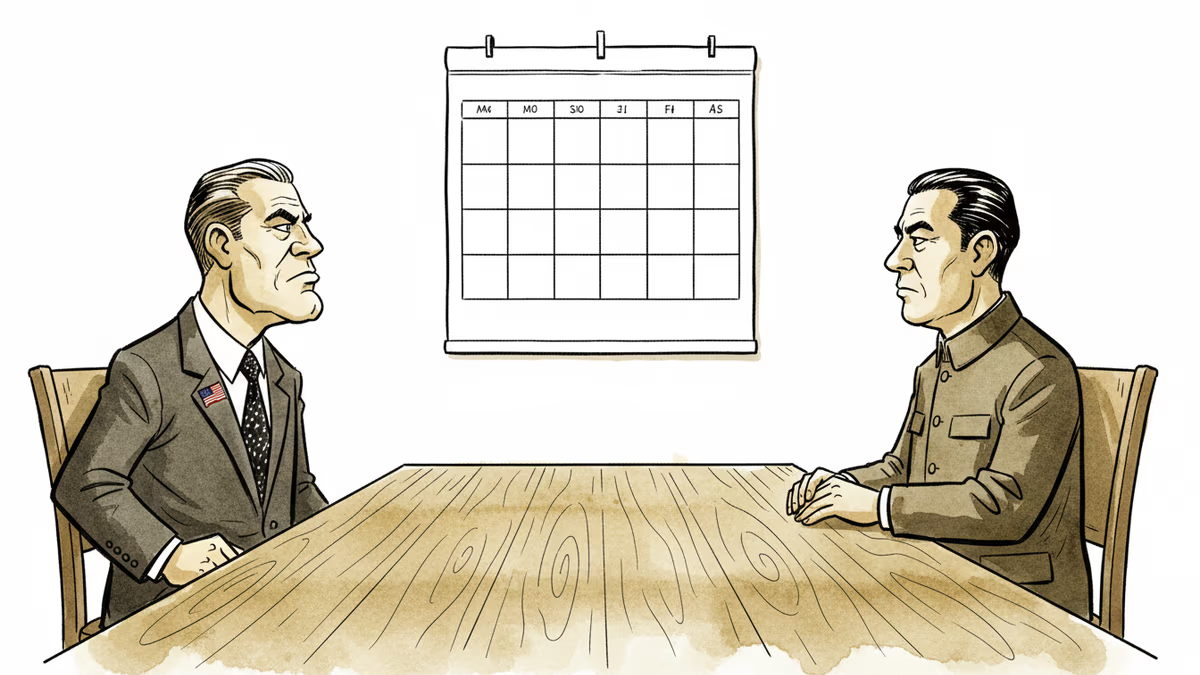
Trump told the FT a US-China summit could be delayed. With tariffs entrenched and trade talks stalled, what does this mean for markets, supply chains, and the global economy?

PRISM by Liabooks
Place your ad in this space
[email protected]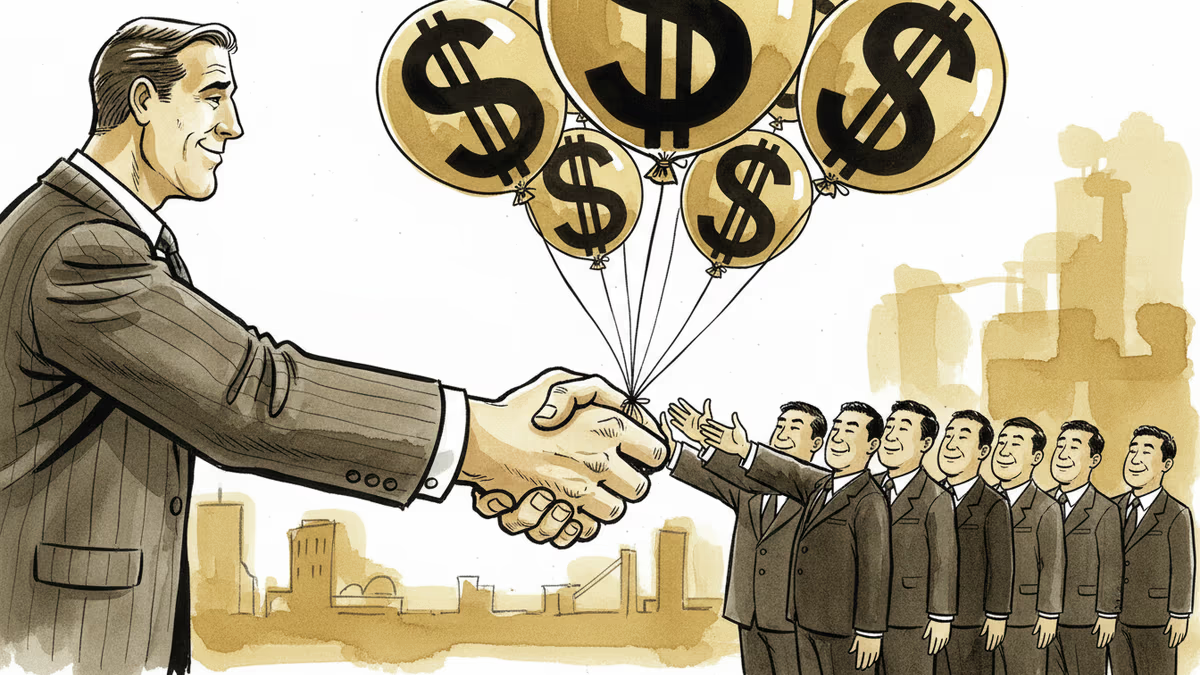
US Interior Secretary Doug Burgum announced $57 billion in deals between Asia-Pacific allies and American companies. But behind the headline number lies a more complex story about trade leverage, energy dependency, and the price of alliance.
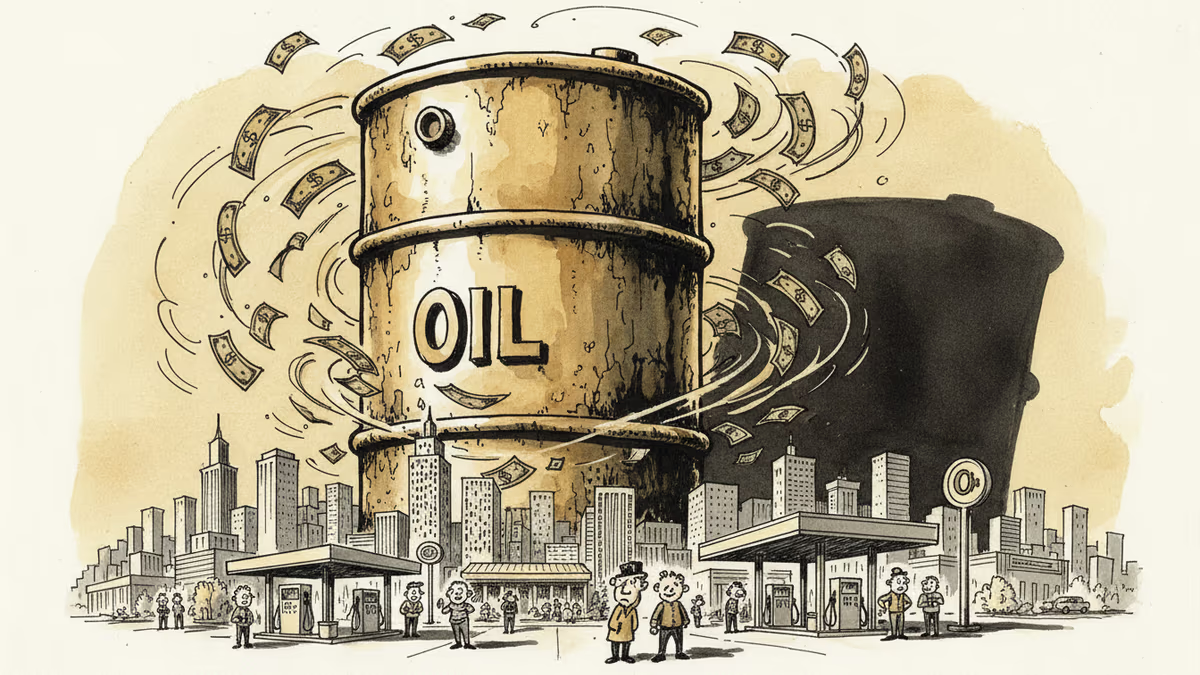
Middle East conflict is threatening oil export infrastructure, pushing crude prices higher. We break down who wins, who loses, and what it means for your wallet and the global economy.
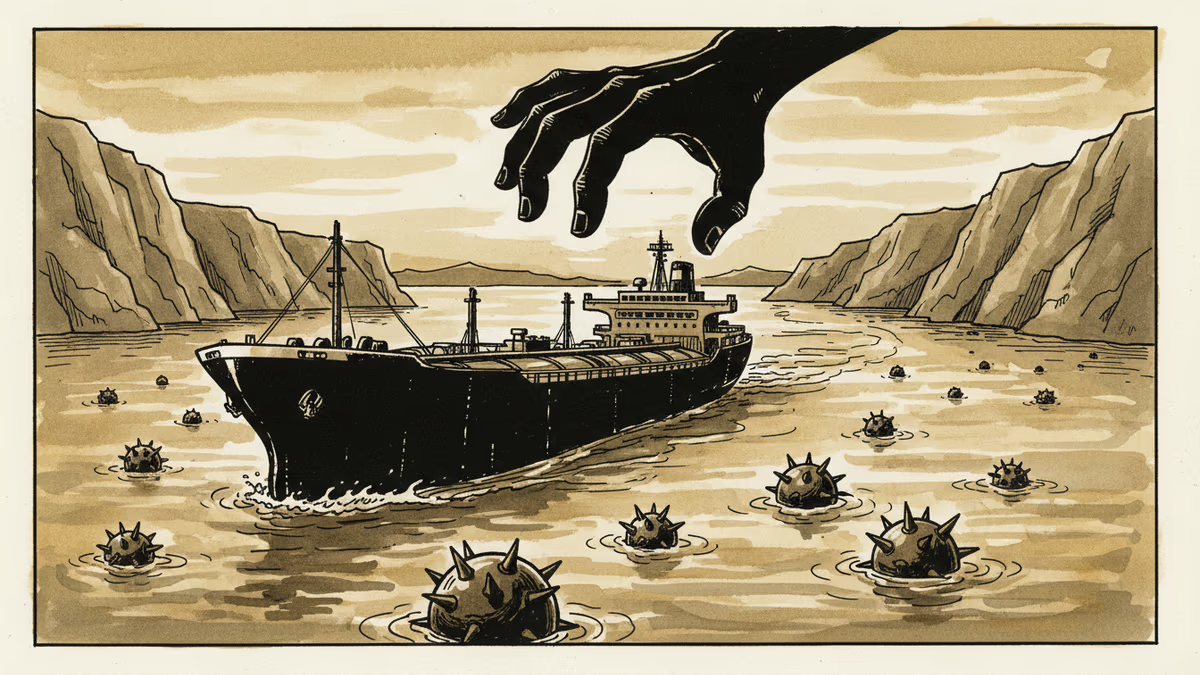
Iran's mining capabilities in the Strait of Hormuz could threaten 20% of global oil supply. Here's what that means for energy markets, naval strategy, and your fuel bill.
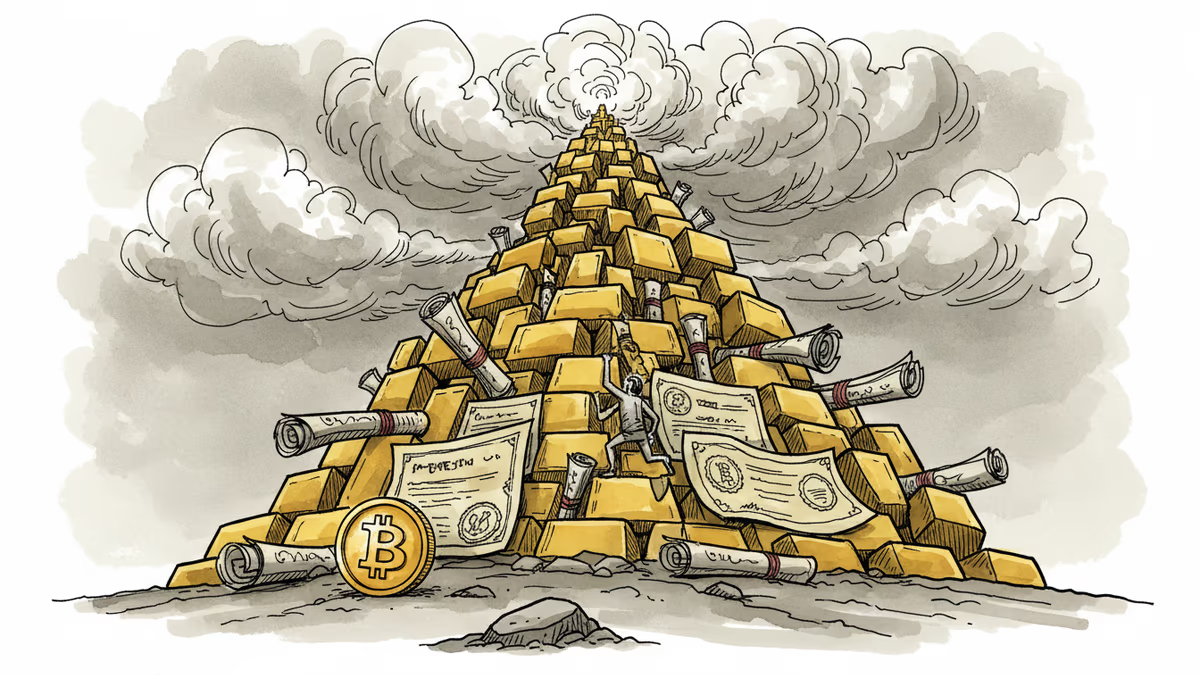
Bitwise CIO Matt Hougan revives the $1 million bitcoin forecast, framing it as a market-share story in a $40 trillion store-of-value market. Analysts agree on direction—but not on when.
PRISM by Liabooks
Place your ad in this space
[email protected]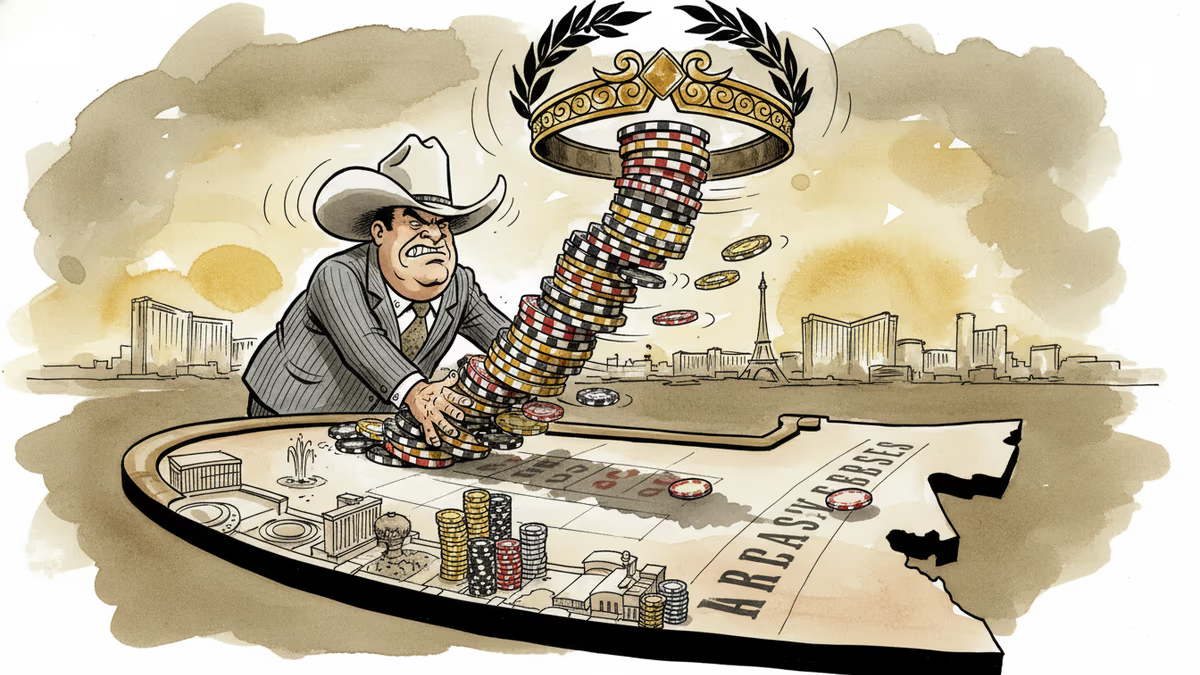
Tilman Fertitta's Fertitta Entertainment is in talks to acquire Caesars Entertainment for $6.5 billion. What it means for investors, the casino industry, and the future of Vegas.
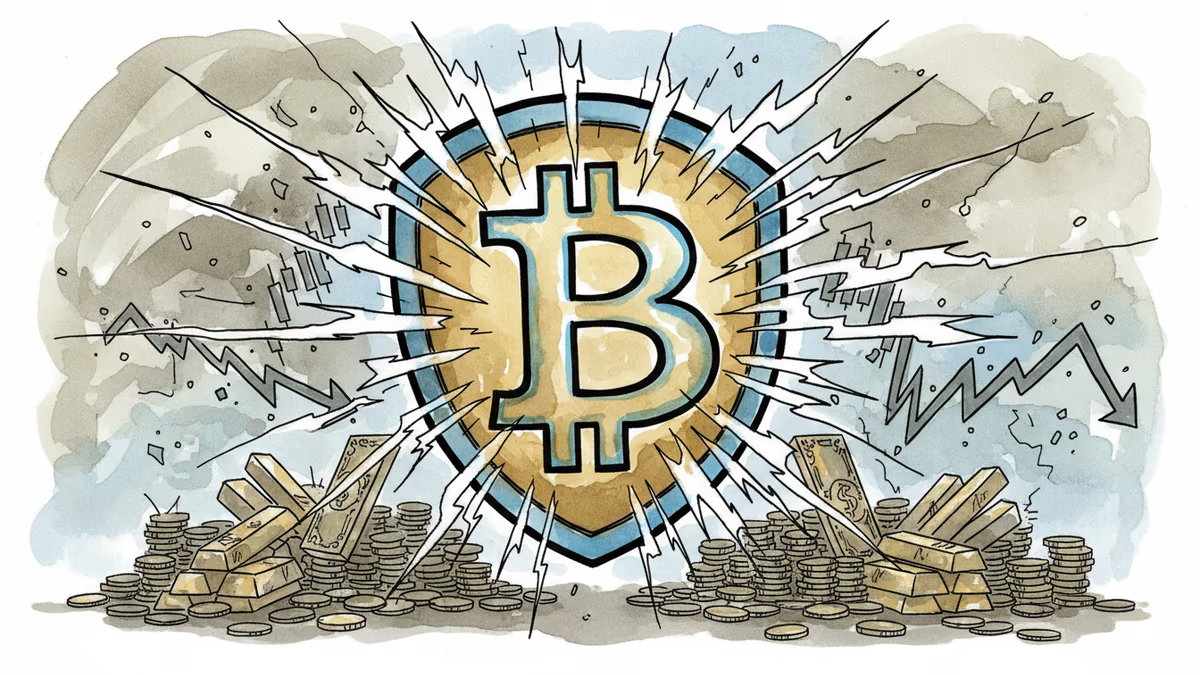
Two weeks into the U.S.-Iran war, Bitcoin has outperformed gold, the S&P 500, and Asian equities. Here's what the pattern of higher lows tells us about what this market has become.
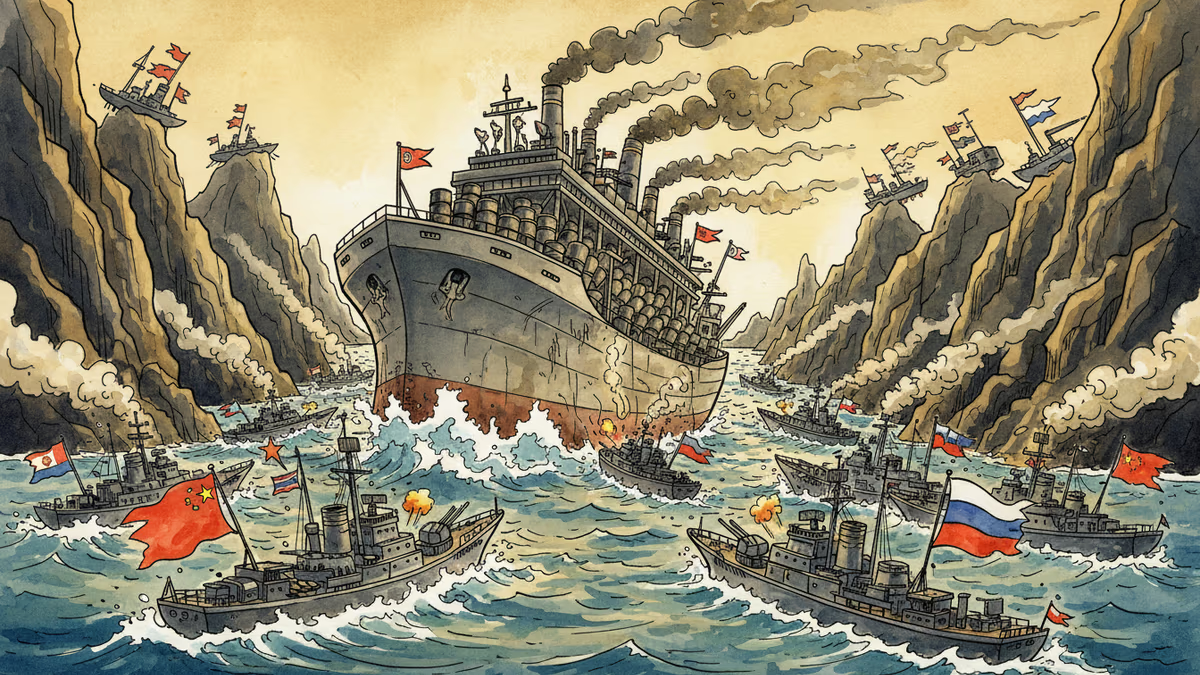
Trump is urging China, UK, and Japan to send warships to keep the Strait of Hormuz open. With 20% of global oil supply at stake, here's what a closure would mean for energy markets, inflation, and your portfolio.
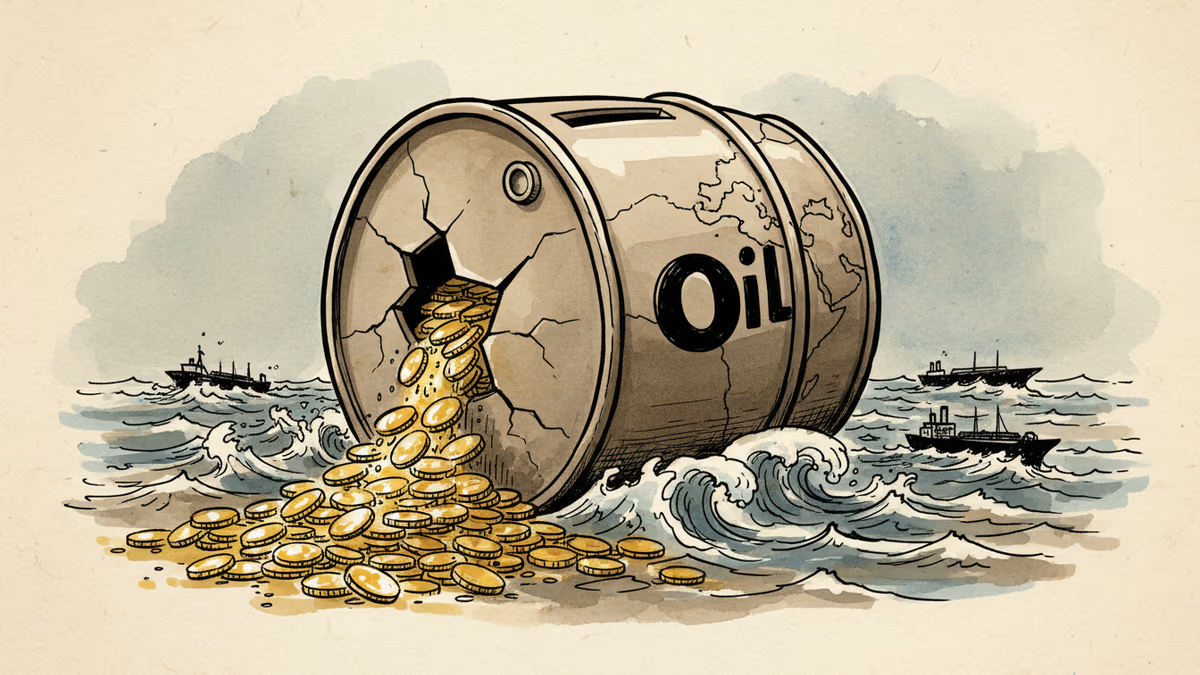
US oil companies could pocket up to $63 billion in windfall profits from Gulf supply disruptions. Here's who wins, who pays, and what it means for energy markets and your wallet.
PRISM by Liabooks
Place your ad in this space
[email protected]
After months of disrupting global shipping lanes, the Houthis have gone unusually silent. What does that mean for Red Sea trade, oil markets, and the next phase of Middle East tension?