

Economy
Finance, markets, investments, cryptocurrency and economic news
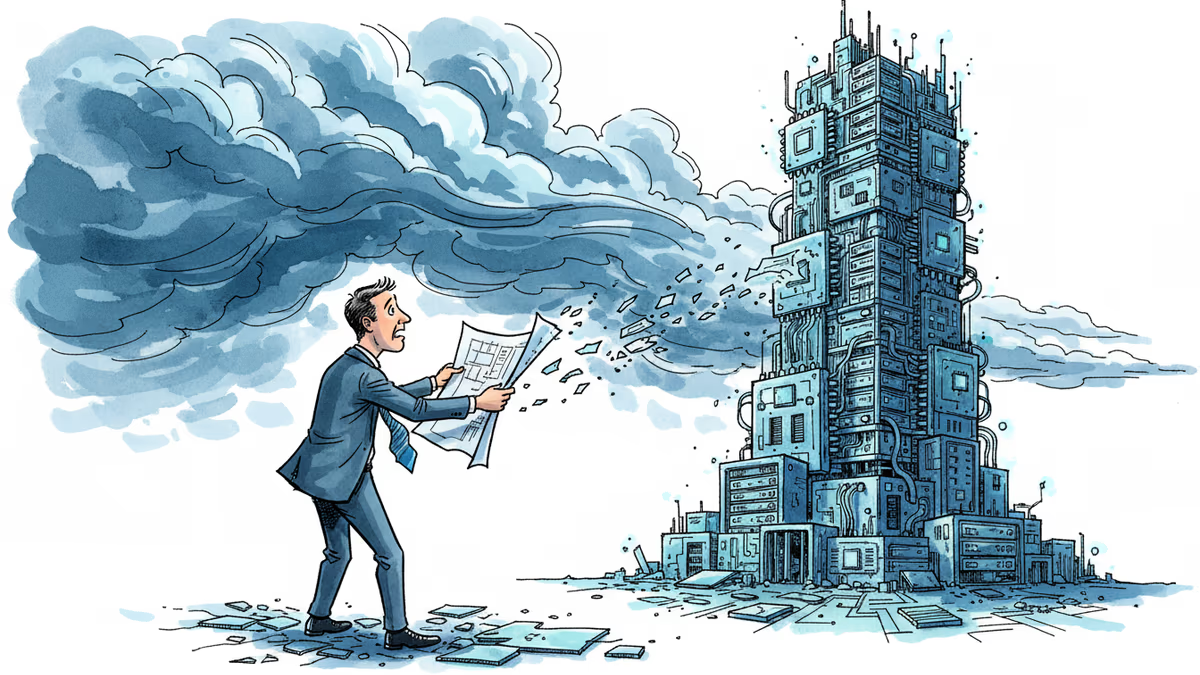
OpenAI is quietly stepping back from its most ambitious infrastructure plans. With an IPO on the horizon and a $730B valuation to defend, Sam Altman is trading moonshots for fiscal discipline. Here's what that means for investors.
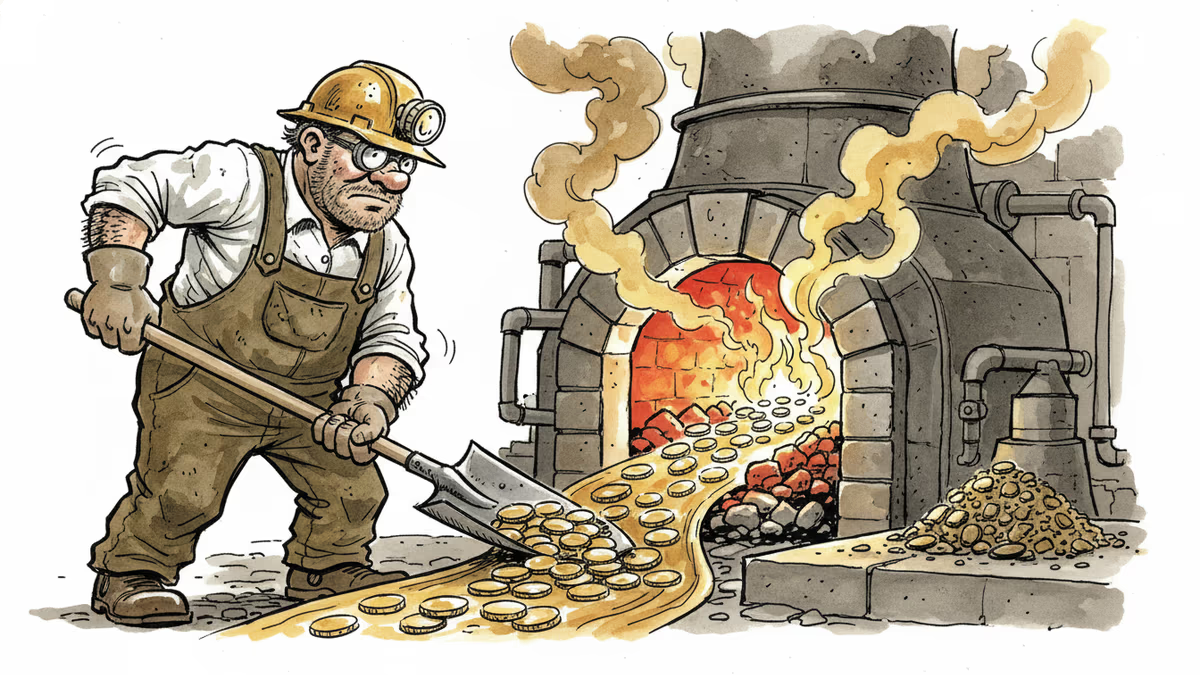
Bitcoin miners are losing $19,000 per coin as production costs hit $88,000 against a $69,200 market price. War-driven energy shocks and falling hashrate are reshaping crypto market structure.
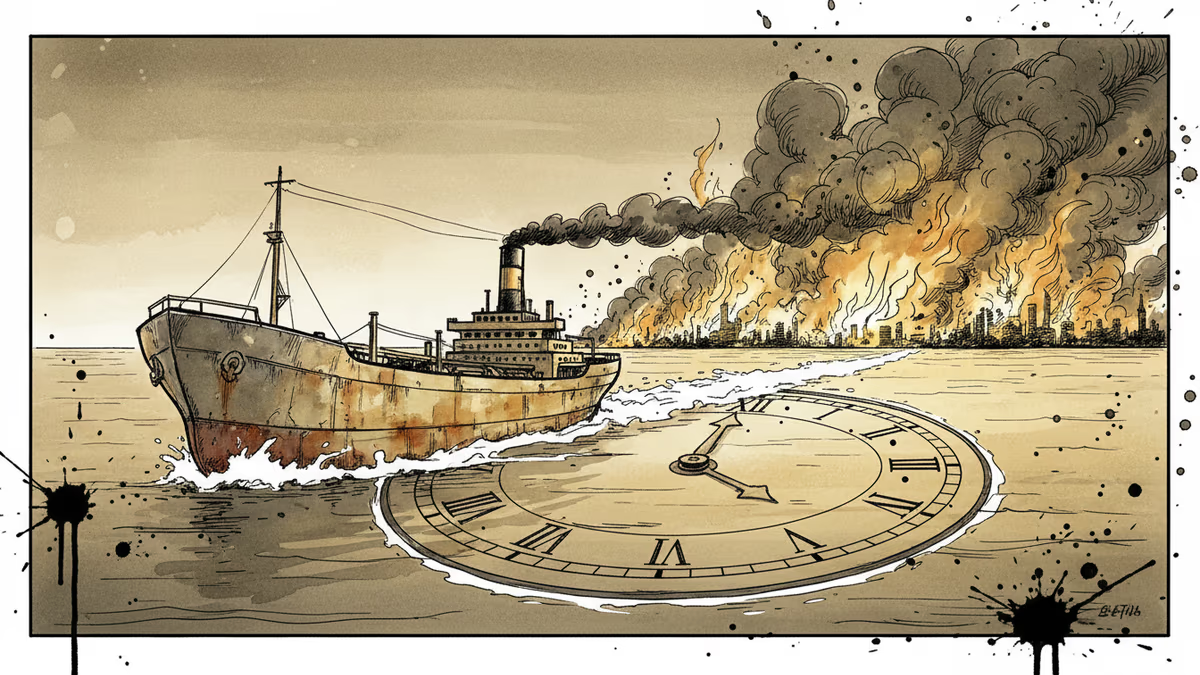
Oil tankers that departed the Middle East before Iran's missile strikes are due to arrive within 10 days. Markets are calm—for now. The real test comes after the last pre-war barrel lands.

PRISM by Liabooks
Place your ad in this space
[email protected]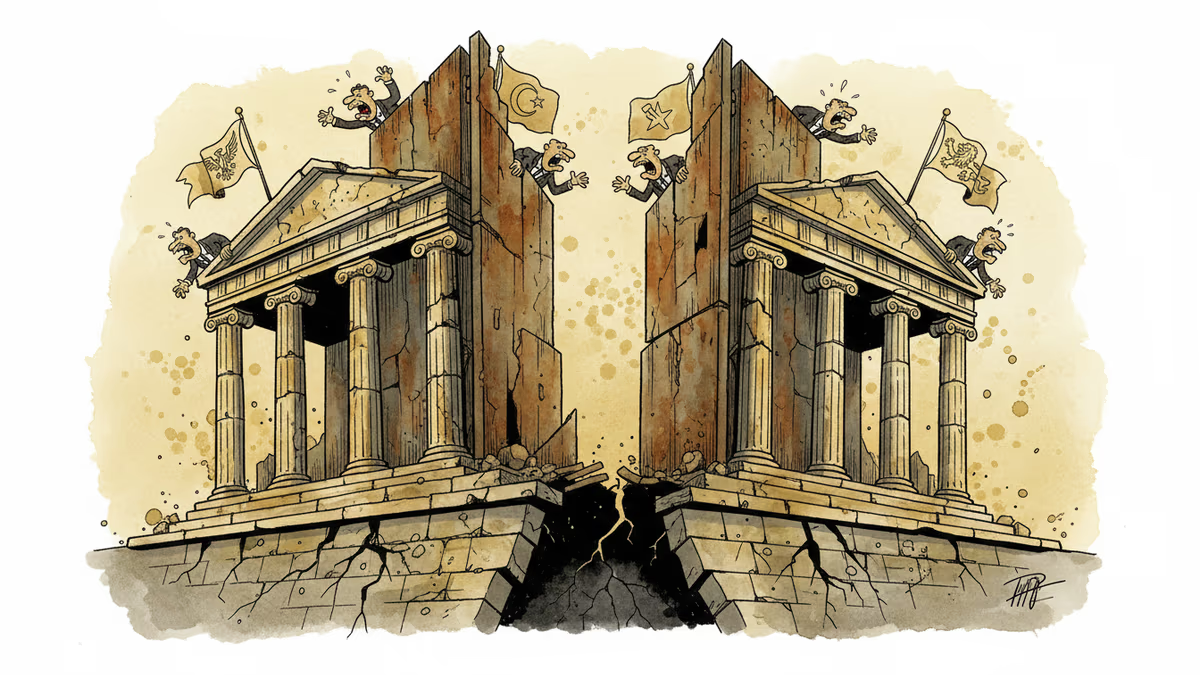
Lebanon is collapsing again — and the reasons are the same as always. A deep look at why the country's political structure guarantees recurring crisis, and what it means for Middle East stability.
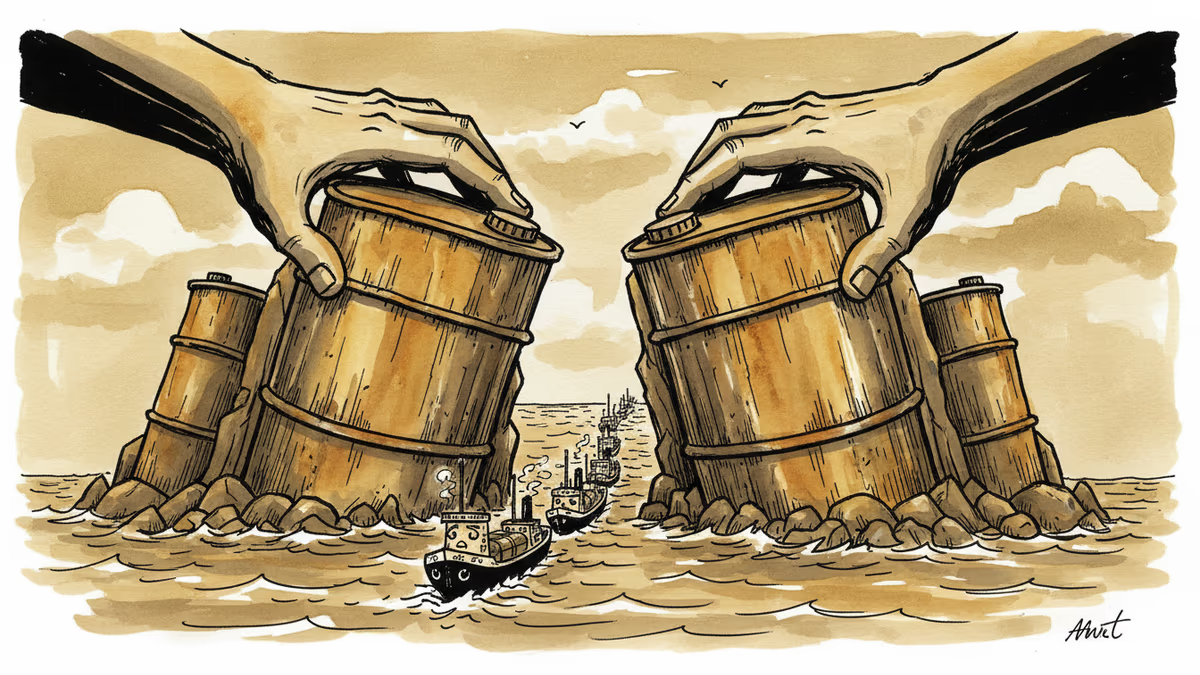
G7 nations have backed Hormuz Strait security amid rising Middle East tensions. With 20% of global oil passing through a 48km chokepoint, the stakes for energy markets, consumers, and geopolitics are enormous.
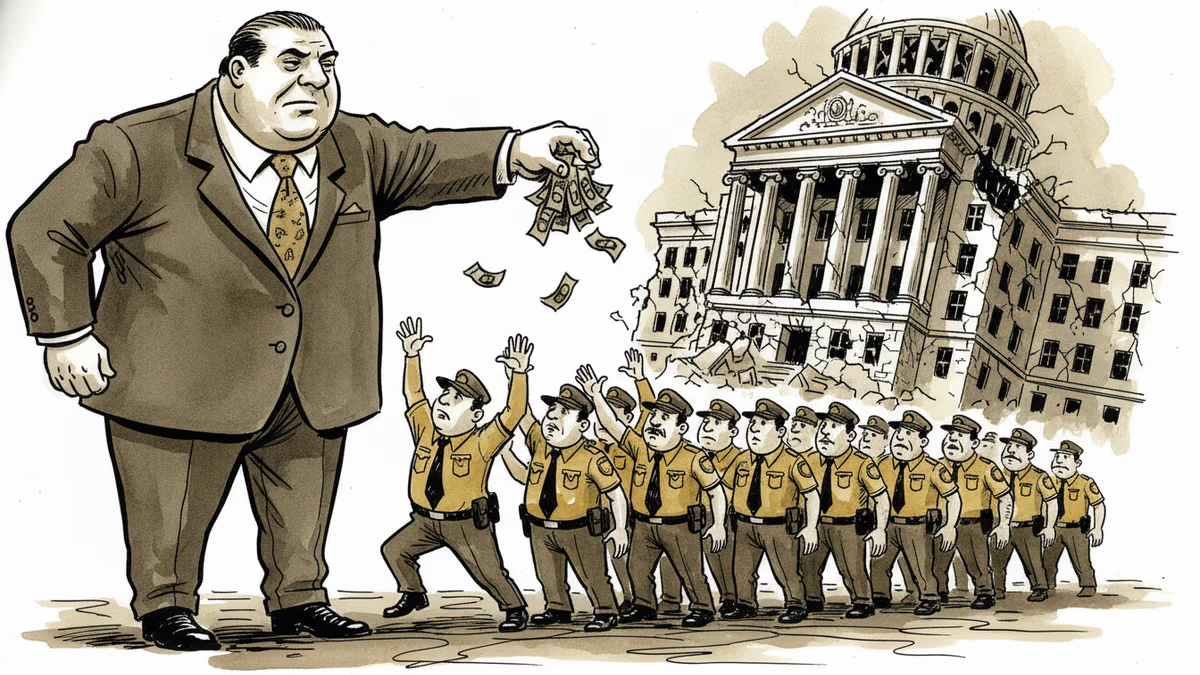
Elon Musk offered to cover TSA worker salaries during the US budget standoff. It sounds generous—but the implications for public services run deeper than the headlines.
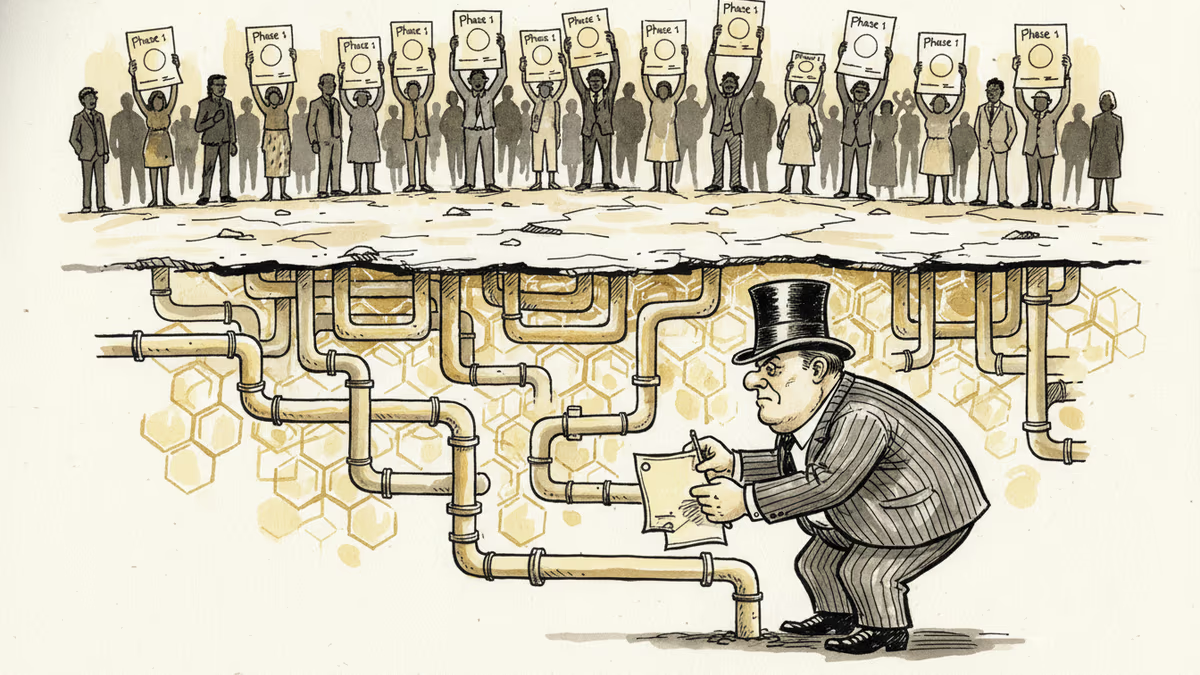
Institutional DeFi is quietly moving past tokenized assets toward programmable yield markets, privacy-compliant infrastructure, and hybrid collateral architectures. Here's what that actually means.
PRISM by Liabooks
Place your ad in this space
[email protected]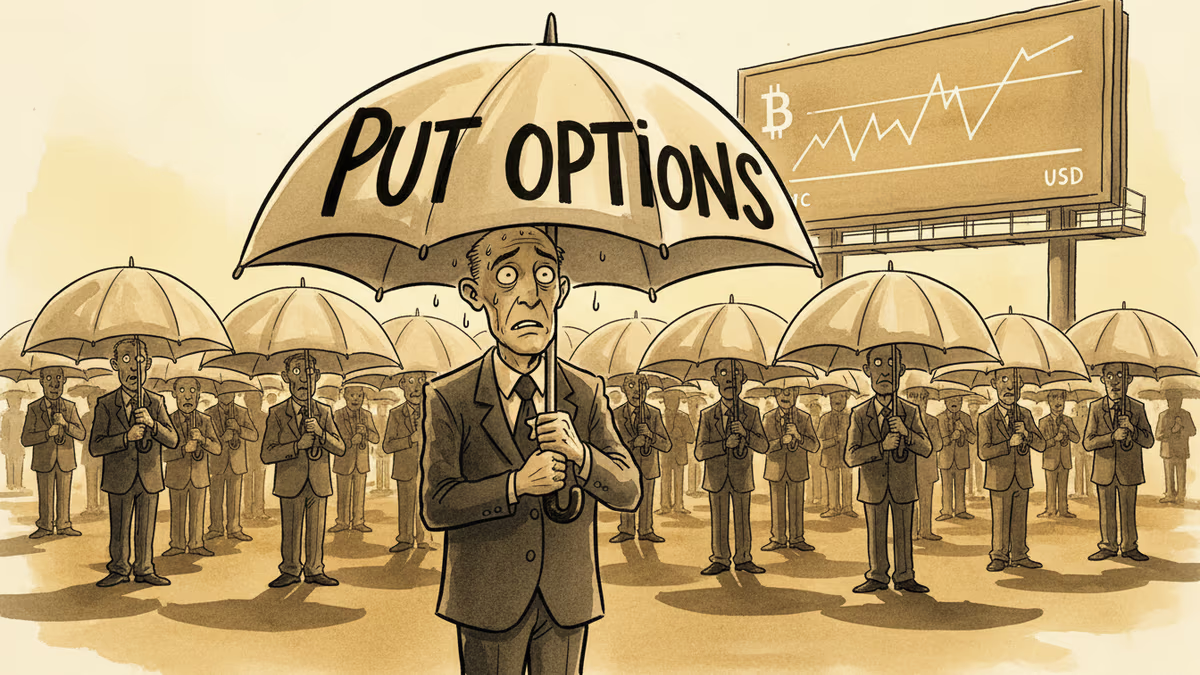
Bitcoin put premiums just hit an all-time high relative to spot volume — 3x the levels seen after Terra/Luna's collapse. VanEck data shows similar fear episodes preceded 133% gains over 12 months. Is this panic or a turning point?
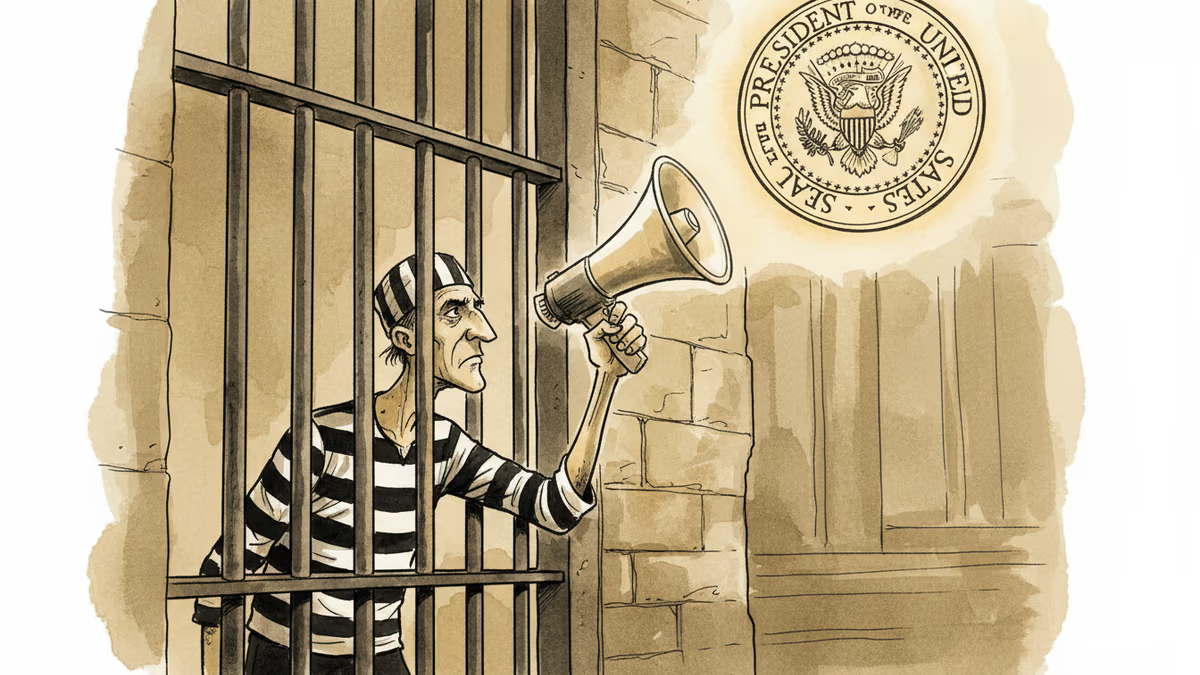
Jailed FTX founder Sam Bankman-Fried is publicly backing Trump's Iran strikes and crypto policies from behind bars. Is he angling for a pardon — and could it actually work?
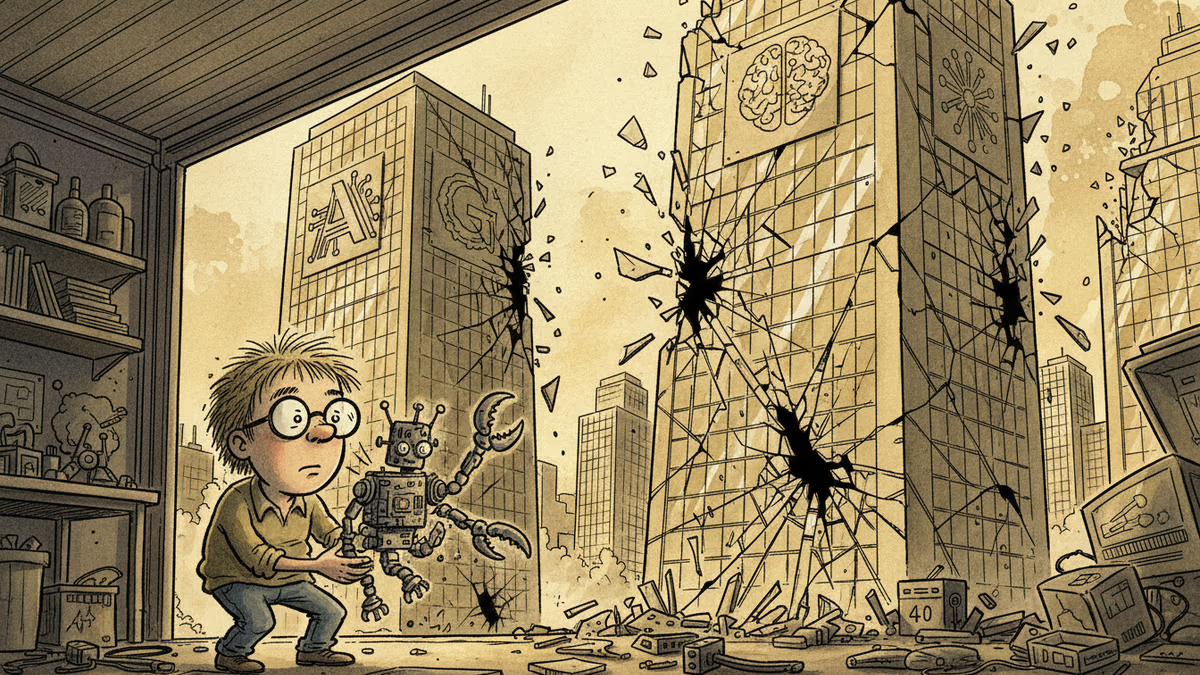
OpenClaw, built by an unknown Austrian developer, became the star of Nvidia's GTC. It's now raising uncomfortable questions about whether the world's most valuable AI companies are worth what investors think.
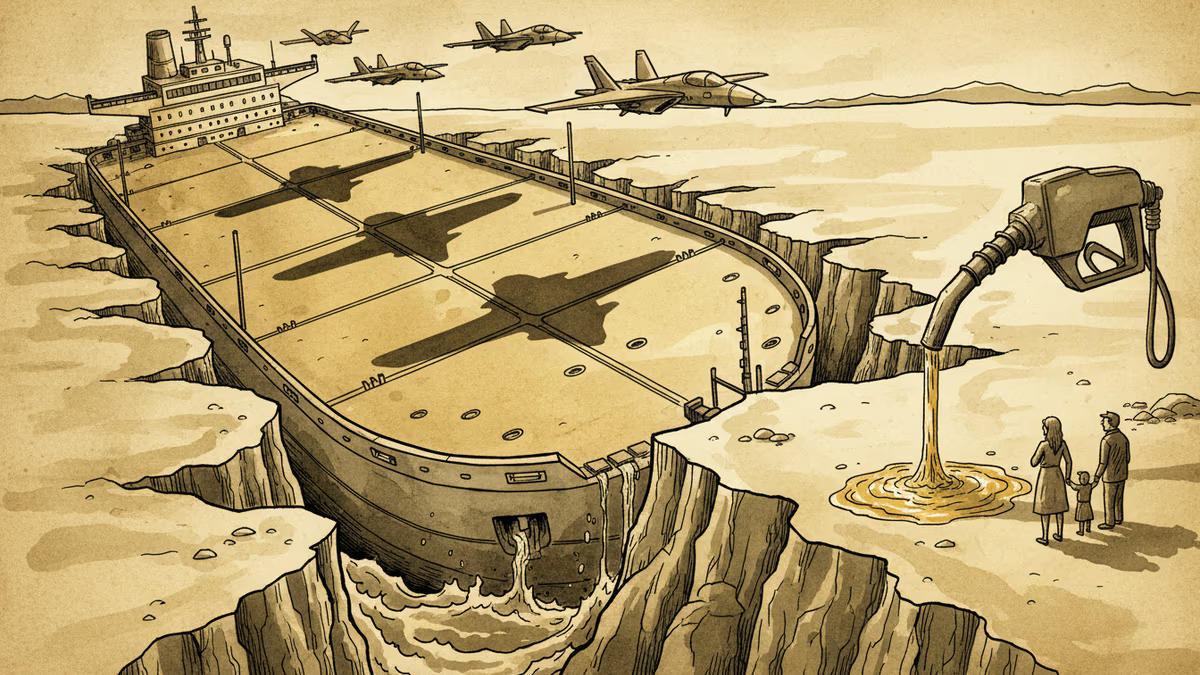
Tensions over Iran are rattling global energy markets, threatening the Strait of Hormuz and forcing governments and consumers worldwide to pay more and use less. Here's what's at stake.
PRISM by Liabooks
Place your ad in this space
[email protected]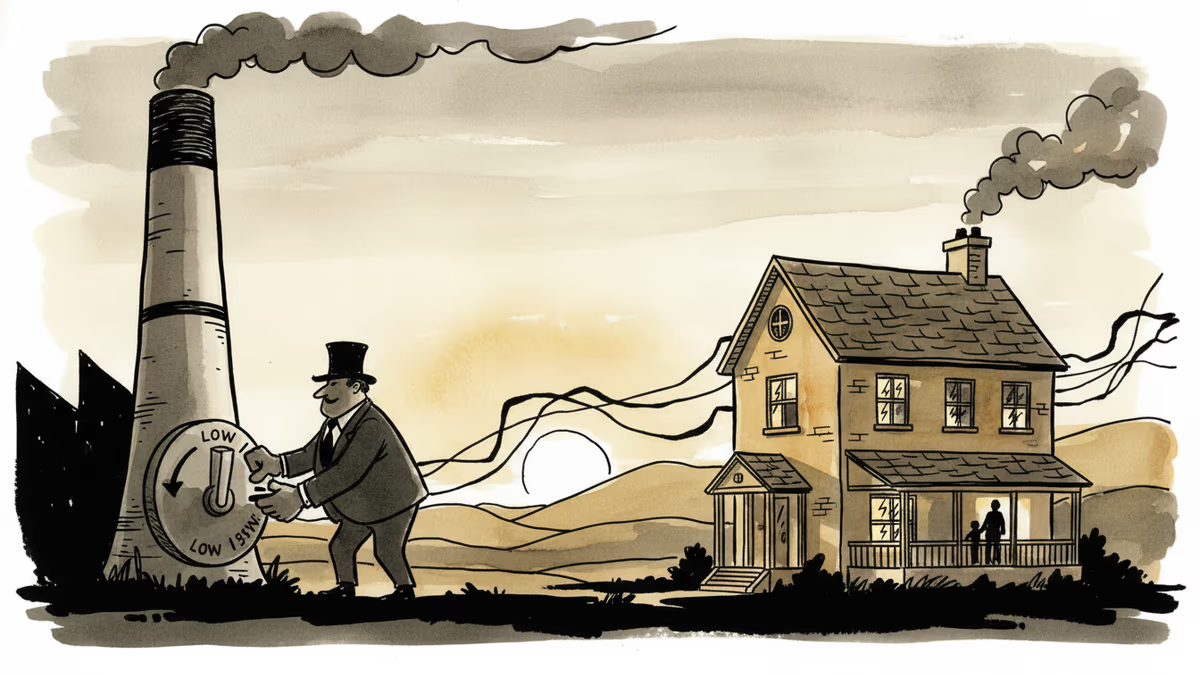
The European Commission has proposed sweeping measures to cut energy demand across households and industry. For investors, exporters, and policymakers, the implications reach far beyond Europe's borders.