
#inflation
Total 54 articles
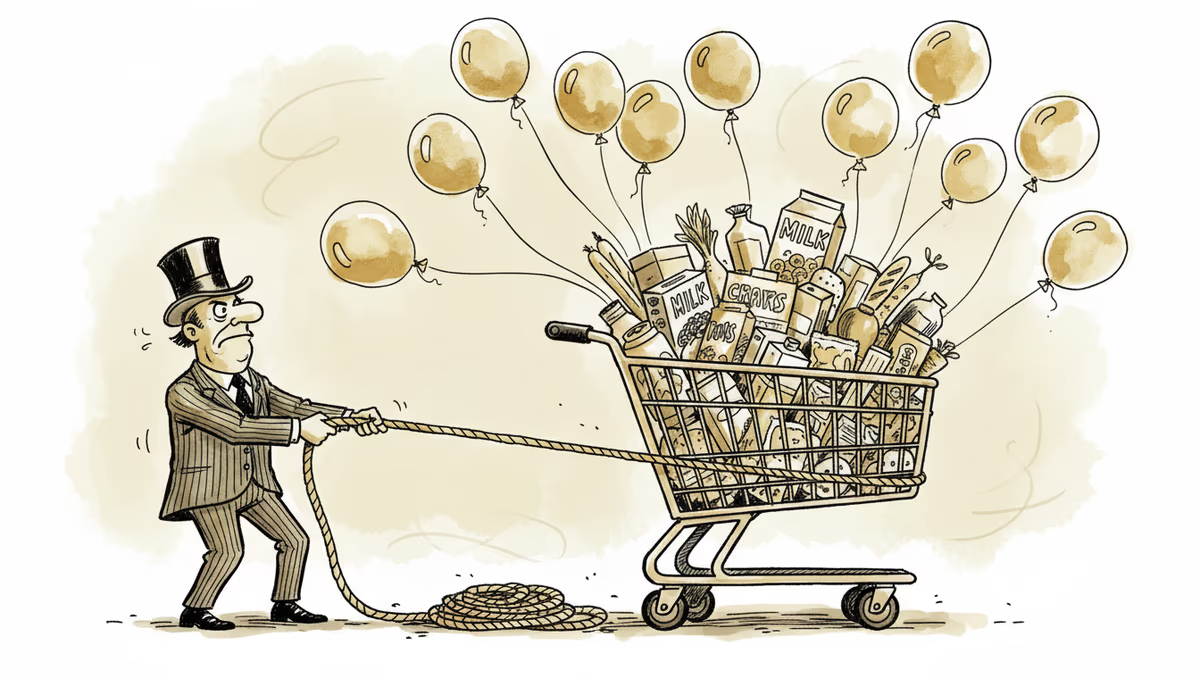
European Central Bank expects food inflation to settle above 2%, but the reality for consumers may be more complex. Analysis of supply chains, sticky prices, and regional variations.
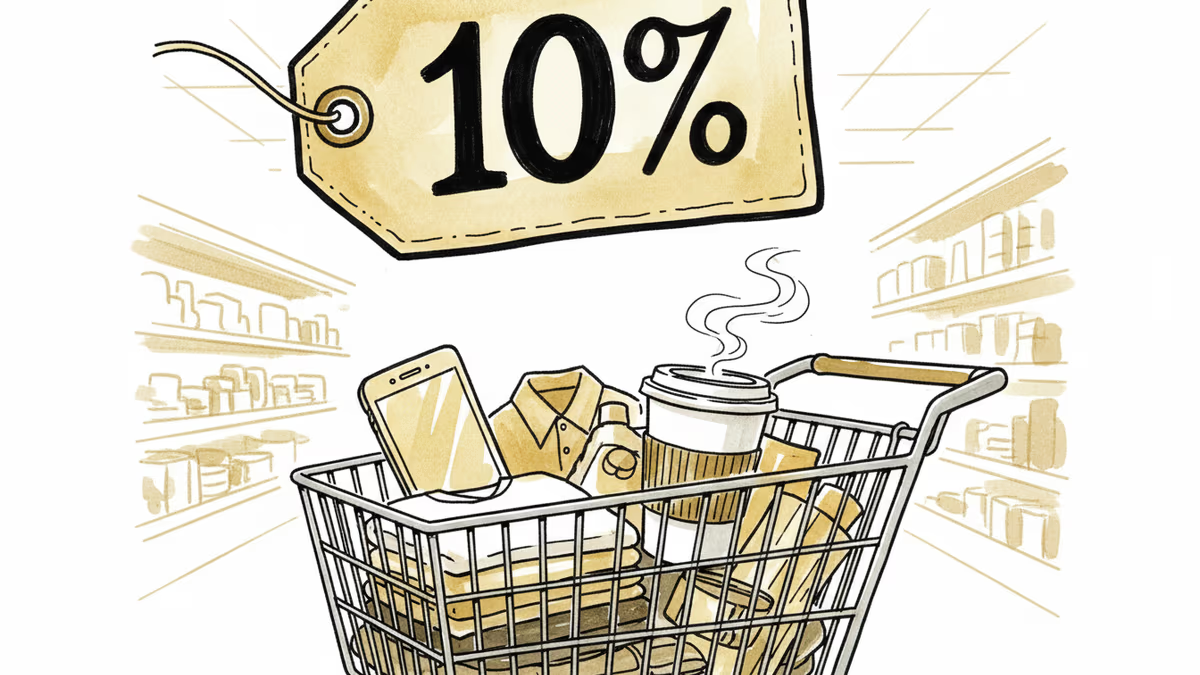
Trump's 10% global tariff takes effect, reshaping international trade. Analysis of winners, losers, and consumer impact as companies scramble to adapt their supply chains.
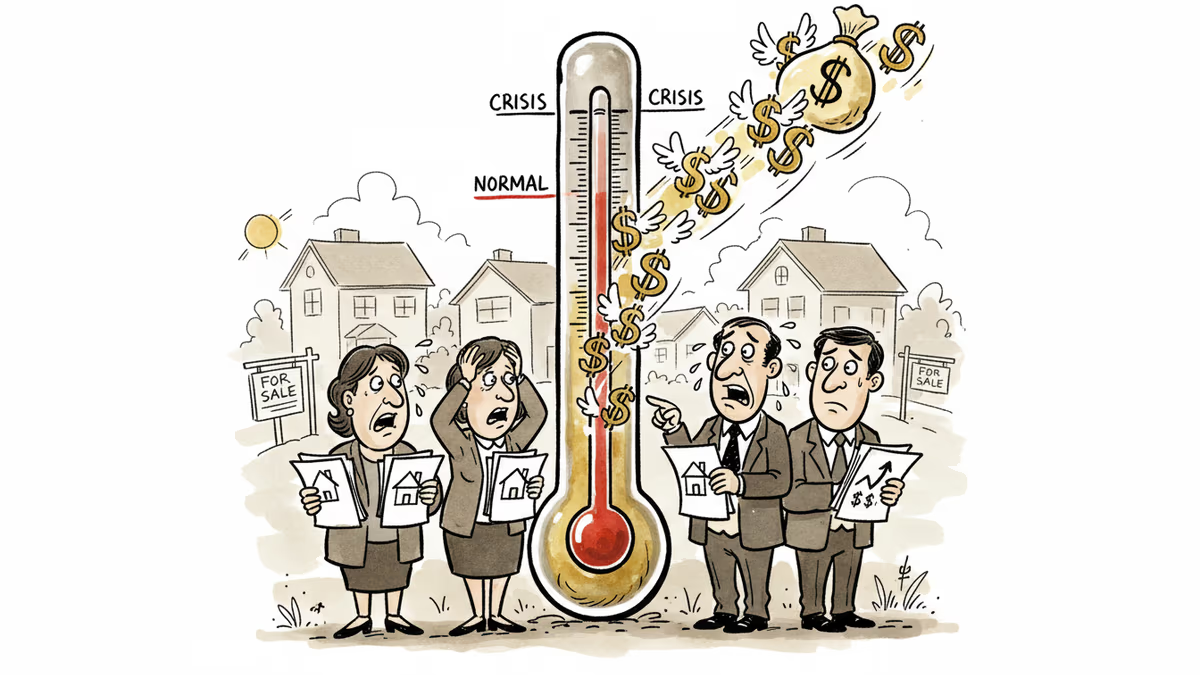
NY Fed inflation expectations rise to 3.58% in December, signaling potential rate hikes ahead. What this means for borrowers and the housing market.

PRISM by Liabooks
Place your ad in this space
[email protected]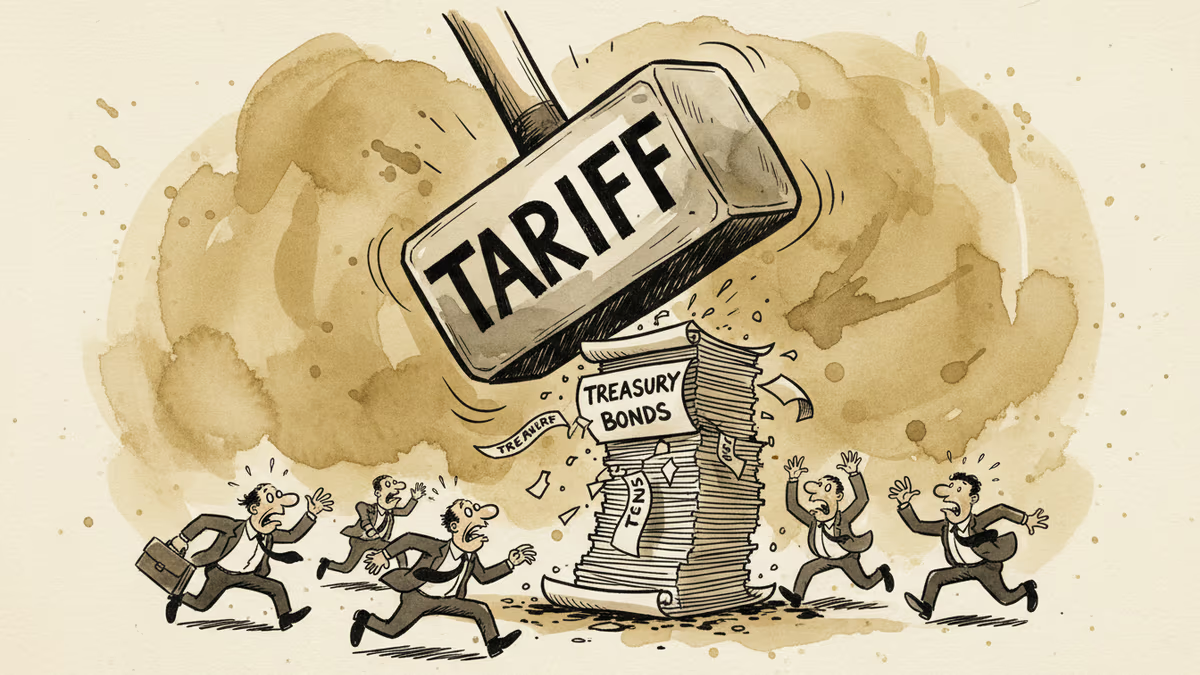
Trump's tariff policy uncertainty is wreaking havoc on Treasury markets as investors fear inflation resurgence and Fed policy shifts. Bond yields surge to multi-year highs.
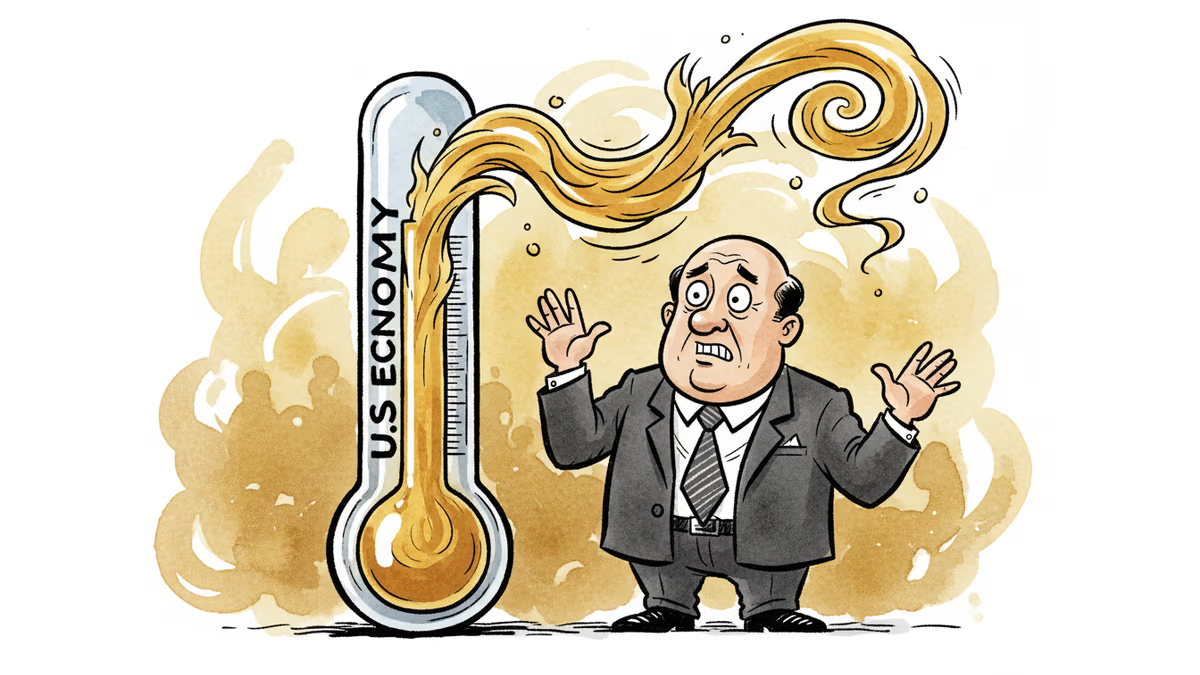
The Fed's Bostic warns that strong GDP growth is raising inflation concerns, creating a complex scenario for global markets and monetary policy.
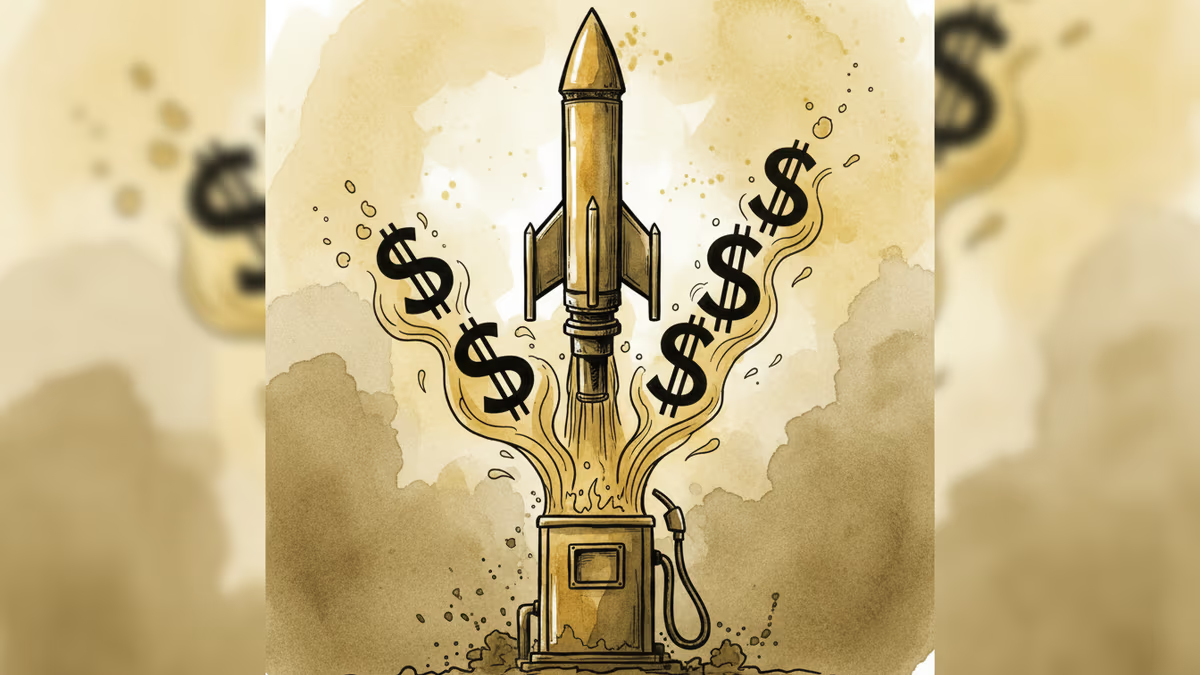
Crude prices surge 5% as US-Iran tensions escalate, lifting energy stocks while broader markets decline. What this means for inflation and your wallet.
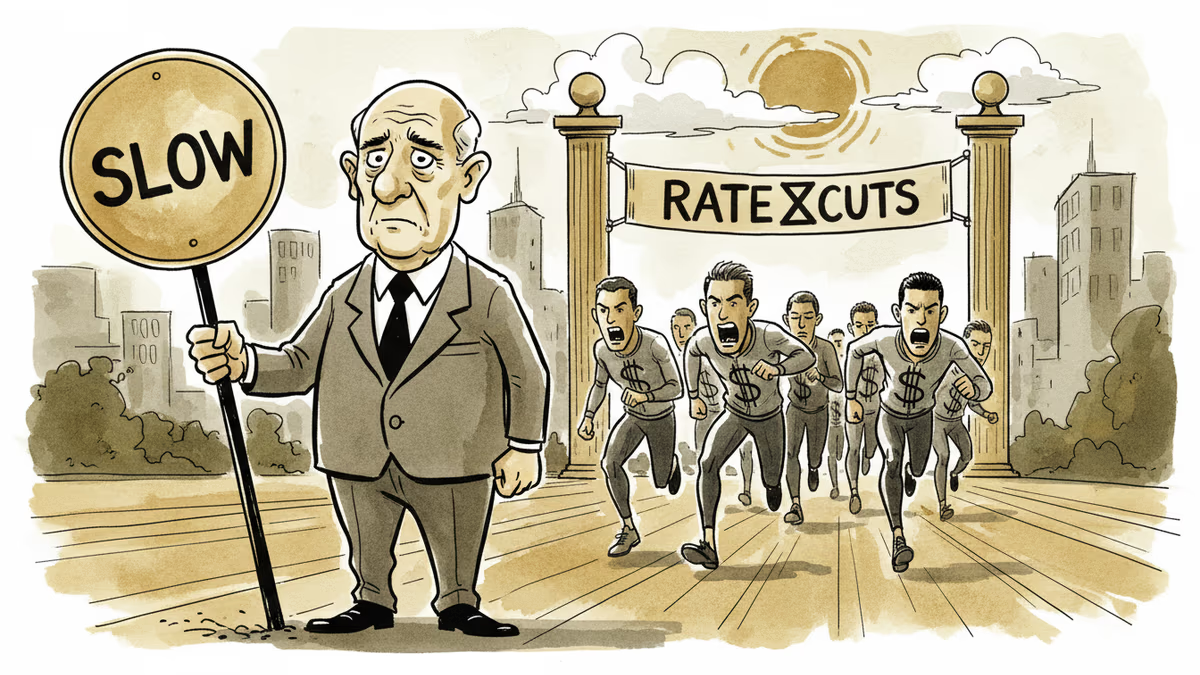
Federal Reserve officials warn that progress toward the 2% inflation target will be 'uneven,' tempering market expectations for aggressive rate cuts in 2024.
PRISM by Liabooks
Place your ad in this space
[email protected]
Fed Vice Chair Barr hints at extended rate hold, watching inflation closely. Markets recalibrate expectations as central bank stays cautious on cuts.
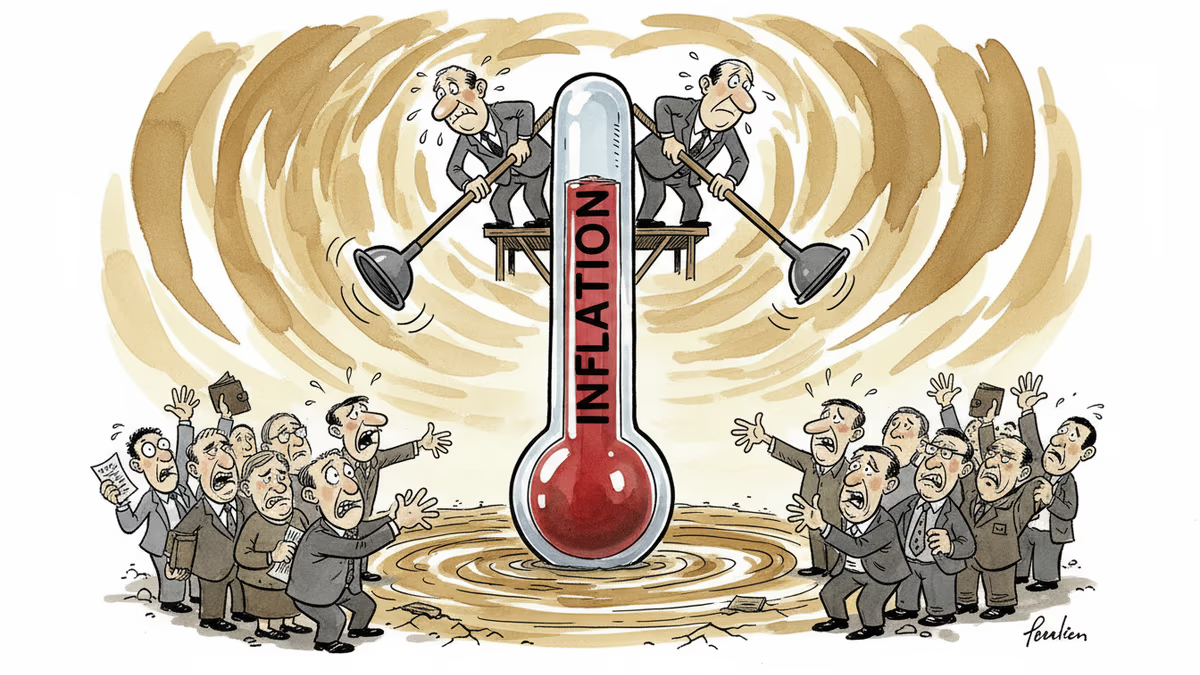
San Francisco Fed President Mary Daly signals the central bank still needs to bring inflation down further, dampening hopes for aggressive rate cuts. What this means for borrowers and investors.
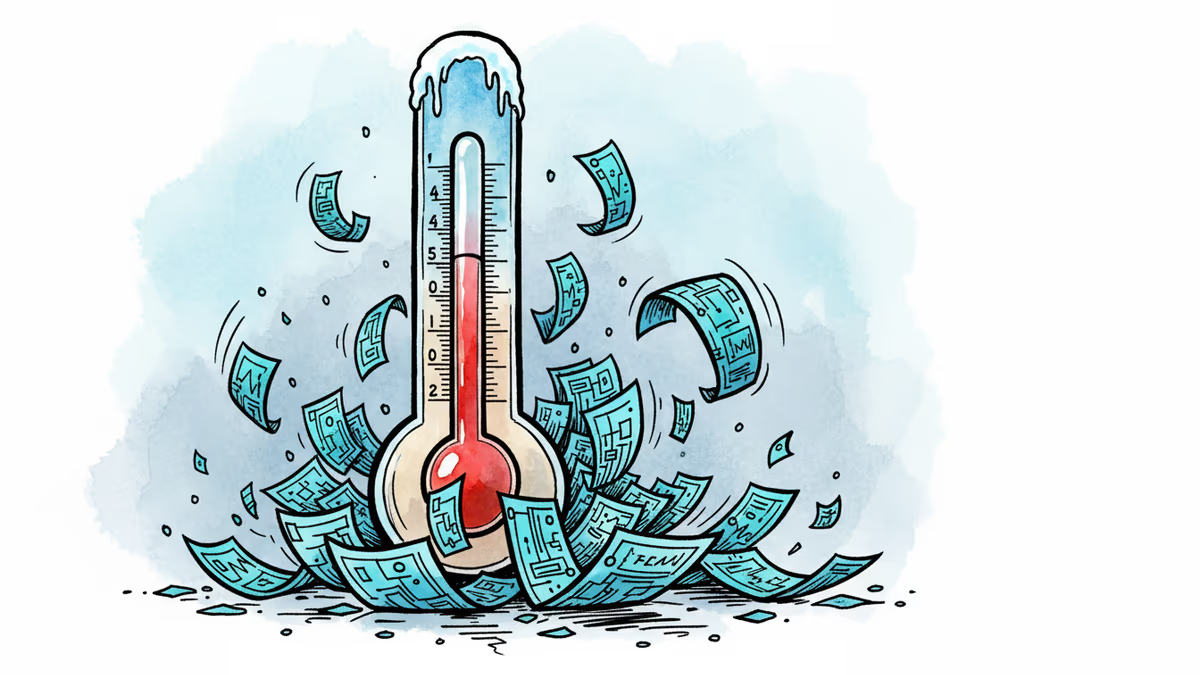
The S&P 500 edged higher despite tech weakness as inflation data showed continued cooling. We analyze why investors are turning away from tech despite favorable conditions and what it means for your portfolio.
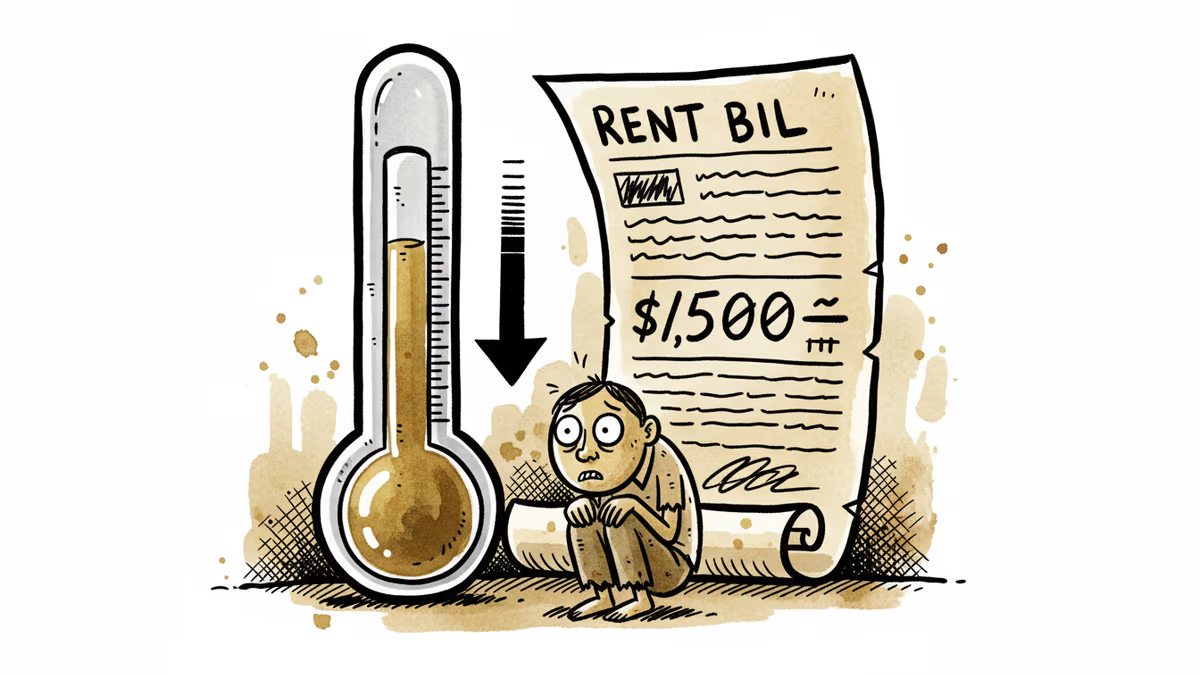
January CPI dropped to 2.4%, but shelter costs rose 3.0%. Why housing expenses are driving the gap between economic data and consumer reality
PRISM by Liabooks
Place your ad in this space
[email protected]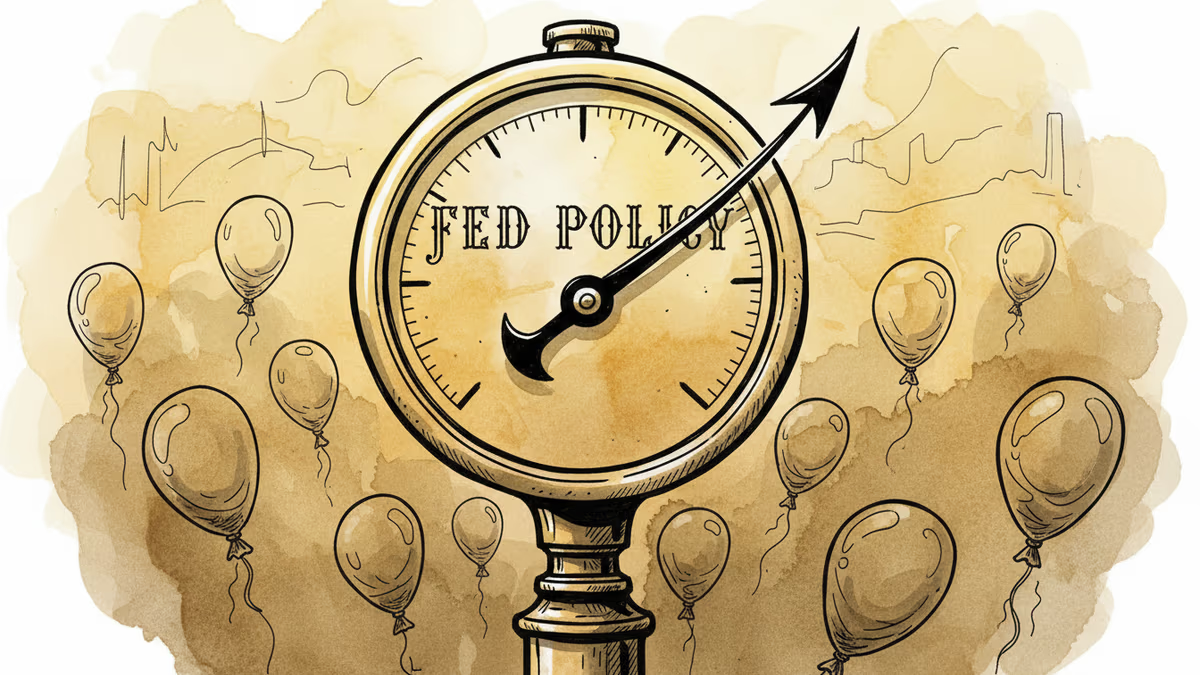
Fed Governor Lisa Cook's remarks suggest monetary policy is more restrictive than thought, while inflation concerns fade. What does this mean for markets and your money?
