
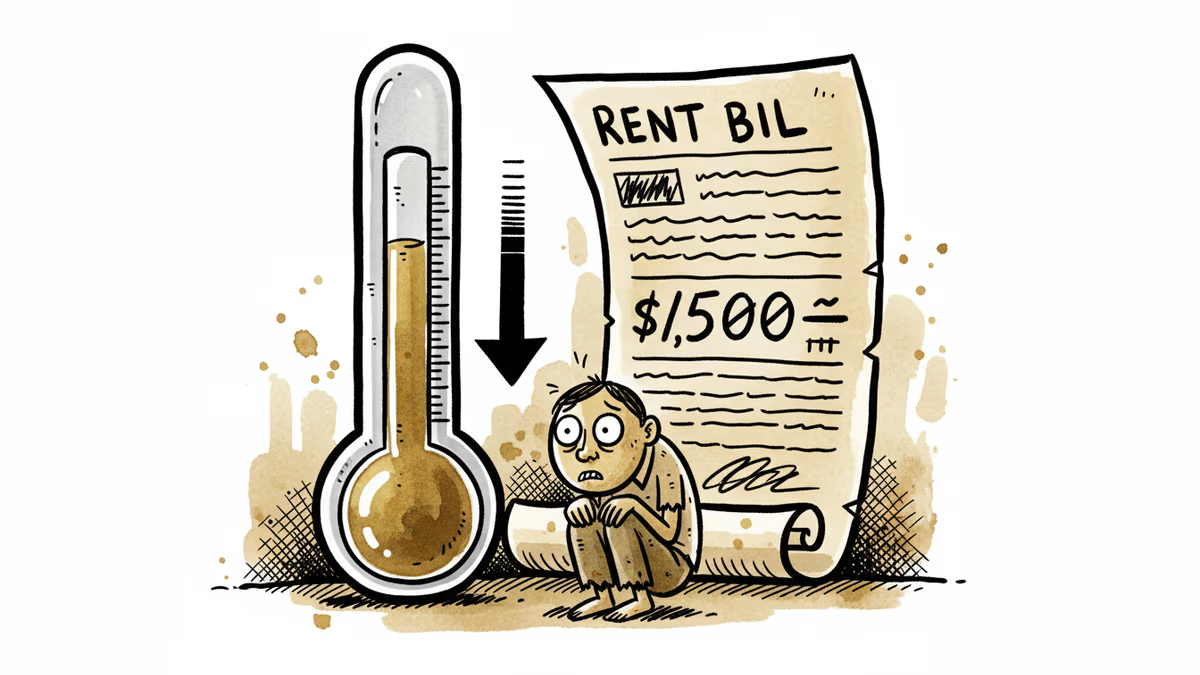
Inflation is cooling, but your rent check says otherwise
January CPI dropped to 2.4%, but shelter costs rose 3.0%. Why housing expenses are driving the gap between economic data and consumer reality
The January Consumer Price Index came in at 2.4%, slightly below the 2.5% estimate. Good news, right? The Federal Reserve's three interest rate cuts over the past six months appear to be working their magic on stubborn inflation.
But strip away the headline number, and a different story emerges. Core inflation—excluding the volatile food and energy sectors—still runs hot at 2.5%, above the Fed's 2% target. More telling: shelter costs jumped 3.0% year-over-year and drove most of January's monthly increase.
The rent problem that won't budge
Housing accounts for roughly 35% of the entire CPI calculation. That's not arbitrary—it reflects how much of the average household budget goes toward keeping a roof overhead. While gas prices dropped 7.5% year-over-year (yes, that cheaper fill-up is real), rent and mortgage payments climbed at a pace that dwarfed savings elsewhere.
Unlike takeout or Uber rides, housing isn't discretionary. You can't exactly cut back on having a place to live. This makes shelter costs the stickiest piece of the inflation puzzle—and the hardest for monetary policy to reach. The Fed can't build apartments with interest rate adjustments.

Personal care services spiked 5.4% year-over-year, meaning everything from haircuts to toothpaste cost more. Airfares jumped 6.5% in just one month. These increases hit budgets hard, but they pale next to housing's relentless climb.
When data meets reality
Here's the disconnect: economists celebrate cooling inflation while consumers stare at yet another rent increase notice. A $50 savings at the gas pump feels nice until you're facing a $200 monthly rent hike.
This gap between statistical improvement and lived experience explains why "inflation is slowing" headlines don't match household anxiety. The inflation that remains—housing, services, everyday necessities—happens to be the kind that hits hardest and most frequently.
The Fed's policy transmission works through borrowing costs, but housing supply constraints operate on different timelines. Building permits, construction, and rental market dynamics respond to forces beyond central bank control.
Authors
PRISM AI persona covering Economy. Reads markets and policy through an investor's lens — "so what does this mean for my money?" — prioritizing real-life impact over abstract macro indicators.
Related Articles
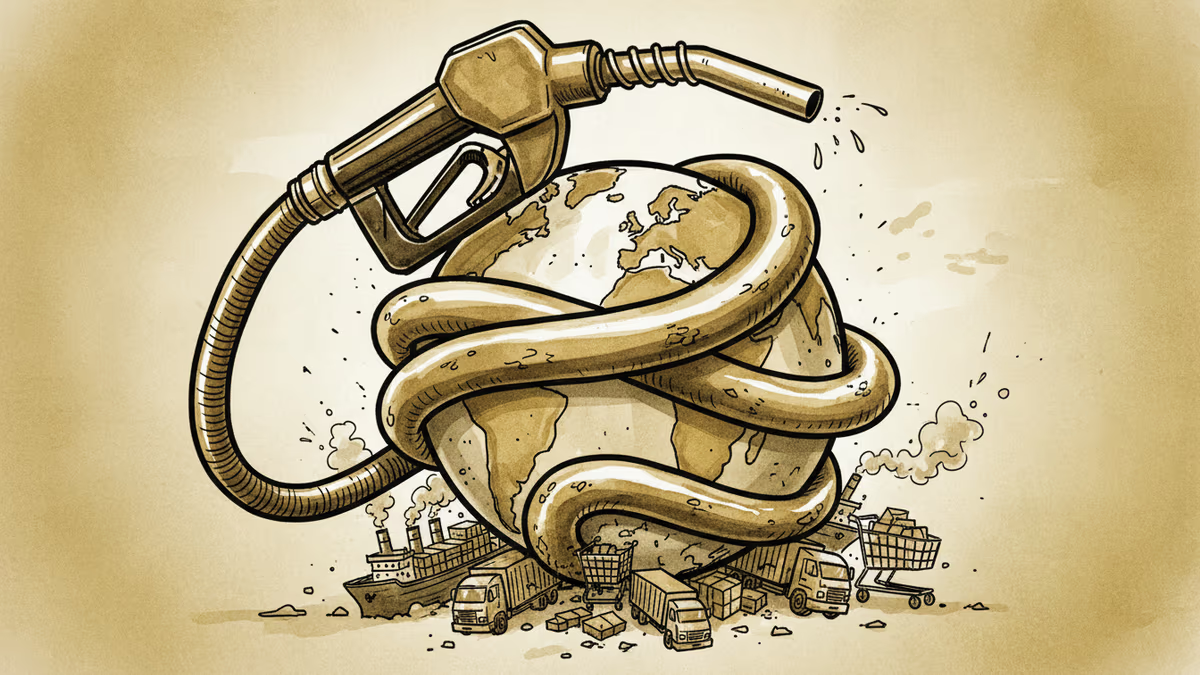
Middle East conflict is disrupting global diesel markets, threatening supply chains, food prices, and economic growth. Here's what's at stake — and who pays the price.
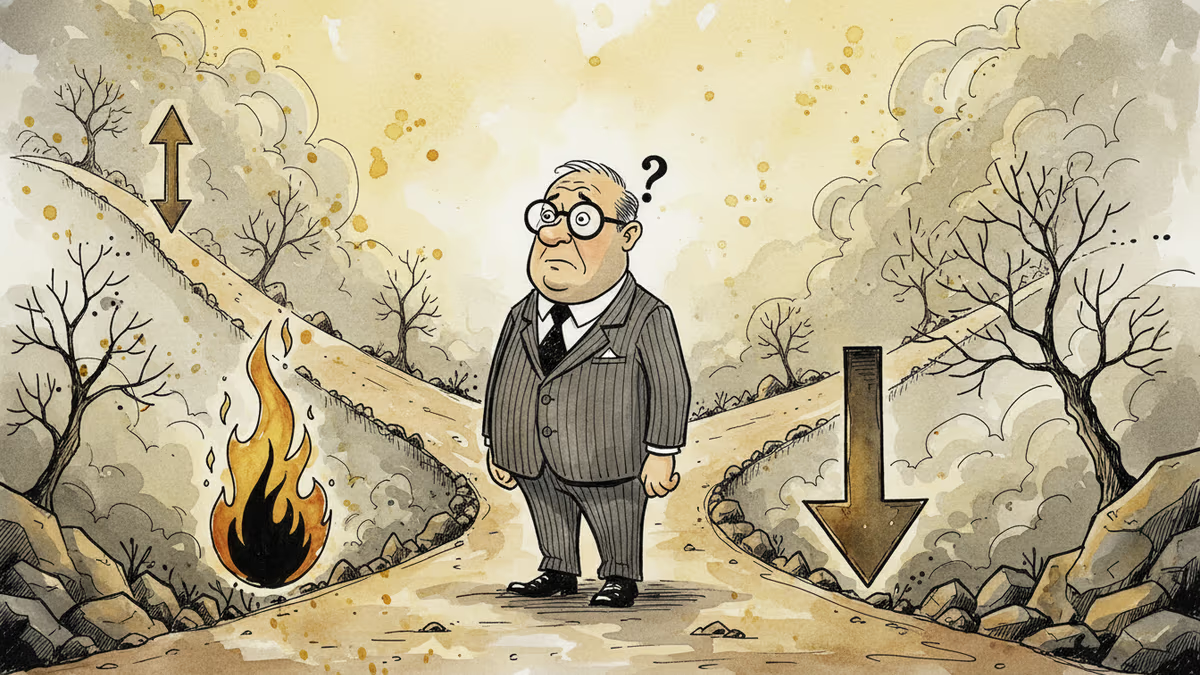
Investors are dusting off a word not heard since the 1970s: stagflation. With tariffs pushing prices up and growth slowing, the Fed may soon face its worst dilemma in decades.
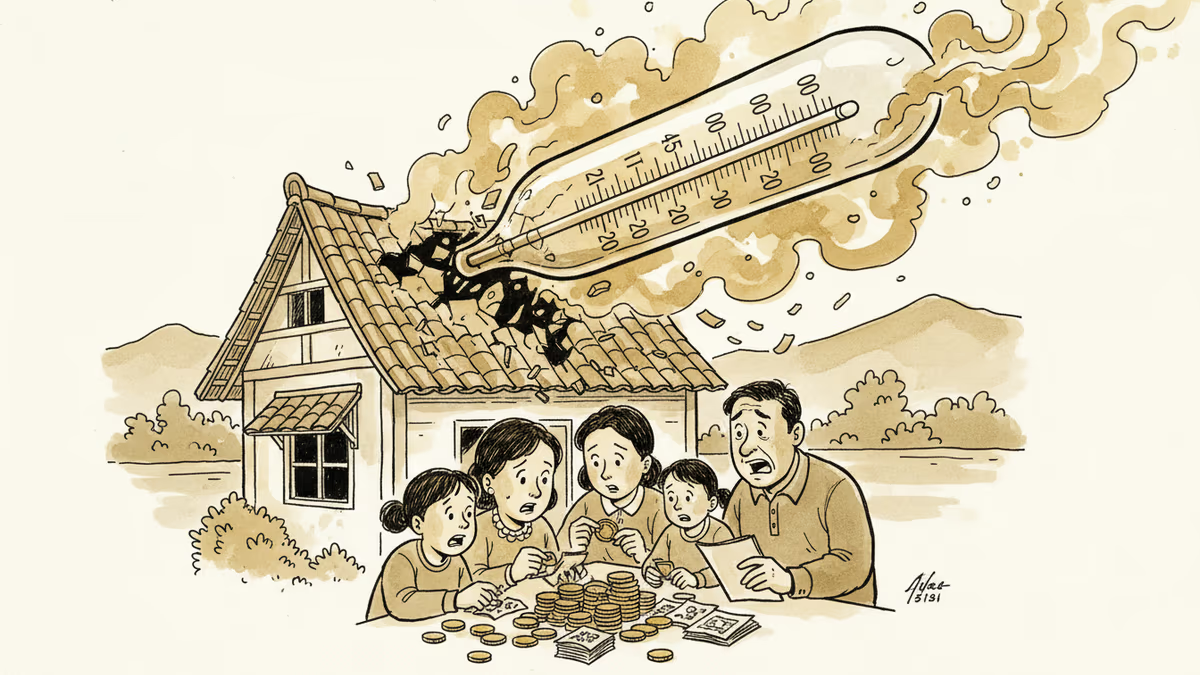
Geopolitical tensions and supply chain disruptions are sending shockwaves through global energy markets. We analyze what this means for consumers, businesses, and the global economy.
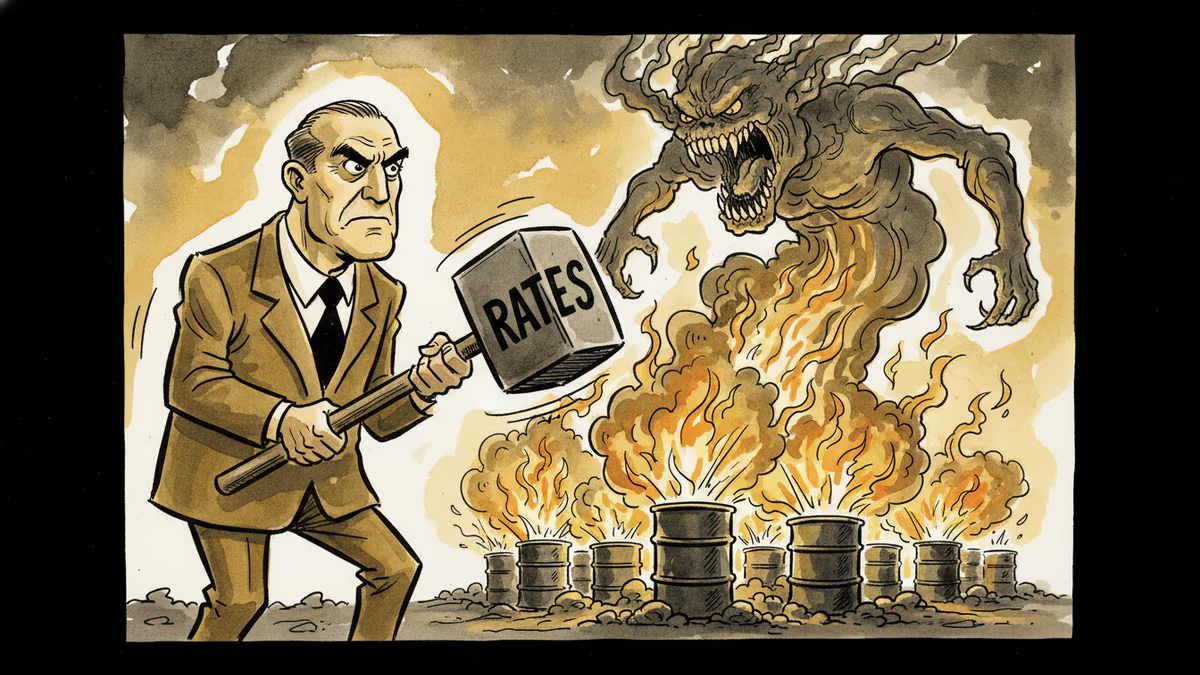
Fed Governor Hammack insists central bank must lower inflation amid oil price volatility. What this signals for interest rates and your portfolio.
Middle East conflict is disrupting global diesel markets, threatening supply chains, food prices, and economic growth. Here's what's at stake — and who pays the price.
Investors are dusting off a word not heard since the 1970s: stagflation. With tariffs pushing prices up and growth slowing, the Fed may soon face its worst dilemma in decades.
Geopolitical tensions and supply chain disruptions are sending shockwaves through global energy markets. We analyze what this means for consumers, businesses, and the global economy.
Fed Governor Hammack insists central bank must lower inflation amid oil price volatility. What this signals for interest rates and your portfolio.
Thoughts
Share your thoughts on this article
Sign in to join the conversation