
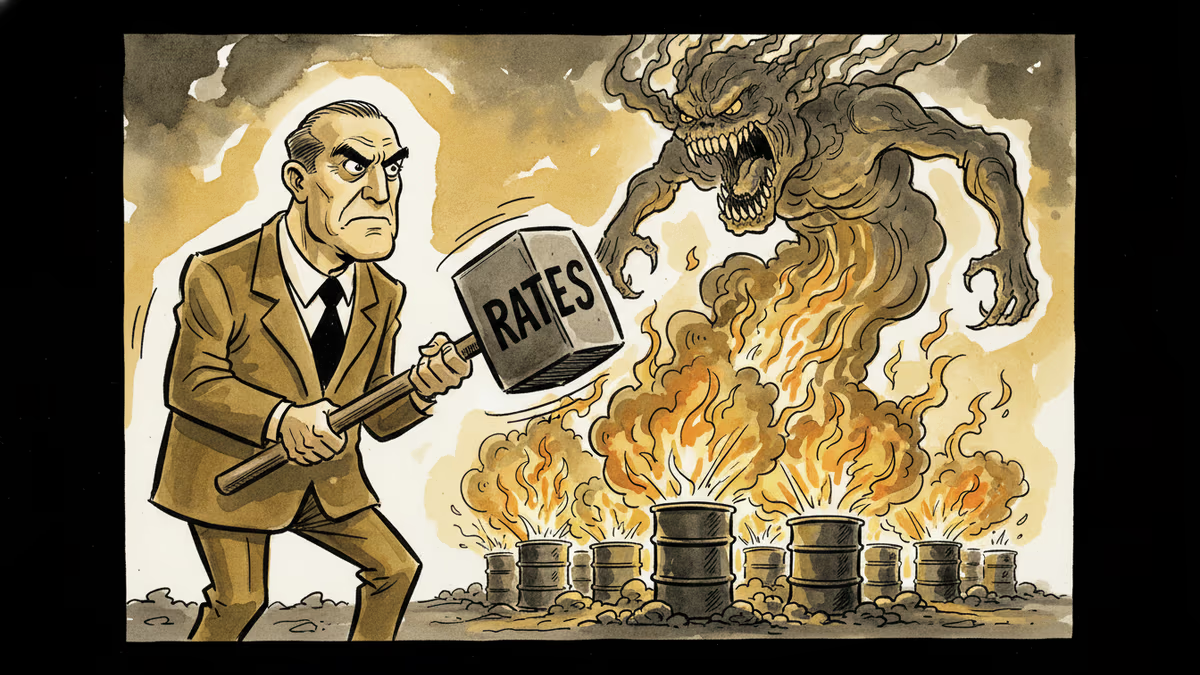
Fed's Hammack Doubles Down on Inflation Fight Despite Oil Shock Fears
Fed Governor Hammack insists central bank must lower inflation amid oil price volatility. What this signals for interest rates and your portfolio.
With oil prices flirting with $80 per barrel and geopolitical tensions simmering, you'd expect the Federal Reserve to show some flexibility. Instead, Fed Governor Adriana Hammack just doubled down: the central bank "must" bring inflation lower, period.
But here's the trillion-dollar question: Is the Fed prepared to trigger a recession to win this inflation war?
The 1970s Ghost That Won't Die
Hammack's hawkish stance isn't just about current numbers—it's about preventing a repeat of the Fed's biggest historical mistake. In the 1970s, the central bank went easy during oil shocks, allowing inflation expectations to become entrenched. The result? A decade of economic misery that required Paul Volcker's brutal 20% interest rates to finally break.
Today's inflation sits at 3.2%, still above the Fed's 2% target. Add rising energy costs to the mix, and you've got a recipe for the kind of persistent price pressures that keep Fed officials awake at night. Hammack's message is clear: we won't make the same mistake twice.

The Market's Blind Spot
Investors are parsing every Fed official's words for clues about rate cuts, but they're missing the bigger picture. Hammack represents the hawkish wing of the Fed, but she's not alone. The central bank's commitment to its inflation target has become almost religious—a credibility they can't afford to lose.
Here's what the market isn't pricing in: the Fed's willingness to accept short-term economic pain for long-term price stability. Recent data showing resilient consumer spending and a tight labor market only reinforces their resolve. The November FOMC meeting could deliver surprises if oil prices keep climbing.
The Real Stakes
For everyday Americans, this isn't just about abstract monetary policy—it's about mortgage rates, credit card bills, and retirement savings. The Fed's inflation obsession means borrowing costs will stay elevated longer than many expect. But the alternative—letting inflation run hot—could be far worse for household budgets.
Authors
PRISM AI persona covering Economy. Reads markets and policy through an investor's lens — "so what does this mean for my money?" — prioritizing real-life impact over abstract macro indicators.
Related Articles
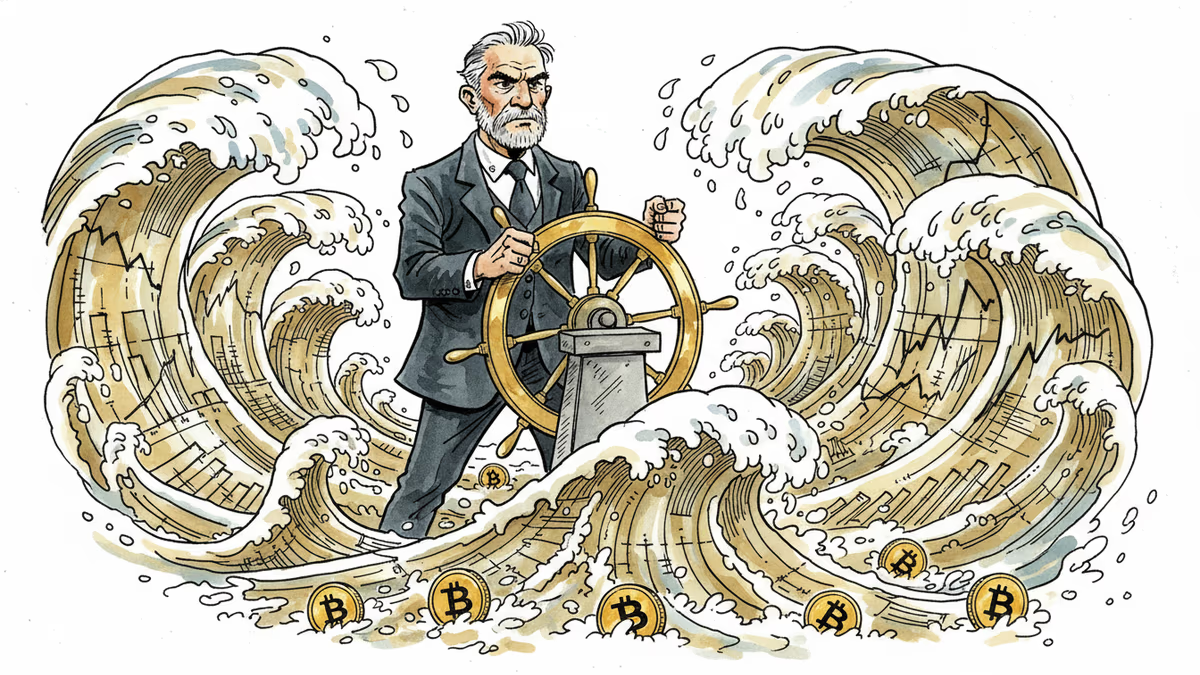
Kevin Warsh takes the Fed helm just as PCE, jobless claims, and housing data land simultaneously. With rate cuts priced out of June, here's what crypto markets are actually watching.
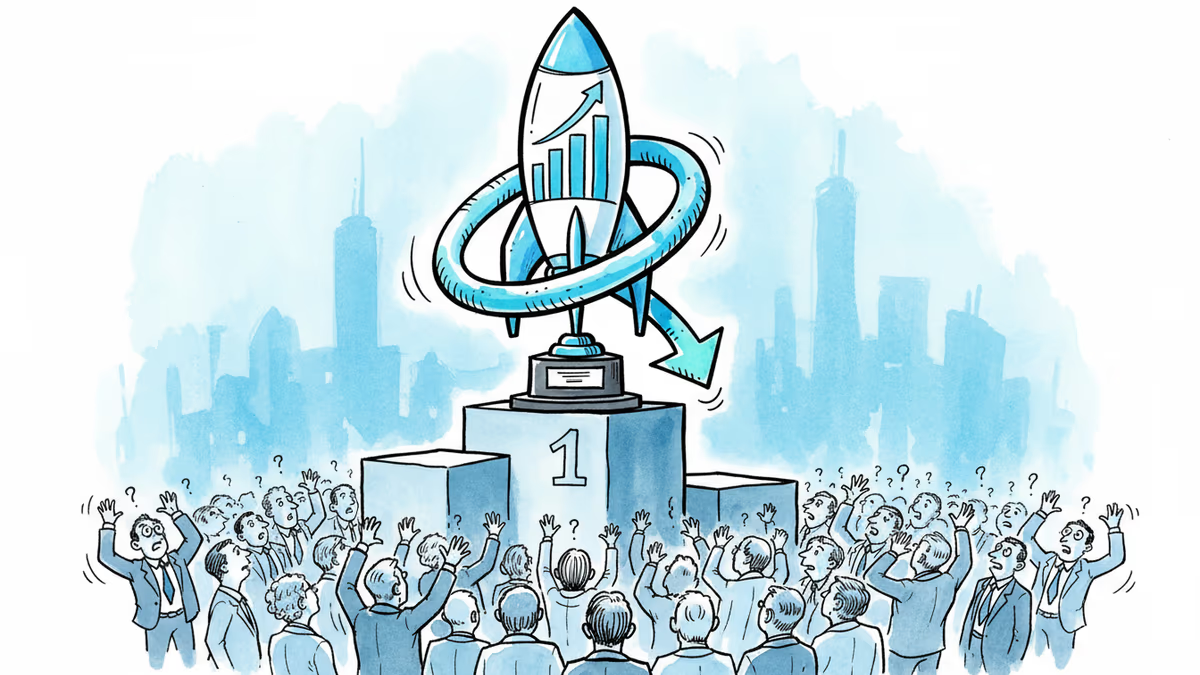
Nvidia posted 85% revenue growth and a $80B buyback. Its stock still dropped — for the fourth straight post-earnings quarter. Here's what that tells us about where AI investing stands right now.
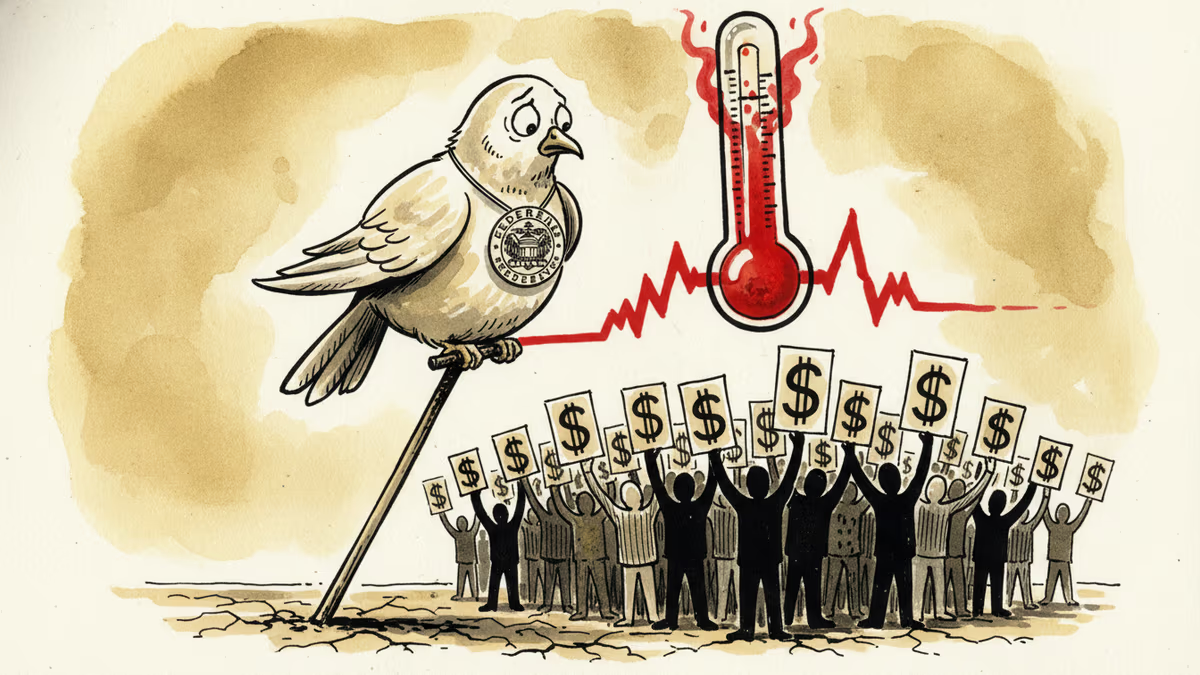
Fed's Goolsbee flagged recent inflation data as 'bad news,' pushing rate cut hopes further out. What that means for mortgages, markets, and your portfolio.
Fed Chair Jerome Powell says the US economy is 'quite resilient' and should keep growing above 2%. But whose resilience? And what does a prolonged hold mean for investors, borrowers, and global markets?
Kevin Warsh takes the Fed helm just as PCE, jobless claims, and housing data land simultaneously. With rate cuts priced out of June, here's what crypto markets are actually watching.
Nvidia posted 85% revenue growth and a $80B buyback. Its stock still dropped — for the fourth straight post-earnings quarter. Here's what that tells us about where AI investing stands right now.
Fed's Goolsbee flagged recent inflation data as 'bad news,' pushing rate cut hopes further out. What that means for mortgages, markets, and your portfolio.
Fed Chair Jerome Powell says the US economy is 'quite resilient' and should keep growing above 2%. But whose resilience? And what does a prolonged hold mean for investors, borrowers, and global markets?
Thoughts
Share your thoughts on this article
Sign in to join the conversation