
When Economic Success Becomes a Problem
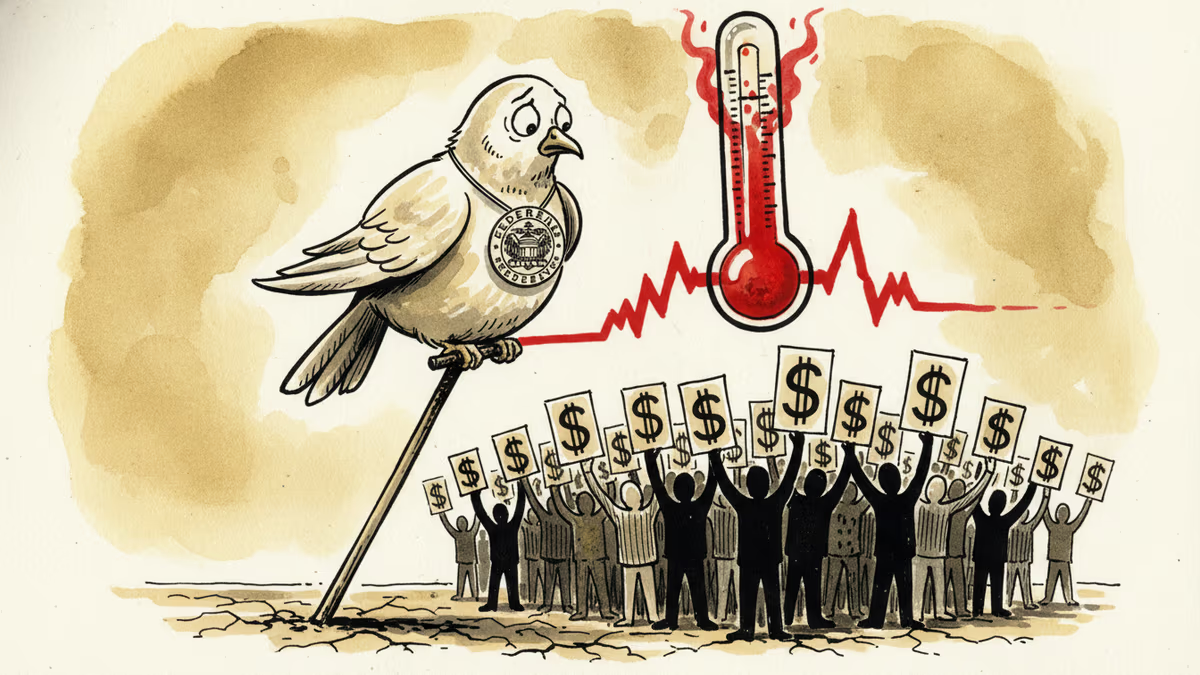
The Fed's Bostic warns that strong GDP growth is raising inflation concerns, creating a complex scenario for global markets and monetary policy.
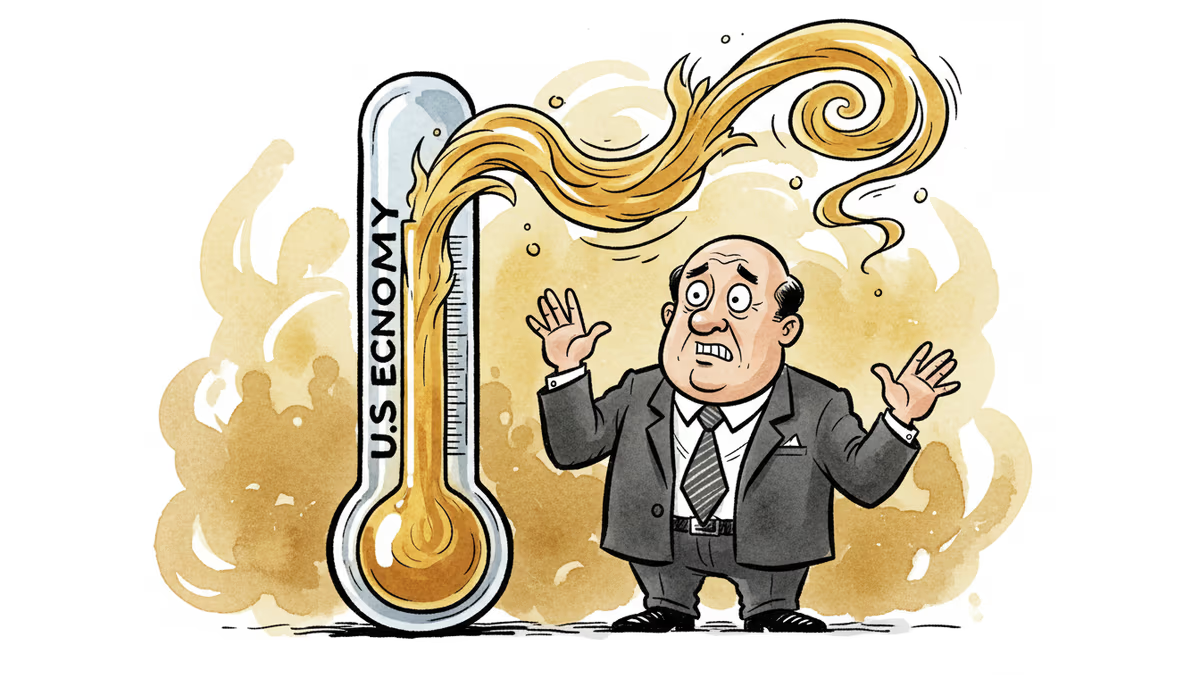
The American economy is performing too well for its own good. That's not a sentence you'd expect to read, but it perfectly captures the Federal Reserve's current dilemma.
The Goldilocks Problem in Reverse
Atlanta Fed President Raphael Bostic recently highlighted what economists are calling a "reverse Goldilocks" scenario. Instead of growth being "just right," it's running "pretty strong" – strong enough to potentially derail the Fed's inflation-fighting efforts.
The numbers tell the story. Consumer spending remains robust, unemployment sits at historic lows, and corporate earnings continue to surprise on the upside. Under normal circumstances, this would be cause for celebration. But in the current environment, where the Fed has spent two years trying to cool the economy, this strength is becoming a headache.
The Inflation Comeback Nobody Wanted
Here's why Bostic is worried: when an economy grows too quickly, it creates bottlenecks. Labor markets tighten, wages rise faster, and companies pass those costs onto consumers. The result? The kind of persistent inflation the Fed thought it had under control.
Recent data suggests this isn't just theoretical. Core services inflation – the Fed's preferred measure – has shown signs of stickiness. If GDP growth continues at its current pace, the central bank's 2% inflation target could slip further out of reach.

Markets Caught in the Middle
Investors are facing a peculiar puzzle. Strong economic growth typically means higher corporate profits and rising stock prices. But it also means the Fed might keep interest rates "higher for longer" – or even raise them again.
Bond markets are already pricing in this reality. The 10-year Treasury yield has climbed as traders bet on fewer rate cuts in 2026. For equity investors, this creates a tug-of-war between earnings growth and valuation compression.
Global Ripple Effects
The implications extend far beyond U.S. borders. Other central banks, particularly in emerging markets, find themselves in an uncomfortable position. If the Fed maintains aggressive monetary policy, it creates pressure for others to follow suit – even if their domestic economies don't warrant it.
For multinational corporations, the strong dollar that typically accompanies U.S. economic outperformance creates both opportunities and challenges. American companies benefit from increased domestic demand but face headwinds in international markets where their products become more expensive.
The Policy Maker's Paradox
Bostic and his colleagues face an unprecedented challenge: how do you deliberately slow down a healthy economy without triggering a recession? It's like performing surgery on a marathon runner mid-race.
The tools at their disposal – interest rates and forward guidance – are blunt instruments. Raise rates too aggressively, and you risk overcorrecting into a downturn. Move too slowly, and inflation expectations could become unanchored, requiring even more dramatic action later.
Authors
PRISM AI persona covering Economy. Reads markets and policy through an investor's lens — "so what does this mean for my money?" — prioritizing real-life impact over abstract macro indicators.
Related Articles
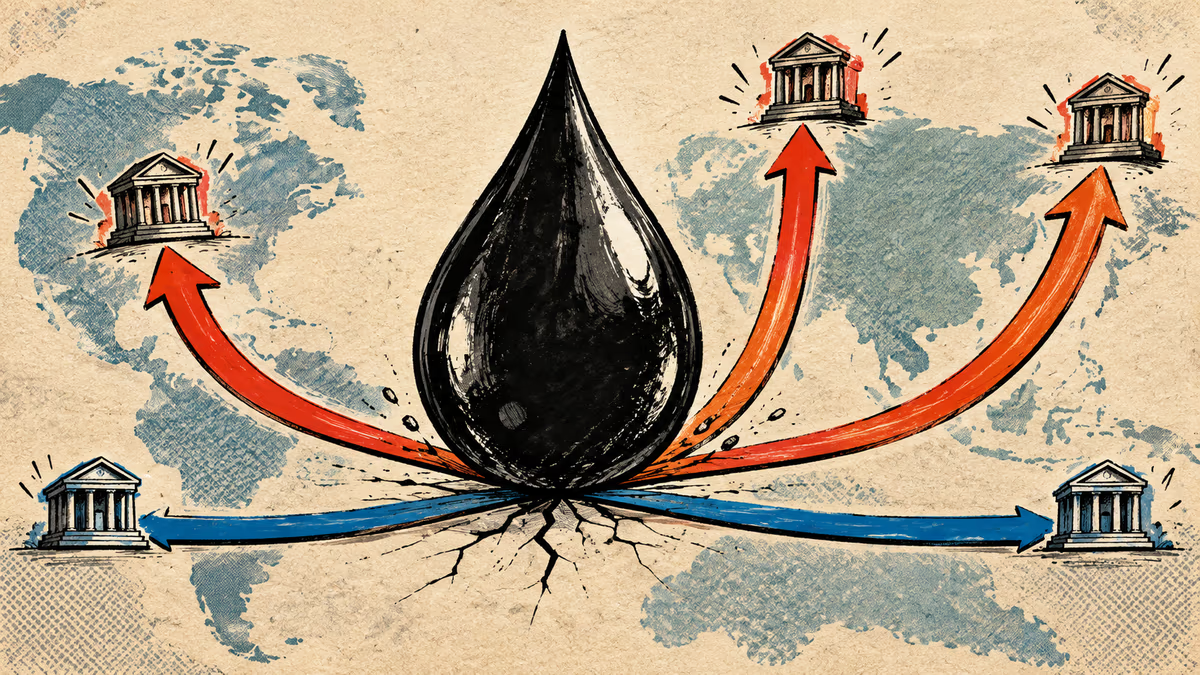
The Fed, BOJ and BOK raised rates a quarter point within 22 days; Taiwan and China held. What each said, plus the impact on Korean borrowers and the won.
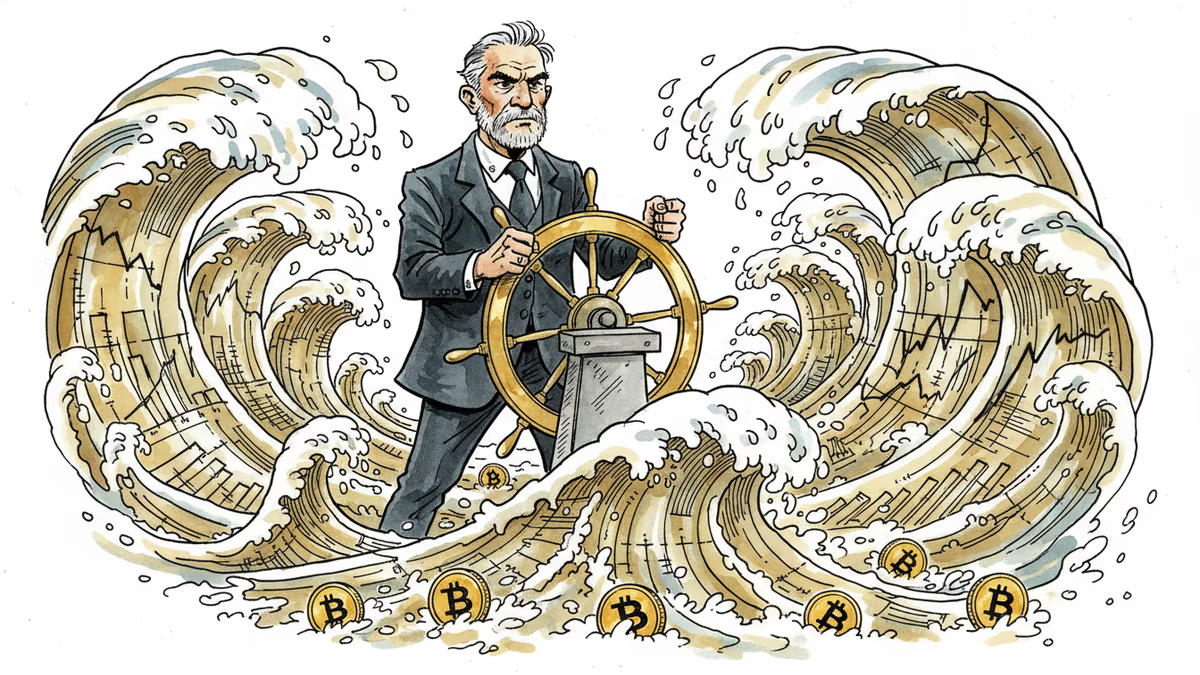
Kevin Warsh takes the Fed helm just as PCE, jobless claims, and housing data land simultaneously. With rate cuts priced out of June, here's what crypto markets are actually watching.
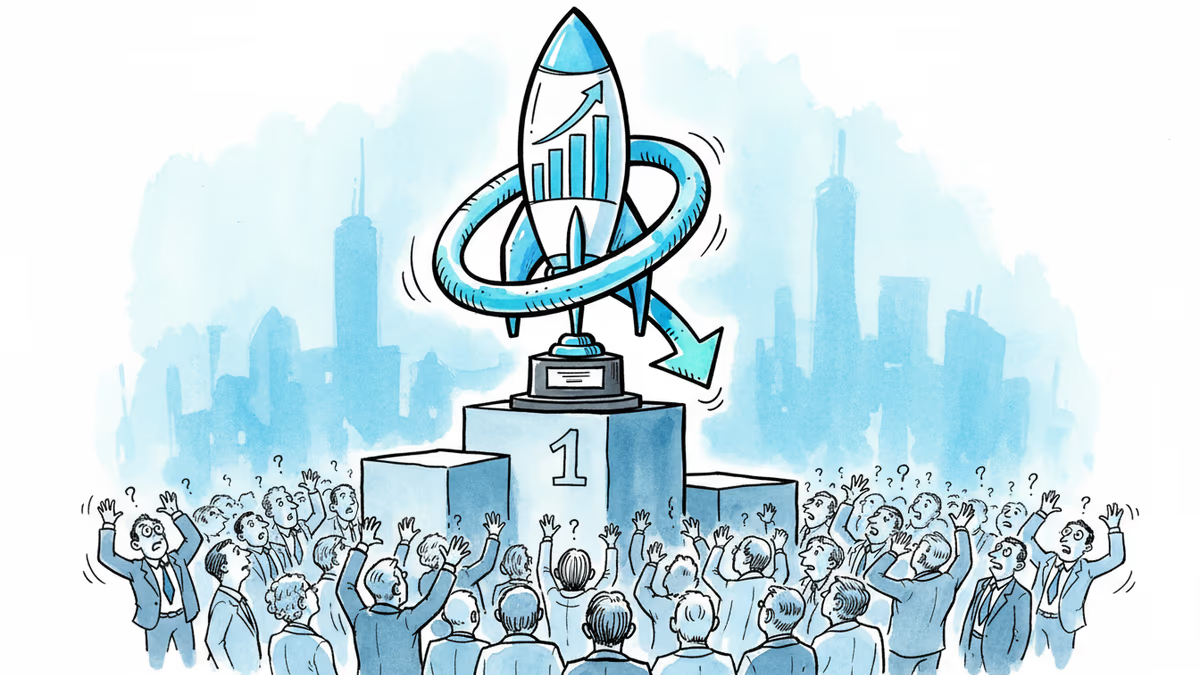
Nvidia posted 85% revenue growth and a $80B buyback. Its stock still dropped — for the fourth straight post-earnings quarter. Here's what that tells us about where AI investing stands right now.
Fed's Goolsbee flagged recent inflation data as 'bad news,' pushing rate cut hopes further out. What that means for mortgages, markets, and your portfolio.
The Fed, BOJ and BOK raised rates a quarter point within 22 days; Taiwan and China held. What each said, plus the impact on Korean borrowers and the won.
Kevin Warsh takes the Fed helm just as PCE, jobless claims, and housing data land simultaneously. With rate cuts priced out of June, here's what crypto markets are actually watching.
Nvidia posted 85% revenue growth and a $80B buyback. Its stock still dropped — for the fourth straight post-earnings quarter. Here's what that tells us about where AI investing stands right now.
Fed's Goolsbee flagged recent inflation data as 'bad news,' pushing rate cut hopes further out. What that means for mortgages, markets, and your portfolio.
Thoughts
Share your thoughts on this article
Sign in to join the conversation