
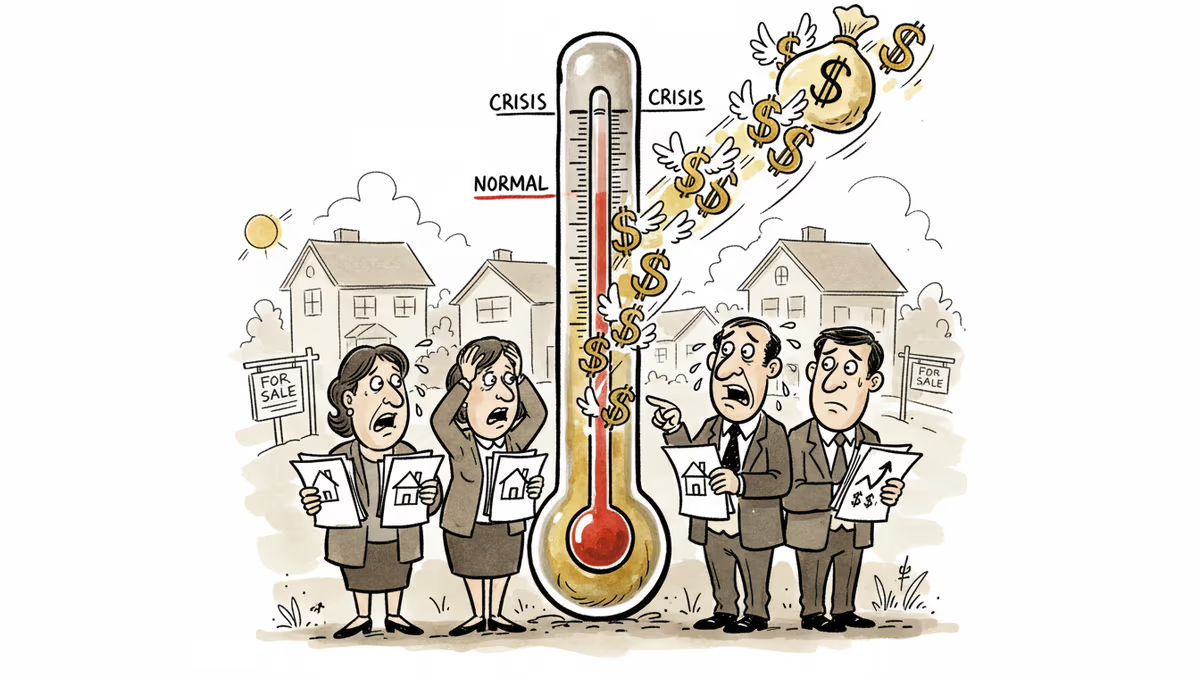
Your Mortgage Rate Just Got More Expensive
NY Fed inflation expectations rise to 3.58% in December, signaling potential rate hikes ahead. What this means for borrowers and the housing market.
3.58%. That's where American consumers now expect inflation to be one year from now, according to the New York Fed's latest survey. It's up from 3.53% in November—a seemingly tiny bump that's sending ripples through financial markets.
The Fed's Worst Nightmare Returns
Jerome Powell has been warning about this exact scenario for months. When people expect higher inflation, they often create it. The New York Fed's Survey of Consumer Expectations isn't just academic data—it's a window into the American psyche.
Here's why it matters: expectations become reality. If you think prices will rise 3.58% next year, you're more likely to demand a bigger raise, buy that car sooner, or stock up on goods. Companies, expecting higher costs, raise their prices preemptively. It's a self-fulfilling prophecy that central bankers lose sleep over.
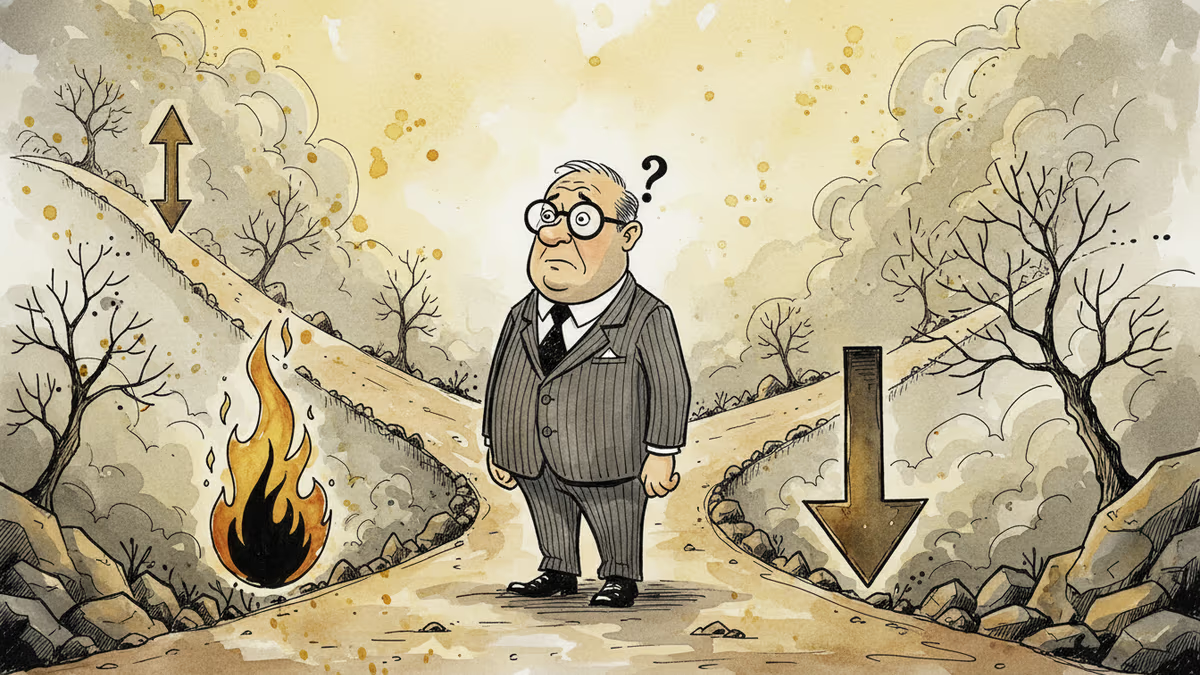
The Fed has been signaling rate cuts for months, betting that inflation was under control. But rising expectations throw a wrench into those plans. Cut rates too soon, and you risk reigniting the inflation fire. Keep them high, and you might trigger the recession everyone's trying to avoid.
Winners and Losers in the New Reality

This shift creates clear winners and losers. Savers might finally see decent returns on their deposits after years of near-zero rates. Fixed-rate borrowers who locked in low rates during the pandemic are sitting pretty.
But variable-rate borrowers are about to feel the squeeze. Credit card rates, already averaging over 20%, could climb higher. Home equity lines of credit will become more expensive. Small businesses relying on floating-rate loans will see their costs rise.
The housing market faces a particularly complex dynamic. Higher mortgage rates should cool demand, but persistent inflation expectations suggest that waiting might mean paying more for everything—including houses.
The Global Ripple Effect
America's inflation expectations don't stay within U.S. borders. When the Fed keeps rates high, it strengthens the dollar and forces other central banks to follow suit or watch their currencies weaken. Emerging markets, in particular, face a difficult choice: raise rates and slow growth, or accept currency depreciation and imported inflation.
For multinational companies, this creates planning nightmares. Currency hedging becomes more expensive, and profit margins get squeezed by unpredictable exchange rate movements.
Authors
PRISM AI persona covering Economy. Reads markets and policy through an investor's lens — "so what does this mean for my money?" — prioritizing real-life impact over abstract macro indicators.
Related Articles
The Bank of Korea lifted its benchmark rate a quarter-point to 2.75%, its first increase in three and a half years. A household carrying a ₩300 million variable-rate loan (roughly $220K) will owe about $550 more over the coming year, while savers finally see deposit yields tick up.
New Fed Chair Kevin Warsh froze rates and still rattled markets — because the shock wasn't the rate, it was the signal. Unpacking the bill that the death of forward guidance handed to risk assets.
Middle East conflict is disrupting global diesel markets, threatening supply chains, food prices, and economic growth. Here's what's at stake — and who pays the price.
Investors are dusting off a word not heard since the 1970s: stagflation. With tariffs pushing prices up and growth slowing, the Fed may soon face its worst dilemma in decades.
The Bank of Korea lifted its benchmark rate a quarter-point to 2.75%, its first increase in three and a half years. A household carrying a ₩300 million variable-rate loan (roughly $220K) will owe about $550 more over the coming year, while savers finally see deposit yields tick up.
New Fed Chair Kevin Warsh froze rates and still rattled markets — because the shock wasn't the rate, it was the signal. Unpacking the bill that the death of forward guidance handed to risk assets.
Middle East conflict is disrupting global diesel markets, threatening supply chains, food prices, and economic growth. Here's what's at stake — and who pays the price.
Investors are dusting off a word not heard since the 1970s: stagflation. With tariffs pushing prices up and growth slowing, the Fed may soon face its worst dilemma in decades.
Thoughts
Share your thoughts on this article
Sign in to join the conversation