
#Future of Work
Total 43 articles
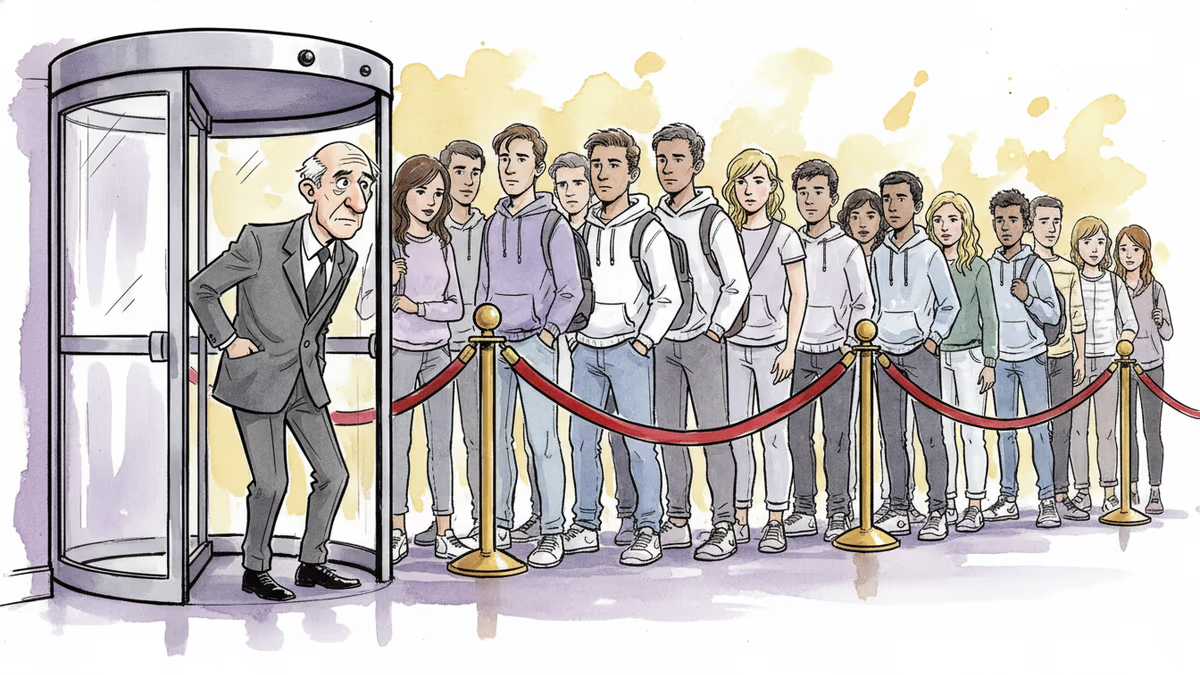
The average U.S. retirement age has climbed from 57 to well past 65. As people live longer and social bonds outside work erode, the old script for stepping away no longer holds. Here's why.
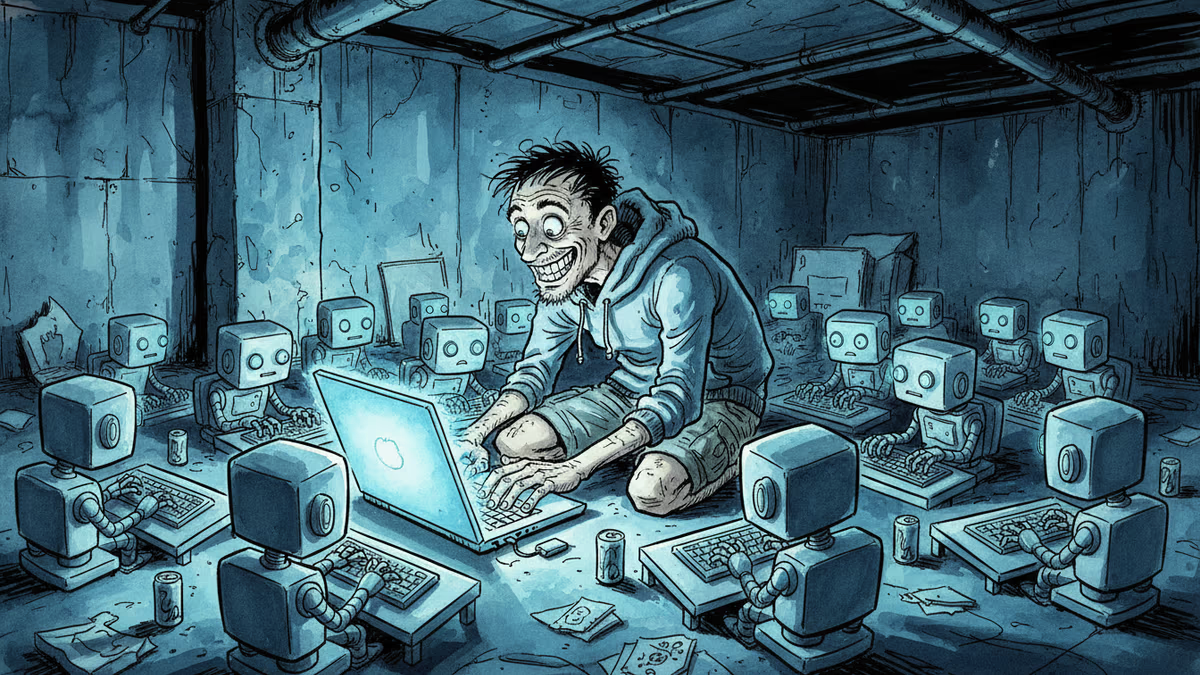
A small but growing group of developers has gone all-in on AI coding agents like Claude Code and OpenClaw. History suggests the rest of us won't be far behind.
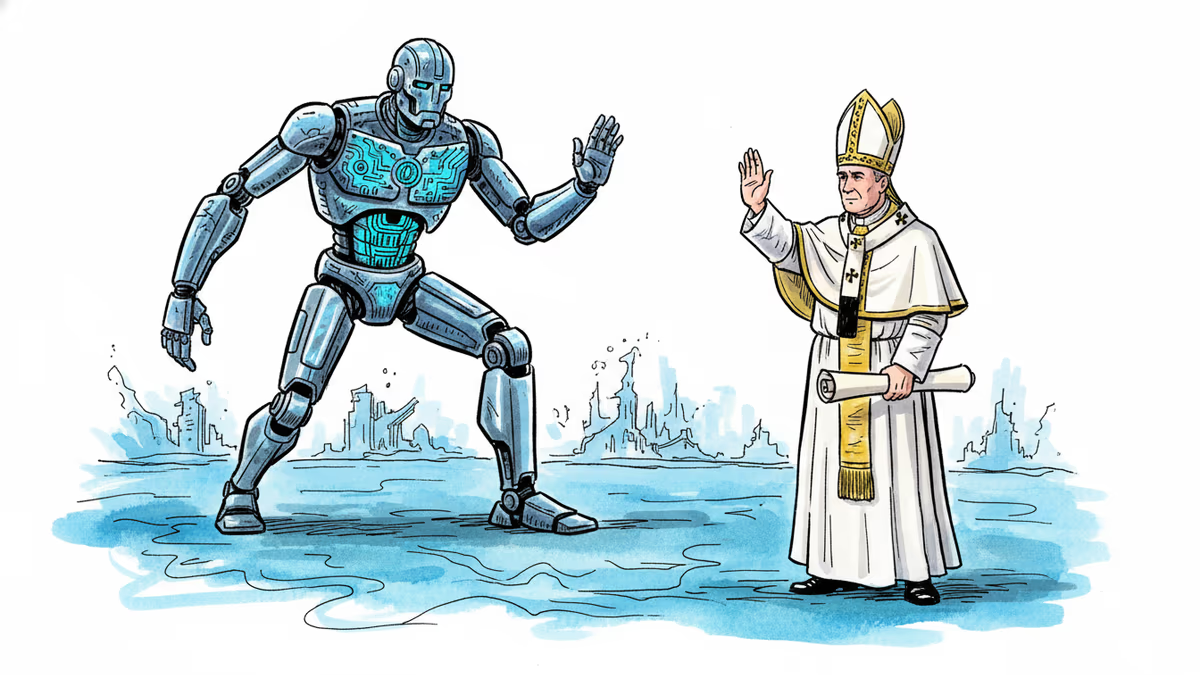
Pope Leo XIV's first encyclical, Magnifica humanitas, calls for democratic guardrails, labor protections, and moral limits on AI. What does it mean when the world's oldest institution confronts its newest disruption?

PRISM by Liabooks
Place your ad in this space
[email protected]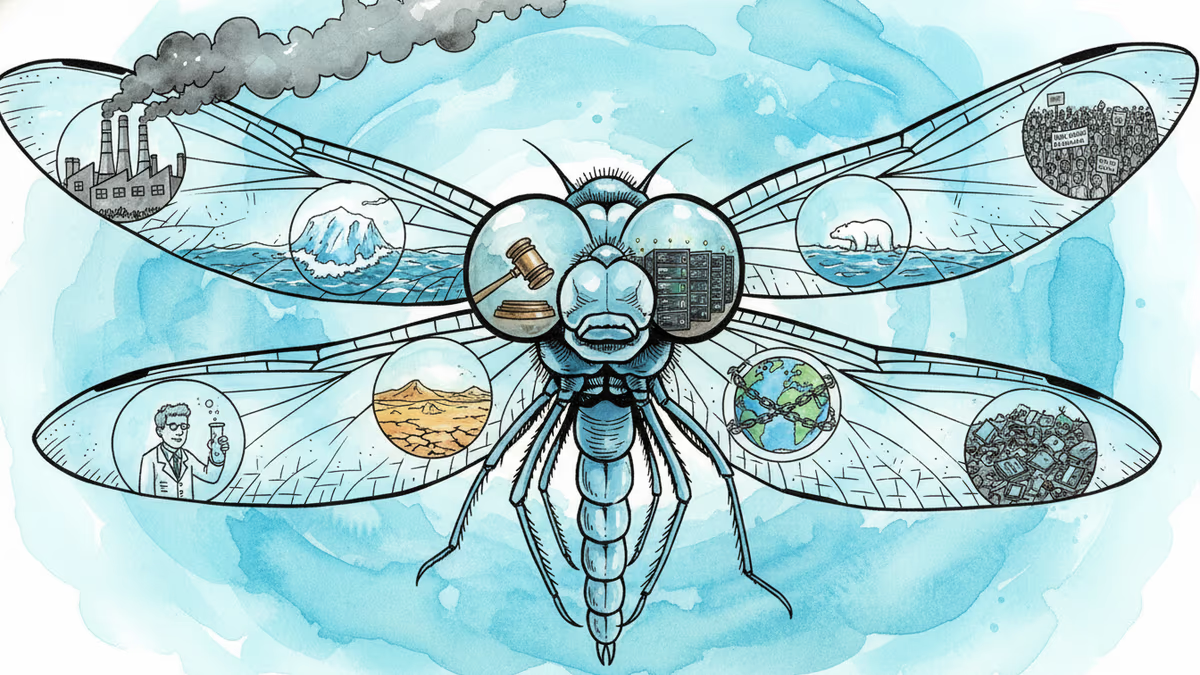
AI looks like liberation, threat, or environmental disaster depending on where you stand. A framework of nine competing narratives reveals why single-lens thinking is the real danger.
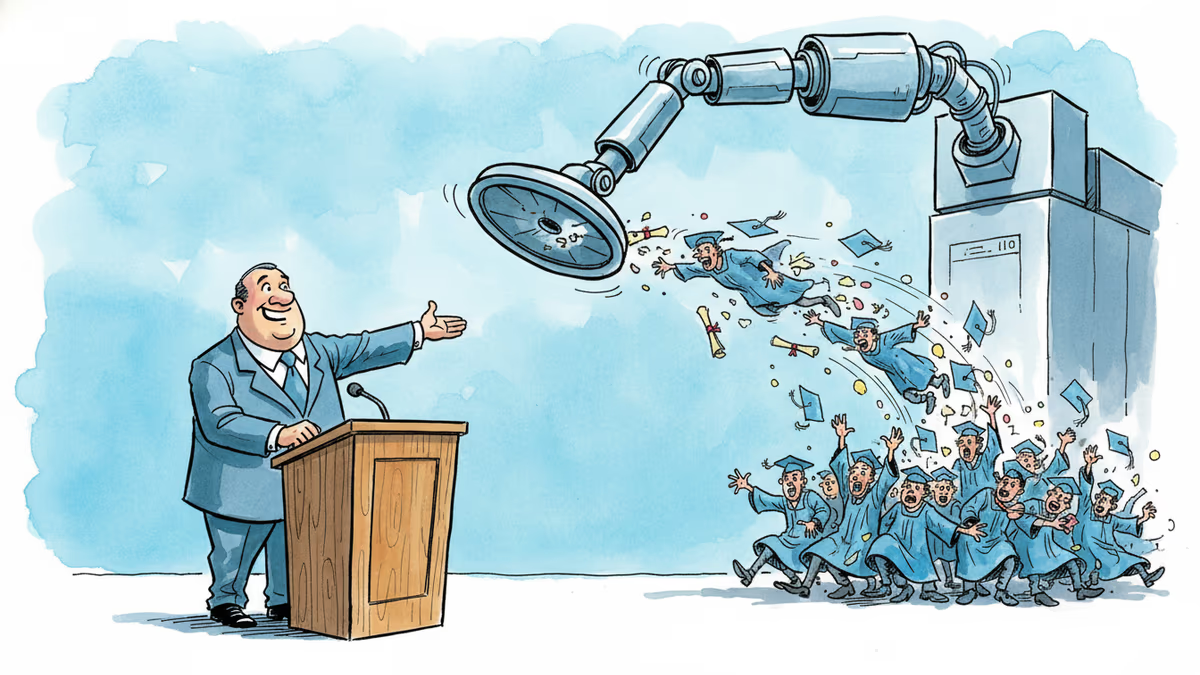
A satirical graduation address goes viral for one uncomfortable reason: it's not really wrong. What the joke reveals about AI, entry-level jobs, and the deal we made with work.
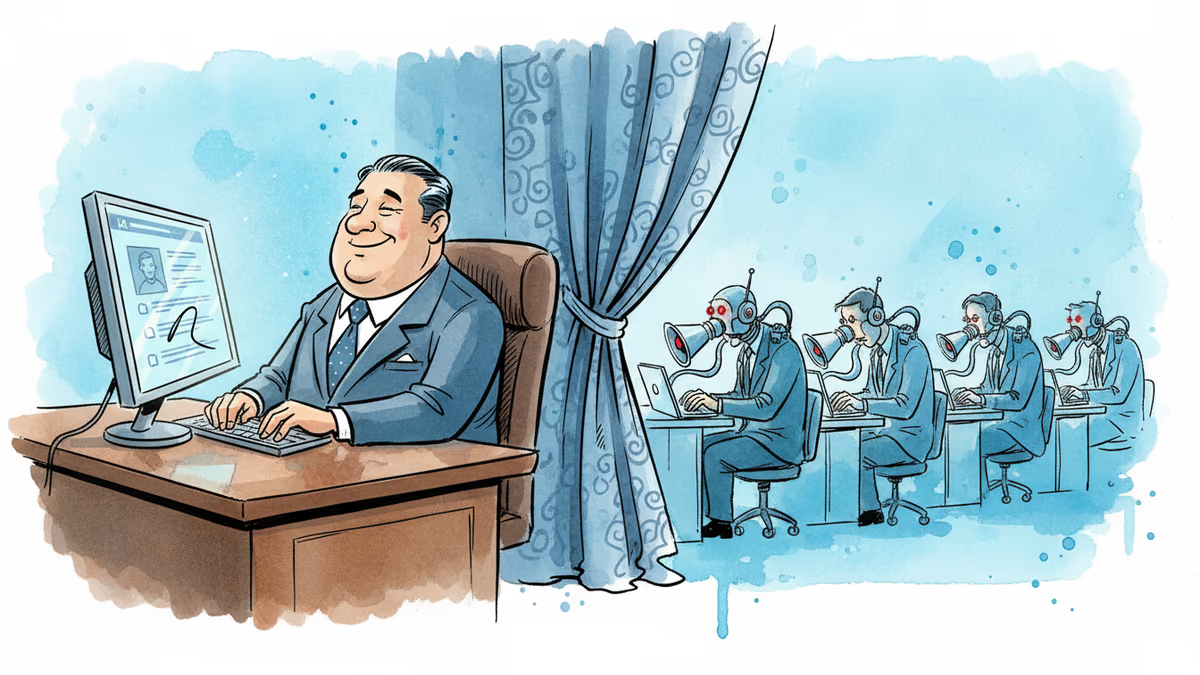
Filipino virtual assistants using AI to ghost-manage LinkedIn profiles for executives is now a structured industry. 30 comments a day, fake engagement rings, and a platform struggling to tell real from fabricated.
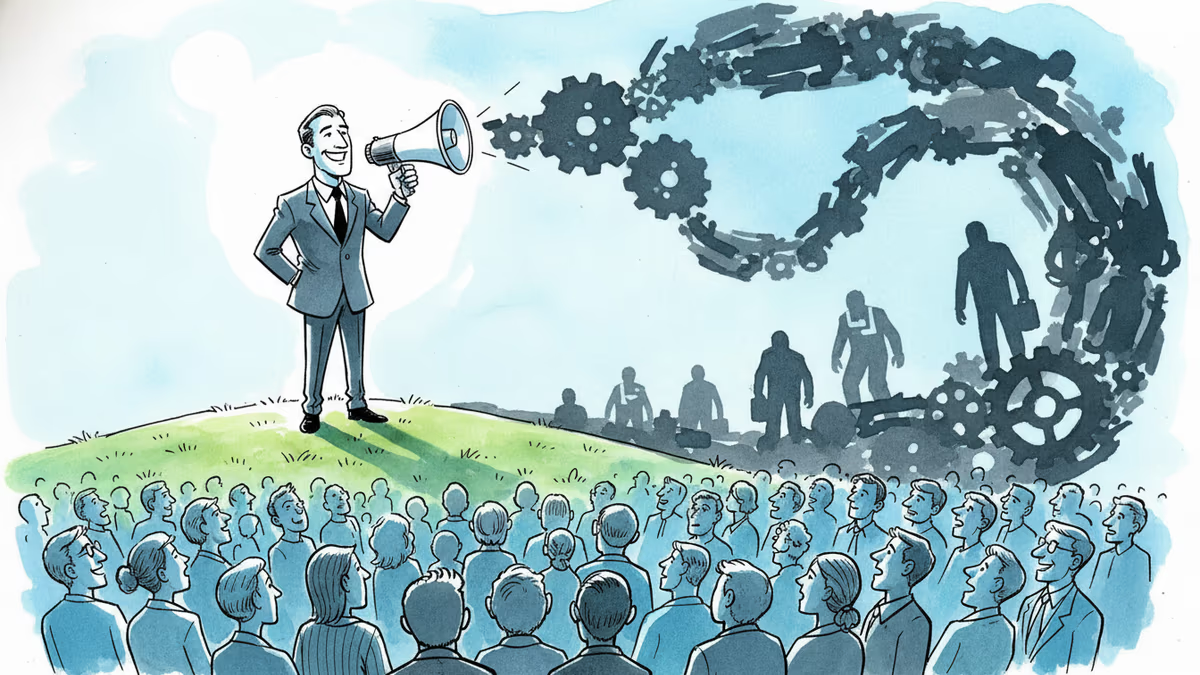
OpenAI's CEO published a blog post read by 600,000 people arguing AI is all upside. Is this genuine belief, strategic narrative, or both? PRISM examines the gaps in Silicon Valley's favorite story.
PRISM by Liabooks
Place your ad in this space
[email protected]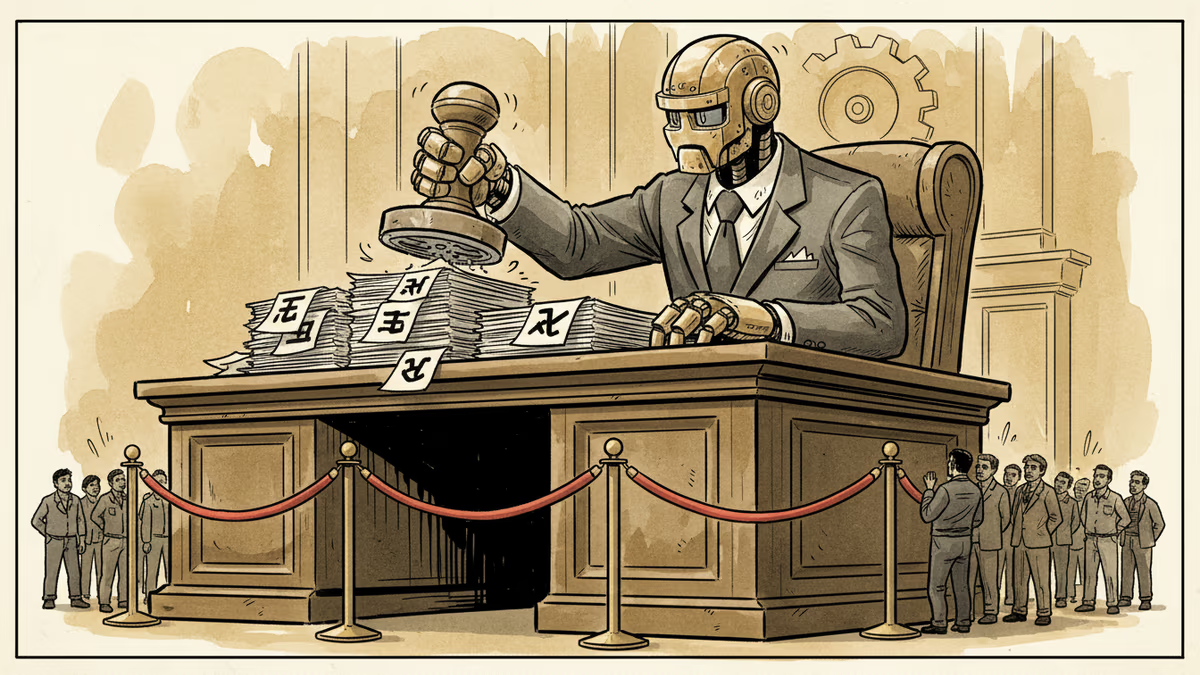
OpenAI's 13-page policy blueprint proposes robot taxes, a public wealth fund, and a four-day workweek. Is this corporate responsibility — or regulatory capture in disguise?
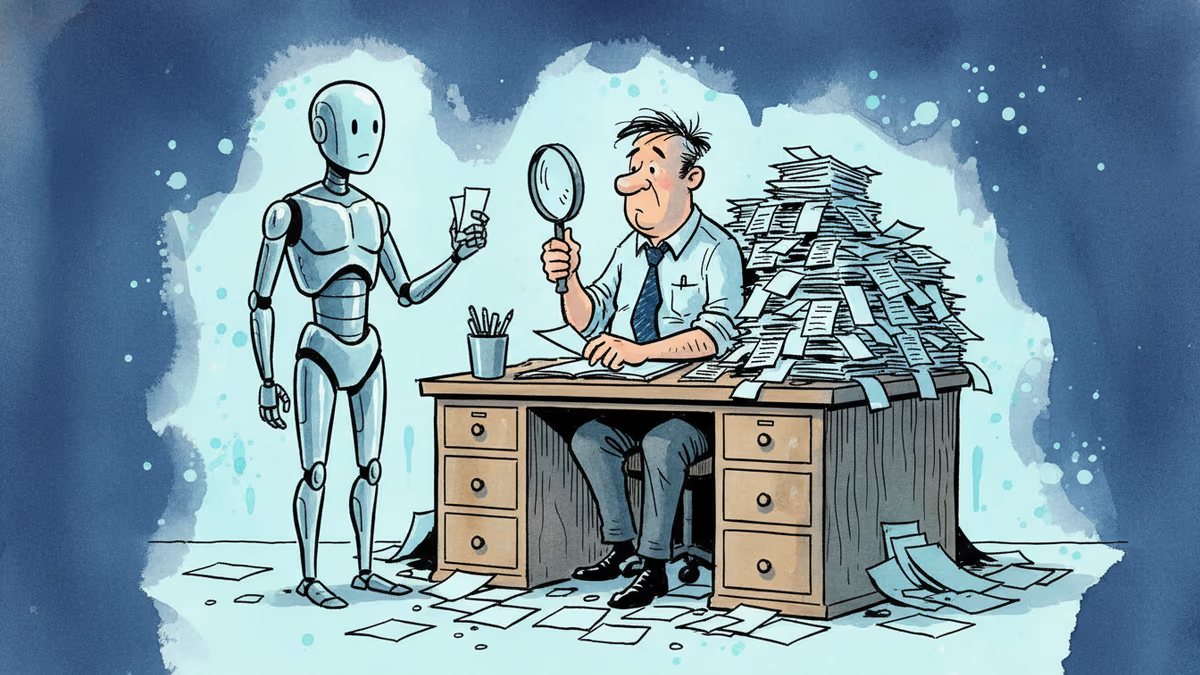
Employment rates are near all-time highs despite AI. But the structure of work is shifting fast. Here's what three new job archetypes tell us about surviving the transition.
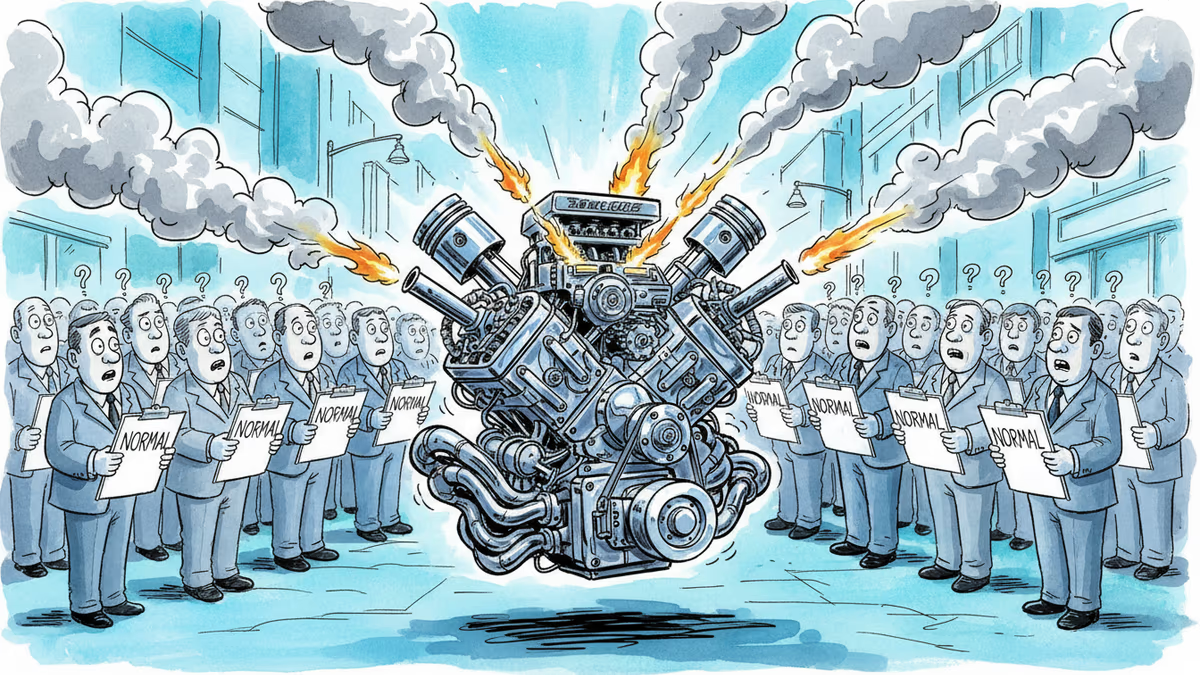
Researcher Anne-Laure Le Cunff argues ADHD is best understood as an impulsive drive for novelty, not a deficit. What does this mean for education, work, and how we define normal?
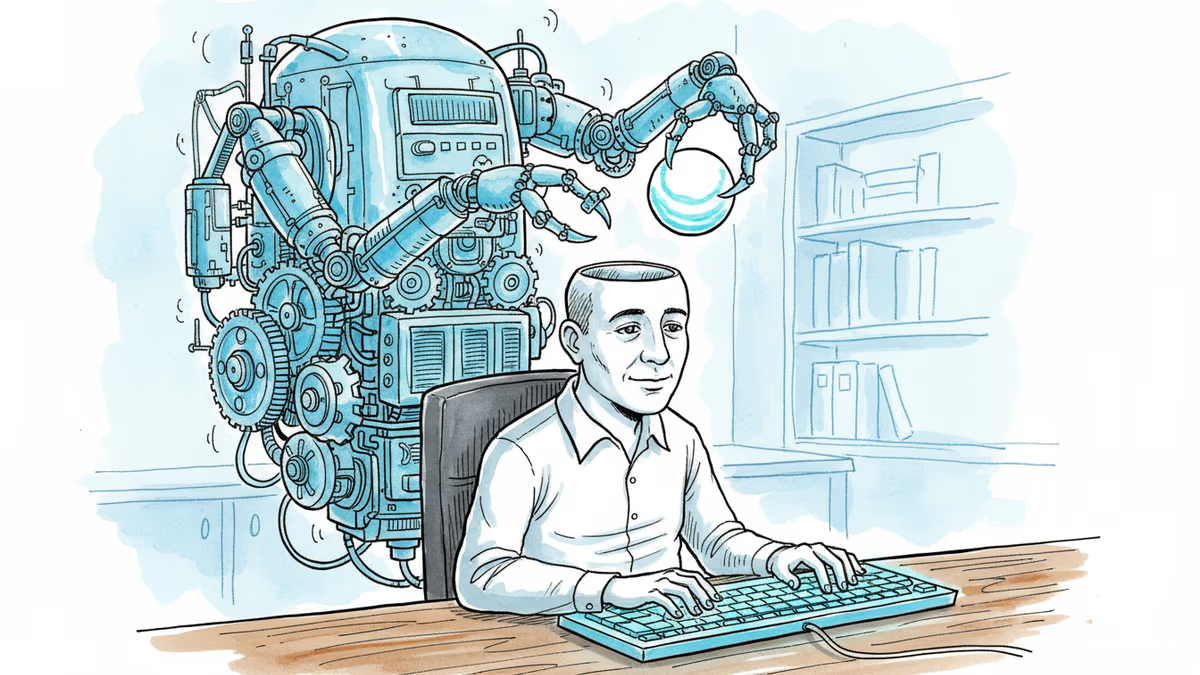
The AI consciousness debate is settled. But the question that actually matters — whether human-AI arrangements grow or erode human judgment — remains almost entirely unasked.
PRISM by Liabooks
Place your ad in this space
[email protected]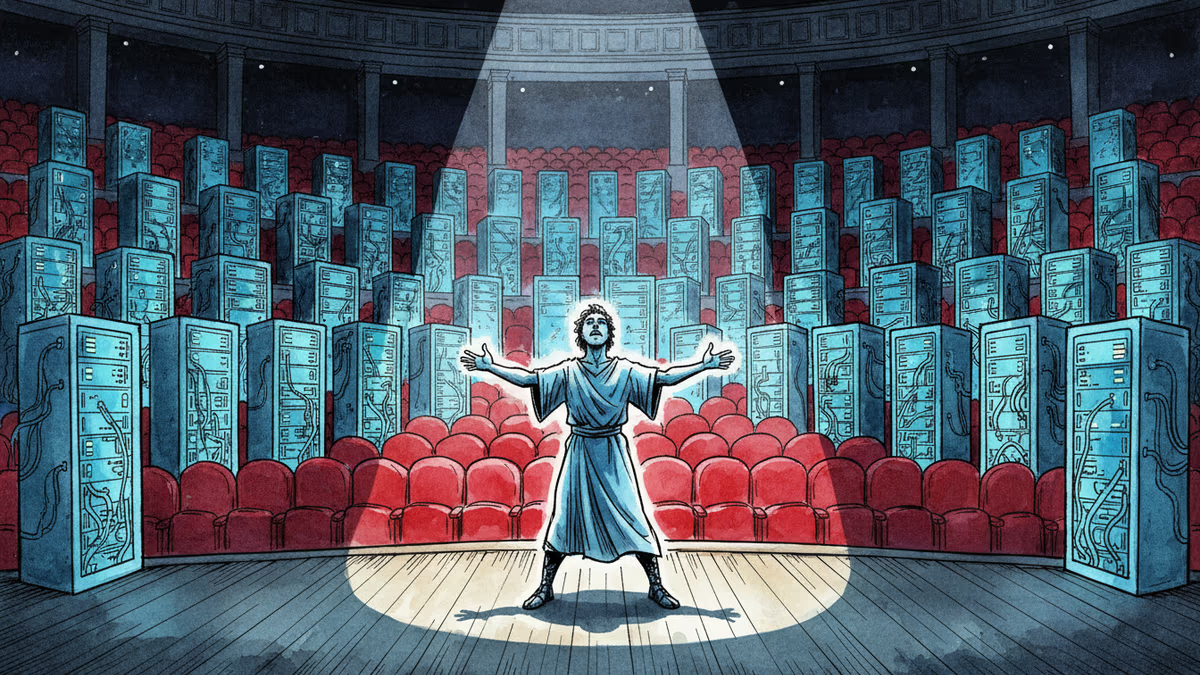
AI companies are hiring actors and writers to generate emotional training data. As creative labor becomes raw material for machine learning, what does that mean for the future of both?
