
#European Union
Total 51 articles
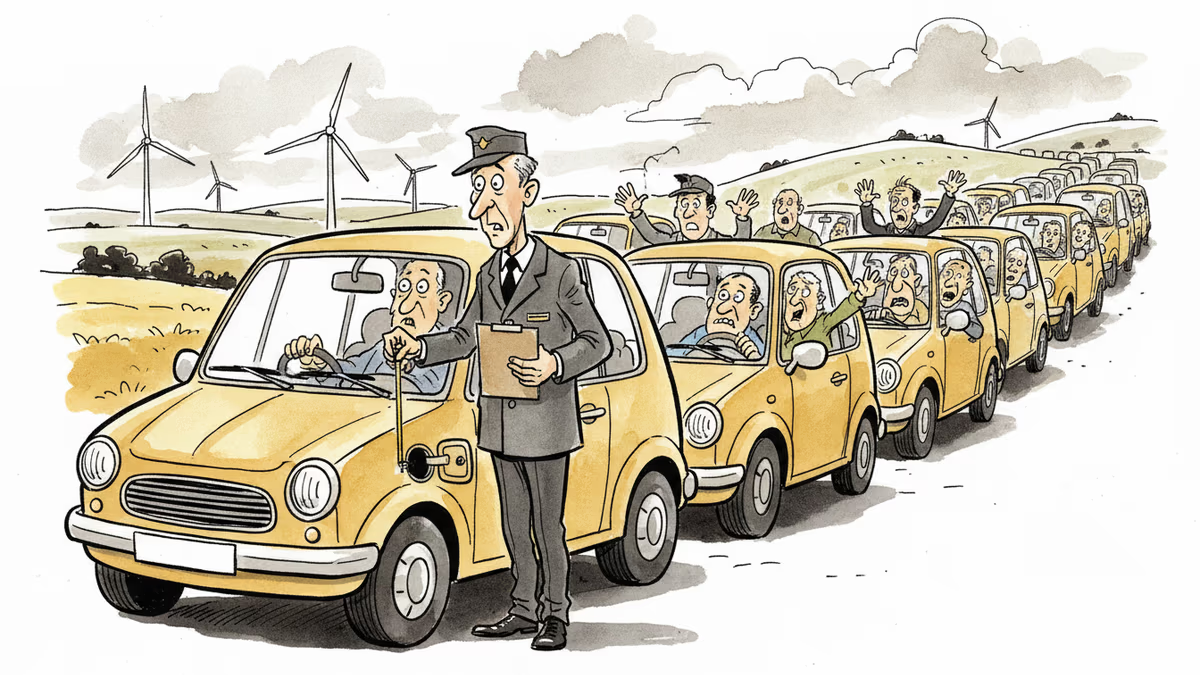
The EU is assessing fuel rationing and additional strategic oil reserve releases. What does this mean for energy markets, European households, and global investors?
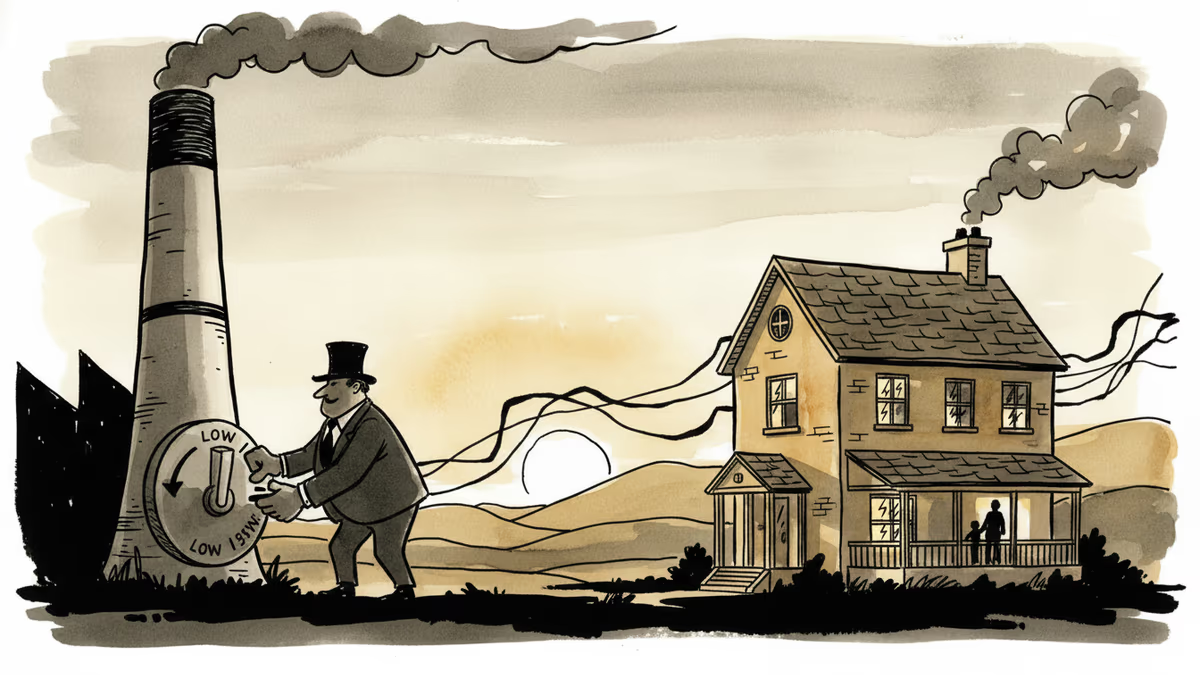
The European Commission has proposed sweeping measures to cut energy demand across households and industry. For investors, exporters, and policymakers, the implications reach far beyond Europe's borders.
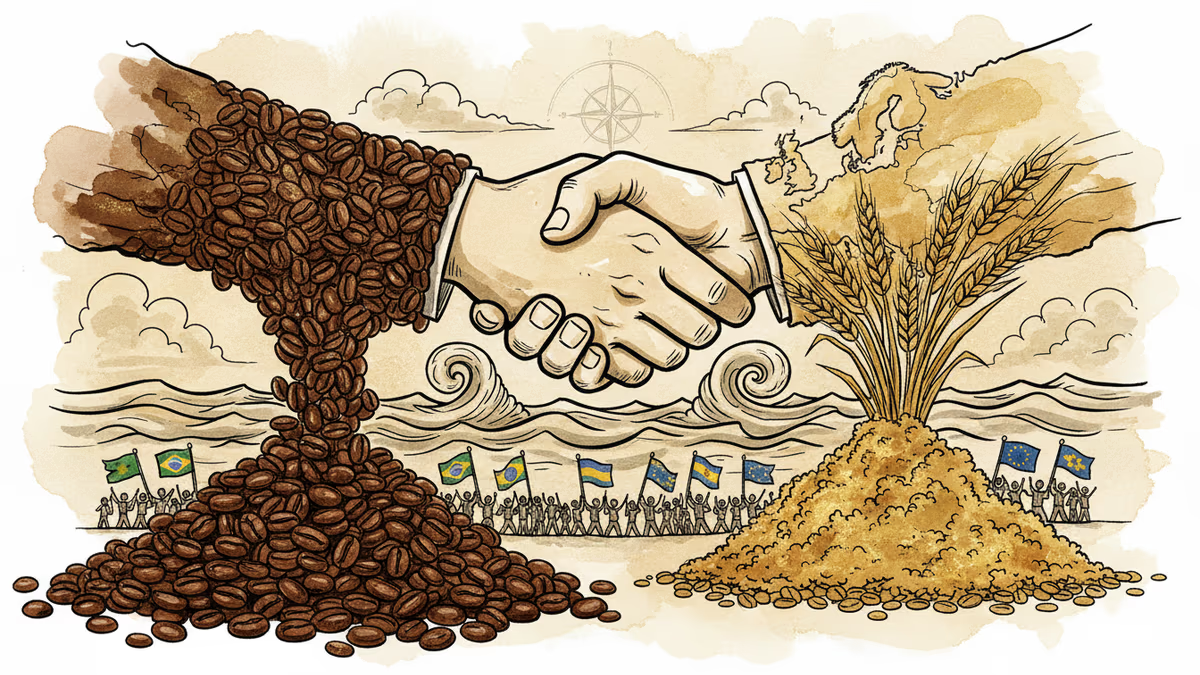
Brazil's Congress unanimously ratifies the EU-Mercosur trade agreement, but European farmers protest and France demands safeguards in this $22 trillion market integration.

PRISM by Liabooks
Place your ad in this space
[email protected]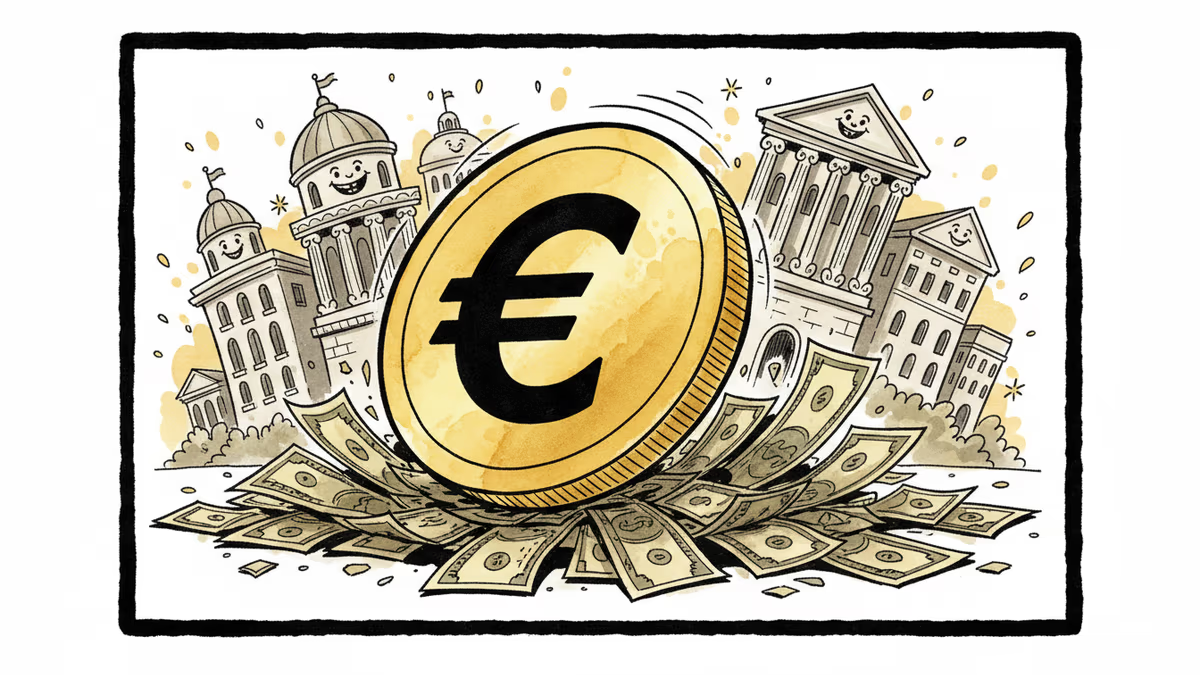
12 major EU banks including BBVA and ING are preparing to launch a MiCA-compliant euro stablecoin, negotiating with exchanges to ensure day-one liquidity and challenge US dollar hegemony.
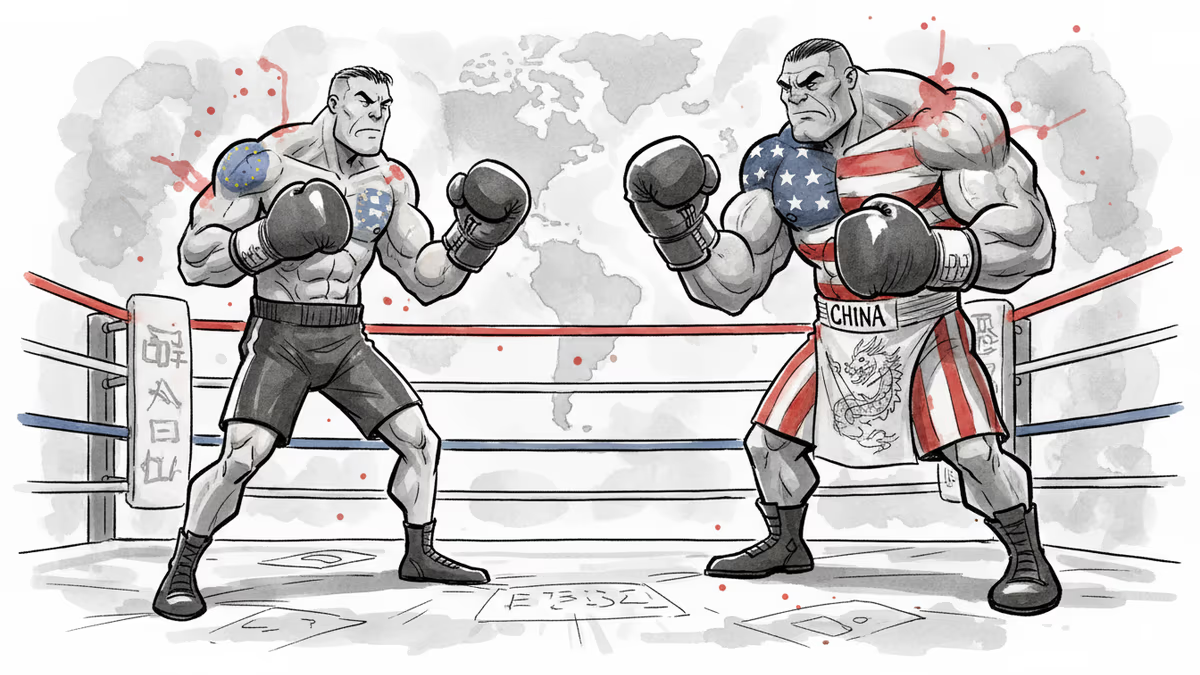
After enduring Trump's tariffs and China's rare earth embargoes, Europe is finally preparing to hit back. From uranium to semiconductors, the EU's hidden weapons are emerging.
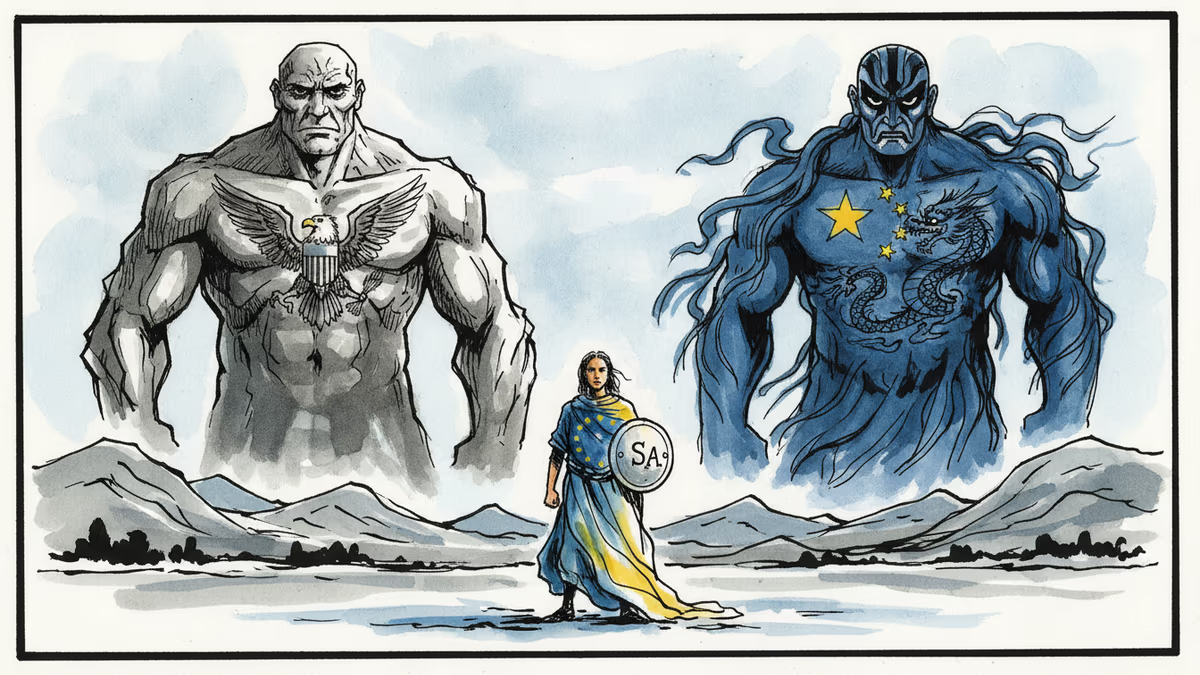
At Munich Security Conference, Europe faces harsh reality of going it alone. Can the continent reclaim its edge against US and China without American protection?
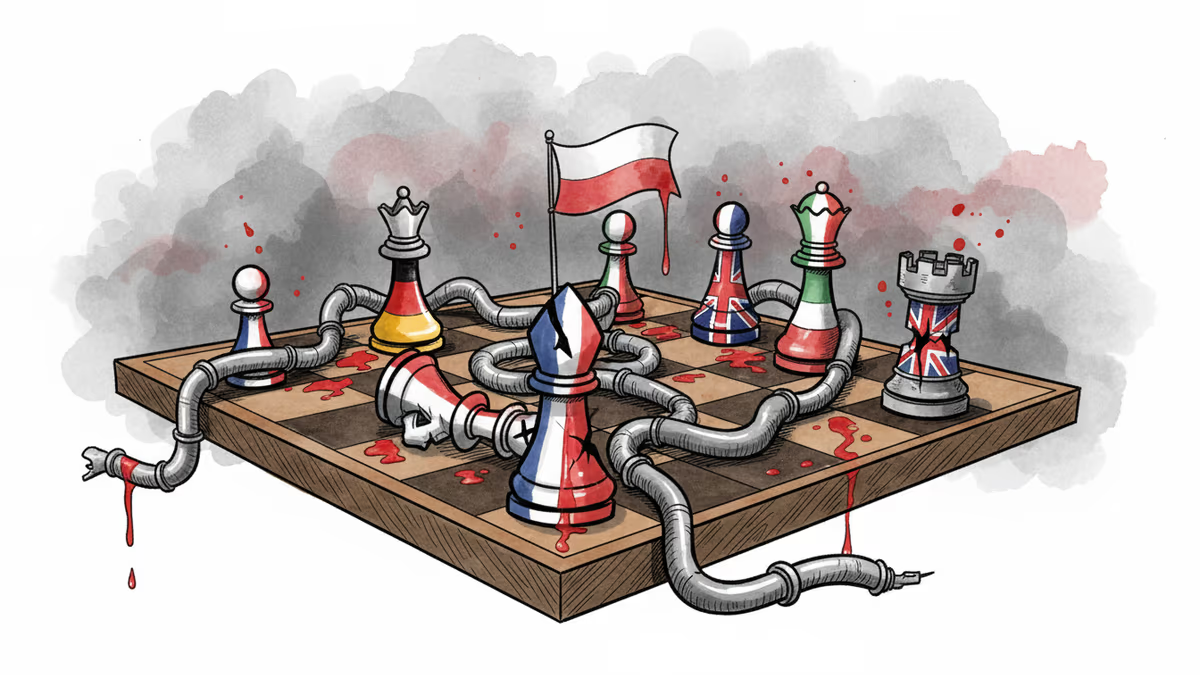
As Ukraine marks four years since Russia's invasion, new dynamics emerge including Hungary's EU veto, potential peace talks, and shifting battlefield realities.
PRISM by Liabooks
Place your ad in this space
[email protected]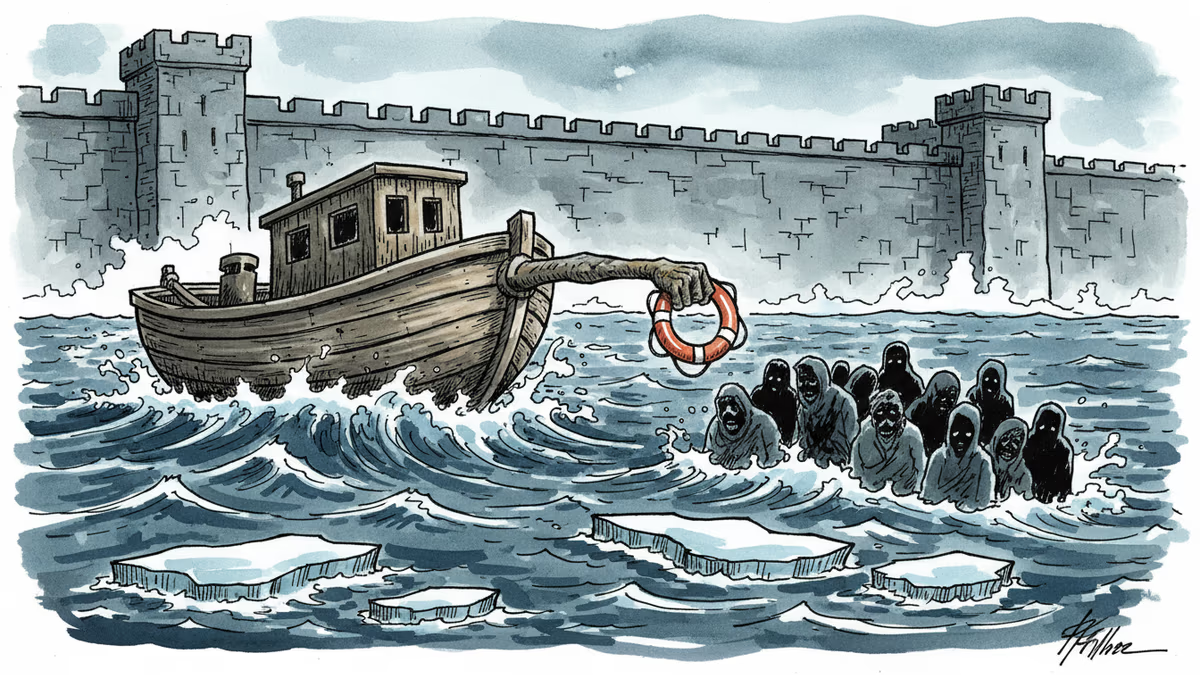
Eight deaths off Libya and Greece highlight the growing tension between humanitarian obligations and stricter EU migration policies as crossings continue to surge.
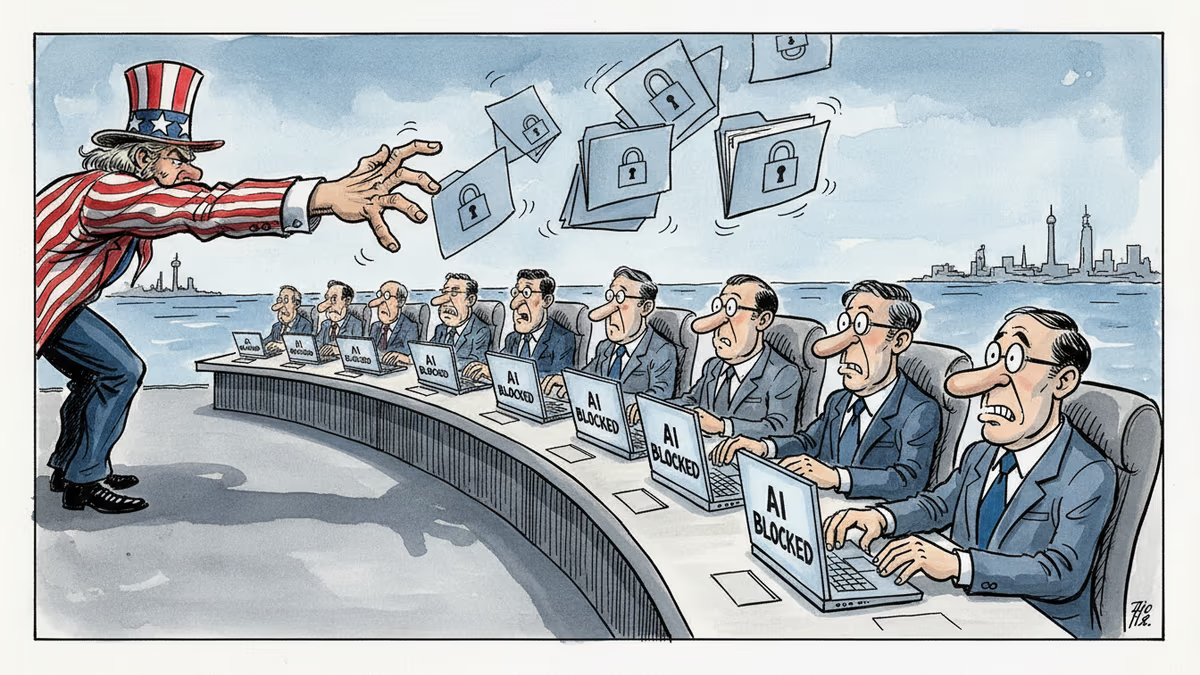
The European Parliament banned AI tools over security concerns, but this move reflects deeper tensions about US tech dominance and data sovereignty in an unpredictable political climate.
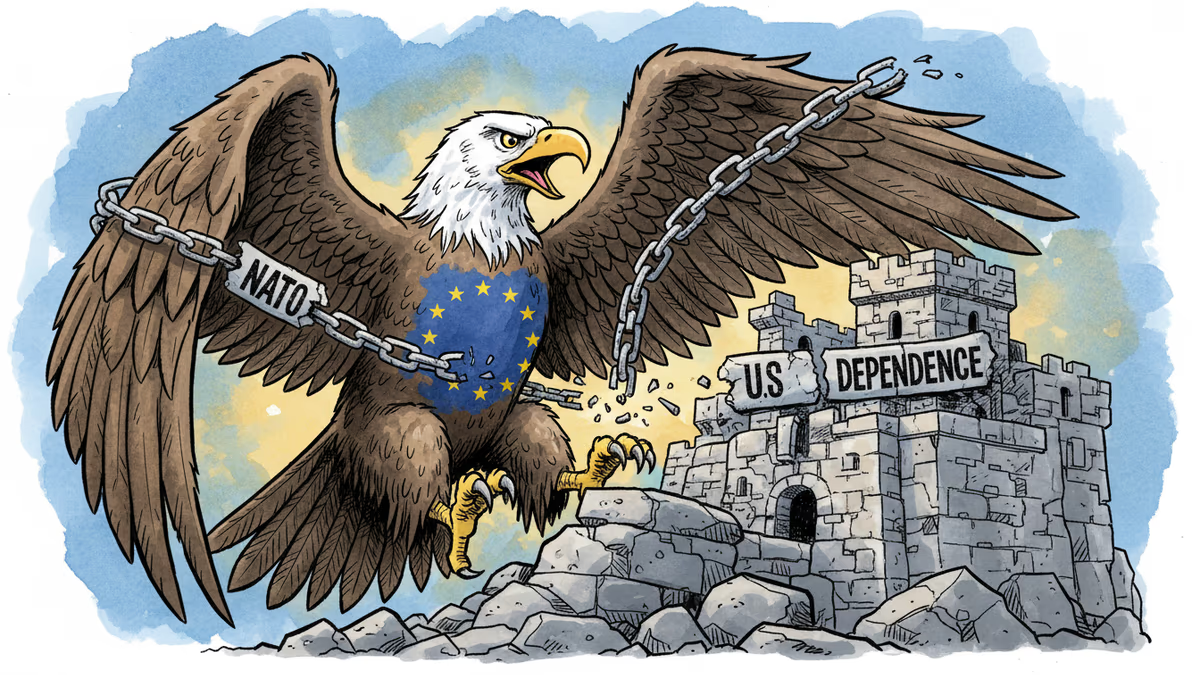
As Trump signals the end of America's NATO protection deal, the EU is building unprecedented defense capabilities. From a $178 billion SAFE fund to 'European preference' in arms procurement, a quiet revolution is underway.
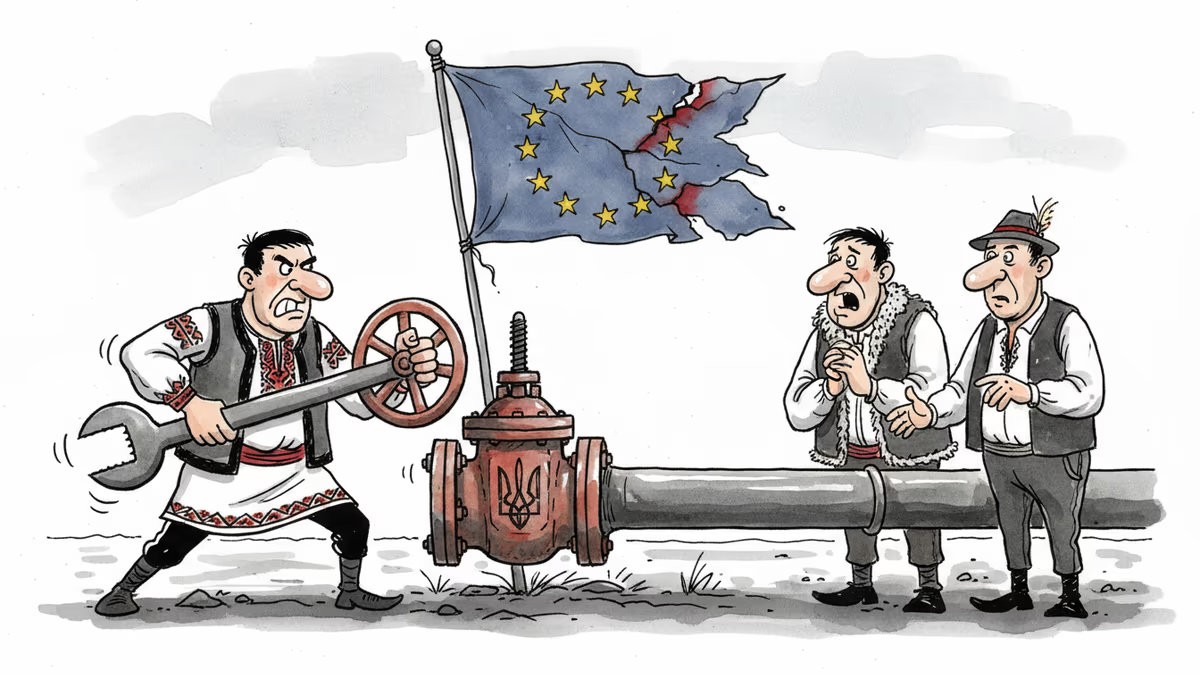
Slovak PM claims Ukraine's oil pipeline shutdown is politically motivated to isolate Hungary within EU, revealing deep fractures in European unity over Ukraine war
PRISM by Liabooks
Place your ad in this space
[email protected]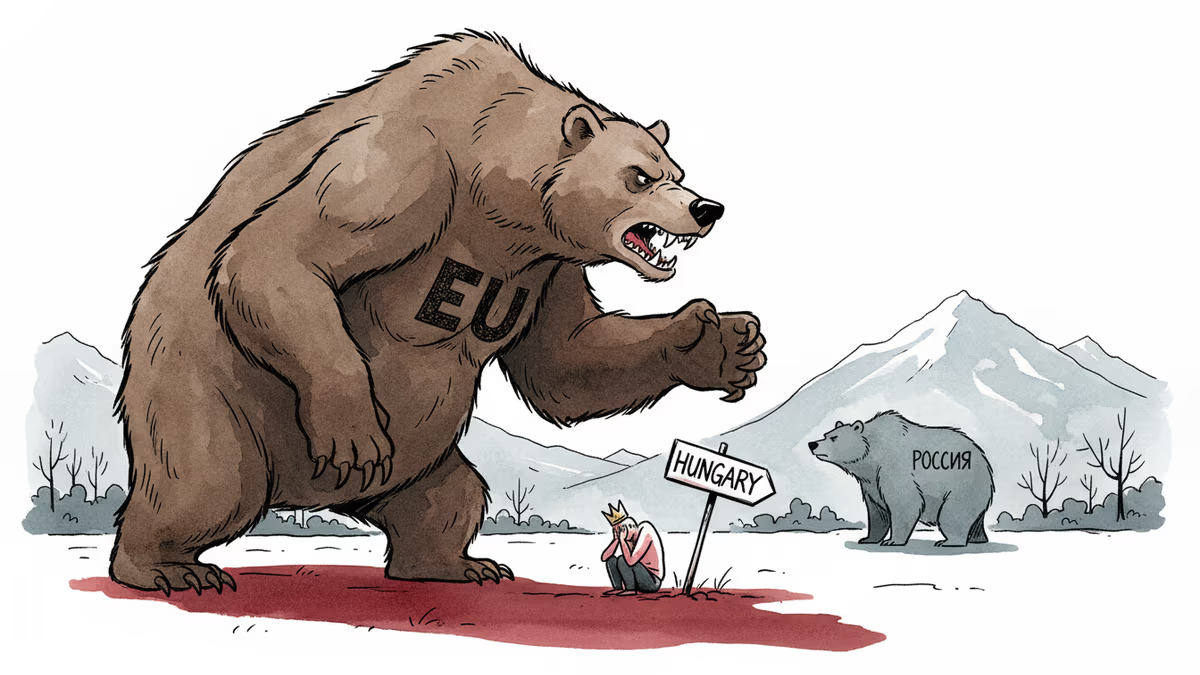
Hungary's PM Viktor Orbán compares EU to Soviet regime, vows to dismantle 'oppressive machinery' as his party trails 8-12 points in polls ahead of April elections
