
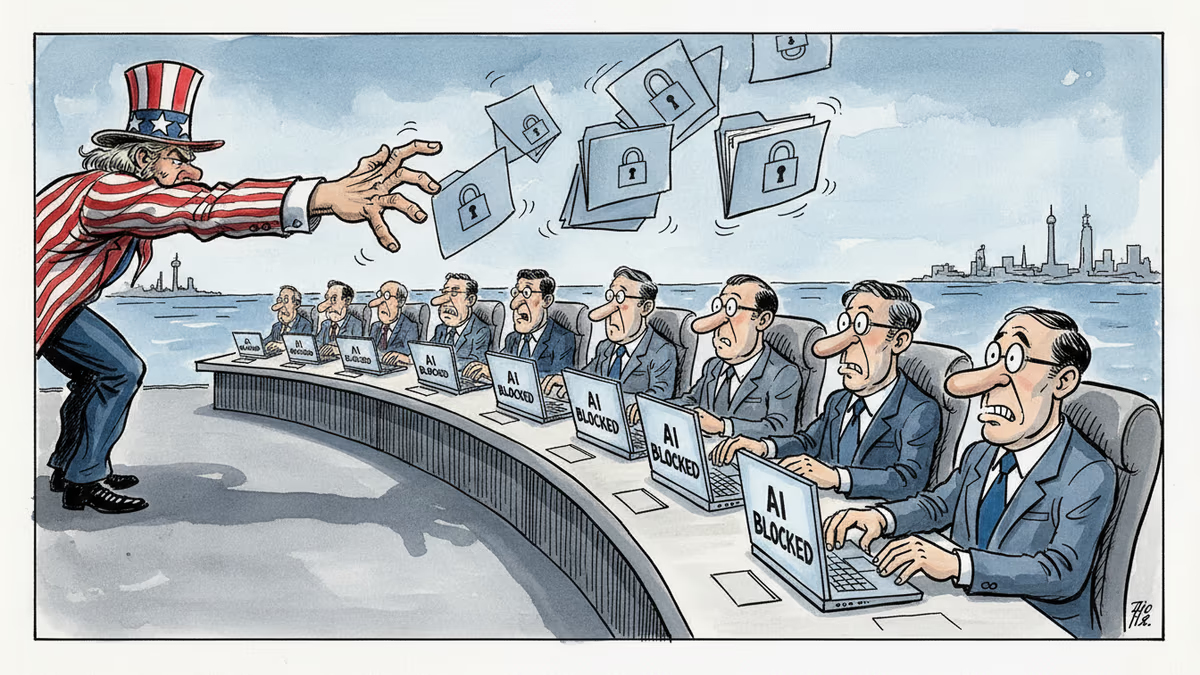
Europe's AI Blackout Signals a New Era of Digital Sovereignty
The European Parliament banned AI tools over security concerns, but this move reflects deeper tensions about US tech dominance and data sovereignty in an unpredictable political climate.
When Europe's Top Politicians Can't Use ChatGPT
European Parliament members just got locked out of AI tools on their work devices. The IT department's internal email was blunt: they "cannot guarantee the security" of data uploaded to AI company servers, so it's "safer to keep such features disabled."
On the surface, it's a cybersecurity move. But when the 27-nation bloc's highest legislative body blocks AI tools entirely, there's more to unpack.
The Trump Factor Changes Everything
Europe's concerns go beyond technical vulnerabilities. In recent weeks, the US Department of Homeland Security sent hundreds of subpoenas demanding tech giants hand over information about Trump administration critics. Google, Meta, and Reddit complied—even though these subpoenas lacked judicial approval.
This isn't theoretical anymore. European officials are grappling with a stark reality: US tech companies remain subject to American law and "unpredictable whims" of the current administration. Any sensitive data uploaded to AI chatbots could potentially end up in US government hands.
The Privacy Paradox Deepens

Here's the irony: Europe has the world's strongest data protection rules through GDPR. Yet last year, the European Commission proposed relaxing these rules to help tech giants train AI models on European data. Critics called it "caving in to US technology giants."
Now the Parliament is pulling in the opposite direction. The mixed signals reveal internal tensions about balancing innovation with sovereignty.
Big Tech's Government Problem
For OpenAI, Microsoft, and Anthropic, this hits where it hurts. Government contracts represent massive, stable revenue streams. If Europe's decision spreads to other institutions—or other countries—the B2B AI market could fragment along geopolitical lines.
The trust deficit runs deeper than compliance. When lawmakers can't trust AI tools with their correspondence, how can they credibly recommend these tools to constituents?
The Sovereignty Question
Europe isn't alone in rethinking digital dependencies. Several EU member states are "reevaluating their relationships with US tech giants," according to the Parliament's reasoning. This suggests coordinated pushback against American technological dominance.
But what's the alternative? European AI capabilities lag behind US and Chinese competitors. Blocking access to advanced AI tools might protect sovereignty while sacrificing competitiveness.
Authors
Related Articles
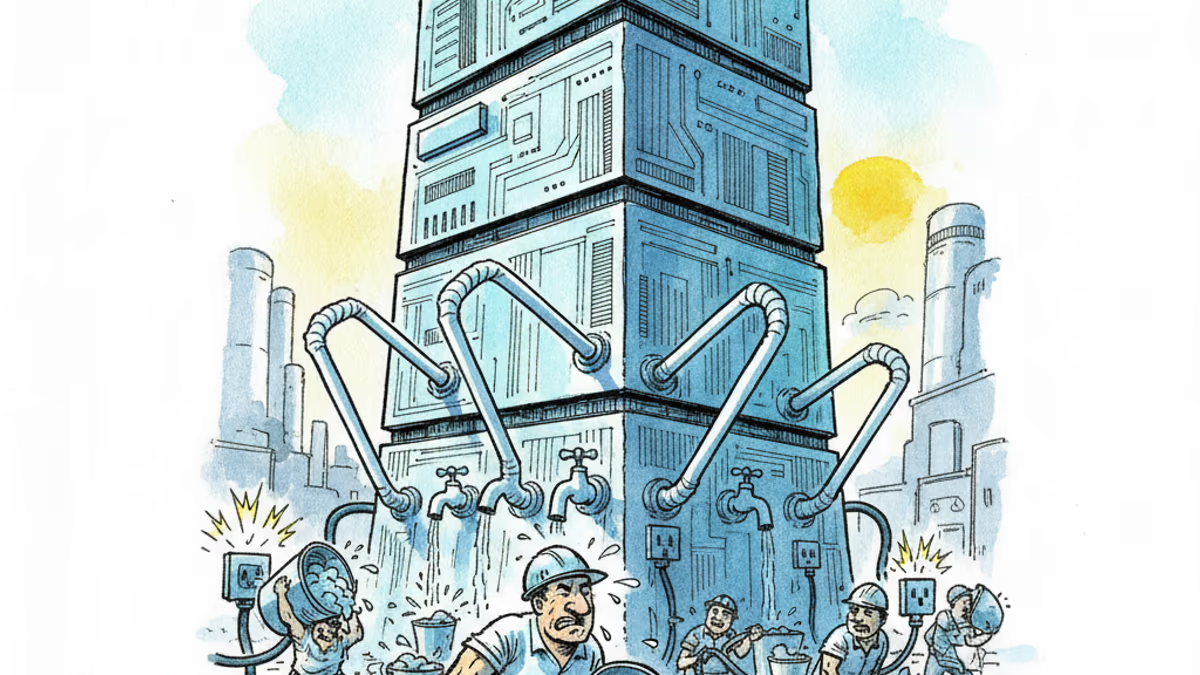
Samsung and SK unveiled a chip and AI investment package worth thousands of trillions of won on June 29. The headline number swings wildly by outlet, but the real contest isn't capital — it's water and power.
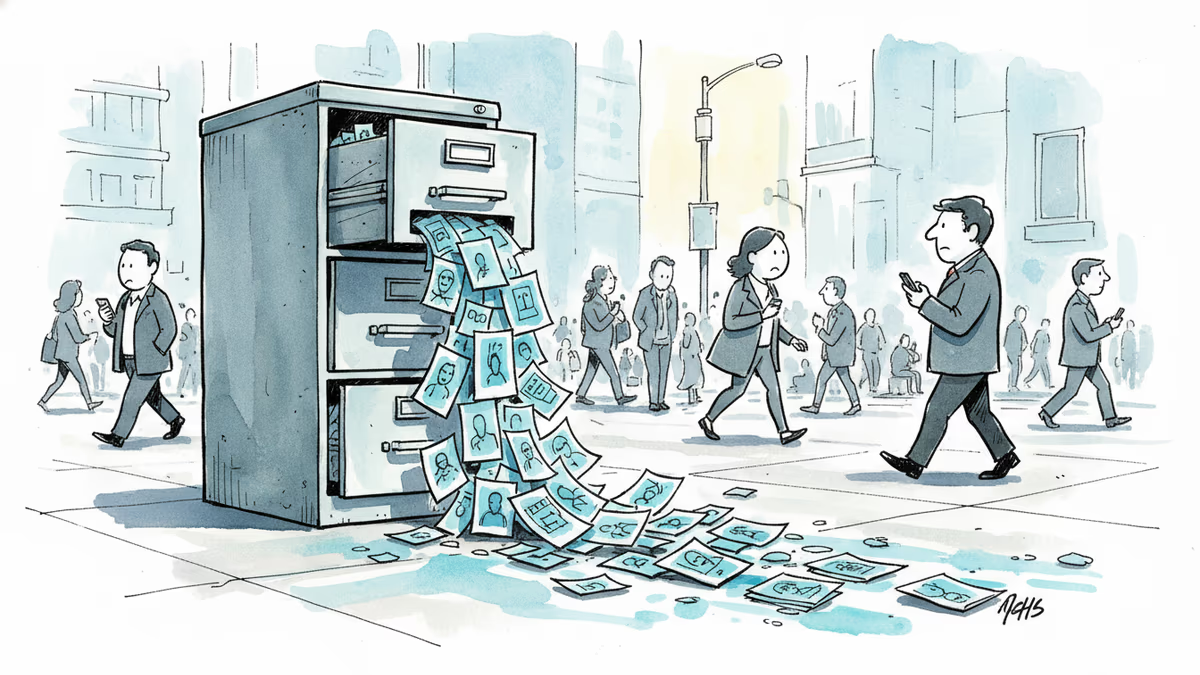
UK Visa Portal, a private immigration service mistaken for an official government site, has been exposing passport scans and selfies of over 100,000 applicants. The breach remains unpatched.
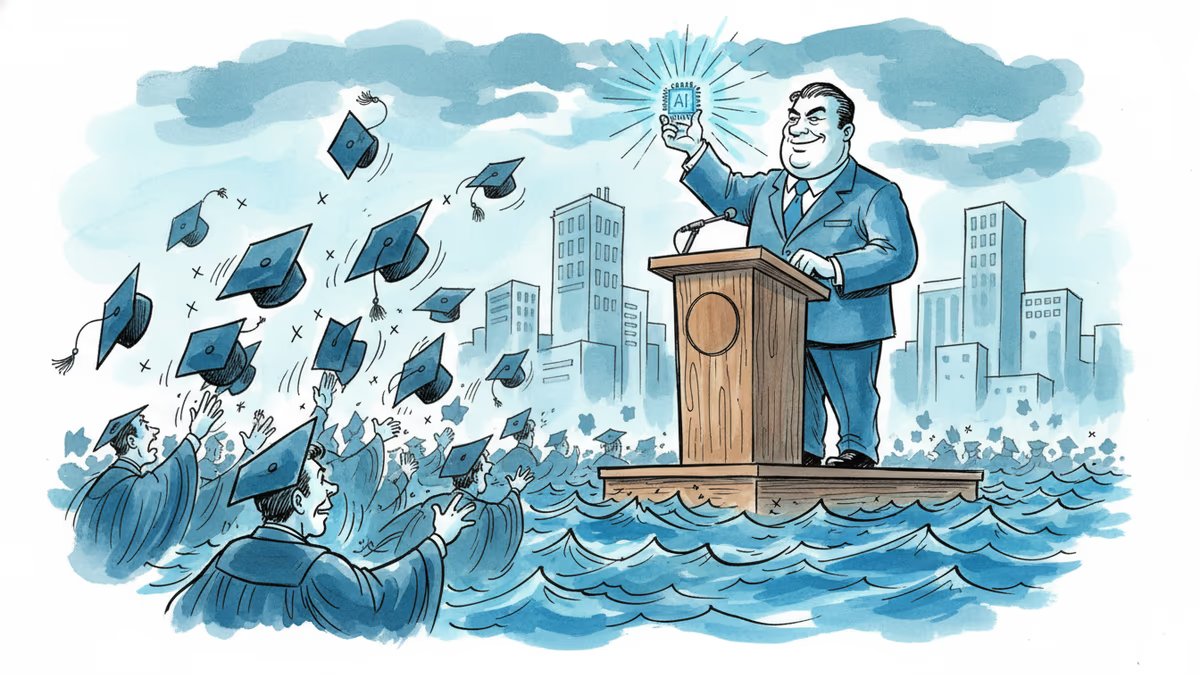
Viral videos show 2026 graduates jeering executives who praise AI at commencement ceremonies. It's not just rudeness — it's a signal about who pays for technological optimism.
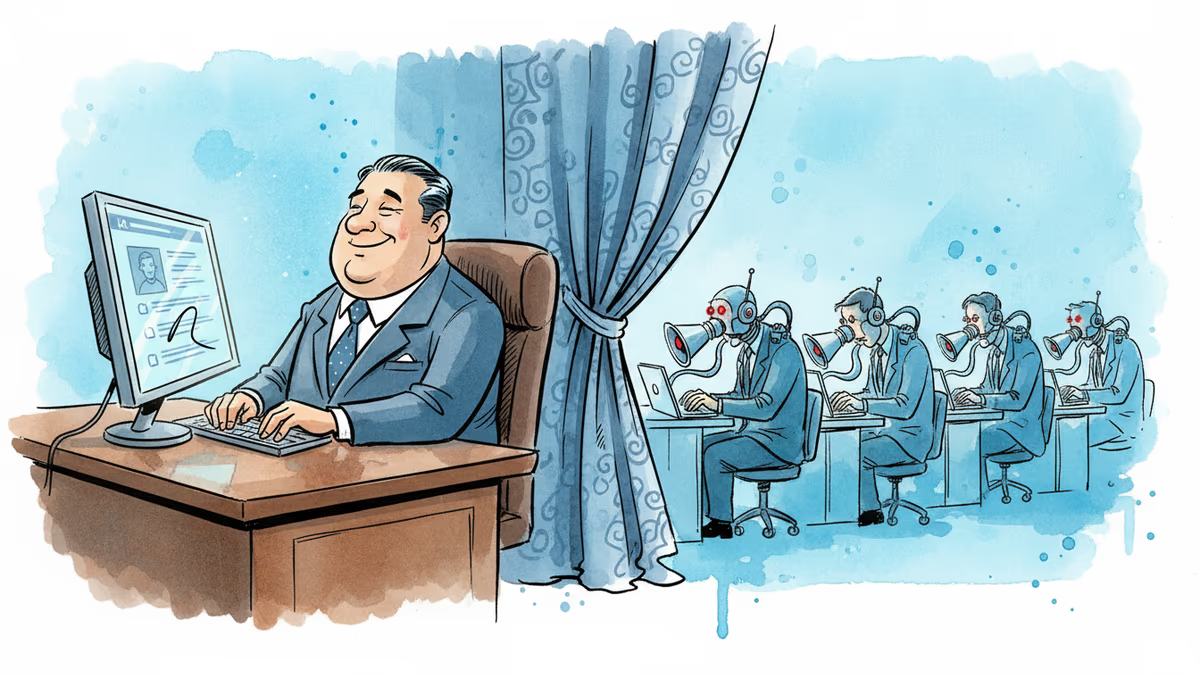
Filipino virtual assistants using AI to ghost-manage LinkedIn profiles for executives is now a structured industry. 30 comments a day, fake engagement rings, and a platform struggling to tell real from fabricated.
Samsung and SK unveiled a chip and AI investment package worth thousands of trillions of won on June 29. The headline number swings wildly by outlet, but the real contest isn't capital — it's water and power.
UK Visa Portal, a private immigration service mistaken for an official government site, has been exposing passport scans and selfies of over 100,000 applicants. The breach remains unpatched.
Viral videos show 2026 graduates jeering executives who praise AI at commencement ceremonies. It's not just rudeness — it's a signal about who pays for technological optimism.
Filipino virtual assistants using AI to ghost-manage LinkedIn profiles for executives is now a structured industry. 30 comments a day, fake engagement rings, and a platform struggling to tell real from fabricated.
Thoughts
Share your thoughts on this article
Sign in to join the conversation