
#Energy Security
Total 128 articles
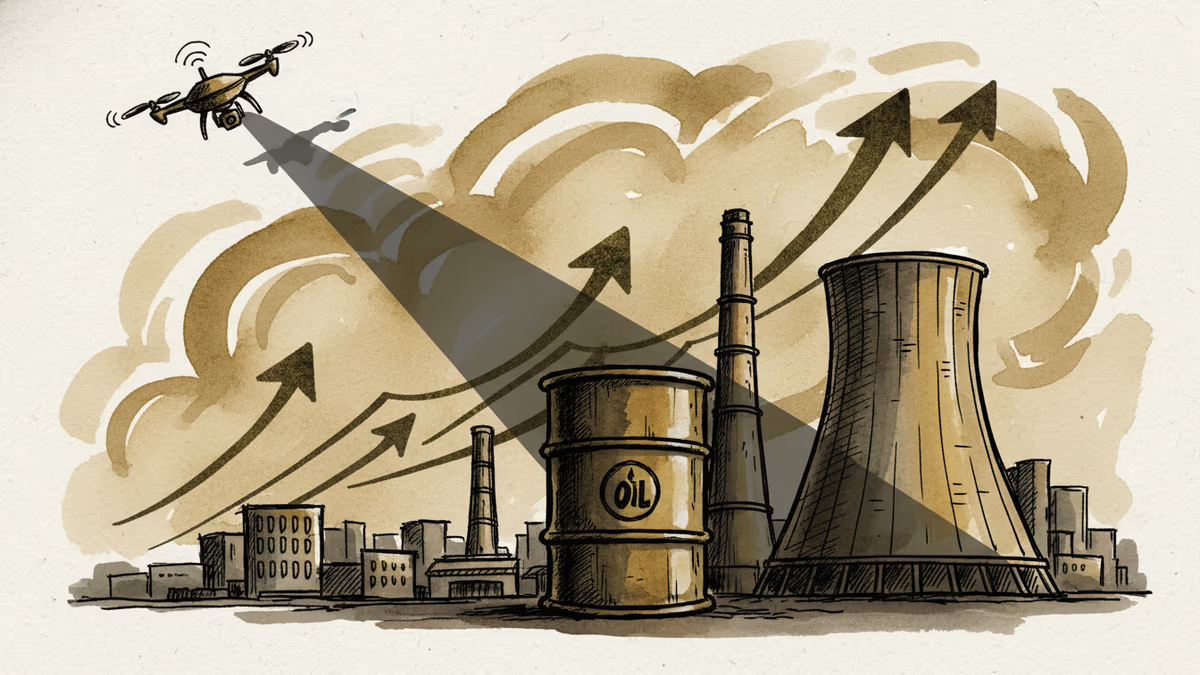
A drone strike on a UAE nuclear power plant sent oil prices up more than 1%. Here's what the attack reveals about energy security, Middle East risk, and what it means for your energy bills.
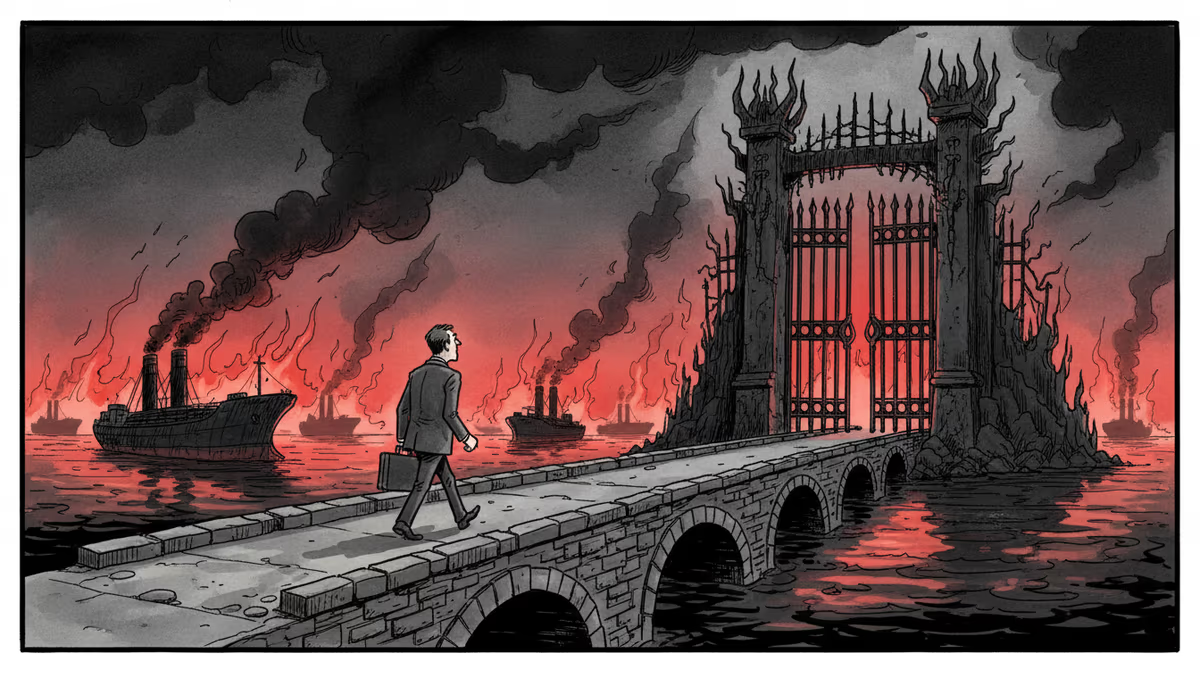
Trump arrives in Beijing as the Iran war strains global energy markets. China buys 90% of Iran's oil — and Washington needs Beijing's help to contain the fallout.
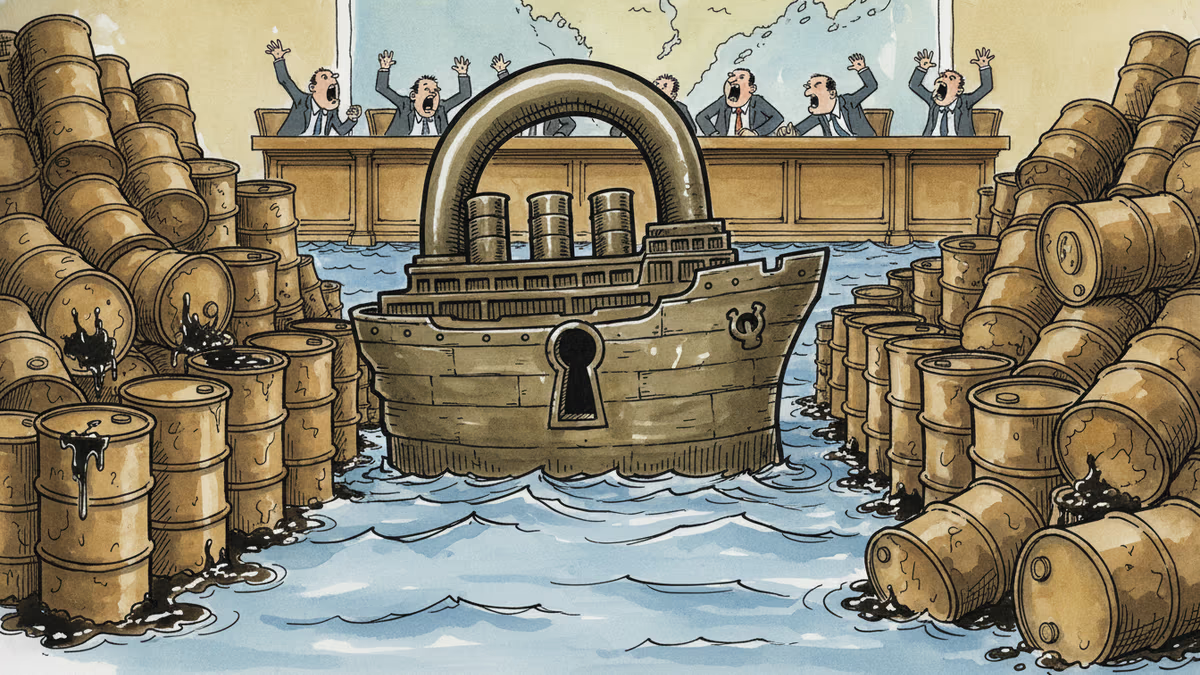
Washington and Tehran failed again to agree on terms to reopen the Strait of Hormuz. With 20% of global seaborne oil at stake, every day of deadlock has a price—and consumers are paying it.

PRISM by Liabooks
Place your ad in this space
[email protected]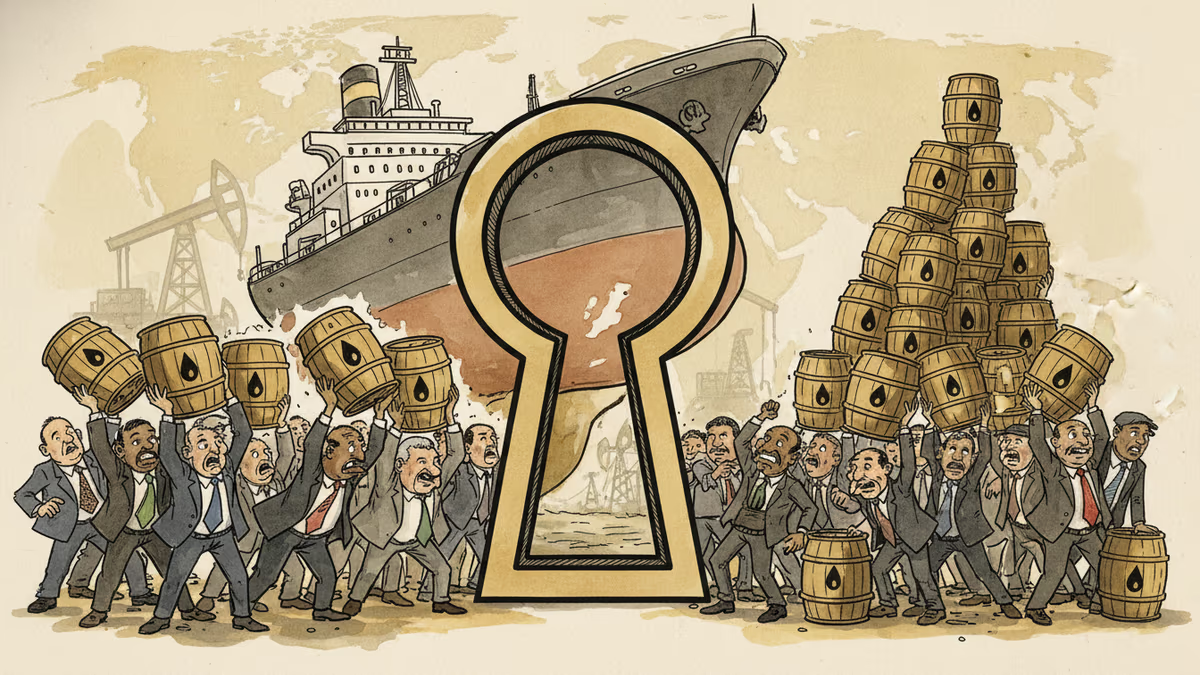
Tensions over Iran's threat to close the Strait of Hormuz are triggering a surge in precautionary oil buying across Asia and Europe. Here's what's really at stake—and who wins and loses.
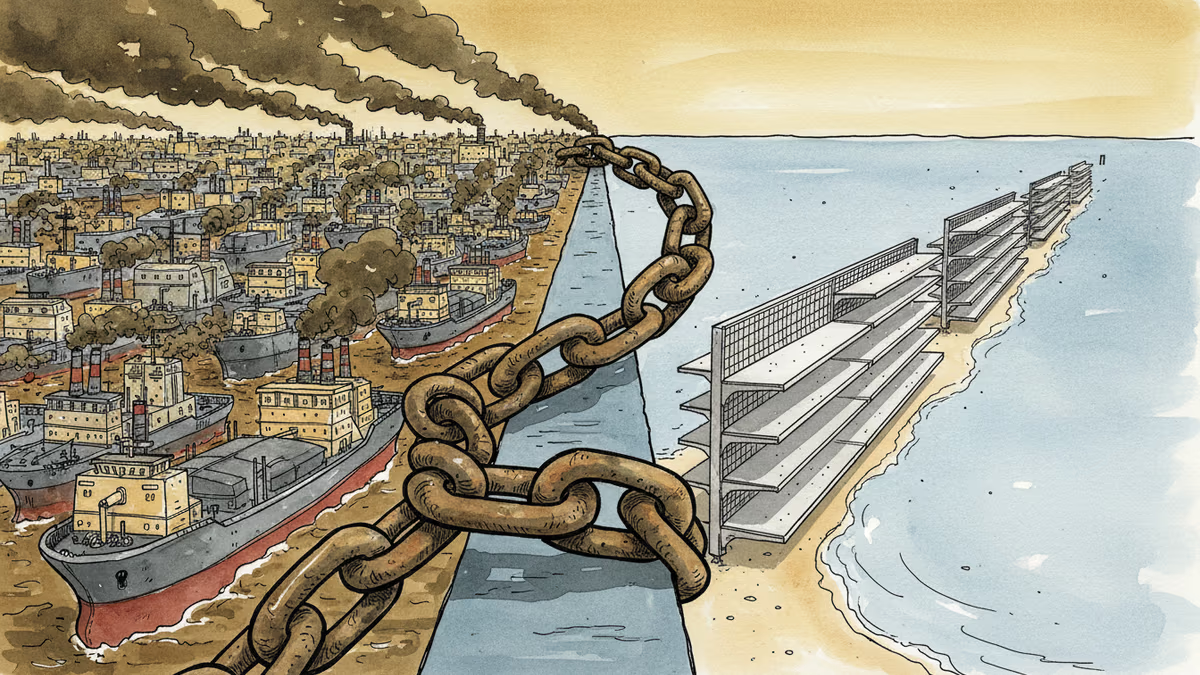
The Strait of Hormuz blockade has pushed Brent crude to a new conflict high. Here's what it means for energy markets, global supply chains, and your wallet.
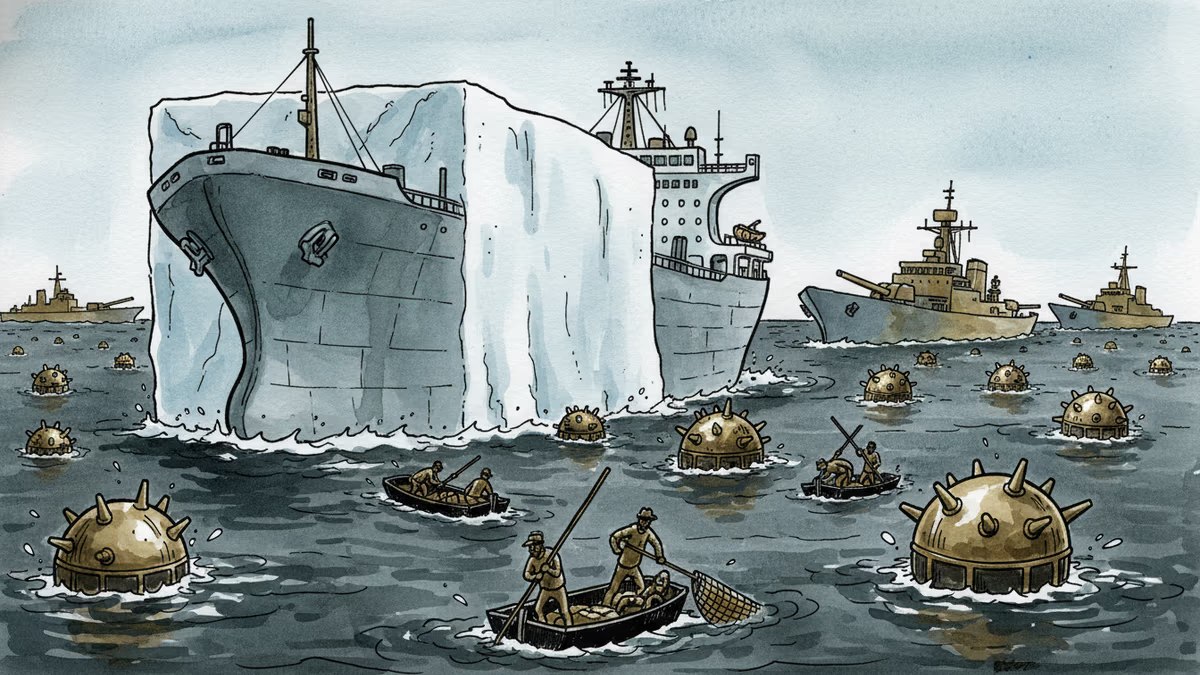
The US Navy says clearing mines from the Gulf waterway will take weeks, with European allies reluctant to help. Here's what that timeline means for oil markets, your wallet, and the future of allied naval cooperation.
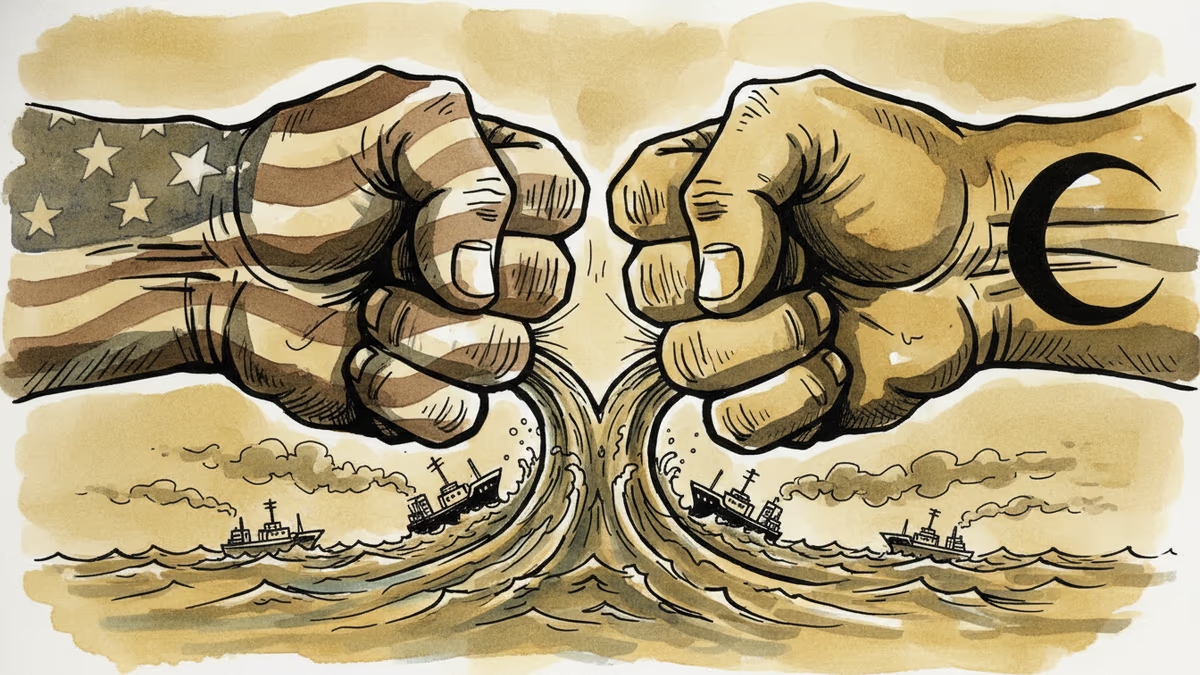
As Tehran and Washington escalate tensions over the Strait of Hormuz, oil markets are responding. Here's what's really at stake — and for whom.
PRISM by Liabooks
Place your ad in this space
[email protected]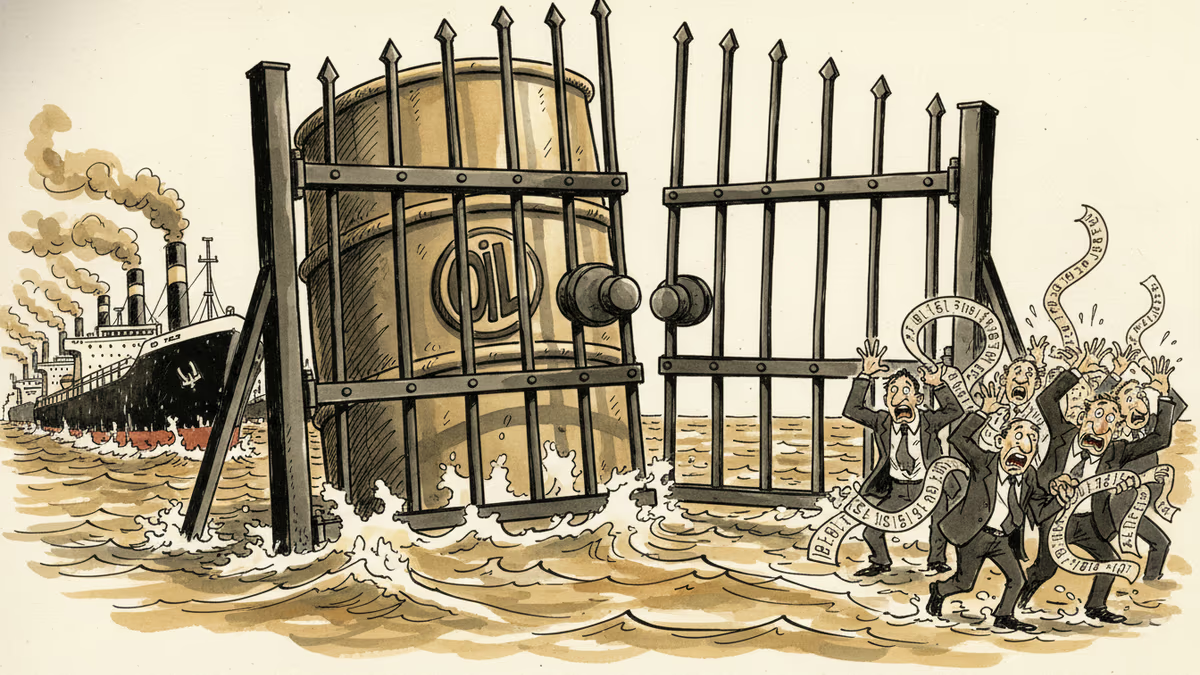
The Strait of Hormuz has closed again, sending oil prices sharply higher after recent losses. What this recurring chokepoint means for energy markets, geopolitics, and your portfolio.
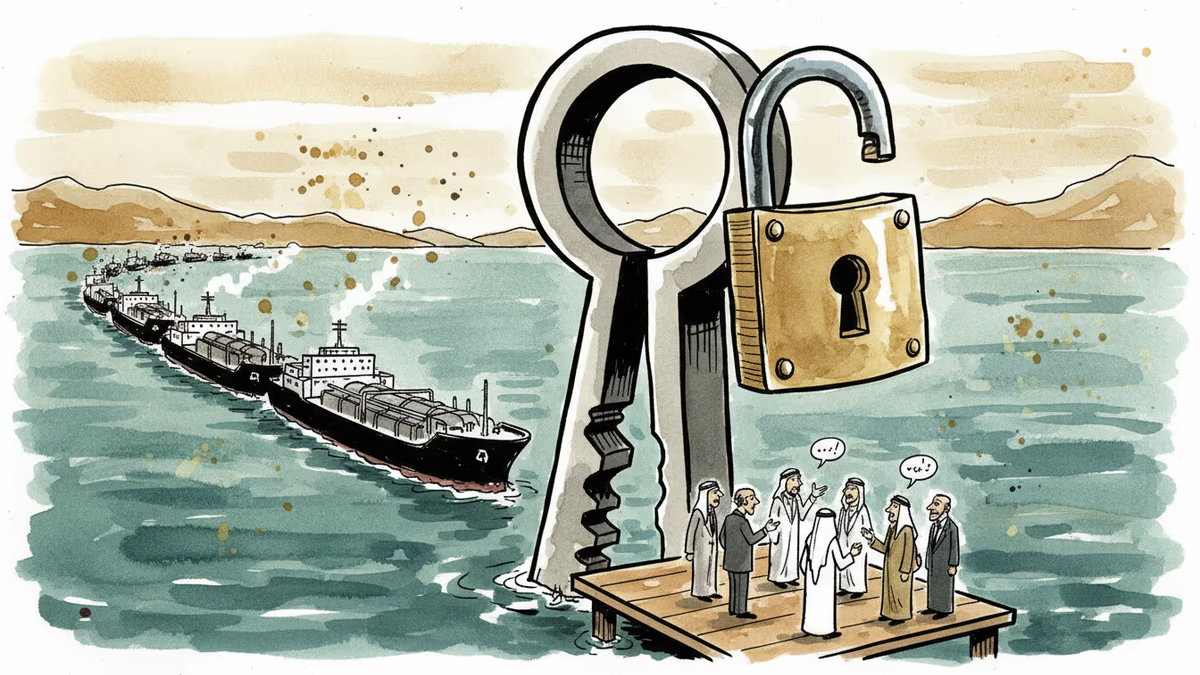
Crude prices stabilized on hopes of a deal to reopen the Strait of Hormuz. Here's what's really at stake, who wins, who loses, and why the calm may not last.
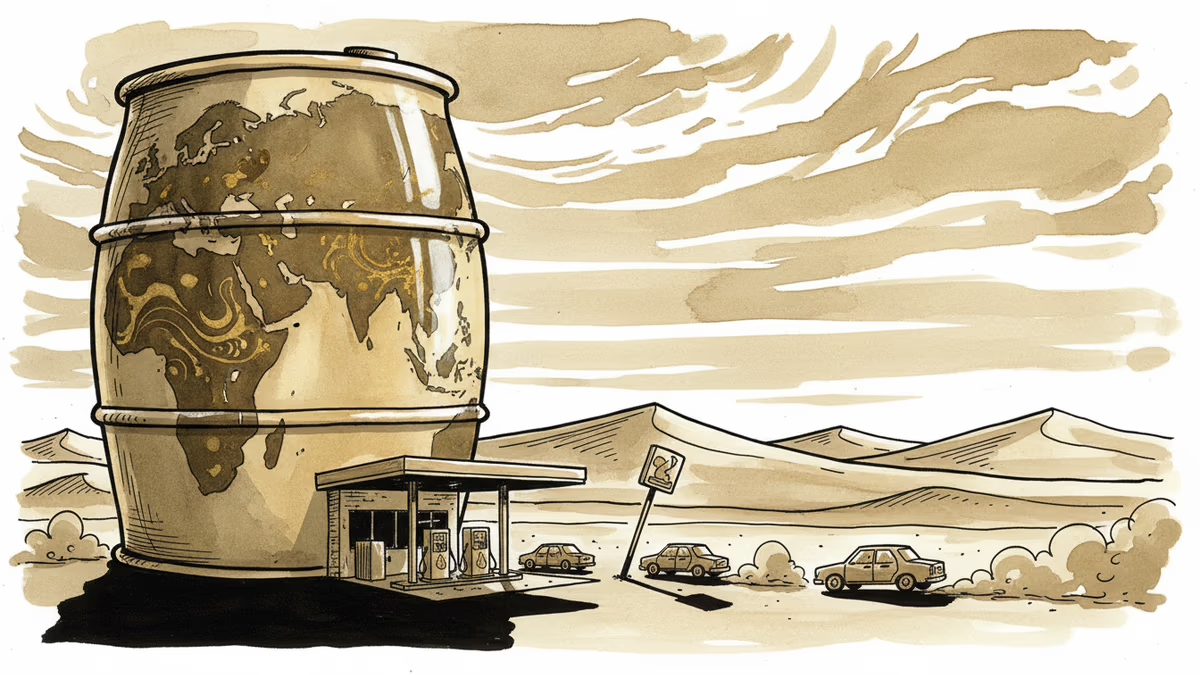
Geopolitical tension over Iran is pushing fuel prices higher across the US, changing driver behavior from Boston to Denver—and the ripple effects go far beyond the pump.
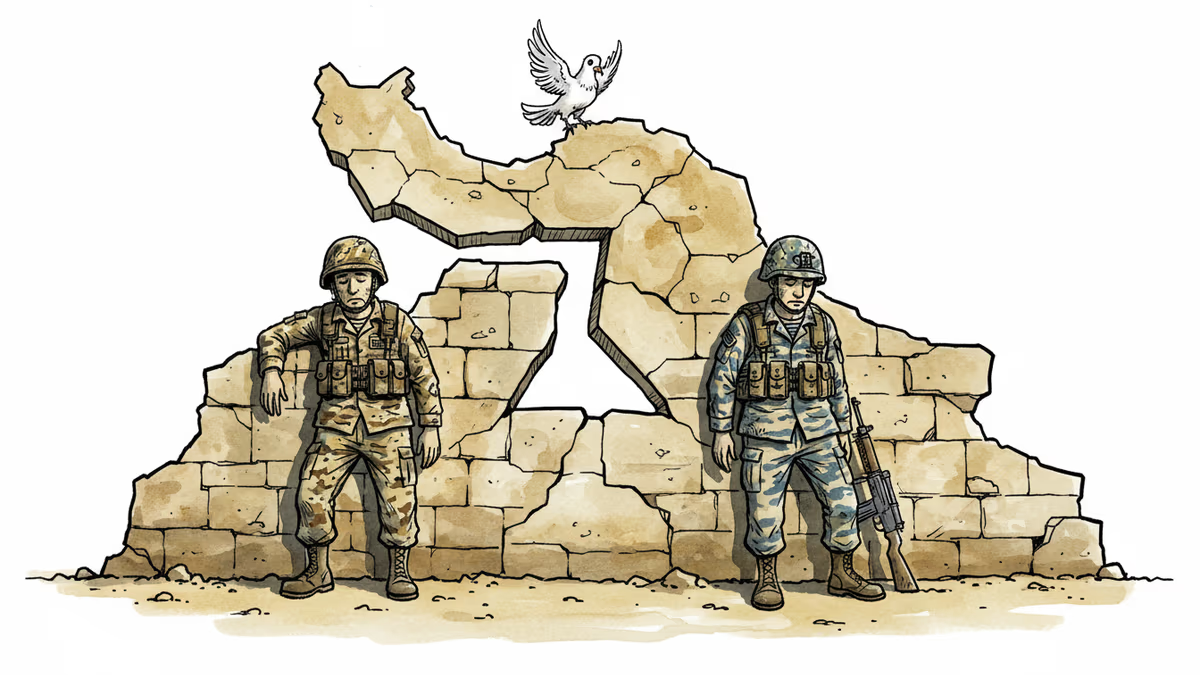
The US-Iran ceasefire announced April 7, 2026, halted a costly war neither side was winning. But with deep mistrust on all sides, can two weeks build a lasting peace?
PRISM by Liabooks
Place your ad in this space
[email protected]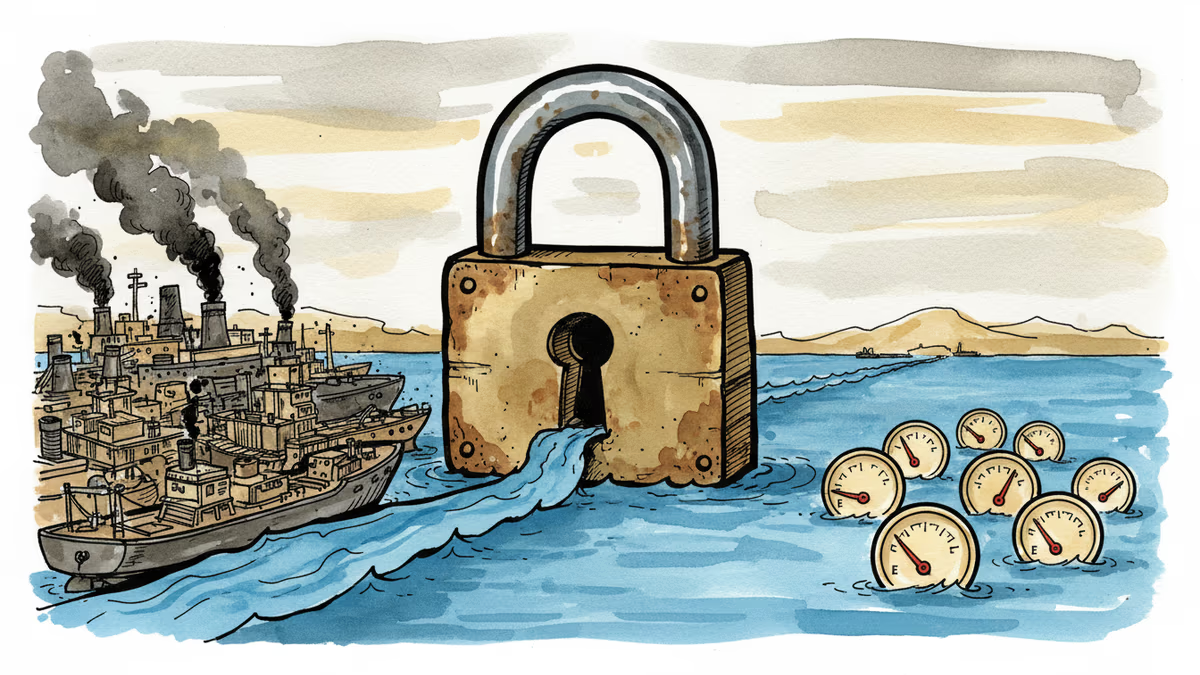
The near-closure of the Strait of Hormuz has triggered the worst energy crisis in modern history. Here's what it reveals about global infrastructure—and what must be built before the next crisis.
