
#Defense Technology
Total 23 articles
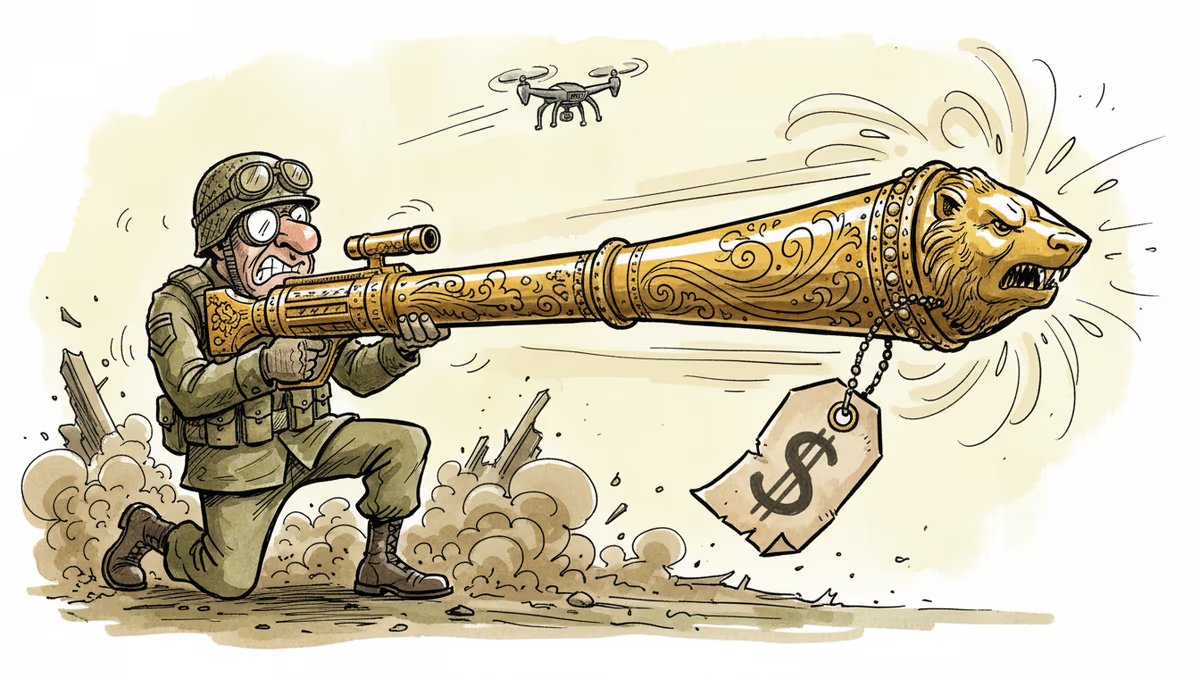
Middle East conflicts are exposing a brutal cost asymmetry in air defense. Lasers, smart radars, and drone swarms are reshaping how nations think about protecting their skies—and their budgets.
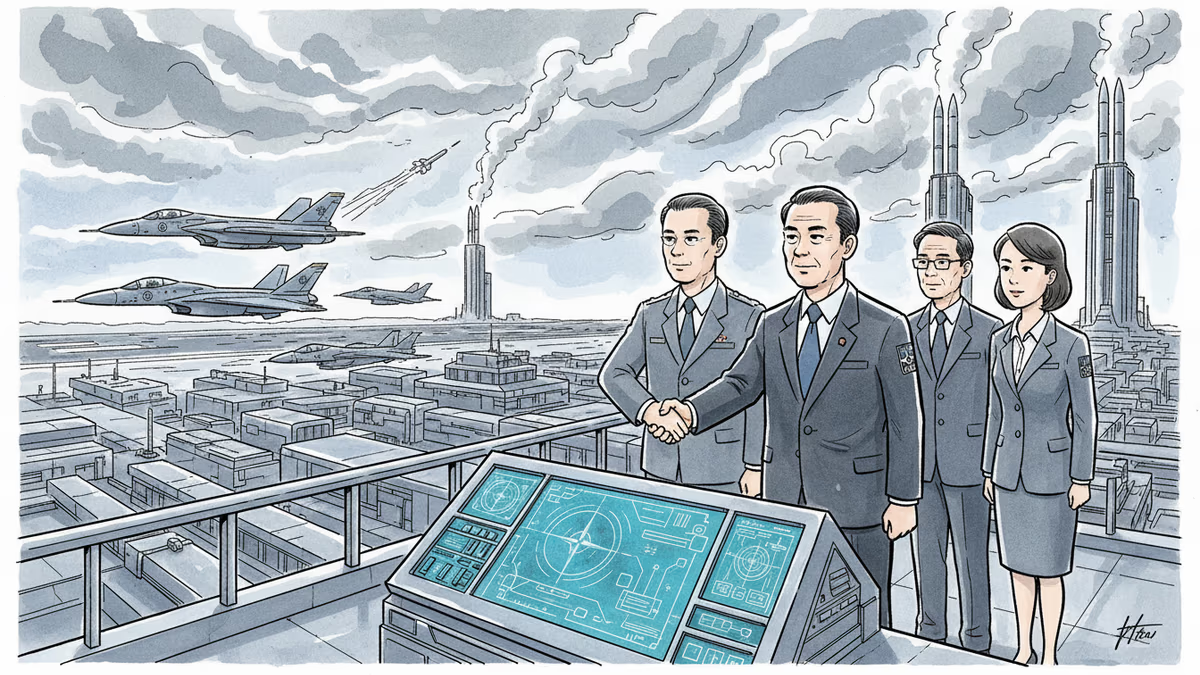
Japan negotiates unprecedented access to NATO's defense innovation accelerator, potentially becoming first outsider in the alliance's tech program amid regional security concerns
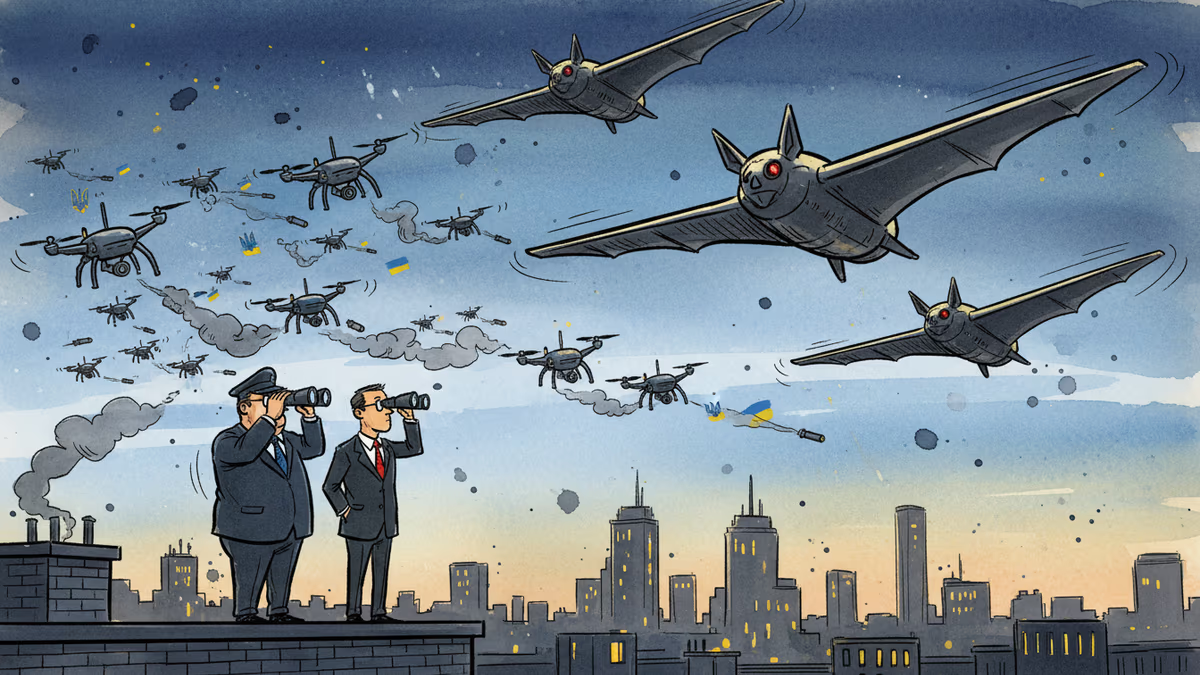
Pentagon studies Ukrainian interceptor drone technology as cost-effective solution against Iranian drones. Could battlefield innovation reshape future defense systems?

PRISM by Liabooks
Place your ad in this space
[email protected]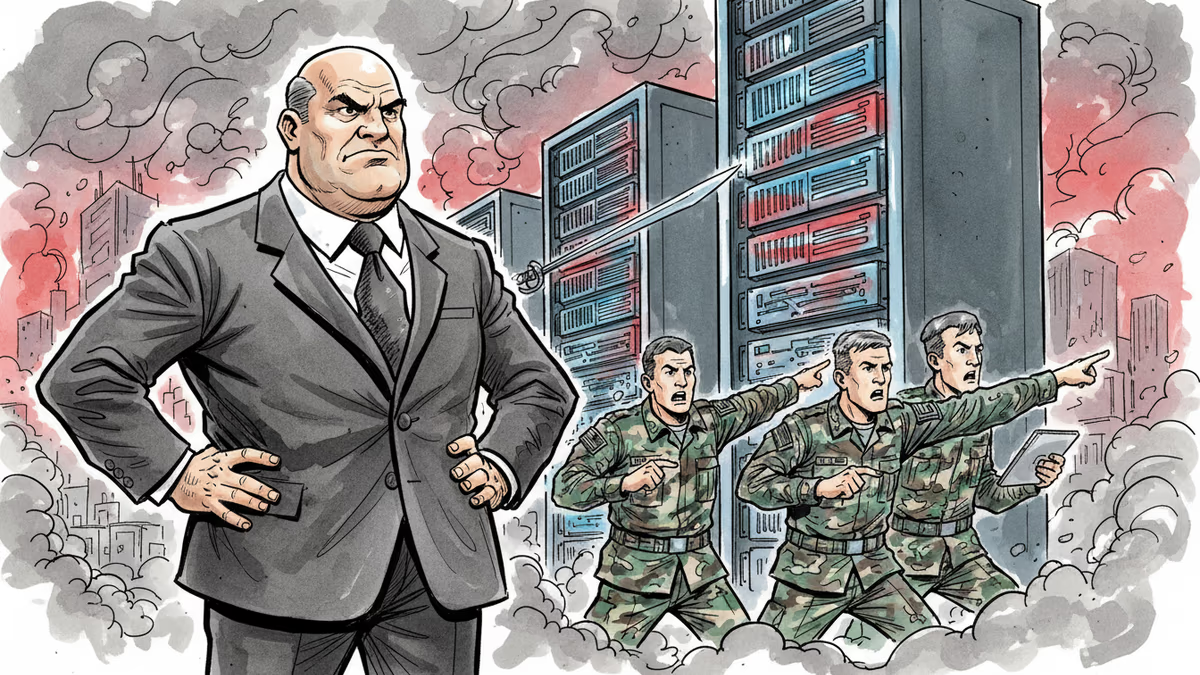
President Trump orders federal agencies to stop using Anthropic products after the AI company refused to allow mass surveillance and autonomous weapons applications
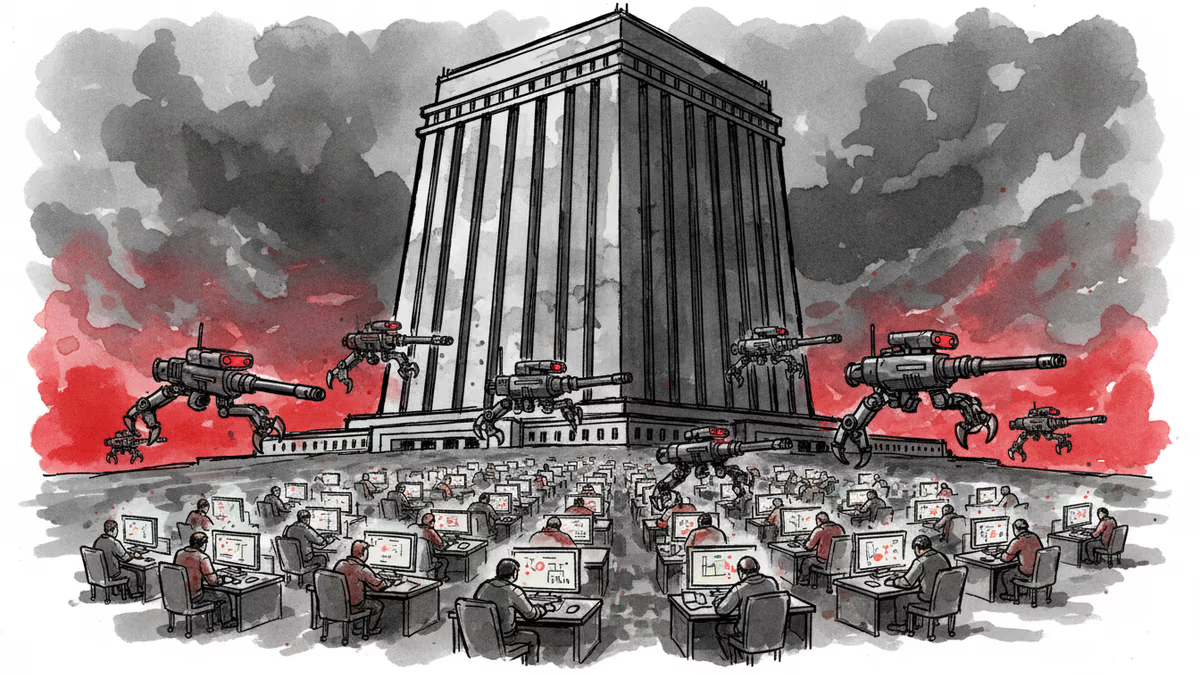
The Department of Defense demands unrestricted military access to Anthropic's AI technology, sparking industry-wide ethical dilemmas about autonomous weapons and mass surveillance.

Anthropic faces ultimatum from Defense Secretary Pete Hegseth to remove all restrictions on AI use or lose $200M contract. A defining moment for tech-government relations.
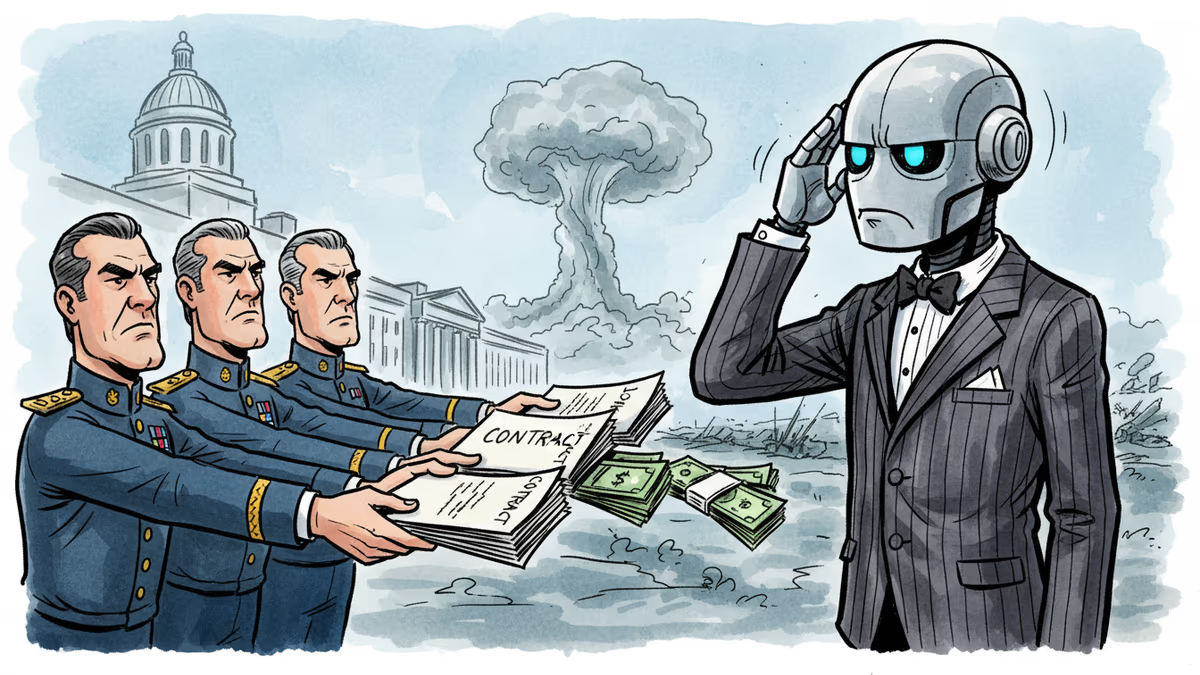
Anthropic rejects military contracts while competitors embrace defense dollars. What does this mean for AI's future and your digital safety?
PRISM by Liabooks
Place your ad in this space
[email protected]
Germany pledges increased defense technology investment following international criticism over tank support, but actual defense spending tells a different story. What's really happening?
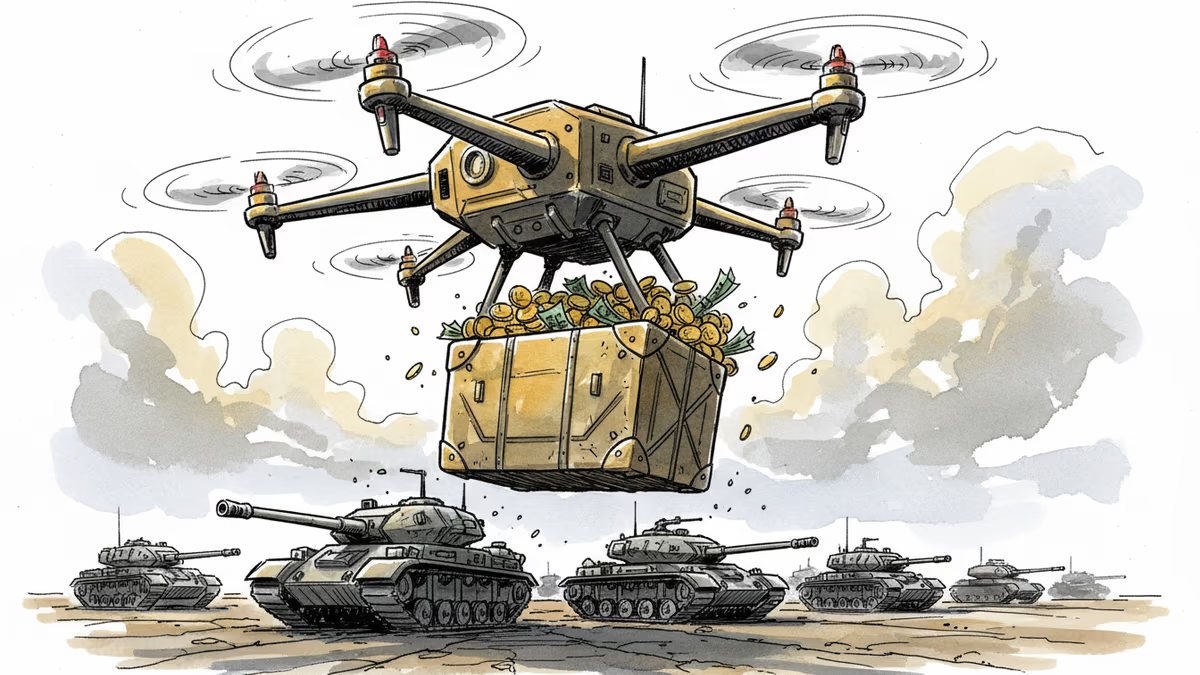
Palmer Luckey's defense startup Anduril seeks $8 billion in funding, potentially reaching $14 billion valuation. Is this the Tesla moment for the defense industry?

China unveils compact 20-gigawatt microwave weapon capable of disabling satellite constellations, potentially neutralizing Starlink and reshaping military space dynamics.
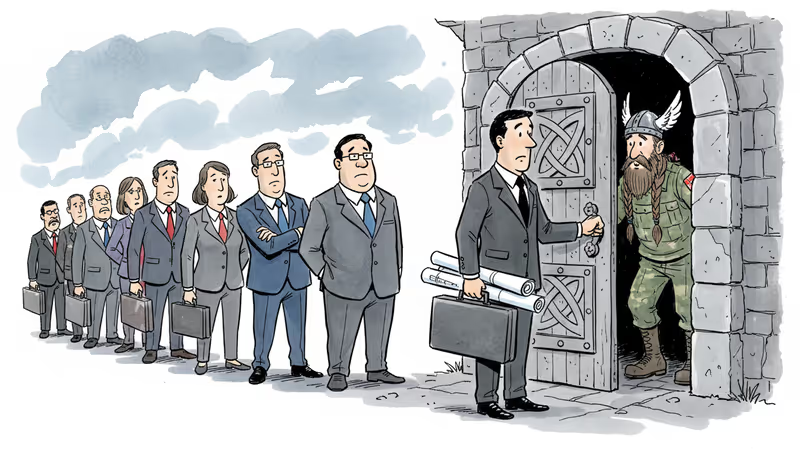
Hanwha Aerospace secures massive rocket contract with Norway as European nations rush to strengthen defense capabilities amid rising security threats.
PRISM by Liabooks
Place your ad in this space
[email protected]
How Silicon Valley transformed from anti-war idealism to embracing military tech, with Y Combinator funding missile companies and AI giants pursuing Pentagon contracts.
