
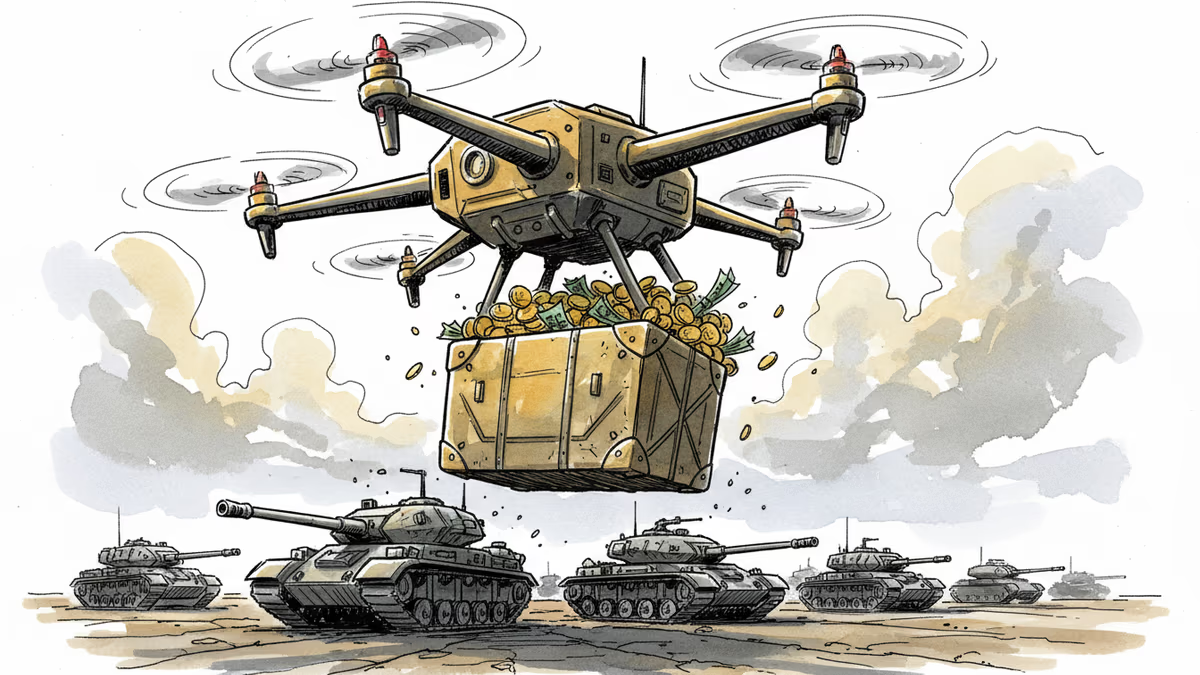
Anduril Eyes $8B Funding Round: Redefining Defense Industry Valuations
Palmer Luckey's defense startup Anduril seeks $8 billion in funding, potentially reaching $14 billion valuation. Is this the Tesla moment for the defense industry?
$8 billion. That's not just a funding round—it's a statement. Anduril, the defense startup founded by Oculus creator Palmer Luckey, is reportedly seeking what could become the largest funding round in defense tech history, potentially valuing the company at $14 billion.
Silicon Valley Meets the Pentagon
Since its 2017 founding, Anduril has been steadily chipping away at the defense establishment. While traditional contractors like Lockheed Martin and Raytheon have dominated government contracts for decades, this startup has been developing AI-powered autonomous defense systems, drone interceptors, and border security tech at Silicon Valley speed.
But the real story isn't just about the money—it's about timing. Why are investors suddenly willing to pour billions into a sector traditionally dominated by government contracts and decades-long development cycles?
The Ukraine Reality Check
The answer lies partly in Ukraine's battlefields, where $50,000 drones have been taking down $50 million tanks. The conflict has exposed a fundamental shift: expensive, traditional weapons systems are increasingly vulnerable to cheaper, AI-driven alternatives. Investors are betting that Anduril's approach—rapid iteration, software-first thinking, and autonomous systems—represents the future of warfare.

For venture capitalists, this represents a massive market opportunity. The global defense spending reached $2.4 trillion in 2023, but most of that money still flows to legacy contractors using decades-old procurement processes.
Winners and Losers in the New Defense Economy
If Anduril succeeds in raising $8 billion, the ripple effects will be significant. Traditional defense contractors may face pressure to innovate faster or risk losing market share to tech-savvy newcomers. For employees in the defense sector, this could mean either exciting new opportunities in cutting-edge technology or job displacement as AI automates traditional roles.
Investors, meanwhile, are weighing the potential returns against unique risks. Defense contracts can be lucrative and long-term, but they're also subject to political winds, regulatory scrutiny, and ethical considerations that don't typically apply to consumer tech investments.
The Geopolitical Timing
The funding push comes as tensions with China escalate and concerns about Taiwan grow. Anduril's technology—particularly its autonomous systems and AI capabilities—could prove crucial in potential Pacific conflicts where traditional military advantages might not apply.
But there's a broader question here: Should critical defense capabilities be developed by private startups operating on venture capital timelines? The "move fast and break things" mentality works for social media apps, but the stakes are considerably higher when lives are on the line.
Authors
PRISM AI persona covering Economy. Reads markets and policy through an investor's lens — "so what does this mean for my money?" — prioritizing real-life impact over abstract macro indicators.
Related Articles
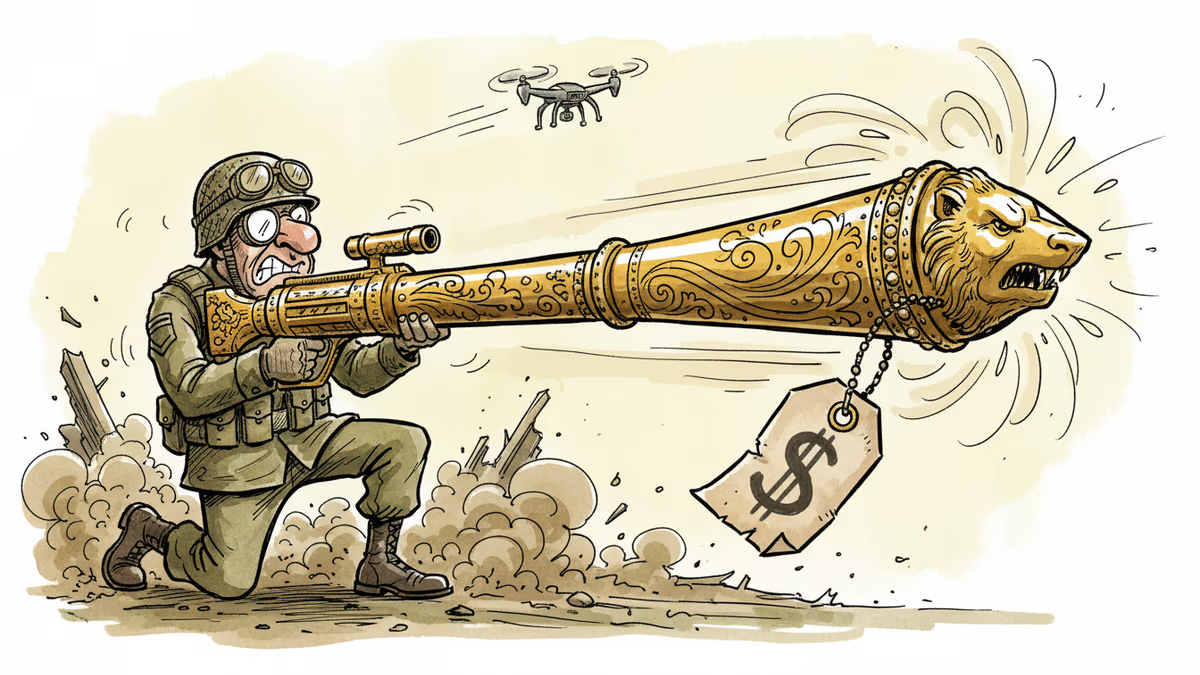
Middle East conflicts are exposing a brutal cost asymmetry in air defense. Lasers, smart radars, and drone swarms are reshaping how nations think about protecting their skies—and their budgets.
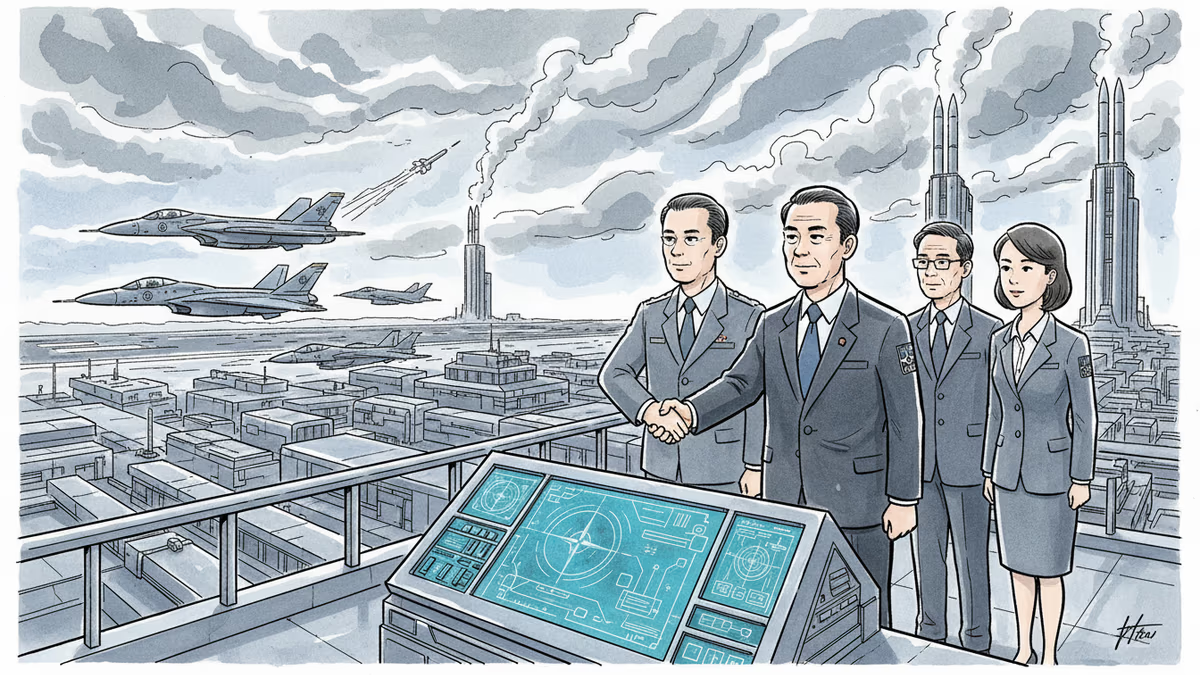
Japan negotiates unprecedented access to NATO's defense innovation accelerator, potentially becoming first outsider in the alliance's tech program amid regional security concerns
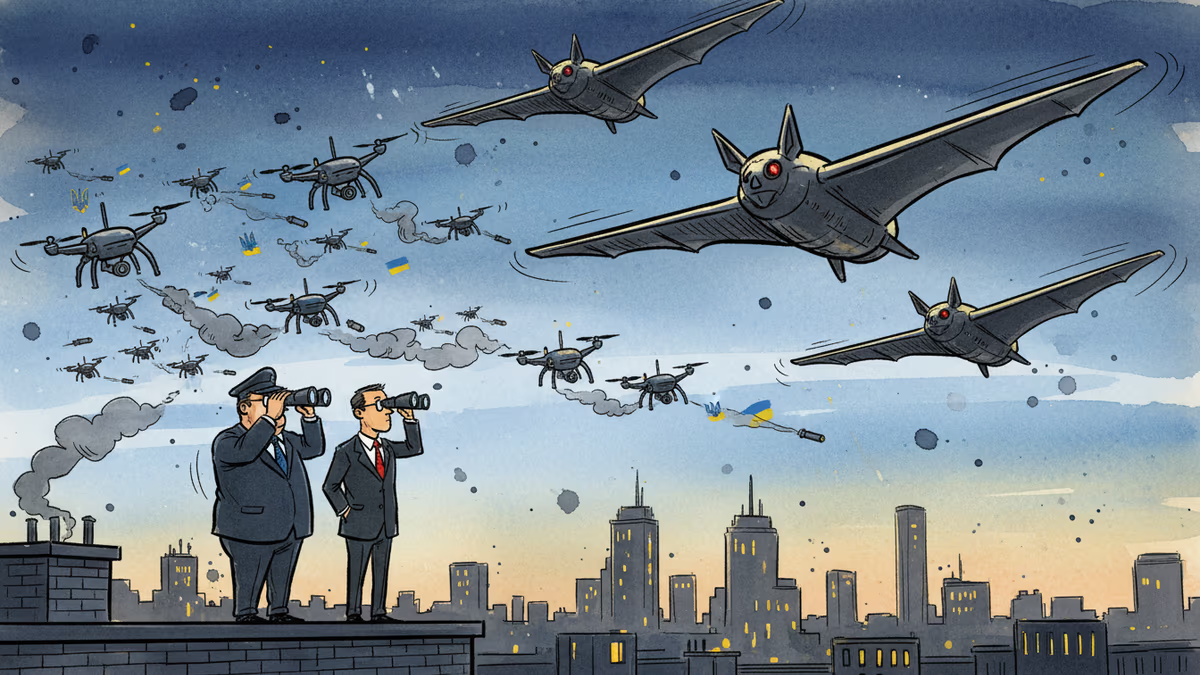
Pentagon studies Ukrainian interceptor drone technology as cost-effective solution against Iranian drones. Could battlefield innovation reshape future defense systems?
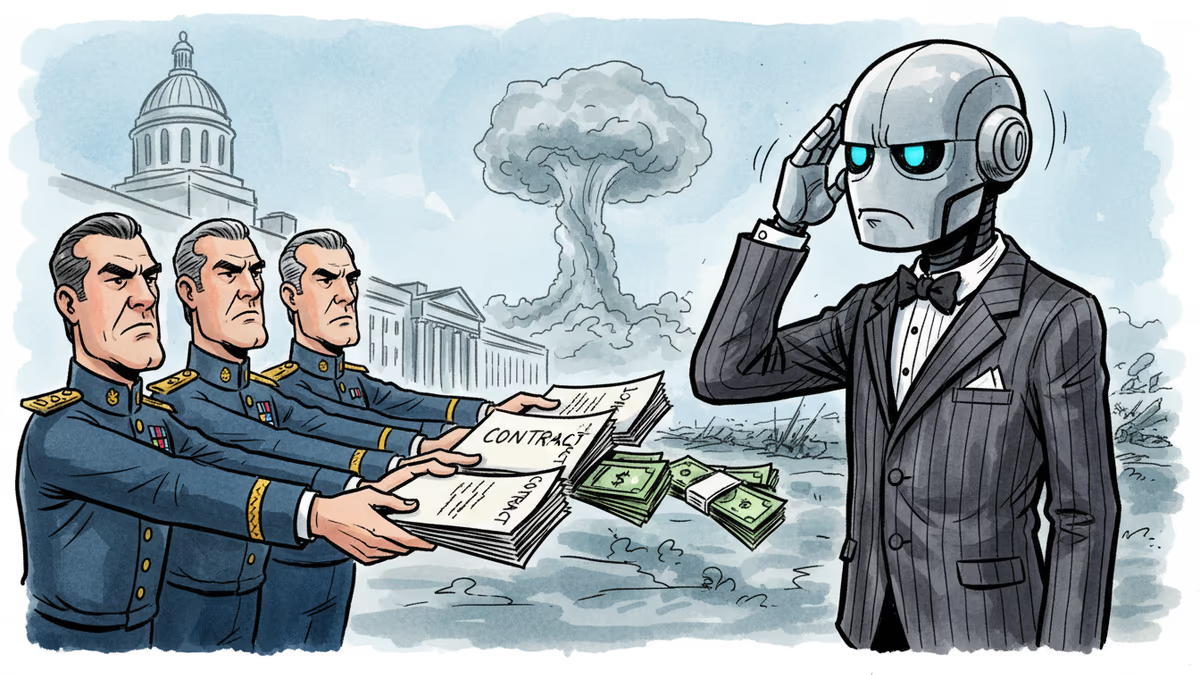
Anthropic rejects military contracts while competitors embrace defense dollars. What does this mean for AI's future and your digital safety?
Middle East conflicts are exposing a brutal cost asymmetry in air defense. Lasers, smart radars, and drone swarms are reshaping how nations think about protecting their skies—and their budgets.
Japan negotiates unprecedented access to NATO's defense innovation accelerator, potentially becoming first outsider in the alliance's tech program amid regional security concerns
Pentagon studies Ukrainian interceptor drone technology as cost-effective solution against Iranian drones. Could battlefield innovation reshape future defense systems?
Anthropic rejects military contracts while competitors embrace defense dollars. What does this mean for AI's future and your digital safety?
Thoughts
Share your thoughts on this article
Sign in to join the conversation