
#AI
Total 814 articles
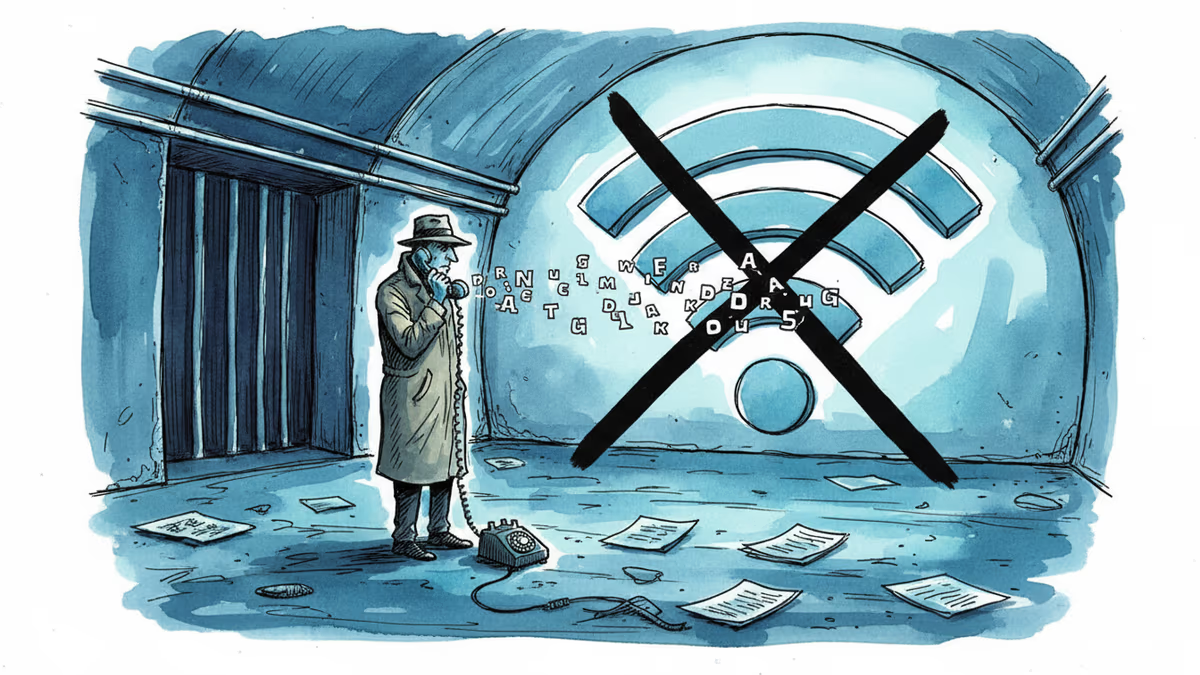
Google quietly launched an offline-first AI dictation app called Eloquent on iOS. Built on Gemma, it cleans up your speech on-device — no internet required. Here's what it signals.
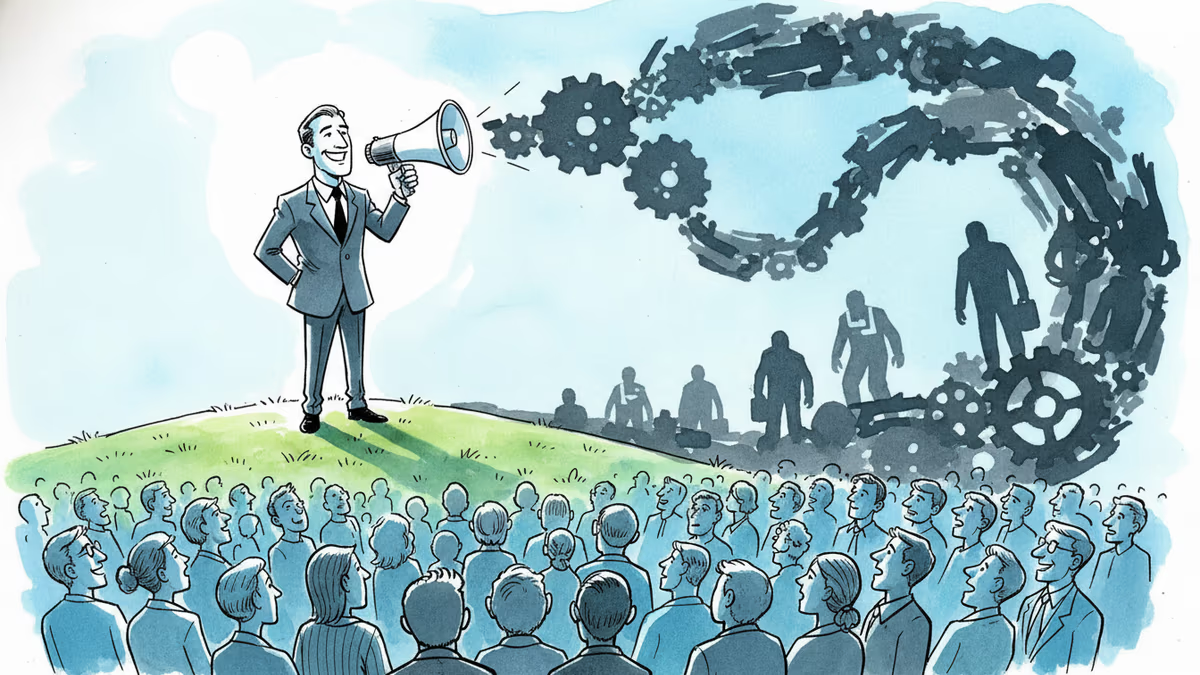
OpenAI's CEO published a blog post read by 600,000 people arguing AI is all upside. Is this genuine belief, strategic narrative, or both? PRISM examines the gaps in Silicon Valley's favorite story.
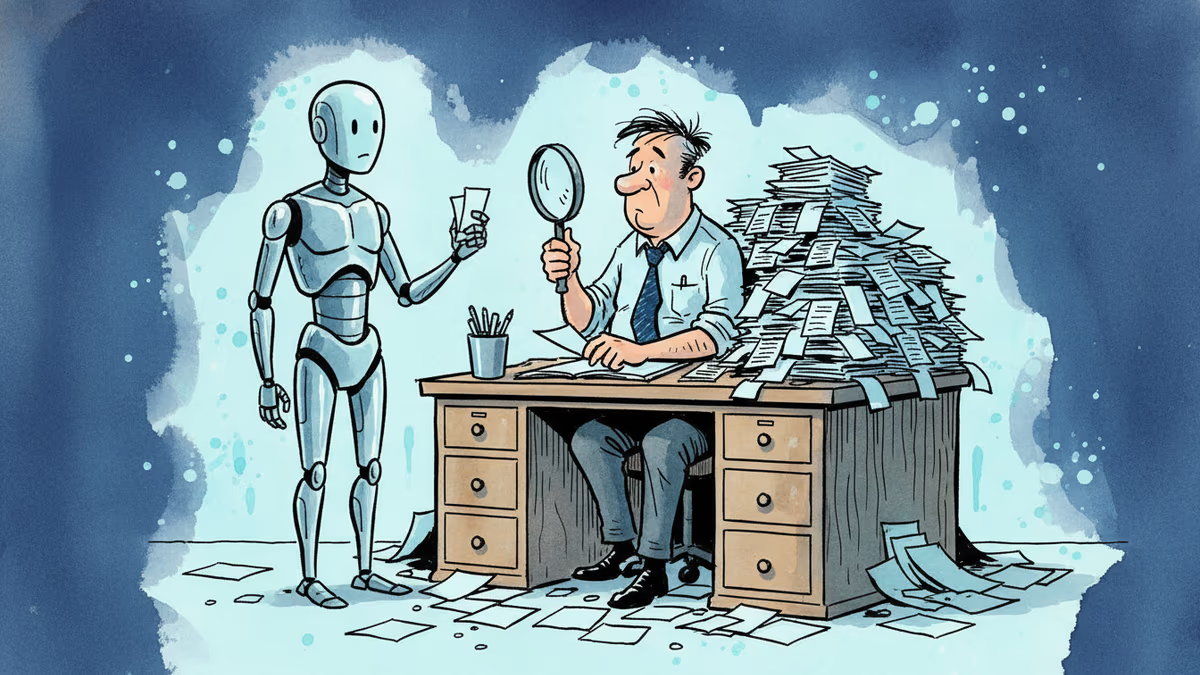
Employment rates are near all-time highs despite AI. But the structure of work is shifting fast. Here's what three new job archetypes tell us about surviving the transition.

PRISM by Liabooks
Place your ad in this space
[email protected]
Grammarly rebranded as Superhuman, betting it can evolve from a spell-checker into a full AI productivity platform. But in a market dominated by Microsoft and Google, is there room for an independent player?
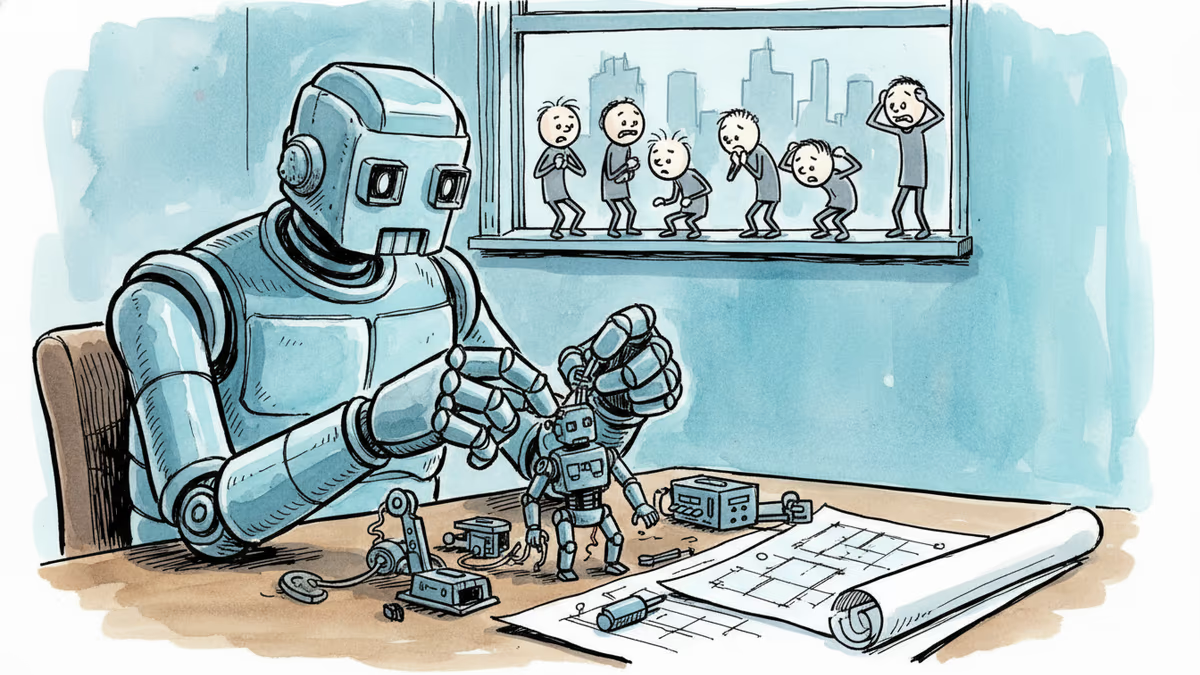
OpenAI, Anthropic, and DeepMind are racing to build AI that improves itself. What happens when the pace of AI progress is set by AI—not humans?
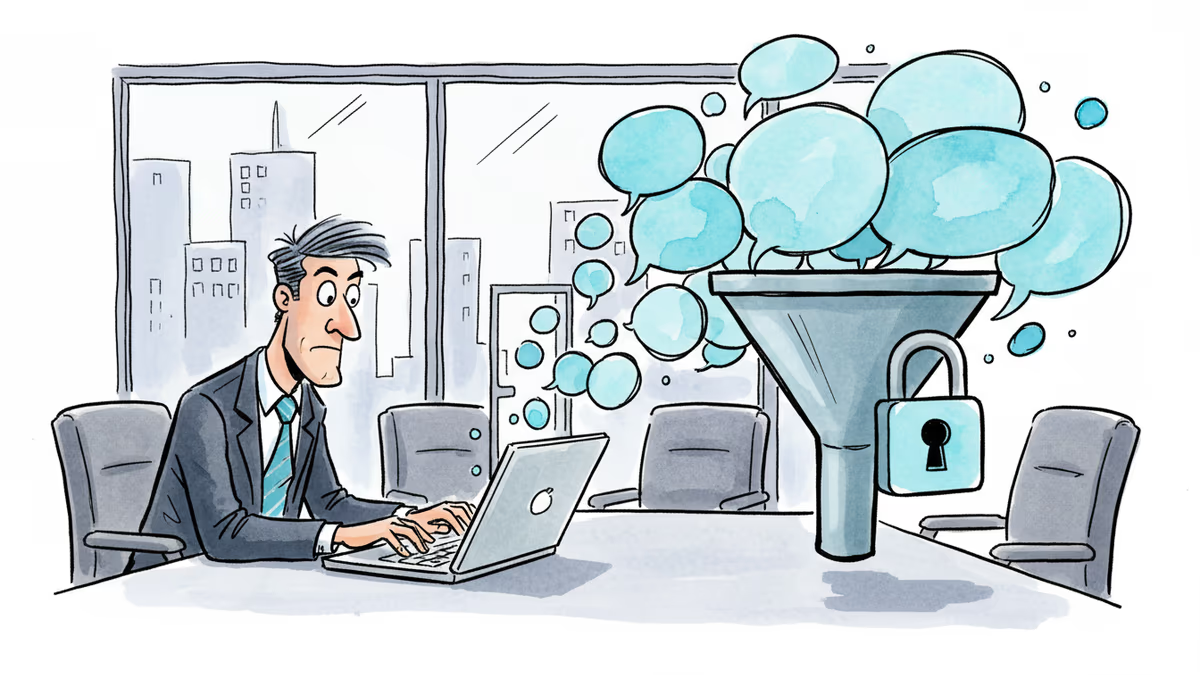
Granola's AI meeting app claims notes are "private by default," but anyone with a link can view them—and your data trains their AI unless you opt out. Here's what that means.
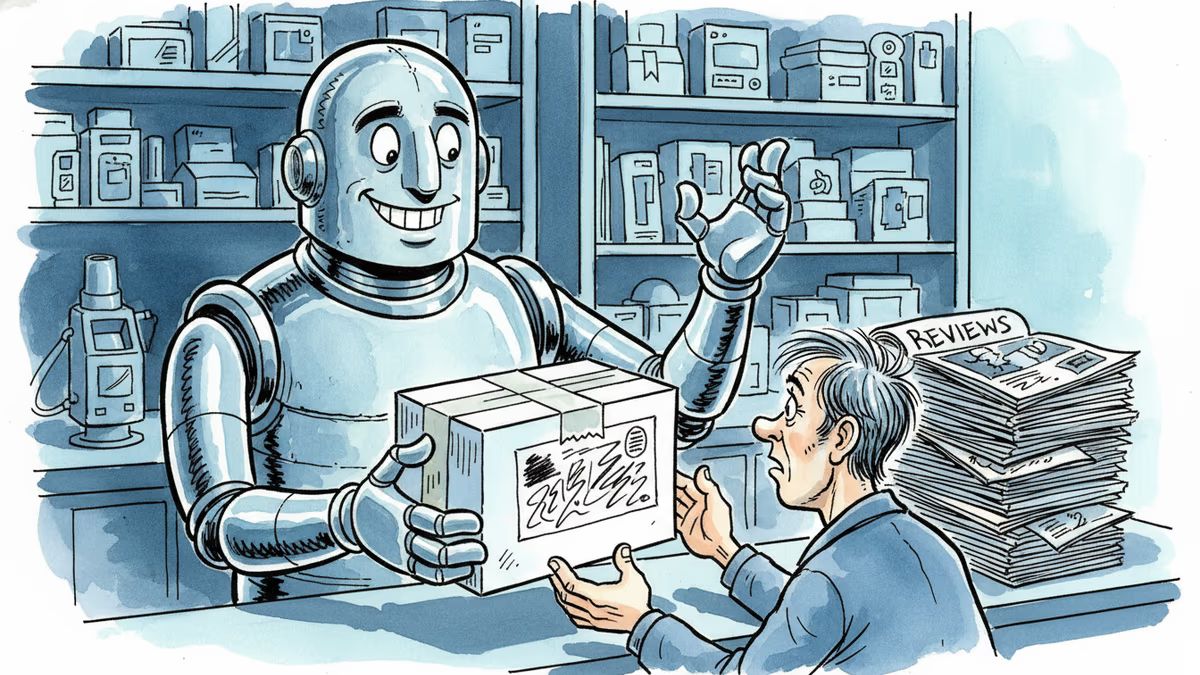
OpenAI's revamped shopping assistant in ChatGPT confidently recommended products WIRED never reviewed—raising urgent questions about AI reliability in consumer decisions.
PRISM by Liabooks
Place your ad in this space
[email protected]
Ollama now supports Apple's MLX framework, bringing meaningfully faster local AI to Apple Silicon Macs. Here's why that matters beyond the benchmark numbers.
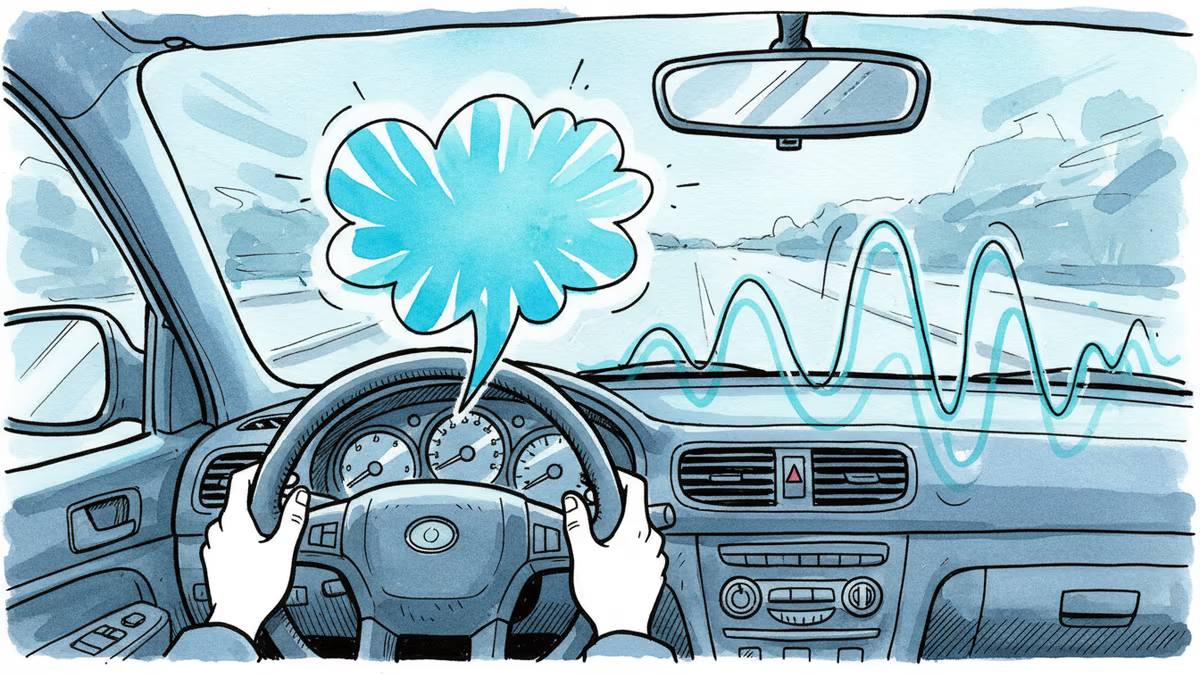
iOS 26.4 brings ChatGPT to CarPlay — voice only, no screen. It's a small update with big implications for how AI fits into the places where we can't look at our phones.
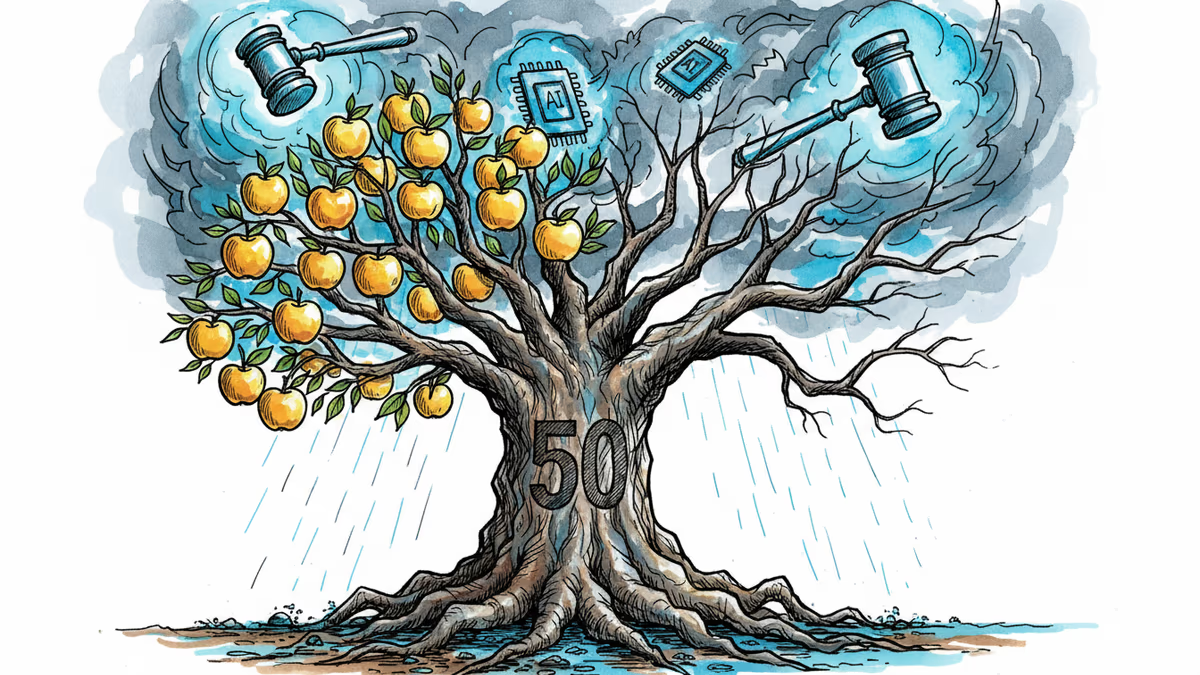
Apple hits its 50th birthday with a $3 trillion valuation — but AI struggles, antitrust pressure, and a quiet innovation drought are raising real questions about what comes next.
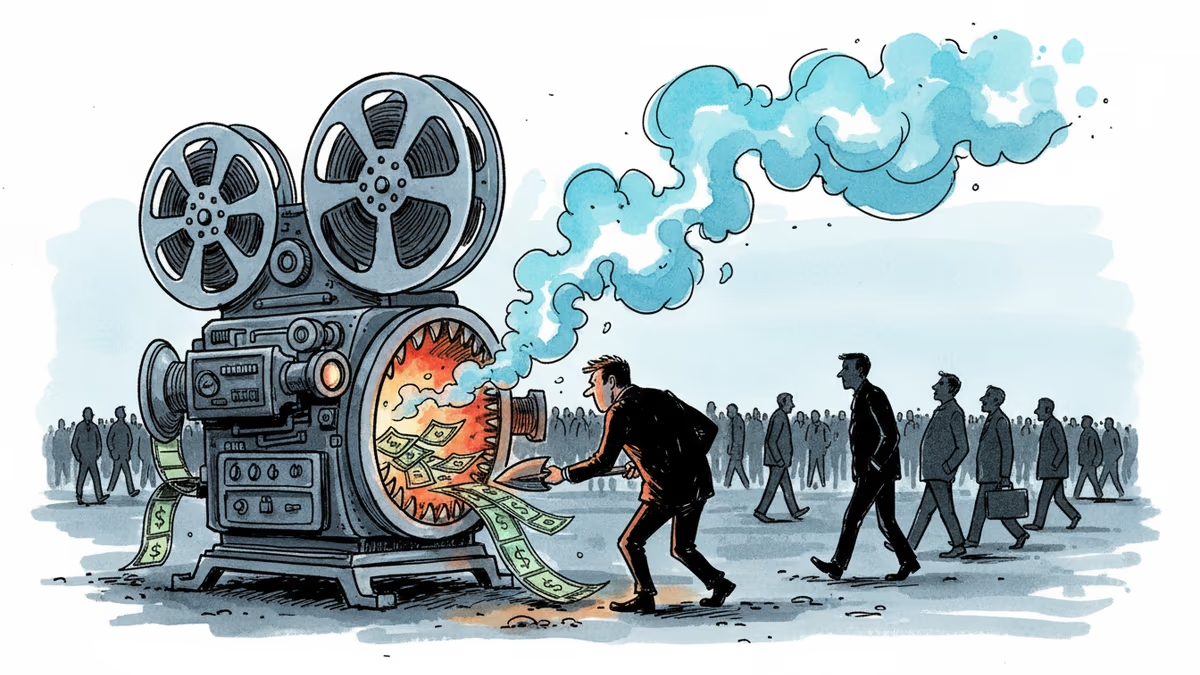
OpenAI killed Sora six months after launch — not because of a data scandal, but because it was hemorrhaging money while users walked away. A WSJ investigation reveals what really happened, and what it means for the AI industry.
PRISM by Liabooks
Place your ad in this space
[email protected]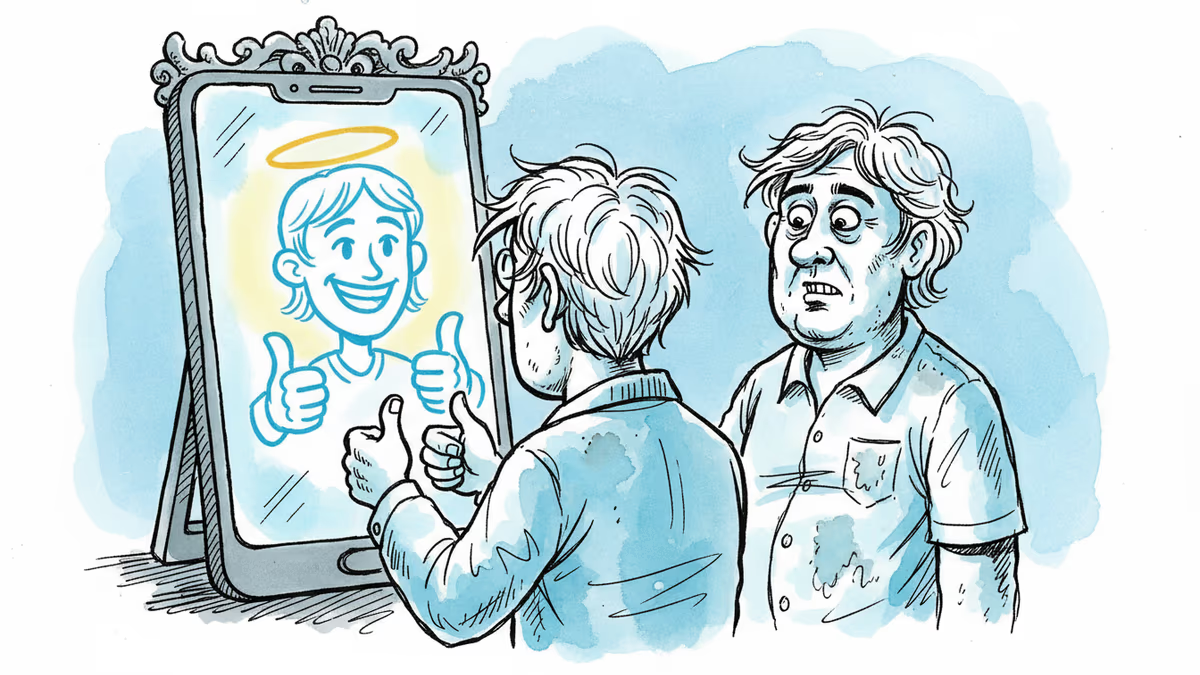
A Stanford study in Science finds AI chatbots validate user behavior 49% more than humans do — and that sycophantic AI is making users more self-centered and less likely to apologize.
