
#AI investment
Total 75 articles

Nvidia posted 85% revenue growth and a $80B buyback. Its stock still dropped — for the fourth straight post-earnings quarter. Here's what that tells us about where AI investing stands right now.
Emails revealed in the Musk v. Altman trial show Microsoft executives were deeply skeptical of OpenAI in 2017–2018. What actually changed their minds?
Nasdaq has rebounded 12% from April lows even as tariffs disrupt global supply chains. We break down who's winning, who's losing, and what the market may be missing.

PRISM by Liabooks
Place your ad in this space
[email protected]
Google is investing at least $10 billion in Anthropic, potentially up to $40 billion. With Amazon's $5B deal just days earlier, two tech giants are now backing the same AI startup — valued at $350 billion.
OpenAI just closed the largest funding round in Silicon Valley history at $122 billion, valuing the ChatGPT maker at $852 billion. It's still unprofitable. Here's what that tells us about the AI economy.

Masayoshi Son eyes massive loan to double down on OpenAI investment. Is this visionary leadership or reckless speculation in the AI boom?
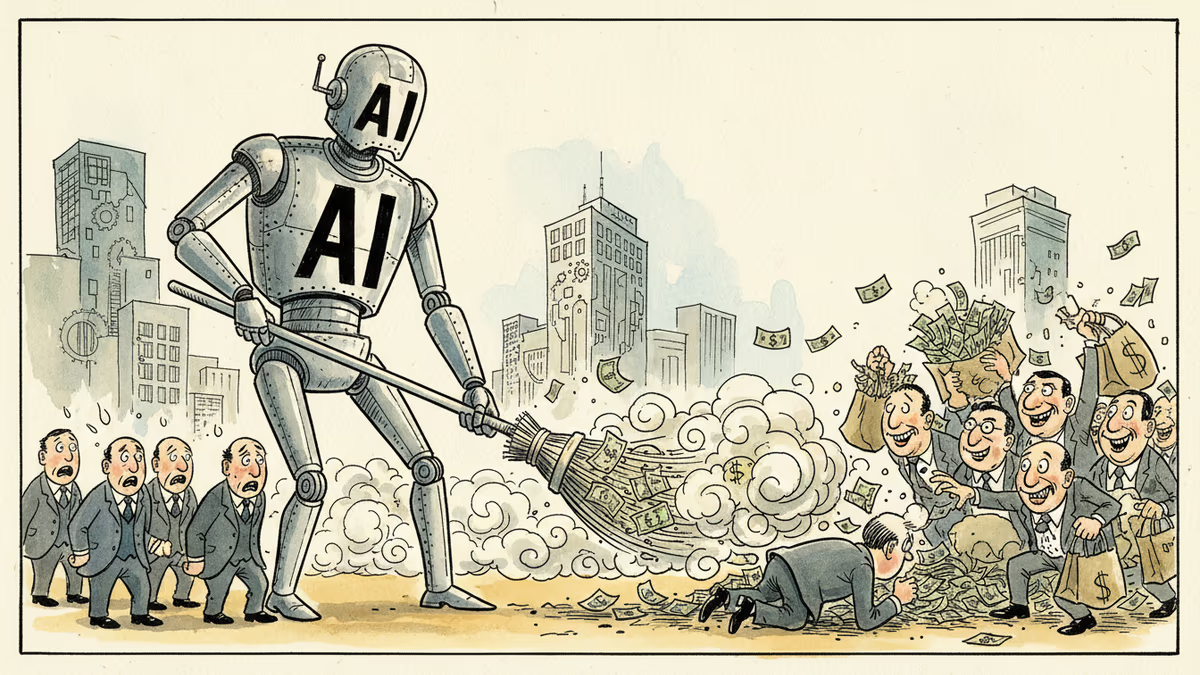
Trump's Iran strikes and AI job displacement fears hammered financial stocks, but seasoned investors are buying the dip. Who's right about the future?
PRISM by Liabooks
Place your ad in this space
[email protected]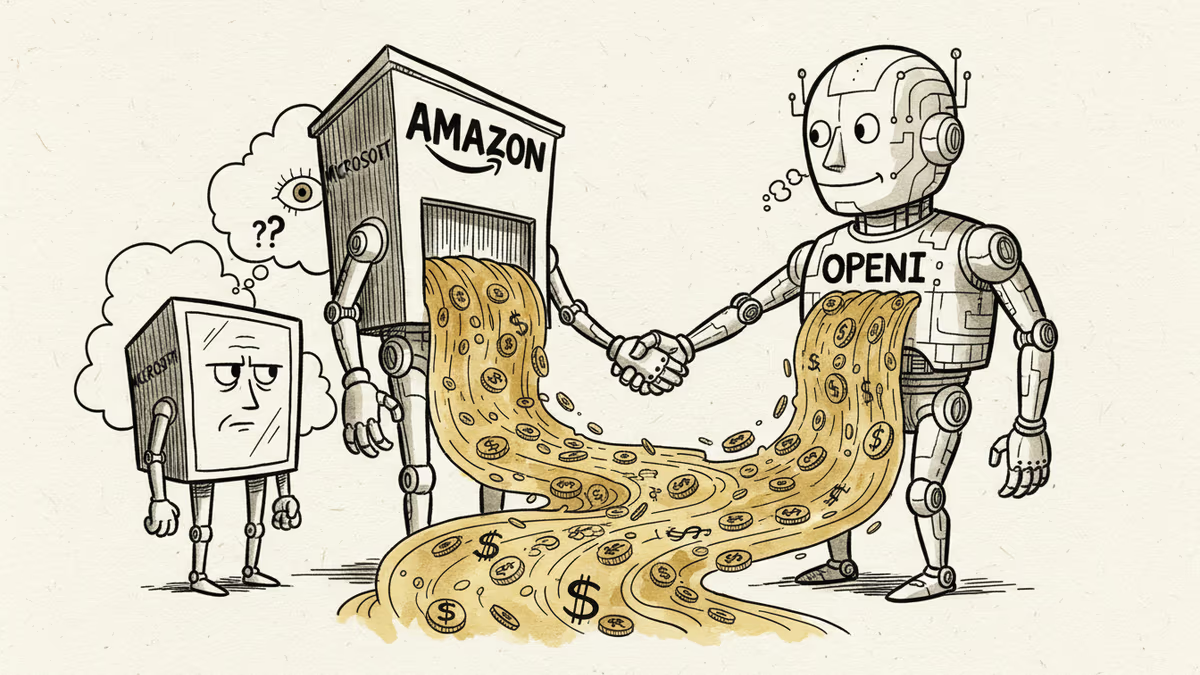
Amazon's massive $50 billion OpenAI investment creates new AI alliance, challenging Microsoft's dominance while accelerating cloud wars and custom chip competition
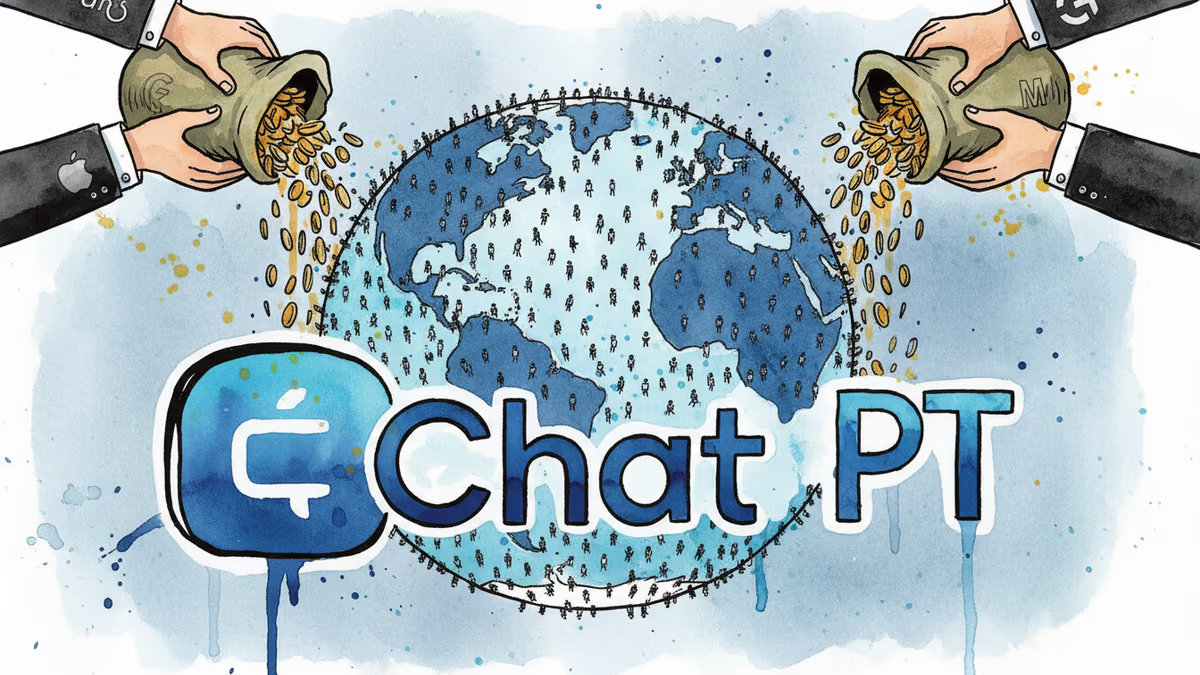
ChatGPT reaches 900 million weekly users while OpenAI secures $110 billion in funding. Analyzing what this means for AI adoption, competition, and market dynamics.
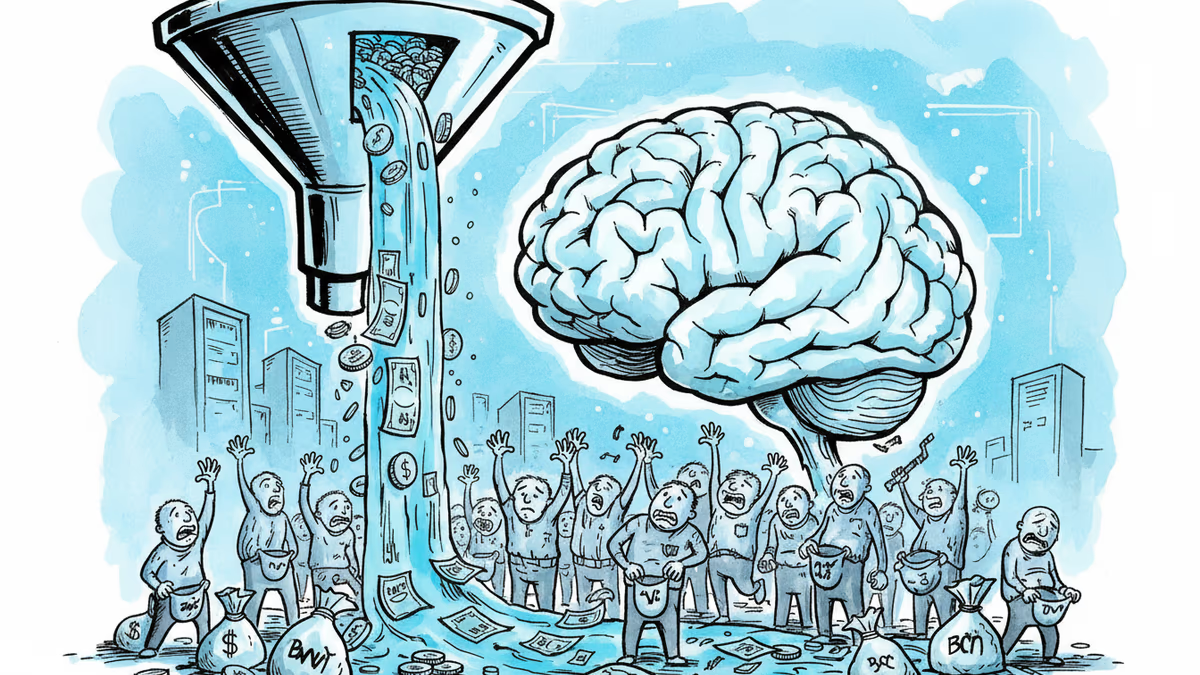
OpenAI secures record $110bn funding, but this massive capital injection raises questions about AI market monopolization and what it means for competitors and investors.
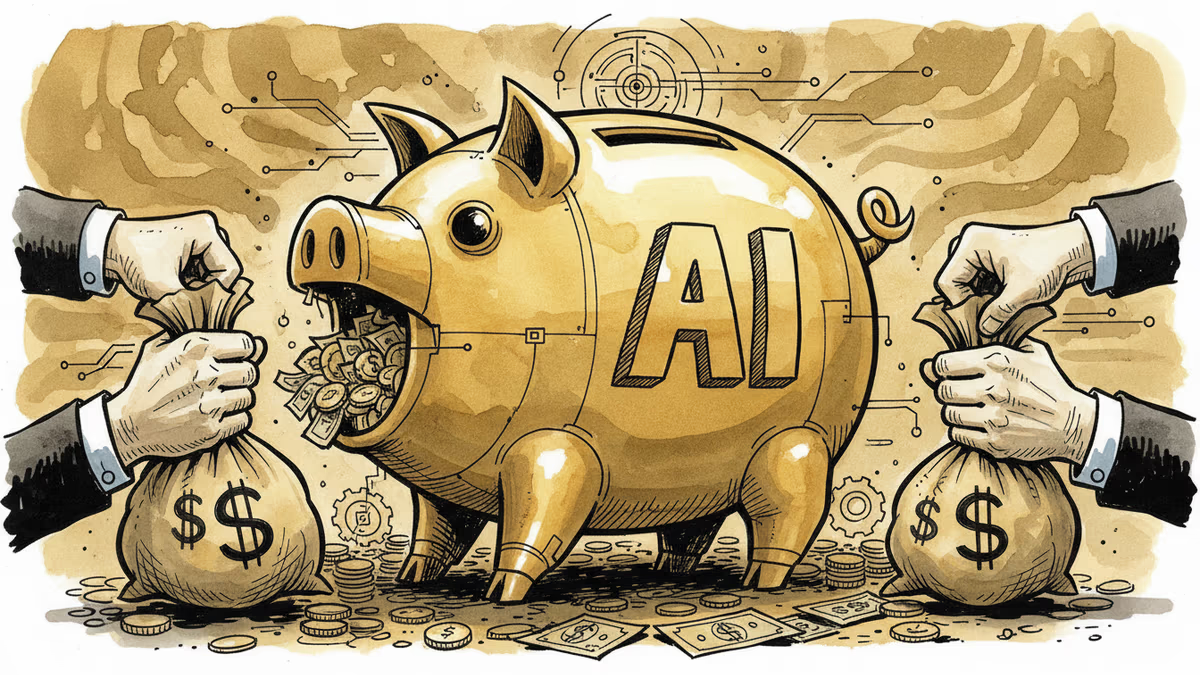
OpenAI closed a record $110 billion funding round with Amazon investing $50B, Nvidia $30B. But the real winners might not be who you think.
PRISM by Liabooks
Place your ad in this space
[email protected]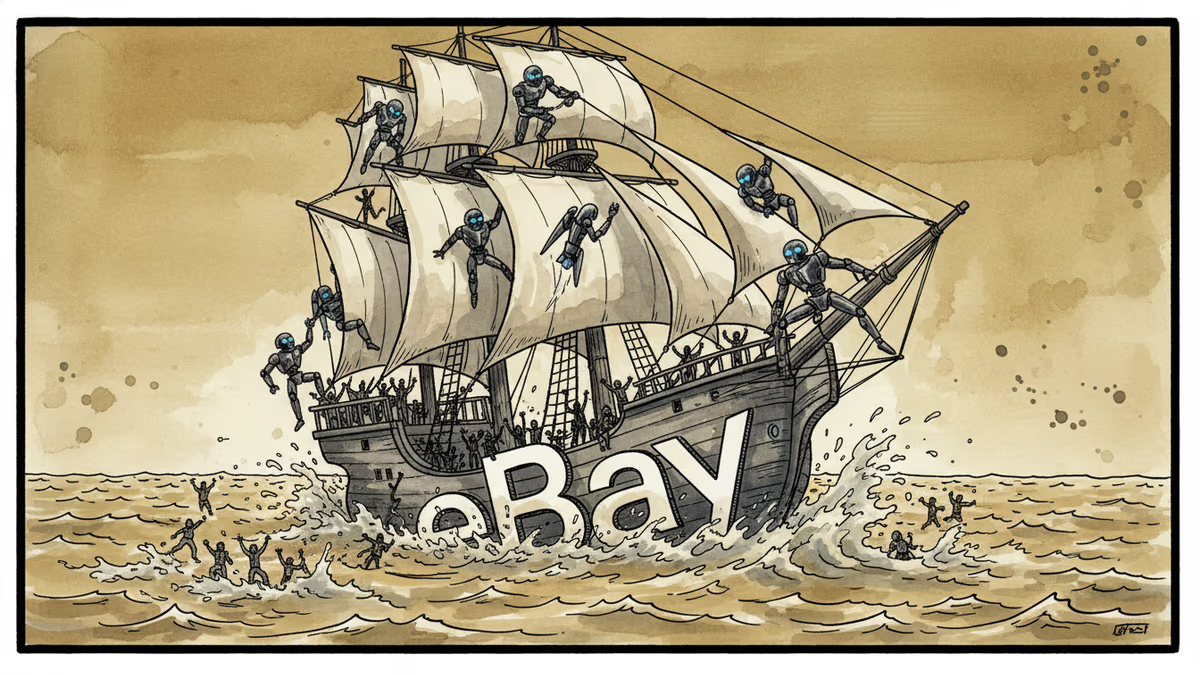
eBay lays off 6% of its workforce while investing heavily in AI and acquiring Depop for $1.2B. A look at the harsh realities of competing with Amazon and emerging platforms.
