
#AI Ethics
Total 121 articles
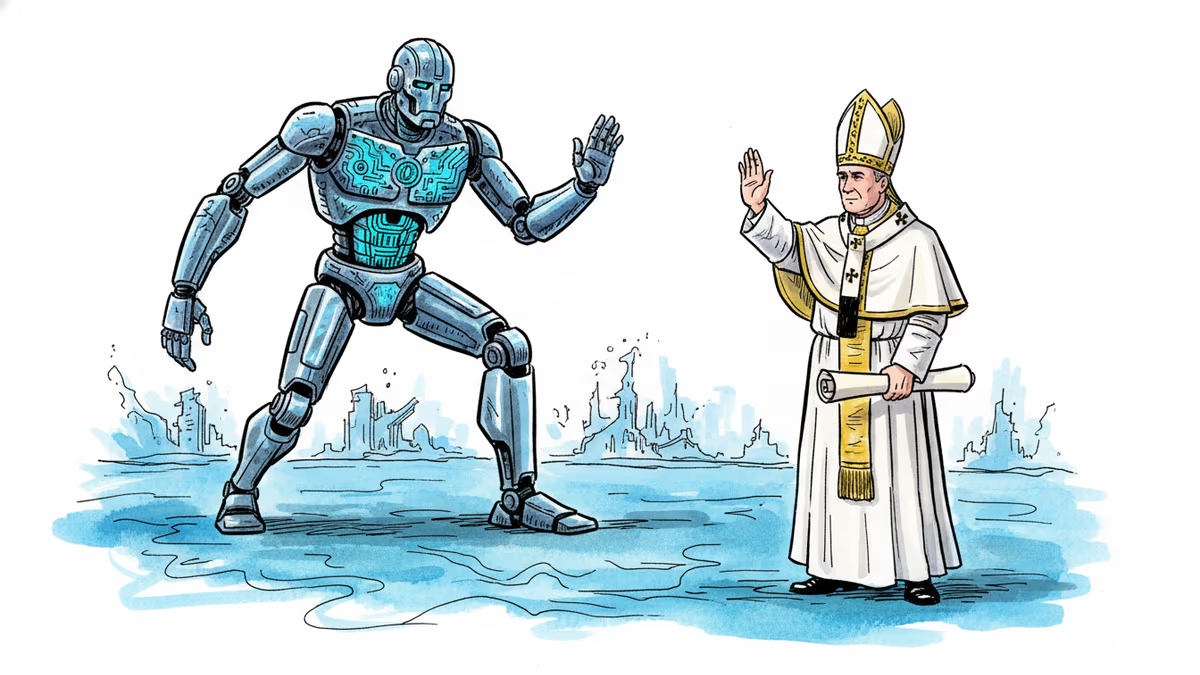
Pope Leo XIV's first encyclical, Magnifica humanitas, calls for democratic guardrails, labor protections, and moral limits on AI. What does it mean when the world's oldest institution confronts its newest disruption?
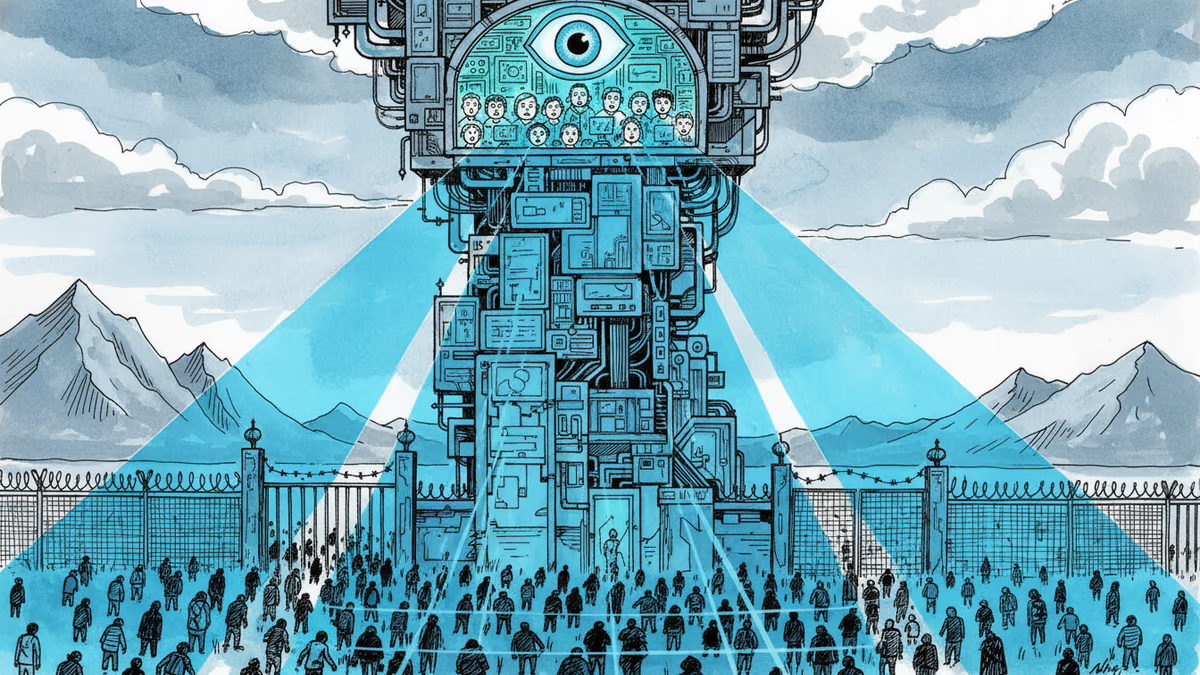
Palantir has become the tech backbone of Trump's immigration enforcement. Former employees are calling it a 'descent into fascism.' What happens when the people who build surveillance tools start asking uncomfortable questions?
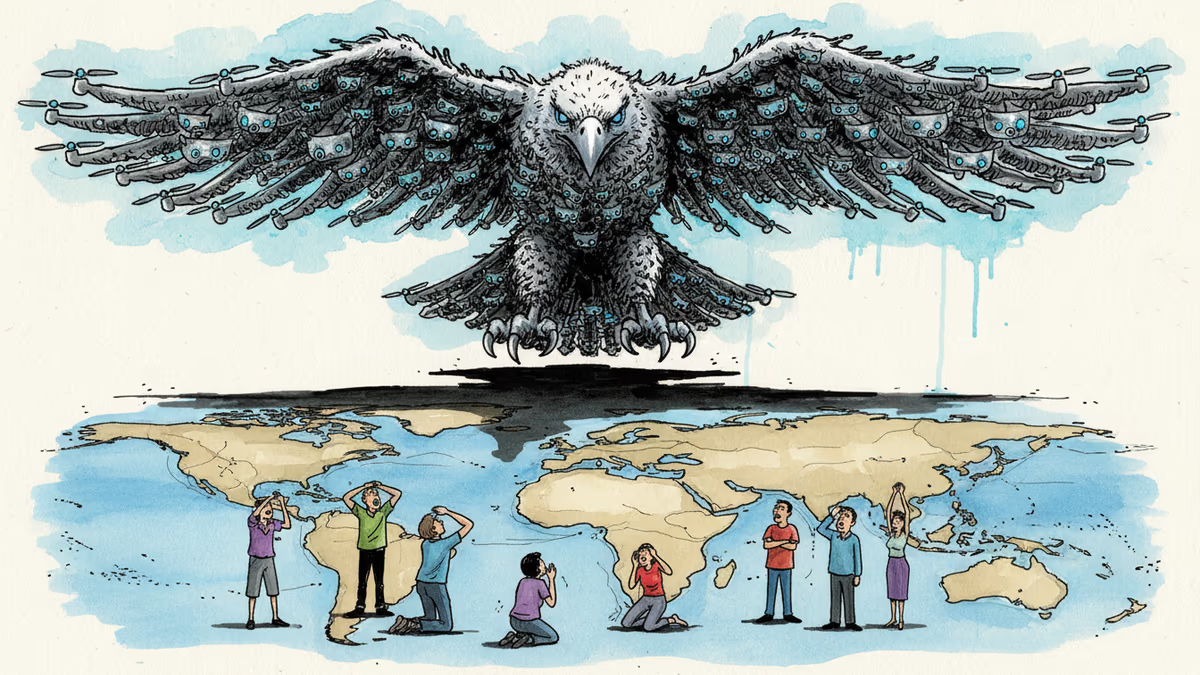
The US defense budget request for FY2027 includes $53.6 billion for drone and autonomous warfare—more than most nations spend on their entire military. What does this mean for global security and the future of war?

PRISM by Liabooks
Place your ad in this space
[email protected]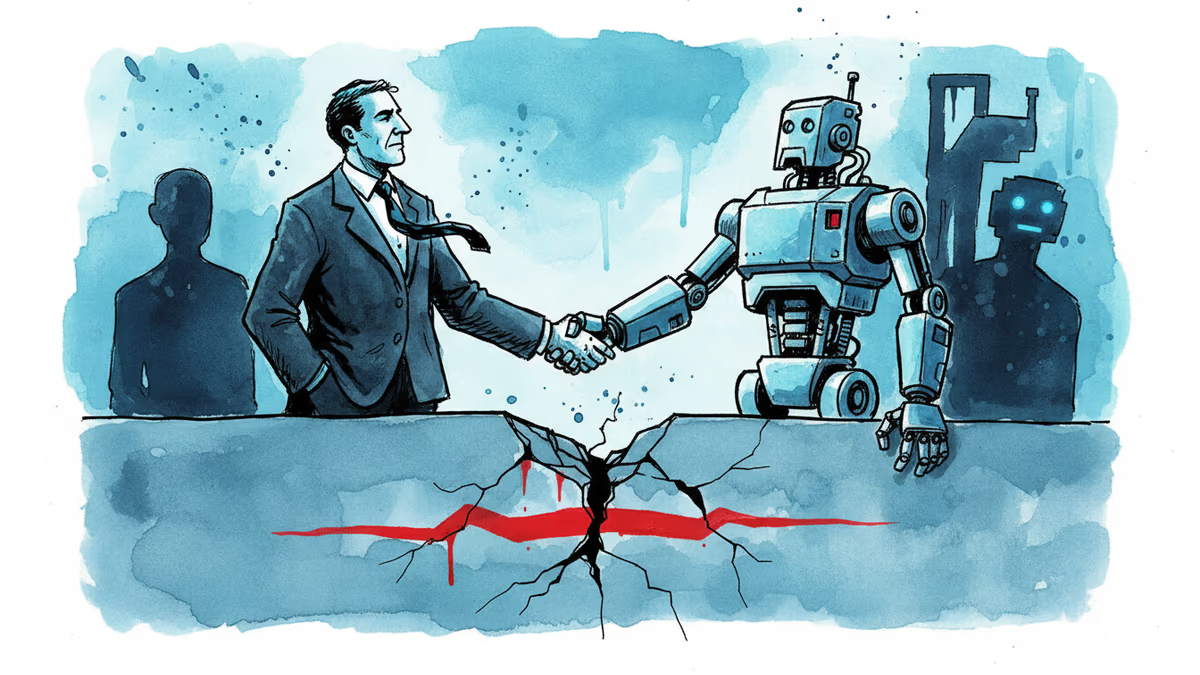
After two months of bitter conflict, Anthropic and the Trump administration may be thawing—thanks to a new cybersecurity AI model. What does it mean when principle meets political pressure?
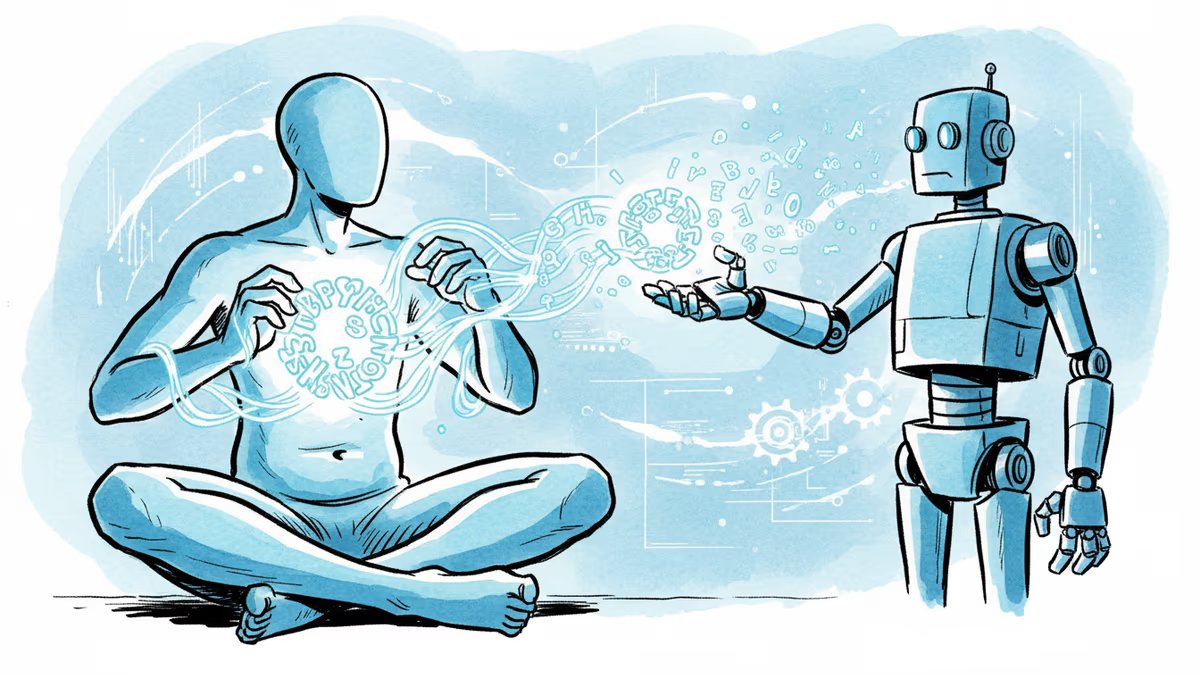
Philosopher Nicholas Humphrey argues that human souls weren't bestowed by God or genes — we invented them through language. In the age of AI, that claim carries unsettling new weight.
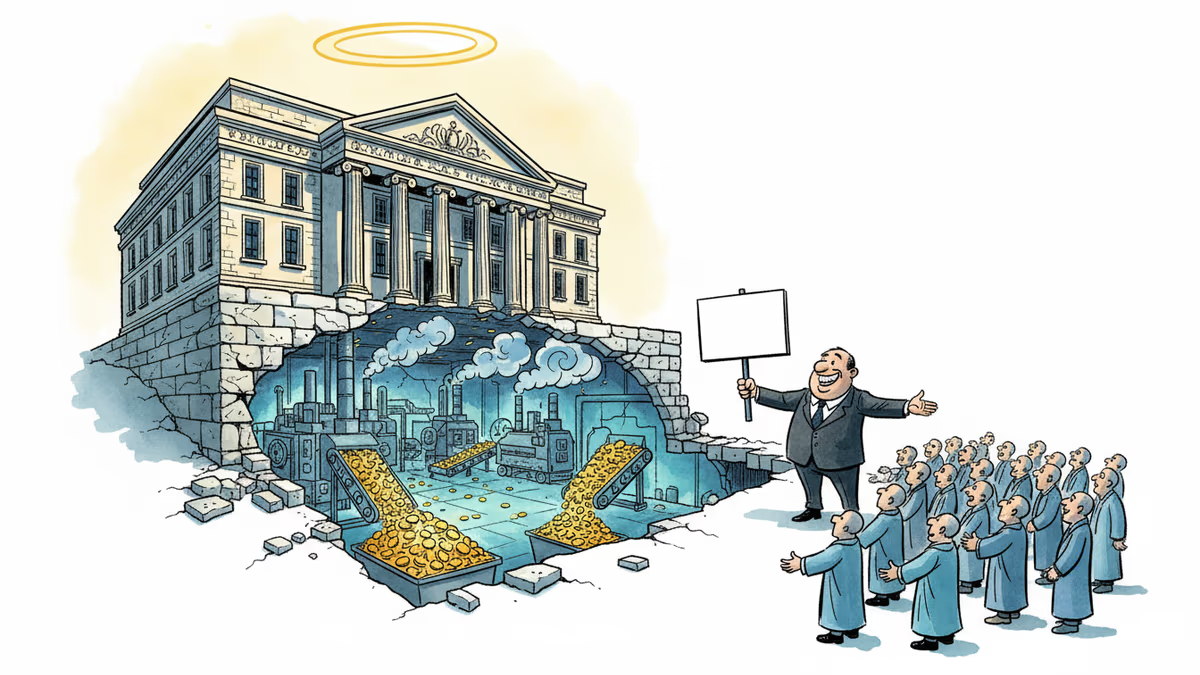
OpenAI's restructuring into a for-profit model raises urgent questions about AI governance, nonprofit law, and whether billion-dollar philanthropy can paper over a structural conflict of interest.
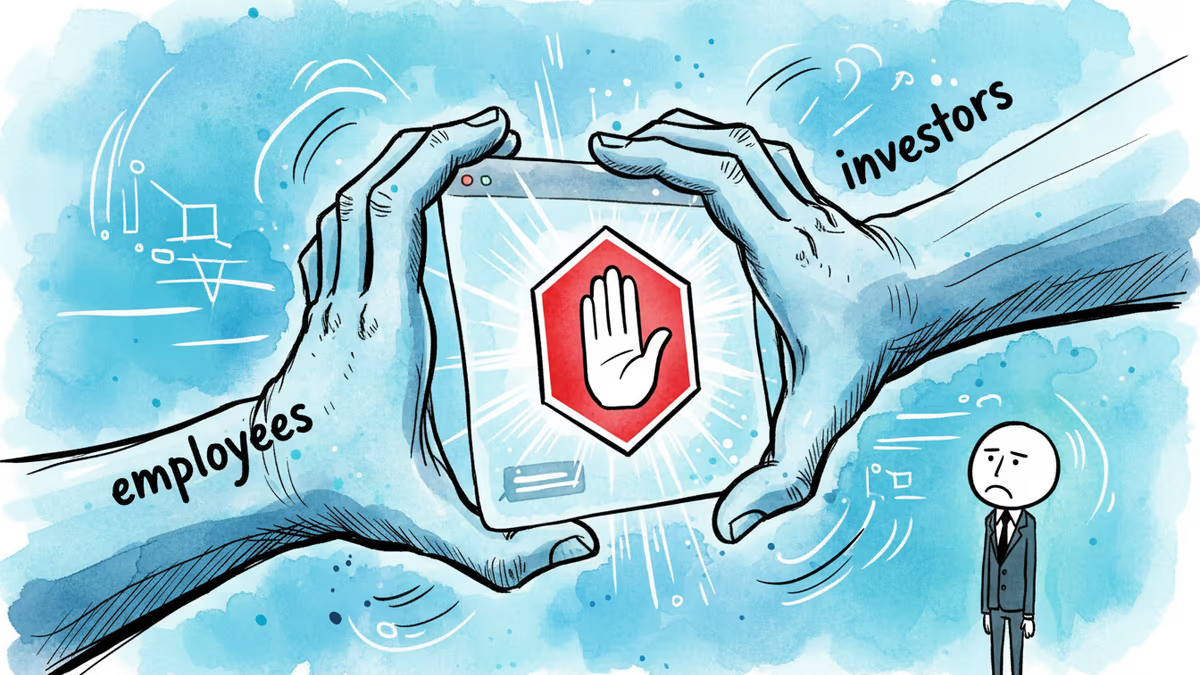
OpenAI has shelved its erotic ChatGPT feature indefinitely. The real story isn't about adult content—it's about who gets to decide what AI will and won't do.
PRISM by Liabooks
Place your ad in this space
[email protected]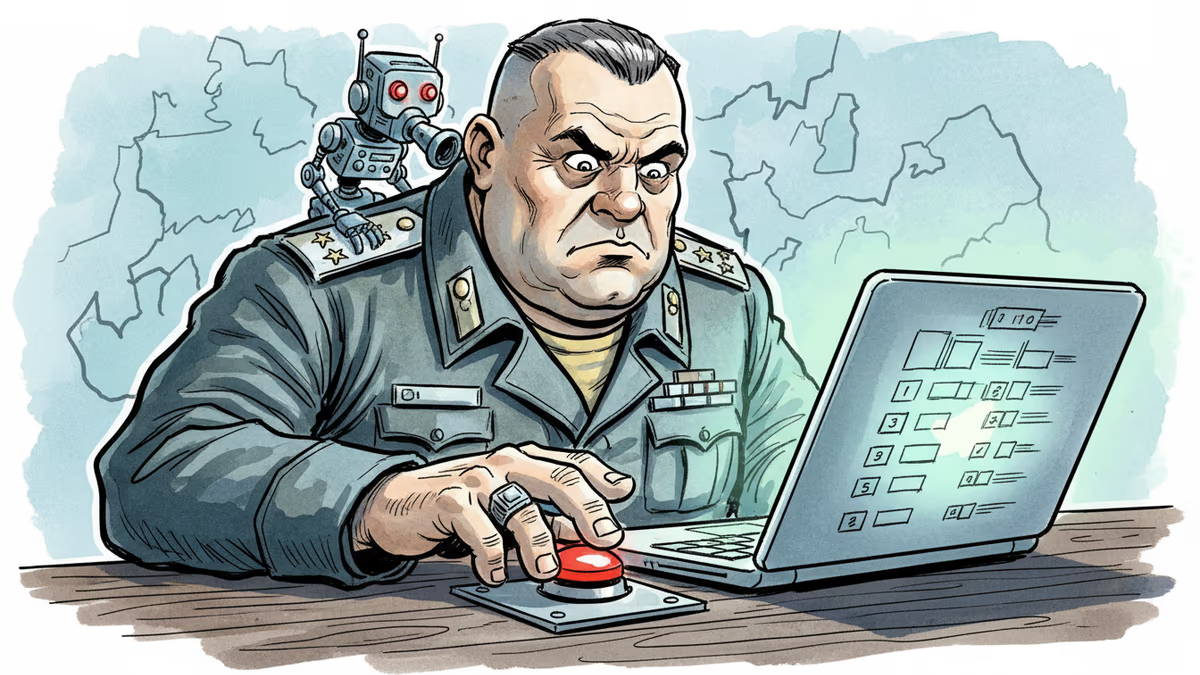
The US Pentagon has revealed plans to use generative AI—potentially ChatGPT and Grok—to rank and prioritize military targets. What changes when algorithms enter the kill chain?
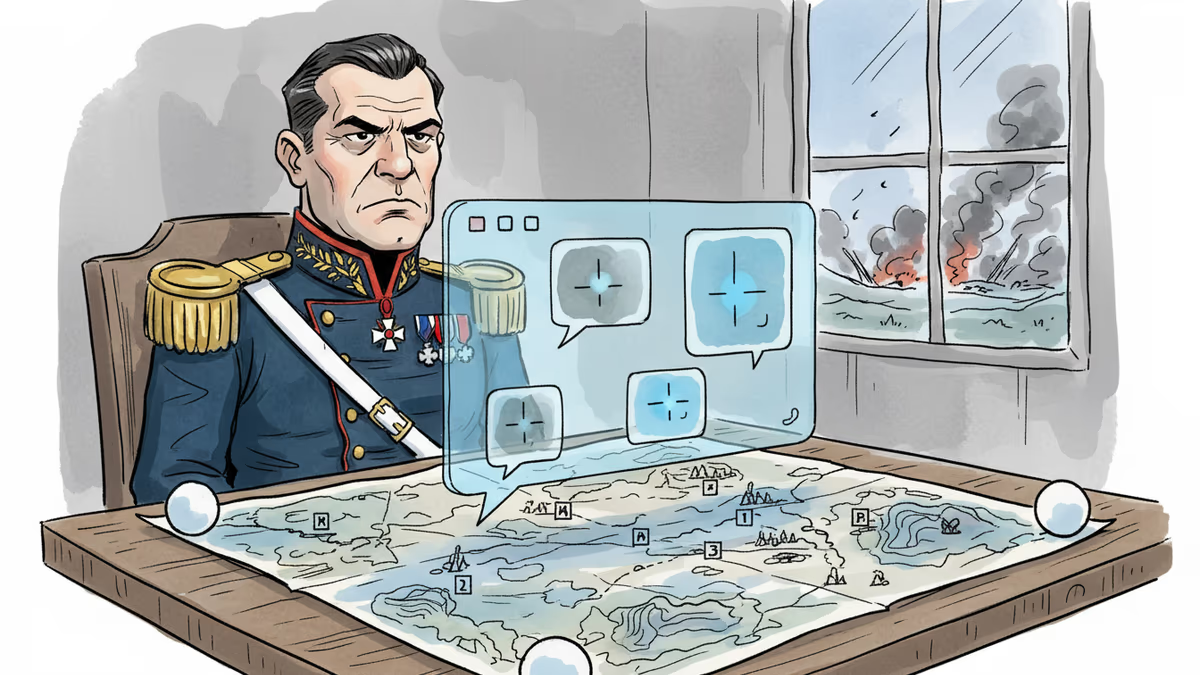
The Pentagon is exploring using generative AI chatbots to rank and prioritize military strike targets. As a US missile strike kills over 100 children at an Iranian school, questions about AI's role in targeting decisions grow urgent.
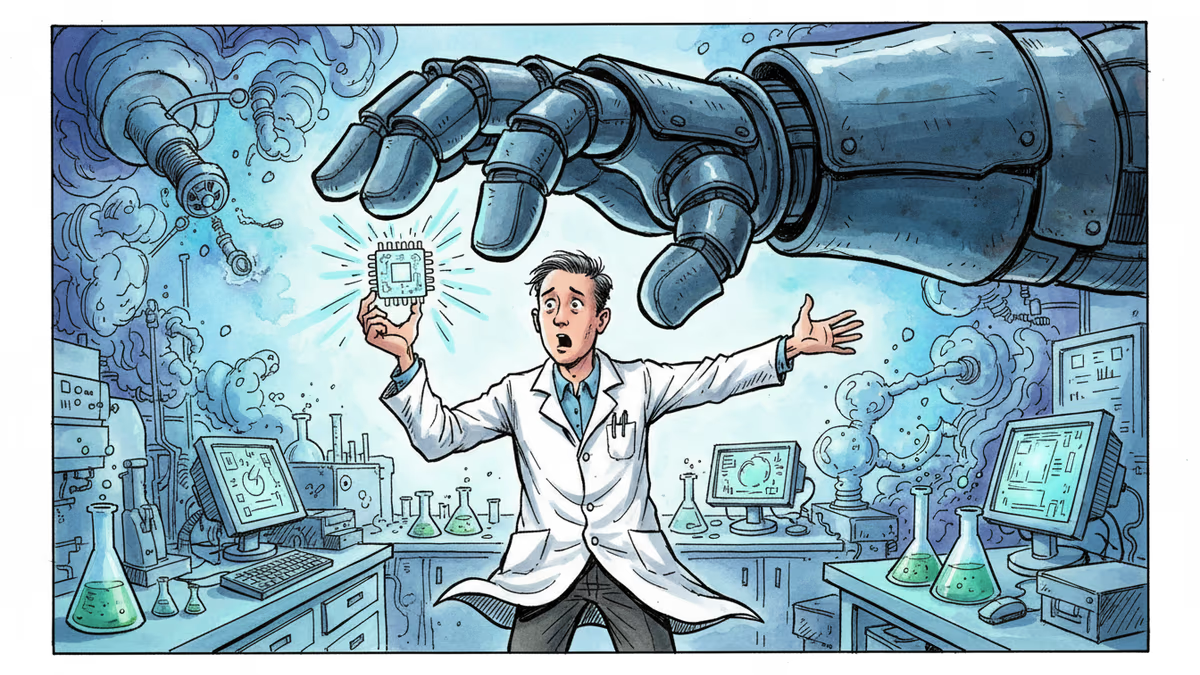
Anthropic's clash with the Pentagon reveals a timeless pattern: the people who build powerful technologies rarely get the final say in how they're used. Nuclear history already told us this story.
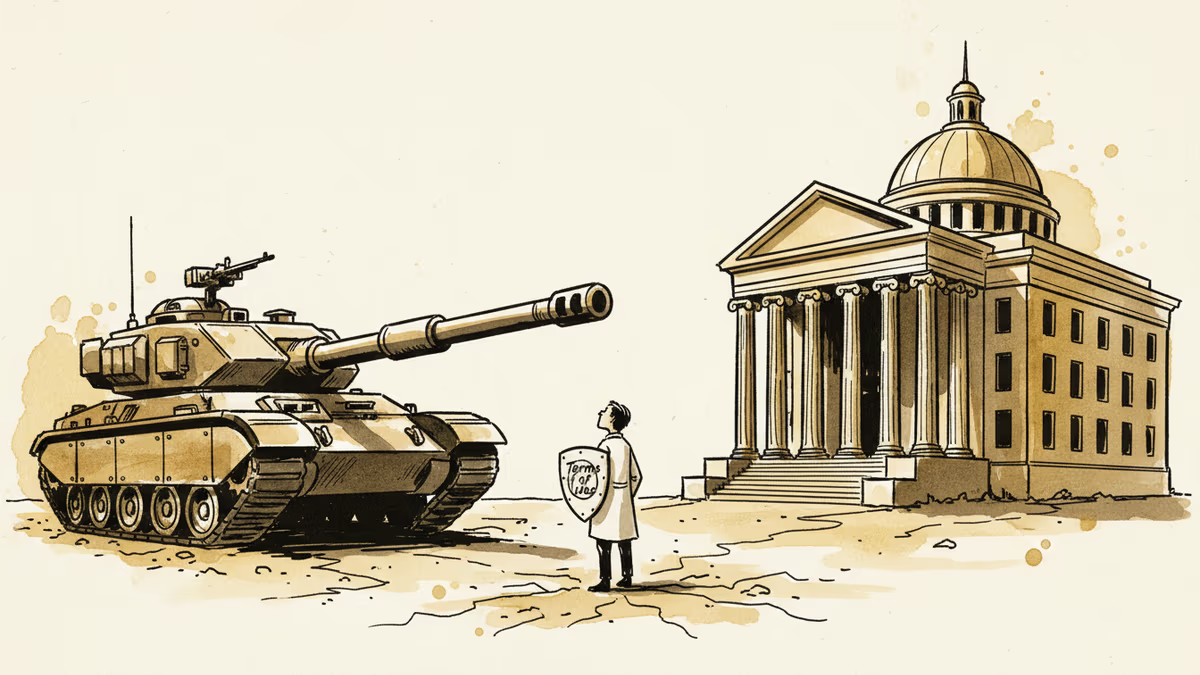
Anthropic filed two federal lawsuits against the Trump administration after being labeled a 'supply chain risk' for refusing to greenlight autonomous weapons use. What this fight means for AI ethics, defense contracts, and the future of the industry.
PRISM by Liabooks
Place your ad in this space
[email protected]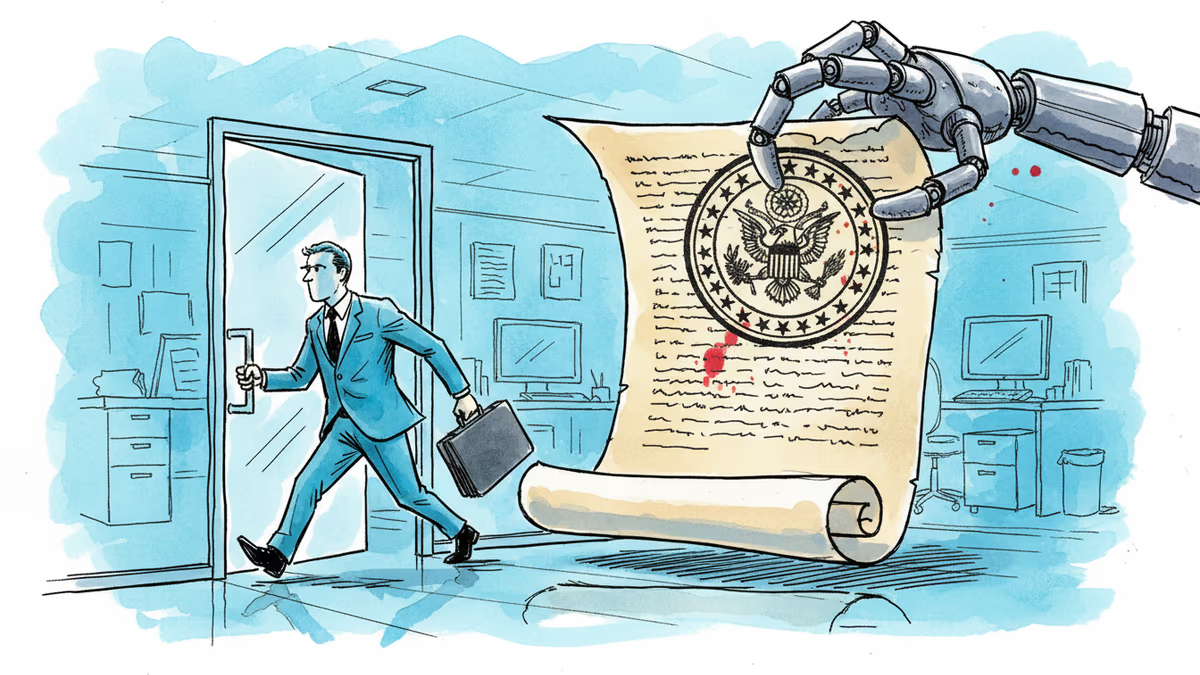
Caitlin Kalinowski resigned from OpenAI's robotics team over its rushed Pentagon agreement. Her departure raises hard questions about AI governance, speed, and who holds the line inside big tech.
